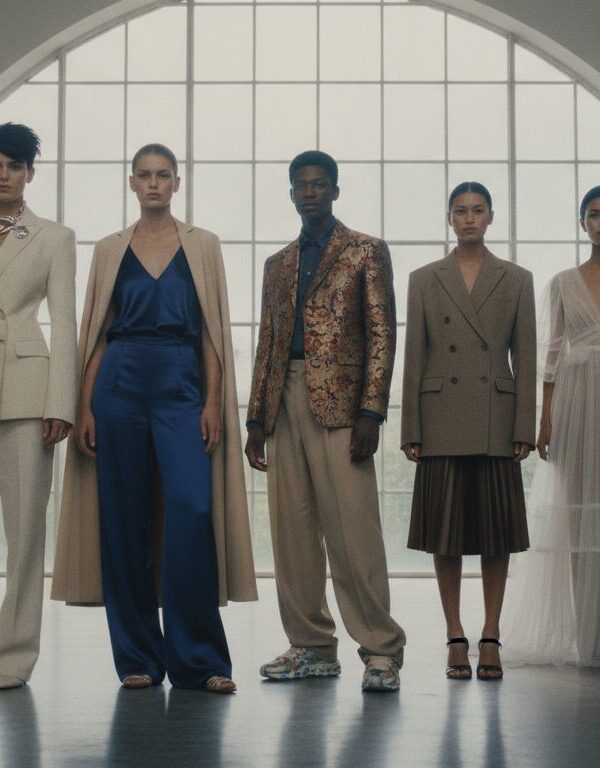
High end fashion brands are luxury labels defined by exceptional craftsmanship, premium materials, and enduring design. Louis Vuitton leads the pack at $40.7 billion in brand value, per FashionUnited’s 2025 index. These aren’t just clothes. They’re statements.
Key Takeaways
- fashion brands are defined by participation in the four major fashion weeks and a commitment to artisanal quality.
- Louis Vuitton ($40.7B), Chanel ($34.2B), and Hermès ($30.4B) top the 2025 brand value rankings, per FashionUnited.
- True luxury is identified through premium natural fibers, hand-finished construction, and consistent design language.
- Sustainable leaders like Stella McCartney and Gabriela Hearst are redefining what luxury responsibility looks like.
- For nightlife, brands like Saint Laurent, Balenciaga, and Mugler deliver the edge and drama the night demands.
- Luxury items often retain significant resale value, especially when properly maintained, making them smart long-term investments.
What Are High End Fashion Brands?
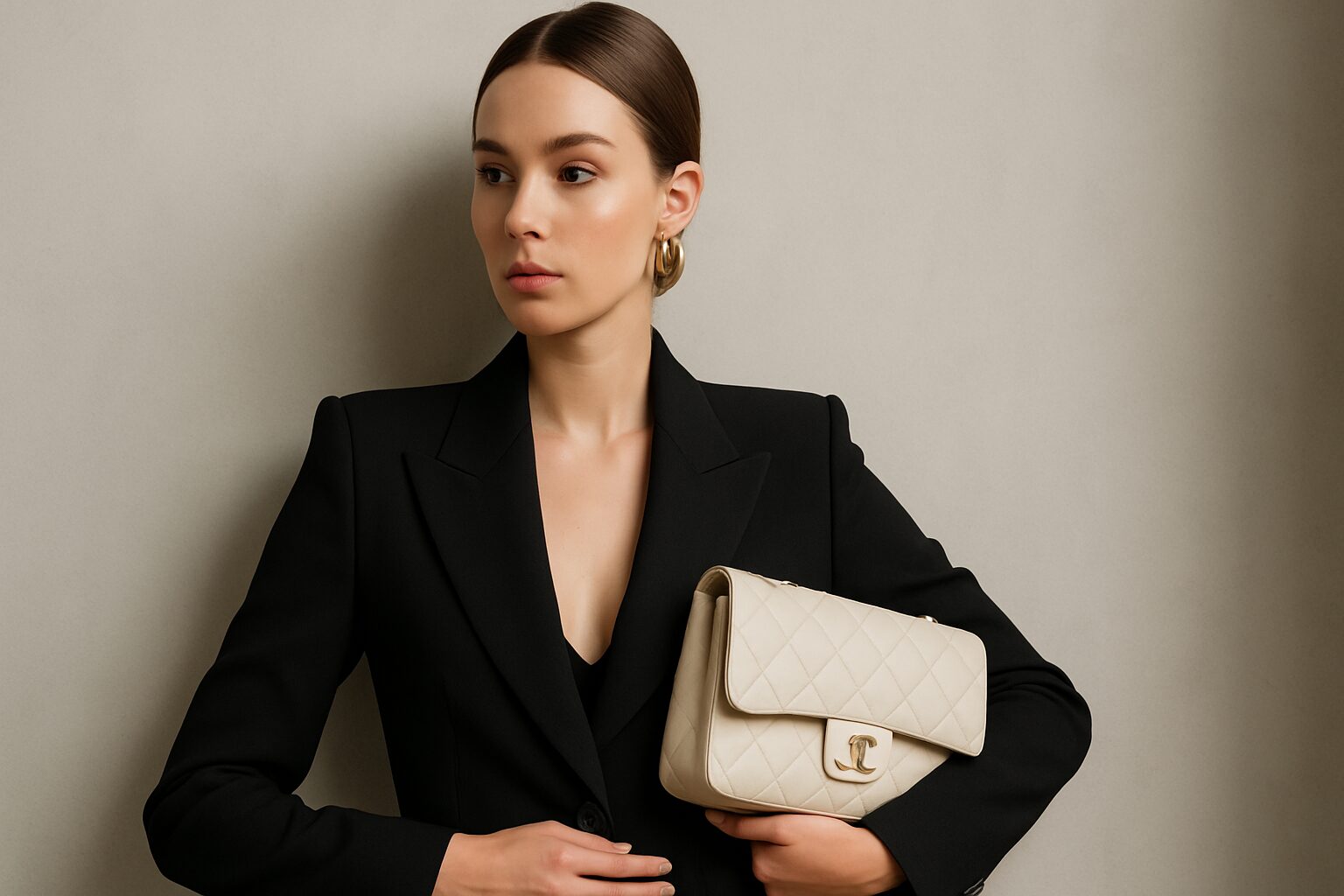
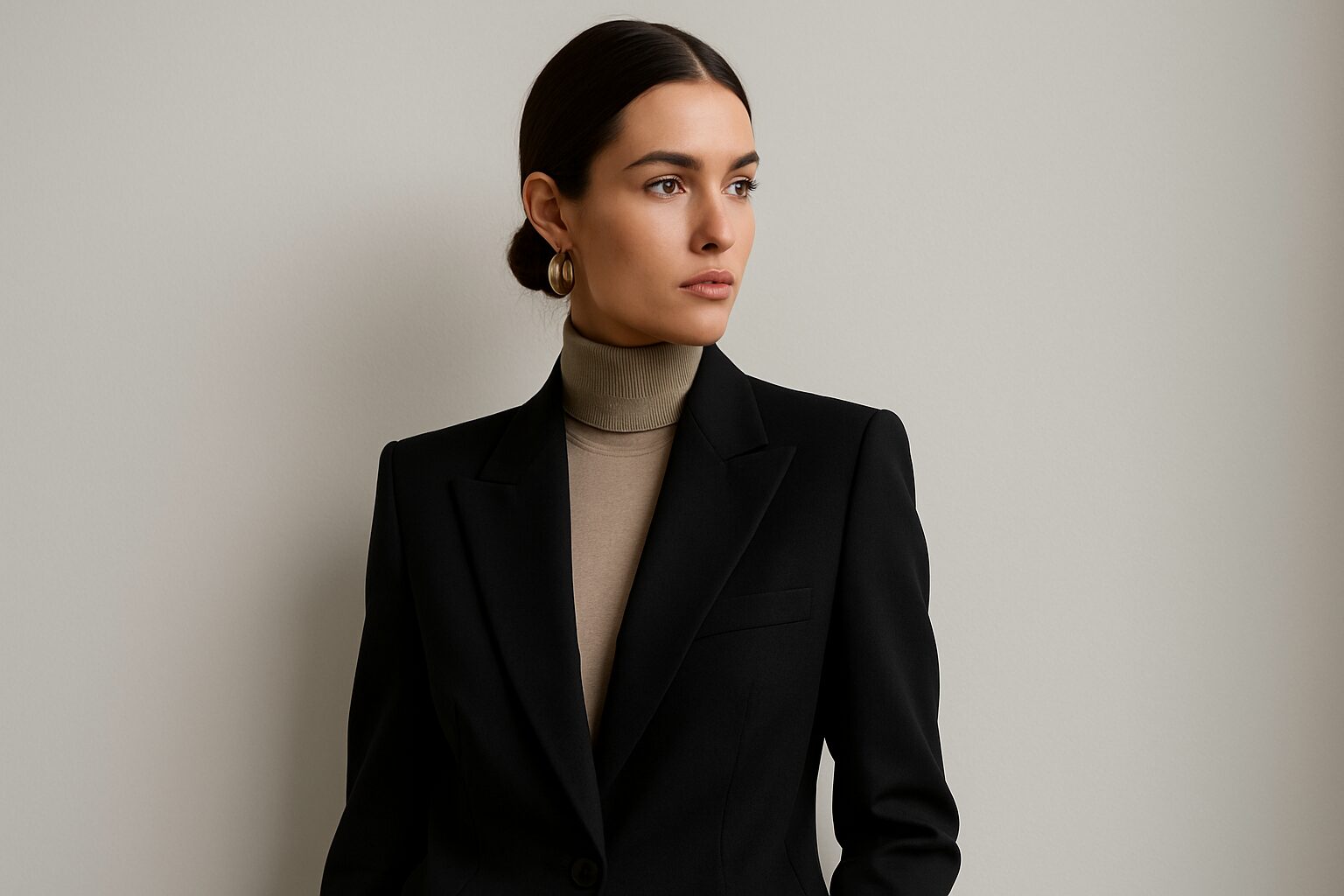
this type of brands are luxury labels renowned for exceptional craftsmanship, premium materials, and enduring style. They include powerhouses like Louis Vuitton, valued at $40.7B, and Chanel at $34.2B, according to FashionUnited. These names don’t just sell clothes. They sell a world.
Definition and Core Characteristics
According to Wikipedia, high fashion clothing brands are those “currently showing at one of the world’s four major fashion weeks, in Paris, Milan, London, and New York.” That’s the industry gold standard. this kind of fashion brands are synonymous with prestige: they use the finest materials, employ expert artisans, and set the trends that eventually filter down to mass markets. A garment from a luxury house isn’t just clothing. It’s a document of artistry and heritage.
Core characteristics include limited production runs, meticulous attention to stitching and finishing, and a design philosophy that puts creativity before commercial convenience. These brands maintain strong ties to their founding ateliers, ensuring generations of knowledge inform every single collection.
The Role of Fashion Weeks and Heritage
Fashion weeks are the proving ground for luxury. Showing at Paris, Milan, London, or New York Fashion Week signals that a brand has earned its place at the top. Heritage compounds that authority: Hermès was founded in 1837, Burberry in 1856. That kind of legacy builds an intangible value fast fashion simply cannot manufacture. Consumers don’t just buy a product. They buy into a narrative of excellence polished over decades.
Examples of Top High End Fashion Brands
Some names consistently sit at the apex. Louis Vuitton and Chanel dominate the luxury landscape, while Hermès is revered for its handcrafted Birkin and Kelly bags. Gucci brings bold Italian glamour, Dior exemplifies French femininity, and Prada delivers intellectual cool. Other notables include Bottega Veneta for its intrecciato leather, Balenciaga for avant-garde silhouettes, and Tom Ford for razor-sharp tailoring. These labels consistently push creative boundaries while maintaining the quality their clientele demands.
The Most Valuable High End Fashion Brands in 2026
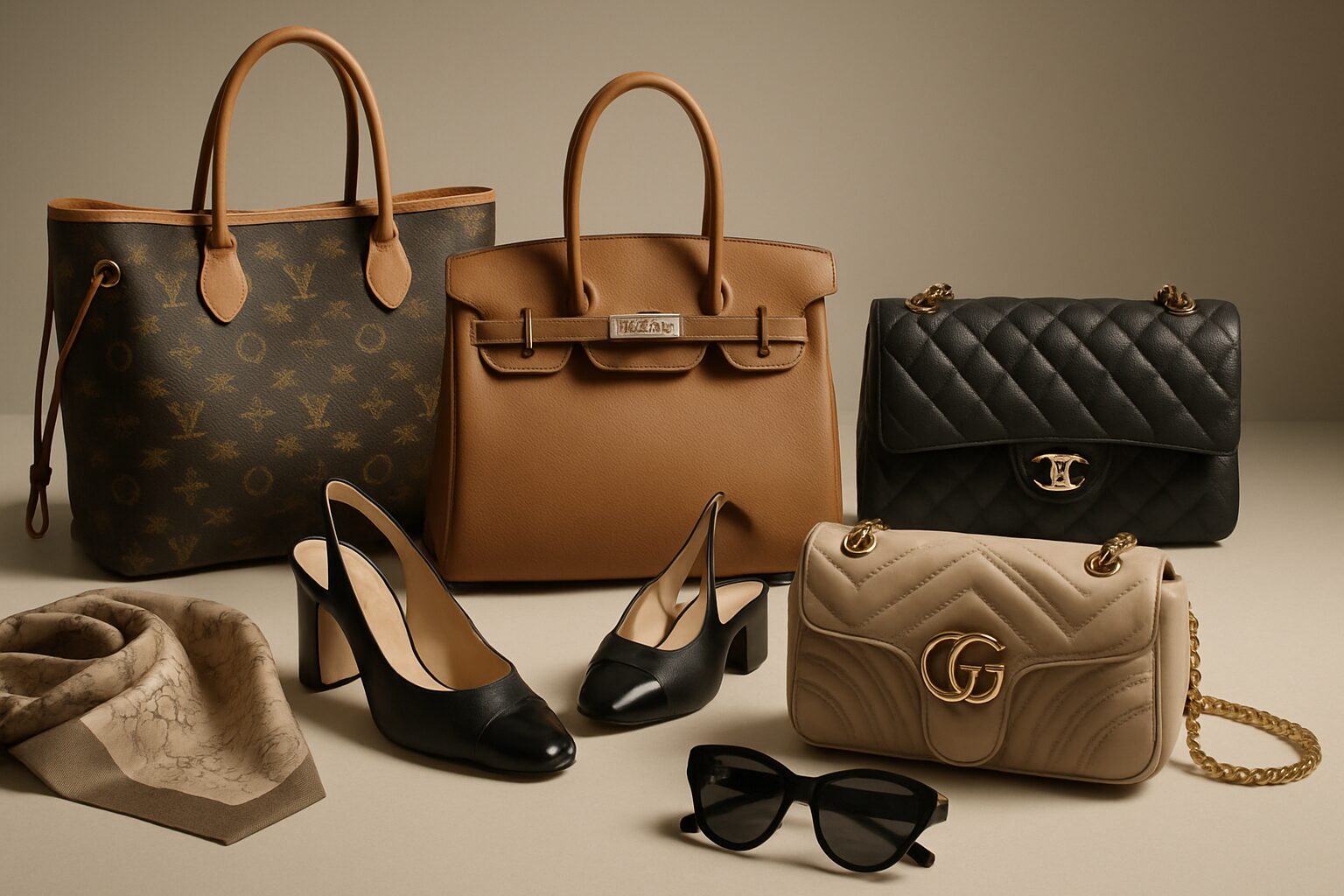
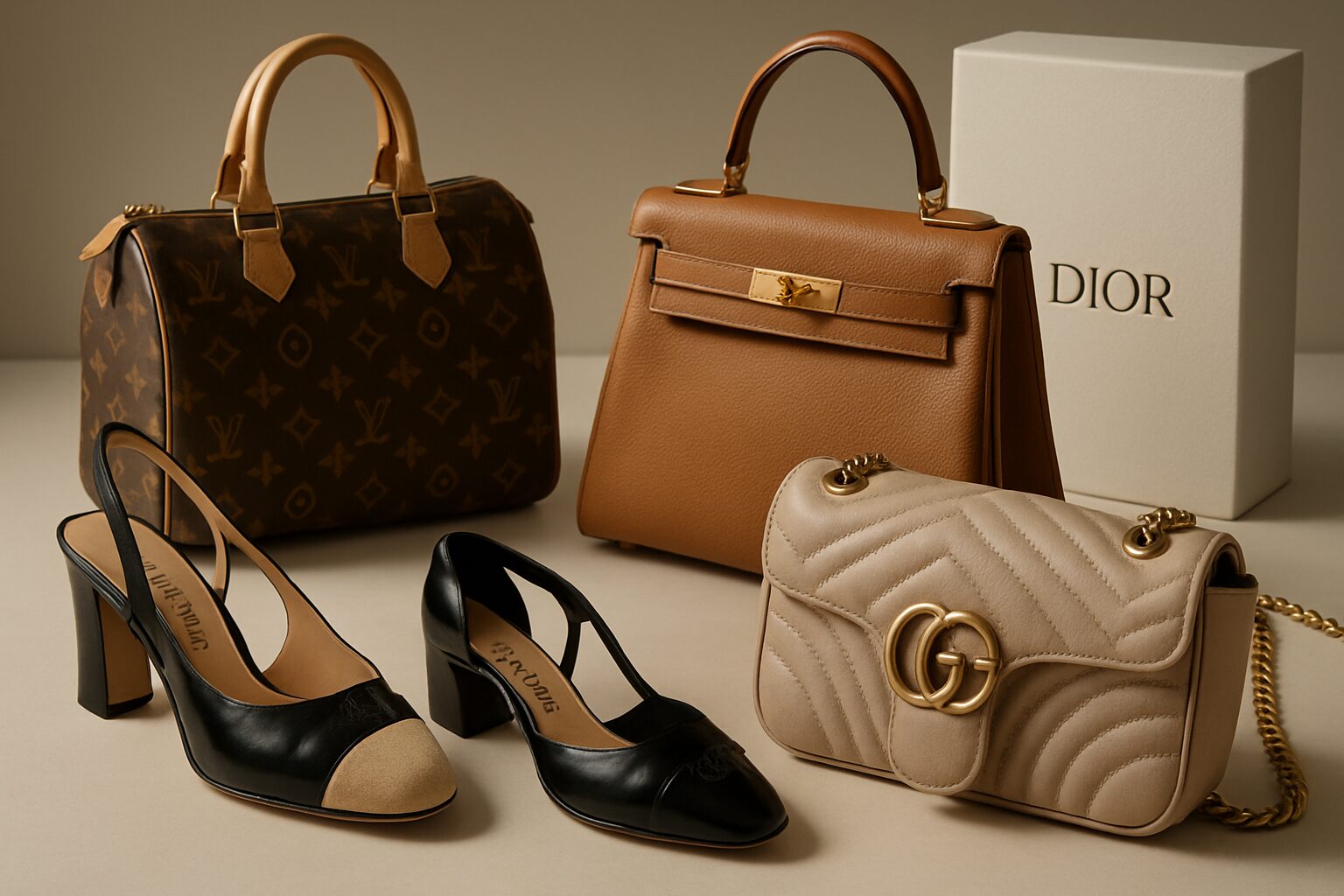
Brand value reflects a label’s financial performance, consumer perception, and cultural pull. According to the FashionUnited Index, the most valuable fashion brands in 2025, projected into 2026, include some familiar titans and a few surprises.
Brand Value Rankings and What They Mean
FashionUnited’s 2025 data places Louis Vuitton at the top with a staggering $40.7 billion brand value, followed by Chanel at $34.2 billion and Nike at $31.6 billion. Hermès holds $30.4 billion, with Zara at $18.7 billion rounding out the top five. These numbers signal a brand’s ability to command premium pricing, maintain desirability, and weather economic shifts. Labels that rank highly have typically diversified into accessories, beauty, and fragrances, creating multiple revenue streams that protect them in downturns.
Other notable names include Rolex ($14.5B), Cartier ($13.5B), and Gucci ($11.5B). The strength of accessory-focused brands highlights how leather goods and fine jewelry can be more recession-resistant than ready-to-wear.
How Brand Value Reflects Quality and Status
High brand value isn’t just a marketing trophy. It correlates directly with product excellence. Hermès artisans train for years before crafting a single bag. Louis Vuitton subjects its leather goods to rigorous quality testing before anything reaches a boutique floor. That financial muscle allows these labels to invest in the best materials and after-sales service, reinforcing their status season after season. As of 2026, brand value is increasingly tied to sustainability and transparency, two areas where the smartest luxury houses are doubling down.
“The most enduring luxury brands are those that treat quality not as a marketing message but as an operational standard baked into every process, from sourcing to finishing.” – Fashion industry analysis, WWD
How to Spot True Luxury: Key Features of High End Fashion
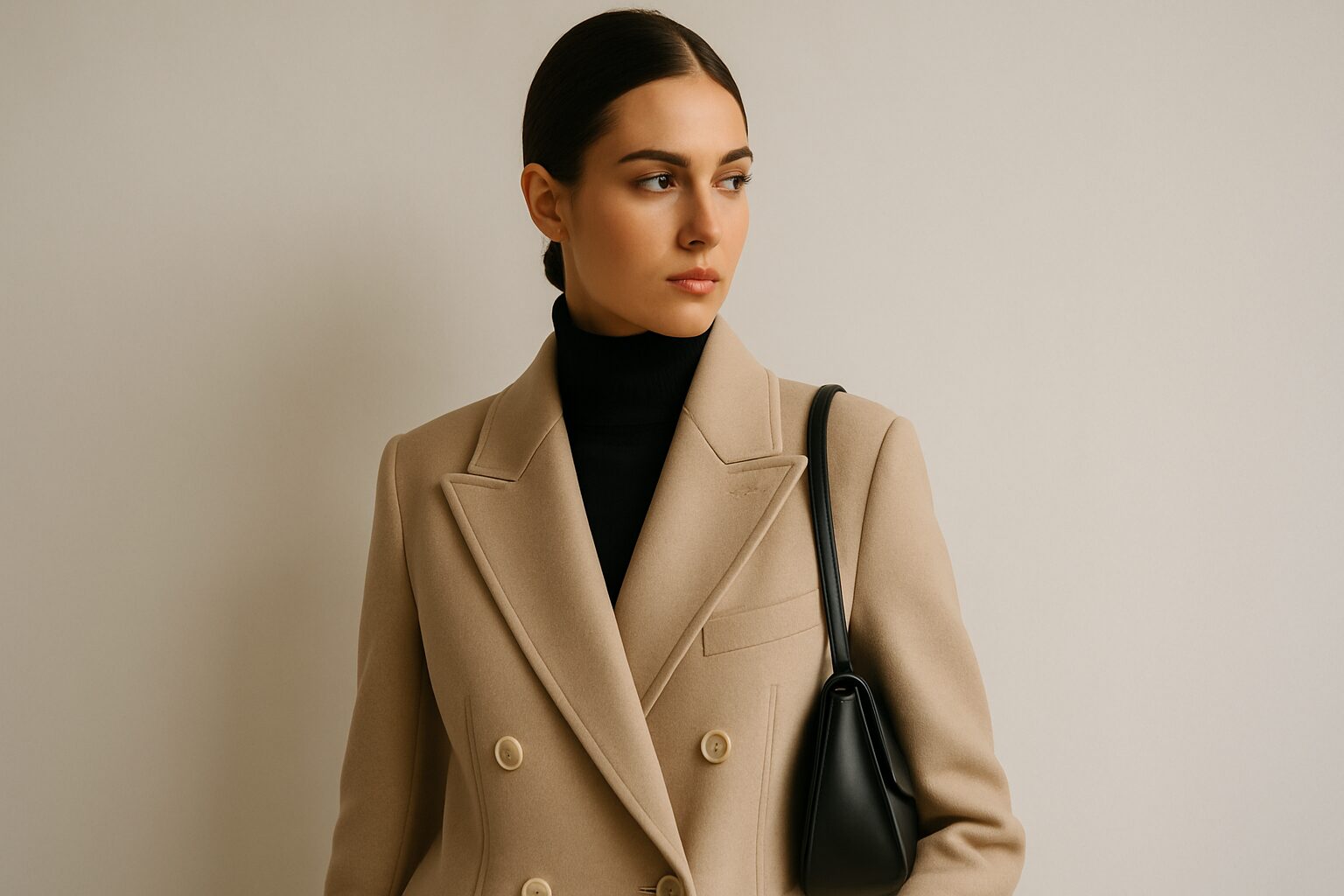
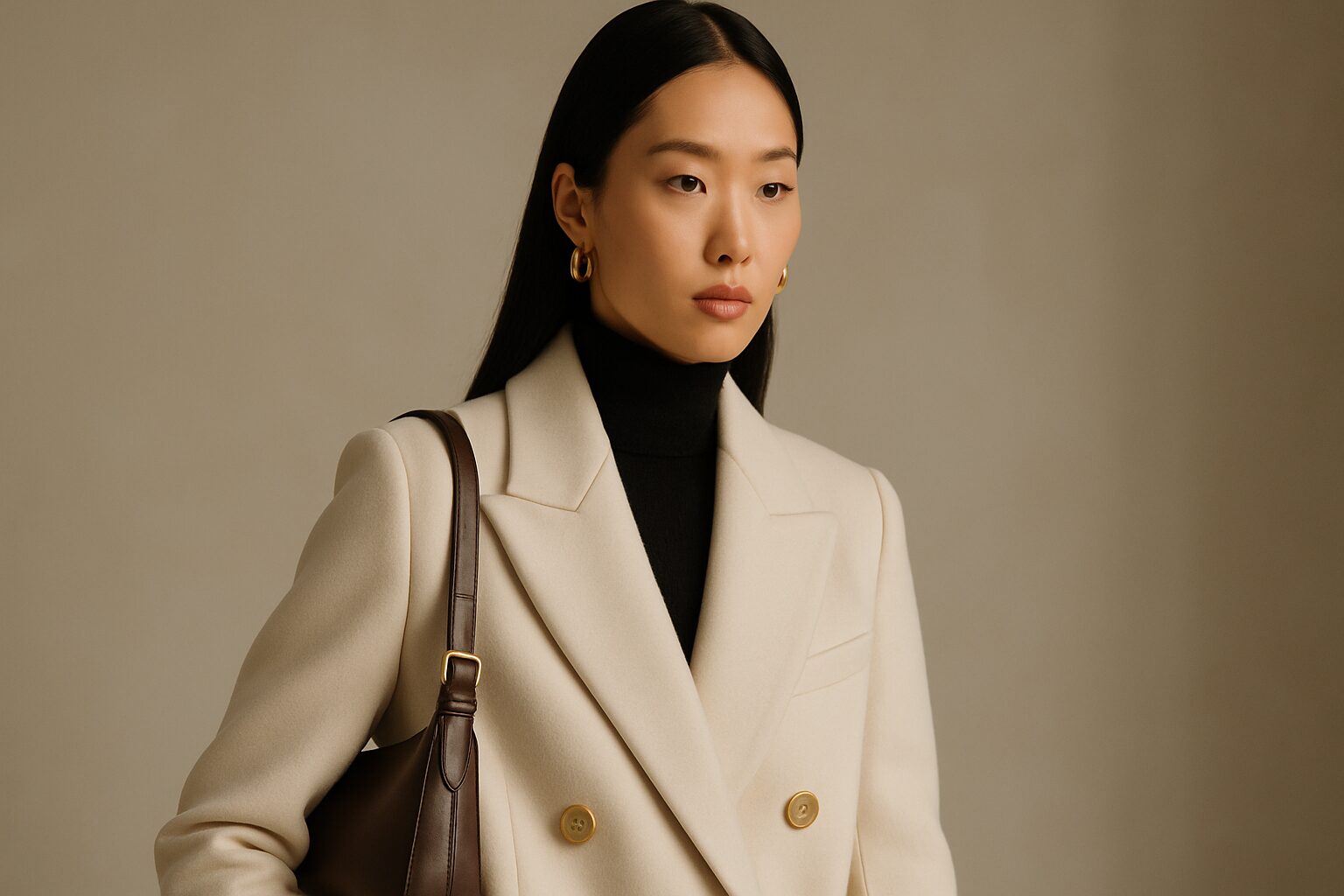
Identifying genuine luxury requires a trained eye. Logos are the most obvious signal, but true quality lives in the details most people never notice until they’re holding the piece.
Premium Materials and Construction
The first tell is fabric. High end garments use natural fibers: cashmere, silk, merino wool, and organic cotton of the highest grade. Synthetics are rare unless they’re innovative technical fabrics with a specific performance purpose. Construction is precise: seams are straight, patterns are matched at the joins, and linings are often cupro or silk. The weight of the fabric, the smoothness of the zipper, and the quality of buttons, often natural materials like horn or mother-of-pearl, all signal that something real is happening here.
Design and Aesthetic Hallmarks
Aesthetic cohesion separates luxury from imitation. A high end brand has a distinct design language that evolves slowly, never chasing every trend cycle. For Bottega Veneta, it’s the woven leather. For Balmain, it’s sharp shoulders and metallics. The silhouette stays consistent, and the fit is engineered to flatter. Even labels that push boundaries, like Comme des Garçons with its deconstruction, make every choice with intention. You feel the thought behind the piece.
The Importance of Craftsmanship
Hand-finishing is a hallmark of real luxury. Many high end garments feature hand-stitched hems, hand-sewn buttons, and hand-painted edges. In a world of mass production, these labels preserve artisanal techniques that would otherwise disappear. Chanel employs over 30 specialized ateliers, including Lesage for embroidery and Lemarié for feathers, to create its haute couture and ready-to-wear collections. That level of labor doesn’t just ensure durability. It makes each piece a work of art you can actually wear.
Pros and Cons of Investing in High End Fashion Brands
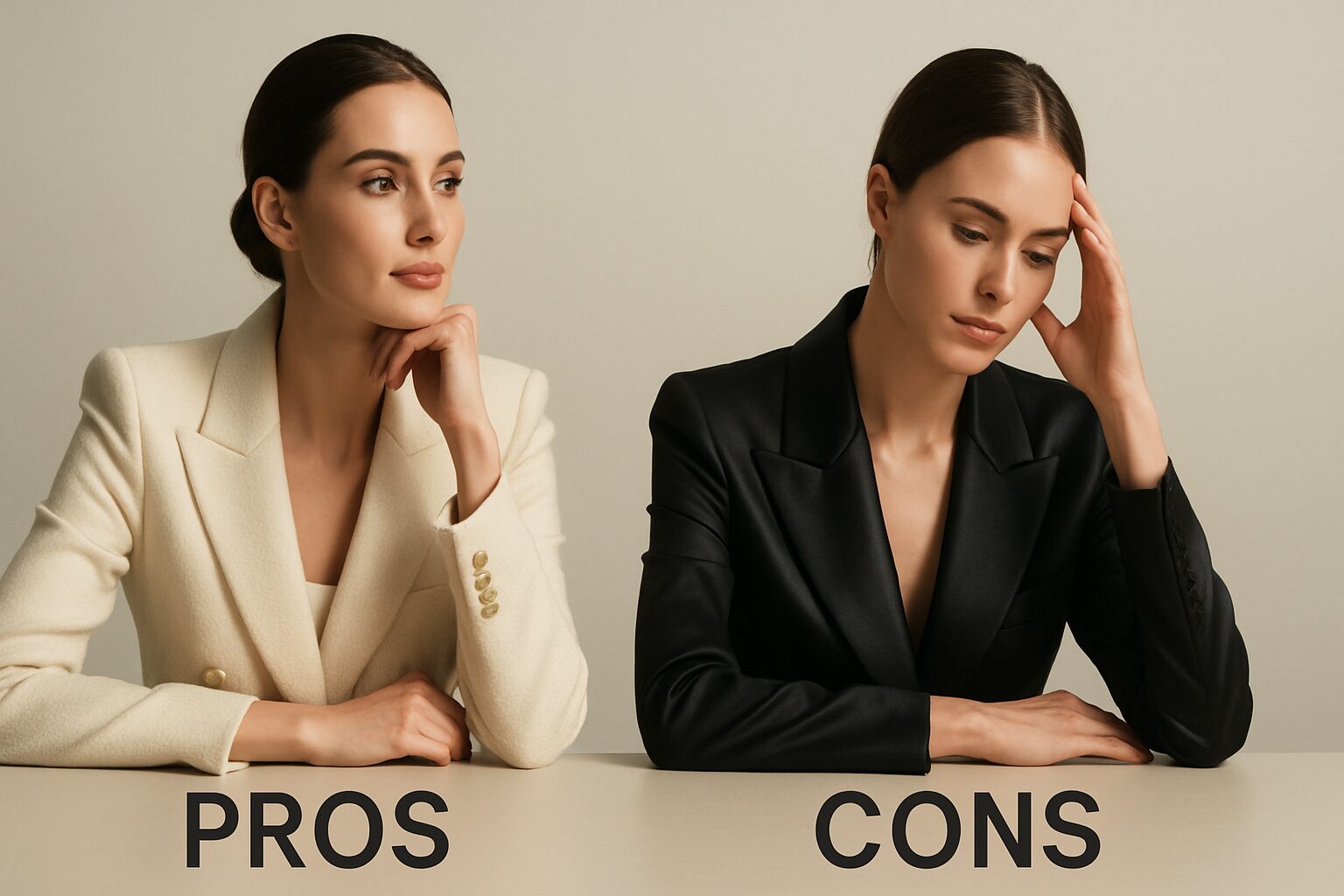

Luxury fashion is a serious commitment. Before you spend, know exactly what you’re getting into and what you’re giving up.
Pros
- Exceptional longevity: Well-made luxury pieces can last decades, far outlasting fast fashion alternatives that fall apart after a season.
- Resale value: Luxury items often retain significant value, especially iconic pieces from Hermès, Chanel, and Louis Vuitton.
- Superior materials: Natural fibers, hand-finishing, and precision construction deliver a wearing experience that mass-market clothing simply cannot match.
- Cultural and artistic value: Owning a piece from a storied house means owning a fragment of fashion history.
- Sustainability potential: Buying fewer, better pieces reduces overall consumption and textile waste over time.
Cons
- High entry cost: Entry-level luxury accessories typically start at $500 to $1,500, which is a significant barrier for most budgets.
- Counterfeit risk: The luxury market is flooded with fakes. Buying from unauthorized resellers carries real financial risk.
- Trend vulnerability: Even luxury labels can fall out of cultural favor, which can affect resale value for trend-driven pieces.
- Maintenance demands: Premium materials require careful storage, professional cleaning, and ongoing attention to stay in top condition.
Sustainable High End Fashion Brands Redefining Luxury
The fashion industry faces real pressure to reduce its environmental footprint, and luxury labels are uniquely positioned to lead. With greater resources and slower production cycles, they can embrace sustainability without sacrificing quality.
Why Sustainability Matters in High End Fashion
Today’s luxury consumer wants more than a logo. They want a conscience. As He Spoke Style notes in their luxury menswear guide, “luxury clothing is associated with higher levels of prestige, authority, and wealth,” and that prestige now extends to ethical production. Labels that ignore sustainability risk alienating the next generation of buyers entirely. Beyond optics, long-lasting, well-made pieces are inherently more sustainable than disposable fashion by design.
Top Sustainable High End Fashion Brands to Know
Several labels are at the forefront of eco-conscious luxury. Stella McCartney has been a pioneer since 2001, using vegetarian leather and recycled fabrics across her collections. The Row focuses on timelessness and ethical sourcing. Patagonia, valued at $769 million by FashionUnited, proves sustainability and profitability can absolutely coexist. Gabriela Hearst became the first designer to stage a carbon-neutral runway show. Even heritage houses like Hermès are investing in mushroom leather and other bio-materials, signaling that the future of luxury is green.
“Sustainability in luxury is no longer a differentiator. It’s becoming the baseline expectation for any brand that wants to remain relevant with the next generation of high-spending consumers.” – ELLE, sustainability in fashion reporting
How to Verify a Brand’s Eco-Credentials
Look for third-party certifications like GOTS (Global Organic Textile Standard), B Corp status, or adherence to ISO 14001 environmental management standards. Transparent supply chains, published sustainability reports, and use of recycled or regenerative materials are all positive signals. Watch for greenwashing: a single “conscious” capsule collection doesn’t make a brand sustainable. True leaders integrate ethics into every part of their operation, not just the press release.
High End Fashion Brands for Nightlife and Edgy Style
When the sun goes down, luxury fashion becomes your most powerful weapon. Whether you’re hitting a warehouse rave or a VIP rooftop, the right pieces add an edge that no fast fashion label can fake.
Statement Pieces That Rule the Dance Floor
For nightlife, go bold or go home. Balenciaga boots with a chunky sole, a Saint Laurent leather jacket with a raw hem, a Versace printed silk shirt that catches every light in the room. These labels excel at pieces that move, shimmer, and command attention without trying. Sequins and metallics from Paco Rabanne or body-con dresses from Mugler are literally built for dancing. The goal is to choose items that feel both luxurious and slightly dangerous. That’s the duality. Pretty on the surface, poison underneath.
Style Tip: A Mugler body-con dress paired with Bottega Veneta’s Jodie bag is the nightlife formula that fashion editors reach for when they need to look effortless and devastating at the same time.
Mixing High End with Alternative Fashion
Alternative fashion thrives on contrast. Pair a Rick Owens asymmetrical tunic with combat boots. Layer a Comme des Garçons deconstructed blazer over a band tee. The best looks mix luxury pieces with vintage or indie finds, creating a nonchalant, deeply personal style that no stylist could replicate. Don’t fear clashing textures: a Prada nylon bag with ripped denim, or Maison Margiela Tabis with fishnets. The contrast is the point.
Accessories That Elevate Night Out Looks
Accessories are the easiest entry point into luxury. A Gucci GG Marmont belt, a Celine gold chain necklace, or a Bottega Veneta pouch bag instantly lifts an entire outfit. For footwear, Jimmy Choo stilettos or Alexander McQueen oversized sneakers strike exactly the right note. Statement eyewear from Gentle Monster or Chanel frames adds mystery. These pieces demonstrate that you understand quality without screaming for attention. That’s the real flex.
High End Fashion vs Fast Fashion: A Comparison
Understanding the divide between luxury and fast fashion helps you make choices you won’t regret. Fast fashion offers low prices and trend replication. Luxury offers longevity, ethics, and design that actually ages well.
Quality, Ethics, and Cost Side-by-Side
| Aspect | High End Fashion | Fast Fashion |
|---|---|---|
| Materials | Premium natural fibers (cashmere, silk, organic cotton) | Synthetic blends, low-grade cotton, polyester |
| Craftsmanship | Hand-stitched, detailed finishing, small batch | Machine-made, minimal finishing, mass production |
| Price Range | $500–$5,000+ per piece | $5–$100 |
| Environmental Impact | Often lower due to slower cycles; many brands pushing sustainability | High water consumption, chemical use, textile waste |
| Longevity | Decades, can become heirloom | One season, often falls apart after a few washes |
The initial cost of luxury is higher. The cost-per-wear, over years of use, often makes it more economical. Fast fashion’s real price is paid in environmental degradation and worker exploitation. Choosing luxury means investing in pieces that tell a story and respect the planet. That’s not just fashion. That’s a value system.
Step-by-Step Guide to Investing in High End Pieces
Entering the world of luxury fashion can feel overwhelming, but a strategic approach ensures satisfaction and real long-term value.
Step 1: Research and Set Your Budget
Start by exploring luxury labels through reputable retailers like 24S, Net-a-Porter, or brand boutiques directly. Read reviews, follow fashion forums, and understand what makes each brand distinct. Set a realistic budget: entry-level luxury accessories in the $500–$1,500 range are a smart starting point. High price doesn’t always equal high quality, so experience the product in person whenever possible before committing.
Step 2: Prioritize Timeless Over Trends
Invest in classic silhouettes that transcend seasons. A Burberry trench coat, a Prada nylon backpack, or a pair of Gucci loafers will never go out of style. Avoid logos that date quickly. Focus on labels known for permanence: Hermès, The Row, Brunello Cucinelli. A 2025 valuation from FashionUnited placed Brunello Cucinelli at $2.2 billion, proof that quiet luxury has serious staying power in the market.
Step 3: Care and Maintenance Tips
Extend the life of your investment by following care labels religiously. Store leather goods in dust bags, use shoe trees for boots, and dry-clean sparingly. Many luxury labels offer repair and restoration services. Take advantage of them. Proper maintenance ensures your pieces can be passed down or resold. Luxury items, especially iconic styles from Hermès and Chanel, often retain significant resale value when kept in excellent condition.
Frequently Asked Questions
What defines a high end fashion brand?
According to Wikipedia, high fashion brands are those showing at Paris, Milan, London, or New York Fashion Weeks. They combine exceptional materials, expert craftsmanship, and a powerful heritage that fast fashion cannot replicate.
Which are the most valuable high end fashion brands?
As of 2025, the top five by brand value are Louis Vuitton ($40.7B), Chanel ($34.2B), Nike ($31.6B), Hermès ($30.4B), and Zara ($18.7B), per FashionUnited. These rankings reflect financial performance, cultural influence, and consumer desirability combined.
How can I identify high quality in high end fashion?
Examine the fabric, seams, and hardware closely. Premium garments use natural fibers, have neat and consistent stitching, and feature solid metal or natural-material trims. The weight and drape of the fabric alone will tell you a great deal.
Are there sustainable high end fashion brands?
Yes. Stella McCartney, The Row, and Gabriela Hearst lead in eco-conscious luxury. Even legacy houses like Hermès are innovating with bio-materials like mushroom leather, signaling a broader industry shift toward responsible production.
Where can I find high end fashion brands for nightlife?
Look to Saint Laurent, Balenciaga, and Mugler for edgy statement pieces built for the night. Pair with accessories from Gucci or Celine to complete a look that’s luxurious and dangerous in equal measure.
Is it worth investing in high end fashion brands?
Yes, if you prioritize quality and longevity over impulse buying. Luxury items outlast fast fashion by years and can retain significant resale value, particularly iconic styles that remain culturally relevant across decades.
Discover your duality at prettynpoison.com. The night is waiting.