Key Takeaways
- A fashion icon sets trends through distinctive personal style, not by following fads.
- Historical icons from royalty to Hollywood have shaped the way we dress today.
- Modern icons use social media and celebrity to influence global style at lightning speed.
- Subcultures and nightlife scenes produce some of the most authentic style pioneers.
- Sustainable icons prove that ethical choices can be just as powerful as provocative ones.
- You can cultivate an iconic look by defining your aesthetic and staying ruthlessly consistent.
A fashion icon is an influential figure whose personal style sets trends, often without intention. Icons like Audrey Hepburn or Rihanna define entire eras through consistent, distinctive choices that outlast any single season.
What Is a Fashion Icon?
The Core Definition
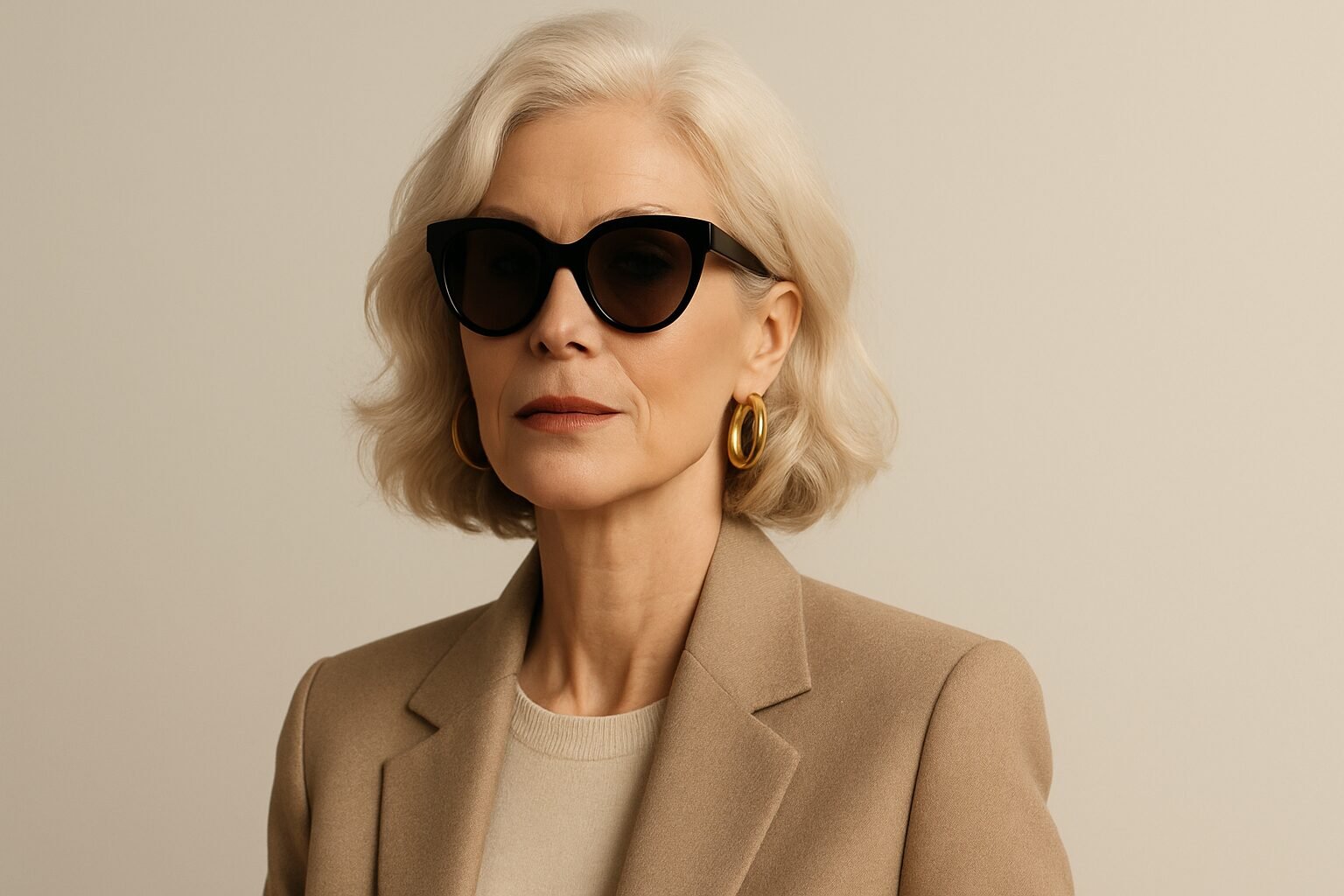
A fashion icon, according to Wikipedia, is “an influential person who introduces new styles which spread throughout fashion culture and become part of fashion.” Dictionary.com strips it down further: “a person or thing that is very well known as being highly fashionable.” Both definitions agree on one thing: true icons are catalysts, not followers. The term gained traction in the second half of the 20th century, replacing the older phrase “fashion leaders,” which referred to royalty and aristocrats who dictated style from the top down.
Fashion Leader vs. Style Pioneer
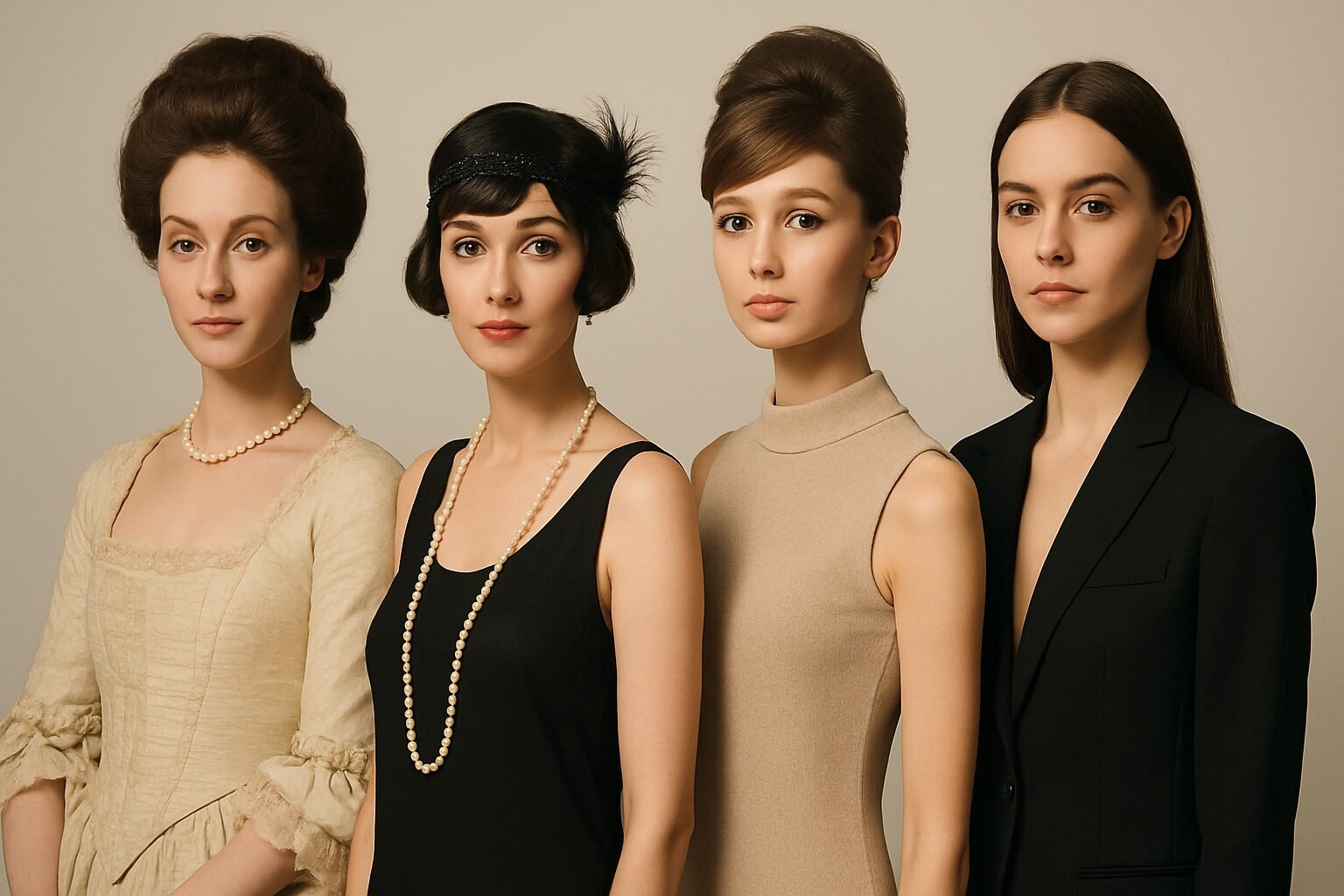
Historically, fashion leaders were people of high social rank. Queen Marie Antoinette reshaped 18th-century style across France and Europe. Today, the concept extends far beyond nobility to celebrities, influencers, and even fictional characters. The key difference is that a true style pioneer’s influence originates organically from personal taste rather than imposed authority. Madonna in the 1980s earned her place not through birthright but through provocative choices that challenged every norm in sight.
Why the Term Matters in 2026
The word “icon” is overused, but true status remains rare. It signals lasting impact, not a fleeting viral moment. As TIME magazine demonstrated when compiling its All-TIME 100 Fashion Icons list in 2012, the selection spans from 1923 onward, covering over 100 years of influential figures. That kind of generational staying power is the real benchmark.
The Evolution of Style Icons Through History
Royal Court to Red Carpet
Before mass media, style leaders emerged in royal courts. Empress Joséphine, wife of Napoleon I, popularized the Empire dress line across early 19th-century Europe. Mughal empress Nur Jahan introduced fine textiles like Panchtoliya brocade, setting trends adopted by the upper classes and eventually filtering downward. The shift to celebrity icons began with Hollywood’s golden age, when stars like Marlene Dietrich and Greta Garbo projected style to a global audience for the first time in history.
The 20th Century: Hollywood and Media
The 20th century democratized the style icon. Film, photography, and later television created a pantheon of legends. Audrey Hepburn’s partnership with Givenchy, Marilyn Monroe’s sensual glamour, and Jackie Kennedy’s First Lady elegance each defined a distinct aspect of American style. These figures weren’t just actresses or political spouses. They were cultural forces whose wardrobes were studied and copied by millions of women across at least 3 continents simultaneously.
The Digital Age: Instagram and Beyond
Today, the path to iconic status has shifted dramatically. Platforms like Instagram and TikTok allow instant style influence. A single outfit post can set a global trend within hours. However, this speed also creates fleeting figures who fade just as fast. The true modern style pioneer balances digital presence with authentic personal taste. Rihanna uses social media to amplify her already iconic status rather than building it solely online, which is exactly why her influence has lasted more than a decade.
Key Traits of a True Style Leader

Consistency and Signature Style
A recognized style pioneer always has a signature look. Whether it’s Audrey Hepburn’s little black dress, Diana’s power suits, or Harry Styles’ gender-fluid ensembles, consistency creates a visual identity that the public can immediately recognize. This doesn’t mean never evolving. It means having a recognizable thread that ties every look together across years and even decades.
“Style is not fashion until it has reached the street.” – Coco Chanel
Authenticity and Individuality
Icons don’t chase trends. They set them by staying fiercely true to their own aesthetic. Carolyn Bessette-Kennedy’s minimalist 1990s style was so personal that designers like The Row still reference it today. Authenticity breeds influence. When a true style leader wears something, it becomes aspirational precisely because it feels genuine, not calculated.
Cultural Impact Beyond Clothes
The most powerful figures in style influence more than hemlines. They shape attitudes. Madonna’s cone bra was a feminist statement. Billy Porter’s tuxedo gown challenged gender norms on the red carpet. These choices spark conversations and redefine society’s boundaries, cementing their wearers as cultural forces, not just well-dressed celebrities.
“Fashion is the armor to survive the reality of everyday life.” – Bill Cunningham, legendary New York Times street style photographer, whose decades of documentation proved that true style lives on the street, not just the runway.
Classic Icons of the 20th Century
Audrey Hepburn and The Little Black Dress
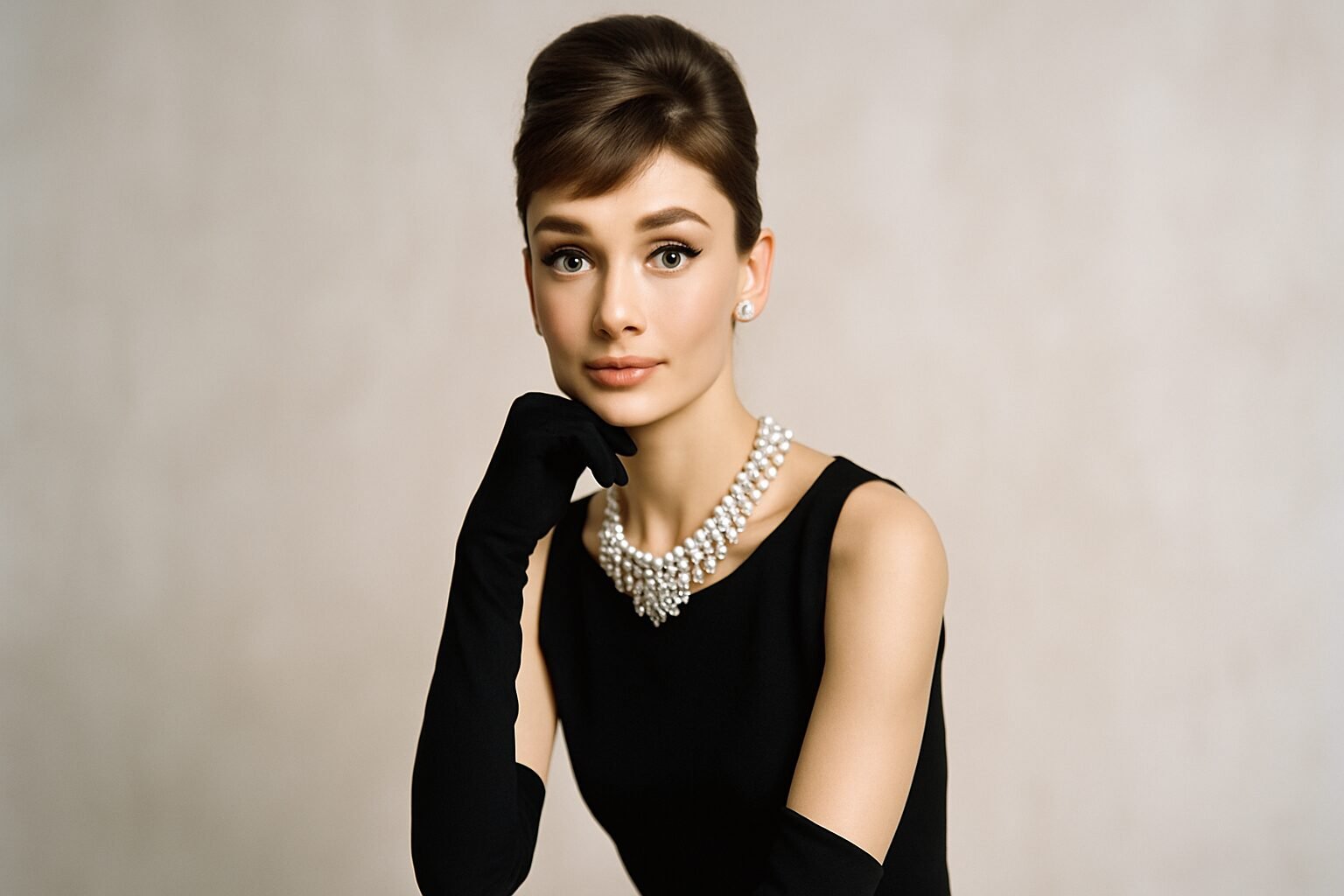
No conversation about iconic style is complete without Audrey Hepburn. Her collaboration with Hubert de Givenchy created cinema’s most enduring style moment: the black Givenchy gown in “Breakfast at Tiffany’s.” Her look, ballet flats, cigarette pants, oversized sunglasses, remains the definitive blueprint for understated elegance more than 60 years after the film’s 1961 release.
Diana, Princess of Wales, and Power Dressing
Diana became a global style force in the 1980s and 1990s, mastering power dressing with bold suits, statement hats, and the famous “revenge dress.” According to fashion historians, she became a trendsetter hounded by the press for her latest look. Her influence is still visible in 2026, with brands regularly reissuing pieces inspired by her wardrobe across price points ranging from high street to couture.
Madonna and Reinvention
Madonna’s career is a masterclass in staying iconic through constant reinvention. From the “Like a Virgin” bridal lace to the cone bra corset by Jean Paul Gaultier, each era solidified her as a figure who used clothing to challenge sexual and cultural norms simultaneously. She didn’t just wear clothes. She weaponized them.
Modern Style Icons of Today (2020s and Beyond)
Rihanna: The Ultimate Multi-Hyphenate
Rihanna transitioned from pop star to style icon and beauty mogul with Fenty, a brand that generated over $600 million in revenue within its first year according to industry reports. Her pregnancy style in 2022 and 2023, proudly baring her belly in high-fashion looks, redefined maternity dressing entirely. Her Savage X Fenty shows continue to celebrate diversity across sizes, skin tones, and identities, proving that the most powerful style figures stand for something bigger than clothes.
Billy Porter and Gender Fluidity
Actor Billy Porter emerged as a defining style figure by consistently wearing gender-nonconforming red carpet designs, most notably the tuxedo gown at the 2019 Oscars. Porter uses clothing as activism, challenging the industry to think beyond binary categories. That’s a distinctly modern trait of today’s most influential figures: the look and the message are inseparable.
Harry Styles: Defying Norms
Harry Styles’ Vogue cover in a dress sparked global debate, reaffirming that a true style pioneer can shift public conversation with a single image. His aesthetic blends vintage rock with contemporary flair. His 2022 Coachella look in a custom Gucci sequin jumpsuit became an instant reference point for festival dressing worldwide. Styles represents how an icon can be both commercially massive and genuinely countercultural at the same time.
Classic vs. Modern: A Quick Comparison
| Aspect | Classic Icon (1900s–1980s) | Modern Icon (1990s–Present) |
|---|---|---|
| Primary Medium | Film, photography, print media | Social media, streaming, digital content |
| Typical Garments | Tailored suits, couture gowns, defined silhouettes | Streetwear, gender-fluid pieces, casual luxury |
| Influence Speed | Gradual, through magazines and word-of-mouth | Instant viral trends via Instagram and TikTok |
| Representative Figure | Audrey Hepburn, Grace Kelly, Diana | Rihanna, Harry Styles, Billie Eilish |
| Key Philosophy | Understated elegance, timelessness | Bold self-expression, identity politics |
Nightlife and Alternative Style Pioneers
The Club Kids and Underground Scenes
Before street style blogs existed, club culture was the incubator of radical style. In 1980s and 1990s New York, Club Kids like Michael Alig and Amanda Lepore created outrageous looks from thrifted and DIY materials, directly influencing designers like Alexander McQueen. Their core belief: clothing is performance, not just attire. That philosophy established a lineage of nightlife pioneers whose impact on mainstream fashion is still being felt today.
At Pretty N Poison, that same energy lives in every piece we create. The Poison Edit was built for women who understand that getting dressed for a night out is its own kind of art form.
Grace Jones and Androgynous Disco
Grace Jones merged music, modeling, and style into an androgynous, futuristic aesthetic that made her a nightlife legend. Her sharp tailoring and bold makeup at Studio 54 inspired countless designers and proved that the dancefloor can be as influential as any runway. She wasn’t dressing for approval. She was dressing for power.
Drag and Voguing Culture
Voguing, born in Black and Latinx LGBTQ+ ballrooms, produced its own style legends, including Willi Ninja. Documented in “Paris Is Burning,” these houses used clothing as a form of resistance and expression. Today, drag queens like Violet Chachki continue that tradition, proving that alternative scenes are crucial breeding grounds for the next generation of style pioneers.
Sustainable Style Icons: Ethical Leaders Worth Knowing
Livia Firth and The Green Carpet Challenge
Livia Firth, co-founder of Eco-Age, launched the Green Carpet Challenge to prove that red carpet glamour can align with sustainability. She consistently wears ethical brands, making her a reference point for conscious consumers. Her work has pushed luxury labels like Armani and Stella McCartney to adopt greener practices, showing that one person’s consistent choices can move an entire industry.
Emma Watson and Eco-Conscious Red Carpets
Emma Watson used her platform to champion sustainable style, famously wearing a gown made from recycled plastic bottles to the 2016 Met Gala. She also curates an eco-friendly Instagram presence, proving that a modern style leader can merge star power with environmental activism without sacrificing an ounce of glamour.
How Subcultures Embrace Vintage and Upcycling
The punk and DIY scenes have long championed upcycled clothing, influencing today’s sustainability conversation. From vintage band tees to restructured denim, these subcultures produce style figures who prioritize ethics without sacrificing edge. This grassroots approach aligns perfectly with 2026’s demand for transparency and reuse across every price point.
How to Become a Style Icon Yourself
Step 1: Define Your Personal Aesthetic
Identify your style pillars. What silhouettes, colors, and references actually resonate with you? Study the figures you admire and extract elements that feel authentic to your own life. Your goal is not to copy but to build a cohesive look that feels unmistakably like you. According to stylists, the most enduring style figures know exactly what works for their body and personality, and they commit to it without apology.
Step 2: Curate a Signature Wardrobe
Build a capsule of signature pieces. Invest in quality items that become your trademarks. Think of Diane Keaton’s fedoras or Grace Kelly’s Hermès Kelly bag, a piece so associated with her that Hermès renamed it in her honor. Repeat your wardrobe staples confidently. Consistency breeds recognition. A true style pioneer doesn’t need a new outfit for every appearance. They have a uniform the public comes to identify and anticipate.
If you’re building that signature nightlife wardrobe right now, our Duality collection gives you the contrast pieces to own any room, whether you’re leaning Pretty or going full Poison.
Step 3: Build a Consistent Public Image
Document and share your style. In 2026, a digital presence is essential. Use Instagram and TikTok to showcase your looks, but always with the same aesthetic thread running through every post. Engage with communities that share your vibe. Authenticity attracts followers, and over time, you can become a micro-icon within your niche. That’s how most of today’s biggest names started: small, specific, and completely themselves.
Pros and Cons
Pros of Cultivating an Iconic Personal Style
- Instant recognition: A consistent aesthetic makes you memorable in any room, online or off.
- Creative freedom: Defining your own look means you’re never at the mercy of trend cycles.
- Cultural influence: Authentic style attracts community, collaboration, and real cultural impact over time.
- Confidence amplifier: Knowing your aesthetic removes the daily anxiety of “what do I wear.”
Cons of Chasing Icon Status
- Pressure to perform: A public image requires consistency, which can feel restrictive on off days.
- Imitation risk: Distinctive style attracts copycats, which can dilute your original identity.
- Financial investment: Building a signature wardrobe of quality pieces requires upfront cost, often $500 to $2,000+ for a solid capsule.
Why the Style Icon Endures
From Marie Antoinette to Rihanna, the style icon remains a powerful force because humans seek visual inspiration and identity. Trends come and go. Truly iconic style becomes a reference point for generations. The rise of sustainable and alternative figures shows that the definition is expanding, not dying. As long as there is clothing, there will be those who wear it in a way that changes how the rest of us get dressed. A fashion icon doesn’t just reflect culture. They create it.
Discover your duality at prettynpoison.com. The Pretty Edit is waiting. So is the Poison.
Frequently Asked Questions
What defines a fashion icon?
A fashion icon is someone whose personal style is widely influential, setting trends and becoming a reference point for designers and the public alike. According to both Wikipedia and Dictionary.com, the defining quality is introducing new styles that spread throughout culture and endure beyond a single season.
Can anyone become a fashion icon today?
Yes, with the right combination of authenticity, consistency, and exposure, anyone can achieve recognized style status. True icons, however, require more than social media popularity. They need a lasting cultural impact that outlives any single viral moment.
Who are the most famous fashion icons in history?
Consensus picks include Audrey Hepburn, Coco Chanel, Diana Princess of Wales, Madonna, and Rihanna. Each defined their era with bold, distinctive style that continues to influence designers and everyday dressers decades later.
How do fashion icons influence trends?
Style pioneers influence trends by wearing new or unusual combinations that resonate deeply with the public. Designers, media, and retailers then amplify those looks, turning personal choices into widespread movements that can last anywhere from one season to several decades.
What is the difference between a fashion icon and a celebrity?
Not every celebrity qualifies as a style icon. A true icon has a lasting, specific effect on clothing and style culture, while a celebrity may simply be famous. The key distinction is influence over identity, not just fame or follower count.
How can I develop my own iconic style?
Start by identifying your personal taste, curating a wardrobe of signature pieces, and presenting your looks consistently both online and in person. Authenticity and confidence are non-negotiable. Copying others rarely leads anywhere worth going.