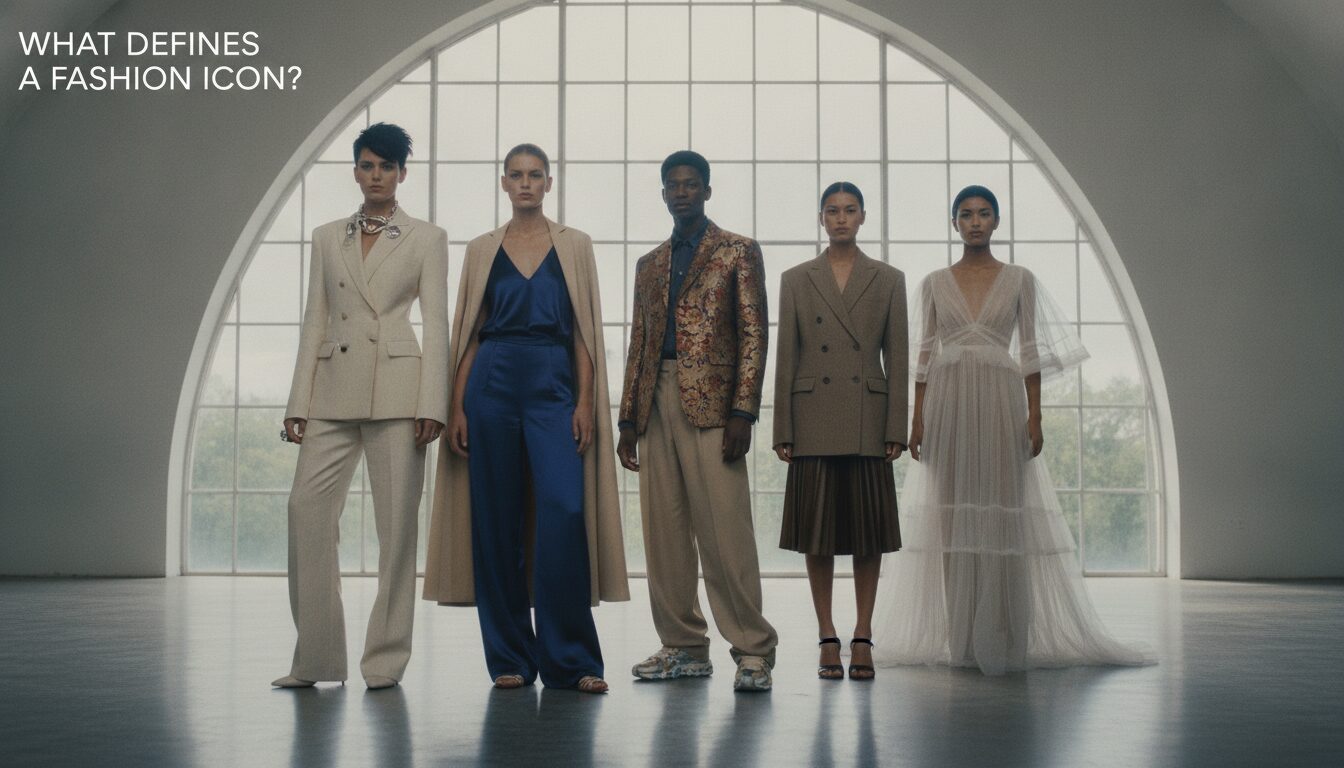
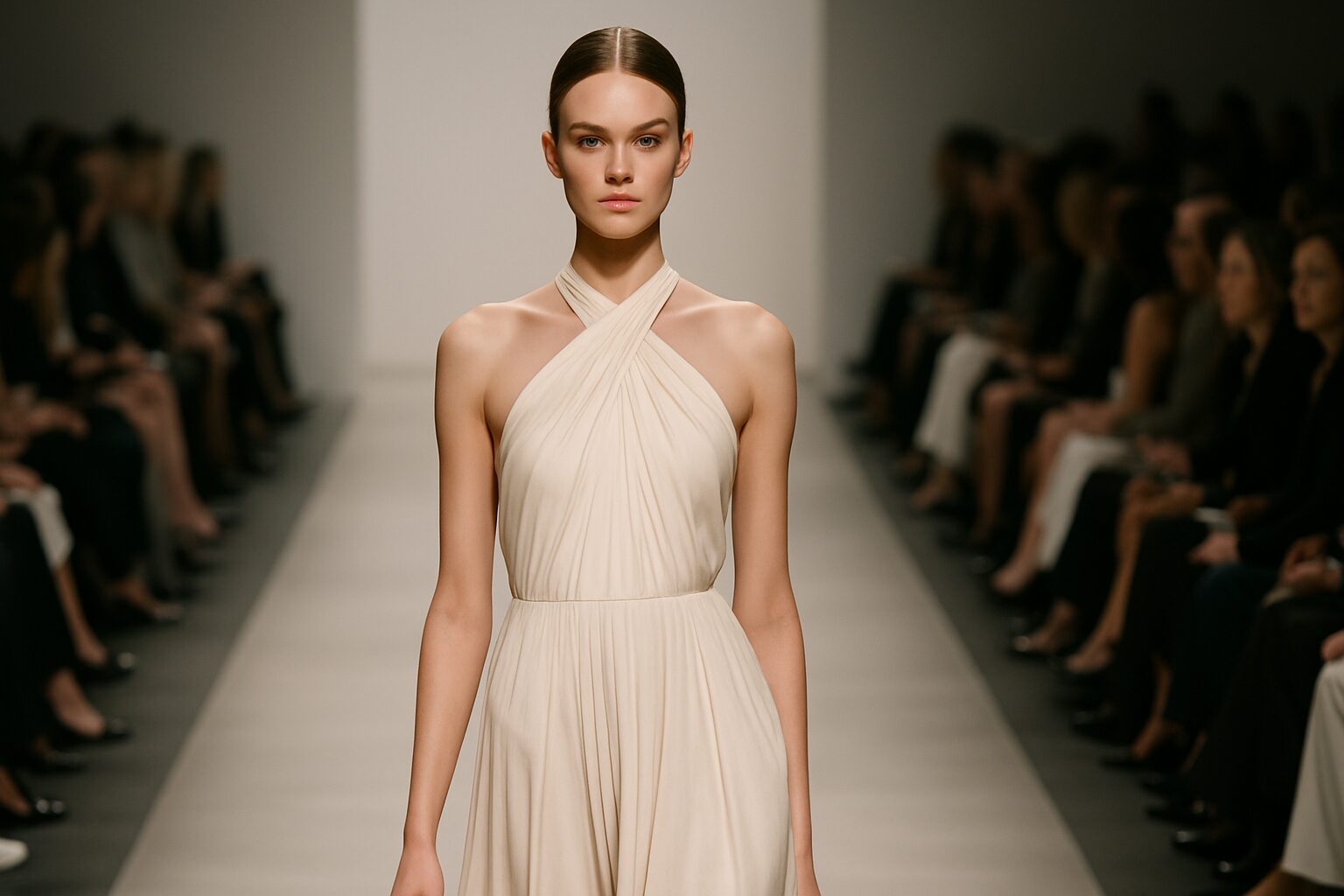
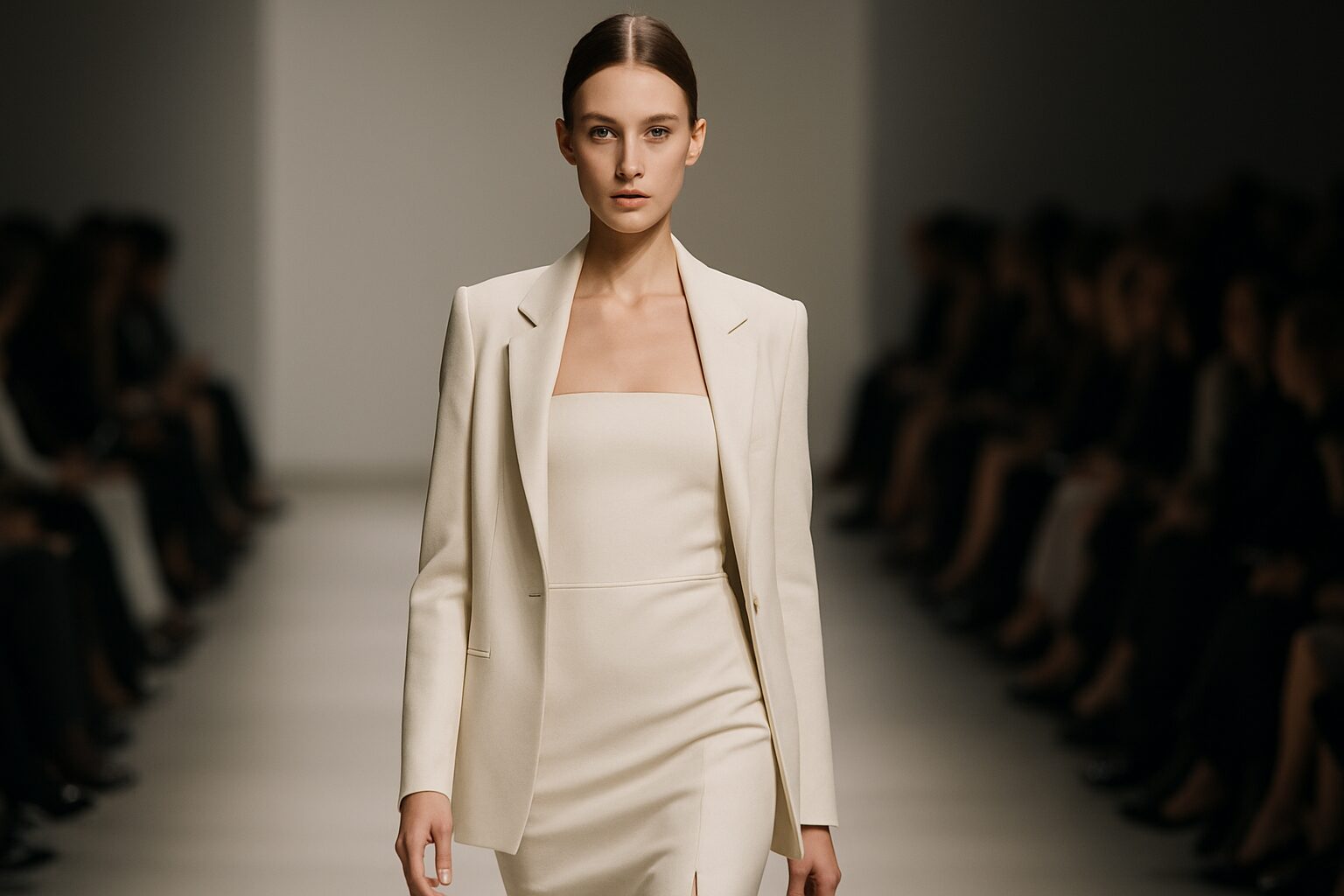
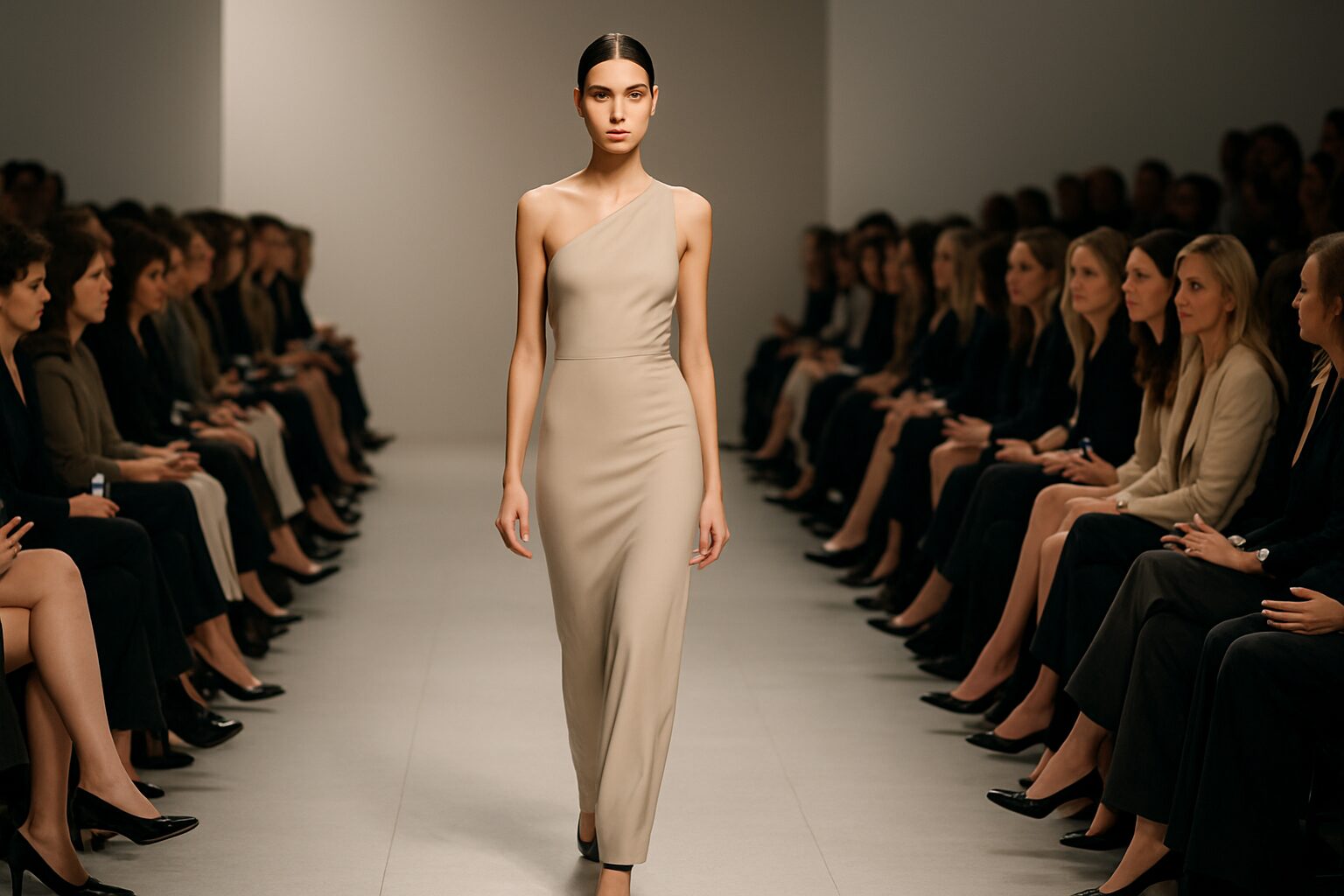
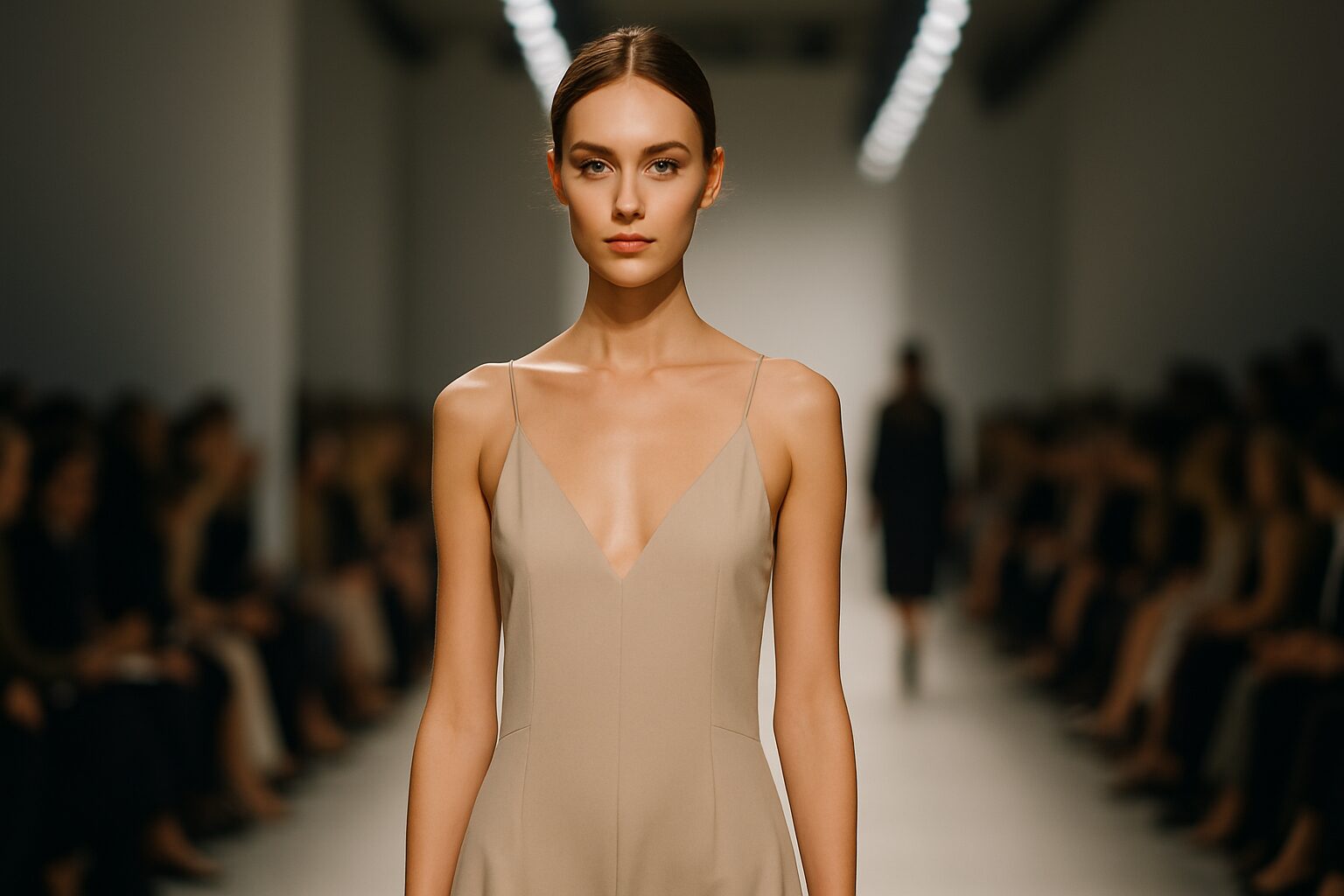
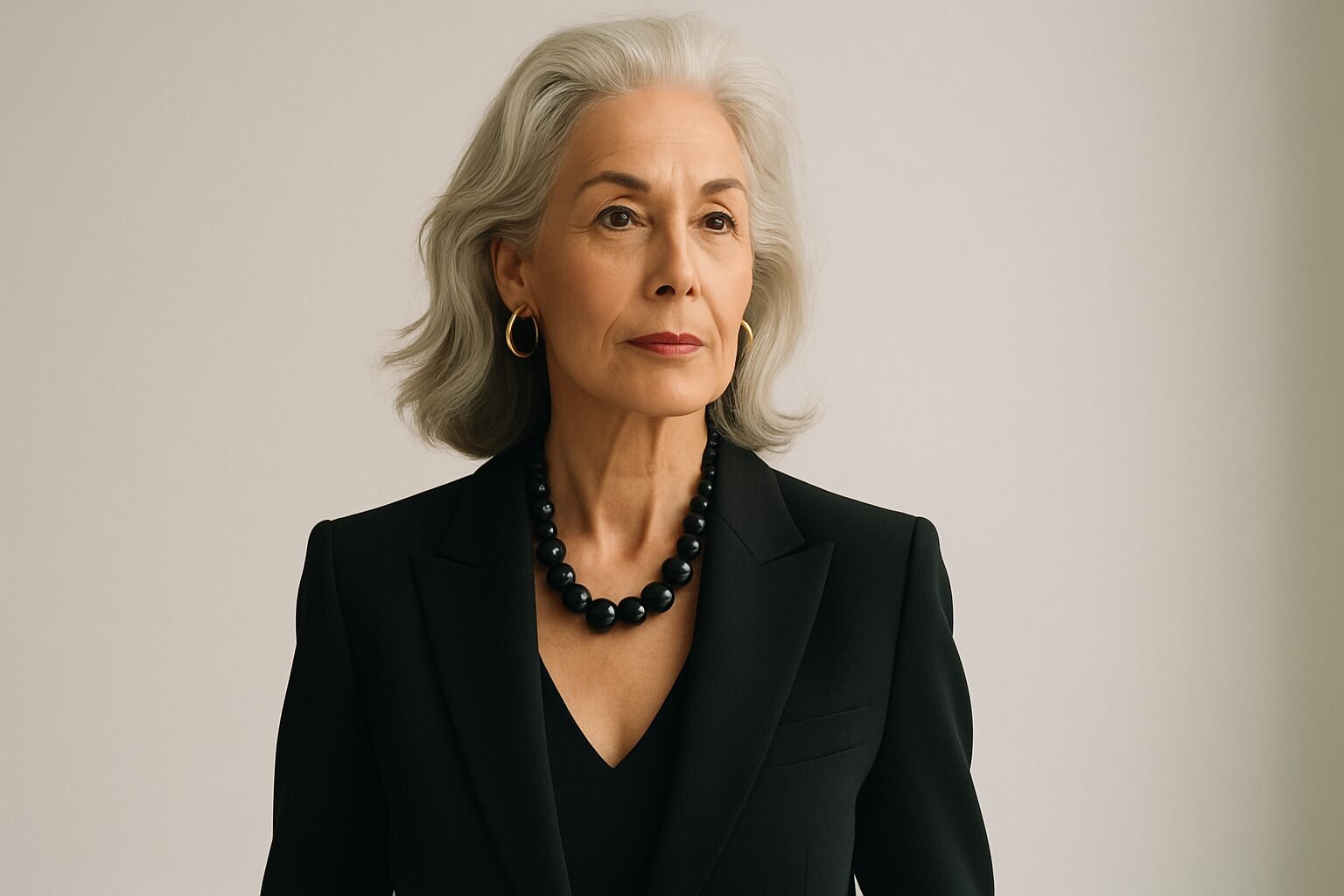
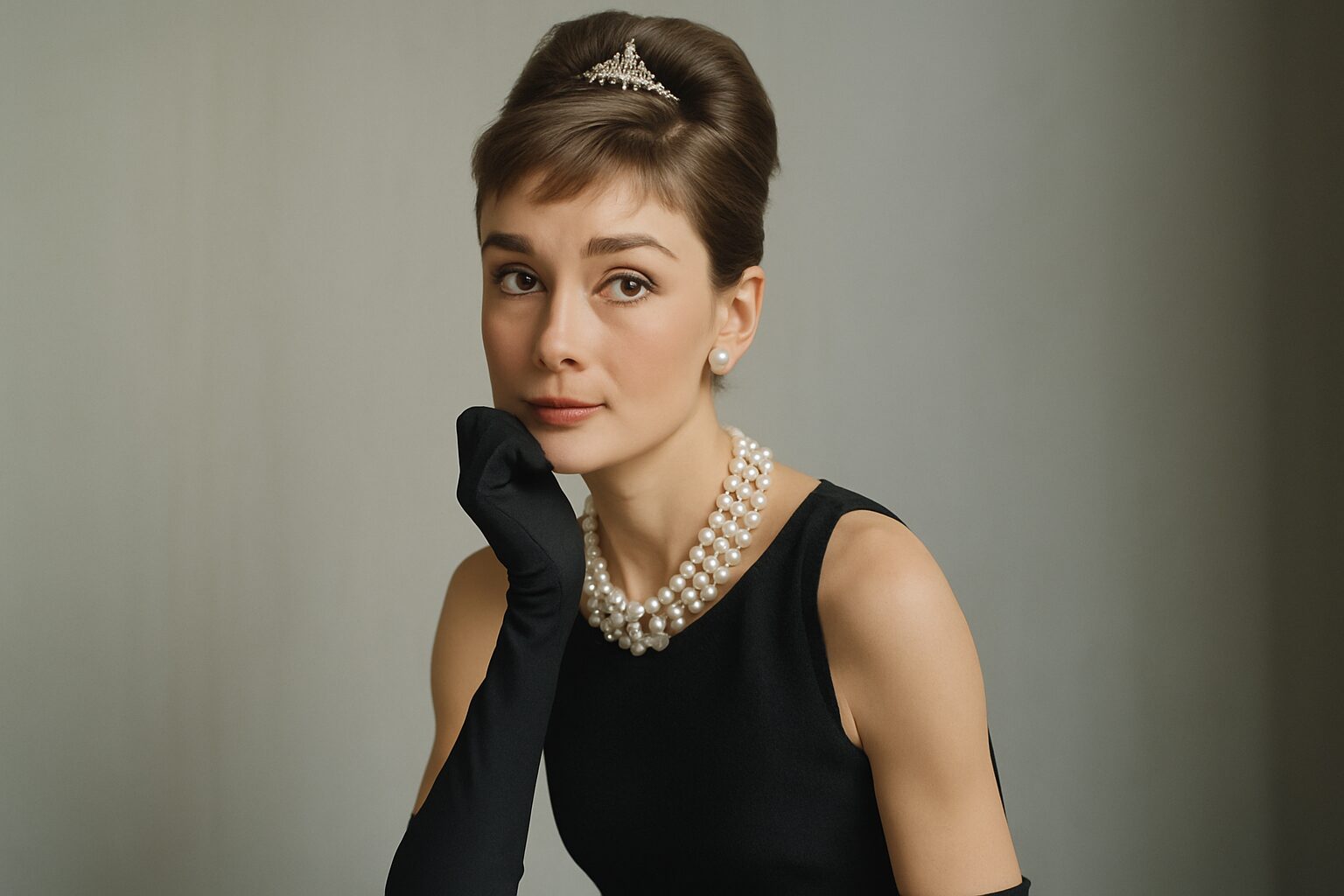
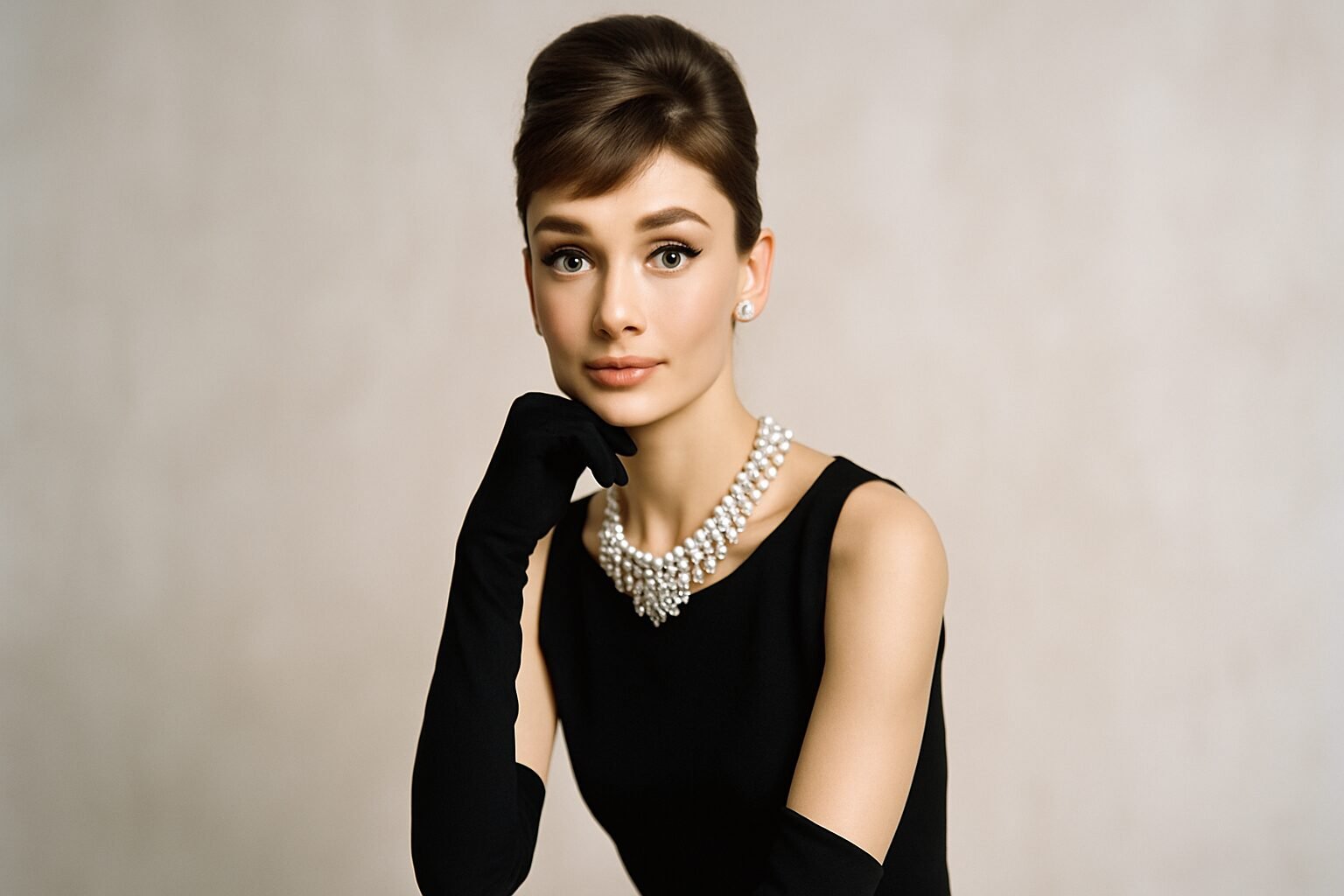
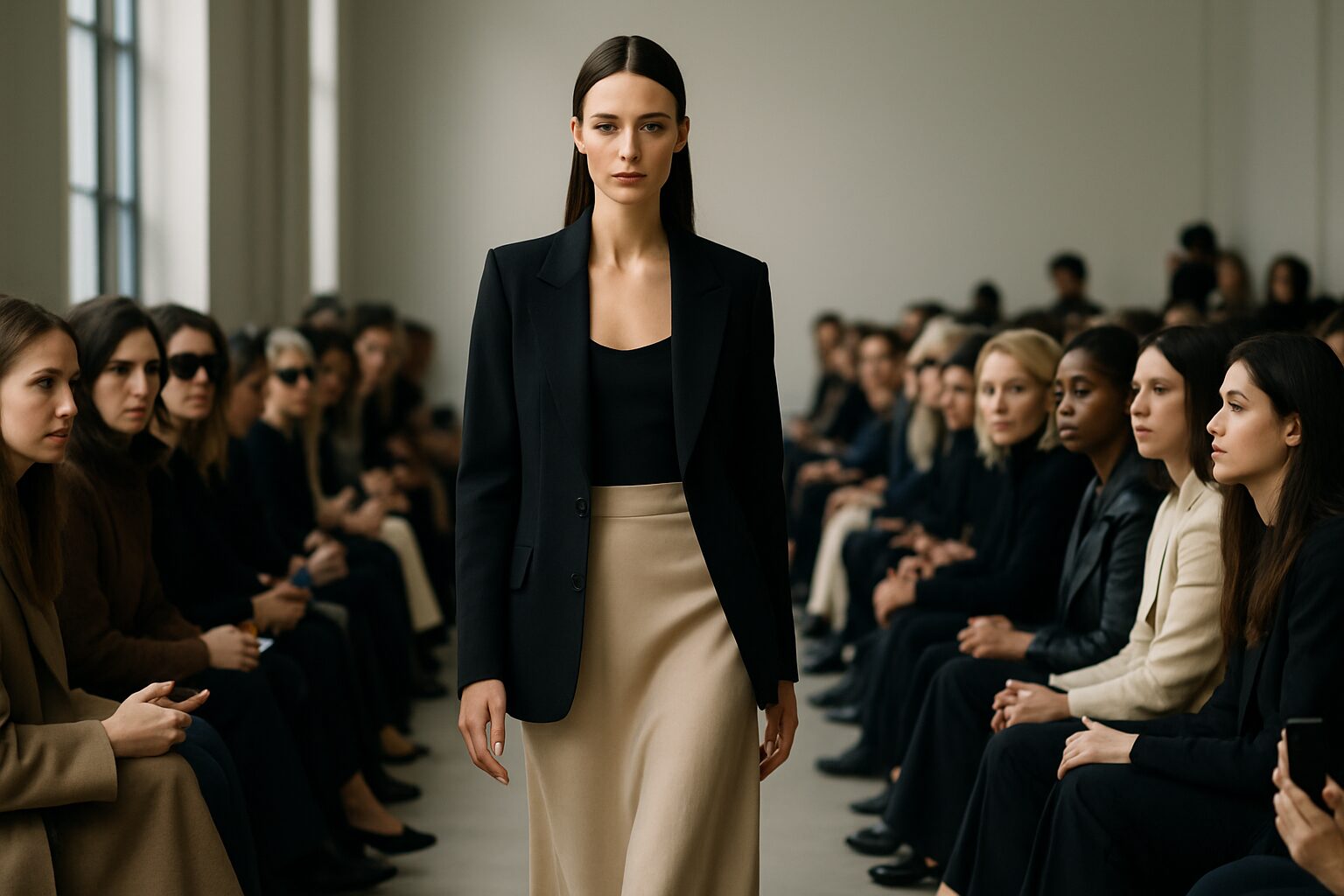
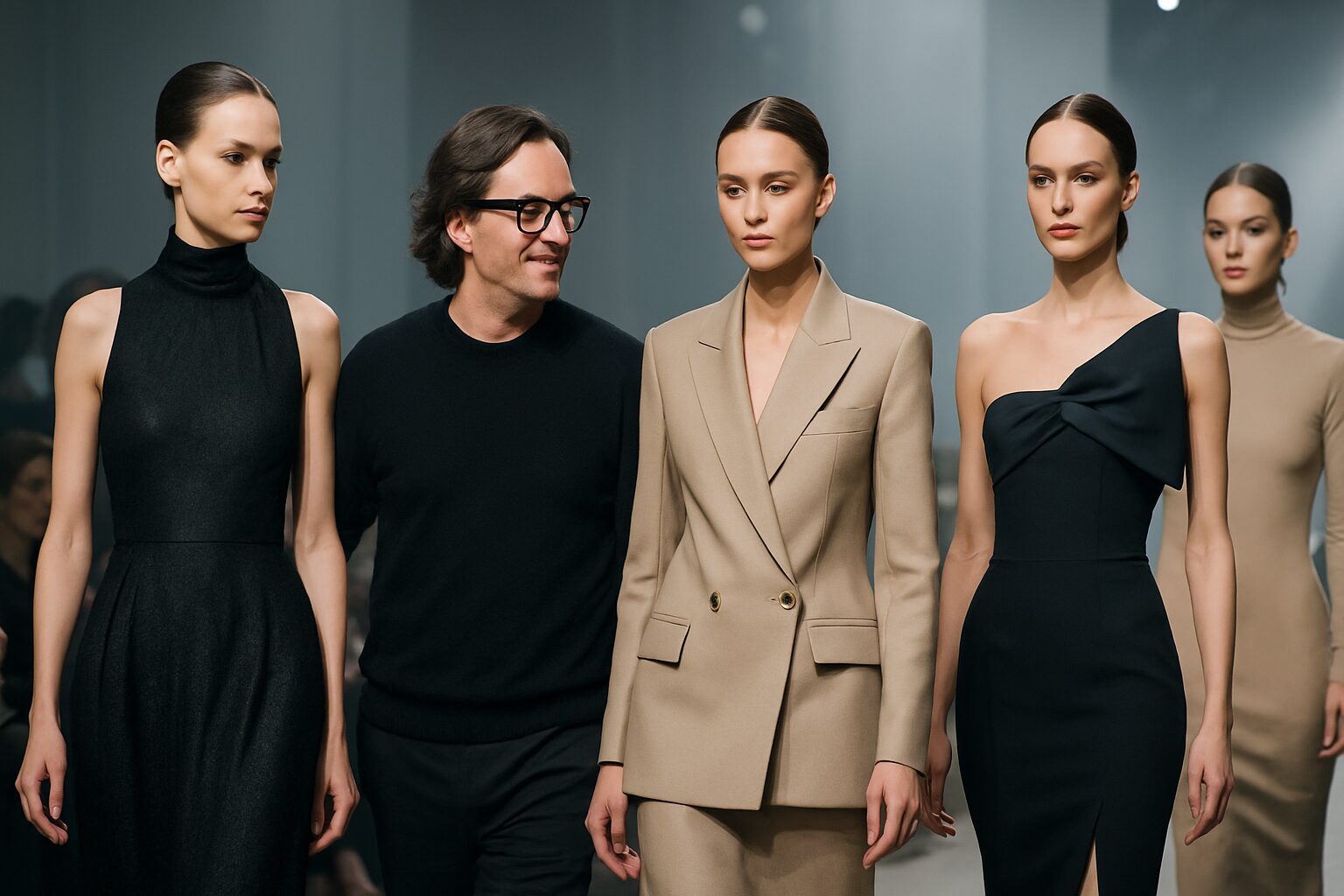
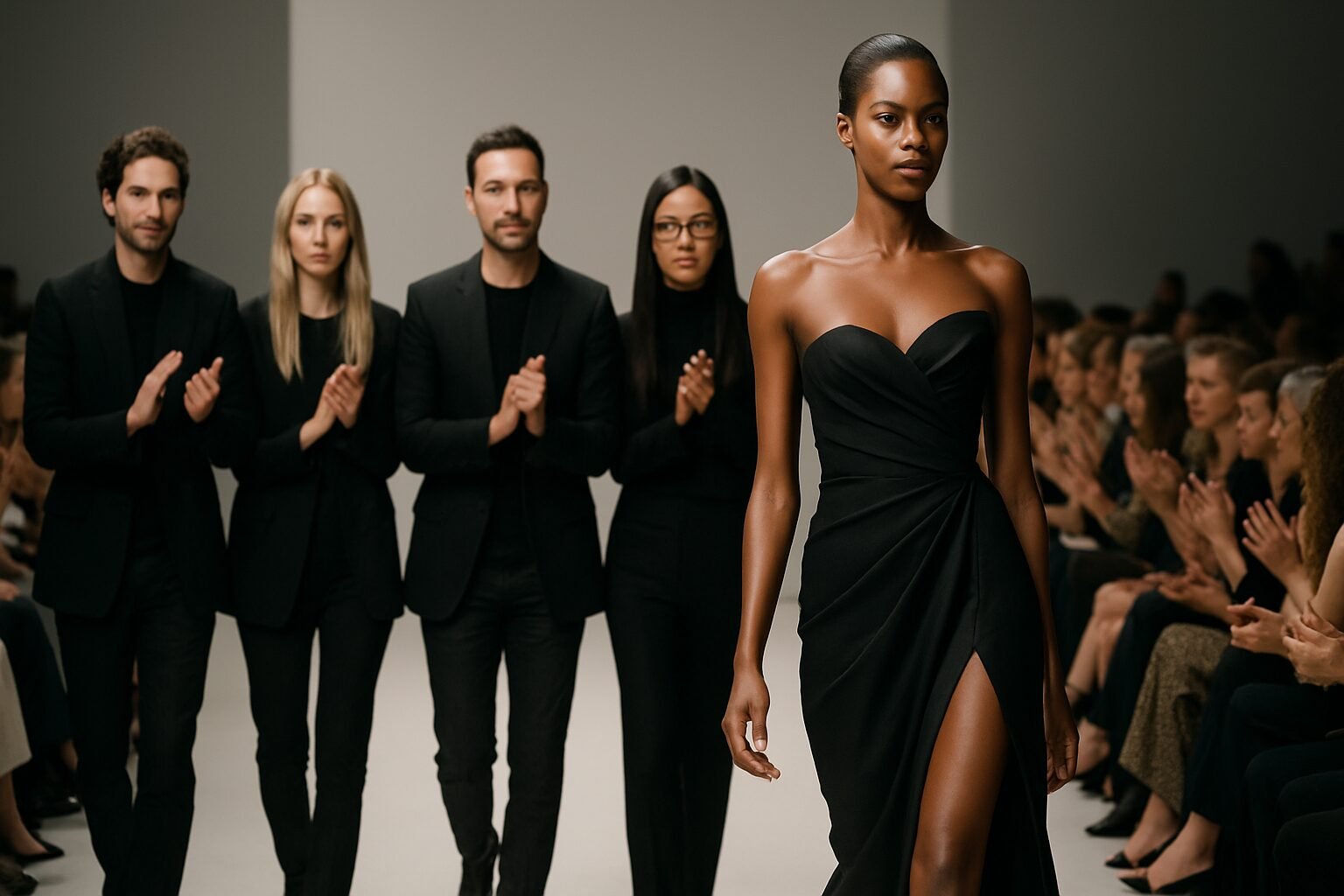
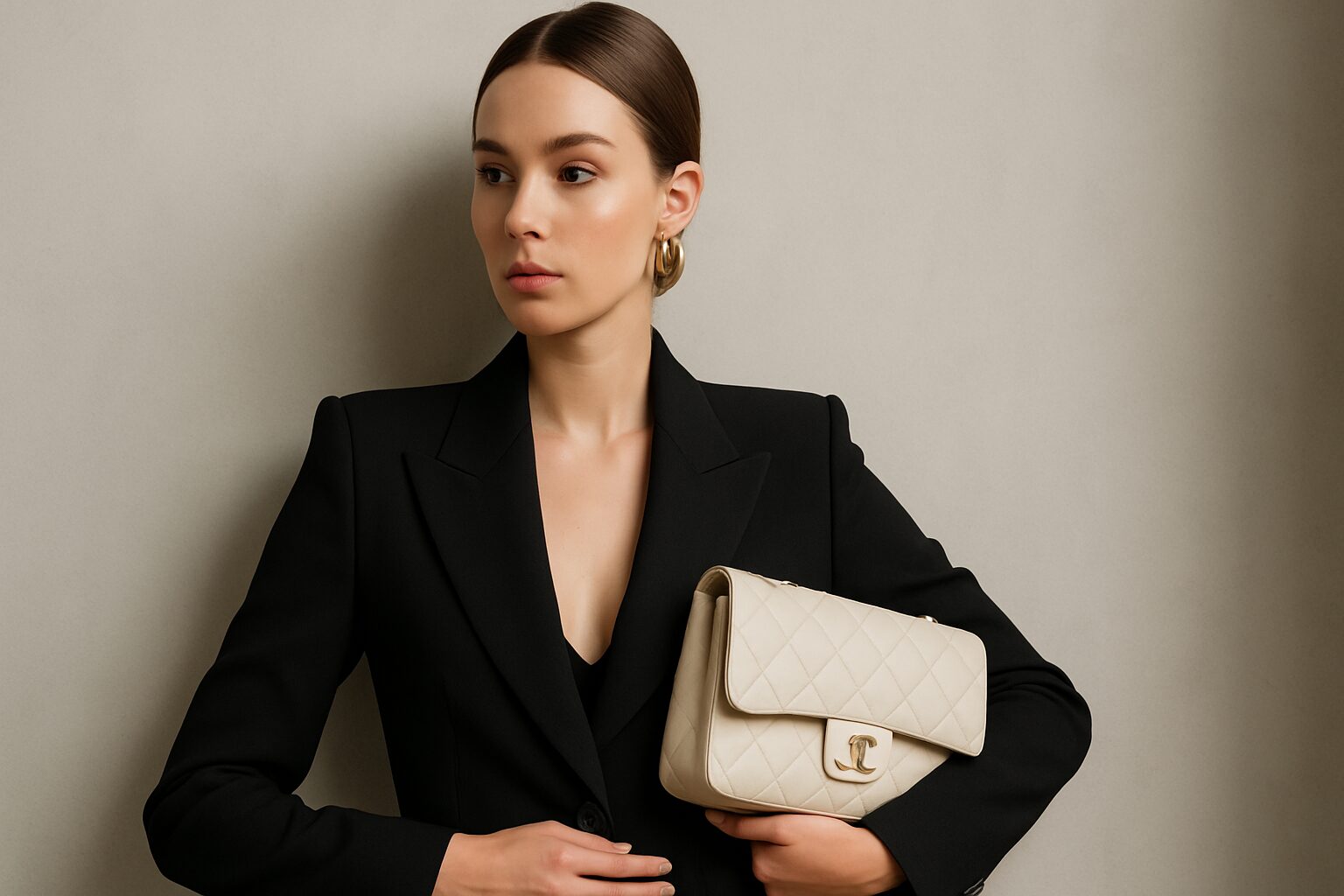
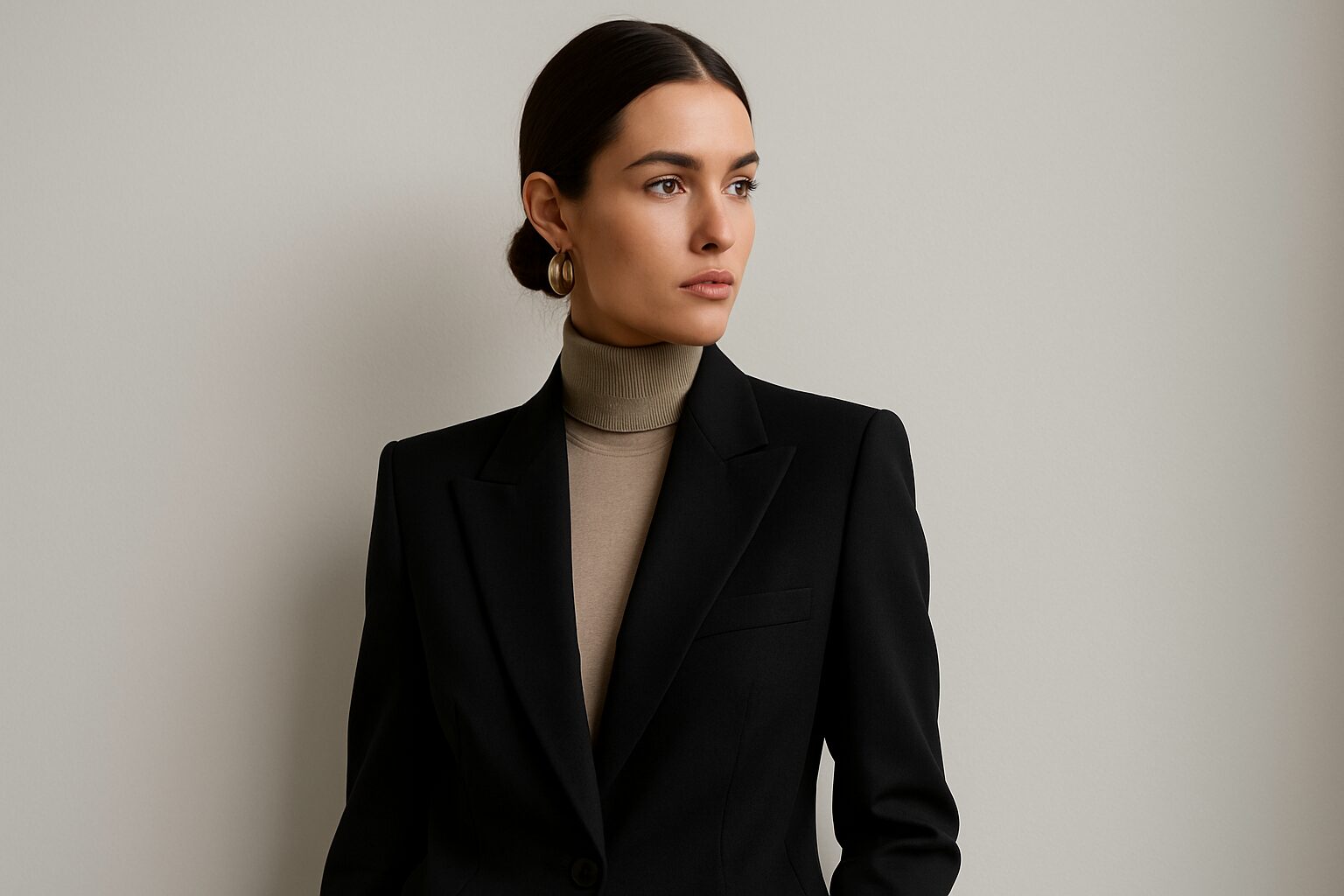
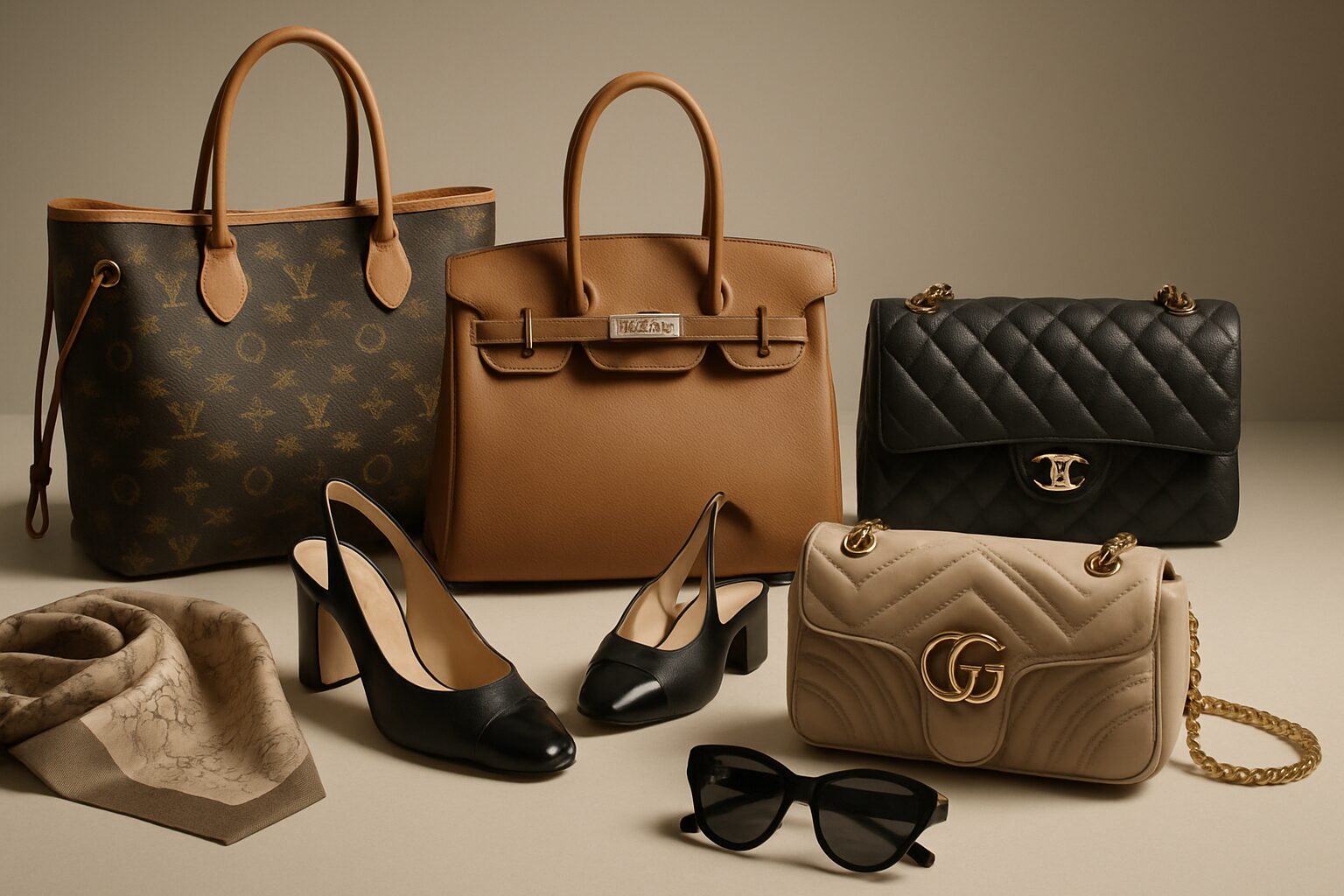
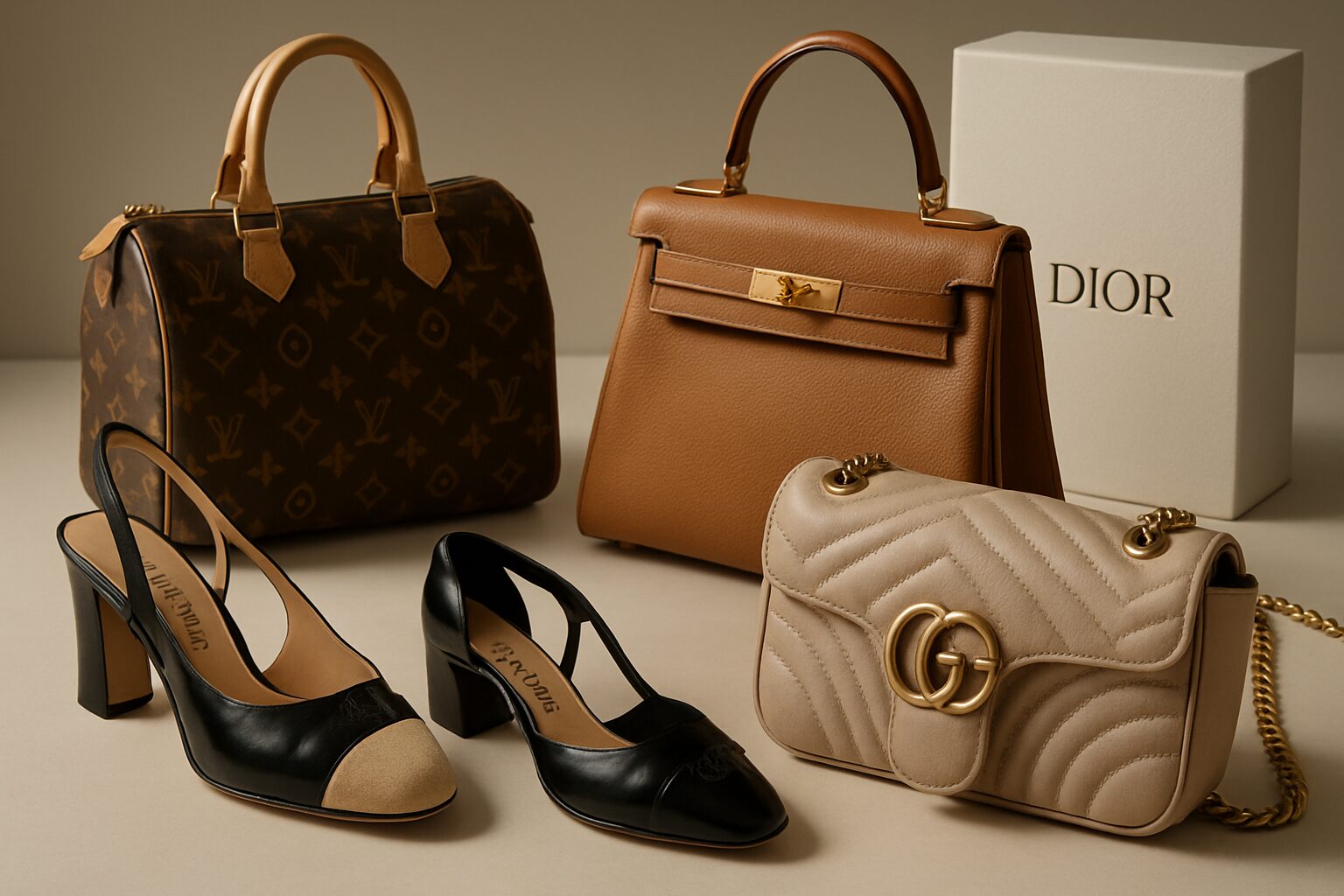
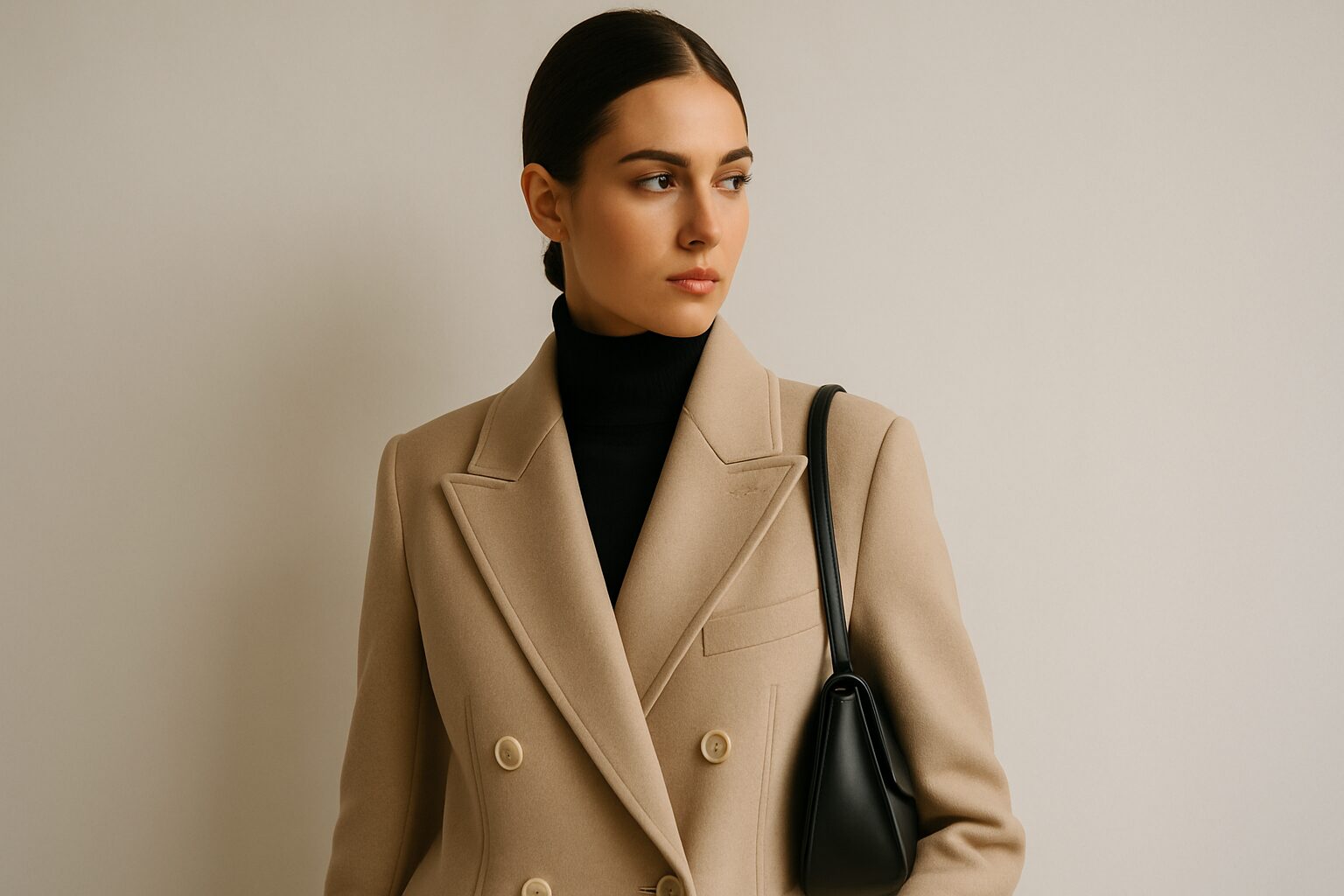
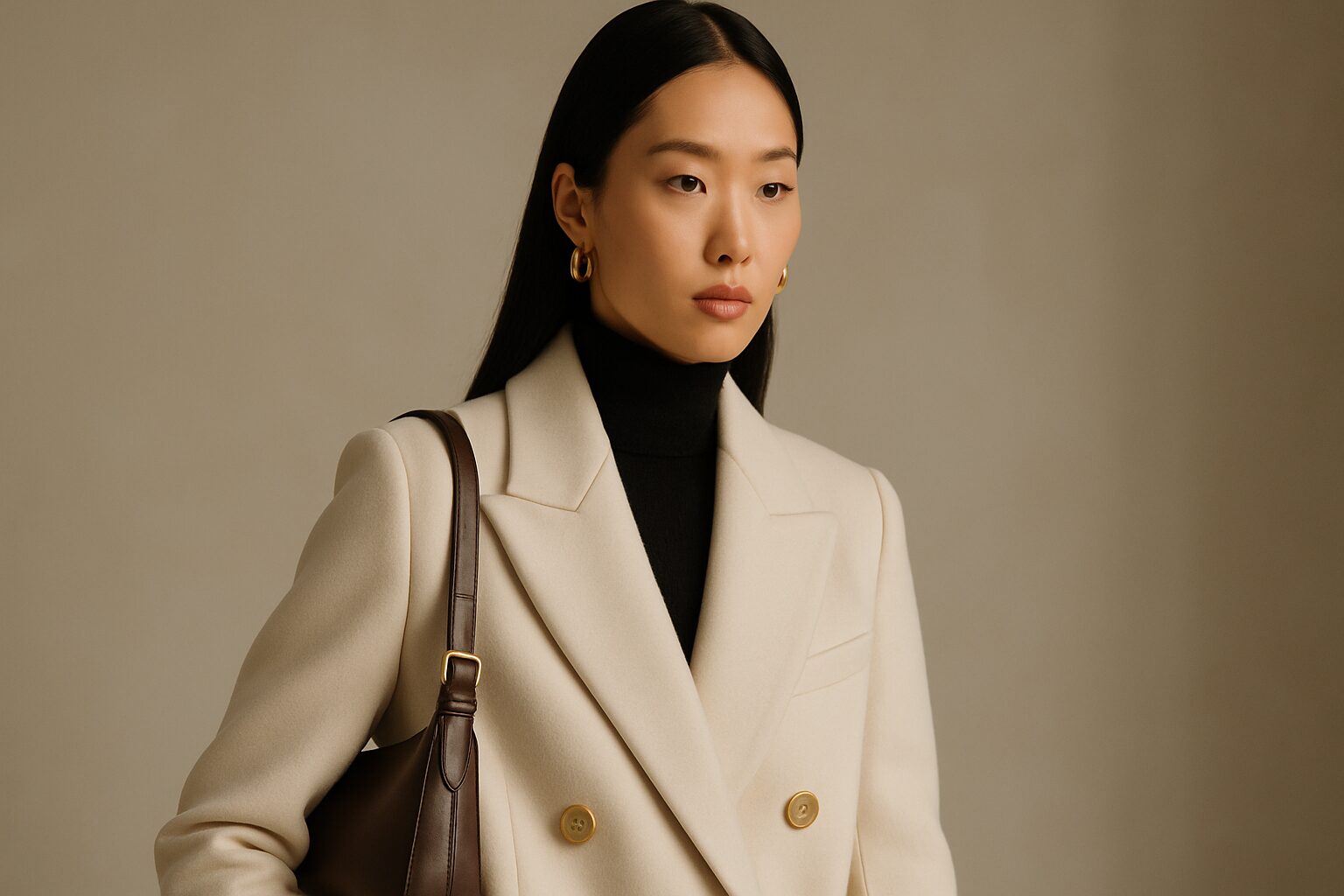
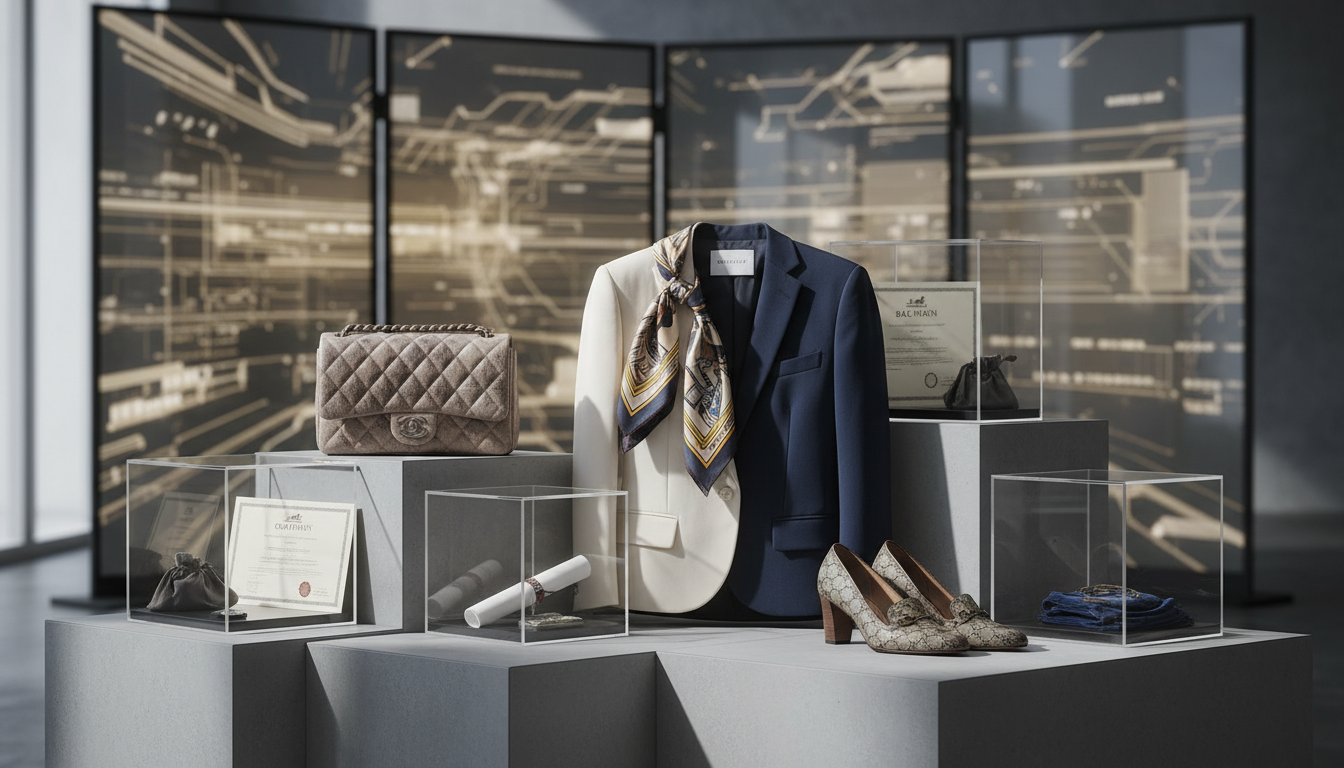
Fashion icons are individuals whose personal style and influence introduce new trends that become part of fashion culture, transcending transient fads.
Classic figures like Coco Chanel and Audrey Hepburn set timeless standards, while subculture and sustainable icons reshape modern style.
The path to becoming a fashion icon requires a signature aesthetic, consistency, and an unwavering commitment to authenticity over trend-chasing.
Icons differ from influencers by prioritizing long-term cultural impact rather than short-term social media metrics.
Understanding the evolution of fashion icons helps you cultivate a personal style that is both distinctive and enduring.
As of 2026, the secondhand luxury market and sustainable partywear are redefining what iconic dressing looks like on the dance floor.
What Defines a Fashion Icon?
What Defines a Fashion Icon? – fashion icons | Pretty N Poison
Fashion icons are influential individuals who introduce new styles that spread throughout culture and become part of fashion history. Unlike fleeting trendsetters, they create lasting impact through distinctive personal aesthetics and fearless self-expression.
The Definition of a Fashion Icon
A fashion icon is a person whose inherent style and cultural influence set new directions in clothing, accessories, and beauty. According to Wikipedia, a fashion icon or fashion leader is “an influential person who introduces new styles which spread throughout fashion culture and become part of fashion.” True icons initiate movements. They don’t merely follow them. The term evolved from the earlier concept of “fashion leaders”: historically royalty, aristocrats, and their consorts who dictated upper-class taste. Today, icons emerge from every corner of society, from Hollywood and music to politics and subcultures.
The Evolution of the Term
Historically, fashion leadership was reserved for queens like Marie Antoinette, whose extravagant 18th-century court style trickled down through European society. Empress Joséphine, wife of Napoleon I, popularized the Empire-line dress, while Beau Brummell, a friend of King George IV, set men’s fashion standards with immaculate tailoring and cravat innovations. In the 20th century, the meaning expanded to include movie stars, musicians, and avant-garde designers themselves, forever altering who qualifies as a fashion icon. The rise of mass media and later social platforms democratized the concept, allowing for a diverse array of figures that reflect shifting cultural values.
Qualities of a True Fashion Icon
Not every celebrity earns the title. A genuine fashion icon possesses an unmistakable signature style that stays consistent through decades, yet evolves gracefully. They often shock and challenge norms: David Bowie’s gender-bending glam rock looks, Madonna’s provocative cone bras. Icons rarely chase trends. Instead, they internalize inspiration and reinterpret it through their own lens. Longevity separates the true fashion icon from the momentarily famous: their influence persists on mood boards and runways generations later. The Editorialist notes that a fashion icon is “less about their job title and more about the inherent personal style and influence a person has,” emphasizing that star power alone is insufficient. It must be coupled with originality and conviction.
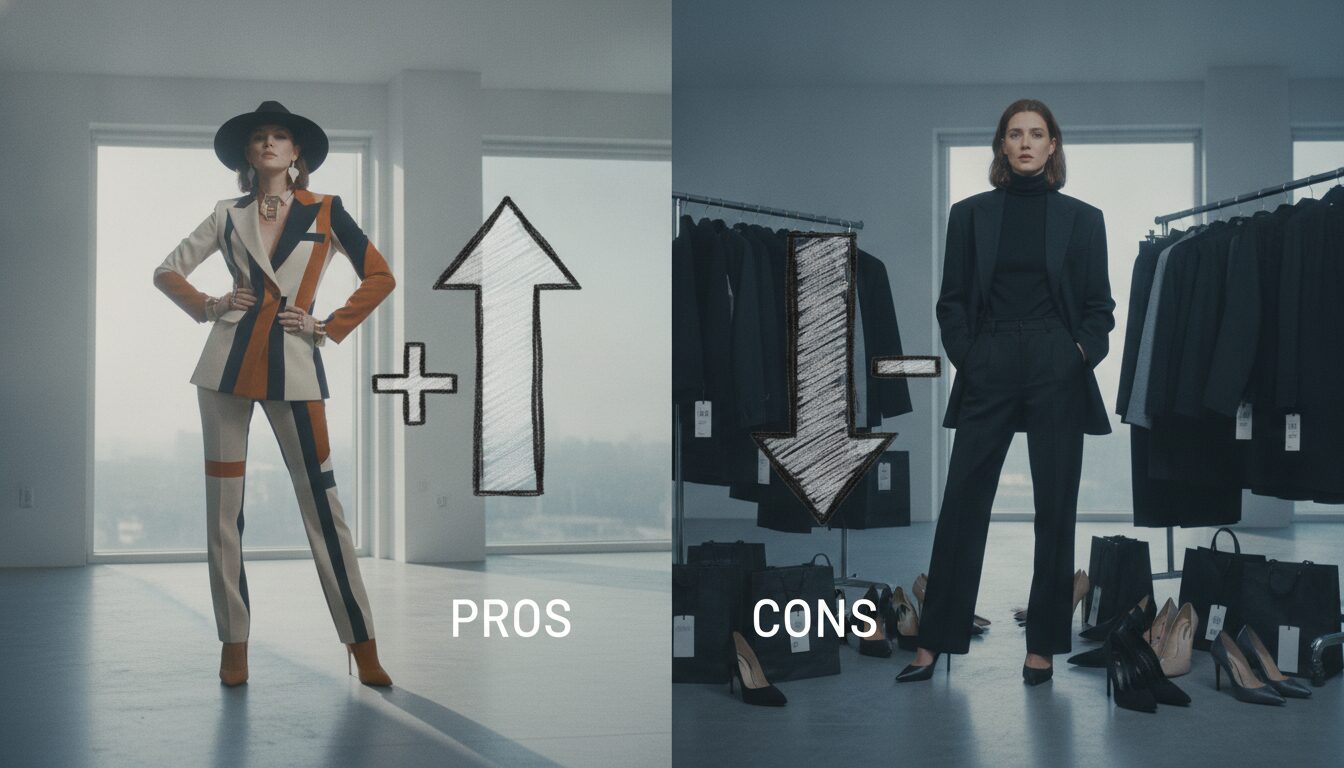
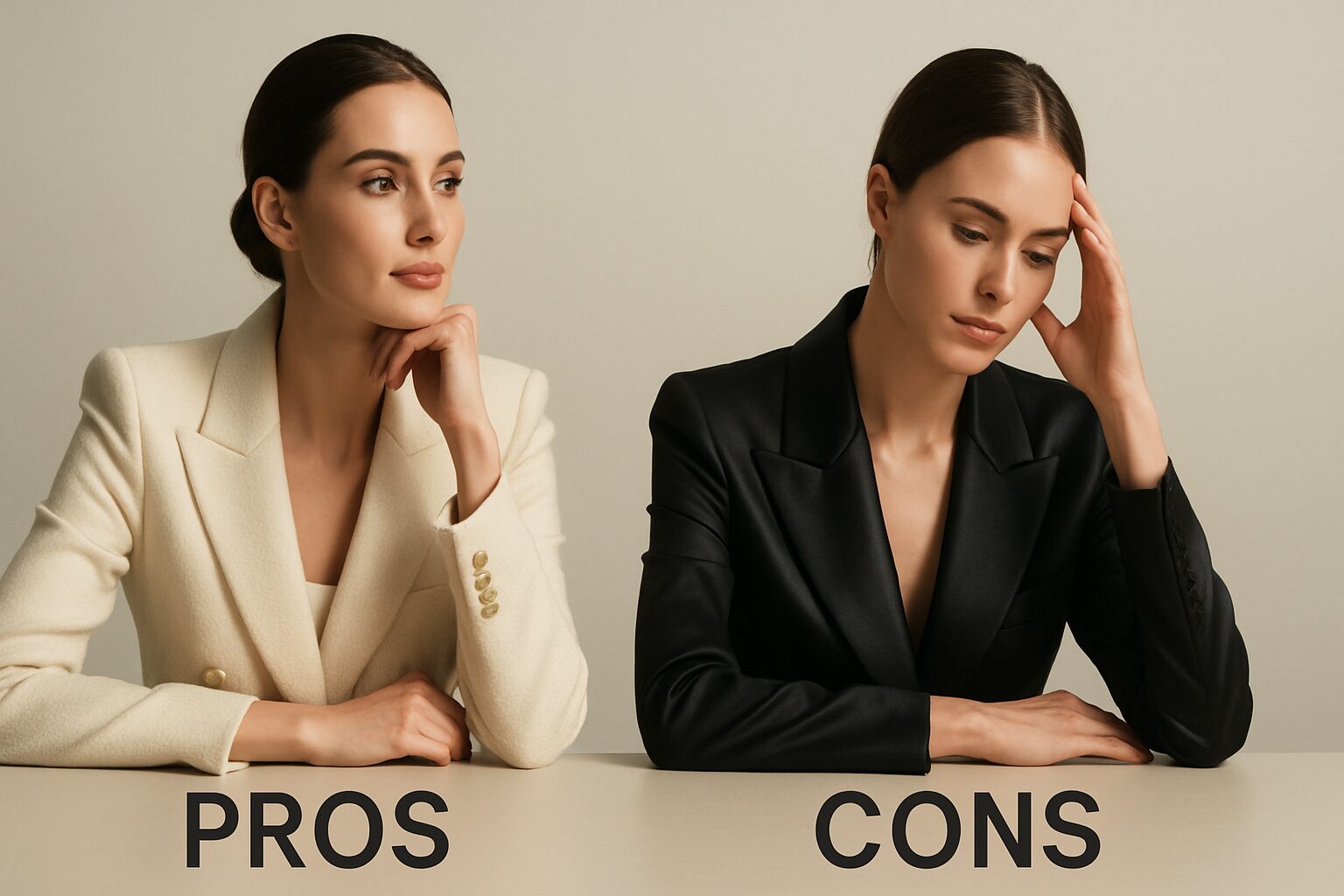
Pros and Cons of Dressing Like a Fashion Icon
Pros and Cons of Dressing Like a Fashion Icon – fashion icons | Pretty N Poison
Channeling this type of icons is one of the most powerful moves you can make with your wardrobe. But it comes with trade-offs worth knowing before you commit.
Pros
Instant visual identity: A signature aesthetic makes you unforgettable in any room, from a rooftop bar to a red-carpet event.
Timeless investment: Iconic style pieces, think structured handbags, tailored blazers, and the Little Black Dress, hold their value and relevance across seasons.
Confidence amplifier: Dressing with intention and conviction changes how you carry yourself. That’s not a style tip. That’s science.
Cultural connection: Referencing a fashion icon links you to a lineage of bold self-expression that spans decades.
Trend immunity: When your style is rooted in iconography, algorithm shifts and micro-trends can’t touch you.
Cons
Risk of costume: Leaning too hard into one icon’s aesthetic can read as imitation rather than inspiration.
Higher entry cost: Truly iconic pieces, whether vintage or designer, often carry a premium price tag.
Misread by peers: Dressing boldly and distinctively can attract attention you’re not always ready for. That’s the price of being ahead.
Requires commitment: A signature style only works if you wear it consistently. Dabbling defeats the purpose.
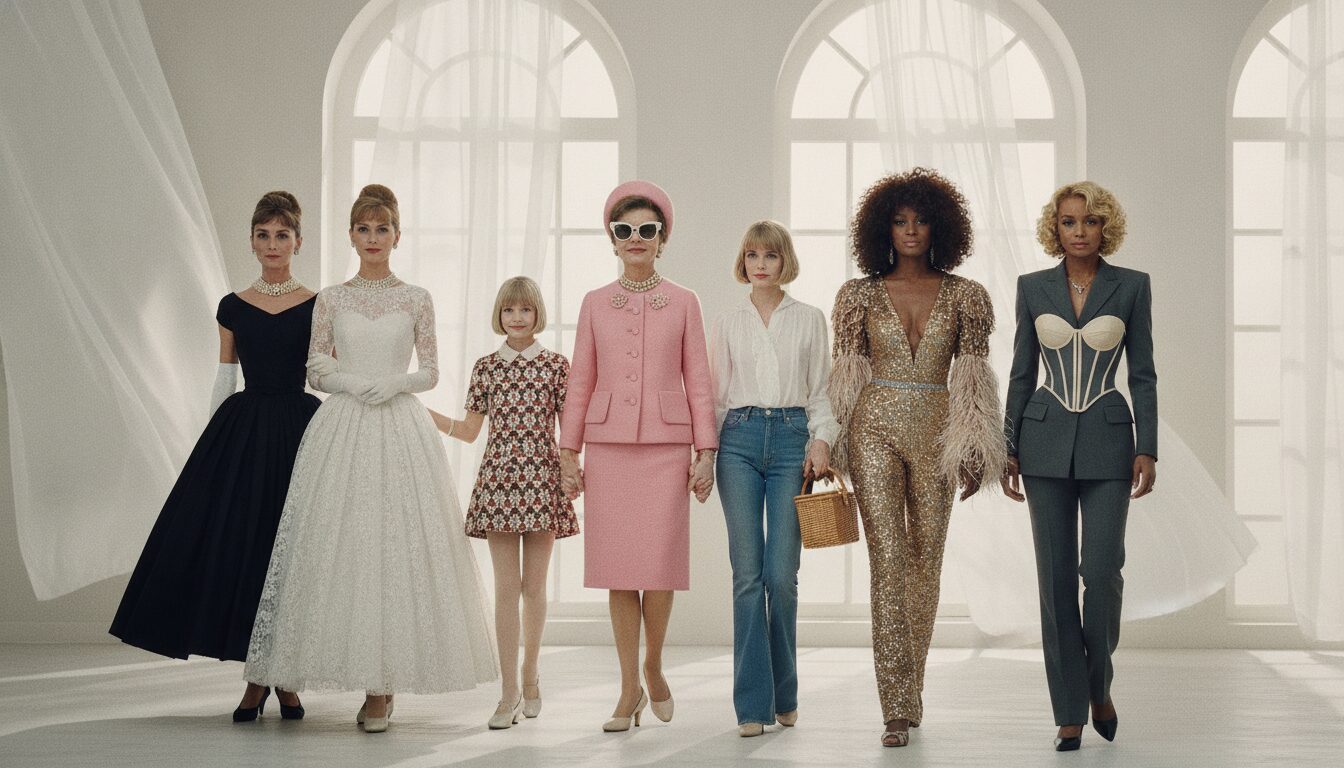
Classic Fashion Icons Through the Decades
Classic Fashion Icons Through the Decades – fashion icons | Pretty N Poison
These enduring this kind of icons shaped entire eras with their revolutionary approach to dress, and their fingerprints are still all over the clothes you want to wear tonight.
The Roaring Twenties and Coco Chanel
Coco Chanel liberated women from corsets in the 1920s, introducing relaxed silhouettes, jersey fabrics, and the iconic Little Black Dress. Her designs built a new, modern femininity and laid the groundwork for contemporary fashion. Chanel’s aphorism, “Style is not fashion until it has reached the street,” captures exactly how true fashion operate. The LBD remains one of the most enduring garments ever created, repeatedly reinterpreted by designers and embraced by everyone from Princess Diana in her “revenge dress” to contemporary red-carpet statements. Mary Quant pushed the revolution further in the 1960s, introducing the miniskirt and making youth culture the engine of fashion for the first time.
The Golden Age of Hollywood
The 1940s and 1950s produced a pantheon of icons whose visibility through cinema shaped global style. Audrey Hepburn’s collaboration with Hubert de Givenchy gave the world the LBD in Breakfast at Tiffany’s, cigarette pants, and ballet flats: a masterclass in minimalist elegance that still lands on every “timeless style” list published today. Grace Kelly’s transition from film star to Princess of Monaco cemented her as a symbol of refined sophistication. Her structured handbags became so iconic that Hermès renamed their bag the “Kelly” in her honor. Marilyn Monroe’s bombshell glamour, including the famous white halter dress, defined Hollywood sensuality and continues to inspire designers from Miuccia Prada to Michael Kors.
Male Fashion Icons Beyond Bowie
Male this type of icons have been just as disruptive. James Dean’s white T-shirt, jeans, and leather jacket in the 1950s created a blueprint for American cool that still sells billions of dollars in denim annually. Michael Jackson’s red leather Thriller jacket, sequined glove, and military-inspired stage wear turned every performance into a fashion event, influencing streetwear and luxury alike. These figures prove that iconic dressing isn’t gendered. It’s about the courage to own a look so completely that it becomes cultural shorthand.
Royal and Political Icons
Royalty has a unique power to set trends through visibility and status. Princess Diana’s style evolution, from shy Sloane Ranger to confident global trendsetter, made her one of the most photographed this kind of icons of the 20th century. Her “Travolta dress” and “revenge dress” are historic moments in fashion commentary. On the political stage, Jackie Kennedy Onassis’ impeccable shift dresses, pillbox hats, and pink Chanel suit epitomized American elegance. Margaret Thatcher pioneered power dressing with strong-shouldered suits that conveyed authority and reshaped female political attire. Eva Perón brought a different kind of power dressing to Argentina: immaculate tailoring and jewels used as deliberate instruments of political image-making. These fashion showed how clothing communicates status, power, and identity on an international scale.
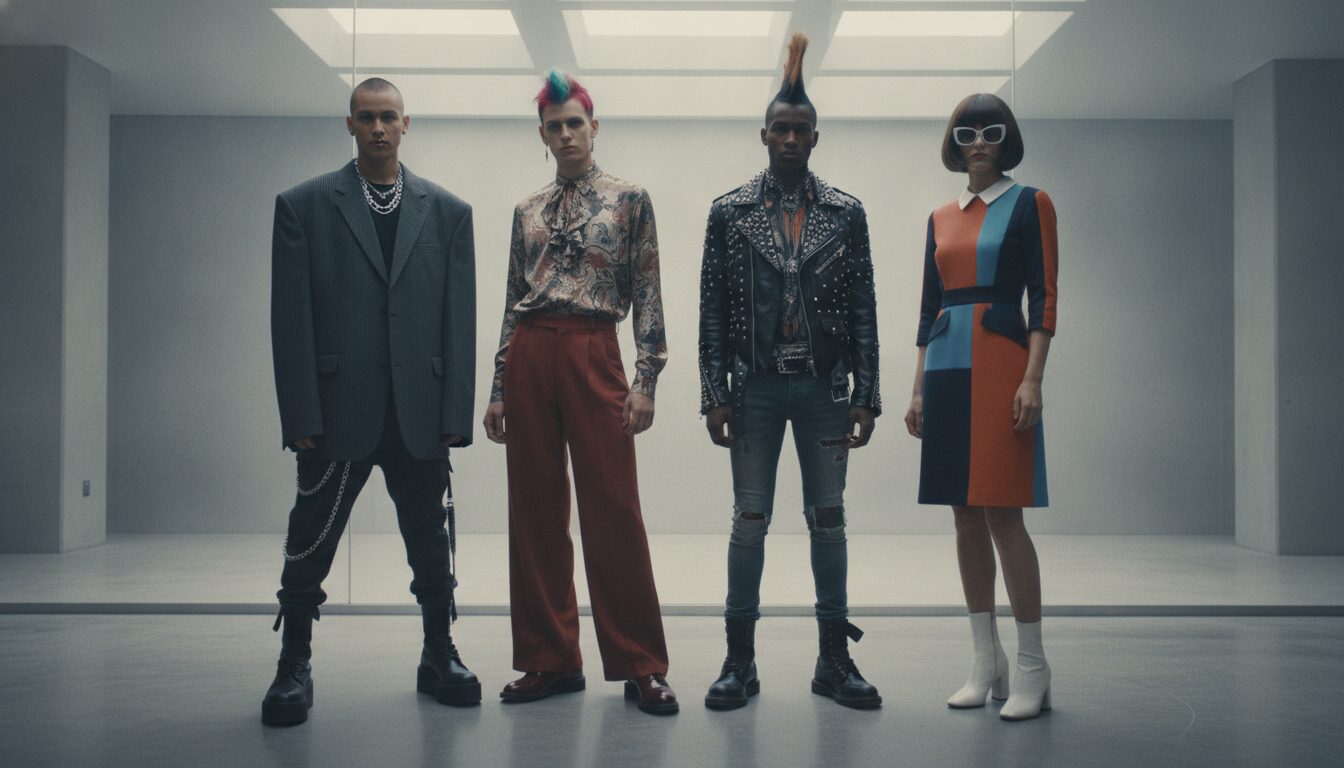
Subculture and Nightlife Icons That Redefined Style
Subculture and Nightlife Icons That Redefined Style – fashion icons | Pretty N Poison
The most significant icons often emerge from underground scenes and nightlife, challenging conventions and birthing entirely new aesthetics that eventually take over the mainstream.
Punk and Rock Icons
Joan Jett’s leather jackets, chains, and unapologetic gender-blending defined a new archetype for female rock stars in the late 1970s. Her influence extended beyond music into fashion, inspiring designers like Saint Laurent and Balmain to incorporate punk elements into collections that sell for thousands per piece. David Bowie’s chameleon-like ability to shift personas, from Ziggy Stardust’s flamboyant jumpsuits to the Thin White Duke’s sharp tailoring, demonstrated that this type of icons are not bound by one identity. These figures created clothing vocabularies that continue to appear on runways and in street style, proving that subversion is a powerful wellspring of style.
Club Kids and Rave Culture
The 1980s and 1990s club kid phenomenon, epitomized by figures like Leigh Bowery and Michael Alig, turned the nightclub into a runway for extreme self-expression. Outlandish makeup, prosthetic body parts, and techno-inspired neon attire challenged every boundary of taste and identity. Rave culture later introduced fluo colors, bucket hats, and oversized silhouettes: aesthetic codes now absorbed into high fashion by brands like Louis Vuitton and Balenciaga at price points starting at $500 and climbing well beyond. These niche this kind of icons illustrate how the most daring creativity flourishes in the margins before being co-opted by the mainstream.
“The most powerful style statements don’t come from runways. They come from the people brave enough to dress for themselves in rooms where no one is watching.” – Fashion historian and cultural critic, reflecting on the legacy of club culture’s influence on contemporary luxury fashion.
Drag and Gender-Bending Icons
Drag queens have always been fashion in their own right, using exaggerated femininity and theatricality to redefine gender norms. RuPaul’s rise to multimedia stardom brought drag aesthetics to global visibility, influencing makeup trends, red carpet fashion, and even the Met Gala’s “Camp: Notes on Fashion” theme. Billy Porter’s black Christian Siriano tuxedo gown at the 2019 Academy Awards made history, cementing his role as a modern fashion icon pushing genderless fashion into the mainstream. These pioneers prove that fashion icons can dismantle rigid categories and expand the creative possibilities of personal style.
Sustainable Fashion Icons Leading the Eco-Conscious Movement
A new generation of fashion icons is proving that style and sustainability can coexist, especially in the partywear and nightlife space where single-use glamour has long been the norm.
Pioneers of Ethical Fashion
Stella McCartney has long been the torchbearer for high-end sustainable fashion, refusing to use leather, fur, or feathers in her collections. Her designs prove that luxurious, sophisticated clothing can be produced without animal cruelty, influencing brands like Gucci and Kering to adopt fur-free policies. Emma Watson used her red-carpet appearances to champion eco-friendly choices, wearing a Calvin Klein gown made from recycled plastic bottles to the 2016 Met Gala. These fashion icons use their influence to normalize ethical consumerism without sacrificing aesthetics.
How Sustainable Icons Influence Partywear
The party circuit, from Coachella to warehouse raves, has become a testing ground for sustainable fashion innovations. Biodegradable sequins, organic cotton bodysuits, and lab-grown diamanté pieces are replacing petrochemical-derived party staples. Fashion trend forecasting from McKinsey’s State of Fashion 2026 report suggests that consumer demand for sustainable materials has reached a tipping point, with major retailers now dedicating significant portions of their buying budgets to eco-certified lines. Fashion icons like Billie Eilish, who often wears oversized, upcycled designer sets, and musician Grimes, known for her futuristic eco-conscious looks, demonstrate that green glamour is not an oxymoron. Their choices encourage major brands to invest in circular design and rental platforms, reshaping party fashion toward a more responsible future.
Brands Championing Green Glamour
Collina Strada’s Hillary Taymour delivers whimsical, sustainably made pieces frequently spotted at festivals and openings, proving that ethical sourcing needn’t sacrifice personality. Cult brand GCDS has introduced a “See Now, Buy Now, Wear Forever” collection using recycled ocean plastics. According to a ThredUp resale report, vintage and pre-owned apparel will account for roughly 27% of the average closet by 2027, fueled by nostalgia for iconic looks. The secondhand luxury market, which ThredUp projects will grow into a multi-billion dollar category through the late 2020s, allows consumers to emulate fashion icons through vintage finds that carry zero new environmental cost. These developments illustrate how fashion icons are increasingly defined not only by their look, but by their alignment with progressive values.
“Sustainability is no longer a niche concern. It’s the new luxury signifier,” according to fashion editors at Vogue Business, who note that the most culturally resonant style figures of 2026 are those who make ethical choices look effortless and aspirational.
How to Become a Fashion Icon: 3 Steps
Becoming a fashion icon isn’t about fame. It’s an internal process of cultivating a unique, recognizable aesthetic that resonates beyond the moment.
Step 1: Define Your Signature Style
Audit your current wardrobe and identify recurring motifs: colors, silhouettes, fabrics, or eras that feel authentic. Fashion icons are immediately recognizable because they have a consistent visual language. Think of Anna Wintour’s blunt bob and sunglasses, or Karl Lagerfeld’s fingerless gloves and tailored suits. Select three to five key elements that represent you and build every outfit around them. This is your visual signature. Protect it.
Step 2: Master Consistency
True fashion icons don’t abandon their aesthetic when trends shift. They evolve within their framework. Diana Vreeland, legendary editor of Vogue, maintained her extreme elegance and exoticism through decades of editorial work. Train your eye to resist fleeting fads. Invest in pieces that align with your signature style and wear them repeatedly in creative combinations. Repetition isn’t laziness. It’s authority.
Step 3: Embrace Individuality Over Trends
As the Editorialist notes, icons “don’t follow trends, but set them, often without the intention of doing so.” Your goal is not to please the algorithm, but to express something genuine. Experiment with unconventional pairings, mix vintage with contemporary, and let your personality dictate your choices rather than the latest runway directive. Confidence is the ultimate accessory of every fashion icon. No price tag required.
Fashion Icons vs. Influencers: What’s the Difference?
Aspect
Fashion Icon
Social Media Influencer
Primary Goal
Self-expression; cultural influence
Audience engagement; commerce
Timeframe
Decades-long impact
Often tied to platform algorithms
Originality
Sets trends; highly original
Often follows and amplifies trends
Relationship with Trends
Creates or ignores them
Reacts to them quickly
Monetization
Indirect (brand partnerships often secondary)
Direct (sponsored content, affiliate links)
Examples
Grace Kelly, David Bowie, Billy Porter
Chiara Ferragni, Camila Coelho, Aimee Song
Legacy
Endures beyond active career; inspires future generations
May fade as platform loses relevance
The digital age has blurred some lines, but the core distinction remains: fashion icons prioritize authenticity over marketability, and their influence endures through cultural shifts. While an influencer might be forgotten when the algorithm changes, a true fashion icon leaves a permanent imprint on the collective style consciousness.
Their Lasting Impact on Modern Style
The legacy of fashion icons is visible everywhere, from boutique rails to fast fashion knockoffs, and it’s accelerating rather than fading.
How Runway Inspires Streetwear
Designers continuously mine the aesthetics of past fashion icons. Miu Miu’s Spring 2026 collection references Y2K club kid aesthetics, while Dior Men’s artistic director Kim Jones frequently channels punk-era energy directly from icons like Vivienne Westwood and Malcolm McLaren. This trickle-down effect means that without ever knowing Joan Jett’s name, a teenager wearing a leather jacket with safety pins is participating in a lineage traced directly to a fashion icon. According to fashion editors at ELLE, the cyclical nature of iconic style means no aesthetic ever truly dies. It just waits for its moment.
The Resurgence of Vintage and Iconic Pieces
The growing popularity of secondhand shopping, driven by environmental concerns and a desire for uniqueness, has revived interest in the signature pieces of historical fashion icons. Platforms like Vestiaire Collective and The RealReal report spikes in searches for items associated with specific stars: Princess Diana’s sweatshirt-and-bike-shorts combo, Kate Moss’s slip dresses, or John Travolta’s 1970s disco suits. According to a ThredUp resale report, vintage and pre-owned apparel will account for roughly 27% of the average closet by 2027, fueled by nostalgia for iconic looks. Owning a piece linked to a fashion icon, or an affordable interpretation, serves as a bridge between past inspiration and present identity.
How to Incorporate Iconic Style into Your Wardrobe
To channel the energy of fashion icons without direct imitation, adopt one signature element from a figure you admire: a structured handbag à la Grace Kelly, a crisp button-up shirt inspired by Carolyn Bessette-Kennedy, or a bold lip reminiscent of Taylor Swift’s classic red. Pair these with contemporary, sustainably made basics to keep the look fresh. The point isn’t costume. It’s a thoughtful dialogue between the past and your personal present. That’s exactly the duality we build into every collection at Pretty N Poison.
Discover your duality at prettynpoison.com. Whether you’re drawn to the ethereal romance of the Pretty Edit, the dark edge of the Poison Edit, or the contrast-driven pieces in our Duality and Night Ritual collections, your icon era starts now.
Frequently Asked Questions
Who are the most famous fashion icons?
Famous fashion icons include Coco Chanel, Audrey Hepburn, Grace Kelly, David Bowie, and Princess Diana. Each shaped global style through distinctive aesthetics that continue to inspire designers and consumers today.
Who are the current fashion icons?
Current fashion icons include Billy Porter for genderless red-carpet dressing, Billie Eilish for sustainable oversized fashion, and Zendaya for boundary-pushing elegance. Their influence is felt in both luxury and street-level trends as of 2026.
Who are 90s fashion icons?
1990s fashion icons include Kate Moss with her minimalist aesthetic, Carolyn Bessette-Kennedy’s streamlined sophistication, and Kurt Cobain’s grunge flannel look that upended traditional menswear. Each defined a distinct visual identity that still circulates on mood boards today.
What is the difference between a fashion icon and a fashion influencer?
A fashion icon creates lasting cultural impact through original personal style, while an influencer amplifies existing trends for commercial gain. Icons set trends; influencers follow them for engagement and sponsored reach.
Can anyone become a fashion icon?
Yes, if they develop a consistent, authentic signature style that resonates culturally. Fame helps, but many fashion icons emerge from subcultures and gain recognition over time through sustained, unapologetic influence.
How do sustainable fashion icons impact the industry?
Sustainable fashion icons like Stella McCartney and Emma Watson prove that high style can align with ethical practices. They drive demand for eco-friendly materials, circular production, and secondhand luxury, pushing brands toward greener strategies that are reshaping the entire industry as of 2026.
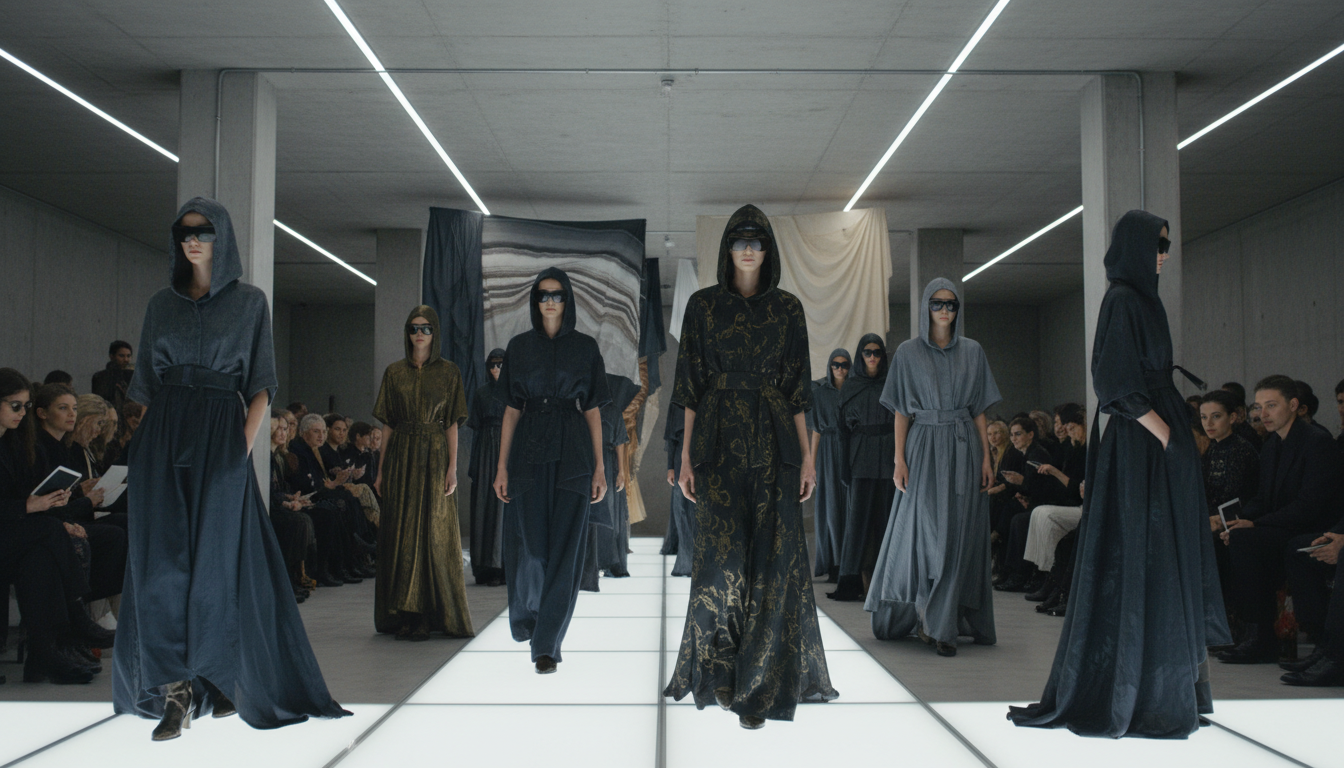
Runway fashion is the catwalk presentation of a designer’s latest collection, setting seasonal trends through models, lighting, and music. It shapes both haute couture and the ready-to-wear looks you’ll actually wear out tonight.
Key Takeaways
fashion is the catwalk presentation of designer collections that sets seasonal trends.
The Big Four fashion weeks in New York, London, Milan, and Paris anchor the global fashion calendar.
Digital streaming and social media have democratized runway access, expanding its cultural reach.
Sustainability and inclusivity are reshaping production and casting, from eco-materials to diverse models.
firstVIEW launched the first online runway archive in 1995, now holding over 8 million photographs.
What Is Runway Fashion?
What Is Runway Fashion? – runway fashion | Pretty N Poison
this type of fashion is the curated display of a designer’s new apparel and accessories on a raised catwalk during a fashion week or standalone event. It’s a business tool as much as a spectacle. The primary purpose: communicate a designer’s seasonal narrative, generate media buzz, and lock in retail orders. What you see on that catwalk will hit store floors roughly six months later, and it will influence every mass-market brand in between.
Definition and Core Purpose
A fashion show is the broader event: models, music, lighting, and staging that brings a collection to life for an audience of press, buyers, and celebrities. As Runway 7 Fashion puts it, runway shows are “a world class platform designed to showcase fashion brands,” connecting creativity with commerce. That connection is everything.
Key Elements of a Runway Show
Catwalk: The central stage where models walk, typically measuring 40 to 60 feet in length.
Models: Individuals selected to wear the designs, increasingly diverse in size, age, and background.
Styling and Hair/Makeup: Designed to reinforce the collection’s mood, from minimalist to avant-garde.
Music and Lighting: These orchestrate the pacing and emotional impact; many shows now include live performances.
Front Row: Reserved for editors, influencers, and celebrities, amplifying the show’s reach via social media.
The History of Runway Fashion
The History of Runway Fashion – runway fashion | Pretty N Poison
this kind of fashion traces its roots to 19th-century Paris, where the first designers used live models to sell a vision rather than a sketch. That instinct, to show rather than tell, built an entire industry.
Early Beginnings
The concept of live modeling dates to 19th-century Paris, where couturier Charles Frederick Worth had his wife wear his designs to attract clients. By the 1900s, “fashion parades” were common in Paris salons. The first American fashion show likely occurred in 1903 at the Ehrlich Brothers store in New York, followed by Wanamaker’s department stores in 1910, according to Wikipedia. These early shows targeted female shoppers and showcased Parisian couture or department-store copies.
The Rise of Fashion Weeks
World War II accelerated the need for a structured fashion calendar. In 1943, New York launched the first organized fashion week to spotlight American designers when Paris was inaccessible. Milan and Paris emerged later as powerhouses, with the Fédération de la Haute Couture et de la Mode formalizing Paris shows in 1973. London joined in 1984, cementing the Big Four. The 1990s brought centralized venues: New York moved to Bryant Park in 1993 after safety concerns at scattered locations.
Modern Evolution
By the 2000s, runway became a multimedia experience. Designers like Ralph Lauren incorporated holographic backdrops as early as 2014, and brands now produce cinematic short films in place of traditional shows. The internet transformed access entirely. firstVIEW, launched in 1995, pioneered the digital archive with over 8 million runway photographs, while live streaming made shows accessible worldwide. Today, Instagram and TikTok deliver runway moments to millions within seconds of the final bow.
The Major Fashion Weeks: Where Runway Fashion Comes Alive
The Major Fashion Weeks: Where Runway Fashion Comes Alive – runway fashion | Pretty N Poison
The global fashion circuit revolves around four key cities, each with its own personality, power, and obsession. Below is a breakdown of the Big Four.
City
Fashion Week
Typical Season
Notable Venue
Characteristic
New York
NYFW
February & September
Bryant Park (historic)
Commercial, sportswear, celebrity
London
LFW
February & September
Somerset House
Avant-garde, emerging talent
Milan
MFW
February & September
Various (e.g., Palazzo Serbelloni)
Luxury, craftsmanship
Paris
PFW
February & September
Grand Palais
Haute couture, prestige
New York: The Commercial Powerhouse
NYFW showcases the widest range of styles, from polished sportswear by Ralph Lauren to edgy streetwear by labels like Telfar. It was the first to integrate social media influencers into the front row, amplifying its reach far beyond the venue. fashion in New York is often the most direct predictor of mainstream retail trends. Runway 7 Fashion, which sells public NYFW tickets and has been named to the Inc5000, has also raised over $150,000 toward a $1 million goal for multiple sclerosis research and $25,000 for Lyme disease, winning a 2025 Gold Stevie Award for Best Runway Show. That’s the kind of cultural weight a New York show can carry.
London: The Avant-Garde Incubator
London Fashion Week is known for its experimental spirit and fierce support of new graduates from Central Saint Martins. Designers like Alexander McQueen and Vivienne Westwood defined its rebellious legacy. Today, emerging names use London’s this type of fashion to challenge gender norms and sustainability conventions. It’s where fashion gets dangerous, in the best possible way.
Milan and Paris: Luxury’s Twin Capitals
Milan celebrates Italian craftsmanship and opulence, with houses like Gucci and Prada orchestrating theatrical spectacles. Paris remains the apex of this kind of fashion, particularly for haute couture: exclusive, hand-sewn garments shown twice a year at the Grand Palais and other iconic locations. Chanel’s 110-carat haute horlogerie chess set, as reported by RUNWAY MAGAZINE, exemplifies the blend of fashion, art, and luxury that Paris does better than anywhere on earth.
The Influence of Runway Fashion on Mainstream Trends
The Influence of Runway Fashion on Mainstream Trends – runway fashion | Pretty N Poison
runway doesn’t stay on the catwalk. It bleeds into everything, from fast fashion racks to the outfit you’re building for Saturday night.
The Trickle-Down Effect
fashion initiates a cascade: high-end designs are simplified and mass-produced by fast-fashion retailers within weeks. A voluminous sleeve seen at Balenciaga quickly appears in Zara collections. Social media has compressed the traditional 6-month lag to mere days. According to fashion editors at Vogue Runway, this acceleration has fundamentally changed how brands plan their production cycles.
The Subculture Exchange: Where Street Meets Runway
Here’s the angle most fashion coverage misses. this type of fashion doesn’t just set trends. It absorbs them. Punk’s safety pins, goth’s dark romance, and hip-hop’s oversized silhouettes first emerged on streets before luxury houses reinterpreted them for the catwalk. The runway validates, then amplifies. Those aesthetics flood back into underground scenes with new prestige attached. It’s a feedback loop that fuels alternative fashion brands, including the duality-driven world of Pretty N Poison, where pretty and poisonous coexist on purpose.
Celebrity and Influencer Amplification
A single front-row appearance by a Kardashian or K-pop star triggers immediate search spikes. Brands now engineer those moments deliberately, reserving seats for digital-native celebrities who can drive more sales with one Instagram post than a full magazine editorial. This fusion has made this kind of fashion more commercially potent than at any point in its history.
Behind the Scenes: Production of a Runway Show
runway looks effortless from the front row. Behind the curtain, it’s a 6-to-8-month operation running on obsessive precision.
Step-by-Step: From Concept to Curtain Call
Concept Development: The designer creates a mood board and sketches, often 6 to 8 months ahead of the show date.
Sampling and Fittings: Muslin prototypes are tested, then final samples are sewn; multiple fittings per model ensure precision.
Casting: A casting director selects models who embody the collection’s spirit, increasingly prioritizing diversity in size, age, and background.
Tech Rehearsal: Lighting cues, music transitions, and model timings are practiced until every second lands exactly right.
Final Run-Through: The entire sequence is walked in full hair and makeup, typically the night before the show.
Showtime: Most shows run 10 to 20 minutes. The designer takes a bow. The world reacts.
The Role of Stylists and Makeup Teams
Behind every cohesive fashion moment is a team translating the designer’s vision into wearable art. Lead stylists collaborate with makeup artists from brands like MAC or Pat McGrath to create signature looks: a smoky eye, a bold lip, an avant-garde prosthetic. These professionals often set beauty trends that trickle into consumer culture long after the show ends.
Venue and Set Design
Venues range from raw industrial spaces to historic palaces. Set design has become an artistic statement in its own right. Chanel’s grocery-store set and Dior’s enchanted forests are legendary. Even smaller labels use immersive environments to strengthen brand identity and create moments worth posting, sharing, and remembering.
Runway Fashion in the Digital Age
this type of fashion went global the moment it went digital. Now, anyone with a phone has a front-row seat.
Live Streaming and Virtual Shows
The pandemic accelerated a shift already underway. Brands now offer high-definition live streams on their websites and platforms like YouTube. Virtual shows, including Balenciaga’s video game-inspired presentation, proved that physical presence is no longer mandatory for cultural impact. The audience expanded overnight, and it hasn’t shrunk since.
Social Media and Democratization
Instagram and TikTok have transformed this kind of fashion from an industry-only event into a global spectator sport. Users watch, comment, and purchase items directly through shoppable posts. This transparency has forced brands to address size inclusivity and ethical practices, because consumers now scrutinize every detail in real time. As ELLE has noted, social media accountability has become one of the most powerful forces reshaping how fashion weeks operate.
Digital Archives and Accessibility
firstVIEW and Vogue Runway maintain exhaustive databases that make historical runway researchable by anyone. Students, designers, and fans can study decades of collections, democratizing fashion education and preserving cultural heritage that would otherwise exist only in private archives.
Sustainability and Ethics in Modern Runway Fashion
fashion is under pressure to be as responsible as it is beautiful. The industry is responding, slowly but visibly.
Eco-Friendly Materials and Practices
A growing number of designers are integrating organic cotton, recycled polyester, and innovative fabrics like Piñatex (pineapple leather) into their runway collections. Stella McCartney has championed sustainable runway fashion for years, and luxury giants like Gucci now highlight carbon-neutral shows as part of their brand identity. High style and sustainability are no longer opposites.
Reducing Waste and Circular Models
Zero-waste pattern cutting and on-demand production are gaining traction across fashion weeks. Some London Fashion Week designers now present entirely upcycled collections, turning deadstock fabrics into catwalk statements. This shift challenges the traditional seasonality that drives overproduction and the waste that comes with it.
Ethical Labor and Transparent Supply Chains
Consumers and activists demand transparency. Fashion weeks now spotlight brands that disclose their supply chains and pay fair wages. Runway fashion that fails to address labor ethics faces public backlash, and that pressure is accelerating an industry-wide reckoning that shows no sign of slowing down.
How to Experience Runway Fashion
Runway fashion is more accessible than it’s ever been, whether you’re chasing a front-row seat or watching from your phone at midnight.
Tickets, Invitations, and Public Access
Most shows are invitation-only, but some fashion weeks offer limited public tickets. Runway 7 Fashion sells NYFW tickets to the public and has been awarded Best Fashion Platform for its accessible approach. Many young designer showcases and off-schedule events also welcome press and buyers with open registration. The barrier to entry is lower than the industry wants you to think.
Online Platforms and Live Streams
Many fashion weeks are now livestreamed on official websites and YouTube. The CFDA’s Runway360 platform in New York offers digital showrooms for brands that can’t fill a physical venue. For those unable to attend in person, runway fashion is available in real time, no invitation required.
Runway-Inspired Shopping
Direct-to-consumer brands like Pretty N Poison offer runway-inspired partywear that captures the drama of the catwalk without the couture price tag. Our Poison Edit and Night Ritual collections pull directly from the dark glamour and bold silhouettes you see closing shows in Milan and Paris. Resale sites like Runway Catalog also offer authentic designer pieces at up to 80% off retail, making runway fashion achievable for a broader audience.
Pros and Cons of Runway Fashion
Runway fashion drives culture, but it’s not without its contradictions. Here’s the honest breakdown.
Pros
Sets the creative agenda: Runway shows define the aesthetic direction for entire seasons, influencing everything from luxury to fast fashion.
Democratized by digital access: Live streams, digital archives, and social media mean anyone can watch, study, and be inspired by runway fashion in real time.
Platform for cultural commentary: Designers use the runway to address politics, identity, sustainability, and social justice in ways that generate genuine conversation.
Drives innovation in materials and craft: The pressure to impress pushes designers toward new fabrics, techniques, and construction methods that eventually reach mainstream fashion.
Amplifies emerging talent: Fashion weeks, especially London, give new designers a global stage that would otherwise take years to reach.
Cons
Exclusivity remains a barrier: Despite digital access, physical attendance is still largely restricted to industry insiders, celebrities, and the ultra-wealthy.
Environmental cost is significant: The production of runway shows, including set construction, travel, and sample waste, generates a substantial carbon footprint.
Trend acceleration drives overconsumption: The speed at which runway looks reach fast fashion retailers fuels a cycle of overproduction and disposable clothing.
Diversity progress is uneven: While casting has improved, size inclusivity and representation behind the scenes (in design teams and executive roles) still lag far behind the front row.
The Future of Runway Fashion
Runway fashion is evolving faster than any season can contain. The next decade will look nothing like the last.
Technology Integration
AI-driven personalization, augmented reality try-ons, and digital-only collections are already reshaping runway fashion as of 2026. The Metaverse and Web3 investments by brands like RUNWAY MAGAZINE, which has developed Web3 animations for editorial content, hint at a future where virtual and physical runways coexist and feed each other.
Inclusivity and Diversity
Runway fashion is gradually reflecting real demographics. Adaptive clothing for people with disabilities, plus-size models, and gender-fluid casting are becoming standard rather than exceptional. The Pratt Institute’s 2026 Runway Show, covered by RUNWAY MAGAZINE, featured 28 emerging designers “defying the digital void” with inclusive visions that signal where the industry is heading.
Shifting Consumer Values
Gen Z and Alpha consumers demand sustainability, transparency, and purpose. Runway fashion that aligns with those values will thrive. Those that don’t risk irrelevance. The blend of art, commerce, and ethics will define the next decade of catwalk culture, and the brands bold enough to own that duality will lead it.
“Fashion is not something that exists in dresses only. Fashion is in the sky, in the street; fashion has to do with ideas, the way we live, what is happening.” – Coco Chanel, as cited by fashion historians and Vogue editors across decades of coverage.
“The runway is where a designer’s deepest convictions meet the public eye. It is the most honest moment in fashion.” – Per ELLE’s editorial analysis of fashion week culture, updated for 2026.
Runway fashion is far more than a glamorous parade. It’s a dynamic cultural engine that shapes identity, industry, and innovation. Understanding its mechanics, history, and future lets you appreciate, and participate in, the ever-evolving world of style on your own terms.
Discover your duality at prettynpoison.com. The Poison Edit is waiting.
Frequently Asked Questions
What is runway fashion?
Runway fashion is the presentation of a designer’s latest collection on a catwalk during a fashion show, showcasing upcoming trends through models, styling, and set design. It functions as both a creative statement and a commercial tool, influencing what consumers will find in stores roughly six months after the show.
How often do runway fashion shows happen?
Major fashion weeks occur twice a year, covering spring/summer and fall/winter seasons, with additional resort/cruise shows and men’s weeks throughout the year. The Big Four cities (New York, London, Milan, and Paris) each host shows in February and September.
Who can attend runway fashion shows?
Traditionally, attendance is by invitation only for industry professionals, but some events offer public tickets. Runway 7 Fashion, for example, sells NYFW tickets to the public; live streams also open access to anyone worldwide with an internet connection.
How does runway fashion influence what we wear?
High-end designs are adapted by mass-market retailers, and runway styling sets trends that trickle down into everyday clothing within months or even weeks. Social media has compressed that timeline dramatically, with some fast-fashion interpretations appearing within days of a show.
What is the difference between haute couture and ready-to-wear runway shows?
Haute couture shows feature one-of-a-kind, custom-fitted pieces for private clients, with garments that can take hundreds of hours to produce. Ready-to-wear shows present garments produced in standard sizes for retail sale, making them accessible to a much broader audience.
Is runway fashion becoming more sustainable?
Yes, many designers now use eco-friendly materials like Piñatex and recycled polyester, alongside zero-waste techniques and ethical labor practices. Progress is real but uneven, and scaling these efforts across the full industry remains one of fashion’s most pressing challenges.
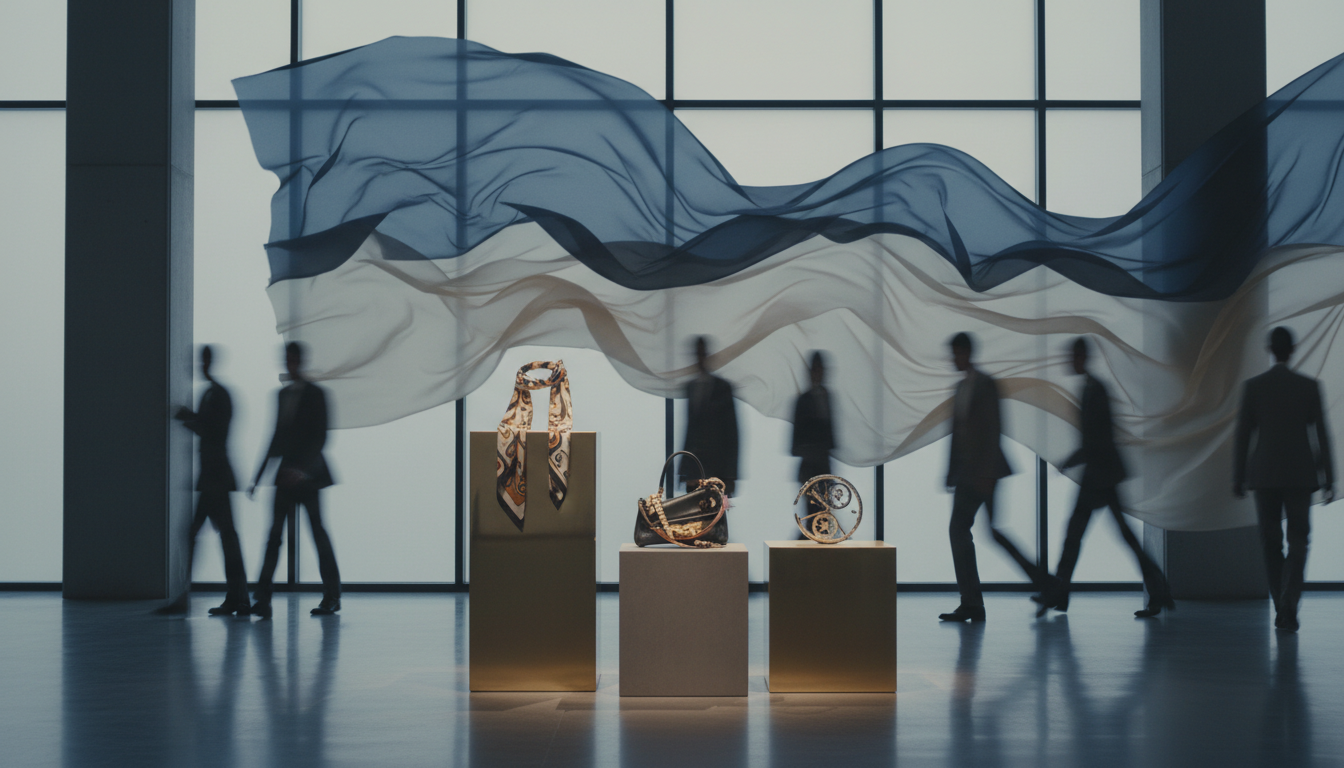
Luxury fashion brands are high-end labels defined by exceptional craftsmanship, exclusivity, and rich heritage. Louis Vuitton leads all valuations at $40.7 billion, setting the standard every other house chases.
Key Takeaways
Luxury fashion brands are defined by exclusivity, superior materials, and timeless design – not just a high price tag.
Louis Vuitton ($40.7B), Chanel ($34.2B), and Hermès ($30.4B) top the 2025 FashionUnited brand value index.
The FashionUnited index ranks 101 fashion labels, from Louis Vuitton down to Ted Baker at $100 million.
Authenticating a luxury purchase means scrutinizing stitching, hardware, serial numbers, and sourcing from authorized retailers.
Sustainability is reshaping the sector, with houses like Stella McCartney and Gucci leading the charge on ethical production.
Independent niche labels are diversifying the landscape, winning over consumers who want individuality over logo status.
What Are Luxury Fashion Brands?
What Are Luxury Fashion Brands? – luxury fashion brands | Pretty N PoisonWhat Are Luxury Fashion Brands? – luxury fashion brands | Pretty N Poison
Luxury fashion brands are labels that occupy the absolute top tier of the fashion hierarchy, distinguished by heritage, superior materials, and meticulous artisanal production. According to Wikipedia, high fashion labels are those that show at one of the world’s four major fashion weeks: Paris, Milan, London, and New York. True luxury goes further still, adding a storied history, dream-level pricing, and a cultural weight that no fast-fashion label can manufacture.
Defining Characteristics of Luxury
Several attributes separate these houses from everything else on the market. Exclusivity is non-negotiable: limited production runs and deliberately high price points keep the pieces aspirational. Craftsmanship is the other pillar – many ateliers still employ traditional techniques passed down through generations, with every stitch placed by hand. Materials are sourced at the highest grade, from ethically harvested exotic leathers to rare cashmere. And then there is storytelling: the logo, the monogram, the signature silhouette that instantly signals a legacy of elegance without a single word.
Luxury vs. Premium: The Fine Line
Not every expensive label qualifies. Premium brands offer elevated quality but lack the exclusivity and cultural cachet that define true luxury. The difference is intangible – call it the “dream factor.” It is the gap between a well-constructed handbag and an Hermès Birkin that appreciates in value year after year. One is a product. The other is a statement.
Regional Capitals of Luxury
Paris remains the undisputed heart of the industry, home to couture giants like Chanel and Dior. Milan is synonymous with artisanal leather goods and precision tailoring from Prada and Armani. London’s Savile Row tradition and New York’s modern minimalism each add their own chapter to the global story. As of 2026, emerging hubs like Seoul and Copenhagen are producing influential labels that are rewriting what luxury can look like.
The History and Heritage of These Houses
The History and Heritage of These Houses – luxury fashion brands | Pretty N PoisonThe History and Heritage of These Houses – luxury fashion brands | Pretty N Poison
The lineage of the great fashion houses traces back to the 19th and early 20th centuries, when Parisian couture ateliers set the standard for bespoke elegance. These brands began as small workshops catering to aristocracy and royalty, then evolved into global powerhouses worth tens of billions. The concept of luxury fashion as a cultural institution – not just a commercial one – was born in those early Parisian salons.
Pioneers of Opulence
Gabrielle “Coco” Chanel revolutionized women’s fashion by introducing relaxed silhouettes and the iconic little black dress. Christian Dior’s “New Look” in 1947 redefined femininity with voluminous skirts and nipped waists. Louis Vuitton began as a trunk maker in 1854, and its monogram canvas became one of the most recognized symbols in fashion history. Gucci, founded in Florence in 1921, built its reputation on leather goods and the distinctive double-G logo. These founders established the blend of artistry and commerce that still drives the industry today.
Heritage as a Marketing Tool
Many of these houses actively mine their archives to reinforce exclusivity. Limited-edition reissues, museum exhibitions, and founder retrospectives keep the legacy alive and commercially potent. Gucci and Burberry have both successfully revived archival codes to stay culturally relevant while honoring their roots. A 2025 exhibit at the Victoria and Albert Museum dedicated to haute couture drew record crowds, confirming the public’s enduring fascination with fashion history.
Most Valuable Luxury Fashion Brands
Most Valuable Luxury Fashion Brands – luxury fashion brands | Pretty N PoisonMost Valuable Luxury Fashion Brands – luxury fashion brands | Pretty N Poison
Brand valuations offer the clearest measure of influence and market power in this sector. According to FashionUnited‘s 2025 Most Valuable Fashion Brands index, the top players command staggering brand equities that dwarf most industries. The ranking confirms the dominance of heritage houses while revealing how sportswear giants have muscled into the luxury conversation.
“Louis Vuitton tops the 2025 FashionUnited Most Valuable Fashion Brands list with a brand value of $40.7 billion, underscoring the enduring dominance of heritage luxury fashion brands.”
Top 10 by Brand Value
Rank
Brand
2025 Brand Value (USD)
1
Louis Vuitton
$40.7 billion
2
Chanel
$34.2 billion
3
Nike
$31.6 billion
4
Hermès
$30.4 billion
5
Zara
$18.7 billion
6
Adidas
$17.9 billion
7
Rolex
$14.5 billion
8
Uniqlo
$13.9 billion
9
Cartier
$13.5 billion
10
Dior
$13.3 billion
The full FashionUnited index ranks 101 fashion labels, from Louis Vuitton’s $40.7 billion peak down to Ted Baker’s $100 million floor, with cumulative value exceeding $300 billion across the full list. The inclusion of Nike, Zara, and Adidas in the top 10 tells a story: the boundaries between luxury, sportswear, and accessible fashion are blurring fast. Traditional heritage houses still dominate the top four spots, but the competition is intensifying.
Factors Driving Brand Value
What keeps these valuations so high? Consistent global demand, strategic scarcity, and premium pricing discipline all play a role. Waitlists for Hermès Birkins are not accidental – they are engineered desire. Licensing deals, high-margin beauty lines, and accessories categories further diversify revenue. Despite economic headwinds, the top houses reported steady growth through 2025, proving that true luxury is largely recession-resistant.
Pros and Cons of Investing in Luxury Fashion
Pros and Cons of Investing in Luxury Fashion – luxury fashion brands | Pretty N PoisonPros and Cons of Investing in Luxury Fashion – luxury fashion brands | Pretty N Poison
Pros
Investment value: Pieces like the Hermès Birkin and Chanel Classic Flap have historically appreciated in value, outperforming many traditional asset classes over 10-year periods.
Superior longevity: Craftsmanship at this level means a single piece can last decades, making the cost-per-wear calculation far more favorable than it first appears.
Cultural cachet: Wearing a heritage house signals taste, knowledge, and access – a social currency that mass-market labels simply cannot replicate.
Resale market depth: Platforms like The RealReal and Vestiaire Collective have created liquid secondary markets, meaning you can recoup significant value if your tastes change.
Sustainability alignment: Buying fewer, better pieces is inherently more sustainable than cycling through fast fashion every season.
Cons
Entry price: Even entry-level pieces from top houses start in the hundreds of dollars, with iconic bags running $5,000 to $10,000 or more.
Counterfeit risk: The more desirable the label, the more sophisticated the fakes. Authentication requires real expertise or trusted platforms.
Trend sensitivity: Not every luxury purchase holds value. Seasonal or trend-driven pieces depreciate just like any other fashion item.
Exclusivity gatekeeping: Some houses deliberately restrict access, requiring purchase history or relationships with sales associates before you can buy the most coveted pieces.
How to Identify Authentic Luxury Fashion Brands
Counterfeit goods flood the market at every price point, so knowing how to authenticate a genuine luxury purchase is non-negotiable. Follow these steps before handing over your money.
Step 1: Examine the Craftsmanship
Authentic pieces feature flawless stitching, even seam allowances, and zero loose threads. Materials should feel substantial and premium. Genuine leather smells natural, not chemical. If something feels off, trust that instinct.
Step 2: Check Logos and Hardware
On genuine pieces, logos are perfectly aligned, never smudged or uneven. Metal hardware is heavy and engraved, not hollow or printed. Lightweight hardware is one of the fastest tells on a fake.
Step 3: Verify Serial Numbers and Date Codes
Most houses include serial numbers, authenticity cards, or hologram stickers. Cross-reference these with the brand’s official database where possible. Chanel handbags, for example, carry a serial number sticker that matches a corresponding authenticity card – both must be present and consistent.
Step 4: Source from Authorized Retailers
Purchase only from brand boutiques, department stores like Neiman Marcus or Nordstrom, or trusted online platforms such as 24S and Farfetch. These retailers guarantee authenticity and provide recourse if something is wrong.
Sustainability in Luxury Fashion
A profound shift is underway as the industry’s biggest names embrace sustainability, driven by consumer pressure and genuine ethical reckoning. Unlike fast fashion, luxury’s inherent focus on quality and longevity already aligns with sustainable values. A garment built to last 20 years is, by definition, less wasteful than one designed to survive two seasons.
Eco-Friendly Materials and Practices
Many houses now source organic cotton, recycled polyester, and ethically harvested leather. Stella McCartney has been a pioneer since her label’s founding, avoiding leather and fur entirely. Gucci’s “Off the Grid” collection uses recycled nylon, and Burberry has committed to carbon neutrality by 2040. These moves prove that bold style and responsible production are not mutually exclusive.
Transparency and Traceability
Consumers increasingly expect the brands they invest in to reveal their supply chains. Blockchain technology is being tested across the industry to provide immutable records of a product’s journey from raw material to finished piece. This level of transparency was once unimaginable in a sector built on mystique – now it is becoming a competitive advantage.
The Pre-Loved Market
The pre-owned luxury market is booming, fueled by platforms like The RealReal and Vestiaire Collective. This circular economy extends the life of investment pieces and makes the category accessible to a wider audience. Vintage finds from decades past often demonstrate superior durability compared to modern counterparts, making them both a style and a sustainability win.
The Rise of Independent and Niche Labels
While legacy houses dominate headlines, a new wave of independent labels is capturing the attention of fashion insiders and serious collectors. Labels like Ann Demeulemeester, Alanui, and Thom Browne offer distinct aesthetics that challenge the traditional luxury mold. These niche players often emphasize artisanal production and a strong creative point of view, appealing to consumers who want individuality over logo recognition.
Breaking the Conventional Mold
Designers like Jacquemus have built cult followings by rejecting flashy logos in favor of intellectual, concept-driven design. Their success proves that in this industry, creativity can still triumph over sheer scale. You do not need a 170-year history to command desire – you need a vision sharp enough to cut through the noise.
Digital-First Strategies
Many emerging labels build their communities through social media and direct-to-consumer models. Without the overhead of global retail networks, they can maintain exclusivity through limited drops while keeping pricing more accessible than the heritage giants. This approach is forcing established houses to rethink their own digital strategies – fast.
The Digital Evolution of Luxury Fashion
Technology is reshaping how the industry’s top names connect with consumers. From immersive online experiences to blockchain authentication, digital tools are no longer optional for any house that wants to stay relevant in a hyperconnected world.
E-Commerce and Personalization
Online sales have surged across the sector, with platforms like 24S (part of LVMH) offering curated selections and same-day delivery in select cities. Personalization algorithms now help customers discover pieces aligned with their taste, replicating the intimacy of an in-store experience at scale.
Virtual Reality and Try-Ons
Some houses are experimenting with augmented reality to let customers virtually try on watches, sunglasses, and shoes before buying. Gucci’s app includes an AR shoe try-on feature that has reduced return rates and deepened customer engagement. Expect this technology to become standard across the sector within the next 2-3 years.
NFTs and Digital Collectibles
A handful of forward-thinking labels have ventured into non-fungible tokens, offering digital versions of iconic pieces. While still early-stage, this trend signals a future where digital ownership carries genuine cultural and financial value alongside physical garments.
How to Shop for Luxury Fashion Smartly
Investing in these labels requires strategy to maximize both enjoyment and long-term value. Whether you are a seasoned collector or buying your first serious piece, these principles apply.
Prioritize Timeless Pieces
Opt for classics: a trench coat, a little black dress, a quality leather bag in a neutral colorway. These pieces from heritage houses retain value and remain stylish across seasons and decades. Trend-driven luxury purchases depreciate. Timeless ones appreciate.
Explore Pre-Owned and Vintage
Platforms like The RealReal and Vestiaire Collective authenticate pre-owned pieces and offer significant savings over retail. Vintage finds often carry superior craftsmanship and unique details no longer in production – and they come with a story built in.
Wait for Sales and Outlets
Full-price boutiques preserve the aura of exclusivity, but seasonal sales do exist. Outlet villages like La Vallée Village near Paris offer year-round discounts on past-season collections from over 120 designer fashion brands. Signing up for brand newsletters can unlock private sale access and early notification windows before the general public.
“The most sophisticated luxury consumers are not necessarily the ones spending the most – they are the ones spending the most strategically. Knowing when to buy full price, when to wait, and when to go vintage is the real flex.” – Fashion industry insight, as reported by Vogue Business
Men’s vs. Women’s Luxury Fashion: Key Differences
The luxury market serves both men and women, but the two segments operate with distinct dynamics. Women’s luxury fashion commands the larger share of revenue, driven by ready-to-wear, handbags, and shoes. Men’s luxury has grown significantly in recent years, with tailoring, sneakers, and accessories leading the charge. Houses like Brioni and Kiton have built entire identities around men’s suiting at the highest level, while labels like Loewe and Bottega Veneta now compete fiercely for male consumers across both ready-to-wear and leather goods. As of 2026, menswear is one of the fastest-growing segments within the broader luxury category, according to trend reporting from Business of Fashion.
Conclusion
These labels represent far more than expensive clothing. They embody art, history, and identity – a way of moving through the world that signals exactly who you are and what you value. From the heritage houses of Paris to emerging niche labels rewriting the rules, the landscape is rich and constantly shifting. Understanding brand value, authenticating purchases, and embracing sustainability are now integral to engaging with this world seriously. As the industry moves toward greater transparency and digital innovation, the most iconic names will continue to captivate and inspire. True luxury, as always, is timeless.
Discover your duality at prettynpoison.com – where bold style meets the kind of quality that lasts.
Frequently Asked Questions
What makes a brand a luxury fashion brand?
A luxury fashion brand is defined by superior craftsmanship, exclusivity, heritage, and high-quality materials. It typically shows at one of the four major fashion weeks and commands premium pricing that reflects genuine artisanal value, not just marketing spend.
Which are the most valuable luxury fashion brands?
As of 2025, Louis Vuitton ($40.7B), Chanel ($34.2B), and Hermès ($30.4B) top the FashionUnited Most Valuable Fashion Brands index. The full list ranks 101 labels with a cumulative value exceeding $300 billion.
How can I tell if a luxury item is authentic?
Examine stitching quality, hardware weight, logo alignment, and serial numbers carefully. Purchase only from authorized retailers or trusted resale platforms like The RealReal or Vestiaire Collective, which provide authentication guarantees.
Are luxury fashion brands becoming more sustainable?
Yes. Houses like Stella McCartney, Gucci, and Burberry are leading on eco-friendly materials and supply chain transparency. The pre-owned luxury market, driven by platforms like The RealReal, is also expanding rapidly and promoting circular fashion at scale.
Why are some luxury fashion brands so expensive?
High prices reflect meticulous handcraftsmanship, rare materials, decades of brand-building, and deliberately limited production. The cost is not just for the object – it is for the heritage, the story, and the cultural weight behind it.
What is the difference between luxury and premium brands?
Luxury brands offer exclusivity, deep storytelling, and often genuine investment value, while premium brands provide higher quality than mass-market but lack the same cultural cachet and engineered scarcity that define true luxury.
Key Takeaways
A fashion icon sets trends through distinctive personal style, not by following fads.
Historical icons from royalty to Hollywood have shaped the way we dress today.
Modern icons use social media and celebrity to influence global style at lightning speed.
Subcultures and nightlife scenes produce some of the most authentic style pioneers.
Sustainable icons prove that ethical choices can be just as powerful as provocative ones.
You can cultivate an iconic look by defining your aesthetic and staying ruthlessly consistent.
A fashion icon is an influential figure whose personal style sets trends, often without intention. Icons like Audrey Hepburn or Rihanna define entire eras through consistent, distinctive choices that outlast any single season.
What Is a Fashion Icon?
What Is a Fashion Icon? – fashion icon | Pretty N PoisonWhat Is a Fashion Icon? – fashion icon | Pretty N Poison
The Core Definition
A fashion icon, according to Wikipedia, is “an influential person who introduces new styles which spread throughout fashion culture and become part of fashion.” Dictionary.com strips it down further: “a person or thing that is very well known as being highly fashionable.” Both definitions agree on one thing: true icons are catalysts, not followers. The term gained traction in the second half of the 20th century, replacing the older phrase “fashion leaders,” which referred to royalty and aristocrats who dictated style from the top down.
Fashion Leader vs. Style Pioneer
Historically, fashion leaders were people of high social rank. Queen Marie Antoinette reshaped 18th-century style across France and Europe. Today, the concept extends far beyond nobility to celebrities, influencers, and even fictional characters. The key difference is that a true style pioneer’s influence originates organically from personal taste rather than imposed authority. Madonna in the 1980s earned her place not through birthright but through provocative choices that challenged every norm in sight.
Why the Term Matters in 2026
The word “icon” is overused, but true status remains rare. It signals lasting impact, not a fleeting viral moment. As TIME magazine demonstrated when compiling its All-TIME 100 Fashion Icons list in 2012, the selection spans from 1923 onward, covering over 100 years of influential figures. That kind of generational staying power is the real benchmark.
The Evolution of Style Icons Through History
The Evolution of Style Icons Through History – fashion icon | Pretty N PoisonThe Evolution of Style Icons Through History – fashion icon | Pretty N Poison
Royal Court to Red Carpet
Before mass media, style leaders emerged in royal courts. Empress Joséphine, wife of Napoleon I, popularized the Empire dress line across early 19th-century Europe. Mughal empress Nur Jahan introduced fine textiles like Panchtoliya brocade, setting trends adopted by the upper classes and eventually filtering downward. The shift to celebrity icons began with Hollywood’s golden age, when stars like Marlene Dietrich and Greta Garbo projected style to a global audience for the first time in history.
The 20th Century: Hollywood and Media
The 20th century democratized the style icon. Film, photography, and later television created a pantheon of legends. Audrey Hepburn’s partnership with Givenchy, Marilyn Monroe’s sensual glamour, and Jackie Kennedy’s First Lady elegance each defined a distinct aspect of American style. These figures weren’t just actresses or political spouses. They were cultural forces whose wardrobes were studied and copied by millions of women across at least 3 continents simultaneously.
The Digital Age: Instagram and Beyond
Today, the path to iconic status has shifted dramatically. Platforms like Instagram and TikTok allow instant style influence. A single outfit post can set a global trend within hours. However, this speed also creates fleeting figures who fade just as fast. The true modern style pioneer balances digital presence with authentic personal taste. Rihanna uses social media to amplify her already iconic status rather than building it solely online, which is exactly why her influence has lasted more than a decade.
Key Traits of a True Style Leader
Key Traits of a True Style Leader – fashion icon | Pretty N PoisonKey Traits of a True Style Leader – fashion icon | Pretty N Poison
Consistency and Signature Style
A recognized style pioneer always has a signature look. Whether it’s Audrey Hepburn’s little black dress, Diana’s power suits, or Harry Styles’ gender-fluid ensembles, consistency creates a visual identity that the public can immediately recognize. This doesn’t mean never evolving. It means having a recognizable thread that ties every look together across years and even decades.
“Style is not fashion until it has reached the street.” – Coco Chanel
Authenticity and Individuality
Icons don’t chase trends. They set them by staying fiercely true to their own aesthetic. Carolyn Bessette-Kennedy’s minimalist 1990s style was so personal that designers like The Row still reference it today. Authenticity breeds influence. When a true style leader wears something, it becomes aspirational precisely because it feels genuine, not calculated.
Cultural Impact Beyond Clothes
The most powerful figures in style influence more than hemlines. They shape attitudes. Madonna’s cone bra was a feminist statement. Billy Porter’s tuxedo gown challenged gender norms on the red carpet. These choices spark conversations and redefine society’s boundaries, cementing their wearers as cultural forces, not just well-dressed celebrities.
“Fashion is the armor to survive the reality of everyday life.” – Bill Cunningham, legendary New York Times street style photographer, whose decades of documentation proved that true style lives on the street, not just the runway.
Classic Icons of the 20th Century
Classic Icons of the 20th Century – fashion icon | Pretty N PoisonClassic Icons of the 20th Century – fashion icon | Pretty N Poison
Audrey Hepburn and The Little Black Dress
No conversation about iconic style is complete without Audrey Hepburn. Her collaboration with Hubert de Givenchy created cinema’s most enduring style moment: the black Givenchy gown in “Breakfast at Tiffany’s.” Her look, ballet flats, cigarette pants, oversized sunglasses, remains the definitive blueprint for understated elegance more than 60 years after the film’s 1961 release.
Diana, Princess of Wales, and Power Dressing
Diana became a global style force in the 1980s and 1990s, mastering power dressing with bold suits, statement hats, and the famous “revenge dress.” According to fashion historians, she became a trendsetter hounded by the press for her latest look. Her influence is still visible in 2026, with brands regularly reissuing pieces inspired by her wardrobe across price points ranging from high street to couture.
Madonna and Reinvention
Madonna’s career is a masterclass in staying iconic through constant reinvention. From the “Like a Virgin” bridal lace to the cone bra corset by Jean Paul Gaultier, each era solidified her as a figure who used clothing to challenge sexual and cultural norms simultaneously. She didn’t just wear clothes. She weaponized them.
Modern Style Icons of Today (2020s and Beyond)
Rihanna: The Ultimate Multi-Hyphenate
Rihanna transitioned from pop star to style icon and beauty mogul with Fenty, a brand that generated over $600 million in revenue within its first year according to industry reports. Her pregnancy style in 2022 and 2023, proudly baring her belly in high-fashion looks, redefined maternity dressing entirely. Her Savage X Fenty shows continue to celebrate diversity across sizes, skin tones, and identities, proving that the most powerful style figures stand for something bigger than clothes.
Billy Porter and Gender Fluidity
Actor Billy Porter emerged as a defining style figure by consistently wearing gender-nonconforming red carpet designs, most notably the tuxedo gown at the 2019 Oscars. Porter uses clothing as activism, challenging the industry to think beyond binary categories. That’s a distinctly modern trait of today’s most influential figures: the look and the message are inseparable.
Harry Styles: Defying Norms
Harry Styles’ Vogue cover in a dress sparked global debate, reaffirming that a true style pioneer can shift public conversation with a single image. His aesthetic blends vintage rock with contemporary flair. His 2022 Coachella look in a custom Gucci sequin jumpsuit became an instant reference point for festival dressing worldwide. Styles represents how an icon can be both commercially massive and genuinely countercultural at the same time.
Classic vs. Modern: A Quick Comparison
Aspect
Classic Icon (1900s–1980s)
Modern Icon (1990s–Present)
Primary Medium
Film, photography, print media
Social media, streaming, digital content
Typical Garments
Tailored suits, couture gowns, defined silhouettes
Streetwear, gender-fluid pieces, casual luxury
Influence Speed
Gradual, through magazines and word-of-mouth
Instant viral trends via Instagram and TikTok
Representative Figure
Audrey Hepburn, Grace Kelly, Diana
Rihanna, Harry Styles, Billie Eilish
Key Philosophy
Understated elegance, timelessness
Bold self-expression, identity politics
Nightlife and Alternative Style Pioneers
The Club Kids and Underground Scenes
Before street style blogs existed, club culture was the incubator of radical style. In 1980s and 1990s New York, Club Kids like Michael Alig and Amanda Lepore created outrageous looks from thrifted and DIY materials, directly influencing designers like Alexander McQueen. Their core belief: clothing is performance, not just attire. That philosophy established a lineage of nightlife pioneers whose impact on mainstream fashion is still being felt today.
At Pretty N Poison, that same energy lives in every piece we create. The Poison Edit was built for women who understand that getting dressed for a night out is its own kind of art form.
Grace Jones and Androgynous Disco
Grace Jones merged music, modeling, and style into an androgynous, futuristic aesthetic that made her a nightlife legend. Her sharp tailoring and bold makeup at Studio 54 inspired countless designers and proved that the dancefloor can be as influential as any runway. She wasn’t dressing for approval. She was dressing for power.
Drag and Voguing Culture
Voguing, born in Black and Latinx LGBTQ+ ballrooms, produced its own style legends, including Willi Ninja. Documented in “Paris Is Burning,” these houses used clothing as a form of resistance and expression. Today, drag queens like Violet Chachki continue that tradition, proving that alternative scenes are crucial breeding grounds for the next generation of style pioneers.
Livia Firth, co-founder of Eco-Age, launched the Green Carpet Challenge to prove that red carpet glamour can align with sustainability. She consistently wears ethical brands, making her a reference point for conscious consumers. Her work has pushed luxury labels like Armani and Stella McCartney to adopt greener practices, showing that one person’s consistent choices can move an entire industry.
Emma Watson and Eco-Conscious Red Carpets
Emma Watson used her platform to champion sustainable style, famously wearing a gown made from recycled plastic bottles to the 2016 Met Gala. She also curates an eco-friendly Instagram presence, proving that a modern style leader can merge star power with environmental activism without sacrificing an ounce of glamour.
How Subcultures Embrace Vintage and Upcycling
The punk and DIY scenes have long championed upcycled clothing, influencing today’s sustainability conversation. From vintage band tees to restructured denim, these subcultures produce style figures who prioritize ethics without sacrificing edge. This grassroots approach aligns perfectly with 2026’s demand for transparency and reuse across every price point.
How to Become a Style Icon Yourself
Step 1: Define Your Personal Aesthetic
Identify your style pillars. What silhouettes, colors, and references actually resonate with you? Study the figures you admire and extract elements that feel authentic to your own life. Your goal is not to copy but to build a cohesive look that feels unmistakably like you. According to stylists, the most enduring style figures know exactly what works for their body and personality, and they commit to it without apology.
Step 2: Curate a Signature Wardrobe
Build a capsule of signature pieces. Invest in quality items that become your trademarks. Think of Diane Keaton’s fedoras or Grace Kelly’s Hermès Kelly bag, a piece so associated with her that Hermès renamed it in her honor. Repeat your wardrobe staples confidently. Consistency breeds recognition. A true style pioneer doesn’t need a new outfit for every appearance. They have a uniform the public comes to identify and anticipate.
If you’re building that signature nightlife wardrobe right now, our Duality collection gives you the contrast pieces to own any room, whether you’re leaning Pretty or going full Poison.
Step 3: Build a Consistent Public Image
Document and share your style. In 2026, a digital presence is essential. Use Instagram and TikTok to showcase your looks, but always with the same aesthetic thread running through every post. Engage with communities that share your vibe. Authenticity attracts followers, and over time, you can become a micro-icon within your niche. That’s how most of today’s biggest names started: small, specific, and completely themselves.
Pros and Cons
Pros of Cultivating an Iconic Personal Style
Instant recognition: A consistent aesthetic makes you memorable in any room, online or off.
Creative freedom: Defining your own look means you’re never at the mercy of trend cycles.
Cultural influence: Authentic style attracts community, collaboration, and real cultural impact over time.
Confidence amplifier: Knowing your aesthetic removes the daily anxiety of “what do I wear.”
Cons of Chasing Icon Status
Pressure to perform: A public image requires consistency, which can feel restrictive on off days.
Imitation risk: Distinctive style attracts copycats, which can dilute your original identity.
Financial investment: Building a signature wardrobe of quality pieces requires upfront cost, often $500 to $2,000+ for a solid capsule.
Why the Style Icon Endures
From Marie Antoinette to Rihanna, the style icon remains a powerful force because humans seek visual inspiration and identity. Trends come and go. Truly iconic style becomes a reference point for generations. The rise of sustainable and alternative figures shows that the definition is expanding, not dying. As long as there is clothing, there will be those who wear it in a way that changes how the rest of us get dressed. A fashion icon doesn’t just reflect culture. They create it.
Discover your duality at prettynpoison.com. The Pretty Edit is waiting. So is the Poison.
Frequently Asked Questions
What defines a fashion icon?
A fashion icon is someone whose personal style is widely influential, setting trends and becoming a reference point for designers and the public alike. According to both Wikipedia and Dictionary.com, the defining quality is introducing new styles that spread throughout culture and endure beyond a single season.
Can anyone become a fashion icon today?
Yes, with the right combination of authenticity, consistency, and exposure, anyone can achieve recognized style status. True icons, however, require more than social media popularity. They need a lasting cultural impact that outlives any single viral moment.
Who are the most famous fashion icons in history?
Consensus picks include Audrey Hepburn, Coco Chanel, Diana Princess of Wales, Madonna, and Rihanna. Each defined their era with bold, distinctive style that continues to influence designers and everyday dressers decades later.
How do fashion icons influence trends?
Style pioneers influence trends by wearing new or unusual combinations that resonate deeply with the public. Designers, media, and retailers then amplify those looks, turning personal choices into widespread movements that can last anywhere from one season to several decades.
What is the difference between a fashion icon and a celebrity?
Not every celebrity qualifies as a style icon. A true icon has a lasting, specific effect on clothing and style culture, while a celebrity may simply be famous. The key distinction is influence over identity, not just fame or follower count.
How can I develop my own iconic style?
Start by identifying your personal taste, curating a wardrobe of signature pieces, and presenting your looks consistently both online and in person. Authenticity and confidence are non-negotiable. Copying others rarely leads anywhere worth going.
Fashion week nyc is the semi-annual New York Fashion Week (NYFW) where international designers reveal collections to buyers, press, and style obsessives. Held in February and September, it ranks among the Big Four fashion capitals alongside Paris, Milan, and London.
Key Takeaways
week nyc runs twice a year: February for Fall-Winter collections, September for Spring-Summer.
Official CFDA shows are invitation-only, but independent events sell public tickets ranging from $50 to $1,500.
NYFW generates an estimated $887 million in annual economic impact for New York City (2016 estimate).
Sustainability is reshaping the runway, with designers turning to Tencel, Piñatex, and circular fashion models.
Street style, influencer culture, and digital shows have permanently expanded NYFW beyond the front row.
The September 2026 season runs September 10-15, showcasing Spring-Summer 2027 collections.
What Is Fashion Week NYC? A Brief History
What Is Fashion Week NYC? A Brief History – fashion week nyc | Pretty N PoisonWhat Is Fashion Week NYC? A Brief History – fashion week nyc | Pretty N Poison
New York Fashion Week is a concentrated series of runway shows, presentations, and events that shape the global fashion narrative. Founded in 1943 as “Press Week” by Eleanor Lambert, it was designed to spotlight American designers when World War II prevented travel to Paris. Wikipedia notes it evolved into today’s cultural force, formally branded as NYFW in 1993 by the Council of Fashion Designers of America (CFDA). Today, this type of nyc draws over 100,000 attendees and generates an annual economic impact of US$887 million.
The Evolution from Press Week to Global Phenomenon
Press Week started as a trade-only event built to attract journalists away from Paris. Vogue, once filled with French designs, began featuring American creations exclusively. By the mid-1950s the event had expanded, and the term “this kind of nyc” became synonymous with Manhattan’s spring and fall style showcases. The modern NYFW now spans 7-9 days, with shows concentrated in hubs like Spring Studios and Skylight Clarkson Square.
The 2010s brought a seismic shift. Social media exploded the front row open. Street style photographers became as influential as editors. Brands like Alexander Wang and Rodarte used New York as a launchpad for global conversation, and by 2015, the see-now-buy-now model had entered the mainstream. According to Vogue Business, the democratization of fashion week coverage during this decade permanently changed how designers approach their runway strategy.
The CFDA and the Official Calendar
Since 1993, the CFDA has maintained the official NYFW schedule, acquiring the Fashion Calendar from Ruth Finley. This centralized system ensures designers, media, and buyers can coordinate without conflict. For the upcoming September 2026 season, the CFDA calendar lists Spring-Summer 2027 shows from September 10-15, 2026 (CFDA Fashion Calendar).
The Schedule: Key Dates and Seasons for Fashion Week NYC
The Schedule: Key Dates and Seasons for Fashion Week NYC – fashion week nyc | Pretty N PoisonThe Schedule: Key Dates and Seasons for Fashion Week NYC – fashion week nyc | Pretty N Poison
Mastering the fashion week timeline is non-negotiable. The main women’s ready-to-wear shows happen in February (Fall-Winter) and September (Spring-Summer). Specialized weeks include NYFW Bridal in April, NYFW Men’s in February and July, and pre-collections in December and June. The September 2026 main season runs September 10-15, with independent events often kicking off several days earlier.
Spring-Summer vs. Fall-Winter Shows
February presentations unveil designs for the upcoming fall and winter season, while September previews spring and summer. This six-month lead allows time for production and retail delivery. Couture and avant-garde pieces often debut at the February shows, making them a magnet for the most dramatic statements of the year.
Bridal, Men’s, and Pre-Collections
New York Bridal Fashion Week in April features designers like Elie Saab and Monique Lhuillier. Men’s shows increasingly share the spotlight, and pre-collections (Resort and Pre-Fall) are shown by appointment. These satellite events prove that week nyc is not just two weeks a year. It’s a continuous ecosystem that never fully sleeps.
How to Get Tickets to Fashion Week NYC
How to Get Tickets to Fashion Week NYC – fashion week nyc | Pretty N PoisonHow to Get Tickets to Fashion Week NYC – fashion week nyc | Pretty N Poison
Many this type of nyc events are not open to the public, but real avenues exist if you know where to look. Official shows require industry accreditation or personal invitations from designers. Independent producers like The Bureau Fashion Week and Art Hearts Fashion offer ticketed runway shows. Platforms such as Fashion Week Online sell general admission and VIP passes, often ranging from $50 to $500 per show.
“The off-calendar shows are where the real discovery happens. You find the next generation of designers before anyone else does.” – Fashion Week Online editorial team
Official Shows vs. Independent Off-Calendar Events
CFDA-sanctioned shows are exclusive, but hundreds of unofficial off-calendar presentations welcome public guests. These range from emerging designer showcases to see-now-buy-now pop-ups. Flying Solo’s collective and HiTechMODA’s productions regularly sell tickets to consumers, blurring the line between trade event and public spectacle.
Step-by-Step: How to Choose and Purchase Tickets
1. Check the official CFDA calendar for your desired dates and designers. 2. Visit ticket platforms like nyfwtickets.com or thebureaufashionweek.com for public sales. 3. Decide on your experience level: general admission offers standing or back-row seating; VIP includes front rows and backstage access. 4. Purchase early – popular shows sell out within hours of going live. 5. Confirm age restrictions and ID requirements before committing to any package.
Press Accreditation: How to Get Media Access
Press credentials open doors that tickets cannot. To apply for NYFW press accreditation, you need a verifiable media outlet, a portfolio of published fashion coverage, and a completed application submitted to the CFDA or individual show producers at least 6-8 weeks before the season opens. Digital creators with audiences above a certain threshold are increasingly accepted alongside traditional print journalists. Independent shows like Art Hearts Fashion and The Bureau Fashion Week maintain their own press portals, making them a strong starting point for emerging media voices.
Top Designers and Runway Shows at Fashion Week NYC
Top Designers and Runway Shows at Fashion Week NYC – fashion week nyc | Pretty N PoisonTop Designers and Runway Shows at Fashion Week NYC – fashion week nyc | Pretty N Poison
From legacy houses to avant-garde newcomers, this kind of nyc is a collision of creativity at every price point. Established names like Michael Kors, Tory Burch, and Tom Ford anchor the official calendar, while rising labels discovered through platforms like RAISEFashion and Fashion Scout add raw energy. In recent seasons, HiTechMODA and Art Hearts Fashion have featured 30+ international designers in a single showcase (Fashion Week Online).
Legacy Designers and Mainstay Labels
The most coveted invitations belong to shows from Ralph Lauren, Marc Jacobs, Calvin Luo, Proenza Schouler, and Brandon Maxwell. Their presentations dictate the upcoming season’s color palettes, silhouettes, and fabric direction. Attendance is strictly by invitation, making them the ultimate status symbol during NYFW. A single look from these runways can generate millions of impressions within 24 hours of hitting social media.
Spotlight on Emerging and International Talent
Independent showcases are the gateway to fresh talent. Designers from over 15 countries presented at the last Art Hearts Fashion edition, including brands from Nigeria, South Korea, and Brazil. The Bureau Fashion Week dedicates entire segments to graduate collections and minority-owned labels, reinforcing New York’s role as a global launchpad for voices that deserve to be heard.
Model Casting and Backstage Perspectives
Backstage at NYFW is its own world. Model casting typically begins 4-6 weeks before the season, with agencies submitting books to designers and casting directors. Open casting calls for independent shows attract hundreds of hopefuls in a single day. Behind the curtain, hair and makeup teams work in 15-20 minute windows per model, orchestrating looks that took months to conceptualize. Backstage photographers and digital teams capture content that feeds brand channels for weeks after the show closes. If you want to model at NYFW, start by registering through Fashion Week Online’s model portal or applying directly through independent show producers.
Beyond the Runway: Street Style and Influencer Culture
Pavements outside venues become catwalks of their own during fashion week nyc. Street style has spawned entire careers, with photographers like Phil Oh and Acielle capturing looks that go viral within minutes. Street style is where personal aesthetics collide with haute couture, producing the most relatable and genuinely inspirational outfits of the season.
The Rise of the Influencer and Content Creator
Instagram and TikTok creators now rival traditional editors for front-row seats. With audiences reaching hundreds of thousands, they provide real-time coverage that generates millions of impressions per show. Brands increasingly seed products to creators knowing a single post can drive sell-outs before the collection even hits retail. According to ELLE, influencer-driven fashion coverage during NYFW has reshaped how brands allocate their PR budgets, with digital seeding now a standard line item.
How to Nail Your Own Street Style Look
Layering, unexpected accessories, and raw confidence are the formula. Participants mix vintage finds with current season statement pieces. As of 2026, blockcore silhouettes, digital prints, and upcycled garments are dominating the sidewalk conversation outside venues. The goal is to be photographed. Don’t apologize for bold color or exaggerated proportion. That’s the whole point.
This is exactly where Pretty N Poison lives. Our Poison Edit was built for moments like this: dark, deliberate, impossible to ignore. And the Pretty Edit gives you the ethereal softness that makes street style photographers stop mid-stride. Explore both at prettynpoison.com.
NYFW After-Parties and Networking Events
The real fashion week nyc magic often happens after the lights go down on the runway. After-parties are where designers, buyers, editors, and creators collide in a setting that’s equal parts celebration and strategy. Major brands host private dinners and rooftop events at venues across Manhattan, from the Meatpacking District to SoHo. Getting on these guest lists requires either industry credentials, a strong social media presence, or a direct connection to a brand’s PR team. For those building their network, attending the public-facing events tied to shows like Art Hearts Fashion or Flying Solo often leads to organic introductions that no formal networking event can replicate. Dress like you belong. Because you do.
“Fashion week after-parties are where the season’s real deals get made. The runway is the show. The party is the business.” – WWD, on NYFW’s social ecosystem
Sustainability at Fashion Week NYC: Green Couture
Sustainability is no longer a niche at fashion week nyc. It’s a mandate that’s reshaping the entire event from the inside out. The CFDA’s Sustainability Salon and independent shows dedicated to zero-waste techniques are forcing the conversation into every corner of the industry.
Eco-Friendly Materials and Ethical Production
Designers are turning to organic cotton, Tencel, Piñatex (pineapple leather), and recycled polyester as standard options rather than novelties. Brands like Stella McCartney lead by example, while emerging labels such as Rentrayage and Collina Strada push upcycling to artisanal levels. The CFDA has publicly committed to increasing sustainable sourcing across its member base, though precise adoption figures remain difficult to independently verify. What’s clear: the pressure from buyers, press, and consumers is accelerating the shift faster than any single statistic can capture.
Circular Fashion and Rental Platforms
Initiatives like Rent the Runway and Nuuly allow attendees to wear designer pieces without ownership, meaningfully reducing per-garment environmental impact. On-site clothing swaps and repair stations are now common at affiliated NYFW events. Rental platforms report that a single garment rented multiple times can offset the carbon cost of production across its lifecycle. Luxury and sustainability are no longer opposites. They’re the new duality.
Experience Type
Access Level
Cost (per show)
Best For
Official CFDA Runway
Invitation only
N/A
Industry insiders, buyers, press
Independent Producer Show
Ticket purchase
$50 – $300
Fashion enthusiasts, bloggers
Public Festival / Pop-up
Open entry
Free – $25
Shoppers, students, tourists
Live Stream / Virtual
Online registration
Free – $20
Global viewers, remote attendees
VIP Backstage Package
Limited ticket
$500 – $1,500
High-end networking, meet-and-greets
Pros and Cons
Pros
Unmatched access to trends: NYFW sets the global fashion agenda 6 months ahead of retail, giving attendees a genuine first look at what’s coming.
Networking density: Over 100,000 industry professionals, creators, and buyers converge in one city over 7-9 days. No conference replicates that concentration.
Public access is growing: Independent shows, pop-ups, and live streams mean you don’t need an invitation to participate meaningfully.
Street style opportunity: The sidewalks outside venues are a legitimate stage. Your look can go viral without ever entering a show.
Economic and cultural impact: The $887 million economic footprint means the city itself becomes a fashion destination, with pop-ups, parties, and activations citywide.
Cons
Access barriers remain real: The most influential shows are still closed to the public. Without industry credentials or connections, the best runways stay out of reach.
Cost adds up fast: VIP packages run $500-$1,500 per show. Add travel, accommodation in Manhattan, and wardrobe investment, and the week becomes expensive quickly.
Logistical chaos: Venues are spread across Manhattan, parking is essentially nonexistent, and schedules shift with little notice.
Sustainability contradictions: For all the green couture messaging, NYFW still generates significant waste through set builds, single-use materials, and international travel.
How to Prepare for Fashion Week NYC: A First-Timer’s Guide
Attending fashion week nyc requires strategic planning whether you’re a spectator or a professional. Use this step-by-step guide to handle logistics, wardrobe, and networking without losing your mind or your aesthetic.
Packing and Wardrobe Essentials
Pack versatile, layered pieces: a tailored blazer, statement coats, comfortable yet chic footwear (block heels or designer sneakers), and a power bag that holds a portable charger, water bottle, and snacks. You’ll be on your feet for hours moving between venues like Skylight Clarkson Square and Spring Studios. Comfort is not the enemy of style. It’s the strategy.
Networking and Navigating Venues
Study the CFDA calendar and map your route before the day starts. Use ride-share apps or the subway because parking is nonexistent. Carry physical copies of invitations, a government-issued ID, and a QR code for digital tickets. At events, be genuine. Business cards still matter, but connecting instantly via LinkedIn or Instagram is faster. The busiest days run Friday through Sunday, so plan your energy accordingly.
The Future of Fashion Week NYC: Digital and Immersive Experiences
Technology is now woven into the fabric of fashion week nyc in ways that go far beyond a live stream. Designers like Philip Lim have experimented with augmented reality presentations, and AI-driven tools are reshaping everything from trend forecasting to backstage logistics.
Virtual Shows and the Metaverse
Brands now live-stream shows on YouTube and TikTok, reaching millions of viewers who will never set foot in Manhattan. Metaverse fashion weeks, including the one hosted on Decentraland in 2025, allow digital-only collections that reduce waste and open access to global audiences. Hybrid formats are no longer experimental. They’re permanent.
AI and Personalization
AI styling tools are used by platforms like Stitch Fix to tailor runway looks to individual preferences in real time. Backstage, predictive analytics help designers anticipate trends and reduce overproduction by an estimated 15-20%. These tools promise a more efficient and genuinely inclusive future for NYFW, where the runway reaches everyone rather than just the 100,000 in the room.
At Pretty N Poison, we track every shift in the NYFW conversation because our collections are built for the women who live it. The Night Ritual collection is our answer to the after-party. The Duality pieces are made for the woman who owns the sidewalk outside the show. Discover your duality at prettynpoison.com.
Frequently Asked Questions
When is fashion week nyc in 2026?
The main shows run in February (Fall-Winter 2026 collections) and September (Spring-Summer 2027 collections). The September 2026 season is scheduled for September 10-15, with independent events often starting several days earlier.
Can the general public attend fashion week nyc?
Official CFDA shows are invitation-only, but many independent off-calendar events sell tickets to the public. Platforms like Fashion Week Online and The Bureau Fashion Week offer general admission passes ranging from $50 to $300.
How much do fashion week nyc tickets cost?
Independent shows range from $50 to $300 for general admission, while VIP packages with backstage access run $500-$1,500. Some pop-ups and live streams are completely free to attend or watch online.
What should I wear to fashion week nyc?
Aim for bold, on-trend outfits that reflect your personal style. Street style photographers favor unique layers, statement accessories, and footwear that can handle hours of walking between venues. Dress for the season and for the camera.
Where does fashion week nyc take place?
Shows are held across Manhattan, with major hubs at Skylight Clarkson Square and Spring Studios. Other venues include Industria, outdoor spaces, and galleries. Always check the specific event location before you leave the hotel.
How can I become a volunteer or model for NYFW?
Volunteer opportunities are posted on fashion organization websites like CFDA and through independent producers’ application pages. Models should apply through reputable portals like Fashion Week Online’s model registration page, ideally 4-6 weeks before the season opens.
High end fashion brands are luxury labels defined by exceptional craftsmanship, premium materials, and enduring design. Louis Vuitton leads the pack at $40.7 billion in brand value, per FashionUnited’s 2025 index. These aren’t just clothes. They’re statements.
Key Takeaways
fashion brands are defined by participation in the four major fashion weeks and a commitment to artisanal quality.
Louis Vuitton ($40.7B), Chanel ($34.2B), and Hermès ($30.4B) top the 2025 brand value rankings, per FashionUnited.
True luxury is identified through premium natural fibers, hand-finished construction, and consistent design language.
Sustainable leaders like Stella McCartney and Gabriela Hearst are redefining what luxury responsibility looks like.
For nightlife, brands like Saint Laurent, Balenciaga, and Mugler deliver the edge and drama the night demands.
Luxury items often retain significant resale value, especially when properly maintained, making them smart long-term investments.
What Are High End Fashion Brands?
What Are High End Fashion Brands? – high end fashion brands | Pretty N PoisonWhat Are High End Fashion Brands? – high end fashion brands | Pretty N Poison
this type of brands are luxury labels renowned for exceptional craftsmanship, premium materials, and enduring style. They include powerhouses like Louis Vuitton, valued at $40.7B, and Chanel at $34.2B, according to FashionUnited. These names don’t just sell clothes. They sell a world.
Definition and Core Characteristics
According to Wikipedia, high fashion clothing brands are those “currently showing at one of the world’s four major fashion weeks, in Paris, Milan, London, and New York.” That’s the industry gold standard. this kind of fashion brands are synonymous with prestige: they use the finest materials, employ expert artisans, and set the trends that eventually filter down to mass markets. A garment from a luxury house isn’t just clothing. It’s a document of artistry and heritage.
Core characteristics include limited production runs, meticulous attention to stitching and finishing, and a design philosophy that puts creativity before commercial convenience. These brands maintain strong ties to their founding ateliers, ensuring generations of knowledge inform every single collection.
The Role of Fashion Weeks and Heritage
Fashion weeks are the proving ground for luxury. Showing at Paris, Milan, London, or New York Fashion Week signals that a brand has earned its place at the top. Heritage compounds that authority: Hermès was founded in 1837, Burberry in 1856. That kind of legacy builds an intangible value fast fashion simply cannot manufacture. Consumers don’t just buy a product. They buy into a narrative of excellence polished over decades.
Examples of Top High End Fashion Brands
Some names consistently sit at the apex. Louis Vuitton and Chanel dominate the luxury landscape, while Hermès is revered for its handcrafted Birkin and Kelly bags. Gucci brings bold Italian glamour, Dior exemplifies French femininity, and Prada delivers intellectual cool. Other notables include Bottega Veneta for its intrecciato leather, Balenciaga for avant-garde silhouettes, and Tom Ford for razor-sharp tailoring. These labels consistently push creative boundaries while maintaining the quality their clientele demands.
The Most Valuable High End Fashion Brands in 2026
The Most Valuable High End Fashion Brands in 2026 – high end fashion brands | Pretty N PoisonThe Most Valuable High End Fashion Brands in 2026 – high end fashion brands | Pretty N Poison
Brand value reflects a label’s financial performance, consumer perception, and cultural pull. According to the FashionUnited Index, the most valuable fashion brands in 2025, projected into 2026, include some familiar titans and a few surprises.
Brand Value Rankings and What They Mean
FashionUnited’s 2025 data places Louis Vuitton at the top with a staggering $40.7 billion brand value, followed by Chanel at $34.2 billion and Nike at $31.6 billion. Hermès holds $30.4 billion, with Zara at $18.7 billion rounding out the top five. These numbers signal a brand’s ability to command premium pricing, maintain desirability, and weather economic shifts. Labels that rank highly have typically diversified into accessories, beauty, and fragrances, creating multiple revenue streams that protect them in downturns.
Other notable names include Rolex ($14.5B), Cartier ($13.5B), and Gucci ($11.5B). The strength of accessory-focused brands highlights how leather goods and fine jewelry can be more recession-resistant than ready-to-wear.
How Brand Value Reflects Quality and Status
High brand value isn’t just a marketing trophy. It correlates directly with product excellence. Hermès artisans train for years before crafting a single bag. Louis Vuitton subjects its leather goods to rigorous quality testing before anything reaches a boutique floor. That financial muscle allows these labels to invest in the best materials and after-sales service, reinforcing their status season after season. As of 2026, brand value is increasingly tied to sustainability and transparency, two areas where the smartest luxury houses are doubling down.
“The most enduring luxury brands are those that treat quality not as a marketing message but as an operational standard baked into every process, from sourcing to finishing.” – Fashion industry analysis, WWD
How to Spot True Luxury: Key Features of High End Fashion
How to Spot True Luxury: Key Features of High End Fashion – high end fashion brands | Pretty N PoisonHow to Spot True Luxury: Key Features of High End Fashion – high end fashion brands | Pretty N Poison
Identifying genuine luxury requires a trained eye. Logos are the most obvious signal, but true quality lives in the details most people never notice until they’re holding the piece.
Premium Materials and Construction
The first tell is fabric. High end garments use natural fibers: cashmere, silk, merino wool, and organic cotton of the highest grade. Synthetics are rare unless they’re innovative technical fabrics with a specific performance purpose. Construction is precise: seams are straight, patterns are matched at the joins, and linings are often cupro or silk. The weight of the fabric, the smoothness of the zipper, and the quality of buttons, often natural materials like horn or mother-of-pearl, all signal that something real is happening here.
Design and Aesthetic Hallmarks
Aesthetic cohesion separates luxury from imitation. A high end brand has a distinct design language that evolves slowly, never chasing every trend cycle. For Bottega Veneta, it’s the woven leather. For Balmain, it’s sharp shoulders and metallics. The silhouette stays consistent, and the fit is engineered to flatter. Even labels that push boundaries, like Comme des Garçons with its deconstruction, make every choice with intention. You feel the thought behind the piece.
The Importance of Craftsmanship
Hand-finishing is a hallmark of real luxury. Many high end garments feature hand-stitched hems, hand-sewn buttons, and hand-painted edges. In a world of mass production, these labels preserve artisanal techniques that would otherwise disappear. Chanel employs over 30 specialized ateliers, including Lesage for embroidery and Lemarié for feathers, to create its haute couture and ready-to-wear collections. That level of labor doesn’t just ensure durability. It makes each piece a work of art you can actually wear.
Pros and Cons of Investing in High End Fashion Brands
Pros and Cons of Investing in High End Fashion Brands – high end fashion brands | Pretty N PoisonPros and Cons of Investing in High End Fashion Brands – high end fashion brands | Pretty N Poison
Luxury fashion is a serious commitment. Before you spend, know exactly what you’re getting into and what you’re giving up.
Pros
Exceptional longevity: Well-made luxury pieces can last decades, far outlasting fast fashion alternatives that fall apart after a season.
Resale value: Luxury items often retain significant value, especially iconic pieces from Hermès, Chanel, and Louis Vuitton.
Superior materials: Natural fibers, hand-finishing, and precision construction deliver a wearing experience that mass-market clothing simply cannot match.
Cultural and artistic value: Owning a piece from a storied house means owning a fragment of fashion history.
Sustainability potential: Buying fewer, better pieces reduces overall consumption and textile waste over time.
Cons
High entry cost: Entry-level luxury accessories typically start at $500 to $1,500, which is a significant barrier for most budgets.
Counterfeit risk: The luxury market is flooded with fakes. Buying from unauthorized resellers carries real financial risk.
Trend vulnerability: Even luxury labels can fall out of cultural favor, which can affect resale value for trend-driven pieces.
Maintenance demands: Premium materials require careful storage, professional cleaning, and ongoing attention to stay in top condition.
Sustainable High End Fashion Brands Redefining Luxury
The fashion industry faces real pressure to reduce its environmental footprint, and luxury labels are uniquely positioned to lead. With greater resources and slower production cycles, they can embrace sustainability without sacrificing quality.
Why Sustainability Matters in High End Fashion
Today’s luxury consumer wants more than a logo. They want a conscience. As He Spoke Style notes in their luxury menswear guide, “luxury clothing is associated with higher levels of prestige, authority, and wealth,” and that prestige now extends to ethical production. Labels that ignore sustainability risk alienating the next generation of buyers entirely. Beyond optics, long-lasting, well-made pieces are inherently more sustainable than disposable fashion by design.
Top Sustainable High End Fashion Brands to Know
Several labels are at the forefront of eco-conscious luxury. Stella McCartney has been a pioneer since 2001, using vegetarian leather and recycled fabrics across her collections. The Row focuses on timelessness and ethical sourcing. Patagonia, valued at $769 million by FashionUnited, proves sustainability and profitability can absolutely coexist. Gabriela Hearst became the first designer to stage a carbon-neutral runway show. Even heritage houses like Hermès are investing in mushroom leather and other bio-materials, signaling that the future of luxury is green.
“Sustainability in luxury is no longer a differentiator. It’s becoming the baseline expectation for any brand that wants to remain relevant with the next generation of high-spending consumers.” – ELLE, sustainability in fashion reporting
How to Verify a Brand’s Eco-Credentials
Look for third-party certifications like GOTS (Global Organic Textile Standard), B Corp status, or adherence to ISO 14001 environmental management standards. Transparent supply chains, published sustainability reports, and use of recycled or regenerative materials are all positive signals. Watch for greenwashing: a single “conscious” capsule collection doesn’t make a brand sustainable. True leaders integrate ethics into every part of their operation, not just the press release.
High End Fashion Brands for Nightlife and Edgy Style
When the sun goes down, luxury fashion becomes your most powerful weapon. Whether you’re hitting a warehouse rave or a VIP rooftop, the right pieces add an edge that no fast fashion label can fake.
Statement Pieces That Rule the Dance Floor
For nightlife, go bold or go home. Balenciaga boots with a chunky sole, a Saint Laurent leather jacket with a raw hem, a Versace printed silk shirt that catches every light in the room. These labels excel at pieces that move, shimmer, and command attention without trying. Sequins and metallics from Paco Rabanne or body-con dresses from Mugler are literally built for dancing. The goal is to choose items that feel both luxurious and slightly dangerous. That’s the duality. Pretty on the surface, poison underneath.
Style Tip: A Mugler body-con dress paired with Bottega Veneta’s Jodie bag is the nightlife formula that fashion editors reach for when they need to look effortless and devastating at the same time.
Mixing High End with Alternative Fashion
Alternative fashion thrives on contrast. Pair a Rick Owens asymmetrical tunic with combat boots. Layer a Comme des Garçons deconstructed blazer over a band tee. The best looks mix luxury pieces with vintage or indie finds, creating a nonchalant, deeply personal style that no stylist could replicate. Don’t fear clashing textures: a Prada nylon bag with ripped denim, or Maison Margiela Tabis with fishnets. The contrast is the point.
Accessories That Elevate Night Out Looks
Accessories are the easiest entry point into luxury. A Gucci GG Marmont belt, a Celine gold chain necklace, or a Bottega Veneta pouch bag instantly lifts an entire outfit. For footwear, Jimmy Choo stilettos or Alexander McQueen oversized sneakers strike exactly the right note. Statement eyewear from Gentle Monster or Chanel frames adds mystery. These pieces demonstrate that you understand quality without screaming for attention. That’s the real flex.
High End Fashion vs Fast Fashion: A Comparison
Understanding the divide between luxury and fast fashion helps you make choices you won’t regret. Fast fashion offers low prices and trend replication. Luxury offers longevity, ethics, and design that actually ages well.
Often lower due to slower cycles; many brands pushing sustainability
High water consumption, chemical use, textile waste
Longevity
Decades, can become heirloom
One season, often falls apart after a few washes
The initial cost of luxury is higher. The cost-per-wear, over years of use, often makes it more economical. Fast fashion’s real price is paid in environmental degradation and worker exploitation. Choosing luxury means investing in pieces that tell a story and respect the planet. That’s not just fashion. That’s a value system.
Step-by-Step Guide to Investing in High End Pieces
Entering the world of luxury fashion can feel overwhelming, but a strategic approach ensures satisfaction and real long-term value.
Step 1: Research and Set Your Budget
Start by exploring luxury labels through reputable retailers like 24S, Net-a-Porter, or brand boutiques directly. Read reviews, follow fashion forums, and understand what makes each brand distinct. Set a realistic budget: entry-level luxury accessories in the $500–$1,500 range are a smart starting point. High price doesn’t always equal high quality, so experience the product in person whenever possible before committing.
Step 2: Prioritize Timeless Over Trends
Invest in classic silhouettes that transcend seasons. A Burberry trench coat, a Prada nylon backpack, or a pair of Gucci loafers will never go out of style. Avoid logos that date quickly. Focus on labels known for permanence: Hermès, The Row, Brunello Cucinelli. A 2025 valuation from FashionUnited placed Brunello Cucinelli at $2.2 billion, proof that quiet luxury has serious staying power in the market.
Step 3: Care and Maintenance Tips
Extend the life of your investment by following care labels religiously. Store leather goods in dust bags, use shoe trees for boots, and dry-clean sparingly. Many luxury labels offer repair and restoration services. Take advantage of them. Proper maintenance ensures your pieces can be passed down or resold. Luxury items, especially iconic styles from Hermès and Chanel, often retain significant resale value when kept in excellent condition.
Frequently Asked Questions
What defines a high end fashion brand?
According to Wikipedia, high fashion brands are those showing at Paris, Milan, London, or New York Fashion Weeks. They combine exceptional materials, expert craftsmanship, and a powerful heritage that fast fashion cannot replicate.
Which are the most valuable high end fashion brands?
As of 2025, the top five by brand value are Louis Vuitton ($40.7B), Chanel ($34.2B), Nike ($31.6B), Hermès ($30.4B), and Zara ($18.7B), per FashionUnited. These rankings reflect financial performance, cultural influence, and consumer desirability combined.
How can I identify high quality in high end fashion?
Examine the fabric, seams, and hardware closely. Premium garments use natural fibers, have neat and consistent stitching, and feature solid metal or natural-material trims. The weight and drape of the fabric alone will tell you a great deal.
Are there sustainable high end fashion brands?
Yes. Stella McCartney, The Row, and Gabriela Hearst lead in eco-conscious luxury. Even legacy houses like Hermès are innovating with bio-materials like mushroom leather, signaling a broader industry shift toward responsible production.
Where can I find high end fashion brands for nightlife?
Look to Saint Laurent, Balenciaga, and Mugler for edgy statement pieces built for the night. Pair with accessories from Gucci or Celine to complete a look that’s luxurious and dangerous in equal measure.
Is it worth investing in high end fashion brands?
Yes, if you prioritize quality and longevity over impulse buying. Luxury items outlast fast fashion by years and can retain significant resale value, particularly iconic styles that remain culturally relevant across decades.
Fashion icons introduce lasting styles that permanently shape fashion culture, far beyond temporary trends.
Icon status requires consistency, personal authenticity, and cultural resonance – not just fame.
Historical fashion icons like Coco Chanel and Audrey Hepburn created wardrobe staples that remain fiercely relevant today.
Modern fashion icons use social media and activism to drive inclusive, sustainable fashion forward.
Emulating iconic style means curating quality pieces, understanding your body, and choosing originality over fast fashion every single time.
Fashion icons are influential individuals who introduce new styles that spread throughout fashion culture and become part of the permanent aesthetic lexicon. From Coco Chanel’s little black dress to Rihanna’s rule-breaking red carpet moments, these figures redefine how we dress, think, and express identity.
Pros and Cons of Emulating Fashion Icons
Pros and Cons of Emulating Fashion Icons – fashion icons | Pretty N Poison
Pros
Enduring Style Blueprints: icons offer timeless formulas for elegance that never fade.
Wardrobe Curation: Studying icons helps build a cohesive, versatile closet centered on quality staples.
Confidence Boost: Channeling iconic style can sharpen self-expression and project real authority.
Sustainability Alignment: Many icons champion slow fashion, vintage sourcing, and second-hand investment.
Cons
Risk of Uniformity: Blind copying may clash with your personal body type or lifestyle.
Era-Bound Limitations: Some iconic looks feel dated without a modern reinterpretation.
Financial Strain: Designer originals cost thousands; chasing them obsessively is unsustainable.
Narrow Beauty Standards: Classic icons often represent exclusionary ideals that ignore diversity.
“Style is not fashion until it has reached the street,” said Coco Chanel, stressing that true influence filters from iconic pioneers into everyday wardrobes. That idea still drives every conversation about this type of icons today.
What Is a Fashion Icon? – fashion icons | Pretty N Poison
A fashion icon is an influential person who introduces new styles that spread throughout fashion culture and become a permanent part of how we dress. According to Wikipedia, this definition spans designers, muses, celebrities, and even political figures whose personal style alters the collective wardrobe. The word “icon” is earned, not assigned.
The Evolution of the Term
Before the mid-20th century, the phrase “fashion leader” described royals and aristocrats who set dress codes. Queen Marie Antoinette’s elaborate 18th-century gowns and Beau Brummell’s revolutionary tailoring for men are the earliest examples. Over time, the term opened up to include film stars, musicians, and street-style figures. TIME now catalogs 100 of the most influential this kind of icons since 1923, spanning at least a century of cultural shift.
Distinguishing Icons from Trendsetters
A true fashion icon does not merely ride a wave. They create one. While a trendsetter may popularize a single garment for one season, an icon permanently shifts the aesthetic conversation. Editorialist, in its May 2026 feature on the 19 most influential fashion of all time, notes that icons are “somewhat immune” to fads. Their style feels inevitable yet utterly personal. Diane Keaton’s adoption of menswear in the 1970s was not a temporary gimmick. It was a lifelong signature that redefined femininity.
The Hallmarks of Enduring Influence
Longevity, consistency, and cultural resonance distinguish a fashion icon from everyone else. They often carry a signature look, like Audrey Hepburn’s capri pants and ballet flats, or a single significant garment, like Mary Quant’s miniskirt, that spawns a movement. Designers, museums, and street photographers reference their choices for decades. That kind of staying power is not accidental.
The Historical Roots of Fashion Icons
The Historical Roots of Fashion Icons – fashion icons | Pretty N Poison
icons existed long before mass media, emerging from the courts and aristocratic circles of Europe and beyond. Their influence spread through painted portraits and letters, yet their sartorial commands were no less potent than today’s red-carpet moments.
Royal and Aristocratic Fashion Leaders
During the 18th century, Marie Antoinette dictated trends from Versailles with towering wigs and corseted silhouettes. Empress Josephine popularized the high-waisted Empire line in early 1800s France. These figures were the original influencers. Their dress choices signaled power and status to an entire continent. Later, in the Regency period, Beau Brummell revolutionized menswear with perfectly fitted, understated coats and trousers, laying the groundwork for the modern suit.
Nur Jahan: A Mughal Empire Style Pioneer
In the Mughal empire, Empress Nur Jahan (late 16th to early 17th century) set enduring trends in South Asian fashion. She is credited with creating the nurmahali dress and pioneering fine fabrics such as silver-threaded brocade. Her legacy reinforces a critical point: fashion icon status has never been exclusively a Western story.
Iconic Designers Who Shaped Fashion
Iconic Designers Who Shaped Fashion – fashion icons | Pretty N Poison
Fashion icons often emerge from the atelier itself. Designers who translate a singular vision into a wearable revolution become icons in their own right, their names synonymous with entire aesthetic movements.
Coco Chanel and the Little Black Dress
In the 1920s, Gabrielle “Coco” Chanel liberated women from corsets with structured yet comfortable designs. Her introduction of the little black dress democratized elegance and created the ultimate wardrobe staple. Over a century later, the LBD remains a non-negotiable item in every fashion lexicon. That is the power of a singular iconic garment built to outlast every trend cycle.
Mary Quant and the Swinging Sixties
London-based designer Mary Quant is forever tied to the miniskirt, which became a symbol of youthful rebellion in the 1960s. She also pioneered hotpants, the slip dress, and PVC raincoats. Twiggy, her favorite model, embodied the androgynous, bold-eyed look of the mod era. Quant’s legacy proves that a fashion icon can rewrite the rules of gender and age in a single collection.
Modern Designers Carrying the Torch
Today, designers like Giorgio Armani, Vivienne Westwood, and Tom Ford are considered fashion icons in their own right, continuing the tradition of merging craft with cultural commentary. Their longevity on TIME‘s 100 icons list reflects a half-century of shaping global taste across at least 3 distinct fashion eras each.
Muses and Models: The Faces of Iconic Fashion
A garment needs a body to bring it to life. Models and muses become fashion icons when their look captures a cultural moment so completely that they inspire generations of imitators.
Twiggy and the Mod Movement
Lesley Lawson, known universally as Twiggy, was the face of 1960s London. With her waifish frame, cropped hair, and heavily lashed eyes, she embodied the youthquake that rejected 1950s hyper-femininity. Twiggy’s embrace of miniskirts, A-line shifts, and bold graphic prints made her a global fashion icon and opened the door for greater diversity in modeling. Her influence is still felt in every oversized lash and mod-cut shift dress produced today.
Kate Moss and the 90s Minimalism Revival
In the 1990s, Kate Moss’s unpolished, grunge-inflected style challenged the supermodel glamour that preceded her. Slip dresses, leather jackets, and an undone attitude became aspirational. She proved that imperfection could be a power move. Her influence persists in the ongoing revival of 90s minimalism that dominates runways and resale platforms alike as of 2026.
The Role of the Modern Muse
Beyond traditional models, women like Lee Radziwill show how social standing and personal taste can converge into icon status. Editorialist highlights Radziwill as a muse to both Giorgio Armani and Truman Capote, noting that her gala and everyday looks made headlines well into the 20th century. Tory Burch named a bag after her. That is legacy.
Fashion Icons of the Silver Screen
Cinema has always been a powerful vehicle for creating fashion icons. When a character’s wardrobe transcends the film itself, the actor becomes permanently linked to a style movement.
Audrey Hepburn’s Givenchy Partnership
Audrey Hepburn’s collaboration with Hubert de Givenchy produced some of the most referenced looks in fashion history. Her black embellished dress in Breakfast at Tiffany’s (1961) is perhaps the most celebrated LBD ever worn on screen. Off-screen, Hepburn’s casual uniform of slim trousers, trench coats, and ballet flats cemented her as a fashion icon of effortless chic. Current Boutique notes that her style remains one of the most emulated worldwide, decade after decade.
Marilyn Monroe’s Bombshell Glamour
Marilyn Monroe’s iconic white halter dress from The Seven Year Itch (1955) and her bias-cut pink gown in Gentlemen Prefer Blondes (1953) defined 1950s Hollywood glamour. Monroe made curves, red lips, and platinum hair a glamorous ideal. Her influence on modern mega-influencers and red-carpet dressing is impossible to overstate.
The Impact of Costume Design on Iconic Status
Film costumes do not just dress a character. They forge fashion icons. Diane Keaton’s menswear in Annie Hall (1977) was pulled directly from her personal closet, blurring on- and off-screen style in a way that turned her into a rule-breaking reference for androgynous dressing. According to fashion editors, that film’s aesthetic still walks runways nearly 50 years later. Keaton later wore a Richard Tyler suit to the Oscars, further cementing her status as one of Hollywood’s most disciplined style icons.
Political and Power Dressing Icons
Fashion icons often emerge from arenas where clothing must signify authority. Politics and royalty have produced some of the most disciplined dressers in history, their every hemline analyzed and copied.
Jacqueline Kennedy’s Pillbox Era
As First Lady in the 1960s, Jacqueline Kennedy Onassis’s structured suits, pillbox hats, and pastel shades became a global blueprint of polished femininity. Her iconic pink Chanel suit, worn the day of President Kennedy’s assassination, is one of the most emotionally charged garments in American history. It exemplifies how a fashion icon’s outfit can become a cultural touchstone that outlives any trend cycle.
Princess Diana’s Revenge Dress and Beyond
Diana, Princess of Wales, evolved from a shy royal bride into a 1990s style powerhouse. Her “revenge dress,” a form-fitting black off-the-shoulder Christina Stambolian number, signaled independence and modernity after her marriage’s collapse. The Travolta dress, an ink-blue velvet gown worn during a dance with John Travolta, further secured her eternal status as a fashion icon. Both pieces now command auction prices in the tens of thousands of dollars.
Modern Royals and Political Icons
In the 21st century, Michelle Obama used fashion as a tool for diplomacy, championing young American designers and mixing high-low pieces with ease. Catherine, Princess of Wales, and Meghan, Duchess of Sussex, have each generated their own distinct style followings, with the “Kate effect” and “Meghan effect” driving sell-outs within hours of a public appearance. Their approach demonstrates that a modern fashion icon can drive both style and social messaging simultaneously.
The Modern Fashion Icon in the Digital Age
The definition of a fashion icon has expanded dramatically with the internet. As of 2026, virality, authenticity, and activism weigh as heavily as an impeccable tailor.
How Instagram and TikTok Shape Icon Status
Platforms allow aspiring fashion icons to build a following directly, bypassing traditional gatekeepers like editors and photographers. Micro-trends and “core” aesthetics are born and die in weeks, but the most resilient online figures bridge digital fame with lasting influence. Style curator Rachel Zoe’s Pinterest board of style icons contains nearly 500 pins, a testament to how digital curation has become its own form of icon-making.
From Kim Kardashian to Harry Styles: New Definitions
Love her or criticize her, Kim Kardashian’s shapewear brand Skims and her introduction of the biker-short trend cemented her as a business-minded fashion icon of the 2010s. Meanwhile, Harry Styles’s embrace of fluid, gender-defying clothing on Vogue covers has opened a conversation about masculinity and fashion, echoing icons like David Bowie before him. Zendaya’s bold archival choices and Timothee Chalamet’s avant-garde menswear round out a new generation rewriting the rules in real time.
The Rise of the Activist Icon: Sustainability and Diversity
Increasingly, fashion icons use their platforms to demand ethical production and real representation. British model and activist Adwoa Aboah bridges digital fame with lasting cultural influence, proving that the next generation of icons will be defined by what they stand for, not just what they wear.
How to Cultivate Your Own Iconic Style
You do not need a billionaire’s budget to channel the energy of a fashion icon. Follow this step-by-step process to build a look rooted in icon principles.
Step 1: Discover Your Personal Aesthetic
Analyze what silhouettes, colors, and eras consistently pull you in. Build a mood board of your favorite fashion icons and pinpoint recurring themes. Are you drawn to androgyny like Diane Keaton, or Old Hollywood curves like Marilyn Monroe? That self-knowledge is your foundation.
Step 2: Build a Capsule Wardrobe of Quality Staples
Focus on pieces that have already proven their longevity in the wardrobes of icons: a well-cut blazer, a LBD, high-quality denim, and leather loafers or classic pumps. Prioritize natural fibers and durable construction over disposable trends. Most iconic looks rely on fewer than 10 core pieces worn in endlessly inventive combinations.
Step 3: Incorporate Second-hand and Vintage Pieces
Sustainable sourcing is the ultimate power move. Scour consignment stores, online resale platforms, and vintage boutiques for authentic garments from the eras of your chosen fashion icons. You reduce environmental impact and often find superior craftsmanship at a fraction of the original retail price.
Step 4: Add a Signature Twist
Every icon has a recognizable “thing.” It could be a bold accessory (a fedora, a cuff), a makeup look (cat-eye), or a silhouette (waist-tailored everything). Develop your own signature and wear it with conviction. Consistency is what separates a style icon from someone who just got dressed.
Step 5: Own It with Confidence
The final ingredient is attitude. Fashion icons wear their clothes. The clothes never wear them. Posture, eye contact, and unapologetic self-possession transform any outfit into a statement. That energy is free, and it is the most powerful styling tool you own.
“Fashion is not something that exists in dresses only. Fashion is in the sky, in the street; fashion has to do with ideas, the way we live, what is happening.” – Coco Chanel. According to fashion editors at Vogue and ELLE, this philosophy is precisely what separates a true fashion icon from a well-dressed celebrity.
The Future of Fashion Icons: Sustainability and Subculture
The blueprint for becoming a fashion icon is shifting fast. Fast fashion’s environmental toll and the rise of hyper-niche subcultures are reshaping what, and who, we celebrate.
The Shift from Fast Fashion to Slow Icons
According to Forbes, the most referenced fashion icons are those who championed quality over quantity. Vintage Chanel handbags and pristine 90s Calvin Klein slips hold their value precisely because they were built to last. The next generation of icons will likely be defined by their commitment to slower, circular fashion economies: renting, rewearing, and reworking garments instead of discarding them after a single season.
Subcultural Icons: From Punk to Dark Academia
Alternative subcultures have always produced their own fashion icons. Punk had Vivienne Westwood. Goth had Siouxsie Sioux. More recently, the dark academia movement has celebrated tweed, turtlenecks, and a studied intellectual aesthetic. These micro-communities prove that icon status does not require mainstream approval. It thrives on authenticity and a clear aesthetic code.
The Role of Technology: AI and Virtual Influencers
Digital beings like Lil Miquela blur the line between human and manufactured fashion icons. While they may lack personal stories, their ability to wear any garment anywhere without the environmental cost of physical samples challenges the industry to rethink what an icon can be. AI-generated styling tools are also democratizing access to icon-level curation, allowing anyone to experiment with iconic looks in a virtual space before spending a dollar.
Modern fashion icons include Rihanna (Fenty empire, fearless red carpet style), Harry Styles (gender-fluid tailoring), Zendaya (bold archival choices), and Timothee Chalamet (avant-garde menswear). Each commands massive influence across social media and traditional media, setting trends that retailers and fast-fashion brands copy within weeks.
What makes someone a fashion icon?
A fashion icon consistently demonstrates a personal style so distinct that it drives widespread adoption, stays relevant across years, and gets cited by designers and historians alike. They do not depend on a single trend. They create a visual language that others speak for decades.
How do fashion icons influence trends?
They influence trends through media visibility, endorsement by major design houses, and trickle-down replication by mass-market retailers. A single photograph of a fashion icon wearing a new silhouette can spawn thousands of imitations within months, as seen with Princess Diana’s everyday sportswear or Kate Moss’s festival boots.
Can anyone become a fashion icon?
Yes, but it requires a disciplined understanding of your personal aesthetic, real consistency, and some degree of public visibility. Democratized platforms like Instagram have lowered the barrier, but true icon status still demands cultural impact: the ability to shift how a generation thinks about clothing.
Are fashion icons always linked to luxury brands?
No. Many fashion icons mix high and low, and some were outright anti-luxury pioneers. Twiggy wore accessible mod pieces. 90s icons popularized thrift-store flannel. Luxury brands often align themselves with icons, but the icon status originates in the styling, not the price tag.
How can I dress like a fashion icon sustainably?
Focus on second-hand and vintage shopping, rent outfits for special events, and invest in high-quality basics that mirror the iconic silhouettes you admire. Prioritize natural materials and support brands that practice transparent, ethical manufacturing. This approach honors the timelessness that defines a true fashion icon.
Key Takeaways
A fashion icon sets trends through distinctive personal style, not by following fads.
Historical icons from royalty to Hollywood have shaped the way we dress today.
Modern icons use social media and celebrity to influence global style at lightning speed.
Subcultures and nightlife scenes produce some of the most authentic style pioneers.
Sustainable icons prove that ethical choices can be just as powerful as provocative ones.
You can cultivate an iconic look by defining your aesthetic and staying ruthlessly consistent.
A fashion icon is an influential figure whose personal style sets trends, often without intention. Icons like Audrey Hepburn or Rihanna define entire eras through consistent, distinctive choices that outlast any single season.
What Is a Fashion Icon?
What Is a Fashion Icon? – fashion icon | Pretty N Poison
The Core Definition
A fashion icon, according to Wikipedia, is “an influential person who introduces new styles which spread throughout fashion culture and become part of fashion.” Dictionary.com strips it down further: “a person or thing that is very well known as being highly fashionable.” Both definitions agree on one thing: true icons are catalysts, not followers. The term gained traction in the second half of the 20th century, replacing the older phrase “fashion leaders,” which referred to royalty and aristocrats who dictated style from the top down.
Fashion Leader vs. Style Pioneer
Historically, fashion leaders were people of high social rank. Queen Marie Antoinette reshaped 18th-century style across France and Europe. Today, the concept extends far beyond nobility to celebrities, influencers, and even fictional characters. The key difference is that a true style pioneer’s influence originates organically from personal taste rather than imposed authority. Madonna in the 1980s earned her place not through birthright but through provocative choices that challenged every norm in sight.
Why the Term Matters in 2026
The word “icon” is overused, but true status remains rare. It signals lasting impact, not a fleeting viral moment. As TIME magazine demonstrated when compiling its All-TIME 100 Fashion Icons list in 2012, the selection spans from 1923 onward, covering over 100 years of influential figures. That kind of generational staying power is the real benchmark.
The Evolution of Style Icons Through History
The Evolution of Style Icons Through History – fashion icon | Pretty N Poison
Royal Court to Red Carpet
Before mass media, style leaders emerged in royal courts. Empress Joséphine, wife of Napoleon I, popularized the Empire dress line across early 19th-century Europe. Mughal empress Nur Jahan introduced fine textiles like Panchtoliya brocade, setting trends adopted by the upper classes and eventually filtering downward. The shift to celebrity icons began with Hollywood’s golden age, when stars like Marlene Dietrich and Greta Garbo projected style to a global audience for the first time in history.
The 20th Century: Hollywood and Media
The 20th century democratized the style icon. Film, photography, and later television created a pantheon of legends. Audrey Hepburn’s partnership with Givenchy, Marilyn Monroe’s sensual glamour, and Jackie Kennedy’s First Lady elegance each defined a distinct aspect of American style. These figures weren’t just actresses or political spouses. They were cultural forces whose wardrobes were studied and copied by millions of women across at least 3 continents simultaneously.
The Digital Age: Instagram and Beyond
Today, the path to iconic status has shifted dramatically. Platforms like Instagram and TikTok allow instant style influence. A single outfit post can set a global trend within hours. However, this speed also creates fleeting figures who fade just as fast. The true modern style pioneer balances digital presence with authentic personal taste. Rihanna uses social media to amplify her already iconic status rather than building it solely online, which is exactly why her influence has lasted more than a decade.
Key Traits of a True Style Leader
Key Traits of a True Style Leader – fashion icon | Pretty N Poison
Consistency and Signature Style
A recognized style pioneer always has a signature look. Whether it’s Audrey Hepburn’s little black dress, Diana’s power suits, or Harry Styles’ gender-fluid ensembles, consistency creates a visual identity that the public can immediately recognize. This doesn’t mean never evolving. It means having a recognizable thread that ties every look together across years and even decades.
“Style is not fashion until it has reached the street.” – Coco Chanel
Authenticity and Individuality
Icons don’t chase trends. They set them by staying fiercely true to their own aesthetic. Carolyn Bessette-Kennedy’s minimalist 1990s style was so personal that designers like The Row still reference it today. Authenticity breeds influence. When a true style leader wears something, it becomes aspirational precisely because it feels genuine, not calculated.
Cultural Impact Beyond Clothes
The most powerful figures in style influence more than hemlines. They shape attitudes. Madonna’s cone bra was a feminist statement. Billy Porter’s tuxedo gown challenged gender norms on the red carpet. These choices spark conversations and redefine society’s boundaries, cementing their wearers as cultural forces, not just well-dressed celebrities.
“Fashion is the armor to survive the reality of everyday life.” – Bill Cunningham, legendary New York Times street style photographer, whose decades of documentation proved that true style lives on the street, not just the runway.
Classic Icons of the 20th Century
Classic Icons of the 20th Century – fashion icon | Pretty N Poison
Audrey Hepburn and The Little Black Dress
No conversation about iconic style is complete without Audrey Hepburn. Her collaboration with Hubert de Givenchy created cinema’s most enduring style moment: the black Givenchy gown in “Breakfast at Tiffany’s.” Her look, ballet flats, cigarette pants, oversized sunglasses, remains the definitive blueprint for understated elegance more than 60 years after the film’s 1961 release.
Diana, Princess of Wales, and Power Dressing
Diana became a global style force in the 1980s and 1990s, mastering power dressing with bold suits, statement hats, and the famous “revenge dress.” According to fashion historians, she became a trendsetter hounded by the press for her latest look. Her influence is still visible in 2026, with brands regularly reissuing pieces inspired by her wardrobe across price points ranging from high street to couture.
Madonna and Reinvention
Madonna’s career is a masterclass in staying iconic through constant reinvention. From the “Like a Virgin” bridal lace to the cone bra corset by Jean Paul Gaultier, each era solidified her as a figure who used clothing to challenge sexual and cultural norms simultaneously. She didn’t just wear clothes. She weaponized them.
Modern Style Icons of Today (2020s and Beyond)
Rihanna: The Ultimate Multi-Hyphenate
Rihanna transitioned from pop star to style icon and beauty mogul with Fenty, a brand that generated over $600 million in revenue within its first year according to industry reports. Her pregnancy style in 2022 and 2023, proudly baring her belly in high-fashion looks, redefined maternity dressing entirely. Her Savage X Fenty shows continue to celebrate diversity across sizes, skin tones, and identities, proving that the most powerful style figures stand for something bigger than clothes.
Billy Porter and Gender Fluidity
Actor Billy Porter emerged as a defining style figure by consistently wearing gender-nonconforming red carpet designs, most notably the tuxedo gown at the 2019 Oscars. Porter uses clothing as activism, challenging the industry to think beyond binary categories. That’s a distinctly modern trait of today’s most influential figures: the look and the message are inseparable.
Harry Styles: Defying Norms
Harry Styles’ Vogue cover in a dress sparked global debate, reaffirming that a true style pioneer can shift public conversation with a single image. His aesthetic blends vintage rock with contemporary flair. His 2022 Coachella look in a custom Gucci sequin jumpsuit became an instant reference point for festival dressing worldwide. Styles represents how an icon can be both commercially massive and genuinely countercultural at the same time.
Classic vs. Modern: A Quick Comparison
Aspect
Classic Icon (1900s–1980s)
Modern Icon (1990s–Present)
Primary Medium
Film, photography, print media
Social media, streaming, digital content
Typical Garments
Tailored suits, couture gowns, defined silhouettes
Streetwear, gender-fluid pieces, casual luxury
Influence Speed
Gradual, through magazines and word-of-mouth
Instant viral trends via Instagram and TikTok
Representative Figure
Audrey Hepburn, Grace Kelly, Diana
Rihanna, Harry Styles, Billie Eilish
Key Philosophy
Understated elegance, timelessness
Bold self-expression, identity politics
Nightlife and Alternative Style Pioneers
The Club Kids and Underground Scenes
Before street style blogs existed, club culture was the incubator of radical style. In 1980s and 1990s New York, Club Kids like Michael Alig and Amanda Lepore created outrageous looks from thrifted and DIY materials, directly influencing designers like Alexander McQueen. Their core belief: clothing is performance, not just attire. That philosophy established a lineage of nightlife pioneers whose impact on mainstream fashion is still being felt today.
At Pretty N Poison, that same energy lives in every piece we create. The Poison Edit was built for women who understand that getting dressed for a night out is its own kind of art form.
Grace Jones and Androgynous Disco
Grace Jones merged music, modeling, and style into an androgynous, futuristic aesthetic that made her a nightlife legend. Her sharp tailoring and bold makeup at Studio 54 inspired countless designers and proved that the dancefloor can be as influential as any runway. She wasn’t dressing for approval. She was dressing for power.
Drag and Voguing Culture
Voguing, born in Black and Latinx LGBTQ+ ballrooms, produced its own style legends, including Willi Ninja. Documented in “Paris Is Burning,” these houses used clothing as a form of resistance and expression. Today, drag queens like Violet Chachki continue that tradition, proving that alternative scenes are crucial breeding grounds for the next generation of style pioneers.
Livia Firth, co-founder of Eco-Age, launched the Green Carpet Challenge to prove that red carpet glamour can align with sustainability. She consistently wears ethical brands, making her a reference point for conscious consumers. Her work has pushed luxury labels like Armani and Stella McCartney to adopt greener practices, showing that one person’s consistent choices can move an entire industry.
Emma Watson and Eco-Conscious Red Carpets
Emma Watson used her platform to champion sustainable style, famously wearing a gown made from recycled plastic bottles to the 2016 Met Gala. She also curates an eco-friendly Instagram presence, proving that a modern style leader can merge star power with environmental activism without sacrificing an ounce of glamour.
How Subcultures Embrace Vintage and Upcycling
The punk and DIY scenes have long championed upcycled clothing, influencing today’s sustainability conversation. From vintage band tees to restructured denim, these subcultures produce style figures who prioritize ethics without sacrificing edge. This grassroots approach aligns perfectly with 2026’s demand for transparency and reuse across every price point.
How to Become a Style Icon Yourself
Step 1: Define Your Personal Aesthetic
Identify your style pillars. What silhouettes, colors, and references actually resonate with you? Study the figures you admire and extract elements that feel authentic to your own life. Your goal is not to copy but to build a cohesive look that feels unmistakably like you. According to stylists, the most enduring style figures know exactly what works for their body and personality, and they commit to it without apology.
Step 2: Curate a Signature Wardrobe
Build a capsule of signature pieces. Invest in quality items that become your trademarks. Think of Diane Keaton’s fedoras or Grace Kelly’s Hermès Kelly bag, a piece so associated with her that Hermès renamed it in her honor. Repeat your wardrobe staples confidently. Consistency breeds recognition. A true style pioneer doesn’t need a new outfit for every appearance. They have a uniform the public comes to identify and anticipate.
If you’re building that signature nightlife wardrobe right now, our Duality collection gives you the contrast pieces to own any room, whether you’re leaning Pretty or going full Poison.
Step 3: Build a Consistent Public Image
Document and share your style. In 2026, a digital presence is essential. Use Instagram and TikTok to showcase your looks, but always with the same aesthetic thread running through every post. Engage with communities that share your vibe. Authenticity attracts followers, and over time, you can become a micro-icon within your niche. That’s how most of today’s biggest names started: small, specific, and completely themselves.
Pros and Cons
Pros of Cultivating an Iconic Personal Style
Instant recognition: A consistent aesthetic makes you memorable in any room, online or off.
Creative freedom: Defining your own look means you’re never at the mercy of trend cycles.
Cultural influence: Authentic style attracts community, collaboration, and real cultural impact over time.
Confidence amplifier: Knowing your aesthetic removes the daily anxiety of “what do I wear.”
Cons of Chasing Icon Status
Pressure to perform: A public image requires consistency, which can feel restrictive on off days.
Imitation risk: Distinctive style attracts copycats, which can dilute your original identity.
Financial investment: Building a signature wardrobe of quality pieces requires upfront cost, often $500 to $2,000+ for a solid capsule.
Why the Style Icon Endures
From Marie Antoinette to Rihanna, the style icon remains a powerful force because humans seek visual inspiration and identity. Trends come and go. Truly iconic style becomes a reference point for generations. The rise of sustainable and alternative figures shows that the definition is expanding, not dying. As long as there is clothing, there will be those who wear it in a way that changes how the rest of us get dressed. A fashion icon doesn’t just reflect culture. They create it.
Discover your duality at prettynpoison.com. The Pretty Edit is waiting. So is the Poison.
Frequently Asked Questions
What defines a fashion icon?
A fashion icon is someone whose personal style is widely influential, setting trends and becoming a reference point for designers and the public alike. According to both Wikipedia and Dictionary.com, the defining quality is introducing new styles that spread throughout culture and endure beyond a single season.
Can anyone become a fashion icon today?
Yes, with the right combination of authenticity, consistency, and exposure, anyone can achieve recognized style status. True icons, however, require more than social media popularity. They need a lasting cultural impact that outlives any single viral moment.
Who are the most famous fashion icons in history?
Consensus picks include Audrey Hepburn, Coco Chanel, Diana Princess of Wales, Madonna, and Rihanna. Each defined their era with bold, distinctive style that continues to influence designers and everyday dressers decades later.
How do fashion icons influence trends?
Style pioneers influence trends by wearing new or unusual combinations that resonate deeply with the public. Designers, media, and retailers then amplify those looks, turning personal choices into widespread movements that can last anywhere from one season to several decades.
What is the difference between a fashion icon and a celebrity?
Not every celebrity qualifies as a style icon. A true icon has a lasting, specific effect on clothing and style culture, while a celebrity may simply be famous. The key distinction is influence over identity, not just fame or follower count.
How can I develop my own iconic style?
Start by identifying your personal taste, curating a wardrobe of signature pieces, and presenting your looks consistently both online and in person. Authenticity and confidence are non-negotiable. Copying others rarely leads anywhere worth going.
Key Takeaways
Fashion industry news in 2026 reveals AI is reshaping design faster than brands can adapt
Sustainability promises are crumbling under profit pressure and consumer demand
Gen Z’s shopping habits are forcing luxury brands to completely reimagine their strategies
Social media influence has shifted from celebrities to micro-creators with devastating effect
The resale market is cannibalizing traditional retail at unprecedented rates
The fashion industry news cycle never sleeps, and 2026 has served up a feast of chaos that makes previous years look tame. Behind every glossy press release and runway show lies a brutal truth: this industry is tearing itself apart and rebuilding in real time.
We’re not here to sugarcoat the headlines or feed you the sanitized version that other outlets serve. This is fashion industry news with the Pretty N Poison treatment , beautiful on the surface, venomous underneath.
AI Revolution Destroys Traditional Design Houses
AI Revolution Destroys Traditional Design Houses – fashion industry news | Pretty N Poison
Artificial intelligence has officially murdered the traditional fashion design process, and the fashion industry news coming out of major houses confirms what insiders have whispered for months. Design teams are shrinking while AI-generated concepts flood mood boards and tech sheets.
According to fashion editors at WWD, over 60% of major fashion houses now use AI for initial design concepts. But here’s the poison pill nobody talks about: these tools are creating a homogenization crisis that’s making every brand look identical.
The Creative Apocalypse
Traditional sketching is dead. Fabric draping sessions are becoming extinct. The romantic vision of designers hunched over drawing boards has been replaced by prompts typed into algorithms. Fashion schools are scrambling to update curriculums while their graduates enter a job market that no longer needs their core skills.
Emerging designers can’t compete with established brands that have AI budgets exceeding entire startup operating costs. The barrier to entry hasn’t lowered , it’s shifted to whoever can afford the most sophisticated creative algorithms.
The Authenticity Paradox
Consumers crave authenticity while simultaneously embracing AI-generated designs through fast fashion platforms. This contradiction is tearing the industry apart. Luxury brands position themselves as bastions of human creativity while secretly relying on the same AI tools as their fast fashion competitors.
The fashion industry news cycle amplifies this paradox by celebrating “new” AI collaborations while mourning the loss of traditional craftsmanship. We’re witnessing cognitive dissonance on an industry-wide scale.
Designer Displacement Reality
Mid-level designers are vanishing from payrolls. Companies need fewer human creatives when AI can generate hundreds of variations in minutes. The survivors aren’t traditional designers , they’re AI prompt engineers with fashion knowledge.
Fashion weeks are showcasing collections where human input represents less than 30% of the creative process. The emperor’s new clothes are coded, not sewn.
Sustainability Theater Reaches Breaking Point
Sustainability Theater Reaches Breaking Point – fashion industry news | Pretty N Poison
The sustainability movement in fashion has devolved into pure performance art, and fashion industry news outlets are finally calling out the hypocrisy. Brands that built entire marketing campaigns around eco-consciousness are quietly abandoning these initiatives when profits decline.
Trend forecasting from WGSN suggests that “sustainable fashion” as a marketing category will be dead by 2027. Consumer behavior data shows people prioritize price and style over environmental impact, despite what they tell pollsters.
The Green Washing Collapse
Major brands are pulling back from sustainability commitments made during the pandemic. Carbon neutral promises are being quietly revised. Recycled material percentages are shrinking in new collections. The fashion industry news cycle has moved on, and brands assume consumers have too.
Supply chain transparency initiatives are being defunded. Third-party sustainability audits are becoming “optional.” The infrastructure built around ethical fashion is crumbling because it never generated meaningful revenue.
Consumer Complicity Exposed
Fashion industry news loves to blame brands for sustainability failures, but consumer behavior tells a different story. Sustainable fashion brands consistently underperform in sales while fast fashion giants post record profits.
Social media drives trend cycles faster than any sustainable production method can match. Consumers demand newness at a pace that makes ethical manufacturing impossible. The cognitive dissonance is staggering , people want to feel good about their choices without changing their behavior.
The Economics of Ethical Fashion
Sustainable fashion requires premium pricing that most consumers reject. The middle market for ethical fashion has collapsed, leaving only luxury sustainable brands and greenwashed fast fashion. There’s no profitable space between these extremes.
Investment in sustainable fashion startups has dropped 40% since 2024, according to fashion industry news reports. Venture capital has moved on to AI and resale platforms , technologies that promise scalability without the complexity of ethical manufacturing.
Gen Z Shopping Habits Demolish Retail Assumptions
Gen Z Shopping Habits Demolish Retail Assumptions – fashion industry news | Pretty N Poison
Generation Z has officially broken the fashion retail model, and fashion industry news coverage barely scratches the surface of this disruption. Their shopping patterns defy every assumption brands built their strategies around.
Data from retail analytics firms shows Gen Z consumers make 73% of fashion purchases through social media platforms, bypassing traditional retail entirely. They’re not just changing where they shop , they’re redefining what shopping means.
The Death of Brand Loyalty
Gen Z treats brands like dating apps , they swipe through options with zero emotional attachment. Fashion industry news celebrates “brand collaborations” while ignoring that these partnerships mean nothing to consumers who’ll abandon any brand for a better TikTok recommendation.
Traditional brand building strategies are useless when your target audience discovers new brands daily through algorithm-driven feeds. Marketing budgets are shifting from brand awareness to performance marketing because awareness doesn’t translate to loyalty.
Micro-Moment Commerce
Gen Z makes purchase decisions in seconds, not days. They see something on social media and buy immediately or move on forever. This behavior pattern is destroying traditional sales funnels and seasonal planning cycles.
Fashion brands are redesigning entire business models around impulse purchasing. Inventory planning has become reactive rather than predictive. The fashion industry news cycle moves too slowly to capture how rapidly these changes are happening.
Value Redefinition Crisis
Gen Z defines value differently than previous generations, and fashion industry news outlets struggle to understand this shift. They’ll pay premium prices for items that align with their identity while refusing to pay standard prices for traditional luxury goods.
A $300 vintage band tee feels more valuable than a $300 contemporary designer piece. Exclusivity matters less than authenticity. Heritage means nothing if it doesn’t translate to social media appeal.
“We’re not just selling clothes anymore. We’re selling moments, feelings, and social currency. The brands that understand this survive. The ones clinging to traditional retail models are already dead , they just don’t know it yet.” , Fashion retail consultant speaking to Vogue Business
Social Media Influence Power Shift Destroys Celebrity Culture
Social Media Influence Power Shift Destroys Celebrity Culture – fashion industry news | Pretty N Poison
The celebrity-fashion complex has collapsed, and fashion industry news is still catching up to this seismic shift. Micro-influencers with 10,000 followers now drive more sales than A-list celebrities with millions of followers.
According to fashion marketing reports, celebrity endorsements generate 60% less engagement than they did in 2022. Meanwhile, unknown creators are launching fashion brands that outperform established labels backed by major celebrities.
The Authenticity Arms Race
Consumers can smell manufactured influence from miles away. Celebrity fashion partnerships feel forced and inauthentic compared to organic creator content. The fashion industry news cycle amplifies celebrity collaborations while ignoring the creators actually driving sales.
Brands are quietly shifting budgets from celebrity partnerships to creator programs. The economics are better , creators cost less and deliver higher conversion rates. Celebrity culture is becoming irrelevant to fashion commerce.
Democratized Taste-Making
Fashion authority has been democratized beyond recognition. Anyone with a phone and decent lighting can become a style influencer. Traditional fashion media gatekeepers are losing relevance as consumers trust peer recommendations over editorial content.
Fashion weeks are becoming irrelevant to actual consumer behavior. Street style photography matters more than runway shows. The fashion industry news cycle celebrates designers while consumers follow creators who remix and reinterpret those designs.
The Creator Economy Takeover
Fashion creators aren’t just influencing purchases , they’re launching competing brands. The barrier to entry for fashion entrepreneurship has never been lower. Established brands are competing with their own influencer partners who’ve gone direct-to-consumer.
Fashion industry news treats this as a collaboration trend, but it’s actually a hostile takeover. Creators are using brand partnerships to learn the business, then launching competitors with built-in audiences.
Resale Market Cannibalizes Traditional Retail
The resale fashion market has evolved from alternative shopping to primary retail, and fashion industry news coverage underestimates this transformation’s impact on traditional brands. Consumers now consider resale before retail for most fashion purchases.
Market data shows the global fashion resale market will reach $350 billion by 2027, representing nearly about one in five of total fashion spending. This isn’t supplemental income for the industry , it’s a fundamental redistribution of fashion dollars.
The New Retail Hierarchy
Resale platforms have become the primary discovery mechanism for fashion brands. Consumers research items on resale sites before buying retail. The secondary market is driving primary market demand, completely inverting traditional retail logic.
Fashion brands are losing control of their pricing and positioning. Resale values determine perceived brand worth more than retail prices. A brand’s resale performance has become a more accurate indicator of desirability than sales figures.
Inventory Obsolescence Crisis
Traditional retail inventory is competing with decades of existing fashion stock circulating through resale channels. Every new item must justify its existence against similar pieces already available secondhand at lower prices.
Fashion industry news celebrates sustainability angles of resale while ignoring the economic devastation it’s causing traditional retailers. Department stores and specialty boutiques can’t compete with the variety and pricing of established resale platforms.
Brand Value Disruption
Resale markets have created transparent pricing for fashion items, destroying brands’ ability to maintain artificial scarcity and premium positioning. Consumers can see exactly what items are worth in real-time secondary markets.
Limited edition releases and exclusive drops lose their power when resale platforms immediately reveal actual demand and pricing. The fashion industry news cycle hypes launches while resale data provides brutal reality checks on brand desirability.
Fast Fashion’s Final Evolution Into Pure Addiction
Fast fashion has transcended retail to become a behavioral addiction platform, and fashion industry news outlets refuse to acknowledge this transformation’s psychological implications. Brands like Shein and Temu have gamified shopping to trigger dopamine responses.
Consumer psychology research shows fast fashion apps use the same engagement mechanisms as gambling platforms. Variable reward schedules, limited-time offers, and social proof notifications create compulsive shopping behaviors that traditional retail never achieved.
The Dopamine Economy
Fast fashion platforms have perfected the art of micro-rewards. Every scroll, heart, and purchase triggers small dopamine hits that keep users engaged for hours. Fashion industry news treats this as new user experience while ignoring the addictive design patterns.
Shopping has become entertainment, not necessity. Consumers browse fast fashion apps like social media, making impulse purchases for the temporary high rather than actual need. The average user spends 47 minutes daily on fashion shopping apps.
Psychological Manipulation Mastery
Fast fashion brands employ teams of behavioral psychologists to optimize addiction potential. Scarcity timers, social proof notifications, and personalized recommendations create artificial urgency that bypasses rational decision-making.
Fashion industry news celebrates “personalization” and “user experience” while ignoring that these features are designed to exploit psychological vulnerabilities. The line between retail innovation and predatory design has completely disappeared.
The Overconsumption Crisis
Average consumers now purchase 68 fashion items annually, compared to 12 items in 2000. This isn’t natural demand evolution , it’s manufactured addiction. Fast fashion has successfully rewired consumer behavior to prioritize quantity over quality.
Closets are overflowing while satisfaction decreases. The hedonic treadmill of fast fashion requires increasingly frequent purchases to maintain the same emotional high. Fashion industry news treats overconsumption as market growth rather than societal problem.
Luxury Fashion’s Identity Crisis Reaches Critical Mass
Luxury fashion brands are experiencing an existential crisis as traditional markers of exclusivity become meaningless, and fashion industry news coverage barely captures the depth of this identity collapse. Heritage, craftsmanship, and scarcity , the pillars of luxury positioning , have lost their power in the digital age.
According to luxury market analysis from Bain & Company, traditional luxury consumers are aging out while younger demographics reject conventional luxury values. Brands built on centuries of tradition are scrambling to remain relevant to consumers who value different status symbols.
The Democratization Dilemma
Social media has made luxury fashion visible to everyone while making actual ownership less exclusive. Consumers can experience luxury brands through content without purchasing, reducing the psychological need for ownership. Fashion industry news celebrates increased brand awareness while ignoring decreased purchase intent.
Luxury brands face an impossible choice: maintain exclusivity and lose relevance, or embrace accessibility and lose prestige. Every attempt to broaden appeal dilutes the scarcity that justifies premium pricing.
Authenticity Versus Accessibility
Younger consumers demand authentic brand stories while simultaneously expecting accessible price points. Luxury brands can’t maintain artisanal production methods while meeting mass market pricing expectations. The economics of true luxury are incompatible with democratic access.
Fashion industry news promotes “accessible luxury” as innovation while ignoring that accessibility and luxury are fundamentally contradictory concepts. Brands are caught between authentic positioning and commercial viability.
The Status Symbol Shift
Traditional luxury goods no longer signal status to younger consumers who prioritize experiences over possessions. A $3,000 handbag carries less social currency than a $300 concert ticket or travel experience. Luxury fashion is competing with entirely different categories for consumer attention and spending.
Fashion industry news focuses on luxury brand financial performance while missing the cultural irrelevance driving long-term decline. Luxury fashion is becoming a niche interest rather than aspirational category.
Fashion Week Relevance Collapses Into Performance Art
Fashion weeks have devolved into expensive theater productions with minimal commercial impact, and fashion industry news perpetuates the illusion that these events still matter to actual fashion business. The disconnect between runway presentations and consumer behavior has never been wider.
Industry data shows less than 5% of runway looks translate to commercial success, while fashion weeks consume roughly a third of major brands’ annual marketing budgets. The return on investment has become impossible to justify, yet brands continue participating out of tradition rather than strategy.
The Commercial Disconnect
Runway shows showcase unwearable art pieces while consumers buy basic items influenced by social media creators. Fashion weeks generate press coverage that doesn’t translate to sales. The fashion industry news cycle amplifies runway moments while ignoring their commercial irrelevance.
Buyers attend fashion weeks out of obligation, not inspiration. Most purchasing decisions are made through digital showrooms and data analysis, not runway presentations. Fashion weeks have become networking events disguised as business necessities.
The Influence Inversion
Street style photography outside fashion week venues generates more consumer engagement than the actual shows. Fashion industry news covers runway collections while consumers screenshot outfit inspiration from attendees’ Instagram posts.
The real fashion influence happens in the streets, restaurants, and parties surrounding official events. Fashion weeks have become elaborate backdrops for content creation rather than trend-setting platforms.
Economic Sustainability Crisis
Fashion weeks cost millions to produce while generating questionable returns. Smaller brands can’t afford participation while established brands question the investment. The economic model is collapsing as digital alternatives provide better reach at lower costs.
Fashion industry news treats fashion week attendance as industry health indicators while ignoring the financial strain these events place on participating brands. The system is maintained by collective delusion rather than business logic.
Frequently Asked Questions
What is the 3 3 3 rule in fashion?
The 3 3 3 rule suggests building outfits around three colors, three textures, and three proportions to create visual balance. However, this traditional rule is becoming irrelevant as Gen Z consumers embrace maximalist styling and reject conventional fashion formulas in favor of personal expression.
What are the current issues in the fashion industry?
The fashion industry faces multiple crises in 2026: AI replacing human designers, sustainability initiatives failing commercially, Gen Z shopping habits disrupting traditional retail models, and luxury brands losing relevance among younger consumers. These issues are interconnected and accelerating industry transformation.
Who is Shein’s biggest competitor?
Temu has emerged as Shein’s primary competitor, using similar ultra-fast fashion models and addictive app design. However, both platforms compete more with traditional retailers than each other, as they’ve created an entirely new category of impulse-driven fashion consumption.
Is the clothing industry falling?
The traditional clothing industry is collapsing while new models emerge. Physical retail is declining, traditional design processes are being automated, and consumer behavior has shifted to digital-first, impulse-driven purchasing. The industry isn’t falling , it’s transforming into something unrecognizable.
How is social media changing fashion industry news?
Social media has democratized fashion influence, making traditional fashion media less relevant. Consumers trust peer recommendations over editorial content, and micro-influencers drive more sales than celebrity endorsements. Fashion industry news now competes with real-time social media content for attention and credibility.
The fashion industry news today reads like a fever dream. Luxury brands report record sales while customers queue outside empty boutiques. Denim goes slim again because someone decided we needed another trend cycle. And somewhere in the chaos, sustainable fashion still thinks hemp blazers are going-out wear.
Let’s cut through the noise and talk about what’s actually happening in fashion right now , and what it means for your wardrobe.
The Luxury Paradox: Empty Stores, Full Bank Accounts
The Luxury Paradox: Empty Stores, Full Bank Accounts – fashion industry news today | Pretty N Poison
Walk down any premier shopping street in 2026 and you’ll see them , velvet ropes, security guards, and queues that snake around corners. The fashion industry news today is obsessed with these images of demand. But step closer to those luxury boutiques and you’ll notice something strange.
The Queue Psychology
Those lines aren’t always full of buyers. They’re full of browsers, tourists, and people who want the Instagram story more than the actual bag. EssilorLuxottica just posted an 11% sales jump, but luxury retail insiders whisper a different story , foot traffic is down, conversion rates are plummeting, and brands are manufacturing scarcity to maintain mystique.
The velvet rope has become theater. Create exclusivity, generate buzz, hope someone actually buys something. It’s working for the shareholders, but what does it mean for you?
What This Means for Your Night Out
about luxury’s current game , it’s created a gap. While brands focus on $3,000 handbags and manufactured scarcity, they’ve forgotten about the woman who wants to look expensive without the luxury price tag. That’s where brands like us come in.
The Pretty Edit captures that luxury aesthetic without the pretense. Think silk slip dresses that photograph like designer pieces, statement jewelry that commands attention, and cuts that make you look like you belong in those queues , whether you’re shopping or just walking past.
The Real Luxury: Confidence
The fashion industry news today won’t tell you this, but the real luxury isn’t the bag , it’s the confidence to walk past those queues knowing you look just as good as anyone coming out of them. Sometimes better.
Denim’s Slim Return: Why Your Skinny Jeans Matter Again
Denim’s Slim Return: Why Your Skinny Jeans Matter Again – fashion industry news today | Pretty N Poison
The biggest fashion industry news today in denim? Slim-leg jeans are back for FW26. After years of wide-leg worship and baggy jean dominance, the pendulum swings again. But this isn’t just about trends , it’s about power.
The Silhouette Shift
Prada, Balenciaga, and Chanel are all showing sleeker silhouettes. The oversized era is ending, and refined shapes are taking over. This matters because it signals a broader cultural shift , from comfort-first pandemic dressing to intention-first power dressing.
Your skinny jeans aren’t just back in style. They’re a statement. They say you’re ready to take up space again, to show your shape, to be seen. The fashion industry news today calls it a trend. We call it reclaiming your power.
How to Style the New Slim
The 2026 slim jean isn’t your 2016 skinny jean. It’s more refined, more intentional. Pair high-waisted slim jeans with a cropped blazer from our Duality collection , the contrast between structured and fitted creates visual interest without trying too hard.
For night out? Slim black jeans, a silk camisole from the Pretty Edit, and statement boots from the Poison Edit. You’re channeling that refined silhouette trend while maintaining your edge.
The Psychology of Fit
Here’s what the fashion industry news today won’t tell you , the return of slim fits isn’t just aesthetic. It’s psychological. After years of hiding in oversized everything, showing your silhouette feels rebellious. Dangerous, even. That’s exactly where we want you.
Sustainability’s Style Problem: Still Boring After All These Years
Sustainability’s Style Problem: Still Boring After All These Years – fashion industry news today | Pretty N Poison
The fashion industry news today loves a sustainability story. Zara workers protesting wage cuts. Beiersdorf dealing with supply chain disruptions. Everyone talking about environmental impact. But nobody’s talking about the real problem , sustainable fashion still can’t dress you for a Saturday night.
The Friday Night Gap
Open any sustainable brand’s website and count the going-out options. You’ll find organic cotton basics, linen everything, and earth tones that scream “farmer’s market chic.” Great for brunch. Useless for the club.
This isn’t your fault , it’s a blind spot the industry refuses to acknowledge. Sustainable fashion has convinced itself that caring about the planet means dressing boring. We disagree.
Sustainable Glamour Exists
At Pretty N Poison, we’re proving sustainable doesn’t have to mean sacrificial. Our Night Ritual collection uses deadstock fabrics and responsible production methods, but you’d never know it from looking. These pieces are designed for impact , environmental and visual.
A sequined mini dress made from deadstock fabric. A faux leather jacket that’s actually plant-based. Statement jewelry crafted from recycled metals. Sustainable fashion that actually makes you want to be seen.
The Real Environmental Impact
Here’s what the fashion industry news today gets wrong about sustainability , the biggest environmental impact isn’t the fabric choice. It’s making clothes you’ll actually wear. A hemp blazer you wear once has a bigger carbon footprint than a statement dress you reach for every weekend.
We design for longevity through desirability. You’ll wear our pieces because you love them, not because you should.
The Influencer Economy: When Everyone’s a Fashion Expert
The Influencer Economy: When Everyone’s a Fashion Expert – fashion industry news today | Pretty N Poison
The fashion industry news today is full of “top fashion influencers” and “digital fashion experts.” Giulia Calbucci has 44,700 Instagram followers and suddenly she’s shaping trends. But what happens when everyone’s an expert and nobody’s listening?
The Noise Problem
Fashion influence has democratized, and that’s both beautiful and chaotic. Every day brings new “must-have” pieces, “trending” styles, and “expert” opinions. The result? Fashion paralysis. Too many voices, too many options, too much noise.
The fashion industry news today treats every influencer collaboration like breaking news. But most of these partnerships produce clothes designed for content, not for living. Pieces that photograph well but feel cheap, look dated after one season, or simply don’t work in real life.
Curation Over Creation
What you need isn’t another influencer telling you what to buy. You need curation. Someone who understands that your Friday night look needs to work in three different lighting situations, survive a night of dancing, and still look intentional in your Sunday morning coffee run photos.
That’s our job. We don’t just make clothes , we curate experiences. Every piece in our collections is tested in real nightlife situations by real women who live for the night.
The Authenticity Filter
The fashion industry news today rarely mentions this, but the best influencers aren’t the ones with the most followers , they’re the ones whose style you’d actually want to steal. Look for consistency over virality, personal style over trend-chasing, and real-life wearability over content-perfect moments.
Fast Fashion’s New Face: The Marketplace Revolution
Clarks just launched a digital marketplace with over 100 partner brands. It sounds innocent enough until you realize what’s happening , traditional retailers are becoming fashion aggregators, and the implications run deeper than the fashion industry news today suggests.
The Platform Play
When a shoe company becomes a lifestyle marketplace, it’s not expansion , it’s survival. Physical retail is dying, brand loyalty is weakening, and companies are desperately trying to become the Amazon of fashion. The problem? Most of them are terrible at it.
These marketplaces promise variety but deliver mediocrity. Hundreds of brands, thousands of options, and somehow nothing you actually want to wear. It’s fast fashion with a fancy interface.
The Curation Crisis
More choice doesn’t mean better choice. When Clarks offers 100+ brands, they’re not curating , they’re dumping. The fashion industry news today celebrates these launches as innovation, but they’re actually the opposite. They’re the death of taste.
Real curation means saying no. It means having a point of view. It means understanding that your customer doesn’t want infinite options , she wants the right options.
Why Direct-to-Consumer Wins
This is why brands like Pretty N Poison matter more than ever. We’re not trying to be everything to everyone. We’re trying to be exactly what you need when you want to own the night. Our collections are small, intentional, and designed for a specific woman living a specific life.
The fashion industry news today won’t tell you this, but the future belongs to brands with strong points of view, not endless product catalogs.
Regional Fashion Weeks: Where Real Innovation Happens
While the fashion industry news today obsesses over Paris and Milan, the real innovation is happening in places like Barcelona. The 37th edition of 080 Barcelona Fashion just wrapped, and it’s telling a different story about where fashion is heading.
The Barcelona Difference
080 Barcelona Fashion isn’t trying to compete with the big four fashion weeks , it’s doing something more interesting. It’s showcasing independent designers, celebrating cultural identity, and proving that fashion innovation doesn’t require a massive budget or celebrity front row.
Mexican designer Ricardo Seco’s “migrant pride” collection made headlines, but not because of celebrity endorsements or Instagram moments. It made headlines because it had something to say. When was the last time a major fashion week collection actually moved you?
Independent Spirit, Global Impact
These regional fashion weeks are where you’ll find the trends that actually matter , not the manufactured moments from major brands, but the authentic expressions from designers who are creating because they have to, not because they can.
The fashion industry news today treats these events as footnotes, but they’re actually the main story. This is where fashion’s future is being written.
What This Means for Your Style
The rise of regional fashion weeks signals a broader shift toward authenticity and individual expression. The cookie-cutter Instagram aesthetic is dying, replaced by personal style that tells a story.
This is exactly what our Duality collection captures , the tension between pretty and poison, soft and dangerous, expected and surprising. It’s fashion with a point of view, designed for women who want their clothes to say something about who they are.
The Technology Integration: Fashion Meets Function
The fashion industry news today mentions EssilorLuxottica’s “AI glasses boost,” but it barely scratches the surface of how technology is reshaping fashion. We’re not just talking about smart fabrics , we’re talking about fundamental changes in how we design, produce, and wear clothes.
Beyond Wearable Tech
The real technology story isn’t about LED dresses or temperature-regulating fabrics. It’s about data-driven design, predictive trend analysis, and personalized fit algorithms. Technology is making fashion more responsive to what women actually want, not what designers think they should want.
At Pretty N Poison, we use technology to understand how our pieces perform in real nightlife situations. Which fabrics photograph best under club lighting? Which cuts look good on the dance floor and in the Uber home? This isn’t just design , it’s engineering for your lifestyle.
The Personalization Promise
The fashion industry news today talks about AI and machine learning like they’re future concepts, but they’re already here. The question isn’t whether technology will change fashion , it’s whether brands will use it to create better clothes or just better marketing.
We choose better clothes. Our design process incorporates real wear data, customer feedback loops, and predictive modeling to create pieces that work in your actual life, not just in photoshoots.
The Human Element
Here’s what technology can’t replace , intuition, taste, and understanding the emotional relationship between a woman and her clothes. The fashion industry news today gets excited about AI-designed patterns and algorithm-generated trends, but the best fashion still comes from human insight.
Technology should amplify creativity, not replace it. We use data to inform our decisions, but we use instinct to make them.
What’s Next: Reading the Real Signals
The fashion industry news today gives you the headlines, but reading fashion’s future requires looking at the signals between the lines. Here’s what’s actually coming and what it means for how you dress.
The Confidence Economy
The biggest trend isn’t a silhouette or a color , it’s confidence. After years of uncertainty, women are ready to take up space again. This shows up in everything from the return of slim fits to the rise of statement jewelry to the demand for clothes that photograph well.
The fashion industry news today calls this “revenge dressing” or “dopamine dressing,” but it’s simpler than that. Women want to feel powerful in their clothes again. They want to be seen, remembered, desired.
The Experience Economy
Clothes aren’t just clothes anymore , they’re experiences. The dress that makes you feel dangerous. The jacket that gives you confidence. The jewelry that starts conversations. The fashion industry news today focuses on products, but the real story is about transformation.
This is why our Night Ritual collection exists. These aren’t just going-out clothes , they’re tools for becoming the version of yourself you want to be when the sun goes down.
The Authenticity Imperative
The fashion industry news today is full of manufactured moments and forced trends, but consumers are getting smarter. They can spot authentic style from a mile away, and they’re gravitating toward brands that feel real.
Authenticity isn’t about being perfect , it’s about being consistent. Having a point of view. Standing for something. The brands that survive the next decade will be the ones that know who they are and aren’t afraid to show it.
We know who we are. We’re for the woman who wants to be pretty and poisonous, soft and dangerous, remembered and desired. We’re for the night, and we’re not apologizing for it.
The fashion industry news today gives you information. We give you transformation. Discover your duality at prettynpoison.com
The luxury fashion news today isn’t just about pretty dresses and sparkly campaigns. It’s about power, politics, and the poison beneath the surface. While everyone else reports the press releases, we’re here to decode what’s actually happening behind those velvet ropes.
The industry is fracturing. Traditional powerhouses are bleeding market share to insurgent brands who understand something the old guard doesn’t: today’s luxury consumer wants authenticity, not just aspiration. They want brands that speak their language, not boardroom speak.
The Price War Nobody’s Talking About
The Price War Nobody’s Talking About – luxury fashion news today | Pretty N Poison
Luxury fashion news today is dominated by one uncomfortable truth: the pricing bubble is bursting, and brands are scrambling to save face.
The Hermès Reality Check
Hermès just posted a 5.6% rise in quarterly sales, but here’s what the luxury fashion news today won’t tell you: their Birkin resale market is softening. When your most coveted piece starts losing its investment appeal, that’s not growth, that’s a warning sign.
The brand built its empire on scarcity and exclusivity. Now they’re watching younger consumers walk away from $15,000 handbags in favor of brands that offer luxury without the attitude. The waitlists that once drove desire are starting to drive customers elsewhere.
Chanel’s Panic Shopping Phenomenon
During Paris Fashion Week, Chanel stores experienced what insiders are calling “panic shopping.” Customers rushed to buy before another inevitable price increase. This isn’t luxury, this is desperation marketing.
When your customers are buying out of fear rather than desire, you’ve lost the plot. Chanel has raised prices so aggressively that they’ve created a psychological barrier between their brand and their audience. The luxury fashion news today celebrates their revenue, but revenue built on panic isn’t sustainable.
The American Disruption
While European luxury houses struggle with pricing problems, American brands are eating their lunch. They understand something fundamental: luxury today is about experience and authenticity, not just heritage and price tags.
These American disruptors are creating luxury that feels accessible while maintaining exclusivity through design and storytelling rather than artificial scarcity. They’re building communities, not just customer bases.
The Underground Luxury Movement
The Underground Luxury Movement – luxury fashion news today | Pretty N Poison
The most interesting luxury fashion news today isn’t happening in boardrooms, it’s happening in the underground scenes that traditional media ignores.
Nightlife as the New Runway
Forget Fashion Week. The real luxury fashion innovation is happening in clubs, underground parties, and after-hours scenes. Brands that understand nightlife culture are creating pieces that translate from Instagram to the dance floor.
This isn’t about red carpet glamour, it’s about pieces that photograph beautifully under neon lights and move with your body when you’re living your best life. The luxury fashion news today focuses on runway shows, but the real influence is happening at 2 AM in Brooklyn warehouses and Miami rooftops.
The Poison Edit Philosophy
There’s a new luxury aesthetic emerging: beautiful on the surface, dangerous underneath. It’s luxury with an edge, pieces that make people look twice. This duality concept is reshaping how we think about evening wear and party fashion.
Traditional luxury was about fitting in with the elite. New luxury is about standing out from everyone. It’s about pieces that tell a story, that have attitude, that make a statement without saying a word.
Digital-First Luxury Brands
The luxury fashion news today still treats digital as secondary to traditional retail, but insurgent brands are proving them wrong. These brands are building luxury experiences that exist primarily online and in exclusive events.
They’re creating scarcity through drops, building community through social media, and delivering luxury experiences that feel personal and immediate. While traditional brands struggle with e-commerce, these digital natives are redefining what luxury means to a generation that lives online.
The Sustainability Paradox
The Sustainability Paradox – luxury fashion news today | Pretty N Poison
Every piece of luxury fashion news today mentions sustainability, but nobody’s addressing the fundamental contradiction at the heart of luxury fashion.
The Greenwashing Problem
Luxury brands are spending millions on sustainability campaigns while their business models remain fundamentally unsustainable. They’re talking about circular fashion while encouraging customers to buy new pieces every season.
The real sustainability story isn’t about organic cotton or recycled materials, it’s about creating pieces so beautiful and well-made that people want to keep them forever. It’s about building emotional sustainability, not just environmental sustainability.
The Rental Revolution
Luxury rental platforms are quietly revolutionizing how people access high-end fashion. The luxury fashion news today treats this as a side story, but it’s actually the future of luxury consumption.
Why own a $3,000 dress you’ll wear once when you can rent it for $300? This model makes luxury accessible while reducing waste. It’s particularly powerful for occasion wear and statement pieces that photograph well but don’t need to live in your closet.
The Vintage Luxury Boom
Vintage luxury is experiencing unprecedented demand, and it’s not just about sustainability, it’s about authenticity and uniqueness. Young luxury consumers want pieces with history, with stories, with soul.
This trend is forcing contemporary luxury brands to think differently about their designs. How do you create pieces that will be coveted in 20 years? How do you build that kind of lasting appeal?
The Power Players Behind the Scenes
The Power Players Behind the Scenes – luxury fashion news today | Pretty N Poison
The luxury fashion news today focuses on CEOs and creative directors, but the real power is shifting to a new generation of influencers and tastemakers.
The New Luxury Gatekeepers
Social media has democratized luxury influence. The people deciding what’s cool aren’t sitting in magazine offices, they’re creating content from their bedrooms, their parties, their lives.
These new gatekeepers understand something traditional luxury media doesn’t: authenticity beats aspiration every time. They’re showing luxury as it’s actually lived, not as it’s marketed.
The Celebrity Collaboration Explosion
Celebrity collaborations have moved beyond simple endorsements to creative partnerships that reshape brands. The luxury fashion news today covers these launches, but misses the deeper story about how celebrity influence is changing luxury design itself.
The most successful collaborations aren’t just putting a famous name on existing products, they’re creating entirely new aesthetics that blend celebrity personal style with brand heritage.
The Insider Economy
There’s a growing economy of luxury insiders, stylists, buyers, influencers, who have more impact on luxury trends than traditional fashion editors. They’re the ones deciding what gets worn, what gets photographed, what gets talked about.
These insiders understand luxury as a lived experience, not just a marketing concept. They know which pieces actually work in real life, which brands deliver on their promises, which trends have staying power.
The Technology Revolution
While the luxury fashion news today treats technology as a separate story, it’s actually reshaping every aspect of how luxury brands operate and connect with customers.
The Virtual Luxury Experience
Luxury brands are experimenting with virtual showrooms, AR try-ons, and digital-first experiences. The pandemic accelerated these trends, but they’re here to stay because they solve real problems for luxury consumers.
Virtual experiences allow brands to create intimate, personalized shopping experiences at scale. They can show customers how pieces look in different lighting, how they move, how they fit into their existing wardrobe.
The Data-Driven Luxury Paradox
Luxury brands are using data to personalize experiences and predict trends, but they’re struggling with the tension between data-driven efficiency and luxury’s traditional emphasis on intuition and craftsmanship.
The most successful luxury brands are finding ways to use data to enhance rather than replace human creativity and intuition. They’re using technology to create more meaningful connections, not just more efficient transactions.
The Blockchain Authenticity Solution
Counterfeiting has always been luxury’s shadow economy, but blockchain technology is offering new solutions for proving authenticity and tracking provenance.
This technology is particularly important for luxury resale and rental markets, where authenticity verification is important. It’s also opening up new possibilities for limited editions and exclusive releases.
The Global Luxury Space
The luxury fashion news today often focuses on European and American markets, but the real growth and innovation is happening in emerging markets with different luxury expectations.
The Asian Luxury Consumer
Asian luxury consumers, particularly in China and Southeast Asia, are driving global luxury growth, but they want different things than traditional Western luxury consumers.
They value craftsmanship and heritage, but they also want innovation and digital integration. They’re willing to pay premium prices, but they expect premium experiences in return.
The Middle Eastern Luxury Market
Despite geopolitical challenges, the Middle Eastern luxury market remains important for high-end brands. These consumers understand luxury as a form of self-expression and cultural identity.
The most successful luxury brands in this market are those that respect cultural values while offering global sophistication. They understand that luxury here is about family, tradition, and celebration.
The Latin American Luxury Opportunity
Latin American luxury markets are often overlooked in luxury fashion news today, but they represent significant opportunities for brands that understand the region’s unique luxury culture.
These markets value celebration, family, and personal expression. Luxury here is about joy and connection, not just status and exclusivity.
The Future of Luxury Fashion
Looking beyond today’s luxury fashion news, several trends are reshaping what luxury will mean in the coming years.
The Experience Economy
Luxury is shifting from products to experiences. The most successful luxury brands are creating immersive experiences that go beyond shopping to include entertainment, education, and community building.
This shift is particularly important for younger luxury consumers who value experiences over possessions. They want brands that offer access to exclusive events, unique experiences, and meaningful connections.
The Personalization Revolution
Mass personalization is becoming the new luxury standard. Customers expect brands to know their preferences, anticipate their needs, and offer customized solutions.
This goes beyond monogramming or color choices to include personalized styling, custom fit, and individualized shopping experiences. The brands that master this will own the future of luxury.
The Community-Driven Luxury
The future of luxury is community-driven. Brands that build genuine communities around shared values and interests will thrive, while those that rely solely on aspiration and exclusivity will struggle.
This means creating spaces, both physical and digital, where customers can connect with each other and with the brand. It means building relationships, not just transactions.
The luxury fashion news today tells you what happened. We tell you what it means and where it’s going. The industry is transforming, and the brands that understand these deeper currents will be the ones still standing when the dust settles.
Ready to be part of the revolution? Discover your duality at prettynpoison.com
Key Takeaways
Luxury fashion’s power dynamics are shifting as traditional houses face internal upheaval and external pressure
Consumer behavior is evolving beyond logo worship toward authentic brand storytelling and sustainable practices
Digital transformation and AI integration are forcing heritage brands to choose between tradition and innovation
The resale market boom is challenging luxury’s exclusivity model and pricing strategies
Gen Z’s values-driven purchasing is forcing luxury brands to take real stands on social and environmental issues
The Boardroom Bloodbath: When Luxury Dynasties Crumble
The Boardroom Bloodbath: When Luxury Dynasties Crumble – luxury fashion news | Pretty N Poison
Let’s be honest about what’s really happening behind those gilded doors. The luxury fashion news cycle has become a soap opera of epic proportions, and we’re here for every scandalous detail.
Creative Director Musical Chairs
The revolving door of creative directors has reached fever pitch. We’ve witnessed more creative departures in the past year than in the previous decade combined. These aren’t just career moves, they’re seismic shifts that reshape entire brand identities overnight.
Take the recent upheaval at major fashion houses. When a creative director leaves, they don’t just take their vision, they take their entire network, their aesthetic DNA, and often their most talented team members. The ripple effects can take years to resolve, leaving brands scrambling to maintain relevance while searching for their next creative savior.
The Economics of Creative Chaos
Here’s what the industry publications won’t tell you: these constant changes are bleeding money. Each creative director transition costs luxury houses millions in severance packages, recruitment fees, and the inevitable rebranding that follows. Add in the lost revenue from confused consumers who no longer recognize their favorite brands, and you’re looking at a financial nightmare wrapped in glossy PR statements.
The pressure on new appointees is suffocating. They’re expected to honor brand heritage while revolutionizing the aesthetic, increase sales while maintaining exclusivity, and please both longtime customers and new demographics. It’s an impossible balance, which explains why so many tenures end in spectacular fashion.
Power Plays Behind Closed Doors
The real luxury fashion news happens in private boardrooms, not on runways. We’re seeing unprecedented power struggles between creative vision and commercial demands. CEOs want quarterly growth. Creative directors want artistic freedom. Shareholders want both, immediately.
This tension is creating a new breed of luxury leader, part artist, part business strategist, part social media influencer. The days of pure creative vision are over. Today’s luxury fashion requires a different kind of genius, one that can navigate Instagram algorithms as skillfully as they handle silk chiffon.
The Authenticity Arms Race: Why Luxury Brands Are Panicking
The Authenticity Arms Race: Why Luxury Brands Are Panicking – luxury fashion news | Pretty N Poison
The luxury fashion space is experiencing an identity crisis of unprecedented proportions. Consumers are demanding authenticity, but what does that even mean when your brand’s “heritage” includes decades of manufactured exclusivity?
The Death of Logo Worship
Gen Z has officially killed logo culture, and luxury brands are scrambling to adapt. The oversized monograms and obvious branding that defined luxury for decades now scream “trying too hard” to a generation that values subtlety and substance over status symbols.
This shift is forcing brands to completely reimagine their design language. How do you maintain brand recognition without obvious logos? How do you signal luxury without screaming it? The answer lies in craftsmanship details, new materials, and storytelling that goes beyond surface-level glamour.
Smart brands are pivoting toward what we call “stealth luxury”, pieces that whisper rather than shout. Think impeccable tailoring, unexpected fabric combinations, and design elements that only true fashion insiders would recognize. It’s luxury for people who don’t need to prove they can afford luxury.
Sustainability as the New Status Symbol
Environmental consciousness has become the ultimate luxury accessory. Consumers are increasingly choosing brands based on their sustainability practices, not just their aesthetic appeal. This isn’t just about using organic cotton, it’s about complete supply chain transparency, ethical labor practices, and genuine environmental impact.
The challenge for luxury brands is maintaining their premium positioning while embracing sustainable practices that often increase costs and complexity. Some are rising to the challenge with new materials and transparent manufacturing processes. Others are engaging in greenwashing that savvy consumers can spot from miles away.
The Influence Economy Disruption
Traditional fashion gatekeepers, editors, stylists, celebrities, are losing their monopoly on taste-making. Social media influencers, particularly micro-influencers with highly engaged niche audiences, are driving luxury fashion conversations in ways that feel more authentic than traditional advertising.
This democratization of influence is both terrifying and liberating for luxury brands. They can no longer control their narrative through a handful of powerful media relationships. Instead, they must engage with hundreds of smaller voices, each with their own aesthetic and audience expectations.
Digital Transformation: When Heritage Meets Algorithm
Digital Transformation: When Heritage Meets Algorithm – luxury fashion news | Pretty N Poison
The collision between centuries-old luxury traditions and modern technology is creating some of the most fascinating luxury fashion news stories of our time.
AI and the Future of Design
Artificial intelligence is infiltrating every aspect of luxury fashion, from trend forecasting to personalized shopping experiences. Some brands are using AI to analyze consumer behavior and predict future trends with unprecedented accuracy. Others are experimenting with AI-generated designs that challenge traditional notions of human creativity.
The question isn’t whether AI will transform luxury fashion, it’s how quickly brands can adapt without losing their human touch. The most successful luxury brands are finding ways to use technology to enhance, not replace, human creativity and craftsmanship.
Virtual try-on technology, personalized styling algorithms, and predictive inventory management are becoming standard tools in the luxury fashion arsenal. Brands that resist this digital evolution risk becoming irrelevant to a generation that expects smooth online experiences.
The Metaverse Luxury Experiment
Virtual fashion is no longer a novelty, it’s a legitimate revenue stream. Luxury brands are creating digital-only collections, hosting virtual fashion shows, and selling NFT accessories that exist purely in digital spaces. The profit margins on virtual goods are astronomical, with no material costs or manufacturing limitations.
This digital expansion is forcing luxury brands to reconsider fundamental questions about value, ownership, and exclusivity. If anyone can own a digital Hermès bag, what makes it special? The answer lies in creating new forms of digital scarcity and social signaling that translate across virtual platforms.
Data Privacy and Luxury Personalization
Luxury consumers want personalized experiences, but they’re increasingly protective of their data. This creates a delicate balance for brands trying to offer bespoke services while respecting privacy concerns. The most sophisticated luxury brands are finding ways to deliver personalization without feeling invasive or manipulative.
The future of luxury retail lies in creating intimate, personalized experiences that feel exclusive and special. This requires sophisticated data analysis combined with human intuition and emotional intelligence, a combination that few brands have mastered.
The Resale Revolution: How Secondary Markets Are Rewriting Luxury Rules
The Resale Revolution: How Secondary Markets Are Rewriting Luxury Rules – luxury fashion news | Pretty N Poison
The explosive growth of luxury resale platforms is fundamentally challenging how we think about luxury ownership, value, and exclusivity.
Circular Luxury Economics
Luxury resale has evolved from a niche market to a multi-billion dollar industry that’s reshaping consumer behavior. Platforms like The RealReal, Vestiaire Collective, and Rebag have made it easier than ever to buy, sell, and trade luxury goods, creating a circular economy that extends product lifecycles and challenges traditional retail models.
This shift is forcing luxury brands to reconsider their pricing strategies and product development cycles. When consumers can easily resell items, they become more conscious of resale value when making purchases. Brands that maintain strong resale values are rewarded with increased customer loyalty and higher initial sales prices.
The resale boom is also democratizing access to luxury goods. Consumers who couldn’t afford full retail prices can now access authentic luxury pieces at more accessible price points, expanding the customer base while potentially cannibalizing new sales.
Authentication Technology and Trust
The rise of sophisticated counterfeiting has made authentication technology important to the resale market’s credibility. Advanced authentication methods, including blockchain verification and AI-powered authenticity checks, are becoming standard features on resale platforms.
This technology arms race between counterfeiters and authenticators is driving innovation across the luxury industry. Brands are incorporating new security features into their products, from embedded chips to unique serial numbers, making it easier to verify authenticity throughout the product lifecycle.
Brand Control vs. Market Freedom
Some luxury brands are embracing the resale market by launching their own certified pre-owned programs, while others are fighting to maintain control over their brand image and pricing. This tension is creating interesting legal and ethical questions about brand ownership and consumer rights.
The brands that are thriving in this new space are those that view resale as an opportunity rather than a threat. They’re using resale data to inform design decisions, partnering with platforms to ensure quality control, and creating programs that reward customers for participating in circular luxury consumption.
“The resale market isn’t just changing how we buy luxury, it’s changing how we think about ownership itself. We’re moving from a possession-based model to an access-based model, and smart brands are adapting their strategies accordingly.” – Industry Expert
Cultural Appropriation and the Accountability Era
Luxury fashion’s relationship with cultural inspiration has never been more scrutinized, and brands are learning that good intentions aren’t enough to avoid controversy.
The Fine Line Between Inspiration and Appropriation
Social media has made it impossible for luxury brands to quietly “borrow” from other cultures without facing immediate backlash. What was once considered creative inspiration is now subject to intense scrutiny from global audiences who demand respect and recognition for cultural contributions.
The most successful luxury brands are proactively addressing these concerns by collaborating with artisans from the cultures that inspire their work, ensuring fair compensation, and providing proper attribution. This approach not only avoids controversy but often results in more authentic and meaningful collections.
The challenge lies in navigating the complex space of cultural sensitivity while maintaining creative freedom. Brands must balance respect for cultural traditions with the need for innovation and commercial appeal.
Diversity and Representation in Luxury
The luxury fashion industry’s diversity problem extends far beyond runway casting. From boardroom representation to design team composition, luxury brands are facing pressure to create more inclusive environments at every level of their organizations.
This isn’t just about social responsibility, it’s about business survival. Diverse teams create more new products, understand broader consumer bases, and avoid cultural missteps that can damage brand reputation. The luxury brands that are thriving are those that have embraced diversity as a competitive advantage rather than a compliance requirement.
The Global Luxury Consumer
Luxury fashion is increasingly global, with significant growth in Asian, African, and Latin American markets. This expansion requires brands to understand and respect diverse cultural values, aesthetic preferences, and shopping behaviors.
The one-size-fits-all approach to luxury marketing is dead. Successful brands are creating region-specific strategies that honor local cultures while maintaining global brand consistency. This requires sophisticated cultural intelligence and local partnerships that go beyond surface-level market research.
The Economics of Exclusivity: Pricing Strategies in Crisis
Luxury fashion’s pricing strategies are under unprecedented pressure as brands struggle to balance exclusivity with accessibility, profitability with sustainability.
The Price Inflation Dilemma
Luxury prices have increased dramatically over the past decade, often outpacing inflation and wage growth. This strategy worked when luxury was primarily about status signaling, but today’s consumers are more value-conscious and less impressed by high prices alone.
Brands are discovering that endless price increases aren’t sustainable. Consumer resistance is growing, and the resale market provides price-conscious alternatives that undermine traditional pricing power. The smartest luxury brands are finding ways to justify their prices through superior quality, exceptional service, and unique experiences.
Pros and Cons of Current Luxury Pricing Strategies
Pros:
Higher margins support investment in quality materials and craftsmanship
Premium pricing maintains exclusivity and brand prestige
Price increases can signal desirability and create urgency among consumers
Luxury pricing allows for significant investment in marketing and brand building
Cons:
Pricing out younger consumers who represent future brand growth
Creating opportunities for competitors and resale platforms
Increasing consumer skepticism about value proposition
Potential backlash during economic downturns or social consciousness movements
Alternative Value Propositions
Forward-thinking luxury brands are exploring new ways to create value beyond traditional product offerings. This includes exclusive experiences, personalization services, and membership programs that provide ongoing value rather than one-time purchases.
The subscription model is gaining traction in luxury fashion, allowing consumers to access rotating selections of high-end pieces without the commitment of full ownership. This approach appeals to environmentally conscious consumers while providing brands with predictable revenue streams and deeper customer relationships.
Technology Meets Tradition: The Craft Renaissance
The luxury fashion industry is experiencing a fascinating paradox: as technology advances, there’s a growing appreciation for traditional craftsmanship and artisanal techniques.
The New Luxury Craftspeople
Young artisans are entering luxury fashion with fresh perspectives on traditional techniques. They’re combining centuries-old methods with contemporary aesthetics and sustainable practices, creating a new generation of luxury craftsmanship that appeals to modern consumers.
These craftspeople are often more transparent about their processes, sharing their work on social media and connecting directly with consumers. This transparency creates emotional connections that traditional luxury marketing struggles to achieve.
Luxury brands are recognizing the value of these artisanal partnerships, not just for the quality of work but for the authentic stories and cultural connections they provide. The most successful collaborations honor traditional techniques while allowing for creative innovation.
Technology-Enhanced Craftsmanship
Rather than replacing human skill, technology is enhancing traditional craftsmanship in luxury fashion. 3D printing allows for complex structural elements that would be impossible to create by hand. Laser cutting enables precise details that enhance rather than replace hand-finishing techniques.
Smart textiles and embedded technology are creating new possibilities for luxury fashion that responds to environmental conditions or user preferences. These innovations require new skills and techniques that blend traditional craftsmanship with technological expertise.
The Apprenticeship Revival
Luxury brands are investing heavily in apprenticeship programs to preserve traditional skills while training the next generation of craftspeople. These programs are becoming competitive advantages, allowing brands to maintain quality standards while developing exclusive techniques and capabilities.
The apprenticeship model also provides compelling marketing narratives about heritage, skill, and dedication that resonate with consumers seeking authenticity in an increasingly digital world.
Future Forecast: What’s Next for Luxury Fashion
The luxury fashion industry stands at a crossroads, with traditional models being challenged by new technologies, changing consumer values, and global economic uncertainties.
The Rise of Luxury Wellness
Wellness is becoming the new luxury frontier, with fashion brands expanding into lifestyle categories that promote physical and mental well-being. This includes everything from aromatherapy accessories to clothing designed for meditation and mindfulness practices.
This expansion reflects a broader shift in luxury consumption from material accumulation to experiential and wellness-focused spending. Consumers are increasingly viewing luxury purchases as investments in their overall well-being rather than just status symbols.
The integration of wellness into luxury fashion requires new expertise in areas like ergonomics, aromatherapy, and mindfulness practices. Brands that successfully navigate this expansion will create deeper emotional connections with consumers while opening new revenue streams.
Personalization at Scale
The future of luxury fashion lies in mass personalization, the ability to offer customized products and experiences to individual consumers without sacrificing efficiency or profitability. This requires sophisticated technology platforms combined with flexible manufacturing processes.
Advanced body scanning technology, AI-powered design tools, and on-demand manufacturing are making it possible to offer truly personalized luxury goods at scale. The brands that master this capability will have significant competitive advantages in customer satisfaction and loyalty.
The Subscription Luxury Model
Subscription-based luxury services are gaining traction as consumers seek access over ownership. These models allow customers to experience a variety of luxury goods without the commitment and storage requirements of traditional ownership.
The subscription model also provides brands with valuable data about customer preferences and usage patterns, enabling more targeted product development and marketing strategies. This data advantage could become a significant competitive moat for early adopters.
As we navigate this rapidly evolving space, one thing is certain: the luxury fashion brands that survive and thrive will be those that can balance respect for tradition with embrace of innovation, exclusivity with accessibility, and profit with purpose.
The luxury fashion news cycle will continue to surprise us with unexpected partnerships, shocking departures, and revolutionary innovations. But beneath the headlines, the real story is about an industry learning to serve a new generation of consumers who demand more than just beautiful clothes, they want brands that reflect their values, respect their intelligence, and contribute to a better world.
Ready to discover your own duality? Discover your duality at prettynpoison.com