Runway fashion is the catwalk presentation of a designer’s latest collection, setting seasonal trends through models, lighting, and music. It shapes both haute couture and the ready-to-wear looks you’ll actually wear out tonight.
Key Takeaways
- fashion is the catwalk presentation of designer collections that sets seasonal trends.
- The Big Four fashion weeks in New York, London, Milan, and Paris anchor the global fashion calendar.
- Digital streaming and social media have democratized runway access, expanding its cultural reach.
- Sustainability and inclusivity are reshaping production and casting, from eco-materials to diverse models.
- firstVIEW launched the first online runway archive in 1995, now holding over 8 million photographs.
What Is Runway Fashion?
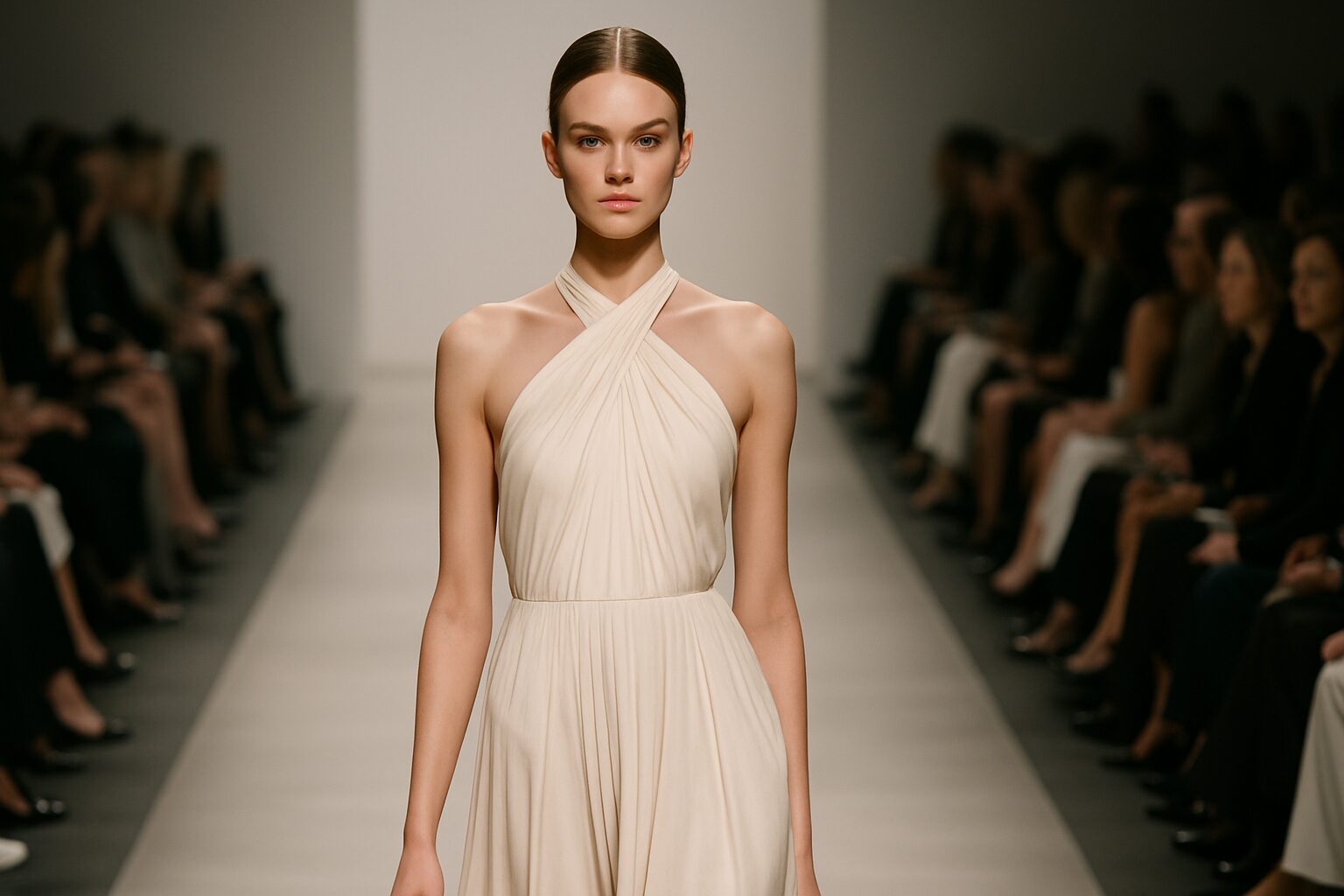
this type of fashion is the curated display of a designer’s new apparel and accessories on a raised catwalk during a fashion week or standalone event. It’s a business tool as much as a spectacle. The primary purpose: communicate a designer’s seasonal narrative, generate media buzz, and lock in retail orders. What you see on that catwalk will hit store floors roughly six months later, and it will influence every mass-market brand in between.
Definition and Core Purpose
A fashion show is the broader event: models, music, lighting, and staging that brings a collection to life for an audience of press, buyers, and celebrities. As Runway 7 Fashion puts it, runway shows are “a world class platform designed to showcase fashion brands,” connecting creativity with commerce. That connection is everything.
Key Elements of a Runway Show
- Catwalk: The central stage where models walk, typically measuring 40 to 60 feet in length.
- Models: Individuals selected to wear the designs, increasingly diverse in size, age, and background.
- Styling and Hair/Makeup: Designed to reinforce the collection’s mood, from minimalist to avant-garde.
- Music and Lighting: These orchestrate the pacing and emotional impact; many shows now include live performances.
- Front Row: Reserved for editors, influencers, and celebrities, amplifying the show’s reach via social media.
The History of Runway Fashion
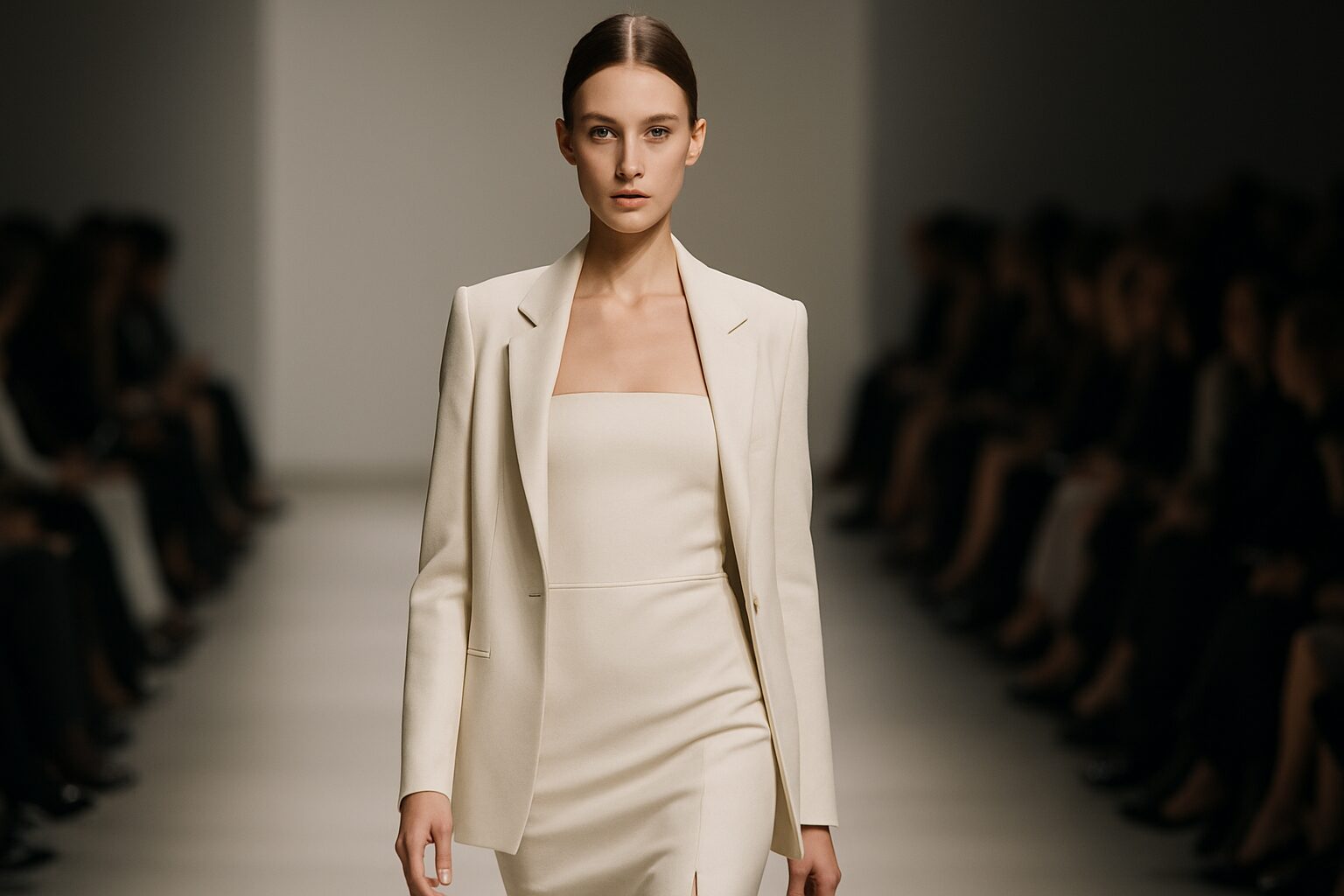
this kind of fashion traces its roots to 19th-century Paris, where the first designers used live models to sell a vision rather than a sketch. That instinct, to show rather than tell, built an entire industry.
Early Beginnings
The concept of live modeling dates to 19th-century Paris, where couturier Charles Frederick Worth had his wife wear his designs to attract clients. By the 1900s, “fashion parades” were common in Paris salons. The first American fashion show likely occurred in 1903 at the Ehrlich Brothers store in New York, followed by Wanamaker’s department stores in 1910, according to Wikipedia. These early shows targeted female shoppers and showcased Parisian couture or department-store copies.
The Rise of Fashion Weeks
World War II accelerated the need for a structured fashion calendar. In 1943, New York launched the first organized fashion week to spotlight American designers when Paris was inaccessible. Milan and Paris emerged later as powerhouses, with the Fédération de la Haute Couture et de la Mode formalizing Paris shows in 1973. London joined in 1984, cementing the Big Four. The 1990s brought centralized venues: New York moved to Bryant Park in 1993 after safety concerns at scattered locations.
Modern Evolution
By the 2000s, runway became a multimedia experience. Designers like Ralph Lauren incorporated holographic backdrops as early as 2014, and brands now produce cinematic short films in place of traditional shows. The internet transformed access entirely. firstVIEW, launched in 1995, pioneered the digital archive with over 8 million runway photographs, while live streaming made shows accessible worldwide. Today, Instagram and TikTok deliver runway moments to millions within seconds of the final bow.
The Major Fashion Weeks: Where Runway Fashion Comes Alive
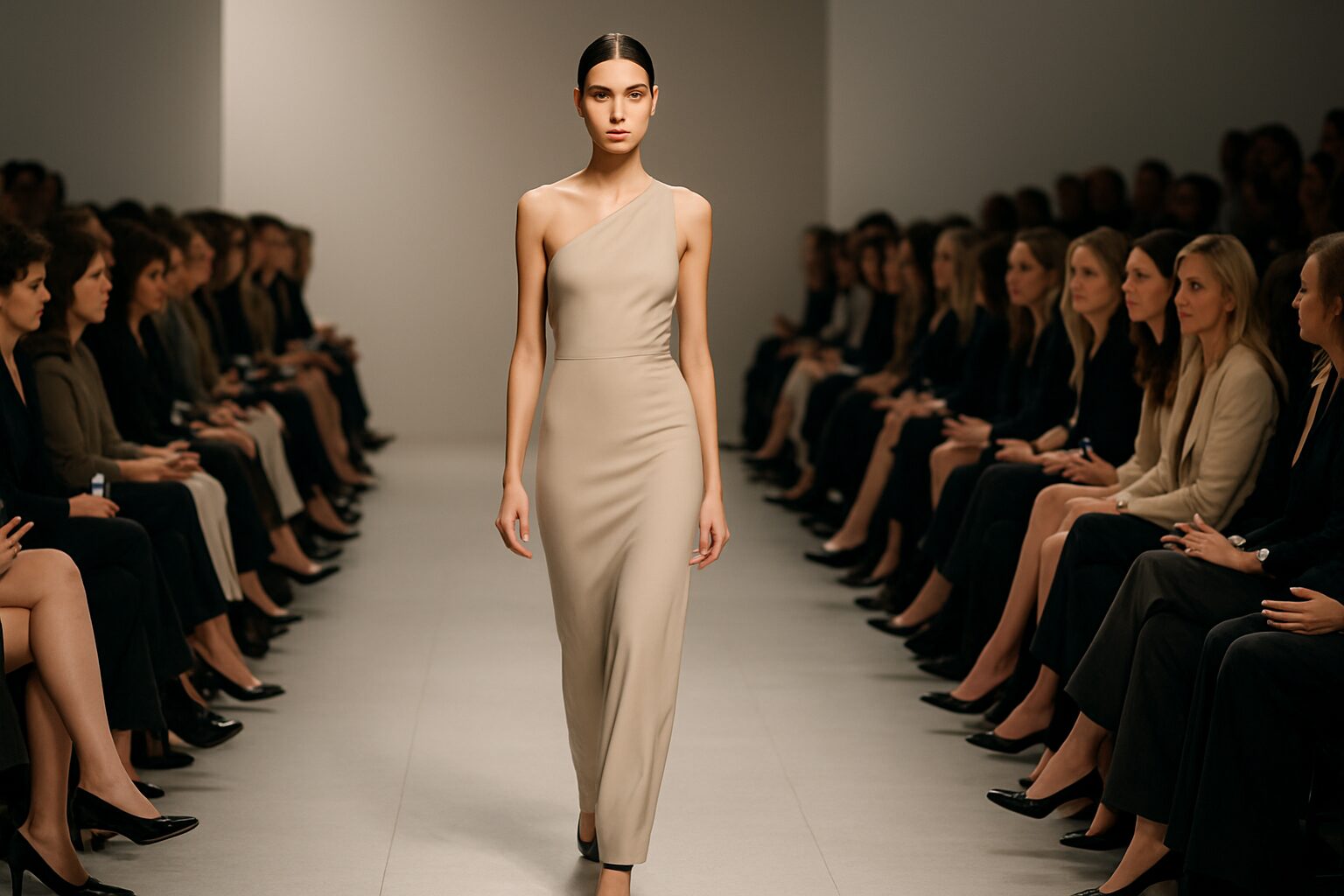
The global fashion circuit revolves around four key cities, each with its own personality, power, and obsession. Below is a breakdown of the Big Four.
| City | Fashion Week | Typical Season | Notable Venue | Characteristic |
|---|---|---|---|---|
| New York | NYFW | February & September | Bryant Park (historic) | Commercial, sportswear, celebrity |
| London | LFW | February & September | Somerset House | Avant-garde, emerging talent |
| Milan | MFW | February & September | Various (e.g., Palazzo Serbelloni) | Luxury, craftsmanship |
| Paris | PFW | February & September | Grand Palais | Haute couture, prestige |
New York: The Commercial Powerhouse
NYFW showcases the widest range of styles, from polished sportswear by Ralph Lauren to edgy streetwear by labels like Telfar. It was the first to integrate social media influencers into the front row, amplifying its reach far beyond the venue. fashion in New York is often the most direct predictor of mainstream retail trends. Runway 7 Fashion, which sells public NYFW tickets and has been named to the Inc5000, has also raised over $150,000 toward a $1 million goal for multiple sclerosis research and $25,000 for Lyme disease, winning a 2025 Gold Stevie Award for Best Runway Show. That’s the kind of cultural weight a New York show can carry.
London: The Avant-Garde Incubator
London Fashion Week is known for its experimental spirit and fierce support of new graduates from Central Saint Martins. Designers like Alexander McQueen and Vivienne Westwood defined its rebellious legacy. Today, emerging names use London’s this type of fashion to challenge gender norms and sustainability conventions. It’s where fashion gets dangerous, in the best possible way.
Milan and Paris: Luxury’s Twin Capitals
Milan celebrates Italian craftsmanship and opulence, with houses like Gucci and Prada orchestrating theatrical spectacles. Paris remains the apex of this kind of fashion, particularly for haute couture: exclusive, hand-sewn garments shown twice a year at the Grand Palais and other iconic locations. Chanel’s 110-carat haute horlogerie chess set, as reported by RUNWAY MAGAZINE, exemplifies the blend of fashion, art, and luxury that Paris does better than anywhere on earth.
The Influence of Runway Fashion on Mainstream Trends
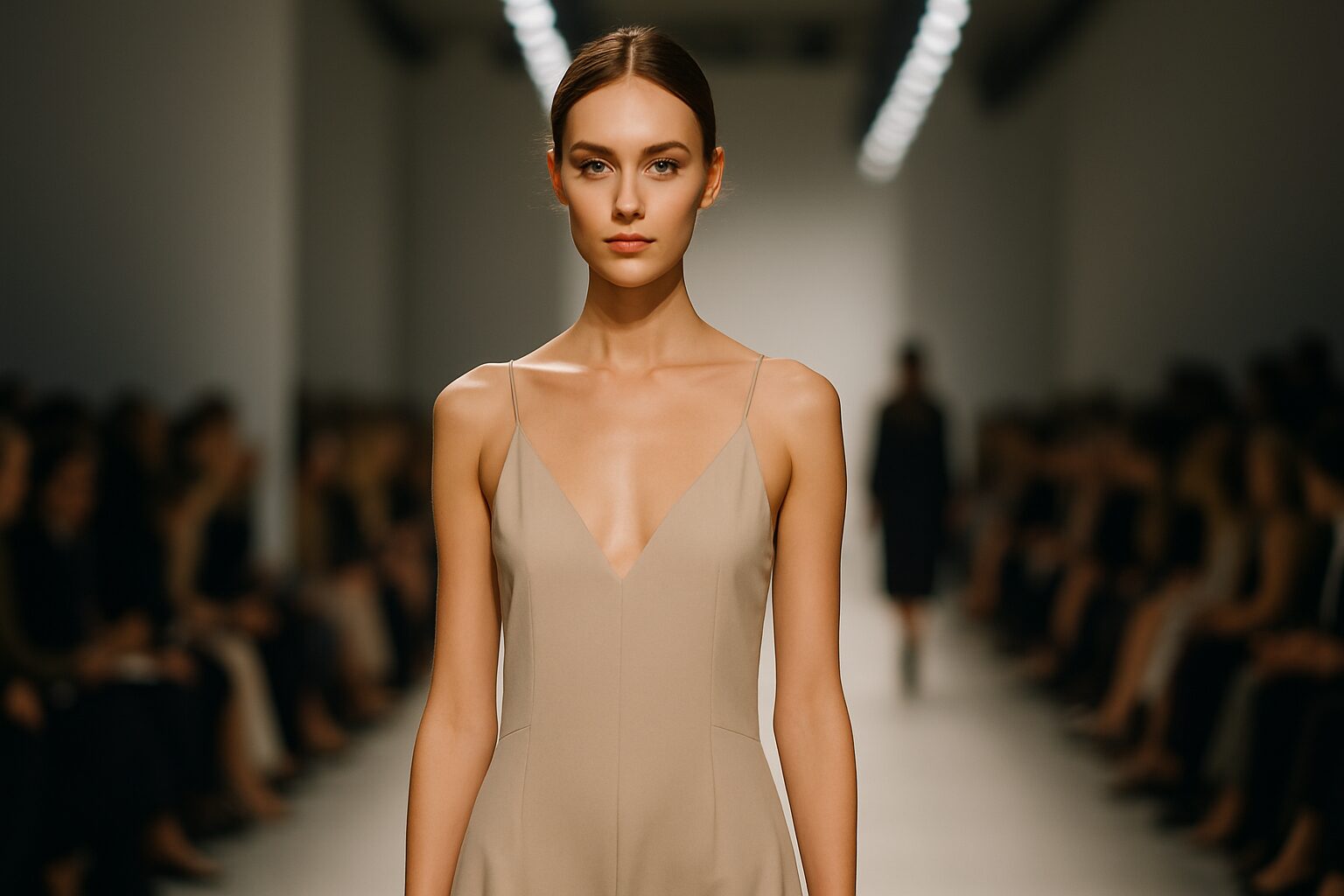
runway doesn’t stay on the catwalk. It bleeds into everything, from fast fashion racks to the outfit you’re building for Saturday night.
The Trickle-Down Effect
fashion initiates a cascade: high-end designs are simplified and mass-produced by fast-fashion retailers within weeks. A voluminous sleeve seen at Balenciaga quickly appears in Zara collections. Social media has compressed the traditional 6-month lag to mere days. According to fashion editors at Vogue Runway, this acceleration has fundamentally changed how brands plan their production cycles.
The Subculture Exchange: Where Street Meets Runway
Here’s the angle most fashion coverage misses. this type of fashion doesn’t just set trends. It absorbs them. Punk’s safety pins, goth’s dark romance, and hip-hop’s oversized silhouettes first emerged on streets before luxury houses reinterpreted them for the catwalk. The runway validates, then amplifies. Those aesthetics flood back into underground scenes with new prestige attached. It’s a feedback loop that fuels alternative fashion brands, including the duality-driven world of Pretty N Poison, where pretty and poisonous coexist on purpose.
Celebrity and Influencer Amplification
A single front-row appearance by a Kardashian or K-pop star triggers immediate search spikes. Brands now engineer those moments deliberately, reserving seats for digital-native celebrities who can drive more sales with one Instagram post than a full magazine editorial. This fusion has made this kind of fashion more commercially potent than at any point in its history.
Behind the Scenes: Production of a Runway Show
runway looks effortless from the front row. Behind the curtain, it’s a 6-to-8-month operation running on obsessive precision.
Step-by-Step: From Concept to Curtain Call
- Concept Development: The designer creates a mood board and sketches, often 6 to 8 months ahead of the show date.
- Sampling and Fittings: Muslin prototypes are tested, then final samples are sewn; multiple fittings per model ensure precision.
- Casting: A casting director selects models who embody the collection’s spirit, increasingly prioritizing diversity in size, age, and background.
- Tech Rehearsal: Lighting cues, music transitions, and model timings are practiced until every second lands exactly right.
- Final Run-Through: The entire sequence is walked in full hair and makeup, typically the night before the show.
- Showtime: Most shows run 10 to 20 minutes. The designer takes a bow. The world reacts.
The Role of Stylists and Makeup Teams
Behind every cohesive fashion moment is a team translating the designer’s vision into wearable art. Lead stylists collaborate with makeup artists from brands like MAC or Pat McGrath to create signature looks: a smoky eye, a bold lip, an avant-garde prosthetic. These professionals often set beauty trends that trickle into consumer culture long after the show ends.
Venue and Set Design
Venues range from raw industrial spaces to historic palaces. Set design has become an artistic statement in its own right. Chanel’s grocery-store set and Dior’s enchanted forests are legendary. Even smaller labels use immersive environments to strengthen brand identity and create moments worth posting, sharing, and remembering.
Runway Fashion in the Digital Age
this type of fashion went global the moment it went digital. Now, anyone with a phone has a front-row seat.
Live Streaming and Virtual Shows
The pandemic accelerated a shift already underway. Brands now offer high-definition live streams on their websites and platforms like YouTube. Virtual shows, including Balenciaga’s video game-inspired presentation, proved that physical presence is no longer mandatory for cultural impact. The audience expanded overnight, and it hasn’t shrunk since.
Social Media and Democratization
Instagram and TikTok have transformed this kind of fashion from an industry-only event into a global spectator sport. Users watch, comment, and purchase items directly through shoppable posts. This transparency has forced brands to address size inclusivity and ethical practices, because consumers now scrutinize every detail in real time. As ELLE has noted, social media accountability has become one of the most powerful forces reshaping how fashion weeks operate.
Digital Archives and Accessibility
firstVIEW and Vogue Runway maintain exhaustive databases that make historical runway researchable by anyone. Students, designers, and fans can study decades of collections, democratizing fashion education and preserving cultural heritage that would otherwise exist only in private archives.
Sustainability and Ethics in Modern Runway Fashion
fashion is under pressure to be as responsible as it is beautiful. The industry is responding, slowly but visibly.
Eco-Friendly Materials and Practices
A growing number of designers are integrating organic cotton, recycled polyester, and innovative fabrics like Piñatex (pineapple leather) into their runway collections. Stella McCartney has championed sustainable runway fashion for years, and luxury giants like Gucci now highlight carbon-neutral shows as part of their brand identity. High style and sustainability are no longer opposites.
Reducing Waste and Circular Models
Zero-waste pattern cutting and on-demand production are gaining traction across fashion weeks. Some London Fashion Week designers now present entirely upcycled collections, turning deadstock fabrics into catwalk statements. This shift challenges the traditional seasonality that drives overproduction and the waste that comes with it.
Ethical Labor and Transparent Supply Chains
Consumers and activists demand transparency. Fashion weeks now spotlight brands that disclose their supply chains and pay fair wages. Runway fashion that fails to address labor ethics faces public backlash, and that pressure is accelerating an industry-wide reckoning that shows no sign of slowing down.
How to Experience Runway Fashion
Runway fashion is more accessible than it’s ever been, whether you’re chasing a front-row seat or watching from your phone at midnight.
Tickets, Invitations, and Public Access
Most shows are invitation-only, but some fashion weeks offer limited public tickets. Runway 7 Fashion sells NYFW tickets to the public and has been awarded Best Fashion Platform for its accessible approach. Many young designer showcases and off-schedule events also welcome press and buyers with open registration. The barrier to entry is lower than the industry wants you to think.
Online Platforms and Live Streams
Many fashion weeks are now livestreamed on official websites and YouTube. The CFDA’s Runway360 platform in New York offers digital showrooms for brands that can’t fill a physical venue. For those unable to attend in person, runway fashion is available in real time, no invitation required.
Runway-Inspired Shopping
Direct-to-consumer brands like Pretty N Poison offer runway-inspired partywear that captures the drama of the catwalk without the couture price tag. Our Poison Edit and Night Ritual collections pull directly from the dark glamour and bold silhouettes you see closing shows in Milan and Paris. Resale sites like Runway Catalog also offer authentic designer pieces at up to 80% off retail, making runway fashion achievable for a broader audience.
Pros and Cons of Runway Fashion
Runway fashion drives culture, but it’s not without its contradictions. Here’s the honest breakdown.
Pros
- Sets the creative agenda: Runway shows define the aesthetic direction for entire seasons, influencing everything from luxury to fast fashion.
- Democratized by digital access: Live streams, digital archives, and social media mean anyone can watch, study, and be inspired by runway fashion in real time.
- Platform for cultural commentary: Designers use the runway to address politics, identity, sustainability, and social justice in ways that generate genuine conversation.
- Drives innovation in materials and craft: The pressure to impress pushes designers toward new fabrics, techniques, and construction methods that eventually reach mainstream fashion.
- Amplifies emerging talent: Fashion weeks, especially London, give new designers a global stage that would otherwise take years to reach.
Cons
- Exclusivity remains a barrier: Despite digital access, physical attendance is still largely restricted to industry insiders, celebrities, and the ultra-wealthy.
- Environmental cost is significant: The production of runway shows, including set construction, travel, and sample waste, generates a substantial carbon footprint.
- Trend acceleration drives overconsumption: The speed at which runway looks reach fast fashion retailers fuels a cycle of overproduction and disposable clothing.
- Diversity progress is uneven: While casting has improved, size inclusivity and representation behind the scenes (in design teams and executive roles) still lag far behind the front row.
The Future of Runway Fashion
Runway fashion is evolving faster than any season can contain. The next decade will look nothing like the last.
Technology Integration
AI-driven personalization, augmented reality try-ons, and digital-only collections are already reshaping runway fashion as of 2026. The Metaverse and Web3 investments by brands like RUNWAY MAGAZINE, which has developed Web3 animations for editorial content, hint at a future where virtual and physical runways coexist and feed each other.
Inclusivity and Diversity
Runway fashion is gradually reflecting real demographics. Adaptive clothing for people with disabilities, plus-size models, and gender-fluid casting are becoming standard rather than exceptional. The Pratt Institute’s 2026 Runway Show, covered by RUNWAY MAGAZINE, featured 28 emerging designers “defying the digital void” with inclusive visions that signal where the industry is heading.
Shifting Consumer Values
Gen Z and Alpha consumers demand sustainability, transparency, and purpose. Runway fashion that aligns with those values will thrive. Those that don’t risk irrelevance. The blend of art, commerce, and ethics will define the next decade of catwalk culture, and the brands bold enough to own that duality will lead it.
“Fashion is not something that exists in dresses only. Fashion is in the sky, in the street; fashion has to do with ideas, the way we live, what is happening.” – Coco Chanel, as cited by fashion historians and Vogue editors across decades of coverage.
“The runway is where a designer’s deepest convictions meet the public eye. It is the most honest moment in fashion.” – Per ELLE’s editorial analysis of fashion week culture, updated for 2026.
Runway fashion is far more than a glamorous parade. It’s a dynamic cultural engine that shapes identity, industry, and innovation. Understanding its mechanics, history, and future lets you appreciate, and participate in, the ever-evolving world of style on your own terms.
Discover your duality at prettynpoison.com. The Poison Edit is waiting.
Frequently Asked Questions
What is runway fashion?
Runway fashion is the presentation of a designer’s latest collection on a catwalk during a fashion show, showcasing upcoming trends through models, styling, and set design. It functions as both a creative statement and a commercial tool, influencing what consumers will find in stores roughly six months after the show.
How often do runway fashion shows happen?
Major fashion weeks occur twice a year, covering spring/summer and fall/winter seasons, with additional resort/cruise shows and men’s weeks throughout the year. The Big Four cities (New York, London, Milan, and Paris) each host shows in February and September.
Who can attend runway fashion shows?
Traditionally, attendance is by invitation only for industry professionals, but some events offer public tickets. Runway 7 Fashion, for example, sells NYFW tickets to the public; live streams also open access to anyone worldwide with an internet connection.
How does runway fashion influence what we wear?
High-end designs are adapted by mass-market retailers, and runway styling sets trends that trickle down into everyday clothing within months or even weeks. Social media has compressed that timeline dramatically, with some fast-fashion interpretations appearing within days of a show.
What is the difference between haute couture and ready-to-wear runway shows?
Haute couture shows feature one-of-a-kind, custom-fitted pieces for private clients, with garments that can take hundreds of hours to produce. Ready-to-wear shows present garments produced in standard sizes for retail sale, making them accessible to a much broader audience.
Is runway fashion becoming more sustainable?
Yes, many designers now use eco-friendly materials like Piñatex and recycled polyester, alongside zero-waste techniques and ethical labor practices. Progress is real but uneven, and scaling these efforts across the full industry remains one of fashion’s most pressing challenges.