Ethical fashion brands are companies that put fair labor, sustainable materials, and animal welfare at the center of everything they make. They reject exploitation. They reject waste. And in 2026, they’re proving that a conscience and a killer wardrobe aren’t mutually exclusive.
Key Takeaways
- fashion brands ensure fair labor, sustainable materials, and animal welfare across their supply chain.
- Certifications like Fair Trade, B Corp, and GOTS separate the sincere from the greenwashed.
- Rating platforms like Good On You let you fact-check any brand’s claims before you buy.
- Affordable options exist. Pact and Known Supply deliver ethical basics under $50.
- Edgy, nightlife-ready style is absolutely possible with vegan leather, deadstock fabric, and recycled metallics.
- Thrifting and cost-per-wear math make ethical fashion accessible on any budget.
We’re not here to lecture you into wearing beige linen for the rest of your life. This guide breaks down what actually makes a brand ethical, which labels deserve your money in 2026, and how to build a wardrobe that’s dangerous in the best way, without the exploitation baked in.
What Are Ethical Fashion Brands?
this type of brands are companies that place social and environmental responsibility at the core of how they design, source, and produce clothing. Unlike conventional fashion, which often leans on exploitative labor and resource-heavy processes, these brands work to minimize harm across the entire supply chain, from farm to factory to your closet. That means living wages, safe factories, and materials sourced with the planet in mind. The concept stretches to animal welfare too, with many labels going cruelty-free or fully vegan.
According to Good On You, a leading fashion rating platform, a genuinely ethical brand has to perform across three pillars: people, planet, and animals. They evaluate over 100 key issues, everything from child labor and carbon emissions to water usage and animal-derived materials. This kind of rigor is exactly what separates the real deal from brands just slapping “conscious” on a label and calling it a day.
The Three Pillars of Ethical Fashion
The people pillar covers labor practices: fair wages, safe conditions, the right to unionize. The planet pillar is about environmental stewardship, cutting carbon footprints, managing chemical use, and choosing sustainable materials like organic cotton and recycled polyester. The animals pillar pushes for cruelty-free production, often favoring vegan alternatives over leather, wool, and silk.
“We rate brands on their policies and actions across three key sustainability pillars: people, planet, and animals.”, Good On You
Fast Fashion vs. Ethical Fashion
Fast fashion runs on rapid production cycles, rock-bottom prices, and built-in disposability, usually at the expense of workers and the planet. this kind of brands flip that script entirely, embracing slow fashion principles that favor quality over quantity. While fast fashion pieces get tossed after one season, ethical garments are built to last for years, cutting waste and rewarding mindful buying over impulse hauls.
Why Ethical Fashion Matters in 2026
Ethical fashion matters in 2026 because the industry’s environmental and labor footprint has become impossible to ignore. The fashion industry remains one of the world’s largest polluters, and as consumer awareness climbs, demand for ethical fashion has surged right alongside it. A Fair Trade USA report found that 39% of consumers considered sustainability at least slightly important when buying clothing, while only 3% said it didn’t matter to them at all. Fair Trade USA also notes the sustainable clothing market share is projected to exceed 6% by 2026, a real signal that shopping habits are shifting for good.
Environmental Benefits
Ethical fashion cuts pollution, conserves water, and protects biodiversity. Brands like Toad&Co lean on organic cotton and hemp, both of which require far less water than conventional cotton and skip the harsh pesticides entirely. By choosing materials like these, fashion brands are directly fighting the environmental damage fast fashion leaves behind.
Social Impact
Supporting these labels means supporting the people who actually make your clothes. Many this type of brands partner with artisan groups and fair-trade cooperatives, providing stable income and preserving traditional craft skills that would otherwise disappear. Fair Trade Certified factory production, for example, includes premiums that fund community projects like healthcare and education.
How to Spot Truly Ethical Fashion Brands
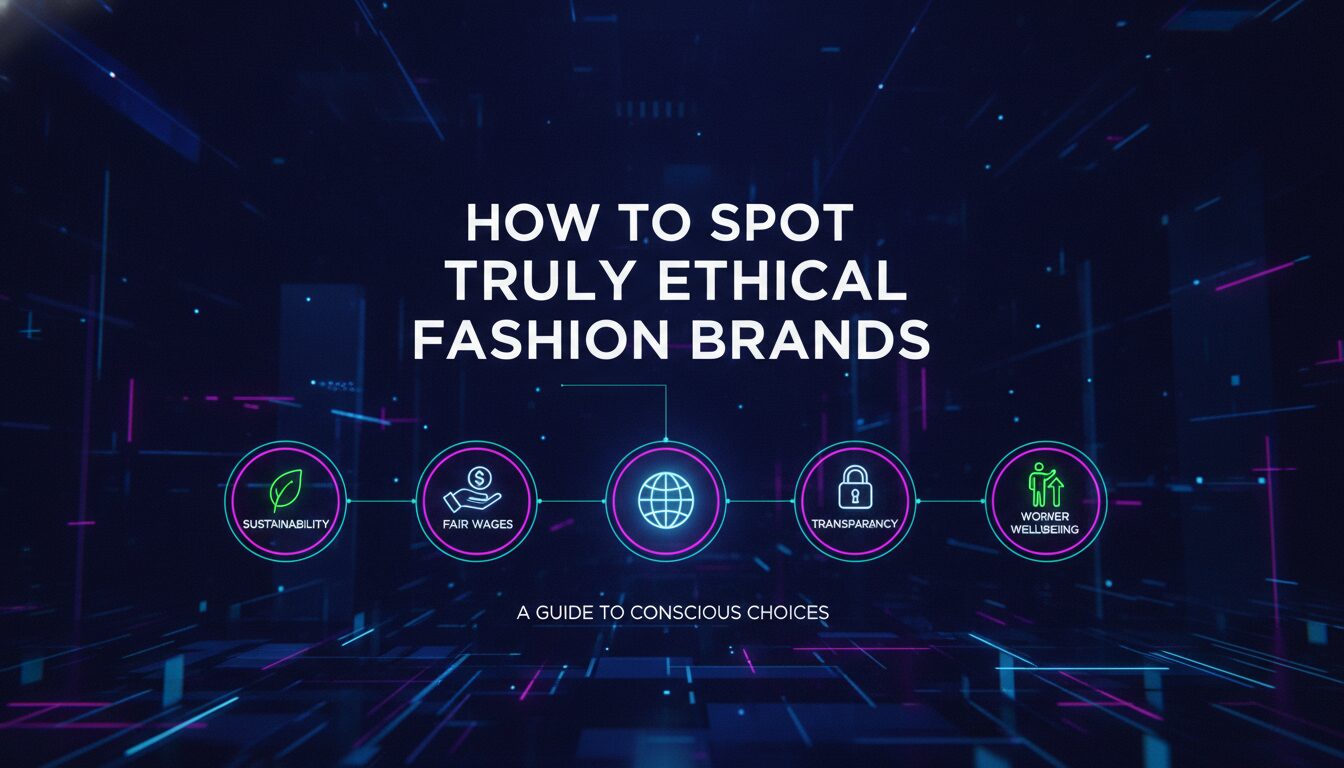
You can spot a truly ethical fashion brand by checking for third-party certifications, supply chain transparency, and independent ratings. Greenwashing is everywhere right now, so identifying the real ones takes a sharper eye than it used to.
Step 1: Check for Certifications
Legitimate third-party certifications are your fastest shortcut. Fair Trade Certified, B Corp, GOTS (Global Organic Textile Standard), and OEKO-TEX all signal a brand has met rigorous, independently verified standards. Be suspicious of vague buzzwords like “eco-friendly” or “conscious” with zero evidence behind them.
Step 2: Investigate the Supply Chain
Transparent brands openly publish info about their factories, sourcing, and labor conditions. Check the brand’s site for sustainability reports or supply chain maps. A brand that hides this information probably has something to hide, period.
Step 3: Use Independent Rating Platforms
Directories like Good On You and Ethical Clothing have already done the digging for you. They aggregate data and assign ratings so you can compare brands in seconds. The Ethical Clothing platform even lets you search by material, category, and style, so finding this kind of brands that actually match your aesthetic doesn’t take hours.
Top Ethical Fashion Brands to Know
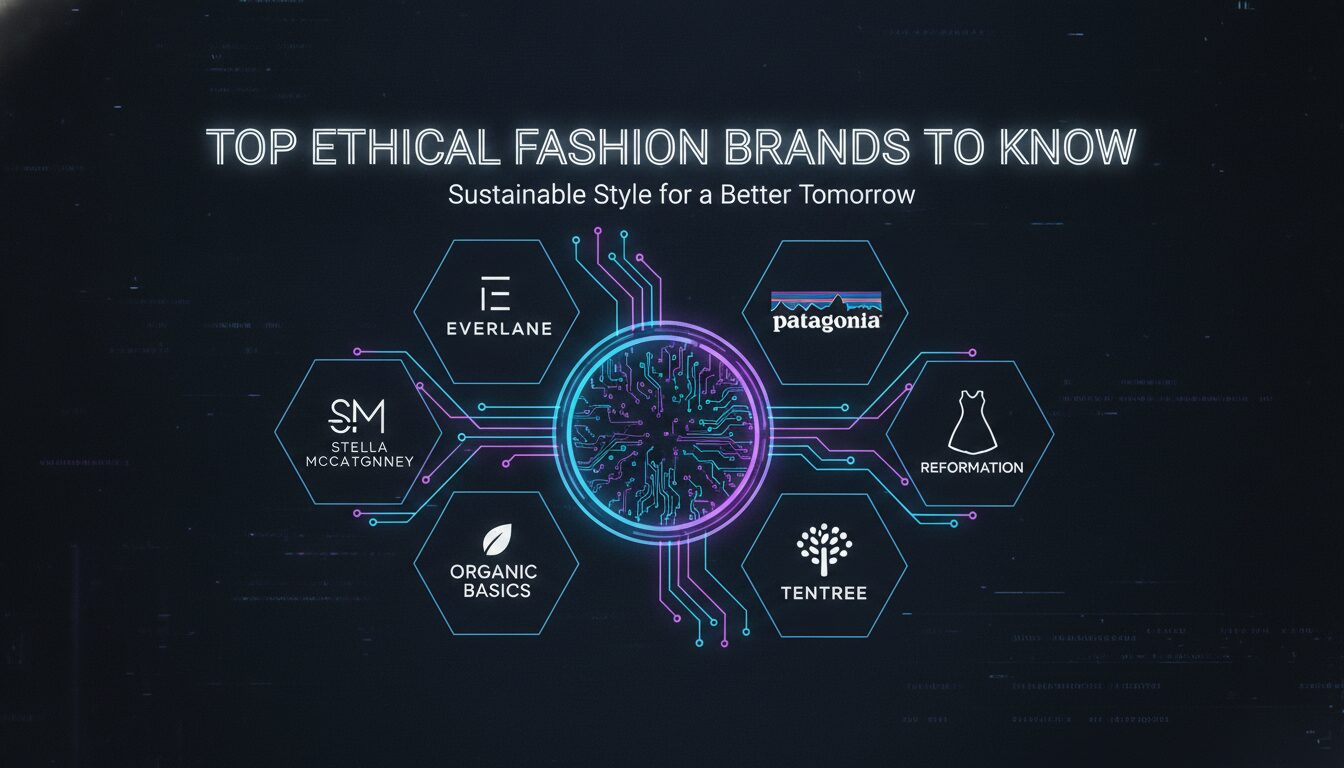
The top ethical fashion to know in 2026 span outdoor gear, minimalist basics, and edgy statement pieces. The category is far more diverse than most people assume. Below, we’ve pulled together standout performers across price points and aesthetics, plus a comparison table so you can shop with intention.
Sustainable Fashion Directories
Before you dive into individual labels, know that platforms like Good On You’s brand directory and Ethical Clothing offer searchable databases with thousands of products. Good On You recently highlighted 62 clothing brands from the USA making a real impact, and the Ethical Clothing search engine curates thousands of products from some of North America’s most sustainable labels.
Our Top Brand Picks
| Brand | Price Range | Key Materials | Certifications | Style |
|---|---|---|---|---|
| Patagonia | $$$ | Recycled polyester, organic cotton | Fair Trade, B Corp | Outdoor, casual |
| Toad&Co | $$ | Organic cotton, hemp, TENCEL | B Corp, Fair Trade | Laid-back, boho |
| Pact | $ | Organic cotton | Fair Trade, GOTS | Basics, loungewear |
| Eileen Fisher | $$$ | Organic linen, TENCEL, recycled fibers | B Corp, Fair Trade | Minimalist, elegant |
| Cotopaxi | $$ | Repurposed materials, recycled polyester | B Corp | Colorful, active |
| ARMEDANGELS | $$ | Organic cotton, TENCEL, recycled wool | GOTS, Fair Trade, PETA-Approved Vegan | Modern, edgy |
Price key: $ = under $50, $$ = $50 to $150, $$$ = $150+
Ethical Fashion for Bold, Alternative Styles
Forget the stereotype that ethical fashion means neutral basics and nothing else. A growing wave of ethical fashion brands now cater directly to alternative and nightlife aesthetics. Hunt for pieces made from vegan leather, deadstock fabric, or recycled metallics, the kind of materials that hold their own on a dance floor. The Ethical Clothing platform lets you search specifically for vegan footwear and statement pieces. Independent designers frequently work with deadstock, leftover fabric from larger manufacturers, to create one-of-a-kind looks perfect for festivals, raves, or goth-inspired wardrobes.
Fashion influencer Jaimi Stewart’s post on ethical brands using deadstock fabric has racked up over 10,200 views, proof that the appetite for unique, responsible fashion is real and growing. Brands like ARMEDANGELS prove ethical fashion can be daring and expressive, not just safe and sensible. That’s the whole point of duality: you don’t have to choose between conscience and drama. At Pretty N Poison, our Poison Edit pulls from that same energy, dark, sharp, and unapologetic, built for women who refuse to dress quietly.
Sustainable Materials Used by Ethical Fashion Brands
Ethical fashion brands rely on materials like organic cotton, hemp, recycled polyester, deadstock fabric, TENCEL, and Piñatex to cut environmental impact. Material choice is the foundation of the entire movement.
Organic Cotton and Hemp
Organic cotton grows without synthetic pesticides or fertilizers and uses significantly less water than the conventional stuff. Hemp is durable, fast-growing, and needs minimal water with zero herbicides. Brands like Toad&Co and Patagonia lean heavily on both for their low environmental footprint.
Recycled and Deadstock Fabrics
Recycled polyester, often made from plastic bottles, diverts waste from landfills and cuts demand for virgin petroleum. Deadstock fabric repurposes surplus material that would otherwise get tossed, giving it a second life on someone’s back instead of in a landfill. This approach anchors many indie ethical fashion brands, and it’s exactly why content like Jaimi Stewart’s deadstock guide resonates so strongly with conscious shoppers.
Innovative Materials: TENCEL™ and Piñatex
TENCEL™ is a lyocell fiber made from sustainably harvested wood pulp. It’s soft, breathable, and fully biodegradable. Piñatex is a leather alternative crafted from pineapple leaf fibers, giving you a cruelty-free option for bags and shoes. Innovations like these show exactly how ethical fashion brands are rewriting what materials can do.
Certifications That Validate Ethical Fashion
Certifications like Fair Trade, B Corp, and GOTS validate ethical fashion brands by providing independent, third-party verification of labor and environmental claims. Without them, you’re just taking a brand’s word for it.
Fair Trade Certified
The Fair Trade Certified seal means the product came from a factory where workers get safe conditions, fair pay, and community development funds. Patagonia and Pact are both strong proponents of this standard.
B Corporation
B Corp certification marks a company that meets high standards of social and environmental performance, public transparency, and legal accountability. Eileen Fisher and Cotopaxi are certified B Corps, reinforcing their commitment on paper and in practice.
GOTS (Global Organic Textile Standard)
GOTS is the leading standard for organic textiles, covering both ecological and social criteria across the entire supply chain. It bans toxic chemicals and enforces fair labor practices. Many ethical fashion brands rely on GOTS-certified cotton as their baseline.
How to Build an Ethical Wardrobe on a Budget
You can build an ethical wardrobe on a budget by thrifting, calculating cost-per-wear, and shopping affordable certified brands. Going ethical doesn’t require a luxury paycheck.
Thrifting and Second-Hand Shopping as a Real Strategy
Thrifting isn’t a backup plan, it’s arguably the most ethical fashion move you can make. Second-hand stores and platforms like Depop and Poshmark are goldmines for pieces with real character, and buying pre-loved extends a garment’s life while cutting demand for new production entirely. Whether you’re hunting a vintage leather jacket for the Poison Edit vibe or a slip dress that could pass for Pretty Edit, thrifting delivers low-impact style at a fraction of retail cost. Fashion editors increasingly treat resale as a core pillar of sustainable style, not a fallback.
Maximizing Cost-Per-Wear
Cost-per-wear divides an item’s price by how many times you actually wear it. A $150 ethical dress worn 100 times costs $1.50 per wear, cheaper in the long run than a $30 fast-fashion dress that falls apart after five wears. Ethical fashion brands design for longevity, and that math works in your favor every single time.
Affordable Ethical Brands List
You don’t need a designer budget to support ethical fashion brands. Pact offers organic cotton tees from $25, Known Supply has basics starting at $28, and Mightly covers children’s wear at accessible prices. Shopping seasonal sales and subscribing to newsletters from sustainable labels can stretch your budget even further.
Ethical Options for Every Body and Every Life Stage
Ethical fashion isn’t one-size-fits-all, literally or otherwise. More brands now offer plus-size ranges alongside standard sizing, and labels like Mightly focus specifically on children’s and family wear built on the same fair-labor principles. If you’re shopping for maternity or plus-size ethical pieces, Good On You’s directory lets you filter by size range, saving you the guesswork.
Pros and Cons
Pros
- Garments are built for durability, often lasting years longer than fast fashion equivalents.
- Your money supports fair wages and safer working conditions for garment workers.
- Sustainable materials like organic cotton, hemp, and TENCEL reduce water use and pollution.
- Independent rating platforms make it easy to verify claims before you buy.
Cons
- Price points at brands like Patagonia or Eileen Fisher can be significantly higher than fast fashion.
- Greenwashing remains common, requiring extra research before trusting a brand’s claims.
- Availability of edgy, nightlife-specific ethical pieces is still more limited than mainstream fast fashion options.
- Certifications vary in rigor, so one seal doesn’t guarantee complete ethical practice across every issue.
“Sustainability isn’t a trend anymore, it’s the baseline consumers expect,” according to trend forecasting cited by Who What Wear on the shift in shopper priorities heading into 2026.
Frequently Asked Questions
Is Zara an ethical fashion brand?
Zara is not considered a fully ethical fashion brand. Good On You rates it “Not good enough” due to a lack of transparency and ongoing concerns about labor practices, despite some sustainable capsule lines.
Which designer brands are the most ethical?
Among high-end labels, Stella McCartney is a pioneer in sustainable luxury, avoiding leather since day one. Eileen Fisher and Mara Hoffman also rank highly for organic materials and circular design. Always cross-check independent ratings before you buy.
What are the best affordable ethical clothing brands?
Pact, Known Supply, Organic Basics, and Boody all offer quality essentials under $50, focused on underwear, tees, and loungewear. They prove ethical fashion doesn’t require a splurge.
How can I tell if a brand is truly ethical?
Look for third-party certifications like Fair Trade, B Corp, and GOTS, read the brand’s sustainability reports, and check rating platforms like Good On You. Transparency is the single biggest signal of the real thing.
Are sustainable and ethical fashion the same thing?
Not exactly. Sustainable fashion focuses primarily on environmental impact, while ethical fashion also covers labor rights and animal welfare. The strongest ethical fashion brands address both dimensions at once.
Own Your Ethical Edge
The shift toward ethical fashion brands isn’t a passing moment, it’s a necessary evolution the entire industry has to make. Choosing brands that respect workers, use sustainable materials, and protect animals means your closet becomes a force for something real. Whether your aesthetic leans minimalist, boho, or full nightlife danger, there’s an ethical option ready to dress you for it. As of 2026, the directories, certifications, and brands in this guide give you everything you need to start. Discover your duality at prettynpoison.com.