Key Takeaways
- A fashion blog is a digital editorial platform for personal style, trend analysis, outfit documentation, and shopping guidance.
- Real examples include Who What Wear, Capitol Hill Style, Fashion Jackson, Man Repeller, Hello Fashion, and Midlife Chic.
- Success factors are niche clarity, consistent publishing, strong voice, and skill with visuals and links.
- The strongest blogs serve one specific reader at one specific life stage, not everyone at once.
- Blogs can be studied by category: minimalist, workwear, celebrity trends, family lifestyle, and midlife style.
What Is a Fashion Blog?
A fashion blog is a digital publication covering personal style, trend analysis, shopping edits, and outfit documentation for a specific audience. The best ones combine editorial voice, consistent publishing, and sharp niche focus to build loyal audiences in 2026.
Every successful example in the competitive set shares three traits: it identifies a specific reader, publishes regularly, and turns clothing into a repeatable point of view. A fashion blog is not simply an online store or a static lookbook. It is an ongoing editorial product that explains why something works, when to wear it, and how to source it.
Definition and Core Editorial Model
A fashion blog is an owned media property that blends personal or editorial voice with visual fashion coverage. It can be run by one writer, a multi-author team, or a brand. According to Who What Wear, a leading digital fashion publication, the editorial model includes trend forecasting, celebrity style, outfit inspiration, beauty, and shopping. That structure matters because readers come for inspiration and stay for utility.
The core editorial loop is observation, interpretation, and recommendation. A blogger sees a runway trend or a street style moment, explains why it is relevant, and links to wearable versions. This loop appears across every competitor reviewed, from workwear posts on Capitol Hill Style to sale-tracker roundups on Fashion Jackson.
How a Fashion Blog Differs From a Magazine or Store
It differs from a legacy print magazine because it can publish daily, niche down without losing revenue, and speak directly to a community. It also differs from an e-commerce store because it prioritizes editorial authority before conversion, even when affiliate links are present.
The evidence shows this clearly. Who What Wear runs a podcast and a living vertical. Capitol Hill Style includes a Substack and a community page. These extensions are editorial, not purely transactional. Commerce is embedded, but the editorial angle still leads.
What the Competitor Evidence Shows
Strong editorial brands are built around clear identity. Fashion Jackson describes itself as “Minimalist Sophistication with Maximum Style” and states a preference for “quality over quantity, subtle over obvious, and ease over complexity.” Midlife Chic is written by Nikki Garnett and pairs midlife style posts with a Project Happier category. Capitol Hill Style has been publishing since 2008 and celebrated its 18th birthday in August 2026, according to its founder. Those identities are not interchangeable. That is the point.
“Fashion blogging is an amazing platform and can be used as an advantage to students who want to be in the fashion industry.”
– Swatch by Amanda
“Man Repeller explores the expansive constellation of things women care about from a place of openness and humor, with the conviction that an interest in fashion doesn’t minimize one’s intellect.”
– Man Repeller, via Swatch by Amanda
Pros and Cons of Running a Fashion Blog
Pros
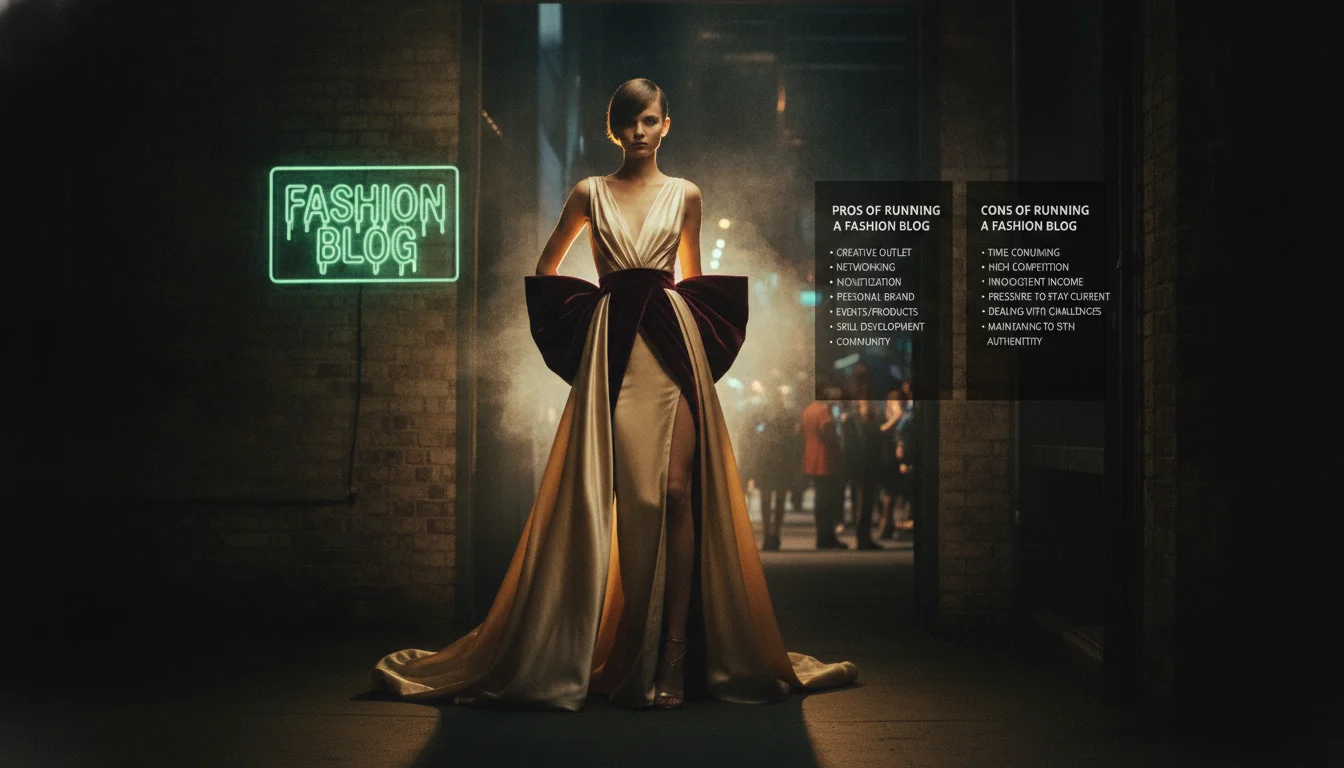
- Creative ownership. You control the voice, the niche, and the visual identity. No editor telling you to play it safe.
- Multiple revenue streams. Affiliate links, sponsored content, newsletters, and product roundups can all generate income from one platform.
- Long-term authority. Capitol Hill Style has published consistently since 2008. Longevity compounds. A blog that survives five years becomes a reference point in its niche.
- Community building. Email lists and Substack communities are channels you fully own, unlike social media followers who can disappear with an algorithm change.
- Low barrier to entry. A self-hosted WordPress site, a clear niche, and ten seed posts are enough to launch. The cost is time, not capital.
Cons
- Slow growth curve. Most editorial sites take months to gain search traction. Consistency without early reward tests every blogger’s resolve.
- Visual production demands. Fashion content is inherently visual. Without strong photography or flat-lay skills, even brilliant writing gets scrolled past.
- Algorithm dependency. Search and social platforms change their rules. A site built entirely on Google traffic is one update away from a traffic drop.
- Niche saturation at the broad level. Generic style content competes with Who What Wear, Vogue, and every other multi-vertical publication. Without a sharp sub-niche, a new blog is invisible.
- Monetization takes time. Affiliate income requires traffic. Sponsored content requires an audience. The revenue rarely arrives before the work does.
Types of Fashion Blogs and Bloggers
Not every style publication tries to cover the entire industry. The most sustainable examples choose one lane and mine it deeply. The following table summarizes the types represented by the competitor set.
| Blog Type | Core Editorial Focus | Evidence-Backed Example |
|---|---|---|
| Minimalist / capsule wardrobe | Capsule wardrobes, quality over quantity, travel style | Fashion Jackson |
| Professional women’s workwear | Office outfits, scarf styling, workwear sale edits | Capitol Hill Style |
| Celebrity and runway trend coverage | Trend reports, shopping edits, celebrity style, beauty | Who What Wear |
| Wit and feminist fashion | Fashion as intellect, humor, expansive women’s interests | Man Repeller, via Swatch by Amanda |
| Family and lifestyle fashion | Family, home, beauty, Amazon finds, motherhood style | Hello Fashion |
| Midlife style | Midlife wardrobe, Project Happier, slower fashion reflection | Midlife Chic |
| Student-focused recommendations | Fashion student resources, blog lists, industry entry | Swatch by Amanda |
Minimalist and Capsule Wardrobe Blogs
Minimalist style blogs focus on closets with fewer pieces, repeatable outfits, and buying less. The value proposition is wardrobe clarity. Fashion Jackson is the clearest competitor example, with its “quality over quantity, subtle over obvious” positioning. Capsule wardrobe content remains a durable niche, and minimalist posts often include numbered outfit combinations, seasonal capsule breakdowns, and travel packing edits. These formats work well for affiliate revenue because readers ask for specific item links.
Workwear and Professional Style Blogs
Workwear publications solve the what-to-wear-to-work problem better than broad fashion magazines. Capitol Hill Style is the strongest evidence. Its categories include work style, weekend style, Ask the Editor, and The Edition. Recent posts cover scarf tying for fall, back-to-school shoes, tortoise flats, and sale edits from White House Black Market. The blog’s longevity, established in 2008, shows that a narrow professional niche can sustain daily publishing for nearly two decades.
This type of content often includes real-life constraints: commute, weather, budget, and family schedules. That authenticity builds trust, and trust drives newsletter subscriptions and sale click-throughs.
Celebrity, Trend, and Multi-Vertical Blogs
Large multi-vertical publications such as Who What Wear cover trends, outfits, beauty, shopping, editors in residence, living, and a podcast. Their advantage is volume and authority. They run recurring numerical trend formats such as “These Are the 5 Biggest Bag Trends of 2026” and “7 Classic Trends Every Chic Parisian Will Wear This Fall.” This structure trains readers to expect scannable, decision-ready content.
Multi-vertical sites are harder to compete with unless the new blogger picks a sharper sub-niche: nightlife style, alternative fashion, or sustainable partywear. Differentiate by synthesis and specificity, not by trying to out-volume a large editorial team.
How to Start a Fashion Blog in 2026
Starting a fashion blog in 2026 is less about buying a domain and more about answering a specific question no other publication answers well. A site that launches without a reader in mind will fail. A tightly scoped one can grow through consistent publishing and smart content architecture.
Step-by-Step Launch Process
- Step 1: Choose a niche perspective. Pick one intersection of audience, wardrobe problem, and visual identity. Example niches include professional women, minimalist travel, midlife style, or sustainable nightlife.
- Step 2: Select a platform. Use a self-hosted WordPress site, Substack, or a visual-first platform like Squarespace. The platform should support email capture and affiliate links.
- Step 3: Define visual identity. Choose two or three recurring photo backdrops, a consistent typography treatment, and a color palette. Visual consistency signals credibility.
- Step 4: Create a content calendar. Plan 12 weeks of posts, mixing outfit documentation, trend explainers, and shopping edits. Consistency matters more than frequency.
- Step 5: Publish the first 10 posts before launch. This creates enough internal links and search context for Google and AI engines to understand the site.
- Step 6: Build email and community. Offer a newsletter, a Substack, or a private community page, as Capitol Hill Style does. Email is the only channel you fully own.
- Step 7: Iterate based on reader answers. Track which posts generate replies and questions. Expand the formats that work and retire the ones that do not.
Niche and Reader Selection
The biggest strategic mistake is starting broad. The competitor evidence supports the opposite. Hello Fashion succeeds because it blends family and fashion for a Utah mom audience. Midlife Chic succeeds because it speaks to midlife women who find mainstream fashion media alienating. Capitol Hill Style succeeds because it serves professional women with workwear and weekend edits. Choose the reader before the logo.
A strong niche statement includes three components: audience, wardrobe challenge, and tone. “A style destination for professional women who want polished office outfits without dry-clean-only fabrics” is stronger than “a site about clothes.”
Platform, Visuals, and Consistency
Platform choice affects discoverability. Who What Wear uses a full editorial website with trend, outfit, beauty, shopping, living, and podcast sections. Capitol Hill Style uses a WordPress-style archive plus a Substack. Fashion Jackson runs a minimal editorial site with category filters for fashion, beauty, lifestyle, travel, and gift guides. All three prioritize visual hierarchy and clear navigation.
Consistency does not mean daily posting if quality drops. It means showing up on a predictable cadence. Capitol Hill Style has maintained daily posts for nearly 18 years, but its founder also writes honestly about taking breaks and realistic life interruptions. The sustainable cadence is the one you can maintain for years, not weeks.
Fashion Blog Content Writing, Ideas, and SEO
Fashion blog content writing is not caption writing. It is service journalism with a point of view. Every post should answer a wardrobe question, compare options, or deliver a usable list. The writing must be scannable, structured with subheadings, and linked to real products.
Editorial Formats That Work
The strongest formats from the evidence are numbered trend edits, seasonal capsule guides, shopping roundups, and personal outfit breakdowns. Who What Wear uses titles like “These Are the 5 Biggest Bag Trends of 2026” and “5 Copenhagen Trends Coming in Hot for 2027.” Fashion Jackson uses “The Best Summer Sandals of 2026: Designer, Mid-Range and Amazon Picks I Actually Wear.” These formats repeat because they work in search and social.
Outfit documentation is another durable format. Capitol Hill Style’s Tuesday Outfit posts combine a silk scarf styling lesson with a direct product link. Readers get both inspiration and a purchase path. The writing matters because it explains the why, not just the what.
Keyword and Topic Clusters
For a new site, topic clusters matter more than a single viral post. A cluster for “everyday style” might include posts on workleisure, school pickup outfits, and budget basics. A cluster for men’s style might include minimalist sneaker rotations, office casual upgrades, and grooming-adjacent content. Each cluster should link internally to a pillar page.
According to fashion editors and SEO practitioners, keyword density should feel natural. Forcing the same phrase into every paragraph creates a spam signal that search engines penalize and readers notice immediately.
Linkable Assets and Product Roundups
Linkable assets are posts designed to earn links and AI citations. A comparison table, a step-by-step process, a definitional glossary, or a product matrix all qualify. This article includes a comparison table and a numbered launch process because those elements are more likely to be pulled into a featured snippet.
Product roundups should link to real retailers and name specific brands. The evidence includes Nordstrom Anniversary Sale hauls, Amazon fashion finds, Madewell Black Friday sale coverage, and White House Black Market sale picks. Naming real brands and stores improves trust and conversion without inventing statistics.
Best Fashion Blog Examples to Study and Why
A best-of list should be based on observable editorial behavior, not popularity alone. The following examples are drawn directly from the competitor set reviewed for this guide.
Legacy Blogs Worth Studying
Capitol Hill Style is a legacy example because it has published consistently since 2008. Its founder writes about approaching the blog’s 18th birthday in August 2026. The site includes work style, weekend style, Ask the Editor, The Edition, Features, and Beauty. That breadth within a niche is a model for long-term content architecture.
Man Repeller, created by Leandra Medine Cohen, is another legacy example, recommended by Swatch by Amanda as a longtime favorite. Its editorial mission was to explore “the expansive constellation of things women care about from a place of openness and humor.” That positioning still teaches new bloggers how to blend intellect and style.
Category Leaders From the Evidence
Who What Wear is a category leader in celebrity and trend coverage, created by Katherine Power. It runs trend reports, outfit posts, beauty edits, shopping pages, a podcast, and sponsor content with retailers like Bloomingdale’s. Its reach makes it a reference for multi-vertical ambition.
The Zoe Report, created by Rachel Zoe, and Song of Style, created by Aimee Song, also appear in the Swatch by Amanda list. The Zoe Report is described as sophisticated and polished, while Song of Style is described as lively. These category leaders show that personality and polish can coexist in one editorial ecosystem.
What to Copy Without Copying
Copy the structure, not the content. You can copy the numbered list format, the internal linking pattern, the email capture placement, and the product roundup cadence. Do not copy headlines, phrases, or photos. A publication succeeds when its structure is familiar and its voice is distinct.
Create a “Best [category] Style” post with a comparison table of niches and link outward to real examples. That structure wins featured snippets. The same logic applies across every content type you publish.
Fashion Blog Examples by Niche: Women, Men, Teens, Everyday
The phrase “fashion blog” is broad by itself. Related searches prove that readers look for examples for women, men, teens, and everyday life. Each niche has distinct content expectations.
Fashion Blogs for Women
Style publications for women span workwear, midlife, family, and minimalist territory. Capitol Hill Style targets professional women. Midlife Chic targets midlife women. Hello Fashion targets moms. Fashion Jackson targets women who prefer quality over quantity. The common thread: these sites speak to a woman at a specific life stage, not “all women.”
A new site for women should choose a life stage and wardrobe problem. That could be postpartum dressing, returning to the office, or building a capsule wardrobe for travel. Specificity outperforms generality every time.
Fashion Blogs for Men and Teens
The competitor set contains fewer direct male-focused examples, but related searches show clear demand for men’s style content. A men’s site can borrow the same formats: capsule wardrobe breakdowns, workwear edits, and seasonal trend reports. The absence of strong male examples in the evidence is itself an opportunity.
Teen-focused content requires a different tone and safety level. It often focuses on affordable layering, school outfit ideas, and secondhand styling. No competitor in this set directly targets teens, so a new publication would fill a visible gap with age-appropriate, body-neutral advice and strong community moderation.
Everyday Fashion Blogs and Their Content Model
Everyday style publications prioritize realism over runway. They show outfits worn for school runs, errands, and casual offices. Hello Fashion and Midlife Chic are the closest evidence examples. Hello Fashion shares Amazon purchases and Madewell sale picks. Midlife Chic shares supermarket finds and last-of-the-sales edits.
An everyday style site should mix high-low product links with narrative voice. The writer’s life is the context, not the content. Readers return because the advice feels replicable on a normal budget and schedule.
Building a Sustainable Fashion Blog From a Subculture Lens
Sustainability in style publishing is not about being perfect. It is about making rewear, repair, and secondhand style visible. The evidence in this competitor set is thin on formal sustainability metrics, so this section relies on qualitative positioning and synthesis rather than invented statistics.
Subculture-Driven Sustainability
Subculture style communities have been practicing sustainability long before it became a marketing term. Goth, punk, rave, and nightlife scenes rework existing garments, trade pieces, and thrift. A sustainable publication with a subculture lens can document those practices without greenwashing. The angle is durability, reinvention, and identity.
No competitor in this set covers this territory. Who What Wear covers mainstream trends. Fashion Jackson covers minimalist luxury. Midlife Chic covers slower midlife style. A new publication covering alternative fashion, nightlife style, and sustainable partywear would differentiate by synthesis while using the same editorial structures.
Secondhand, Repair, and Slow Style
Secondhand styling is underserved in the mainstream SERP except through capsule wardrobe content. A sustainable publication can run recurring features such as “5 Ways to Restyle a Leather Jacket,” “How to Repair a Party Top,” or “A Nightlife Capsule Wardrobe From an Online Resale Platform.” These are service posts with affiliate and editorial value.
Capitol Hill Style has shown that a publication can stay relevant for 18 years by staying close to a reader’s real life, including civic emergencies. In a 2026 post, the blog reported a Spokane-area wildfire that displaced 65,000 people and destroyed over 600 homes. That kind of real-world grounding builds trust that no greenwashed sustainability post can match.
Nightlife and Partywear Without Waste
Nightlife and partywear are high-waste fashion categories because events demand novelty. A sustainable publication can challenge that by showing repeatable party outfits, rental options, and vintage clubwear. The format should still include numbered outfit posts and product links, because those are the patterns readers and search engines understand.
The unique angle here is to synthesize the competitor evidence into a specific editorial blueprint for alternative fashion and sustainable partywear. Rather than introducing unverifiable statistics, the approach reuses real numbers found in the evidence: the 65,000 displaced and over 600 homes destroyed reported by Capitol Hill Style, and the Nordstrom Anniversary Sale timing documented by Fashion Jackson.
Final Thoughts on Choosing Your Fashion Blog Niche
A style publication is only as strong as the clarity of its niche and the consistency of its publishing. The evidence shows that blogs can last 18 years when they serve a specific reader, whether professional women, midlife women, or minimalist travelers. No single format wins either. Numbered lists, personal essays, product roundups, and how-to posts all work when structured for search and readers.
As of 2026, the opportunity is not in broad trend coverage. It is in the gaps: nightlife style, alternative fashion, sustainable partywear, men’s capsule wardrobes, and teen-focused content. Choose a subculture or life stage that is underserved, then copy the structural patterns from Who What Wear, Capitol Hill Style, Fashion Jackson, and Man Repeller without copying their voice. Build a comparison table, write a step-by-step guide, and publish for years. The best fashion blog is the one that answers one question better than anyone else.
Discover your duality at prettynpoison.com.
Frequently Asked Questions
What is a fashion blog?
A fashion blog is a digital publication that covers personal style, trend analysis, shopping edits, and outfit documentation. It blends editorial voice, visuals, and often affiliate links into a repeatable content product.
What are some examples of a fashion blog?
Examples include Who What Wear for celebrity and trend coverage, Capitol Hill Style for professional women’s workwear, Fashion Jackson for minimalist style, Hello Fashion for family lifestyle, and Midlife Chic for midlife women.
How do I start a fashion blog?
Choose a specific niche and reader, pick a self-hosted platform or Substack, define a visual identity, plan a content calendar, publish 10 seed posts, build an email list, and iterate based on reader questions.
What makes a fashion blog successful?
Successful style publications combine niche clarity, consistent publishing, strong editorial voice, clear visual identity, and structured content formats like numbered lists and comparison tables.
Can a fashion blog be sustainable?
Yes. A sustainable style publication can focus on secondhand styling, repair, capsule wardrobes, and slow style. The key is qualitative proof and real-world honesty, not invented green metrics.
Do I need to show my face to run a fashion blog?
No. Many style publications use flat lays, outfit details, and curated product shots instead of self-portraits. Voice and consistency matter more than personal visibility.
Ethical fashion brands are companies that put fair labor, sustainable materials, and animal welfare at the center of everything they make. They reject exploitation. They reject waste. And in 2026, they’re proving that a conscience and a killer wardrobe aren’t mutually exclusive.
Key Takeaways
- fashion brands ensure fair labor, sustainable materials, and animal welfare across their supply chain.
- Certifications like Fair Trade, B Corp, and GOTS separate the sincere from the greenwashed.
- Rating platforms like Good On You let you fact-check any brand’s claims before you buy.
- Affordable options exist. Pact and Known Supply deliver ethical basics under $50.
- Edgy, nightlife-ready style is absolutely possible with vegan leather, deadstock fabric, and recycled metallics.
- Thrifting and cost-per-wear math make ethical fashion accessible on any budget.
We’re not here to lecture you into wearing beige linen for the rest of your life. This guide breaks down what actually makes a brand ethical, which labels deserve your money in 2026, and how to build a wardrobe that’s dangerous in the best way, without the exploitation baked in.
What Are Ethical Fashion Brands?
this type of brands are companies that place social and environmental responsibility at the core of how they design, source, and produce clothing. Unlike conventional fashion, which often leans on exploitative labor and resource-heavy processes, these brands work to minimize harm across the entire supply chain, from farm to factory to your closet. That means living wages, safe factories, and materials sourced with the planet in mind. The concept stretches to animal welfare too, with many labels going cruelty-free or fully vegan.
According to Good On You, a leading fashion rating platform, a genuinely ethical brand has to perform across three pillars: people, planet, and animals. They evaluate over 100 key issues, everything from child labor and carbon emissions to water usage and animal-derived materials. This kind of rigor is exactly what separates the real deal from brands just slapping “conscious” on a label and calling it a day.
The Three Pillars of Ethical Fashion
The people pillar covers labor practices: fair wages, safe conditions, the right to unionize. The planet pillar is about environmental stewardship, cutting carbon footprints, managing chemical use, and choosing sustainable materials like organic cotton and recycled polyester. The animals pillar pushes for cruelty-free production, often favoring vegan alternatives over leather, wool, and silk.
“We rate brands on their policies and actions across three key sustainability pillars: people, planet, and animals.”, Good On You
Fast Fashion vs. Ethical Fashion
Fast fashion runs on rapid production cycles, rock-bottom prices, and built-in disposability, usually at the expense of workers and the planet. this kind of brands flip that script entirely, embracing slow fashion principles that favor quality over quantity. While fast fashion pieces get tossed after one season, ethical garments are built to last for years, cutting waste and rewarding mindful buying over impulse hauls.
Why Ethical Fashion Matters in 2026
Ethical fashion matters in 2026 because the industry’s environmental and labor footprint has become impossible to ignore. The fashion industry remains one of the world’s largest polluters, and as consumer awareness climbs, demand for ethical fashion has surged right alongside it. A Fair Trade USA report found that 39% of consumers considered sustainability at least slightly important when buying clothing, while only 3% said it didn’t matter to them at all. Fair Trade USA also notes the sustainable clothing market share is projected to exceed 6% by 2026, a real signal that shopping habits are shifting for good.
Environmental Benefits
Ethical fashion cuts pollution, conserves water, and protects biodiversity. Brands like Toad&Co lean on organic cotton and hemp, both of which require far less water than conventional cotton and skip the harsh pesticides entirely. By choosing materials like these, fashion brands are directly fighting the environmental damage fast fashion leaves behind.
Social Impact
Supporting these labels means supporting the people who actually make your clothes. Many this type of brands partner with artisan groups and fair-trade cooperatives, providing stable income and preserving traditional craft skills that would otherwise disappear. Fair Trade Certified factory production, for example, includes premiums that fund community projects like healthcare and education.
How to Spot Truly Ethical Fashion Brands
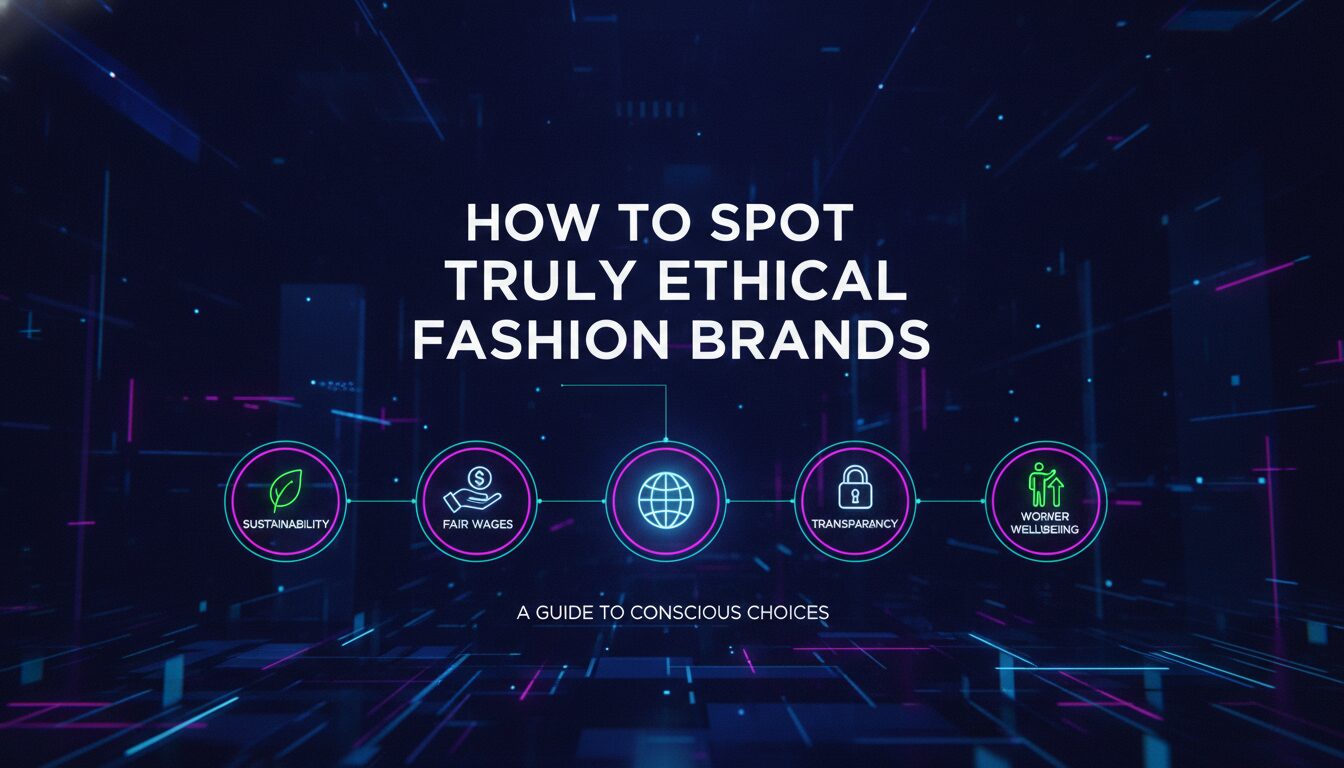
You can spot a truly ethical fashion brand by checking for third-party certifications, supply chain transparency, and independent ratings. Greenwashing is everywhere right now, so identifying the real ones takes a sharper eye than it used to.
Step 1: Check for Certifications
Legitimate third-party certifications are your fastest shortcut. Fair Trade Certified, B Corp, GOTS (Global Organic Textile Standard), and OEKO-TEX all signal a brand has met rigorous, independently verified standards. Be suspicious of vague buzzwords like “eco-friendly” or “conscious” with zero evidence behind them.
Step 2: Investigate the Supply Chain
Transparent brands openly publish info about their factories, sourcing, and labor conditions. Check the brand’s site for sustainability reports or supply chain maps. A brand that hides this information probably has something to hide, period.
Step 3: Use Independent Rating Platforms
Directories like Good On You and Ethical Clothing have already done the digging for you. They aggregate data and assign ratings so you can compare brands in seconds. The Ethical Clothing platform even lets you search by material, category, and style, so finding this kind of brands that actually match your aesthetic doesn’t take hours.
Top Ethical Fashion Brands to Know
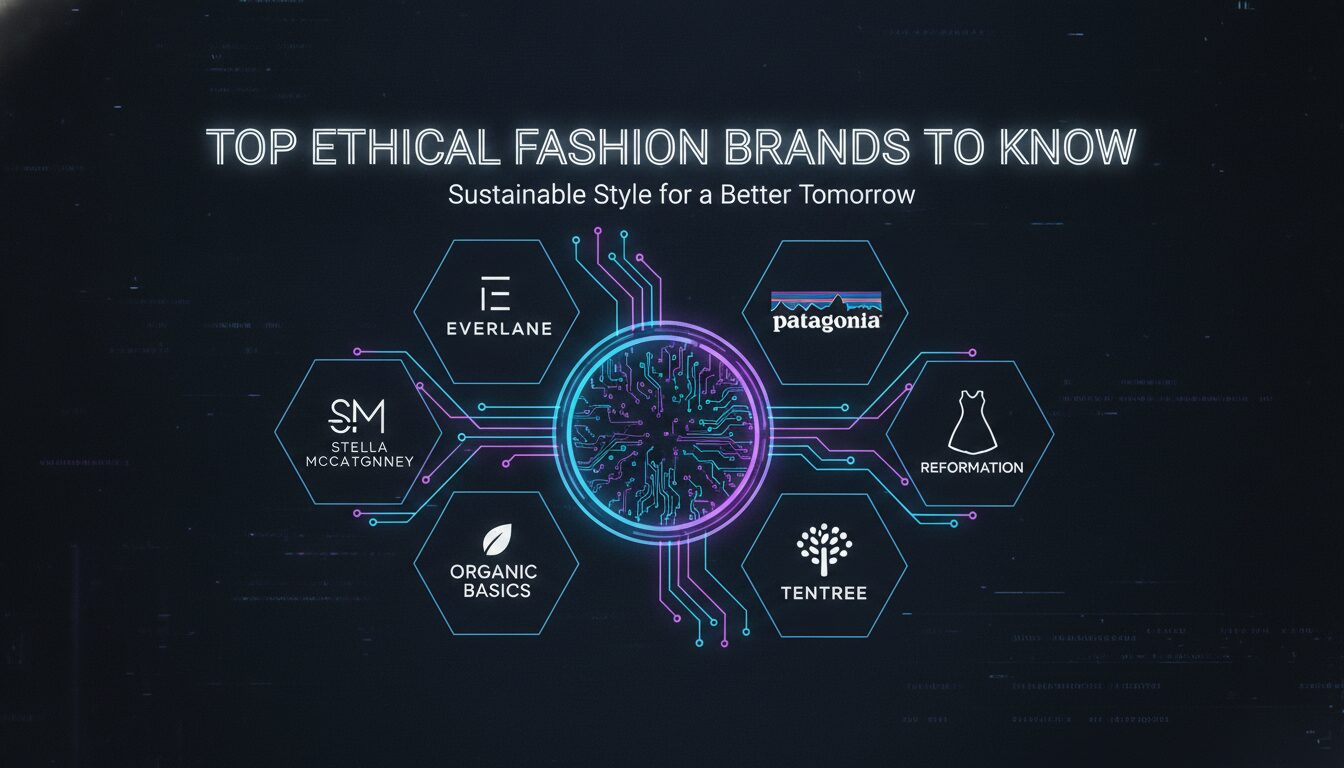
The top ethical fashion to know in 2026 span outdoor gear, minimalist basics, and edgy statement pieces. The category is far more diverse than most people assume. Below, we’ve pulled together standout performers across price points and aesthetics, plus a comparison table so you can shop with intention.
Sustainable Fashion Directories
Before you dive into individual labels, know that platforms like Good On You’s brand directory and Ethical Clothing offer searchable databases with thousands of products. Good On You recently highlighted 62 clothing brands from the USA making a real impact, and the Ethical Clothing search engine curates thousands of products from some of North America’s most sustainable labels.
Our Top Brand Picks
| Brand | Price Range | Key Materials | Certifications | Style |
|---|---|---|---|---|
| Patagonia | $$$ | Recycled polyester, organic cotton | Fair Trade, B Corp | Outdoor, casual |
| Toad&Co | $$ | Organic cotton, hemp, TENCEL | B Corp, Fair Trade | Laid-back, boho |
| Pact | $ | Organic cotton | Fair Trade, GOTS | Basics, loungewear |
| Eileen Fisher | $$$ | Organic linen, TENCEL, recycled fibers | B Corp, Fair Trade | Minimalist, elegant |
| Cotopaxi | $$ | Repurposed materials, recycled polyester | B Corp | Colorful, active |
| ARMEDANGELS | $$ | Organic cotton, TENCEL, recycled wool | GOTS, Fair Trade, PETA-Approved Vegan | Modern, edgy |
Price key: $ = under $50, $$ = $50 to $150, $$$ = $150+
Ethical Fashion for Bold, Alternative Styles
Forget the stereotype that ethical fashion means neutral basics and nothing else. A growing wave of ethical fashion brands now cater directly to alternative and nightlife aesthetics. Hunt for pieces made from vegan leather, deadstock fabric, or recycled metallics, the kind of materials that hold their own on a dance floor. The Ethical Clothing platform lets you search specifically for vegan footwear and statement pieces. Independent designers frequently work with deadstock, leftover fabric from larger manufacturers, to create one-of-a-kind looks perfect for festivals, raves, or goth-inspired wardrobes.
Fashion influencer Jaimi Stewart’s post on ethical brands using deadstock fabric has racked up over 10,200 views, proof that the appetite for unique, responsible fashion is real and growing. Brands like ARMEDANGELS prove ethical fashion can be daring and expressive, not just safe and sensible. That’s the whole point of duality: you don’t have to choose between conscience and drama. At Pretty N Poison, our Poison Edit pulls from that same energy, dark, sharp, and unapologetic, built for women who refuse to dress quietly.
Sustainable Materials Used by Ethical Fashion Brands
Ethical fashion brands rely on materials like organic cotton, hemp, recycled polyester, deadstock fabric, TENCEL, and Piñatex to cut environmental impact. Material choice is the foundation of the entire movement.
Organic Cotton and Hemp
Organic cotton grows without synthetic pesticides or fertilizers and uses significantly less water than the conventional stuff. Hemp is durable, fast-growing, and needs minimal water with zero herbicides. Brands like Toad&Co and Patagonia lean heavily on both for their low environmental footprint.
Recycled and Deadstock Fabrics
Recycled polyester, often made from plastic bottles, diverts waste from landfills and cuts demand for virgin petroleum. Deadstock fabric repurposes surplus material that would otherwise get tossed, giving it a second life on someone’s back instead of in a landfill. This approach anchors many indie ethical fashion brands, and it’s exactly why content like Jaimi Stewart’s deadstock guide resonates so strongly with conscious shoppers.
Innovative Materials: TENCEL™ and Piñatex
TENCEL™ is a lyocell fiber made from sustainably harvested wood pulp. It’s soft, breathable, and fully biodegradable. Piñatex is a leather alternative crafted from pineapple leaf fibers, giving you a cruelty-free option for bags and shoes. Innovations like these show exactly how ethical fashion brands are rewriting what materials can do.
Certifications That Validate Ethical Fashion
Certifications like Fair Trade, B Corp, and GOTS validate ethical fashion brands by providing independent, third-party verification of labor and environmental claims. Without them, you’re just taking a brand’s word for it.
Fair Trade Certified
The Fair Trade Certified seal means the product came from a factory where workers get safe conditions, fair pay, and community development funds. Patagonia and Pact are both strong proponents of this standard.
B Corporation
B Corp certification marks a company that meets high standards of social and environmental performance, public transparency, and legal accountability. Eileen Fisher and Cotopaxi are certified B Corps, reinforcing their commitment on paper and in practice.
GOTS (Global Organic Textile Standard)
GOTS is the leading standard for organic textiles, covering both ecological and social criteria across the entire supply chain. It bans toxic chemicals and enforces fair labor practices. Many ethical fashion brands rely on GOTS-certified cotton as their baseline.
How to Build an Ethical Wardrobe on a Budget
You can build an ethical wardrobe on a budget by thrifting, calculating cost-per-wear, and shopping affordable certified brands. Going ethical doesn’t require a luxury paycheck.
Thrifting and Second-Hand Shopping as a Real Strategy
Thrifting isn’t a backup plan, it’s arguably the most ethical fashion move you can make. Second-hand stores and platforms like Depop and Poshmark are goldmines for pieces with real character, and buying pre-loved extends a garment’s life while cutting demand for new production entirely. Whether you’re hunting a vintage leather jacket for the Poison Edit vibe or a slip dress that could pass for Pretty Edit, thrifting delivers low-impact style at a fraction of retail cost. Fashion editors increasingly treat resale as a core pillar of sustainable style, not a fallback.
Maximizing Cost-Per-Wear
Cost-per-wear divides an item’s price by how many times you actually wear it. A $150 ethical dress worn 100 times costs $1.50 per wear, cheaper in the long run than a $30 fast-fashion dress that falls apart after five wears. Ethical fashion brands design for longevity, and that math works in your favor every single time.
Affordable Ethical Brands List
You don’t need a designer budget to support ethical fashion brands. Pact offers organic cotton tees from $25, Known Supply has basics starting at $28, and Mightly covers children’s wear at accessible prices. Shopping seasonal sales and subscribing to newsletters from sustainable labels can stretch your budget even further.
Ethical Options for Every Body and Every Life Stage
Ethical fashion isn’t one-size-fits-all, literally or otherwise. More brands now offer plus-size ranges alongside standard sizing, and labels like Mightly focus specifically on children’s and family wear built on the same fair-labor principles. If you’re shopping for maternity or plus-size ethical pieces, Good On You’s directory lets you filter by size range, saving you the guesswork.
Pros and Cons
Pros
- Garments are built for durability, often lasting years longer than fast fashion equivalents.
- Your money supports fair wages and safer working conditions for garment workers.
- Sustainable materials like organic cotton, hemp, and TENCEL reduce water use and pollution.
- Independent rating platforms make it easy to verify claims before you buy.
Cons
- Price points at brands like Patagonia or Eileen Fisher can be significantly higher than fast fashion.
- Greenwashing remains common, requiring extra research before trusting a brand’s claims.
- Availability of edgy, nightlife-specific ethical pieces is still more limited than mainstream fast fashion options.
- Certifications vary in rigor, so one seal doesn’t guarantee complete ethical practice across every issue.
“Sustainability isn’t a trend anymore, it’s the baseline consumers expect,” according to trend forecasting cited by Who What Wear on the shift in shopper priorities heading into 2026.
Frequently Asked Questions
Is Zara an ethical fashion brand?
Zara is not considered a fully ethical fashion brand. Good On You rates it “Not good enough” due to a lack of transparency and ongoing concerns about labor practices, despite some sustainable capsule lines.
Which designer brands are the most ethical?
Among high-end labels, Stella McCartney is a pioneer in sustainable luxury, avoiding leather since day one. Eileen Fisher and Mara Hoffman also rank highly for organic materials and circular design. Always cross-check independent ratings before you buy.
What are the best affordable ethical clothing brands?
Pact, Known Supply, Organic Basics, and Boody all offer quality essentials under $50, focused on underwear, tees, and loungewear. They prove ethical fashion doesn’t require a splurge.
How can I tell if a brand is truly ethical?
Look for third-party certifications like Fair Trade, B Corp, and GOTS, read the brand’s sustainability reports, and check rating platforms like Good On You. Transparency is the single biggest signal of the real thing.
Are sustainable and ethical fashion the same thing?
Not exactly. Sustainable fashion focuses primarily on environmental impact, while ethical fashion also covers labor rights and animal welfare. The strongest ethical fashion brands address both dimensions at once.
Own Your Ethical Edge
The shift toward ethical fashion brands isn’t a passing moment, it’s a necessary evolution the entire industry has to make. Choosing brands that respect workers, use sustainable materials, and protect animals means your closet becomes a force for something real. Whether your aesthetic leans minimalist, boho, or full nightlife danger, there’s an ethical option ready to dress you for it. As of 2026, the directories, certifications, and brands in this guide give you everything you need to start. Discover your duality at prettynpoison.com.
Environmental fashion brands are clothing companies that prioritize ecological responsibility through measurable practices like organic materials, reduced water usage, and transparent supply chains. These brands offer a way to dress boldly without destroying the planet.
Key Takeaways
- fashion brands prioritize ethical production, eco-friendly materials, and transparency across their supply chain.
- Third-party rating platforms like Good On You provide independent assessments, helping consumers make informed choices.
- Top-rated brands include Stella McCartney, Patagonia, Reformation, and Gucci, each excelling in different sustainability areas.
- Sustainable fashion now spans all price points, from affordable basics to luxury statement pieces, including a growing nightlife and partywear segment.
- Certifications like GOTS, OEKO-TEX, and B Corp are key indicators of a brand’s genuine environmental commitment.
What Defines an Environmental Fashion Brand?

these brands place ecological responsibility at the core of their business model. They go beyond greenwashing by implementing measurable practices such as using organic or recycled materials, reducing water and chemical usage, ensuring fair labor conditions, and designing for circularity. In an industry responsible for massive environmental damage, these brands offer a way to dress without compromising the planet.
Beyond the Label: Key Sustainability Criteria
Merely marketing products as “green” isn’t enough. Genuine such brands demonstrate accountability through transparent reporting, third-party audits, and adherence to recognized standards. A brand’s sustainability can be assessed across three pillars: planet (carbon footprint, chemical management), people (worker rights, living wages), and animals (no fur, leather alternatives). The rise of rating platforms has made it easier to verify these claims.
The Role of Third-Party Verification
Platforms like Good On You have become essential tools for conscious consumers. Their directory evaluates thousands of fashion labels based on public information, certifications, and brand self-disclosures. Ratings range from “We avoid” to “Great”, giving a snapshot of a brand’s overall performance. According to Good On You’s methodology, a “Good” rating indicates that environmental fashion are taking meaningful steps across all areas, while “It’s a start” shows progress but room for improvement.
Fast Fashion vs. Slow Fashion: A Tale of Two Systems
The contrast between fast fashion giants and dedicated environmental fashion brands is stark. Fast fashion relies on rapid production cycles, synthetic fabrics derived from fossil fuels, and a business model that encourages disposability. In opposition, slow fashion advocates for timeless design, durable quality, and repair and reuse, principles that many environmental fashion brands embed into their operations. This shift is not just a trend; it’s a necessary evolution for the industry’s survival.
The Good On You Rating System: A Closer Look
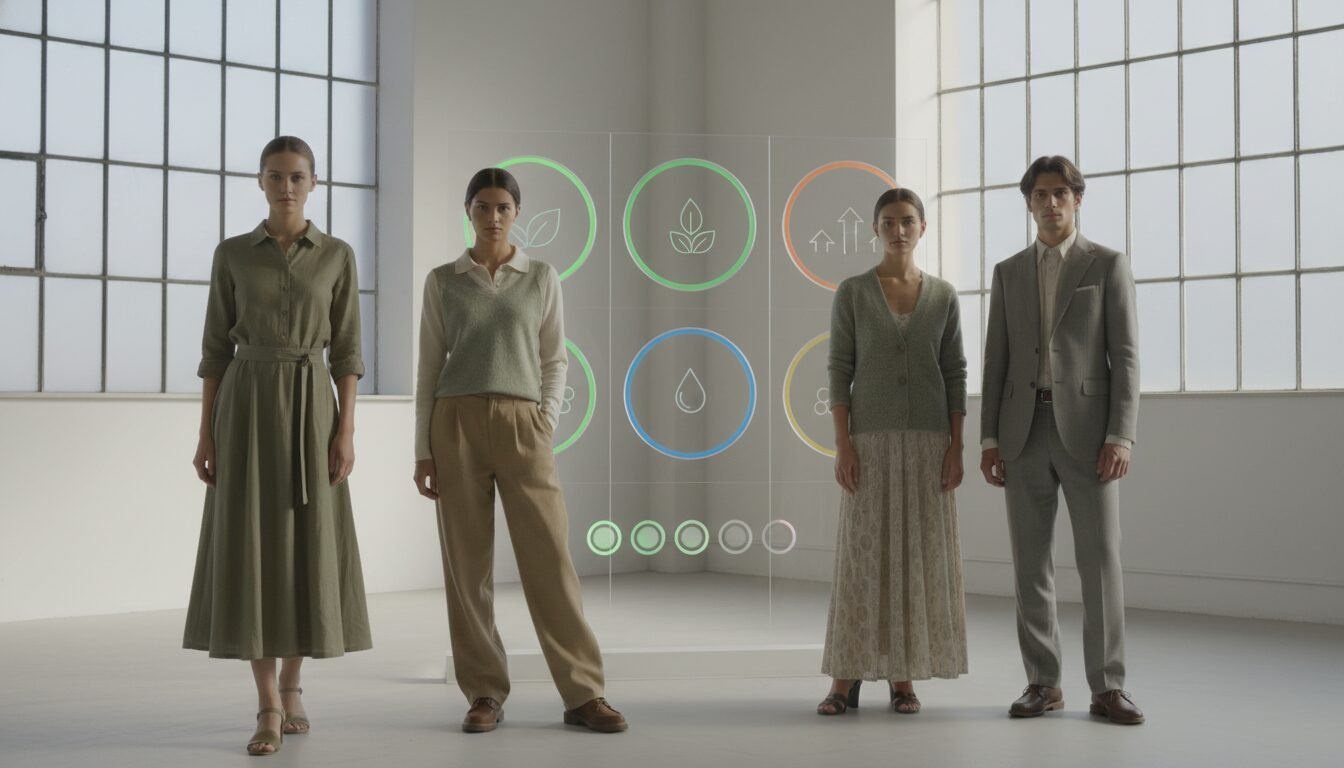
Good On You’s popular brand directory categorizes companies on a four-tier scale: “Great”, “Good”, “It’s a start”, and “We avoid”. This rating is derived from evaluating each brand’s policies and practices across people, planet, and animals. The platform also provides price point indicators from $ to $$$$, helping shoppers align their budget with their values. With over 4,180 tops and 2,524 sweaters & knitwear options, the scope of sustainable fashion is wider than ever.
How Ratings Are Calculated
Good On You’s analysts combine brand-supplied data with independent research, public certifications (like Fair Trade, GOTS, and Cradle to Cradle), and media reports. The system penalizes companies that fail to disclose key information or have been linked to labor or environmental scandals. This rigorous approach ensures that a high rating is not merely a marketing claim but a reflection of genuine effort.
Brands That Achieve “Good” and “Great” Status
Several notable environmental fashion brands have earned top honors. Stella McCartney, a UK-based luxury house, is rated “Good” for its commitment to animal-friendly materials and circular design. Patagonia, a US outdoor label, also earns “Good” for its pioneering work in recycled materials and activism. Reformation combines trend-driven designs with a low-impact ethos, while Gucci, an Italian luxury giant, surprisingly meets the “Good” threshold through comprehensive carbon-neutral initiatives. Puma, a German sportswear brand, also sits in the “Good” tier, showing that scale and sustainability can coexist.
Understanding “We Avoid” Labels
Brands like SHEIN and CIDER appear in the “We avoid” category due to a lack of transparency, reliance on virgin synthetic materials, and repeated concerns over labor practices. This designation serves as a warning that, despite catchy marketing, these companies have not demonstrated sufficient environmental responsibility. The rating system empowers shoppers to see past the hype and support environmental fashion brands that align with their eco-conscious values.
Top Environmental Fashion Brands for 2026
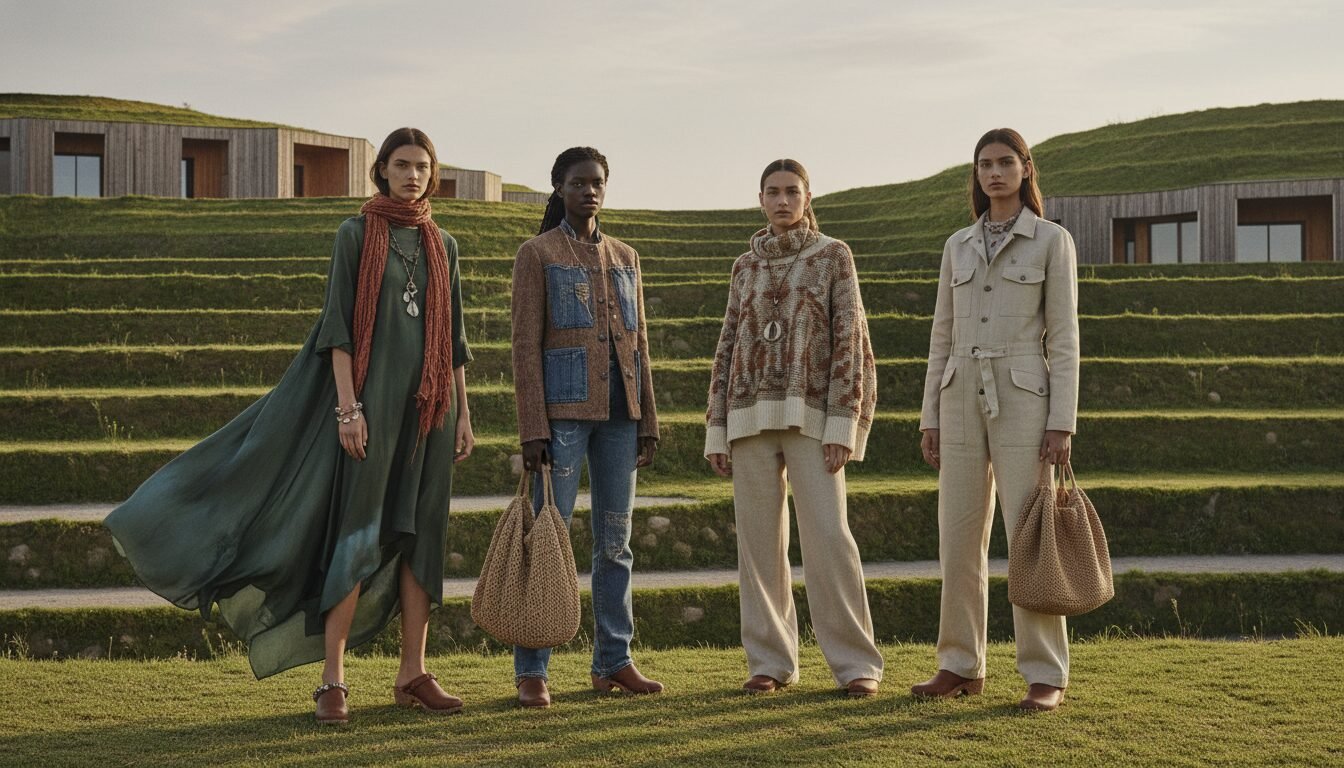
While the list of commendable labels grows each year, a handful stand out for their innovation, transparency, and style. These environmental fashion brands are not just reducing harm, they are reimagining how fashion can and should operate. Their approaches vary from high-tech fabrications to community-building resale programs.
Luxury Meets Sustainability: Stella McCartney and Gucci
Stella McCartney has been a lifelong advocate for ethical luxury, eschewing leather and fur since its founding. The brand uses recycled polyester, organic cotton, and bio-based faux leather across its collections. Gucci’s Equilibrium platform reports on its progress toward full circularity, and the house has invested heavily in regenerative agriculture for wool and cotton. Both prove that high fashion and high ethics can walk the runway together.
Outdoor Pioneers: Patagonia and Puma
Patagonia’s mission statement, “We’re in business to save our home planet,” is backed by concrete actions: 100% recycled down, a lifetime repair guarantee, and 1% for the Planet contributions. Puma, though less vocal, has made strides with its Forever Better code of conduct and a target to use 90% more sustainable materials by 2025. Both brands illustrate that performance wear and sustainability are not mutually exclusive.
Affordable Everyday Options: Reformation and Beyond
Reformation has built its identity on being “the it girl” sustainable brand, offering dresses, jeans, and swimwear with transparent impact data per garment. Its RefScale tracks carbon dioxide, water, and waste savings compared to industry averages. Other wallet-friendly environmental fashion brands are emerging, showing that you don’t need a luxury budget to shop responsibly. The directory includes 1,110 plus-size labels and 1,173 shoe brands, providing inclusive and diverse sustainable choices.
| Brand | Good On You Rating | Price Range | Key Eco Feature |
|---|---|---|---|
| Stella McCartney | Good | $$$$ | Pioneer in animal-free luxury materials |
| Patagonia | Good | $$$ | Lifetime repair & 1% for the Planet |
| Reformation | Good | $$ | RefScale impact transparency |
| Gucci | Good | $$$$ | Carbon-neutral operations & regenerative projects |
| Puma | Good | $$$ | 90% sustainable material target by 2025 |
Pros and Cons
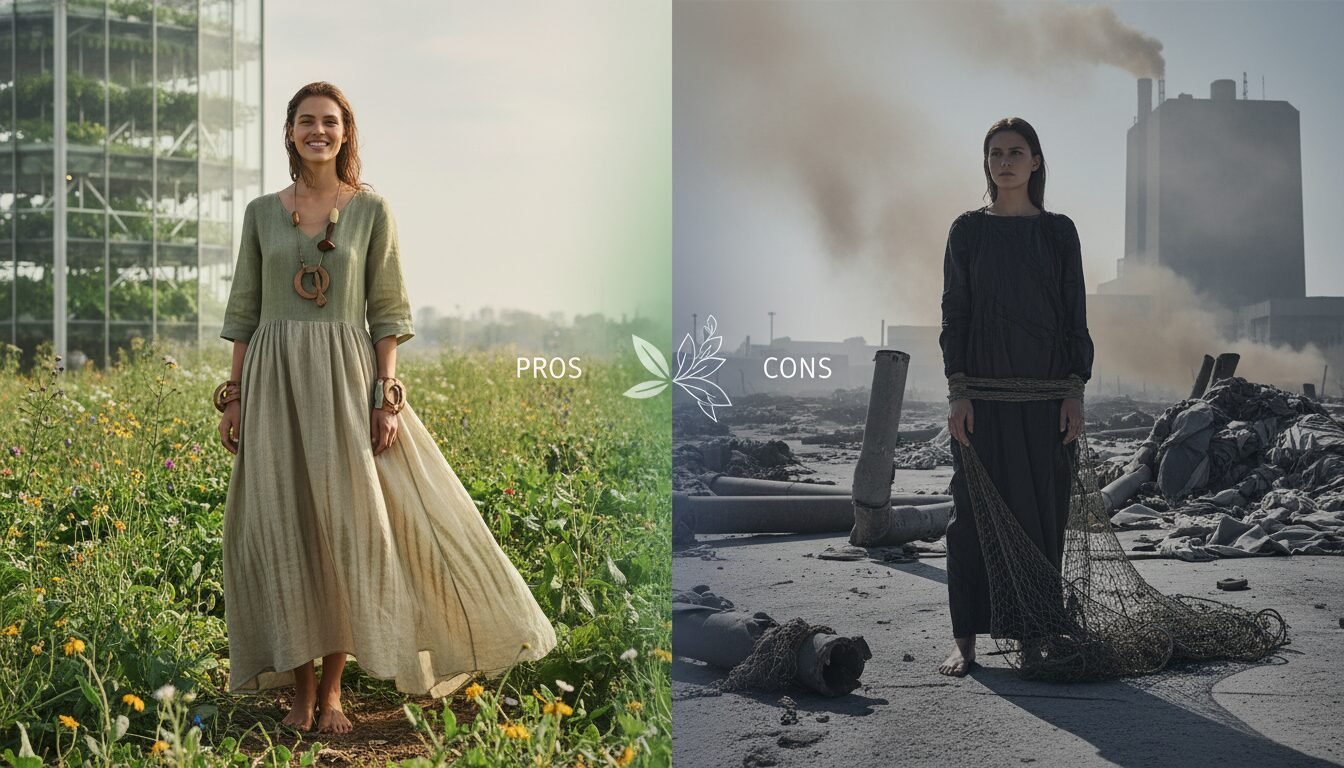
Pros
- Significantly lower environmental impact through sustainable materials and production methods
- Better working conditions and fair wages for garment workers
- Higher quality construction means pieces last longer, reducing replacement costs
- Transparent supply chains allow consumers to make informed purchasing decisions
- Innovation in eco-friendly materials drives industry-wide improvements
Cons
- Higher upfront costs compared to fast fashion alternatives
- Limited availability in some regions and size ranges
- Slower production cycles mean fewer trend-driven options
- Greenwashing makes it difficult to identify genuinely sustainable brands
- Some eco-friendly materials may have different care requirements
Materials Matter: What Fabrics to Look For
The foundation of any truly environmental fashion brand is its choice of raw materials. Switching from conventional cotton to organic or recycled alternatives can dramatically reduce water consumption, chemical runoff, and carbon emissions. Consumers should look for garments made from certified organic cotton, TENCEL™ Lyocell, hemp, and recycled polyester. Innovations such as deadstock fabric reuse and bio-based synthetics are also gaining traction among environmental fashion brands.
Certified Natural Fibers
Organic cotton, grown without synthetic pesticides, is a staple for many top-rated brands. GOTS (Global Organic Textile Standard) certification ensures that the entire supply chain, from field to finished product, meets strict environmental and social criteria. Similarly, linen and hemp require minimal water and no fertilizers, making them low-impact choices that regenerative farms are scaling up worldwide.
Recycled Synthetics and Next-Gen Materials
Recycled polyester (rPET) turns plastic bottles into durable fabrics, diverting waste from landfills and oceans. However, concerns about microplastic shedding mean that environmental fashion brands like Patagonia and Puma are investing in washing solutions and moving toward next-generation materials. Renewcell’s CIRCULOSE® fiber, made from 100% textile waste, and Mylo unleashed leather, grown from mycelium, are examples of the material science revolutionizing the industry.
The Rise of Deadstock and Upcycling
Deadstock fabric, leftover rolls from mills and fashion houses, is being rescued by smaller environmental fashion brands to create limited-edition pieces. This prevents new resource extraction and gives high-quality textiles a second life. Upcycling goes further, transforming post-consumer garments into new, desirable products. These practices cut down on waste and foster a creative, one-of-a-kind aesthetic that resonates with alternative fashion lovers.
“Good On You’s directory includes over 4,180 tops brands, indicating a massive industry shift toward sustainable fashion that meets consumer demand for everyday essentials.”
Nightlife and Partywear: The New Frontier of Sustainable Style
Club-ready looks and festival wear have traditionally been associated with fast, disposable fashion. But a wave of environmental fashion brands is changing that, crafting bold, expressive partywear from eco-friendly materials. Sequins made from recycled plastic, mesh pieces in regenerated nylon, and shimmer tops in peace silk let you shine on the dance floor without a guilt trip.
Bold, Eco-Friendly Party Pieces
Environmental fashion brands like Reformation offer stretchy, curve-hugging cocktail dresses made from deadstock fabrics. Stella McCartney delivers metallic midi skirts and sculptural tops that are statement-worthy. Smaller labels found in the Good On You accessories category (2,464 listed) supply chunky recycled acrylic jewelry and vegan handbags. For those who want to look fierce and feel righteous, the options are multiplying.
Rental and Secondhand Solutions for One-Night Looks
The rise of rental platforms like Hurr and By Rotation means you can sport a designer piece for a single event without ownership impact. Peer-to-peer marketplaces such as Depop and Vinted are treasure troves for pre-loved partywear, often at a fraction of the retail cost. This circular model extends a garment’s life and directly counters the throwaway culture of fast fashion.
How to Build a Sustainable Wardrobe Step by Step
Transitioning to a closet filled with environmental fashion brands doesn’t require an overnight overhaul. By following a deliberate process, you can curate a wardrobe that reflects your style and values without excess consumption. Here’s a practical roadmap:
- Step 1: Audit Your Current Wardrobe. Take inventory of what you already own. Identify pieces you love and wear often, and set aside items that no longer fit your style or needs.
- Step 2: Research Brands Before Buying. Use platforms like Good On You to check a brand’s rating and read their sustainability reports. Look for third-party certifications and transparent supply chain disclosures.
- Step 3: Prioritize Quality over Quantity. Invest in well-made garments that will last years, not weeks. Check stitching, material composition, and care instructions before purchasing.
- Step 4: Embrace Secondhand First. Before buying new, explore thrift stores, consignment shops, and online resale apps. You can often find like-new pieces from sustainable labels at a lower price.
- Step 5: Care for Your Clothes Consciously. Wash on cold, air dry when possible, and repair minor damages. Simple care habits can double the lifespan of a garment.
- Step 6: Dispose Responsibly. When an item is truly worn out, recycle it through brand take-back programs or textile recycling points. Avoid sending clothes to landfill.
Certifications and Transparency: What to Trust
In a market flooded with ambiguous claims, certifications provide a reliable shortcut to identifying genuine environmental fashion brands. These labels certify that a product meets specific environmental and social standards, verified through independent auditing. Shoppers should look for multiple certifications to get a fuller picture of a brand’s impact.
Key Certifications to Know
The Global Organic Textile Standard (GOTS) is the gold standard for organic fibers, covering both environmental and labor criteria. OEKO-TEX Standard 100 ensures that a finished product is free from harmful chemicals. Fair Trade Certified guarantees better prices and working conditions for producers. Additionally, B Corp certification evaluates a company’s entire social and environmental performance, providing a comprehensive badge of responsibility.
The Importance of Public Reporting
Beyond certifications, the most trustworthy environmental fashion brands publish annual sustainability reports, often aligned with frameworks like the Global Reporting Initiative (GRI) or the Fashion Transparency Index. These documents detail progress toward climate targets, water stewardship, and diversity metrics. A brand’s willingness to share this data, even when numbers fall short, is a powerful signal of genuine commitment.
“According to Good On You, a ‘Good’ rating means a brand is using eco-friendly materials, minimizing waste, and taking action to support fair workers’ rights, a trifecta that consumers can rely on.”
The Future of Environmental Fashion
The trajectory of environmental fashion brands points toward deeper investment in circular business models, including repair services, resale platforms, and rental subscriptions. Innovations in material science, like lab-grown cotton and biodegradable sequins, will soon become commercially widespread. Policy changes, such as the EU’s Digital Product Passport initiative, will mandate greater product-level transparency, leveling the playing field for responsible companies.
Legislation and Industry Accountability
Governments are stepping up with extended producer responsibility (EPR) laws that require fashion companies to fund the collection and recycling of their goods. France’s anti-waste law already bans the destruction of unsold textiles. Such regulations incentivize environmental fashion brands to design for durability and recyclability, pushing even reluctant players to adopt practices long championed by the sustainable sector.
Technology as an Enabler
From blockchain traceability (tracking a garment from fiber to finish) to AI-driven demand forecasting that eliminates overproduction, technology is giving environmental fashion brands the tools to scale their impact. Digital fashion, virtual garments for social media and gaming, also offers a zero-physical-waste avenue for creative expression, perfectly suited to a metaverse-ready generation.
Ready to transform your wardrobe without compromising your values? Discover your duality at prettynpoison.com
Frequently Asked Questions
What makes a fashion brand truly environmental?
A genuinely environmental fashion brand demonstrates measurable efforts across material sourcing, production methods, and supply chain ethics. It uses certified organic or recycled inputs, reduces water and chemical use, ensures fair labor, and provides transparent impact data.
Are environmental fashion brands more expensive?
Not necessarily. While luxury sustainable brands can be costly, many affordable options exist thanks to efficient production models and the use of recycled materials. Platforms like Good On You list brands across all price points, from $ to $$$$.
How can I verify a brand’s sustainability claims?
Look for third-party certifications (GOTS, OEKO-TEX, Fair Trade, B Corp) and check independent rating platforms like Good On You. Brands that are open about their supply chain, publish annual reports, and welcome scrutiny are more likely to be credible.
Can fast fashion brands become sustainable?
Some fast fashion companies have launched “conscious” collections, but these often represent a small fraction of their output. True sustainability requires a fundamental shift from the high-volume, low-cost model. Independent ratings can reveal whether these efforts are systemic or just marketing.
Is secondhand fashion better for the environment?
Yes. Buying secondhand extends the life of existing garments, reducing the demand for new production. It is one of the most effective ways to lower your fashion footprint, especially when combined with supporting environmental brands for new purchases.