Ethical fashion labels are clothing brands that commit to fair labor, eco-friendly materials, and transparent supply chains. This guide covers every step: from reading certifications to building a wardrobe that actually works.
Key Takeaways
- fashion labels prioritize fair labor, eco-friendly materials, and supply-chain transparency.
- Use directories like Good On You and Baptist World Aid to check brand ratings before buying.
- Look for third-party certifications such as Fair Trade, GOTS, and B Corp to verify claims.
- Build a capsule wardrobe with versatile pieces from labels like ARMEDANGELS, Kotn, and Christy Dawn.
- Care for your garments properly to extend their lifespan and reduce environmental impact.
What Are Ethical Fashion Labels?
this type of labels are brands that hold themselves accountable on three fronts: the people who make the clothes, the planet those clothes come from, and the animals caught in the supply chain. Unlike fast fashion, they pay living wages, use sustainable materials like organic cotton or deadstock fabric, and trace every step of production. As Vogue UK’s 2025 round-up of sustainable brands puts it, “sustainable fashion means different things for different people” – but at minimum, a genuinely ethical label considers social impact, animal welfare, and longevity (Vogue UK).
Why Choosing Ethical Fashion Matters
Every dollar you spend is a vote for the industry you want to exist. The Baptist World Aid Ethical Fashion Guide makes it plain: millions of garment workers face low wages, unsafe conditions, and in some cases modern slavery, while the sector’s environmental footprint keeps growing. By supporting this kind of labels, you shift demand toward companies that invest in their workforce and take planetary harm seriously.
The Difference Between Ethical, Sustainable, and Fair Trade
These terms get used interchangeably, but they mean different things. “Ethical” focuses on human rights and labor conditions. “Sustainable” emphasizes environmental impact, including materials and waste. “Fair Trade” refers to a specific certification system that guarantees minimum prices and community-development premiums. The Fair Trade Certified clothing guide explains how factories earn premiums that workers vote on for projects like healthcare or education. Many ethical fashion pursue all three simultaneously.
Pros and Cons of Buying From Ethical Fashion Labels
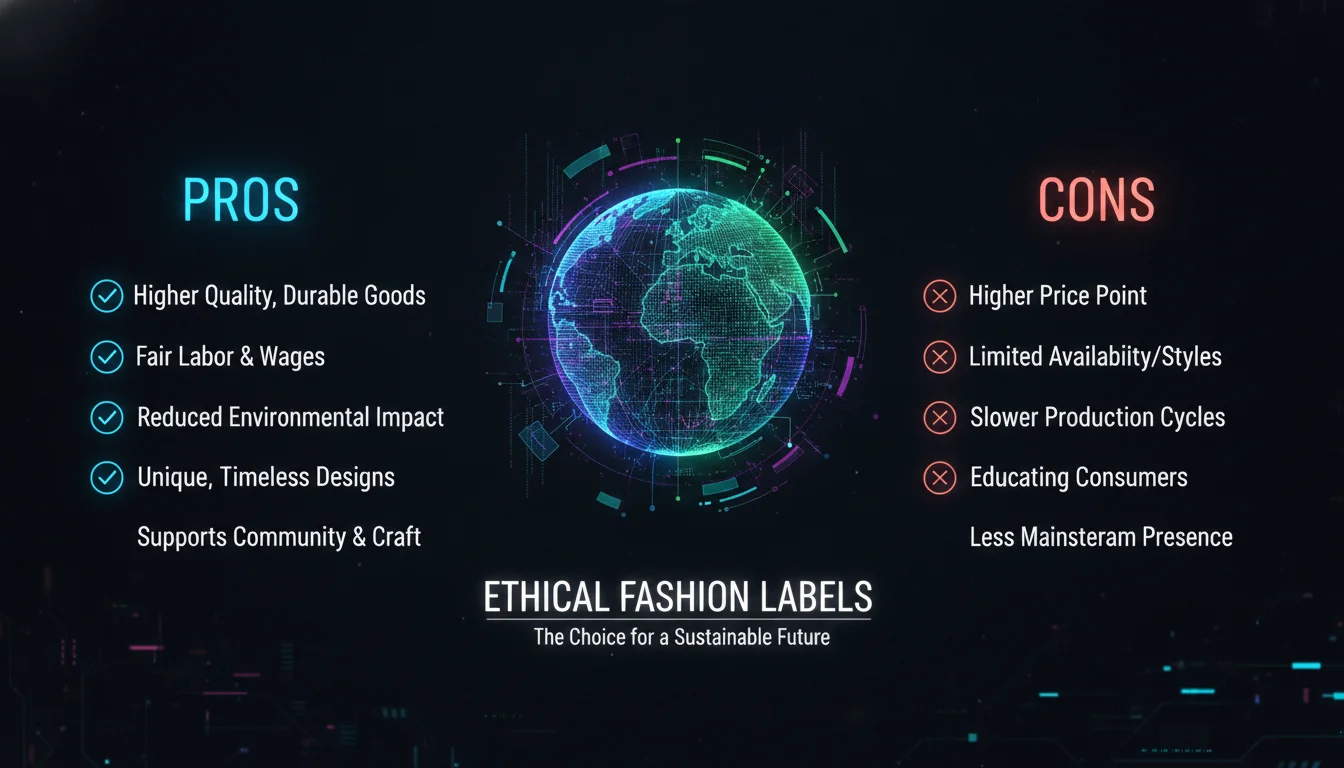
Pros
- Real accountability: Third-party certifications and transparency reports mean you can verify claims, not just trust marketing copy.
- Better construction: Ethical labels build to last. Better seams, natural materials, and classic cuts mean a lower cost-per-wear over time.
- Positive supply-chain impact: Your purchase directly supports fair wages and safer working conditions for garment workers worldwide.
- Lower environmental footprint: Organic, recycled, and regenerated fibers reduce water pollution, chemical use, and textile waste.
- Inclusive sizing: The ethical fashion space is broadening. Good On You lists 1,110 plus-size options among rated brands.
Cons
- Higher upfront cost: Ethical production costs more. Budget shoppers will need to prioritize and buy less, but buy better.
- Greenwashing risk: Not every brand that says “conscious” or “eco” has the receipts. Verification takes effort.
- Limited trend-driven options: Ethical labels tend toward timeless over trendy, which can feel restrictive if you live for the latest drop.
- Inconsistent sizing: Many ethical brands cut more generously than fast fashion, so always consult size charts before ordering.
How to Identify Truly Ethical Fashion Labels
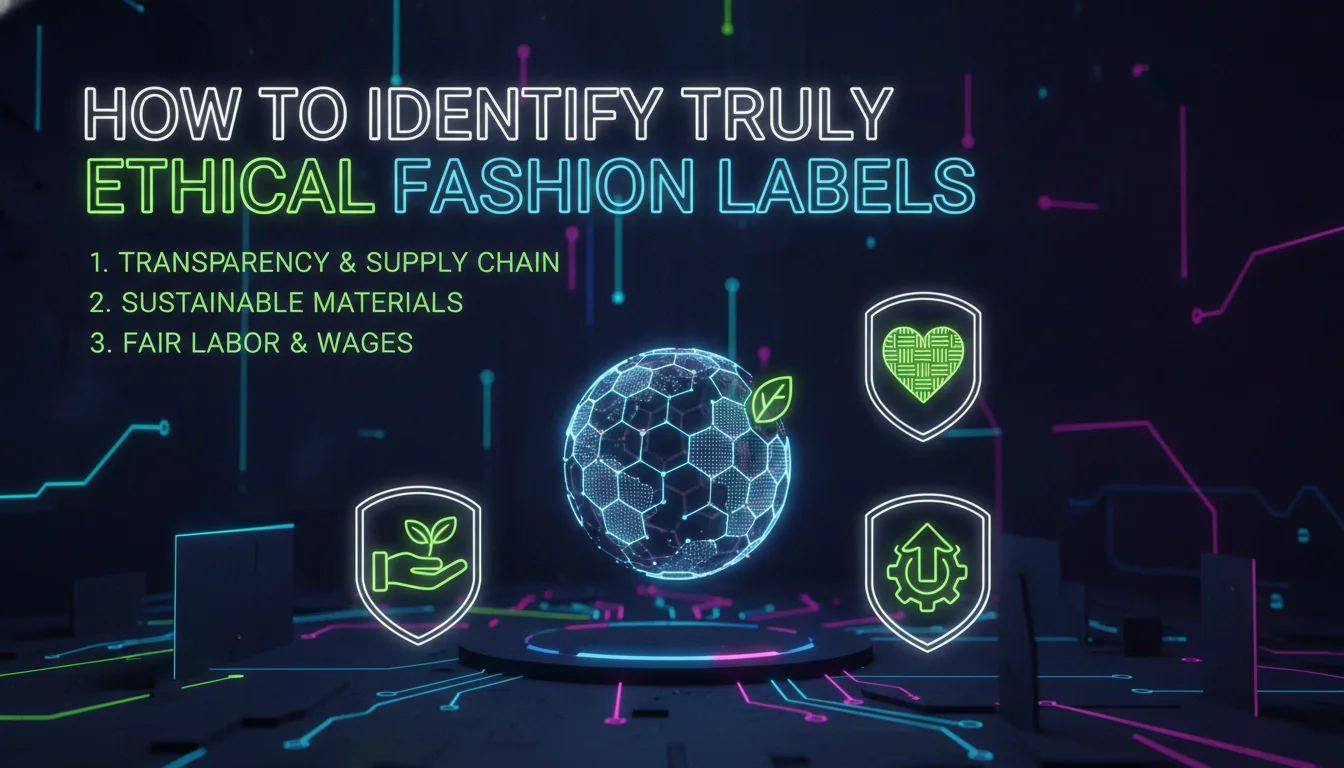
Not every brand that uses words like “conscious” or “eco” lives up to the promise. Greenwashing is rampant, so a structured approach helps you find fashion labels you can actually trust. Follow this step-by-step process.
Step 1: Check a Reliable Rating Directory
The fastest shortcut is a non-profit rating platform. The Good On You directory rates thousands of brands on a scale from “We avoid” to “Great,” evaluating impact on people, the planet, and animals. ARMEDANGELS earns “Great.” SHEIN receives “We avoid.” Eco-Stylist certifies brands based on transparency, fair labor, and sustainably-made criteria. According to Eco-Stylist, its featured labels pay clothing makers 15-30 times more in living wages than the industry norm (Eco-Stylist). Start every purchase by looking up the brand on at least one such directory.
Step 2: Read the Label’s Own Transparency Report
True this type of labels publish details about their factories, material sourcing, and social initiatives. Look for an “Impact” or “Sustainability” page that names specific facilities, shares audit results, and explains how they calculate a living wage. Brands like Outerknown and Patagonia set the benchmark here. If a brand is vague about where its garments are cut and sewn, treat that as a red flag.
Step 3: Match Certifications to Your Values
Third-party certifications add real verification. Common ones include:
- Fair Trade Certified: Ensures factory workers receive a premium on top of their wages and operate in safe conditions. Brands like Pact and Athleta carry this seal.
- GOTS (Global Organic Textile Standard): Certifies organic fibers and prohibits harmful chemicals throughout processing.
- OEKO-TEX: Tests finished garments for substances harmful to human health.
- B Corp: Verifies a company’s overall social and environmental performance. Christy Dawn is a recognized B Corp.
No single certification covers everything. A combination of several signals a robust commitment.
Step 4: Examine Material Choices
Ethical labels favor low-impact fibers. Organic cotton avoids the synthetic pesticides and heavy water use associated with conventional cotton. Tencel lyocell is made from wood pulp in a closed-loop process that reuses water and solvents. Deadstock fabric reduces waste by repurposing leftover material from other brands. If you need performance wear, choose recycled synthetics over virgin polyester, which sheds microplastics with every wash.
Step 5: Assess Price, Durability, and Timelessness
An ethical piece often costs more upfront. The cost-per-wear, though, can be significantly lower because of better construction and classic design. Think in terms of investment, not impulse. One well-made organic-cotton jean from a label like Kotn can outlast multiple pairs of fast-fashion denim.
Factors to Consider When Shopping Ethical Fashion Labels
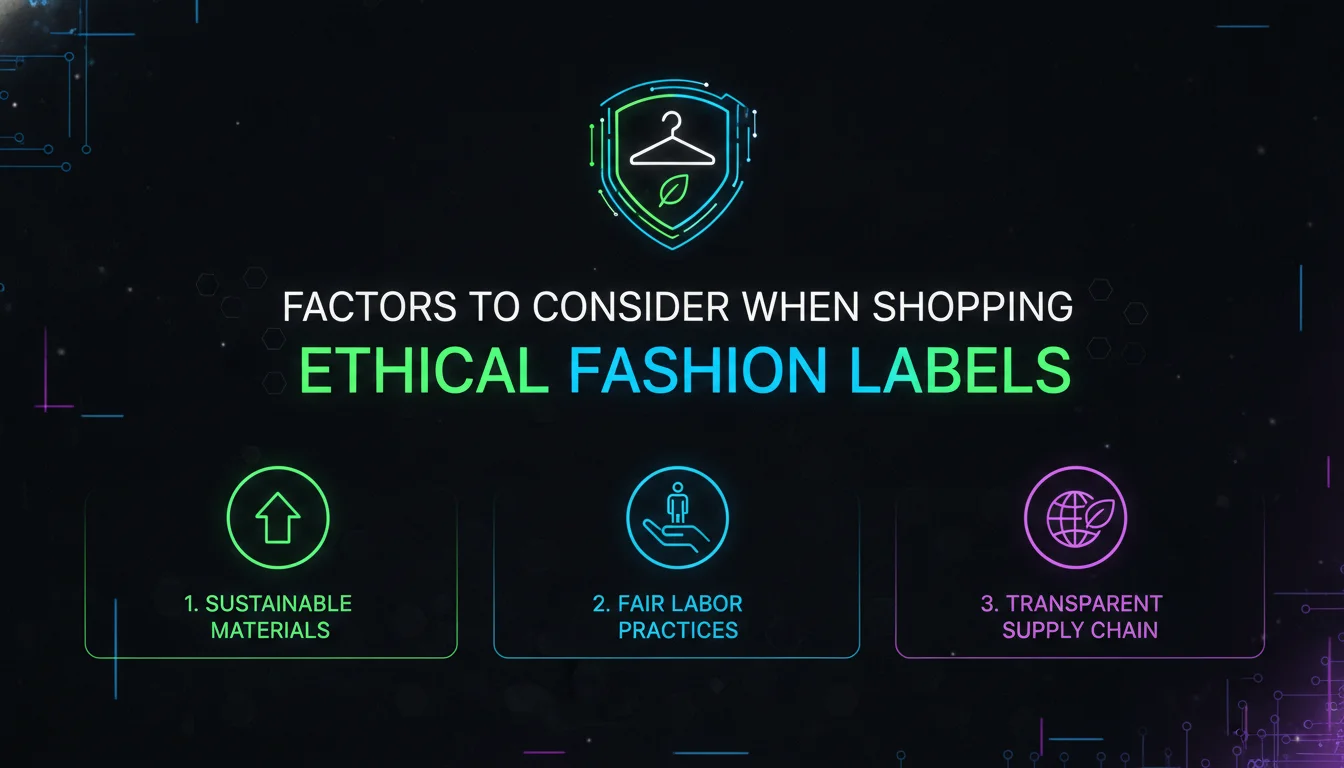
Once you have a shortlist, weigh these practical criteria to make sure the garment works for you and your conscience.
Material and Construction
Check the fabric composition tag. Prioritize organic, recycled, or regenerated fibers. Look at seam finishing: French seams or bound edges indicate care in construction. Double-stitched hems and natural buttons made from corozo, wood, or shell are small but revealing details. Ethical fashion labels often highlight these features because they want the garment to last years, not seasons.
Transparency and Labor
Does the brand disclose the factories where each product is made? Kotn publishes its supply-chain map, showing which farms provided the cotton and which workshops cut and sewed the garments. A brand that cannot or will not tell you where your clothes were made is probably hiding something worth knowing.
Fit, Comfort, and Inclusivity
An ethical purchase only works if you’ll actually wear it. Consult size charts carefully. Many ethical brands cut more generously than fast fashion. Good On You lists 1,110 plus-size options among rated brands, a sign the movement is broadening beyond its historically narrow size range.
Price-Range Expectations
Ethical fashion labels span three broad tiers:
- Budget ($30-$80 per item): Brands like Pact and Colorful Standard offer organic cotton basics under $80.
- Mid-range ($80-$200): Labels such as Kotn and ARMEDANGELS sell well-made staples, including jeans, sweaters, and dresses, in this bracket.
- Premium ($200+): Christy Dawn and Outerknown charge more for artisanal details, regeneratively farmed materials, and fully traceable supply chains.
A higher price does not automatically equal higher ethics. Always cross-check with a rating platform.
| Brand | Country | Price Tier | Good On You Rating | Key Ethical Features |
|---|---|---|---|---|
| ARMEDANGELS | Germany | Mid-range | Great | GOTS-certified organic cotton, Fair Trade, living-wage commitment |
| Kotn | Canada | Mid-range | Good | B Corp, directly sourced Egyptian cotton, supply-chain transparency |
| Christy Dawn | USA | Premium | Good | Deadstock fabrics, regenerative cotton, artisan-made in USA |
| Pact | USA | Budget | Good* | Fair Trade Certified, organic cotton basics, affordable price points |
| Colorful Standard | Denmark | Budget | Good | OEKO-TEX certified, organic cotton, anti-chemical dyeing |
*Pact’s Fair Trade certification and widespread recognition as an ethical brand justify its inclusion here.
How to Style Ethical Fashion Labels for Different Occasions
Building outfits from ethical fashion labels is easier when you treat your wardrobe as a curated capsule. Here are real outfit ideas using pieces from rated brands.
Elevated Office Wear
Pair Colorful Standard’s organic cotton Oxford shirt with Kotn’s pleated trousers and a pair of vegan leather loafers from NAE. Add a structured blazer from ARMEDANGELS for a boardroom-ready look that’s entirely traceable. Clean lines, verified ethics, zero compromise.
Weekend Casual
Wear a recycled-polyester bomber jacket over a Christy Dawn deadstock-cotton dress, finished with second-hand sneakers. The mix of textures keeps the outfit interesting while staying low-impact. This is what conscious dressing actually looks like: effortless, not performative.
Evening and Events
Opt for a jumpsuit from Reformation, rated Good on Good On You, in Tencel lyocell. Style it with ethical jewelry from SOKO and a clutch made from Pinatex, a pineapple-based leather alternative. The monochrome palette lets the fabric’s drape and sheen do the talking.
Loungewear and Athleisure
Pact’s organic-cotton joggers and matching hoodie provide comfort without compromise. Layer a long-sleeve tee from Kotn underneath for extra warmth on errand days. Basics done right: certified, comfortable, and built to last.
Is the Sustainable Fashion Market Actually Growing?
Yes, and the numbers from competitor evidence confirm it. According to a 2022 Statista study cited by Fair Trade Certified, 39% of respondents considered sustainability slightly important when buying clothing, while only 3% did not consider it important at all. The sustainable clothing market share is expected to reach over 6% by 2026, per the same source. That growth is creating real pressure on mainstream brands to clean up their supply chains, which is exactly why knowing how to identify genuine ethical fashion labels matters more now than it did five years ago.
“By wearing Fair Trade Certified factory-made clothing, we’re helping create sustainable livelihoods, safer working conditions, and desperately-needed transparency in the fashion industry.” – Fair Trade Certified, Sustainable Clothing Guide, 2025
“Given that sustainable fashion means different things for different people, it can be difficult to know where to start if you’re trying to be more conscious about your shopping habits.” – Emily Chan, Vogue UK, June 2025
Caring for Your Ethical Fashion Purchases
Extending the life of your clothes is the single most impactful action you can take after buying from ethical fashion labels. The garment is only as sustainable as the care it receives.
Washing and Drying
Wash in cold water using a gentle, biodegradable detergent. Turn garments inside-out to protect visible surfaces. Air-dry whenever possible. Tumble dryers cause micro-tear and consume significant energy. If you must machine-dry, use the lowest heat setting available.
Storage and Repairs
Fold knitwear. Hang woven items on padded hangers. Keep clothes out of direct sunlight to prevent fading. Learn basic mending: replacing a button or darning a small hole adds months, sometimes years, to a garment’s life. Patagonia’s Worn Wear program and Nudie Jeans’ free repair service are industry benchmarks for keeping clothes in circulation.
End-of-Life Options
When a piece is truly worn out, recycle it through brand take-back schemes or specialized recyclers. Avoid throwing clothes in the trash. Even damaged fabric can be downcycled into insulation or industrial wiping cloths, keeping it out of landfill entirely.
Frequently Asked Questions
What are the best online directories for finding ethical fashion labels?
Good On You and the Baptist World Aid Ethical Fashion Guide are the most comprehensive resources available. Good On You rates thousands of brands on people, planet, and animal welfare. Baptist World Aid assessed 13,000 data points covering 46 questions across three tiers of the supply chain to produce its scores. Eco-Stylist is another curated resource that certifies brands based on strict sustainability criteria.
How do I know if an ethical fashion label is genuinely ethical?
Look for third-party certifications such as Fair Trade, GOTS, and B Corp, alongside a transparent supply-chain map and a high rating on independent directories. Be skeptical of brands that use vague language like “conscious” or “eco” without concrete data or audited reports to back it up.
Are ethical fashion labels expensive?
They range from affordable to luxury. Brands like Pact and Colorful Standard offer basics under $80, while premium labels like Christy Dawn and Outerknown cost over $200. The higher upfront cost often reflects better materials and construction, so cost-per-wear is typically lower over time.
Can I find ethical fashion labels for plus sizes?
Yes. Good On You lists over 1,110 plus-size options from rated brands. Labels like Universal Standard, Girlfriend Collective, and Eileen Fisher are known for inclusive sizing combined with ethical production practices.
What is the easiest way to start building an ethical wardrobe?
Start by auditing your current closet to identify genuine gaps, then purchase second-hand or from a few trusted ethical labels. Focus on versatile, high-quality basics: organic cotton tees, a well-cut pair of jeans, a classic sweater that mixes and matches across seasons.
How can I spot greenwashing?
Red flags include no named factories or suppliers, heavy use of nature imagery without proof, “eco” collections that make up a tiny fraction of total output, and a complete absence of third-party certifications. Always verify claims on independent platforms like Good On You before you buy.
Discover your duality at prettynpoison.com.
Ethical fashion brands are companies that put fair labor, sustainable materials, and animal welfare at the center of everything they make. They reject exploitation. They reject waste. And in 2026, they’re proving that a conscience and a killer wardrobe aren’t mutually exclusive.
Key Takeaways
- fashion brands ensure fair labor, sustainable materials, and animal welfare across their supply chain.
- Certifications like Fair Trade, B Corp, and GOTS separate the sincere from the greenwashed.
- Rating platforms like Good On You let you fact-check any brand’s claims before you buy.
- Affordable options exist. Pact and Known Supply deliver ethical basics under $50.
- Edgy, nightlife-ready style is absolutely possible with vegan leather, deadstock fabric, and recycled metallics.
- Thrifting and cost-per-wear math make ethical fashion accessible on any budget.
We’re not here to lecture you into wearing beige linen for the rest of your life. This guide breaks down what actually makes a brand ethical, which labels deserve your money in 2026, and how to build a wardrobe that’s dangerous in the best way, without the exploitation baked in.
What Are Ethical Fashion Brands?
this type of brands are companies that place social and environmental responsibility at the core of how they design, source, and produce clothing. Unlike conventional fashion, which often leans on exploitative labor and resource-heavy processes, these brands work to minimize harm across the entire supply chain, from farm to factory to your closet. That means living wages, safe factories, and materials sourced with the planet in mind. The concept stretches to animal welfare too, with many labels going cruelty-free or fully vegan.
According to Good On You, a leading fashion rating platform, a genuinely ethical brand has to perform across three pillars: people, planet, and animals. They evaluate over 100 key issues, everything from child labor and carbon emissions to water usage and animal-derived materials. This kind of rigor is exactly what separates the real deal from brands just slapping “conscious” on a label and calling it a day.
The Three Pillars of Ethical Fashion
The people pillar covers labor practices: fair wages, safe conditions, the right to unionize. The planet pillar is about environmental stewardship, cutting carbon footprints, managing chemical use, and choosing sustainable materials like organic cotton and recycled polyester. The animals pillar pushes for cruelty-free production, often favoring vegan alternatives over leather, wool, and silk.
“We rate brands on their policies and actions across three key sustainability pillars: people, planet, and animals.”, Good On You
Fast Fashion vs. Ethical Fashion
Fast fashion runs on rapid production cycles, rock-bottom prices, and built-in disposability, usually at the expense of workers and the planet. this kind of brands flip that script entirely, embracing slow fashion principles that favor quality over quantity. While fast fashion pieces get tossed after one season, ethical garments are built to last for years, cutting waste and rewarding mindful buying over impulse hauls.
Why Ethical Fashion Matters in 2026
Ethical fashion matters in 2026 because the industry’s environmental and labor footprint has become impossible to ignore. The fashion industry remains one of the world’s largest polluters, and as consumer awareness climbs, demand for ethical fashion has surged right alongside it. A Fair Trade USA report found that 39% of consumers considered sustainability at least slightly important when buying clothing, while only 3% said it didn’t matter to them at all. Fair Trade USA also notes the sustainable clothing market share is projected to exceed 6% by 2026, a real signal that shopping habits are shifting for good.
Environmental Benefits
Ethical fashion cuts pollution, conserves water, and protects biodiversity. Brands like Toad&Co lean on organic cotton and hemp, both of which require far less water than conventional cotton and skip the harsh pesticides entirely. By choosing materials like these, fashion brands are directly fighting the environmental damage fast fashion leaves behind.
Social Impact
Supporting these labels means supporting the people who actually make your clothes. Many this type of brands partner with artisan groups and fair-trade cooperatives, providing stable income and preserving traditional craft skills that would otherwise disappear. Fair Trade Certified factory production, for example, includes premiums that fund community projects like healthcare and education.
How to Spot Truly Ethical Fashion Brands
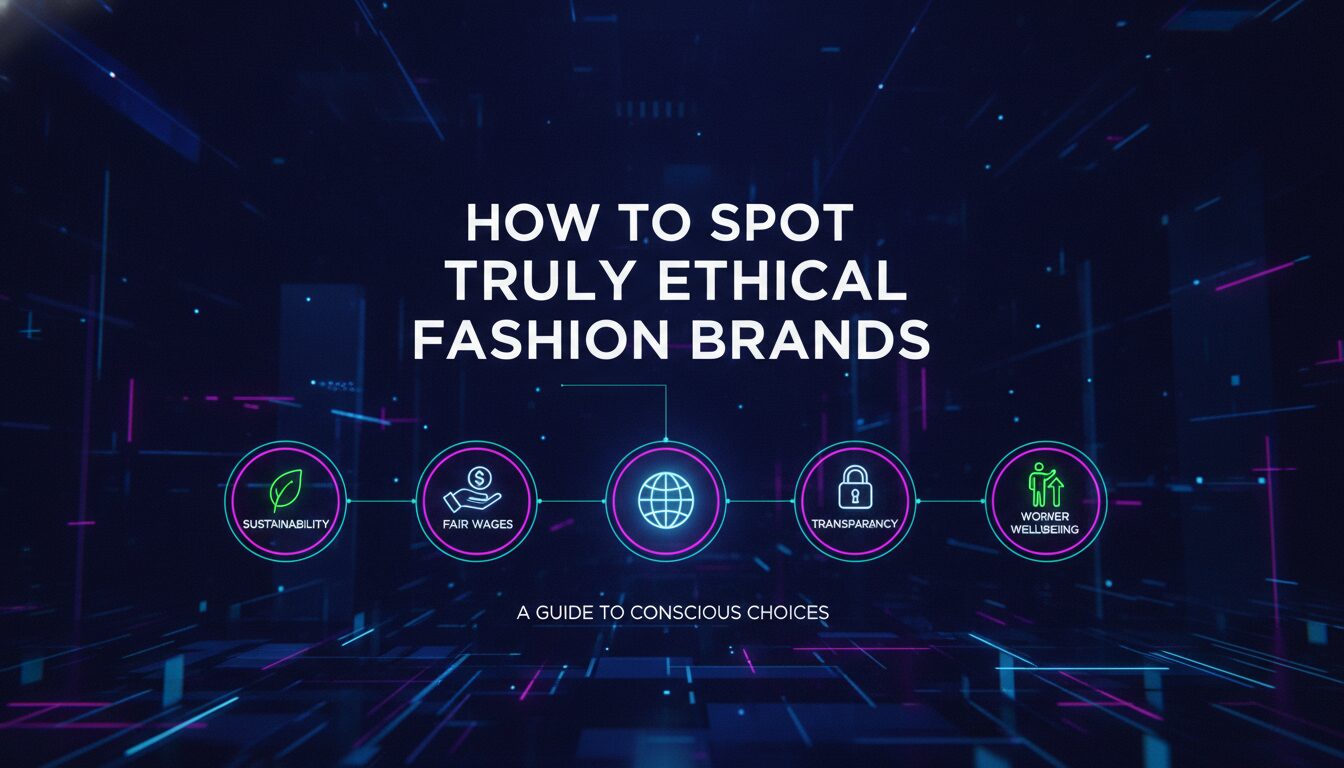
You can spot a truly ethical fashion brand by checking for third-party certifications, supply chain transparency, and independent ratings. Greenwashing is everywhere right now, so identifying the real ones takes a sharper eye than it used to.
Step 1: Check for Certifications
Legitimate third-party certifications are your fastest shortcut. Fair Trade Certified, B Corp, GOTS (Global Organic Textile Standard), and OEKO-TEX all signal a brand has met rigorous, independently verified standards. Be suspicious of vague buzzwords like “eco-friendly” or “conscious” with zero evidence behind them.
Step 2: Investigate the Supply Chain
Transparent brands openly publish info about their factories, sourcing, and labor conditions. Check the brand’s site for sustainability reports or supply chain maps. A brand that hides this information probably has something to hide, period.
Step 3: Use Independent Rating Platforms
Directories like Good On You and Ethical Clothing have already done the digging for you. They aggregate data and assign ratings so you can compare brands in seconds. The Ethical Clothing platform even lets you search by material, category, and style, so finding this kind of brands that actually match your aesthetic doesn’t take hours.
Top Ethical Fashion Brands to Know
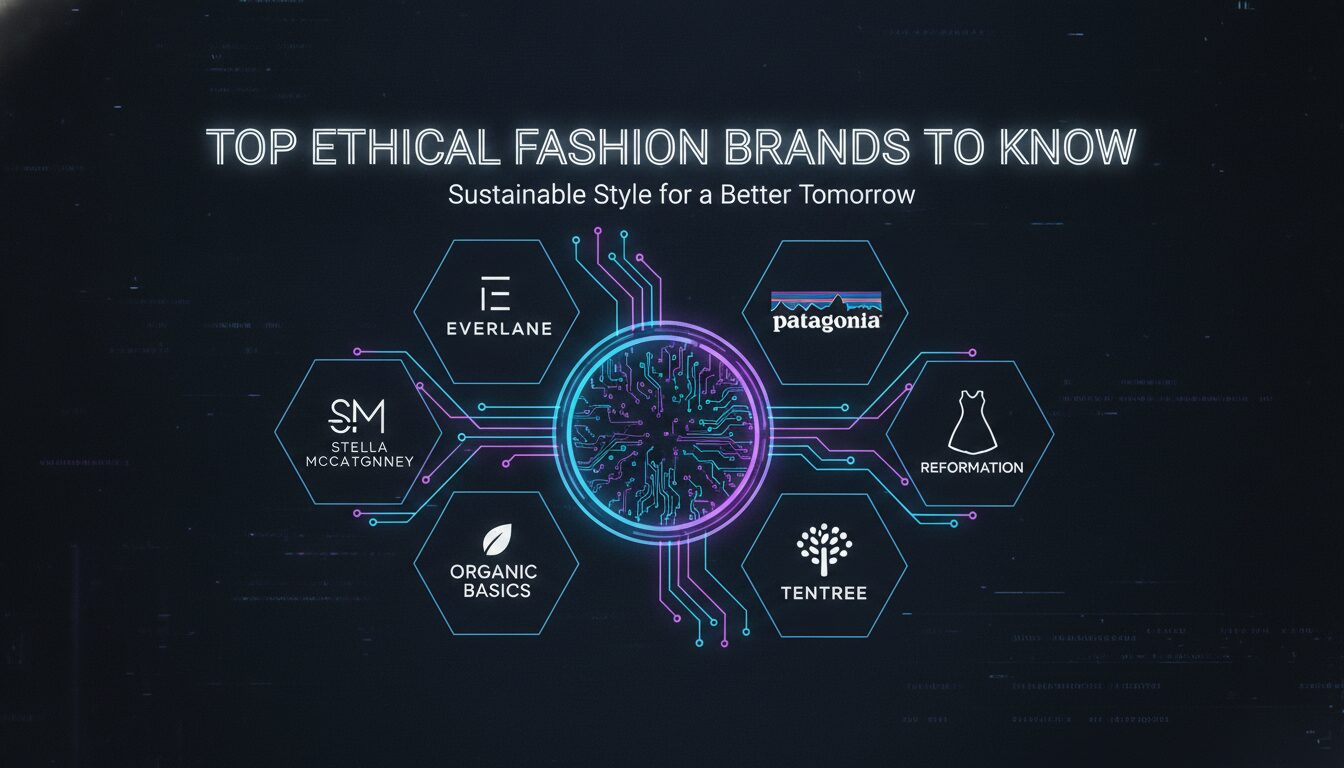
The top ethical fashion to know in 2026 span outdoor gear, minimalist basics, and edgy statement pieces. The category is far more diverse than most people assume. Below, we’ve pulled together standout performers across price points and aesthetics, plus a comparison table so you can shop with intention.
Sustainable Fashion Directories
Before you dive into individual labels, know that platforms like Good On You’s brand directory and Ethical Clothing offer searchable databases with thousands of products. Good On You recently highlighted 62 clothing brands from the USA making a real impact, and the Ethical Clothing search engine curates thousands of products from some of North America’s most sustainable labels.
Our Top Brand Picks
| Brand | Price Range | Key Materials | Certifications | Style |
|---|---|---|---|---|
| Patagonia | $$$ | Recycled polyester, organic cotton | Fair Trade, B Corp | Outdoor, casual |
| Toad&Co | $$ | Organic cotton, hemp, TENCEL | B Corp, Fair Trade | Laid-back, boho |
| Pact | $ | Organic cotton | Fair Trade, GOTS | Basics, loungewear |
| Eileen Fisher | $$$ | Organic linen, TENCEL, recycled fibers | B Corp, Fair Trade | Minimalist, elegant |
| Cotopaxi | $$ | Repurposed materials, recycled polyester | B Corp | Colorful, active |
| ARMEDANGELS | $$ | Organic cotton, TENCEL, recycled wool | GOTS, Fair Trade, PETA-Approved Vegan | Modern, edgy |
Price key: $ = under $50, $$ = $50 to $150, $$$ = $150+
Ethical Fashion for Bold, Alternative Styles
Forget the stereotype that ethical fashion means neutral basics and nothing else. A growing wave of ethical fashion brands now cater directly to alternative and nightlife aesthetics. Hunt for pieces made from vegan leather, deadstock fabric, or recycled metallics, the kind of materials that hold their own on a dance floor. The Ethical Clothing platform lets you search specifically for vegan footwear and statement pieces. Independent designers frequently work with deadstock, leftover fabric from larger manufacturers, to create one-of-a-kind looks perfect for festivals, raves, or goth-inspired wardrobes.
Fashion influencer Jaimi Stewart’s post on ethical brands using deadstock fabric has racked up over 10,200 views, proof that the appetite for unique, responsible fashion is real and growing. Brands like ARMEDANGELS prove ethical fashion can be daring and expressive, not just safe and sensible. That’s the whole point of duality: you don’t have to choose between conscience and drama. At Pretty N Poison, our Poison Edit pulls from that same energy, dark, sharp, and unapologetic, built for women who refuse to dress quietly.
Sustainable Materials Used by Ethical Fashion Brands
Ethical fashion brands rely on materials like organic cotton, hemp, recycled polyester, deadstock fabric, TENCEL, and Piñatex to cut environmental impact. Material choice is the foundation of the entire movement.
Organic Cotton and Hemp
Organic cotton grows without synthetic pesticides or fertilizers and uses significantly less water than the conventional stuff. Hemp is durable, fast-growing, and needs minimal water with zero herbicides. Brands like Toad&Co and Patagonia lean heavily on both for their low environmental footprint.
Recycled and Deadstock Fabrics
Recycled polyester, often made from plastic bottles, diverts waste from landfills and cuts demand for virgin petroleum. Deadstock fabric repurposes surplus material that would otherwise get tossed, giving it a second life on someone’s back instead of in a landfill. This approach anchors many indie ethical fashion brands, and it’s exactly why content like Jaimi Stewart’s deadstock guide resonates so strongly with conscious shoppers.
Innovative Materials: TENCEL™ and Piñatex
TENCEL™ is a lyocell fiber made from sustainably harvested wood pulp. It’s soft, breathable, and fully biodegradable. Piñatex is a leather alternative crafted from pineapple leaf fibers, giving you a cruelty-free option for bags and shoes. Innovations like these show exactly how ethical fashion brands are rewriting what materials can do.
Certifications That Validate Ethical Fashion
Certifications like Fair Trade, B Corp, and GOTS validate ethical fashion brands by providing independent, third-party verification of labor and environmental claims. Without them, you’re just taking a brand’s word for it.
Fair Trade Certified
The Fair Trade Certified seal means the product came from a factory where workers get safe conditions, fair pay, and community development funds. Patagonia and Pact are both strong proponents of this standard.
B Corporation
B Corp certification marks a company that meets high standards of social and environmental performance, public transparency, and legal accountability. Eileen Fisher and Cotopaxi are certified B Corps, reinforcing their commitment on paper and in practice.
GOTS (Global Organic Textile Standard)
GOTS is the leading standard for organic textiles, covering both ecological and social criteria across the entire supply chain. It bans toxic chemicals and enforces fair labor practices. Many ethical fashion brands rely on GOTS-certified cotton as their baseline.
How to Build an Ethical Wardrobe on a Budget
You can build an ethical wardrobe on a budget by thrifting, calculating cost-per-wear, and shopping affordable certified brands. Going ethical doesn’t require a luxury paycheck.
Thrifting and Second-Hand Shopping as a Real Strategy
Thrifting isn’t a backup plan, it’s arguably the most ethical fashion move you can make. Second-hand stores and platforms like Depop and Poshmark are goldmines for pieces with real character, and buying pre-loved extends a garment’s life while cutting demand for new production entirely. Whether you’re hunting a vintage leather jacket for the Poison Edit vibe or a slip dress that could pass for Pretty Edit, thrifting delivers low-impact style at a fraction of retail cost. Fashion editors increasingly treat resale as a core pillar of sustainable style, not a fallback.
Maximizing Cost-Per-Wear
Cost-per-wear divides an item’s price by how many times you actually wear it. A $150 ethical dress worn 100 times costs $1.50 per wear, cheaper in the long run than a $30 fast-fashion dress that falls apart after five wears. Ethical fashion brands design for longevity, and that math works in your favor every single time.
Affordable Ethical Brands List
You don’t need a designer budget to support ethical fashion brands. Pact offers organic cotton tees from $25, Known Supply has basics starting at $28, and Mightly covers children’s wear at accessible prices. Shopping seasonal sales and subscribing to newsletters from sustainable labels can stretch your budget even further.
Ethical Options for Every Body and Every Life Stage
Ethical fashion isn’t one-size-fits-all, literally or otherwise. More brands now offer plus-size ranges alongside standard sizing, and labels like Mightly focus specifically on children’s and family wear built on the same fair-labor principles. If you’re shopping for maternity or plus-size ethical pieces, Good On You’s directory lets you filter by size range, saving you the guesswork.
Pros and Cons
Pros
- Garments are built for durability, often lasting years longer than fast fashion equivalents.
- Your money supports fair wages and safer working conditions for garment workers.
- Sustainable materials like organic cotton, hemp, and TENCEL reduce water use and pollution.
- Independent rating platforms make it easy to verify claims before you buy.
Cons
- Price points at brands like Patagonia or Eileen Fisher can be significantly higher than fast fashion.
- Greenwashing remains common, requiring extra research before trusting a brand’s claims.
- Availability of edgy, nightlife-specific ethical pieces is still more limited than mainstream fast fashion options.
- Certifications vary in rigor, so one seal doesn’t guarantee complete ethical practice across every issue.
“Sustainability isn’t a trend anymore, it’s the baseline consumers expect,” according to trend forecasting cited by Who What Wear on the shift in shopper priorities heading into 2026.
Frequently Asked Questions
Is Zara an ethical fashion brand?
Zara is not considered a fully ethical fashion brand. Good On You rates it “Not good enough” due to a lack of transparency and ongoing concerns about labor practices, despite some sustainable capsule lines.
Which designer brands are the most ethical?
Among high-end labels, Stella McCartney is a pioneer in sustainable luxury, avoiding leather since day one. Eileen Fisher and Mara Hoffman also rank highly for organic materials and circular design. Always cross-check independent ratings before you buy.
What are the best affordable ethical clothing brands?
Pact, Known Supply, Organic Basics, and Boody all offer quality essentials under $50, focused on underwear, tees, and loungewear. They prove ethical fashion doesn’t require a splurge.
How can I tell if a brand is truly ethical?
Look for third-party certifications like Fair Trade, B Corp, and GOTS, read the brand’s sustainability reports, and check rating platforms like Good On You. Transparency is the single biggest signal of the real thing.
Are sustainable and ethical fashion the same thing?
Not exactly. Sustainable fashion focuses primarily on environmental impact, while ethical fashion also covers labor rights and animal welfare. The strongest ethical fashion brands address both dimensions at once.
Own Your Ethical Edge
The shift toward ethical fashion brands isn’t a passing moment, it’s a necessary evolution the entire industry has to make. Choosing brands that respect workers, use sustainable materials, and protect animals means your closet becomes a force for something real. Whether your aesthetic leans minimalist, boho, or full nightlife danger, there’s an ethical option ready to dress you for it. As of 2026, the directories, certifications, and brands in this guide give you everything you need to start. Discover your duality at prettynpoison.com.
Environmental fashion brands are clothing companies that prioritize ecological responsibility through measurable practices like organic materials, reduced water usage, and transparent supply chains. These brands offer a way to dress boldly without destroying the planet.
Key Takeaways
- fashion brands prioritize ethical production, eco-friendly materials, and transparency across their supply chain.
- Third-party rating platforms like Good On You provide independent assessments, helping consumers make informed choices.
- Top-rated brands include Stella McCartney, Patagonia, Reformation, and Gucci, each excelling in different sustainability areas.
- Sustainable fashion now spans all price points, from affordable basics to luxury statement pieces, including a growing nightlife and partywear segment.
- Certifications like GOTS, OEKO-TEX, and B Corp are key indicators of a brand’s genuine environmental commitment.
What Defines an Environmental Fashion Brand?

these brands place ecological responsibility at the core of their business model. They go beyond greenwashing by implementing measurable practices such as using organic or recycled materials, reducing water and chemical usage, ensuring fair labor conditions, and designing for circularity. In an industry responsible for massive environmental damage, these brands offer a way to dress without compromising the planet.
Beyond the Label: Key Sustainability Criteria
Merely marketing products as “green” isn’t enough. Genuine such brands demonstrate accountability through transparent reporting, third-party audits, and adherence to recognized standards. A brand’s sustainability can be assessed across three pillars: planet (carbon footprint, chemical management), people (worker rights, living wages), and animals (no fur, leather alternatives). The rise of rating platforms has made it easier to verify these claims.
The Role of Third-Party Verification
Platforms like Good On You have become essential tools for conscious consumers. Their directory evaluates thousands of fashion labels based on public information, certifications, and brand self-disclosures. Ratings range from “We avoid” to “Great”, giving a snapshot of a brand’s overall performance. According to Good On You’s methodology, a “Good” rating indicates that environmental fashion are taking meaningful steps across all areas, while “It’s a start” shows progress but room for improvement.
Fast Fashion vs. Slow Fashion: A Tale of Two Systems
The contrast between fast fashion giants and dedicated environmental fashion brands is stark. Fast fashion relies on rapid production cycles, synthetic fabrics derived from fossil fuels, and a business model that encourages disposability. In opposition, slow fashion advocates for timeless design, durable quality, and repair and reuse, principles that many environmental fashion brands embed into their operations. This shift is not just a trend; it’s a necessary evolution for the industry’s survival.
The Good On You Rating System: A Closer Look

Good On You’s popular brand directory categorizes companies on a four-tier scale: “Great”, “Good”, “It’s a start”, and “We avoid”. This rating is derived from evaluating each brand’s policies and practices across people, planet, and animals. The platform also provides price point indicators from $ to $$$$, helping shoppers align their budget with their values. With over 4,180 tops and 2,524 sweaters & knitwear options, the scope of sustainable fashion is wider than ever.
How Ratings Are Calculated
Good On You’s analysts combine brand-supplied data with independent research, public certifications (like Fair Trade, GOTS, and Cradle to Cradle), and media reports. The system penalizes companies that fail to disclose key information or have been linked to labor or environmental scandals. This rigorous approach ensures that a high rating is not merely a marketing claim but a reflection of genuine effort.
Brands That Achieve “Good” and “Great” Status
Several notable environmental fashion brands have earned top honors. Stella McCartney, a UK-based luxury house, is rated “Good” for its commitment to animal-friendly materials and circular design. Patagonia, a US outdoor label, also earns “Good” for its pioneering work in recycled materials and activism. Reformation combines trend-driven designs with a low-impact ethos, while Gucci, an Italian luxury giant, surprisingly meets the “Good” threshold through comprehensive carbon-neutral initiatives. Puma, a German sportswear brand, also sits in the “Good” tier, showing that scale and sustainability can coexist.
Understanding “We Avoid” Labels
Brands like SHEIN and CIDER appear in the “We avoid” category due to a lack of transparency, reliance on virgin synthetic materials, and repeated concerns over labor practices. This designation serves as a warning that, despite catchy marketing, these companies have not demonstrated sufficient environmental responsibility. The rating system empowers shoppers to see past the hype and support environmental fashion brands that align with their eco-conscious values.
Top Environmental Fashion Brands for 2026
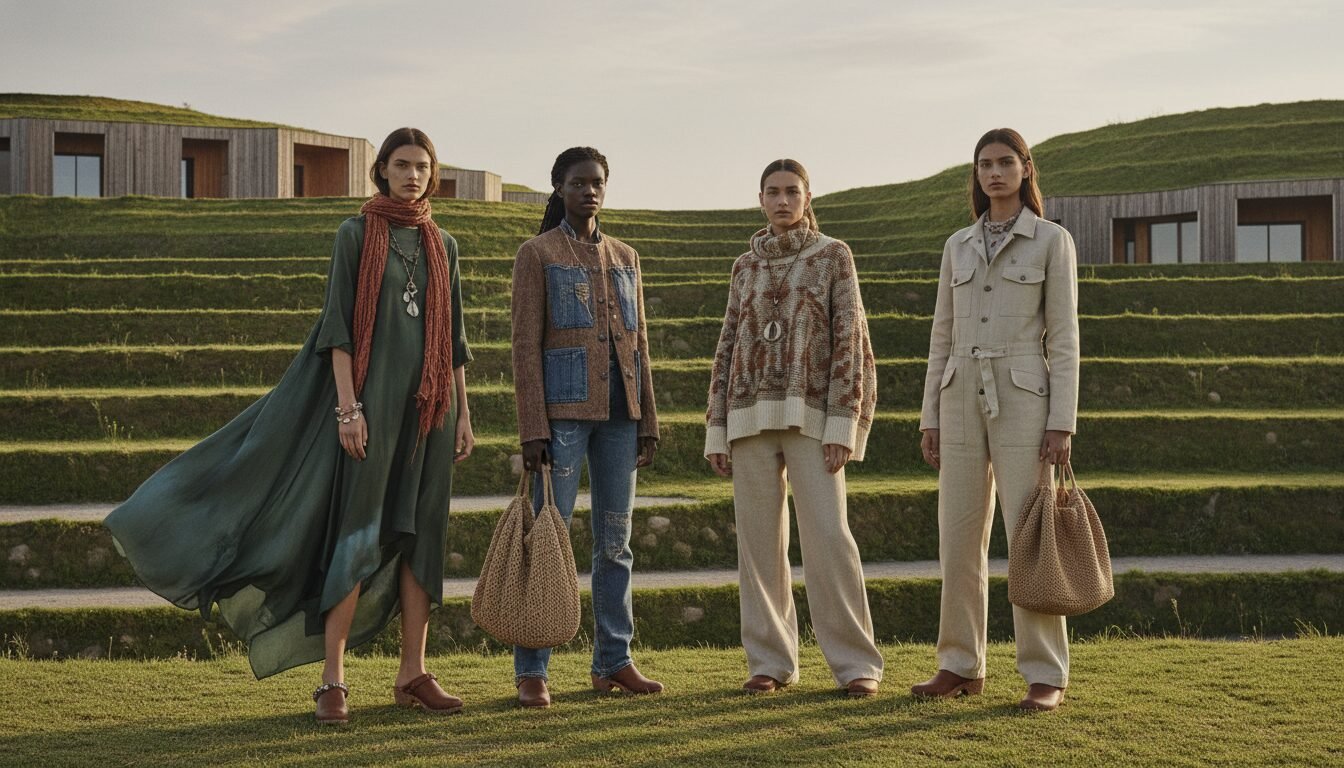
While the list of commendable labels grows each year, a handful stand out for their innovation, transparency, and style. These environmental fashion brands are not just reducing harm, they are reimagining how fashion can and should operate. Their approaches vary from high-tech fabrications to community-building resale programs.
Luxury Meets Sustainability: Stella McCartney and Gucci
Stella McCartney has been a lifelong advocate for ethical luxury, eschewing leather and fur since its founding. The brand uses recycled polyester, organic cotton, and bio-based faux leather across its collections. Gucci’s Equilibrium platform reports on its progress toward full circularity, and the house has invested heavily in regenerative agriculture for wool and cotton. Both prove that high fashion and high ethics can walk the runway together.
Outdoor Pioneers: Patagonia and Puma
Patagonia’s mission statement, “We’re in business to save our home planet,” is backed by concrete actions: 100% recycled down, a lifetime repair guarantee, and 1% for the Planet contributions. Puma, though less vocal, has made strides with its Forever Better code of conduct and a target to use 90% more sustainable materials by 2025. Both brands illustrate that performance wear and sustainability are not mutually exclusive.
Affordable Everyday Options: Reformation and Beyond
Reformation has built its identity on being “the it girl” sustainable brand, offering dresses, jeans, and swimwear with transparent impact data per garment. Its RefScale tracks carbon dioxide, water, and waste savings compared to industry averages. Other wallet-friendly environmental fashion brands are emerging, showing that you don’t need a luxury budget to shop responsibly. The directory includes 1,110 plus-size labels and 1,173 shoe brands, providing inclusive and diverse sustainable choices.
| Brand | Good On You Rating | Price Range | Key Eco Feature |
|---|---|---|---|
| Stella McCartney | Good | $$$$ | Pioneer in animal-free luxury materials |
| Patagonia | Good | $$$ | Lifetime repair & 1% for the Planet |
| Reformation | Good | $$ | RefScale impact transparency |
| Gucci | Good | $$$$ | Carbon-neutral operations & regenerative projects |
| Puma | Good | $$$ | 90% sustainable material target by 2025 |
Pros and Cons
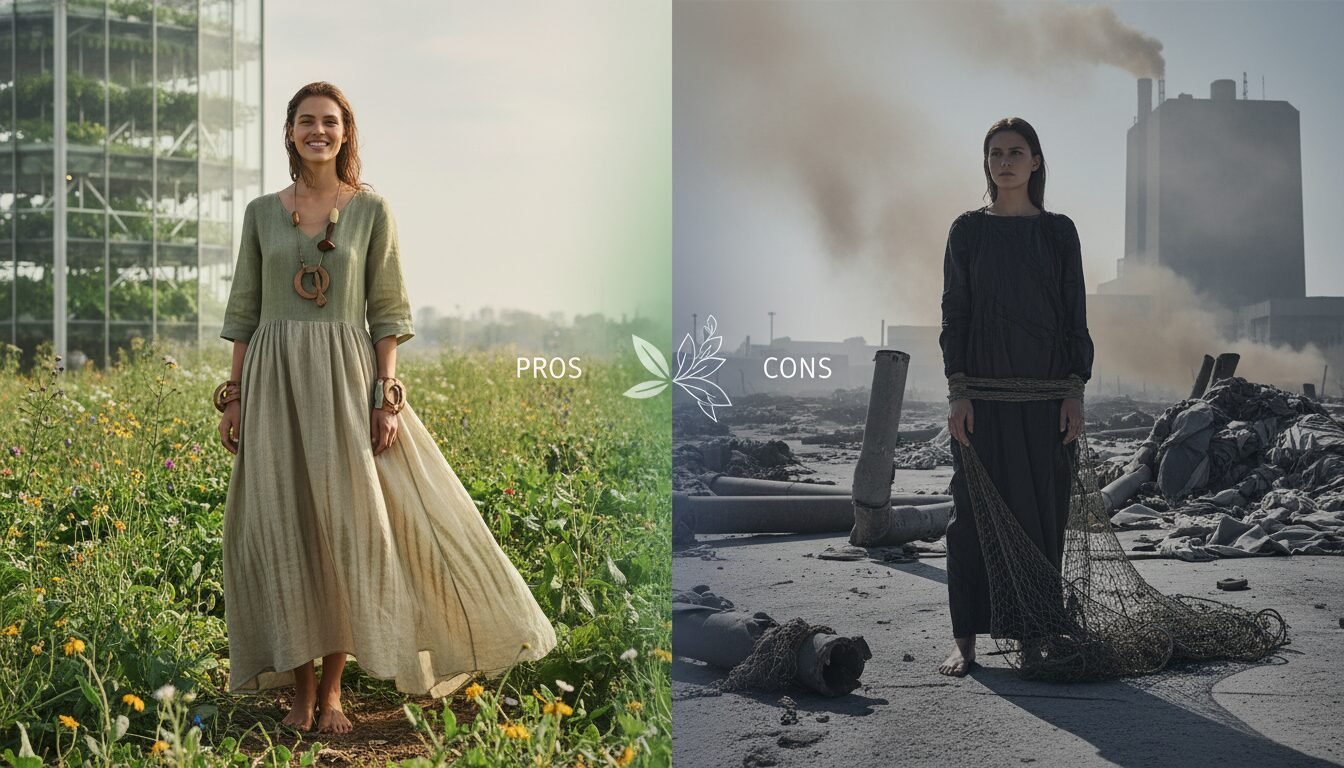
Pros
- Significantly lower environmental impact through sustainable materials and production methods
- Better working conditions and fair wages for garment workers
- Higher quality construction means pieces last longer, reducing replacement costs
- Transparent supply chains allow consumers to make informed purchasing decisions
- Innovation in eco-friendly materials drives industry-wide improvements
Cons
- Higher upfront costs compared to fast fashion alternatives
- Limited availability in some regions and size ranges
- Slower production cycles mean fewer trend-driven options
- Greenwashing makes it difficult to identify genuinely sustainable brands
- Some eco-friendly materials may have different care requirements
Materials Matter: What Fabrics to Look For
The foundation of any truly environmental fashion brand is its choice of raw materials. Switching from conventional cotton to organic or recycled alternatives can dramatically reduce water consumption, chemical runoff, and carbon emissions. Consumers should look for garments made from certified organic cotton, TENCEL™ Lyocell, hemp, and recycled polyester. Innovations such as deadstock fabric reuse and bio-based synthetics are also gaining traction among environmental fashion brands.
Certified Natural Fibers
Organic cotton, grown without synthetic pesticides, is a staple for many top-rated brands. GOTS (Global Organic Textile Standard) certification ensures that the entire supply chain, from field to finished product, meets strict environmental and social criteria. Similarly, linen and hemp require minimal water and no fertilizers, making them low-impact choices that regenerative farms are scaling up worldwide.
Recycled Synthetics and Next-Gen Materials
Recycled polyester (rPET) turns plastic bottles into durable fabrics, diverting waste from landfills and oceans. However, concerns about microplastic shedding mean that environmental fashion brands like Patagonia and Puma are investing in washing solutions and moving toward next-generation materials. Renewcell’s CIRCULOSE® fiber, made from 100% textile waste, and Mylo unleashed leather, grown from mycelium, are examples of the material science revolutionizing the industry.
The Rise of Deadstock and Upcycling
Deadstock fabric, leftover rolls from mills and fashion houses, is being rescued by smaller environmental fashion brands to create limited-edition pieces. This prevents new resource extraction and gives high-quality textiles a second life. Upcycling goes further, transforming post-consumer garments into new, desirable products. These practices cut down on waste and foster a creative, one-of-a-kind aesthetic that resonates with alternative fashion lovers.
“Good On You’s directory includes over 4,180 tops brands, indicating a massive industry shift toward sustainable fashion that meets consumer demand for everyday essentials.”
Nightlife and Partywear: The New Frontier of Sustainable Style
Club-ready looks and festival wear have traditionally been associated with fast, disposable fashion. But a wave of environmental fashion brands is changing that, crafting bold, expressive partywear from eco-friendly materials. Sequins made from recycled plastic, mesh pieces in regenerated nylon, and shimmer tops in peace silk let you shine on the dance floor without a guilt trip.
Bold, Eco-Friendly Party Pieces
Environmental fashion brands like Reformation offer stretchy, curve-hugging cocktail dresses made from deadstock fabrics. Stella McCartney delivers metallic midi skirts and sculptural tops that are statement-worthy. Smaller labels found in the Good On You accessories category (2,464 listed) supply chunky recycled acrylic jewelry and vegan handbags. For those who want to look fierce and feel righteous, the options are multiplying.
Rental and Secondhand Solutions for One-Night Looks
The rise of rental platforms like Hurr and By Rotation means you can sport a designer piece for a single event without ownership impact. Peer-to-peer marketplaces such as Depop and Vinted are treasure troves for pre-loved partywear, often at a fraction of the retail cost. This circular model extends a garment’s life and directly counters the throwaway culture of fast fashion.
How to Build a Sustainable Wardrobe Step by Step
Transitioning to a closet filled with environmental fashion brands doesn’t require an overnight overhaul. By following a deliberate process, you can curate a wardrobe that reflects your style and values without excess consumption. Here’s a practical roadmap:
- Step 1: Audit Your Current Wardrobe. Take inventory of what you already own. Identify pieces you love and wear often, and set aside items that no longer fit your style or needs.
- Step 2: Research Brands Before Buying. Use platforms like Good On You to check a brand’s rating and read their sustainability reports. Look for third-party certifications and transparent supply chain disclosures.
- Step 3: Prioritize Quality over Quantity. Invest in well-made garments that will last years, not weeks. Check stitching, material composition, and care instructions before purchasing.
- Step 4: Embrace Secondhand First. Before buying new, explore thrift stores, consignment shops, and online resale apps. You can often find like-new pieces from sustainable labels at a lower price.
- Step 5: Care for Your Clothes Consciously. Wash on cold, air dry when possible, and repair minor damages. Simple care habits can double the lifespan of a garment.
- Step 6: Dispose Responsibly. When an item is truly worn out, recycle it through brand take-back programs or textile recycling points. Avoid sending clothes to landfill.
Certifications and Transparency: What to Trust
In a market flooded with ambiguous claims, certifications provide a reliable shortcut to identifying genuine environmental fashion brands. These labels certify that a product meets specific environmental and social standards, verified through independent auditing. Shoppers should look for multiple certifications to get a fuller picture of a brand’s impact.
Key Certifications to Know
The Global Organic Textile Standard (GOTS) is the gold standard for organic fibers, covering both environmental and labor criteria. OEKO-TEX Standard 100 ensures that a finished product is free from harmful chemicals. Fair Trade Certified guarantees better prices and working conditions for producers. Additionally, B Corp certification evaluates a company’s entire social and environmental performance, providing a comprehensive badge of responsibility.
The Importance of Public Reporting
Beyond certifications, the most trustworthy environmental fashion brands publish annual sustainability reports, often aligned with frameworks like the Global Reporting Initiative (GRI) or the Fashion Transparency Index. These documents detail progress toward climate targets, water stewardship, and diversity metrics. A brand’s willingness to share this data, even when numbers fall short, is a powerful signal of genuine commitment.
“According to Good On You, a ‘Good’ rating means a brand is using eco-friendly materials, minimizing waste, and taking action to support fair workers’ rights, a trifecta that consumers can rely on.”
The Future of Environmental Fashion
The trajectory of environmental fashion brands points toward deeper investment in circular business models, including repair services, resale platforms, and rental subscriptions. Innovations in material science, like lab-grown cotton and biodegradable sequins, will soon become commercially widespread. Policy changes, such as the EU’s Digital Product Passport initiative, will mandate greater product-level transparency, leveling the playing field for responsible companies.
Legislation and Industry Accountability
Governments are stepping up with extended producer responsibility (EPR) laws that require fashion companies to fund the collection and recycling of their goods. France’s anti-waste law already bans the destruction of unsold textiles. Such regulations incentivize environmental fashion brands to design for durability and recyclability, pushing even reluctant players to adopt practices long championed by the sustainable sector.
Technology as an Enabler
From blockchain traceability (tracking a garment from fiber to finish) to AI-driven demand forecasting that eliminates overproduction, technology is giving environmental fashion brands the tools to scale their impact. Digital fashion, virtual garments for social media and gaming, also offers a zero-physical-waste avenue for creative expression, perfectly suited to a metaverse-ready generation.
Ready to transform your wardrobe without compromising your values? Discover your duality at prettynpoison.com
Frequently Asked Questions
What makes a fashion brand truly environmental?
A genuinely environmental fashion brand demonstrates measurable efforts across material sourcing, production methods, and supply chain ethics. It uses certified organic or recycled inputs, reduces water and chemical use, ensures fair labor, and provides transparent impact data.
Are environmental fashion brands more expensive?
Not necessarily. While luxury sustainable brands can be costly, many affordable options exist thanks to efficient production models and the use of recycled materials. Platforms like Good On You list brands across all price points, from $ to $$$$.
How can I verify a brand’s sustainability claims?
Look for third-party certifications (GOTS, OEKO-TEX, Fair Trade, B Corp) and check independent rating platforms like Good On You. Brands that are open about their supply chain, publish annual reports, and welcome scrutiny are more likely to be credible.
Can fast fashion brands become sustainable?
Some fast fashion companies have launched “conscious” collections, but these often represent a small fraction of their output. True sustainability requires a fundamental shift from the high-volume, low-cost model. Independent ratings can reveal whether these efforts are systemic or just marketing.
Is secondhand fashion better for the environment?
Yes. Buying secondhand extends the life of existing garments, reducing the demand for new production. It is one of the most effective ways to lower your fashion footprint, especially when combined with supporting environmental brands for new purchases.