Key Takeaways
- Fashion icons introduce lasting styles that permanently shape fashion culture, far beyond temporary trends.
- Icon status requires consistency, personal authenticity, and cultural resonance – not just fame.
- Historical fashion icons like Coco Chanel and Audrey Hepburn created wardrobe staples that remain fiercely relevant today.
- Modern fashion icons use social media and activism to drive inclusive, sustainable fashion forward.
- Emulating iconic style means curating quality pieces, understanding your body, and choosing originality over fast fashion every single time.
Fashion icons are influential individuals who introduce new styles that spread throughout fashion culture and become part of the permanent aesthetic lexicon. From Coco Chanel’s little black dress to Rihanna’s rule-breaking red carpet moments, these figures redefine how we dress, think, and express identity.
Pros and Cons of Emulating Fashion Icons
Pros
- Enduring Style Blueprints: icons offer timeless formulas for elegance that never fade.
- Wardrobe Curation: Studying icons helps build a cohesive, versatile closet centered on quality staples.
- Confidence Boost: Channeling iconic style can sharpen self-expression and project real authority.
- Sustainability Alignment: Many icons champion slow fashion, vintage sourcing, and second-hand investment.
Cons
- Risk of Uniformity: Blind copying may clash with your personal body type or lifestyle.
- Era-Bound Limitations: Some iconic looks feel dated without a modern reinterpretation.
- Financial Strain: Designer originals cost thousands; chasing them obsessively is unsustainable.
- Narrow Beauty Standards: Classic icons often represent exclusionary ideals that ignore diversity.
“Style is not fashion until it has reached the street,” said Coco Chanel, stressing that true influence filters from iconic pioneers into everyday wardrobes. That idea still drives every conversation about this type of icons today.
What Is a Fashion Icon?
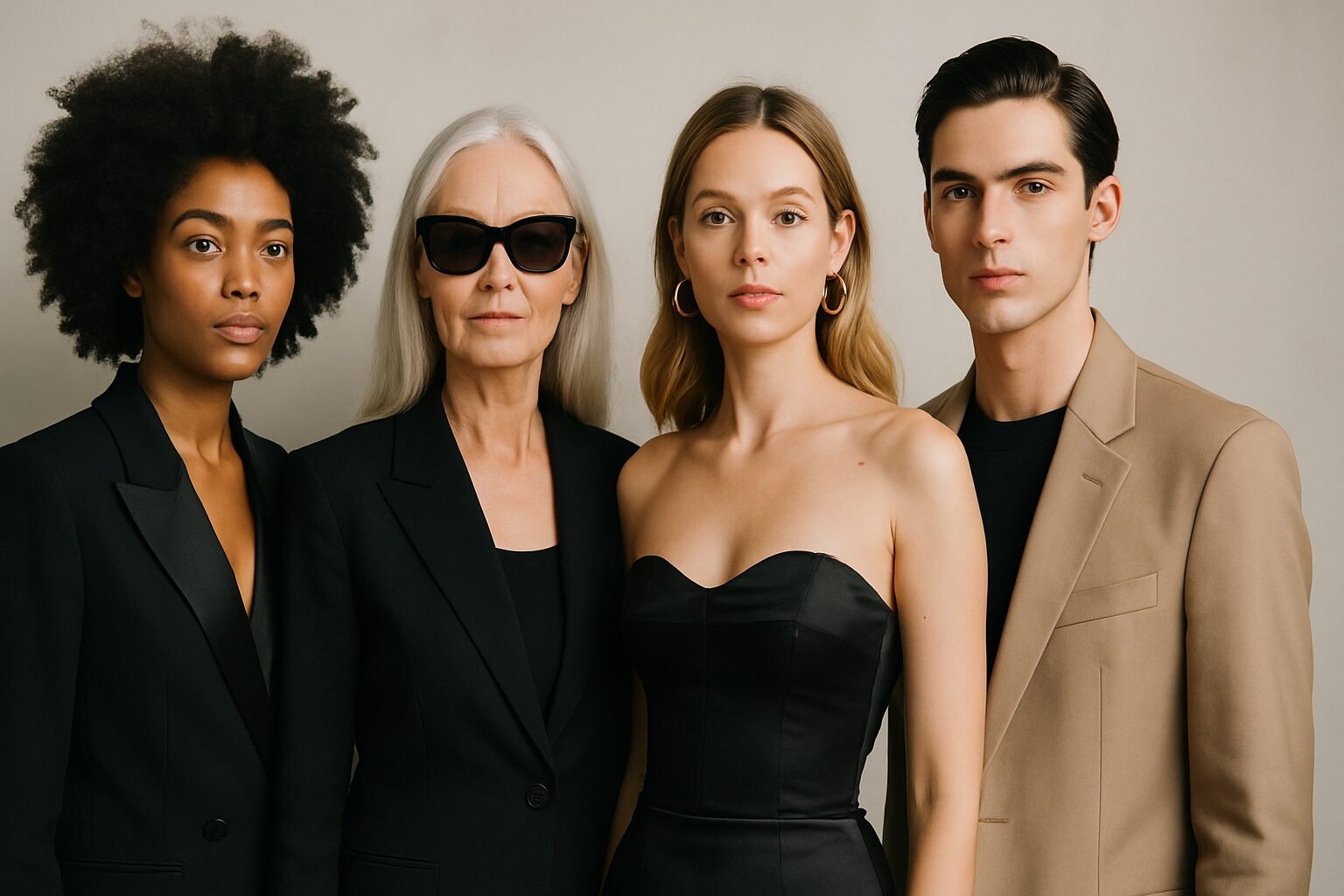
A fashion icon is an influential person who introduces new styles that spread throughout fashion culture and become a permanent part of how we dress. According to Wikipedia, this definition spans designers, muses, celebrities, and even political figures whose personal style alters the collective wardrobe. The word “icon” is earned, not assigned.
The Evolution of the Term
Before the mid-20th century, the phrase “fashion leader” described royals and aristocrats who set dress codes. Queen Marie Antoinette’s elaborate 18th-century gowns and Beau Brummell’s revolutionary tailoring for men are the earliest examples. Over time, the term opened up to include film stars, musicians, and street-style figures. TIME now catalogs 100 of the most influential this kind of icons since 1923, spanning at least a century of cultural shift.
Distinguishing Icons from Trendsetters
A true fashion icon does not merely ride a wave. They create one. While a trendsetter may popularize a single garment for one season, an icon permanently shifts the aesthetic conversation. Editorialist, in its May 2026 feature on the 19 most influential fashion of all time, notes that icons are “somewhat immune” to fads. Their style feels inevitable yet utterly personal. Diane Keaton’s adoption of menswear in the 1970s was not a temporary gimmick. It was a lifelong signature that redefined femininity.
The Hallmarks of Enduring Influence
Longevity, consistency, and cultural resonance distinguish a fashion icon from everyone else. They often carry a signature look, like Audrey Hepburn’s capri pants and ballet flats, or a single significant garment, like Mary Quant’s miniskirt, that spawns a movement. Designers, museums, and street photographers reference their choices for decades. That kind of staying power is not accidental.
The Historical Roots of Fashion Icons
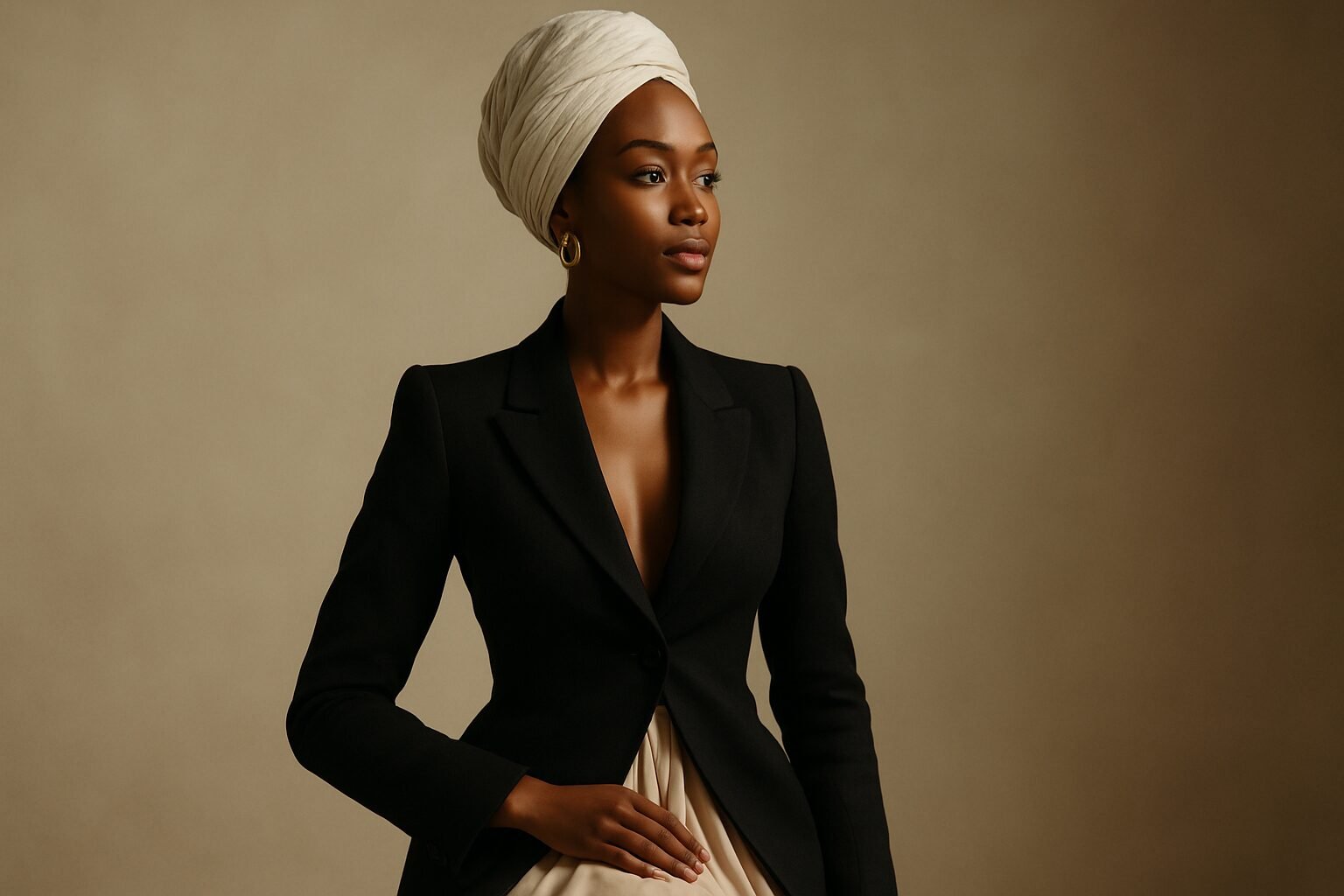
icons existed long before mass media, emerging from the courts and aristocratic circles of Europe and beyond. Their influence spread through painted portraits and letters, yet their sartorial commands were no less potent than today’s red-carpet moments.
Royal and Aristocratic Fashion Leaders
During the 18th century, Marie Antoinette dictated trends from Versailles with towering wigs and corseted silhouettes. Empress Josephine popularized the high-waisted Empire line in early 1800s France. These figures were the original influencers. Their dress choices signaled power and status to an entire continent. Later, in the Regency period, Beau Brummell revolutionized menswear with perfectly fitted, understated coats and trousers, laying the groundwork for the modern suit.
Nur Jahan: A Mughal Empire Style Pioneer
In the Mughal empire, Empress Nur Jahan (late 16th to early 17th century) set enduring trends in South Asian fashion. She is credited with creating the nurmahali dress and pioneering fine fabrics such as silver-threaded brocade. Her legacy reinforces a critical point: fashion icon status has never been exclusively a Western story.
Iconic Designers Who Shaped Fashion

Fashion icons often emerge from the atelier itself. Designers who translate a singular vision into a wearable revolution become icons in their own right, their names synonymous with entire aesthetic movements.
Coco Chanel and the Little Black Dress
In the 1920s, Gabrielle “Coco” Chanel liberated women from corsets with structured yet comfortable designs. Her introduction of the little black dress democratized elegance and created the ultimate wardrobe staple. Over a century later, the LBD remains a non-negotiable item in every fashion lexicon. That is the power of a singular iconic garment built to outlast every trend cycle.
Mary Quant and the Swinging Sixties
London-based designer Mary Quant is forever tied to the miniskirt, which became a symbol of youthful rebellion in the 1960s. She also pioneered hotpants, the slip dress, and PVC raincoats. Twiggy, her favorite model, embodied the androgynous, bold-eyed look of the mod era. Quant’s legacy proves that a fashion icon can rewrite the rules of gender and age in a single collection.
Modern Designers Carrying the Torch
Today, designers like Giorgio Armani, Vivienne Westwood, and Tom Ford are considered fashion icons in their own right, continuing the tradition of merging craft with cultural commentary. Their longevity on TIME‘s 100 icons list reflects a half-century of shaping global taste across at least 3 distinct fashion eras each.
Muses and Models: The Faces of Iconic Fashion
A garment needs a body to bring it to life. Models and muses become fashion icons when their look captures a cultural moment so completely that they inspire generations of imitators.
Twiggy and the Mod Movement
Lesley Lawson, known universally as Twiggy, was the face of 1960s London. With her waifish frame, cropped hair, and heavily lashed eyes, she embodied the youthquake that rejected 1950s hyper-femininity. Twiggy’s embrace of miniskirts, A-line shifts, and bold graphic prints made her a global fashion icon and opened the door for greater diversity in modeling. Her influence is still felt in every oversized lash and mod-cut shift dress produced today.
Kate Moss and the 90s Minimalism Revival
In the 1990s, Kate Moss’s unpolished, grunge-inflected style challenged the supermodel glamour that preceded her. Slip dresses, leather jackets, and an undone attitude became aspirational. She proved that imperfection could be a power move. Her influence persists in the ongoing revival of 90s minimalism that dominates runways and resale platforms alike as of 2026.
The Role of the Modern Muse
Beyond traditional models, women like Lee Radziwill show how social standing and personal taste can converge into icon status. Editorialist highlights Radziwill as a muse to both Giorgio Armani and Truman Capote, noting that her gala and everyday looks made headlines well into the 20th century. Tory Burch named a bag after her. That is legacy.
Fashion Icons of the Silver Screen
Cinema has always been a powerful vehicle for creating fashion icons. When a character’s wardrobe transcends the film itself, the actor becomes permanently linked to a style movement.
Audrey Hepburn’s Givenchy Partnership
Audrey Hepburn’s collaboration with Hubert de Givenchy produced some of the most referenced looks in fashion history. Her black embellished dress in Breakfast at Tiffany’s (1961) is perhaps the most celebrated LBD ever worn on screen. Off-screen, Hepburn’s casual uniform of slim trousers, trench coats, and ballet flats cemented her as a fashion icon of effortless chic. Current Boutique notes that her style remains one of the most emulated worldwide, decade after decade.
Marilyn Monroe’s Bombshell Glamour
Marilyn Monroe’s iconic white halter dress from The Seven Year Itch (1955) and her bias-cut pink gown in Gentlemen Prefer Blondes (1953) defined 1950s Hollywood glamour. Monroe made curves, red lips, and platinum hair a glamorous ideal. Her influence on modern mega-influencers and red-carpet dressing is impossible to overstate.
The Impact of Costume Design on Iconic Status
Film costumes do not just dress a character. They forge fashion icons. Diane Keaton’s menswear in Annie Hall (1977) was pulled directly from her personal closet, blurring on- and off-screen style in a way that turned her into a rule-breaking reference for androgynous dressing. According to fashion editors, that film’s aesthetic still walks runways nearly 50 years later. Keaton later wore a Richard Tyler suit to the Oscars, further cementing her status as one of Hollywood’s most disciplined style icons.
Political and Power Dressing Icons
Fashion icons often emerge from arenas where clothing must signify authority. Politics and royalty have produced some of the most disciplined dressers in history, their every hemline analyzed and copied.
Jacqueline Kennedy’s Pillbox Era
As First Lady in the 1960s, Jacqueline Kennedy Onassis’s structured suits, pillbox hats, and pastel shades became a global blueprint of polished femininity. Her iconic pink Chanel suit, worn the day of President Kennedy’s assassination, is one of the most emotionally charged garments in American history. It exemplifies how a fashion icon’s outfit can become a cultural touchstone that outlives any trend cycle.
Princess Diana’s Revenge Dress and Beyond
Diana, Princess of Wales, evolved from a shy royal bride into a 1990s style powerhouse. Her “revenge dress,” a form-fitting black off-the-shoulder Christina Stambolian number, signaled independence and modernity after her marriage’s collapse. The Travolta dress, an ink-blue velvet gown worn during a dance with John Travolta, further secured her eternal status as a fashion icon. Both pieces now command auction prices in the tens of thousands of dollars.
Modern Royals and Political Icons
In the 21st century, Michelle Obama used fashion as a tool for diplomacy, championing young American designers and mixing high-low pieces with ease. Catherine, Princess of Wales, and Meghan, Duchess of Sussex, have each generated their own distinct style followings, with the “Kate effect” and “Meghan effect” driving sell-outs within hours of a public appearance. Their approach demonstrates that a modern fashion icon can drive both style and social messaging simultaneously.
The Modern Fashion Icon in the Digital Age
The definition of a fashion icon has expanded dramatically with the internet. As of 2026, virality, authenticity, and activism weigh as heavily as an impeccable tailor.
How Instagram and TikTok Shape Icon Status
Platforms allow aspiring fashion icons to build a following directly, bypassing traditional gatekeepers like editors and photographers. Micro-trends and “core” aesthetics are born and die in weeks, but the most resilient online figures bridge digital fame with lasting influence. Style curator Rachel Zoe’s Pinterest board of style icons contains nearly 500 pins, a testament to how digital curation has become its own form of icon-making.
From Kim Kardashian to Harry Styles: New Definitions
Love her or criticize her, Kim Kardashian’s shapewear brand Skims and her introduction of the biker-short trend cemented her as a business-minded fashion icon of the 2010s. Meanwhile, Harry Styles’s embrace of fluid, gender-defying clothing on Vogue covers has opened a conversation about masculinity and fashion, echoing icons like David Bowie before him. Zendaya’s bold archival choices and Timothee Chalamet’s avant-garde menswear round out a new generation rewriting the rules in real time.
The Rise of the Activist Icon: Sustainability and Diversity
Increasingly, fashion icons use their platforms to demand ethical production and real representation. British model and activist Adwoa Aboah bridges digital fame with lasting cultural influence, proving that the next generation of icons will be defined by what they stand for, not just what they wear.
How to Cultivate Your Own Iconic Style
You do not need a billionaire’s budget to channel the energy of a fashion icon. Follow this step-by-step process to build a look rooted in icon principles.
Step 1: Discover Your Personal Aesthetic
Analyze what silhouettes, colors, and eras consistently pull you in. Build a mood board of your favorite fashion icons and pinpoint recurring themes. Are you drawn to androgyny like Diane Keaton, or Old Hollywood curves like Marilyn Monroe? That self-knowledge is your foundation.
Step 2: Build a Capsule Wardrobe of Quality Staples
Focus on pieces that have already proven their longevity in the wardrobes of icons: a well-cut blazer, a LBD, high-quality denim, and leather loafers or classic pumps. Prioritize natural fibers and durable construction over disposable trends. Most iconic looks rely on fewer than 10 core pieces worn in endlessly inventive combinations.
Step 3: Incorporate Second-hand and Vintage Pieces
Sustainable sourcing is the ultimate power move. Scour consignment stores, online resale platforms, and vintage boutiques for authentic garments from the eras of your chosen fashion icons. You reduce environmental impact and often find superior craftsmanship at a fraction of the original retail price.
Step 4: Add a Signature Twist
Every icon has a recognizable “thing.” It could be a bold accessory (a fedora, a cuff), a makeup look (cat-eye), or a silhouette (waist-tailored everything). Develop your own signature and wear it with conviction. Consistency is what separates a style icon from someone who just got dressed.
Step 5: Own It with Confidence
The final ingredient is attitude. Fashion icons wear their clothes. The clothes never wear them. Posture, eye contact, and unapologetic self-possession transform any outfit into a statement. That energy is free, and it is the most powerful styling tool you own.
“Fashion is not something that exists in dresses only. Fashion is in the sky, in the street; fashion has to do with ideas, the way we live, what is happening.” – Coco Chanel. According to fashion editors at Vogue and ELLE, this philosophy is precisely what separates a true fashion icon from a well-dressed celebrity.
The Future of Fashion Icons: Sustainability and Subculture
The blueprint for becoming a fashion icon is shifting fast. Fast fashion’s environmental toll and the rise of hyper-niche subcultures are reshaping what, and who, we celebrate.
The Shift from Fast Fashion to Slow Icons
According to Forbes, the most referenced fashion icons are those who championed quality over quantity. Vintage Chanel handbags and pristine 90s Calvin Klein slips hold their value precisely because they were built to last. The next generation of icons will likely be defined by their commitment to slower, circular fashion economies: renting, rewearing, and reworking garments instead of discarding them after a single season.
Subcultural Icons: From Punk to Dark Academia
Alternative subcultures have always produced their own fashion icons. Punk had Vivienne Westwood. Goth had Siouxsie Sioux. More recently, the dark academia movement has celebrated tweed, turtlenecks, and a studied intellectual aesthetic. These micro-communities prove that icon status does not require mainstream approval. It thrives on authenticity and a clear aesthetic code.
The Role of Technology: AI and Virtual Influencers
Digital beings like Lil Miquela blur the line between human and manufactured fashion icons. While they may lack personal stories, their ability to wear any garment anywhere without the environmental cost of physical samples challenges the industry to rethink what an icon can be. AI-generated styling tools are also democratizing access to icon-level curation, allowing anyone to experiment with iconic looks in a virtual space before spending a dollar.
Discover your duality at prettynpoison.com. The night is waiting.
Frequently Asked Questions
Who are some current fashion icons?
Modern fashion icons include Rihanna (Fenty empire, fearless red carpet style), Harry Styles (gender-fluid tailoring), Zendaya (bold archival choices), and Timothee Chalamet (avant-garde menswear). Each commands massive influence across social media and traditional media, setting trends that retailers and fast-fashion brands copy within weeks.
What makes someone a fashion icon?
A fashion icon consistently demonstrates a personal style so distinct that it drives widespread adoption, stays relevant across years, and gets cited by designers and historians alike. They do not depend on a single trend. They create a visual language that others speak for decades.
How do fashion icons influence trends?
They influence trends through media visibility, endorsement by major design houses, and trickle-down replication by mass-market retailers. A single photograph of a fashion icon wearing a new silhouette can spawn thousands of imitations within months, as seen with Princess Diana’s everyday sportswear or Kate Moss’s festival boots.
Can anyone become a fashion icon?
Yes, but it requires a disciplined understanding of your personal aesthetic, real consistency, and some degree of public visibility. Democratized platforms like Instagram have lowered the barrier, but true icon status still demands cultural impact: the ability to shift how a generation thinks about clothing.
Are fashion icons always linked to luxury brands?
No. Many fashion icons mix high and low, and some were outright anti-luxury pioneers. Twiggy wore accessible mod pieces. 90s icons popularized thrift-store flannel. Luxury brands often align themselves with icons, but the icon status originates in the styling, not the price tag.
How can I dress like a fashion icon sustainably?
Focus on second-hand and vintage shopping, rent outfits for special events, and invest in high-quality basics that mirror the iconic silhouettes you admire. Prioritize natural materials and support brands that practice transparent, ethical manufacturing. This approach honors the timelessness that defines a true fashion icon.