Luxury fashion brands are high-end labels defined by exceptional craftsmanship, exclusivity, and rich heritage. Louis Vuitton leads all valuations at $40.7 billion, setting the standard every other house chases.
Key Takeaways
- Luxury fashion brands are defined by exclusivity, superior materials, and timeless design – not just a high price tag.
- Louis Vuitton ($40.7B), Chanel ($34.2B), and Hermès ($30.4B) top the 2025 FashionUnited brand value index.
- The FashionUnited index ranks 101 fashion labels, from Louis Vuitton down to Ted Baker at $100 million.
- Authenticating a luxury purchase means scrutinizing stitching, hardware, serial numbers, and sourcing from authorized retailers.
- Sustainability is reshaping the sector, with houses like Stella McCartney and Gucci leading the charge on ethical production.
- Independent niche labels are diversifying the landscape, winning over consumers who want individuality over logo status.
What Are Luxury Fashion Brands?
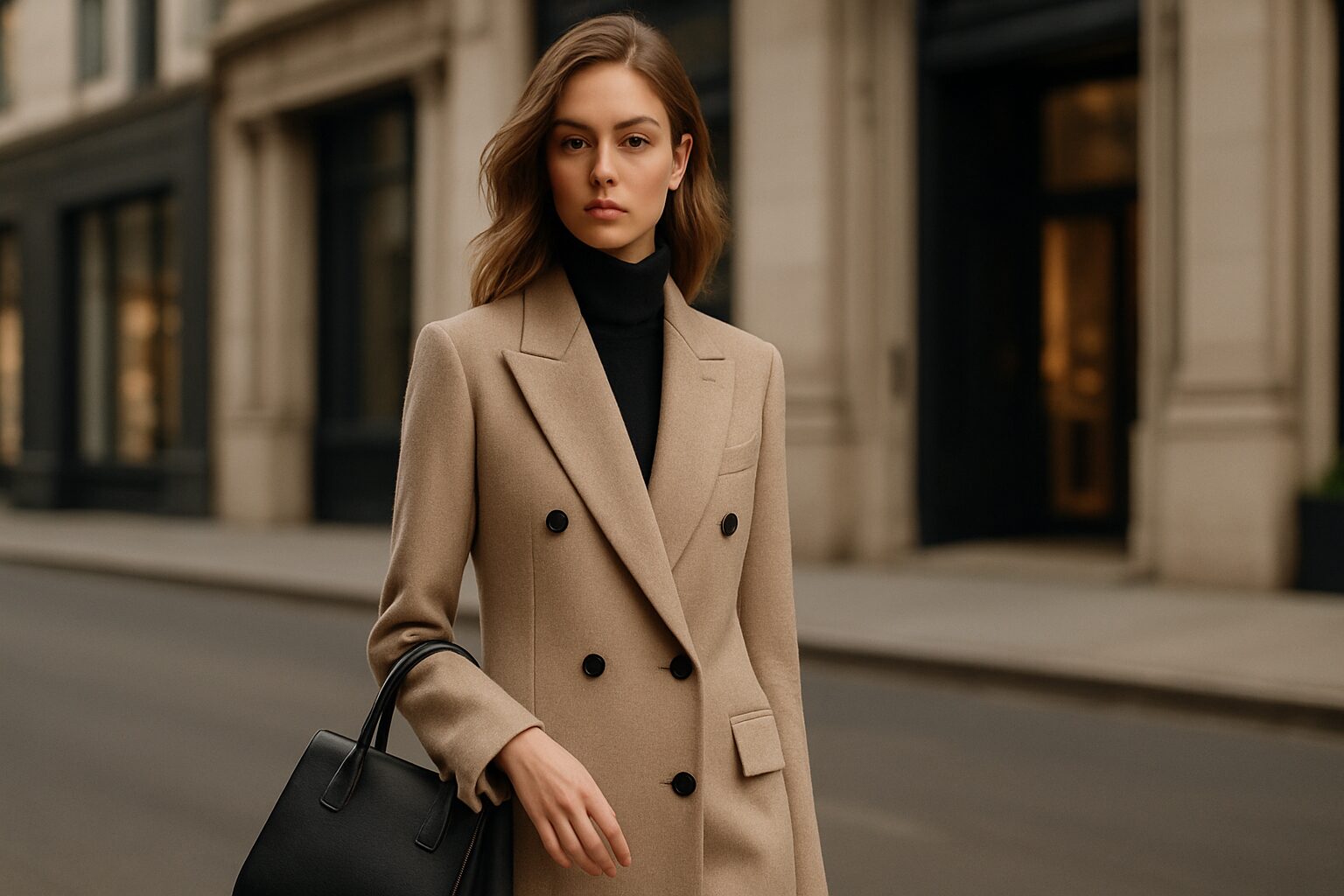
Luxury fashion brands are labels that occupy the absolute top tier of the fashion hierarchy, distinguished by heritage, superior materials, and meticulous artisanal production. According to Wikipedia, high fashion labels are those that show at one of the world’s four major fashion weeks: Paris, Milan, London, and New York. True luxury goes further still, adding a storied history, dream-level pricing, and a cultural weight that no fast-fashion label can manufacture.
Defining Characteristics of Luxury
Several attributes separate these houses from everything else on the market. Exclusivity is non-negotiable: limited production runs and deliberately high price points keep the pieces aspirational. Craftsmanship is the other pillar – many ateliers still employ traditional techniques passed down through generations, with every stitch placed by hand. Materials are sourced at the highest grade, from ethically harvested exotic leathers to rare cashmere. And then there is storytelling: the logo, the monogram, the signature silhouette that instantly signals a legacy of elegance without a single word.
Luxury vs. Premium: The Fine Line
Not every expensive label qualifies. Premium brands offer elevated quality but lack the exclusivity and cultural cachet that define true luxury. The difference is intangible – call it the “dream factor.” It is the gap between a well-constructed handbag and an Hermès Birkin that appreciates in value year after year. One is a product. The other is a statement.
Regional Capitals of Luxury
Paris remains the undisputed heart of the industry, home to couture giants like Chanel and Dior. Milan is synonymous with artisanal leather goods and precision tailoring from Prada and Armani. London’s Savile Row tradition and New York’s modern minimalism each add their own chapter to the global story. As of 2026, emerging hubs like Seoul and Copenhagen are producing influential labels that are rewriting what luxury can look like.
The History and Heritage of These Houses
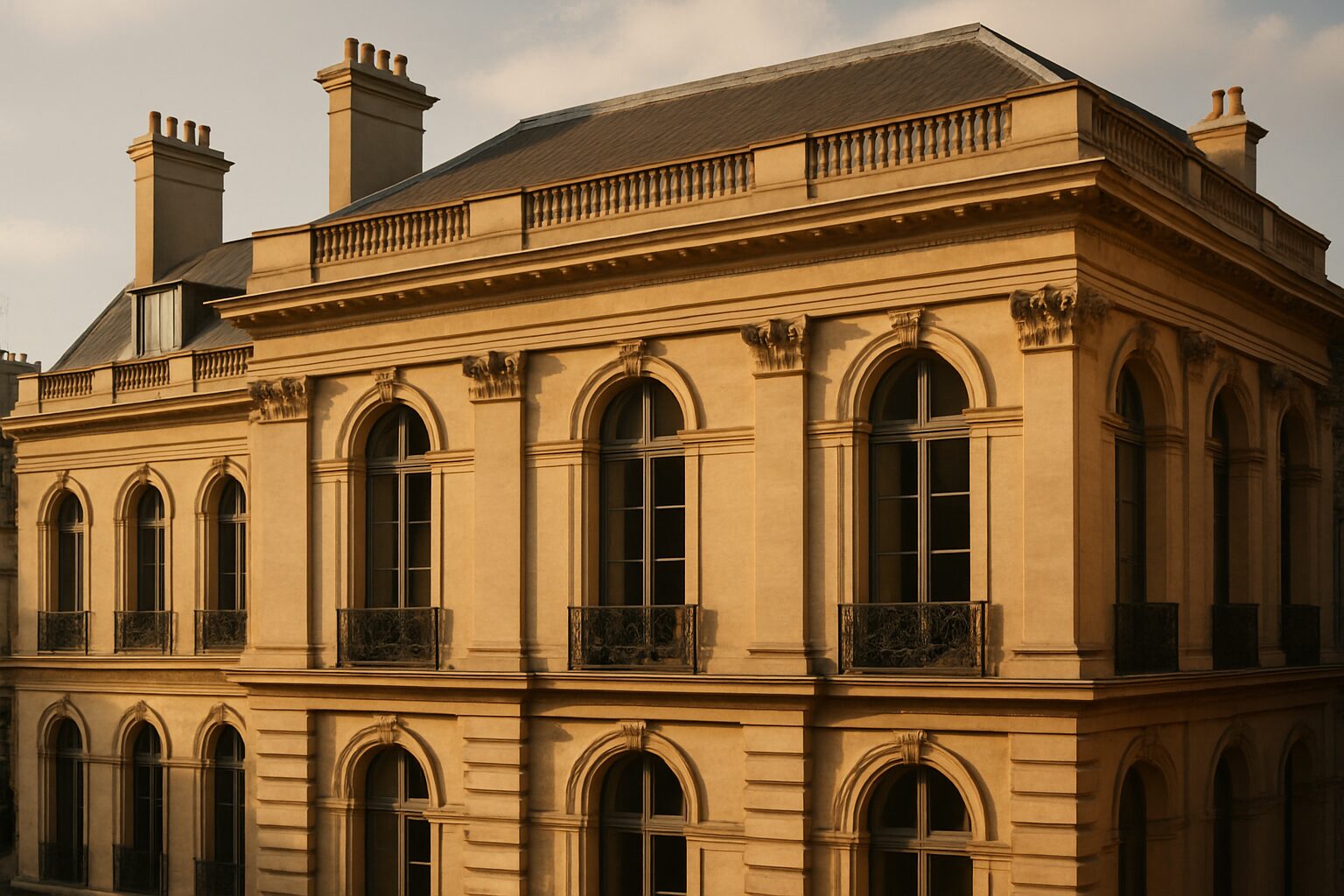
The lineage of the great fashion houses traces back to the 19th and early 20th centuries, when Parisian couture ateliers set the standard for bespoke elegance. These brands began as small workshops catering to aristocracy and royalty, then evolved into global powerhouses worth tens of billions. The concept of luxury fashion as a cultural institution – not just a commercial one – was born in those early Parisian salons.
Pioneers of Opulence
Gabrielle “Coco” Chanel revolutionized women’s fashion by introducing relaxed silhouettes and the iconic little black dress. Christian Dior’s “New Look” in 1947 redefined femininity with voluminous skirts and nipped waists. Louis Vuitton began as a trunk maker in 1854, and its monogram canvas became one of the most recognized symbols in fashion history. Gucci, founded in Florence in 1921, built its reputation on leather goods and the distinctive double-G logo. These founders established the blend of artistry and commerce that still drives the industry today.
Heritage as a Marketing Tool
Many of these houses actively mine their archives to reinforce exclusivity. Limited-edition reissues, museum exhibitions, and founder retrospectives keep the legacy alive and commercially potent. Gucci and Burberry have both successfully revived archival codes to stay culturally relevant while honoring their roots. A 2025 exhibit at the Victoria and Albert Museum dedicated to haute couture drew record crowds, confirming the public’s enduring fascination with fashion history.
Most Valuable Luxury Fashion Brands
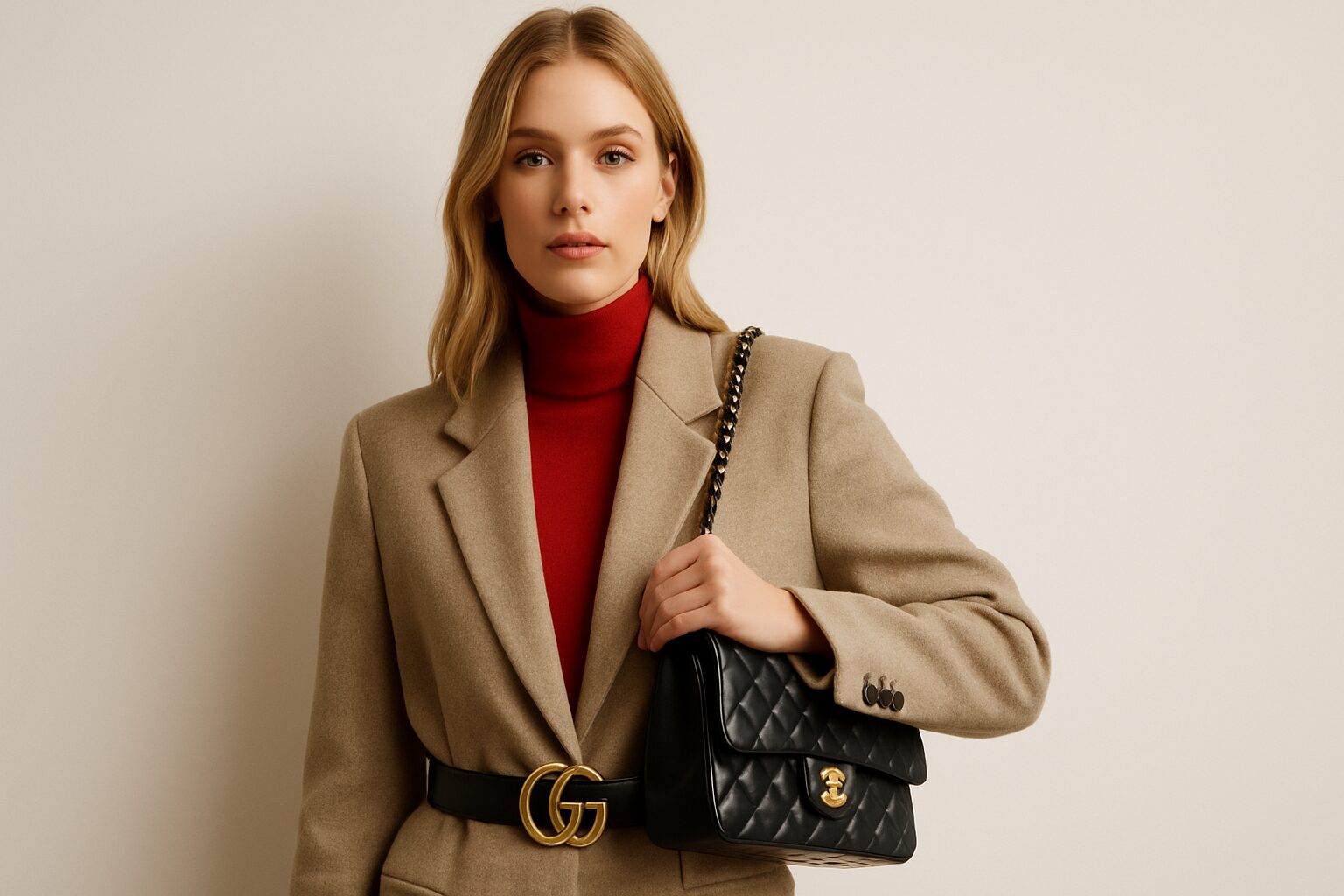
Brand valuations offer the clearest measure of influence and market power in this sector. According to FashionUnited‘s 2025 Most Valuable Fashion Brands index, the top players command staggering brand equities that dwarf most industries. The ranking confirms the dominance of heritage houses while revealing how sportswear giants have muscled into the luxury conversation.
“Louis Vuitton tops the 2025 FashionUnited Most Valuable Fashion Brands list with a brand value of $40.7 billion, underscoring the enduring dominance of heritage luxury fashion brands.”
Top 10 by Brand Value
| Rank | Brand | 2025 Brand Value (USD) |
|---|---|---|
| 1 | Louis Vuitton | $40.7 billion |
| 2 | Chanel | $34.2 billion |
| 3 | Nike | $31.6 billion |
| 4 | Hermès | $30.4 billion |
| 5 | Zara | $18.7 billion |
| 6 | Adidas | $17.9 billion |
| 7 | Rolex | $14.5 billion |
| 8 | Uniqlo | $13.9 billion |
| 9 | Cartier | $13.5 billion |
| 10 | Dior | $13.3 billion |
The full FashionUnited index ranks 101 fashion labels, from Louis Vuitton’s $40.7 billion peak down to Ted Baker’s $100 million floor, with cumulative value exceeding $300 billion across the full list. The inclusion of Nike, Zara, and Adidas in the top 10 tells a story: the boundaries between luxury, sportswear, and accessible fashion are blurring fast. Traditional heritage houses still dominate the top four spots, but the competition is intensifying.
Factors Driving Brand Value
What keeps these valuations so high? Consistent global demand, strategic scarcity, and premium pricing discipline all play a role. Waitlists for Hermès Birkins are not accidental – they are engineered desire. Licensing deals, high-margin beauty lines, and accessories categories further diversify revenue. Despite economic headwinds, the top houses reported steady growth through 2025, proving that true luxury is largely recession-resistant.
Pros and Cons of Investing in Luxury Fashion
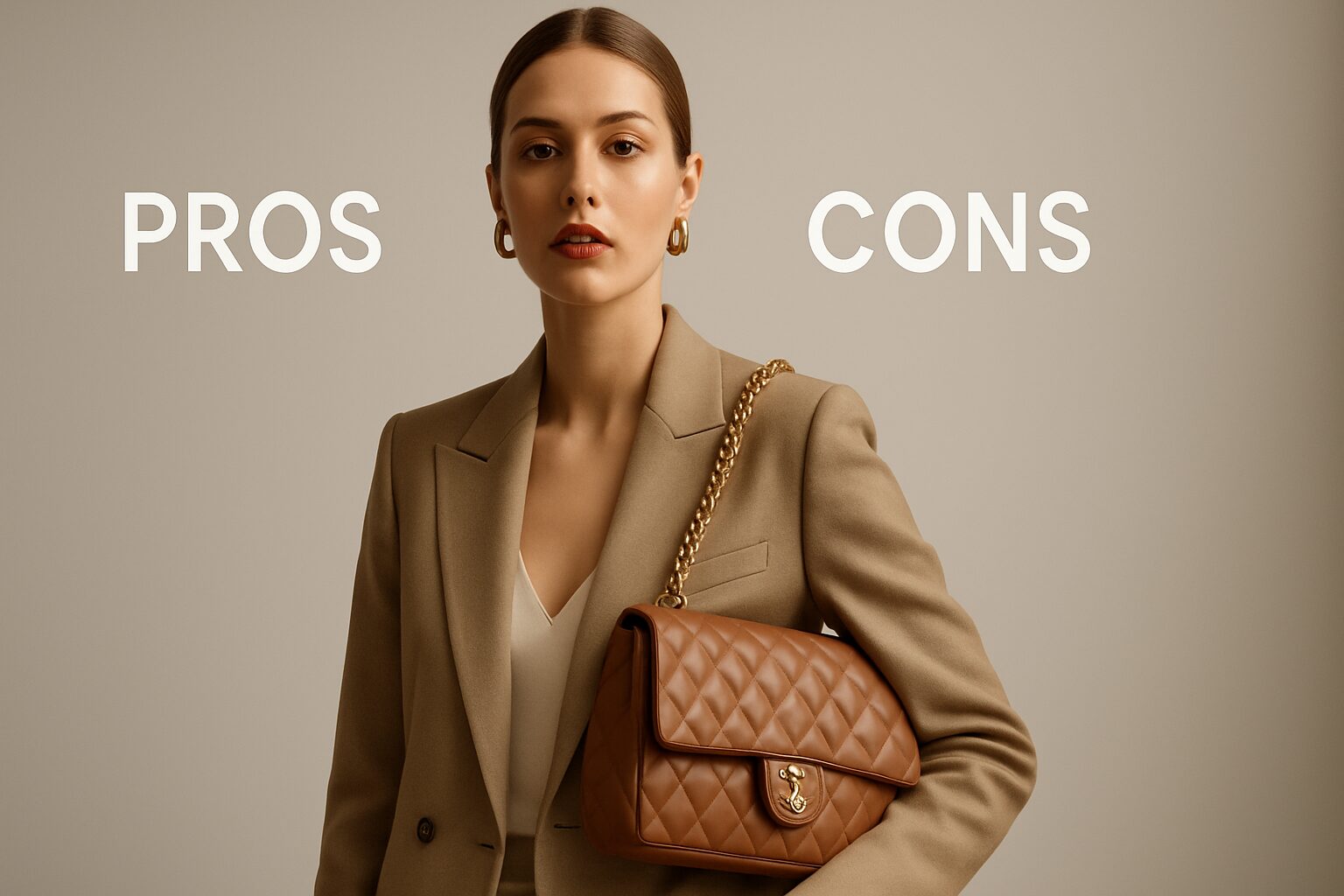
Pros
- Investment value: Pieces like the Hermès Birkin and Chanel Classic Flap have historically appreciated in value, outperforming many traditional asset classes over 10-year periods.
- Superior longevity: Craftsmanship at this level means a single piece can last decades, making the cost-per-wear calculation far more favorable than it first appears.
- Cultural cachet: Wearing a heritage house signals taste, knowledge, and access – a social currency that mass-market labels simply cannot replicate.
- Resale market depth: Platforms like The RealReal and Vestiaire Collective have created liquid secondary markets, meaning you can recoup significant value if your tastes change.
- Sustainability alignment: Buying fewer, better pieces is inherently more sustainable than cycling through fast fashion every season.
Cons
- Entry price: Even entry-level pieces from top houses start in the hundreds of dollars, with iconic bags running $5,000 to $10,000 or more.
- Counterfeit risk: The more desirable the label, the more sophisticated the fakes. Authentication requires real expertise or trusted platforms.
- Trend sensitivity: Not every luxury purchase holds value. Seasonal or trend-driven pieces depreciate just like any other fashion item.
- Exclusivity gatekeeping: Some houses deliberately restrict access, requiring purchase history or relationships with sales associates before you can buy the most coveted pieces.
How to Identify Authentic Luxury Fashion Brands
Counterfeit goods flood the market at every price point, so knowing how to authenticate a genuine luxury purchase is non-negotiable. Follow these steps before handing over your money.
Step 1: Examine the Craftsmanship
Authentic pieces feature flawless stitching, even seam allowances, and zero loose threads. Materials should feel substantial and premium. Genuine leather smells natural, not chemical. If something feels off, trust that instinct.
Step 2: Check Logos and Hardware
On genuine pieces, logos are perfectly aligned, never smudged or uneven. Metal hardware is heavy and engraved, not hollow or printed. Lightweight hardware is one of the fastest tells on a fake.
Step 3: Verify Serial Numbers and Date Codes
Most houses include serial numbers, authenticity cards, or hologram stickers. Cross-reference these with the brand’s official database where possible. Chanel handbags, for example, carry a serial number sticker that matches a corresponding authenticity card – both must be present and consistent.
Step 4: Source from Authorized Retailers
Purchase only from brand boutiques, department stores like Neiman Marcus or Nordstrom, or trusted online platforms such as 24S and Farfetch. These retailers guarantee authenticity and provide recourse if something is wrong.
Sustainability in Luxury Fashion
A profound shift is underway as the industry’s biggest names embrace sustainability, driven by consumer pressure and genuine ethical reckoning. Unlike fast fashion, luxury’s inherent focus on quality and longevity already aligns with sustainable values. A garment built to last 20 years is, by definition, less wasteful than one designed to survive two seasons.
Eco-Friendly Materials and Practices
Many houses now source organic cotton, recycled polyester, and ethically harvested leather. Stella McCartney has been a pioneer since her label’s founding, avoiding leather and fur entirely. Gucci’s “Off the Grid” collection uses recycled nylon, and Burberry has committed to carbon neutrality by 2040. These moves prove that bold style and responsible production are not mutually exclusive.
Transparency and Traceability
Consumers increasingly expect the brands they invest in to reveal their supply chains. Blockchain technology is being tested across the industry to provide immutable records of a product’s journey from raw material to finished piece. This level of transparency was once unimaginable in a sector built on mystique – now it is becoming a competitive advantage.
The Pre-Loved Market
The pre-owned luxury market is booming, fueled by platforms like The RealReal and Vestiaire Collective. This circular economy extends the life of investment pieces and makes the category accessible to a wider audience. Vintage finds from decades past often demonstrate superior durability compared to modern counterparts, making them both a style and a sustainability win.
The Rise of Independent and Niche Labels
While legacy houses dominate headlines, a new wave of independent labels is capturing the attention of fashion insiders and serious collectors. Labels like Ann Demeulemeester, Alanui, and Thom Browne offer distinct aesthetics that challenge the traditional luxury mold. These niche players often emphasize artisanal production and a strong creative point of view, appealing to consumers who want individuality over logo recognition.
Breaking the Conventional Mold
Designers like Jacquemus have built cult followings by rejecting flashy logos in favor of intellectual, concept-driven design. Their success proves that in this industry, creativity can still triumph over sheer scale. You do not need a 170-year history to command desire – you need a vision sharp enough to cut through the noise.
Digital-First Strategies
Many emerging labels build their communities through social media and direct-to-consumer models. Without the overhead of global retail networks, they can maintain exclusivity through limited drops while keeping pricing more accessible than the heritage giants. This approach is forcing established houses to rethink their own digital strategies – fast.
The Digital Evolution of Luxury Fashion
Technology is reshaping how the industry’s top names connect with consumers. From immersive online experiences to blockchain authentication, digital tools are no longer optional for any house that wants to stay relevant in a hyperconnected world.
E-Commerce and Personalization
Online sales have surged across the sector, with platforms like 24S (part of LVMH) offering curated selections and same-day delivery in select cities. Personalization algorithms now help customers discover pieces aligned with their taste, replicating the intimacy of an in-store experience at scale.
Virtual Reality and Try-Ons
Some houses are experimenting with augmented reality to let customers virtually try on watches, sunglasses, and shoes before buying. Gucci’s app includes an AR shoe try-on feature that has reduced return rates and deepened customer engagement. Expect this technology to become standard across the sector within the next 2-3 years.
NFTs and Digital Collectibles
A handful of forward-thinking labels have ventured into non-fungible tokens, offering digital versions of iconic pieces. While still early-stage, this trend signals a future where digital ownership carries genuine cultural and financial value alongside physical garments.
How to Shop for Luxury Fashion Smartly
Investing in these labels requires strategy to maximize both enjoyment and long-term value. Whether you are a seasoned collector or buying your first serious piece, these principles apply.
Prioritize Timeless Pieces
Opt for classics: a trench coat, a little black dress, a quality leather bag in a neutral colorway. These pieces from heritage houses retain value and remain stylish across seasons and decades. Trend-driven luxury purchases depreciate. Timeless ones appreciate.
Explore Pre-Owned and Vintage
Platforms like The RealReal and Vestiaire Collective authenticate pre-owned pieces and offer significant savings over retail. Vintage finds often carry superior craftsmanship and unique details no longer in production – and they come with a story built in.
Wait for Sales and Outlets
Full-price boutiques preserve the aura of exclusivity, but seasonal sales do exist. Outlet villages like La Vallée Village near Paris offer year-round discounts on past-season collections from over 120 designer fashion brands. Signing up for brand newsletters can unlock private sale access and early notification windows before the general public.
“The most sophisticated luxury consumers are not necessarily the ones spending the most – they are the ones spending the most strategically. Knowing when to buy full price, when to wait, and when to go vintage is the real flex.” – Fashion industry insight, as reported by Vogue Business
Men’s vs. Women’s Luxury Fashion: Key Differences
The luxury market serves both men and women, but the two segments operate with distinct dynamics. Women’s luxury fashion commands the larger share of revenue, driven by ready-to-wear, handbags, and shoes. Men’s luxury has grown significantly in recent years, with tailoring, sneakers, and accessories leading the charge. Houses like Brioni and Kiton have built entire identities around men’s suiting at the highest level, while labels like Loewe and Bottega Veneta now compete fiercely for male consumers across both ready-to-wear and leather goods. As of 2026, menswear is one of the fastest-growing segments within the broader luxury category, according to trend reporting from Business of Fashion.
Conclusion
These labels represent far more than expensive clothing. They embody art, history, and identity – a way of moving through the world that signals exactly who you are and what you value. From the heritage houses of Paris to emerging niche labels rewriting the rules, the landscape is rich and constantly shifting. Understanding brand value, authenticating purchases, and embracing sustainability are now integral to engaging with this world seriously. As the industry moves toward greater transparency and digital innovation, the most iconic names will continue to captivate and inspire. True luxury, as always, is timeless.
Discover your duality at prettynpoison.com – where bold style meets the kind of quality that lasts.
Frequently Asked Questions
What makes a brand a luxury fashion brand?
A luxury fashion brand is defined by superior craftsmanship, exclusivity, heritage, and high-quality materials. It typically shows at one of the four major fashion weeks and commands premium pricing that reflects genuine artisanal value, not just marketing spend.
Which are the most valuable luxury fashion brands?
As of 2025, Louis Vuitton ($40.7B), Chanel ($34.2B), and Hermès ($30.4B) top the FashionUnited Most Valuable Fashion Brands index. The full list ranks 101 labels with a cumulative value exceeding $300 billion.
How can I tell if a luxury item is authentic?
Examine stitching quality, hardware weight, logo alignment, and serial numbers carefully. Purchase only from authorized retailers or trusted resale platforms like The RealReal or Vestiaire Collective, which provide authentication guarantees.
Are luxury fashion brands becoming more sustainable?
Yes. Houses like Stella McCartney, Gucci, and Burberry are leading on eco-friendly materials and supply chain transparency. The pre-owned luxury market, driven by platforms like The RealReal, is also expanding rapidly and promoting circular fashion at scale.
Why are some luxury fashion brands so expensive?
High prices reflect meticulous handcraftsmanship, rare materials, decades of brand-building, and deliberately limited production. The cost is not just for the object – it is for the heritage, the story, and the cultural weight behind it.
What is the difference between luxury and premium brands?
Luxury brands offer exclusivity, deep storytelling, and often genuine investment value, while premium brands provide higher quality than mass-market but lack the same cultural cachet and engineered scarcity that define true luxury.