80’s fashion for women is a style era defined by exaggerated silhouettes, bold color, and fearless self-expression. Think shoulder pads sharp enough to cut glass, denim cinched high, and accessories loud enough to announce your entrance before you speak.
Key Takeaways
80’s fashion for women centers on power dressing, high-waisted denim, puff sleeves, and maximalist accessories.
Designers like Claude Montana, Emanuel Ungaro, and Yves Saint Laurent built the power suit into a symbol of authority, according to Vogue.
Budget costume sets start under $25 on Amazon, while investment vintage from designer labels can run past $200.
Fabric matters: natural fibers and structured padding signal quality, while cheap polyester falls flat fast.
Style it modern by isolating one statement piece, like a shoulder blazer, and grounding it with contemporary basics.
Care differs by piece: dry clean structured suits, machine wash cotton, and air dry spandex to protect elasticity.
Understanding 80’s Fashion for Women
80’s fashion for women is a movement built on excess, rebellion, and unapologetic self-definition. It isn’t a costume punchline. It’s a style language that still bleeds into runway collections and street style today. According to Vogue, the decade turned clothing into a weapon of power and self-expression, fueled by economic ambition, MTV, and a feminist push that refused to stay quiet. Fashion Gone Rogue notes that today’s revivals prove this decade never really left.
“Power suits didn’t whisper femininity, they roared it,” Vogue writes of the decade’s defining silhouette, crediting designers who built armor for women stepping into rooms that weren’t built for them.
The Power Dressing Movement
Power dressing is a strategy that uses structured tailoring, sharp shoulder pads, and bold color to project authority without saying a word. Women wore it to break down doors that had been locked for generations. Designers like Claude Montana, Emanuel Ungaro, and Yves Saint Laurent crafted suits that read like armor: exaggerated shoulders, double-breasted lines, and beadwork that made femininity impossible to ignore.
Casual and Denim Revolution
Calvin Klein and Gloria Vanderbilt turned denim from workwear into a statement, according to Fashion Gone Rogue. High-waisted jeans, acid wash finishes, and boxy denim jackets became everyday staples. Pair them with a graphic tee or a lace top, channel a little Madonna energy, and you’ve got the uniform half the decade lived in.
Subcultures and Eclectic Styles
The 80s ran on collision: preppy met punk, new wave crossed hip-hop, and nobody agreed on a single look. A YouTube deep dive titled ULTIMATE GUIDE TO 80s FASHION traces the spectrum from Cyndi Lauper’s chaotic layering to the glossy, boardroom glamour of Dynasty. Beyond the mainstream, the New Romantic movement brought theatrical ruffles and dramatic makeup out of London clubs, while goth subculture answered with black lace, teased hair, and a whole lot of eyeliner. Every corner of the decade had its own uniform, and none of them apologized for being loud.
What to Look For When Buying 80’s Fashion for Women
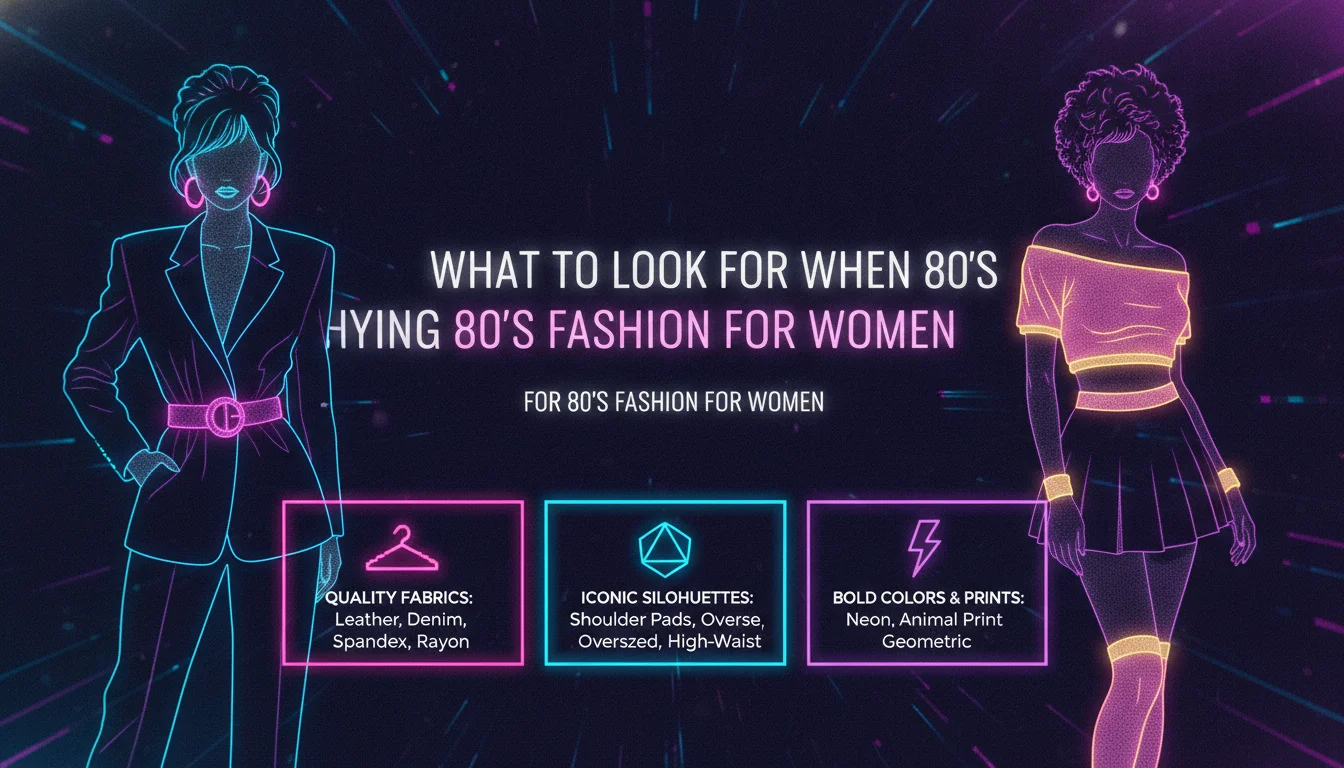
The best way to buy authentic 80’s fashion for women is to check construction, fabric, and detailing before you check the price tag. Whether you’re hunting vintage or a modern reproduction, here’s how to separate the real thing from a flimsy knockoff.
Step 1: Examine the silhouette and construction. A real power blazer holds its shoulder pad structure, it doesn’t collapse. Check the seams too. Genuine vintage tends to have sturdier finishing than fast fashion reproductions.
Step 2: Assess the material. Wool and silk signal higher quality construction, while spandex blends were standard for activewear. Steer clear of stiff, cheap polyester with zero stretch.
Step 3: Check for authentic details. Double-breasted closures, peplum waists, structured puff sleeves, and original labels from names like Thierry Mugler or Yves Saint Laurent all add real value.
Step 4: Consider fit and comfort. Shoulder pads can swallow a petite frame, so try pieces on when you can. Buying online? Check the measurements closely: 80s sizing tends to run smaller than what you’re used to today.
Step 5: Set your budget tier. Decide between budget-friendly reproductions, mid-range vintage finds, or premium designer pieces before you start scrolling.
A puff sleeve, for reference, balloons out from the shoulder or upper arm before tapering at the wrist. It’s one of the most recognizable silhouette details of the entire decade.
Price Range: Budget to Premium
You can build an 80s look at nearly any price point right now. Amazon lists over 10,000 results for 80s outfits for women, with full costume sets starting at $21.98 and accessory bundles from $13.96. Walmart carries comparable budget options.
Budget: Costume sets and accessory bundles typically run under $50, with entry points as low as $13.96 for accessories on Amazon.
Mid-range: Vintage shops and platforms like Etsy sell original 80s denim jackets, power suits, and evening dresses in the $50 to $150 range.
Premium: High-end vintage boutiques and collector pieces can climb past $200, especially for designer labels like Claude Montana.
Must-Have Pieces for an Authentic 80s Wardrobe
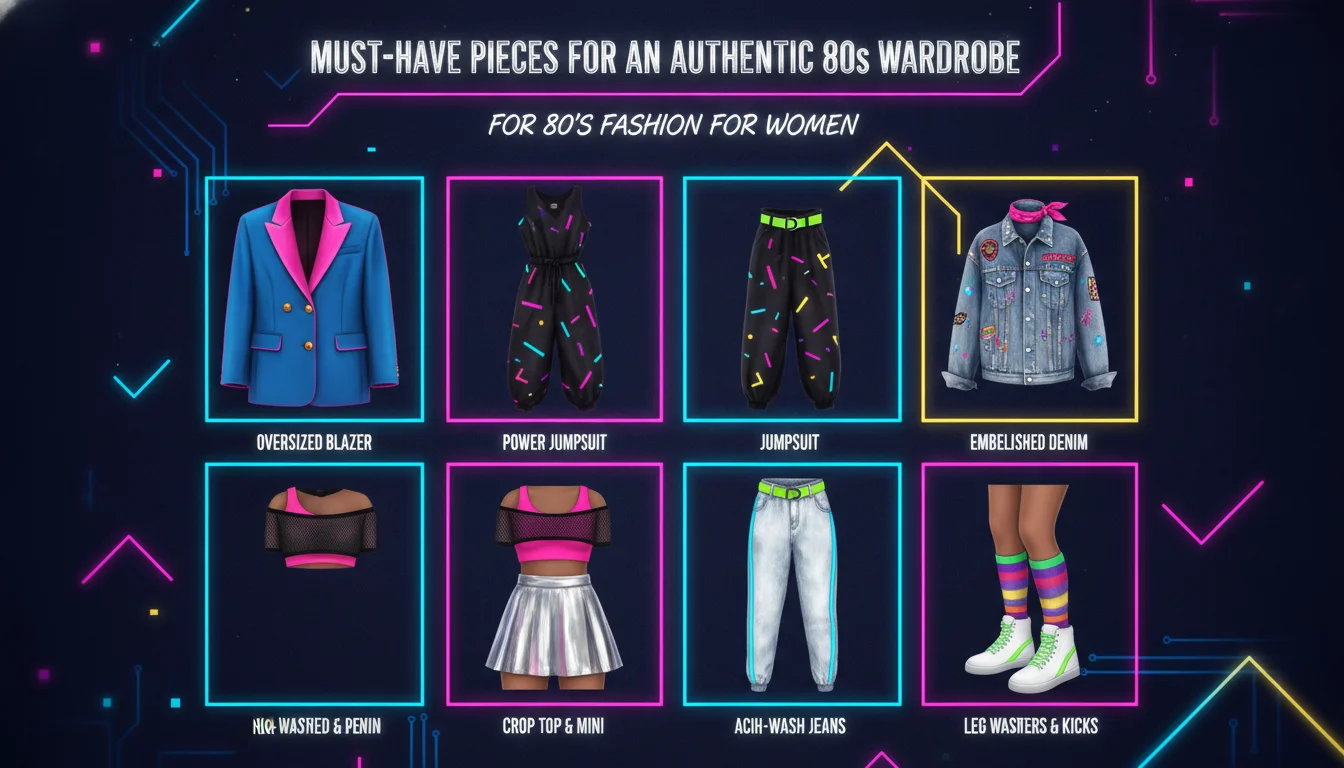
The must-have pieces for an authentic 80s wardrobe are the power suit, high-waisted denim, puff sleeve dresses, statement accessories, and spandex activewear. Each one defined a different corner of the decade, and each one still works for a themed night out or everyday retro styling.
Shoulder Pad Blazers and Power Suits
A power suit with sharp shoulder pads changes a room the second you walk in. Go bold, fuchsia, cobalt, anything that refuses to blend in, the way 1980s corporate culture demanded. Designers like Ungaro made these suits unmistakably feminine with beadwork and saturated color, proving tailoring never had to mean playing small.
High-Waisted Denim
Calvin Klein’s jeans campaigns made high-waist styling iconic, and it’s never fully gone away. Look for rigid denim with a tapered or straight leg. Acid wash and stone wash treatments add instant authenticity.
Puff Sleeve Dresses and Tops
From Cyndi Lauper’s stage looks to prom night classics, puff sleeves build a silhouette that’s part romance, part drama. They work in mini, midi, or maxi, and they’re just as sharp now as they were then.
Statement Accessories
No 80s outfit finishes without accessories: chunky belts, layered pearls, neon fanny packs, fishnet gloves, leg warmers, and earrings big enough to have their own gravitational pull. Amazon’s bundled accessory sets pull these essentials together for a quick, complete look.
Spandex and Activewear
The Jane Fonda-era workout craze put spandex leotards, leg warmers, and high-cut unitards into every closet, according to era retrospectives from vintage archives. These pieces have found a second life as festival wear.
Hair, Makeup, and Shoes: Finishing the Look
Big hair, bold shadow, and statement shoes complete any 80s look, full stop. Crimped or teased hair, bright blue or violet eyeshadow, and a strong blush placement were the beauty rules of the decade. On feet, think chunky sneakers in the style of Reebok Freestyle or L.A. Gear, high-top Converse, or pointed flats for the power-suit crowd. Skip the shoes and hair, and even the most accurate outfit reads as incomplete.
How to Style 80’s Fashion for Women Today
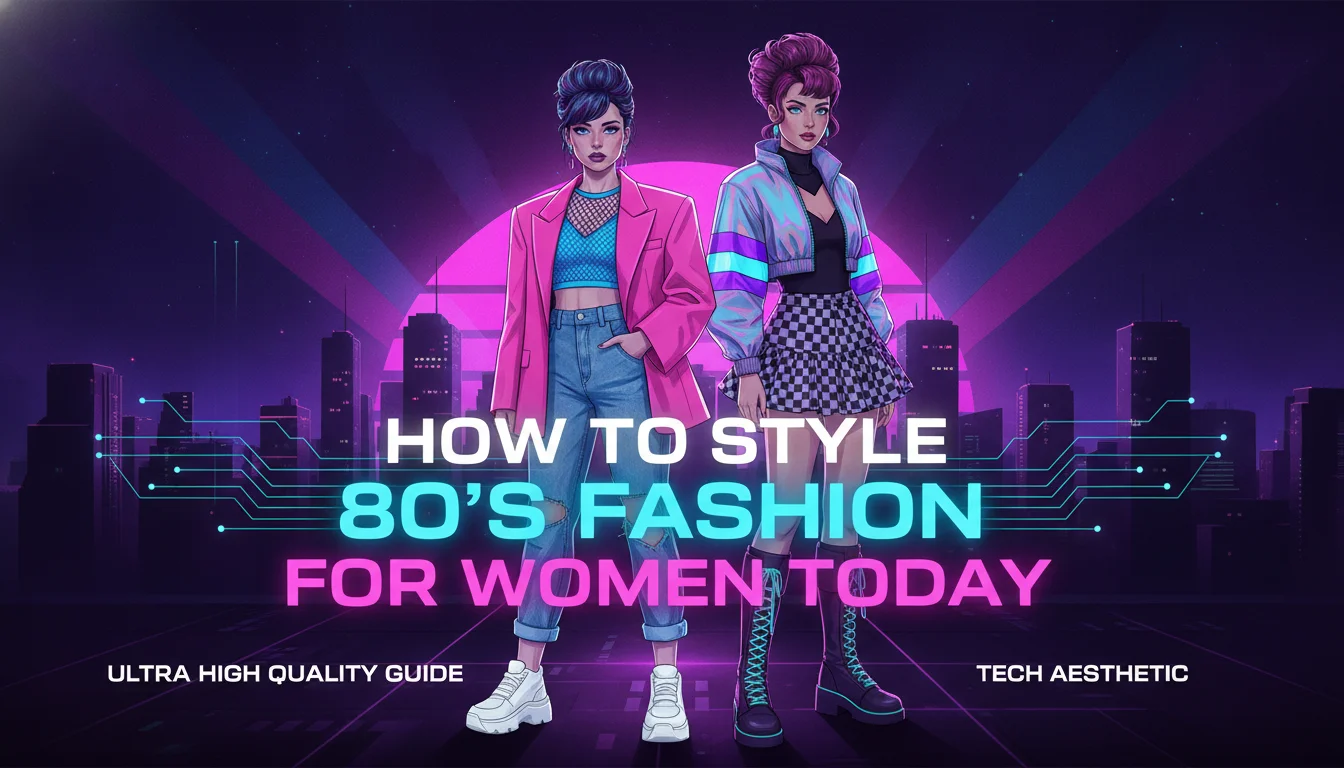
The best way to style 80’s fashion for women today is to isolate one statement piece and build around it with modern basics, rather than recreating the whole decade at once. Here are three outfit formulas that work.
Daytime Casual: The Denim Edit
Pair high-waisted mom jeans with a tucked-in graphic tee referencing an 80s band like Pat Benatar. Add white sneakers and a slouchy denim jacket for an off-duty, Madonna-adjacent vibe.
Office Power Dressing
A tailored double-breasted blazer with shoulder pads over slim trousers or a pencil skirt reads polished, not costumey. Finish with low heels and layered pearls, a nod to Princess Diana’s signature restraint-meets-power dressing.
80s Party Night Out
For a themed event, full costume sets from Amazon bundle neon tees, tutu skirts, fishnet gloves, leg warmers, and a fanny pack, most for well under $35. Or skip the costume aisle entirely: a puff sleeve mini dress with chunky heeled boots and bright eyeshadow gets you there with more edge. If you want something that channels 80s maximalism without the costume-party feel, our Duality collection pulls that same contrast-and-power energy into pieces built for tonight, not just a theme party.
Bold, high-impact pieces that photograph well and stand out at any event.
Wide price range means you can start under $25 or invest in premium vintage.
Silhouettes like power suits and puff sleeves translate easily into modern styling.
Cons
Structured pieces like shoulder pads can be unforgiving on petite frames without tailoring.
Authentic vintage sizing runs smaller, making online shopping trickier.
Some fabrics, especially aging spandex, require careful handling to avoid damage.
Care & Maintenance for 80s Garments
Caring for 80’s fashion for women properly means matching the cleaning method to the fabric, not treating every piece the same way. Vintage pieces especially need tailored handling to survive another decade of wear.
Dry Clean or Hand Wash?
Power suits and silk blouses generally need professional dry cleaning to protect their structured padding. High-waisted denim and cotton tees can go in the machine on a gentle cold cycle. Spandex should always air dry, since heat and tumbling wreck its elasticity fast.
Storage Tips
Store shoulder-padded garments on wide hangers so the structure holds its shape. Fold puff sleeves rather than hanging them to avoid stretching the fabric. Keep vintage pieces out of direct sunlight, since color fades faster than you’d expect.
As one longtime vintage dealer puts it, the difference between a garment that lasts twenty more years and one that falls apart in a season almost always comes down to how it’s stored, not how it’s worn.
Frequently Asked Questions
What defines 80’s fashion for women?
80’s fashion for women is defined by exaggerated silhouettes like shoulder pads and puff sleeves, bold color, and a mix of subcultures spanning power dressing to punk. Music and television, from MTV to Dynasty, shaped much of the look.
How do I dress for an 80s party as a female?
Start with one loud anchor piece, a neon tutu, a puff sleeve dress, or a full costume set, then layer on accessories like fishnet gloves, leg warmers, and a fanny pack. Amazon and Walmart both carry complete costume bundles that make this simple.
What was the biggest fashion trend in the 80s?
Power dressing, built around structured shoulder pads and bold-colored suits, is widely considered the decade’s defining trend. It reflected women’s growing presence in executive spaces and was championed by designers like Claude Montana and Yves Saint Laurent.
Where can I buy affordable 80s outfits for women?
Amazon and Walmart offer costume sets and accessories starting under $25. Vintage stores and Etsy provide more authentic pieces at mid-range prices for anyone chasing the real thing.
Can I wear 80s fashion today without looking costume-like?
Yes. Isolate one statement piece, like a shoulder blazer or a puff sleeve top, and pair it with modern basics like straight-leg jeans and neutral heels. That contrast is what modernizes the whole look instead of reading as a Halloween costume.
80’s fashion for women isn’t a relic. It’s a mood you can still walk into a room wearing tonight, whether that means a shoulder-padded blazer at the office or a puff sleeve mini dress under club lighting. Build your own duality: soft romance up top, dangerous edge below, and never apologize for taking up space. Discover your duality at prettynpoison.com.
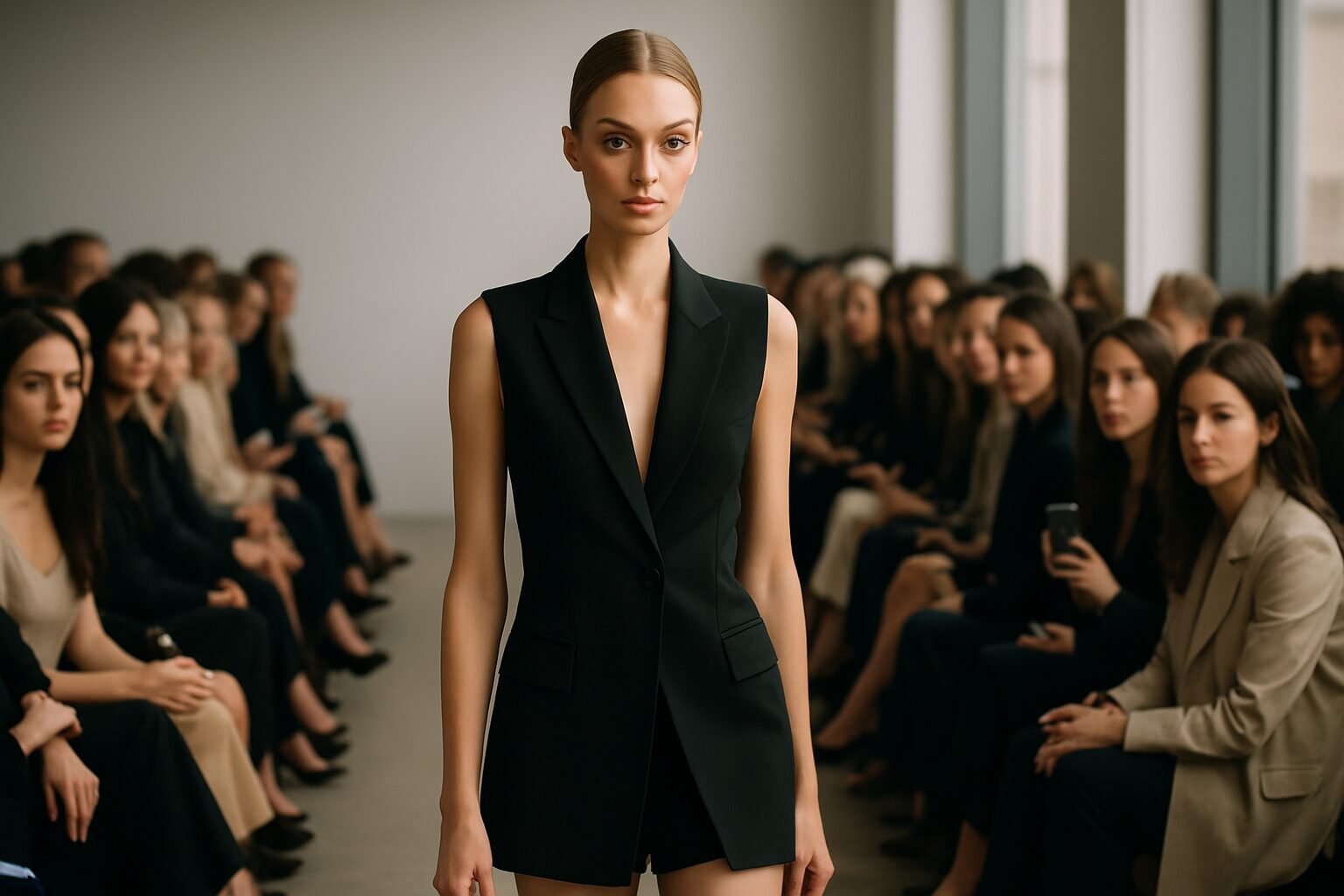
Fashion week nyc is the semi-annual New York Fashion Week (NYFW) where international designers reveal collections to buyers, press, and style obsessives. Held in February and September, it ranks among the Big Four fashion capitals alongside Paris, Milan, and London.
Key Takeaways
week nyc runs twice a year: February for Fall-Winter collections, September for Spring-Summer.
Official CFDA shows are invitation-only, but independent events sell public tickets ranging from $50 to $1,500.
NYFW generates an estimated $887 million in annual economic impact for New York City (2016 estimate).
Sustainability is reshaping the runway, with designers turning to Tencel, Piñatex, and circular fashion models.
Street style, influencer culture, and digital shows have permanently expanded NYFW beyond the front row.
The September 2026 season runs September 10-15, showcasing Spring-Summer 2027 collections.
What Is Fashion Week NYC? A Brief History
What Is Fashion Week NYC? A Brief History – fashion week nyc | Pretty N Poison
New York Fashion Week is a concentrated series of runway shows, presentations, and events that shape the global fashion narrative. Founded in 1943 as “Press Week” by Eleanor Lambert, it was designed to spotlight American designers when World War II prevented travel to Paris. Wikipedia notes it evolved into today’s cultural force, formally branded as NYFW in 1993 by the Council of Fashion Designers of America (CFDA). Today, this type of nyc draws over 100,000 attendees and generates an annual economic impact of US$887 million.
The Evolution from Press Week to Global Phenomenon
Press Week started as a trade-only event built to attract journalists away from Paris. Vogue, once filled with French designs, began featuring American creations exclusively. By the mid-1950s the event had expanded, and the term “this kind of nyc” became synonymous with Manhattan’s spring and fall style showcases. The modern NYFW now spans 7-9 days, with shows concentrated in hubs like Spring Studios and Skylight Clarkson Square.
The 2010s brought a seismic shift. Social media exploded the front row open. Street style photographers became as influential as editors. Brands like Alexander Wang and Rodarte used New York as a launchpad for global conversation, and by 2015, the see-now-buy-now model had entered the mainstream. According to Vogue Business, the democratization of fashion week coverage during this decade permanently changed how designers approach their runway strategy.
The CFDA and the Official Calendar
Since 1993, the CFDA has maintained the official NYFW schedule, acquiring the Fashion Calendar from Ruth Finley. This centralized system ensures designers, media, and buyers can coordinate without conflict. For the upcoming September 2026 season, the CFDA calendar lists Spring-Summer 2027 shows from September 10-15, 2026 (CFDA Fashion Calendar).
The Schedule: Key Dates and Seasons for Fashion Week NYC
The Schedule: Key Dates and Seasons for Fashion Week NYC – fashion week nyc | Pretty N Poison
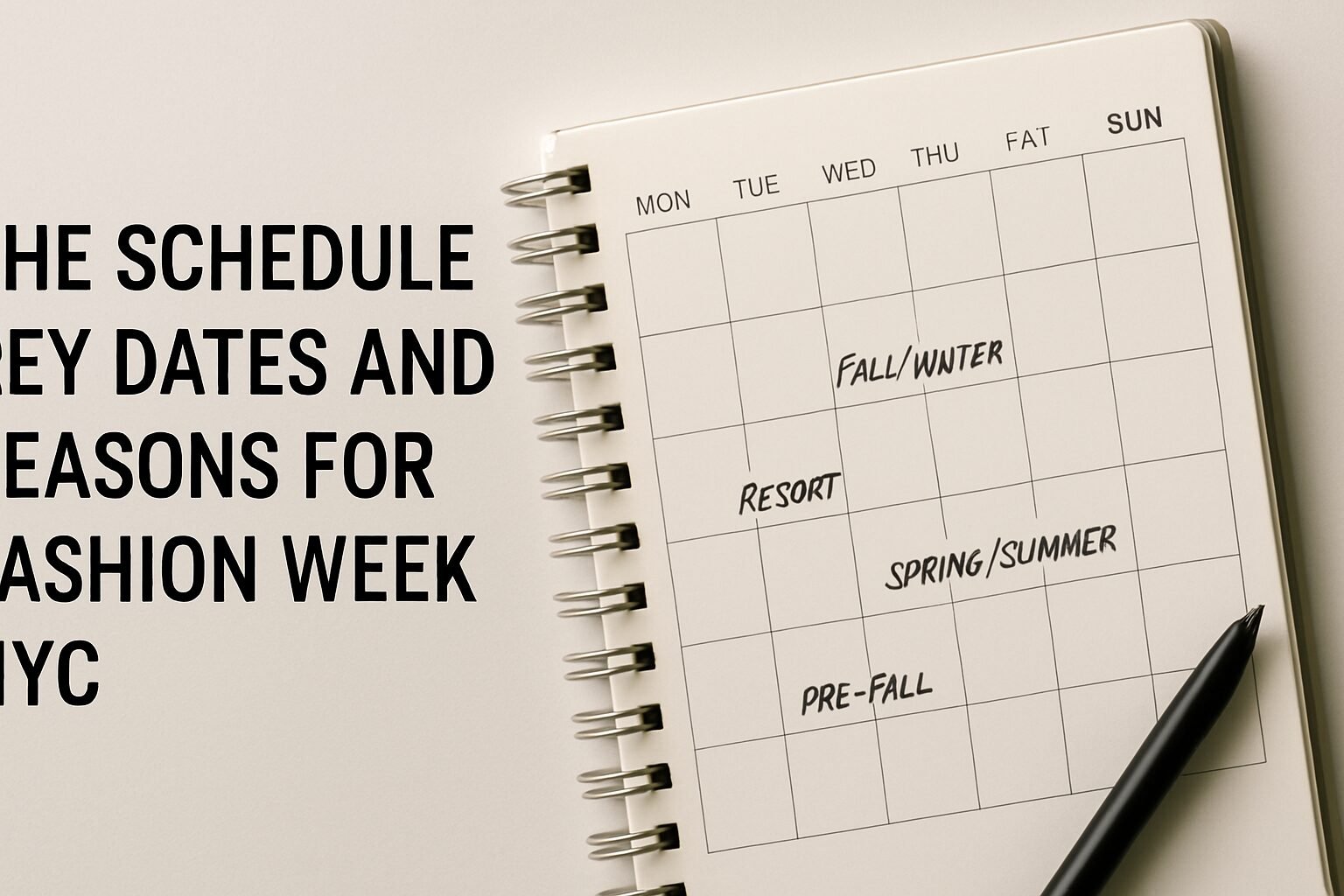
Mastering the fashion week timeline is non-negotiable. The main women’s ready-to-wear shows happen in February (Fall-Winter) and September (Spring-Summer). Specialized weeks include NYFW Bridal in April, NYFW Men’s in February and July, and pre-collections in December and June. The September 2026 main season runs September 10-15, with independent events often kicking off several days earlier.
Spring-Summer vs. Fall-Winter Shows
February presentations unveil designs for the upcoming fall and winter season, while September previews spring and summer. This six-month lead allows time for production and retail delivery. Couture and avant-garde pieces often debut at the February shows, making them a magnet for the most dramatic statements of the year.
Bridal, Men’s, and Pre-Collections
New York Bridal Fashion Week in April features designers like Elie Saab and Monique Lhuillier. Men’s shows increasingly share the spotlight, and pre-collections (Resort and Pre-Fall) are shown by appointment. These satellite events prove that week nyc is not just two weeks a year. It’s a continuous ecosystem that never fully sleeps.
How to Get Tickets to Fashion Week NYC
How to Get Tickets to Fashion Week NYC – fashion week nyc | Pretty N Poison
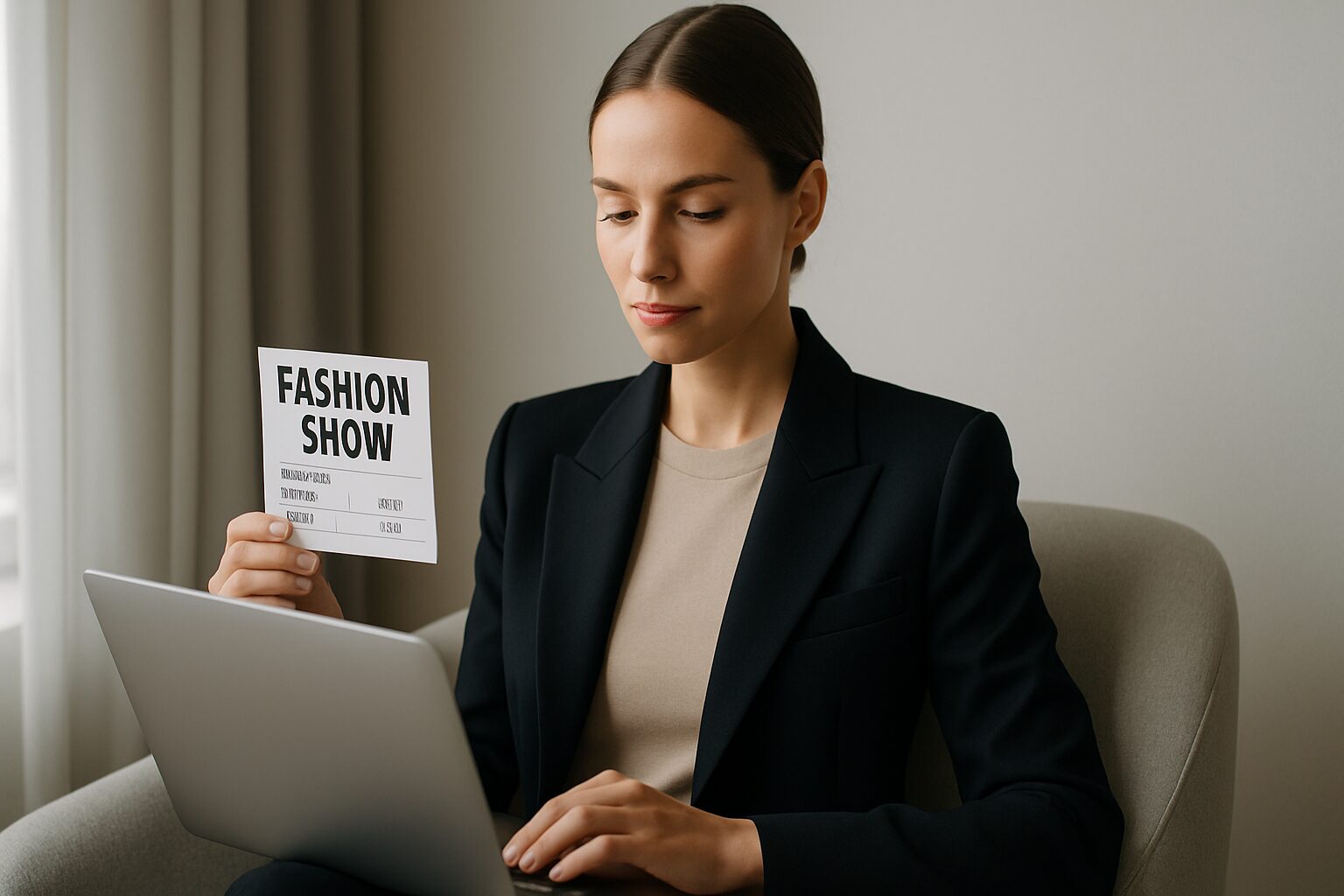
Many this type of nyc events are not open to the public, but real avenues exist if you know where to look. Official shows require industry accreditation or personal invitations from designers. Independent producers like The Bureau Fashion Week and Art Hearts Fashion offer ticketed runway shows. Platforms such as Fashion Week Online sell general admission and VIP passes, often ranging from $50 to $500 per show.
“The off-calendar shows are where the real discovery happens. You find the next generation of designers before anyone else does.” – Fashion Week Online editorial team
Official Shows vs. Independent Off-Calendar Events
CFDA-sanctioned shows are exclusive, but hundreds of unofficial off-calendar presentations welcome public guests. These range from emerging designer showcases to see-now-buy-now pop-ups. Flying Solo’s collective and HiTechMODA’s productions regularly sell tickets to consumers, blurring the line between trade event and public spectacle.
Step-by-Step: How to Choose and Purchase Tickets
1. Check the official CFDA calendar for your desired dates and designers. 2. Visit ticket platforms like nyfwtickets.com or thebureaufashionweek.com for public sales. 3. Decide on your experience level: general admission offers standing or back-row seating; VIP includes front rows and backstage access. 4. Purchase early – popular shows sell out within hours of going live. 5. Confirm age restrictions and ID requirements before committing to any package.
Press Accreditation: How to Get Media Access
Press credentials open doors that tickets cannot. To apply for NYFW press accreditation, you need a verifiable media outlet, a portfolio of published fashion coverage, and a completed application submitted to the CFDA or individual show producers at least 6-8 weeks before the season opens. Digital creators with audiences above a certain threshold are increasingly accepted alongside traditional print journalists. Independent shows like Art Hearts Fashion and The Bureau Fashion Week maintain their own press portals, making them a strong starting point for emerging media voices.
Top Designers and Runway Shows at Fashion Week NYC
Top Designers and Runway Shows at Fashion Week NYC – fashion week nyc | Pretty N Poison
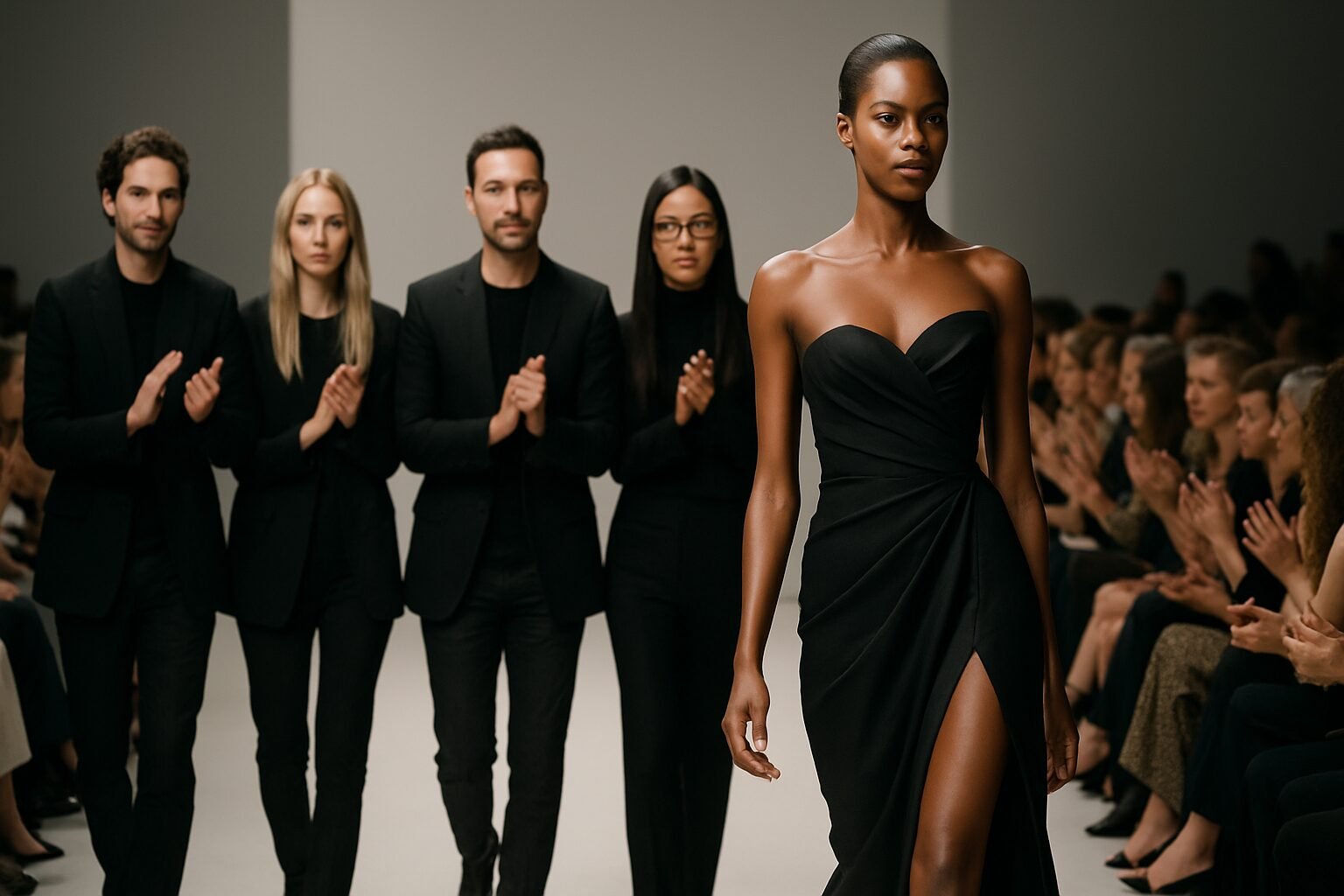
From legacy houses to avant-garde newcomers, this kind of nyc is a collision of creativity at every price point. Established names like Michael Kors, Tory Burch, and Tom Ford anchor the official calendar, while rising labels discovered through platforms like RAISEFashion and Fashion Scout add raw energy. In recent seasons, HiTechMODA and Art Hearts Fashion have featured 30+ international designers in a single showcase (Fashion Week Online).
Legacy Designers and Mainstay Labels
The most coveted invitations belong to shows from Ralph Lauren, Marc Jacobs, Calvin Luo, Proenza Schouler, and Brandon Maxwell. Their presentations dictate the upcoming season’s color palettes, silhouettes, and fabric direction. Attendance is strictly by invitation, making them the ultimate status symbol during NYFW. A single look from these runways can generate millions of impressions within 24 hours of hitting social media.
Spotlight on Emerging and International Talent
Independent showcases are the gateway to fresh talent. Designers from over 15 countries presented at the last Art Hearts Fashion edition, including brands from Nigeria, South Korea, and Brazil. The Bureau Fashion Week dedicates entire segments to graduate collections and minority-owned labels, reinforcing New York’s role as a global launchpad for voices that deserve to be heard.
Model Casting and Backstage Perspectives
Backstage at NYFW is its own world. Model casting typically begins 4-6 weeks before the season, with agencies submitting books to designers and casting directors. Open casting calls for independent shows attract hundreds of hopefuls in a single day. Behind the curtain, hair and makeup teams work in 15-20 minute windows per model, orchestrating looks that took months to conceptualize. Backstage photographers and digital teams capture content that feeds brand channels for weeks after the show closes. If you want to model at NYFW, start by registering through Fashion Week Online’s model portal or applying directly through independent show producers.
Beyond the Runway: Street Style and Influencer Culture
Pavements outside venues become catwalks of their own during fashion week nyc. Street style has spawned entire careers, with photographers like Phil Oh and Acielle capturing looks that go viral within minutes. Street style is where personal aesthetics collide with haute couture, producing the most relatable and genuinely inspirational outfits of the season.
The Rise of the Influencer and Content Creator
Instagram and TikTok creators now rival traditional editors for front-row seats. With audiences reaching hundreds of thousands, they provide real-time coverage that generates millions of impressions per show. Brands increasingly seed products to creators knowing a single post can drive sell-outs before the collection even hits retail. According to ELLE, influencer-driven fashion coverage during NYFW has reshaped how brands allocate their PR budgets, with digital seeding now a standard line item.
How to Nail Your Own Street Style Look
Layering, unexpected accessories, and raw confidence are the formula. Participants mix vintage finds with current season statement pieces. As of 2026, blockcore silhouettes, digital prints, and upcycled garments are dominating the sidewalk conversation outside venues. The goal is to be photographed. Don’t apologize for bold color or exaggerated proportion. That’s the whole point.
This is exactly where Pretty N Poison lives. Our Poison Edit was built for moments like this: dark, deliberate, impossible to ignore. And the Pretty Edit gives you the ethereal softness that makes street style photographers stop mid-stride. Explore both at prettynpoison.com.
NYFW After-Parties and Networking Events
The real fashion week nyc magic often happens after the lights go down on the runway. After-parties are where designers, buyers, editors, and creators collide in a setting that’s equal parts celebration and strategy. Major brands host private dinners and rooftop events at venues across Manhattan, from the Meatpacking District to SoHo. Getting on these guest lists requires either industry credentials, a strong social media presence, or a direct connection to a brand’s PR team. For those building their network, attending the public-facing events tied to shows like Art Hearts Fashion or Flying Solo often leads to organic introductions that no formal networking event can replicate. Dress like you belong. Because you do.
“Fashion week after-parties are where the season’s real deals get made. The runway is the show. The party is the business.” – WWD, on NYFW’s social ecosystem
Sustainability at Fashion Week NYC: Green Couture
Sustainability is no longer a niche at fashion week nyc. It’s a mandate that’s reshaping the entire event from the inside out. The CFDA’s Sustainability Salon and independent shows dedicated to zero-waste techniques are forcing the conversation into every corner of the industry.
Eco-Friendly Materials and Ethical Production
Designers are turning to organic cotton, Tencel, Piñatex (pineapple leather), and recycled polyester as standard options rather than novelties. Brands like Stella McCartney lead by example, while emerging labels such as Rentrayage and Collina Strada push upcycling to artisanal levels. The CFDA has publicly committed to increasing sustainable sourcing across its member base, though precise adoption figures remain difficult to independently verify. What’s clear: the pressure from buyers, press, and consumers is accelerating the shift faster than any single statistic can capture.
Circular Fashion and Rental Platforms
Initiatives like Rent the Runway and Nuuly allow attendees to wear designer pieces without ownership, meaningfully reducing per-garment environmental impact. On-site clothing swaps and repair stations are now common at affiliated NYFW events. Rental platforms report that a single garment rented multiple times can offset the carbon cost of production across its lifecycle. Luxury and sustainability are no longer opposites. They’re the new duality.
Experience Type
Access Level
Cost (per show)
Best For
Official CFDA Runway
Invitation only
N/A
Industry insiders, buyers, press
Independent Producer Show
Ticket purchase
$50 – $300
Fashion enthusiasts, bloggers
Public Festival / Pop-up
Open entry
Free – $25
Shoppers, students, tourists
Live Stream / Virtual
Online registration
Free – $20
Global viewers, remote attendees
VIP Backstage Package
Limited ticket
$500 – $1,500
High-end networking, meet-and-greets
Pros and Cons
Pros
Unmatched access to trends: NYFW sets the global fashion agenda 6 months ahead of retail, giving attendees a genuine first look at what’s coming.
Networking density: Over 100,000 industry professionals, creators, and buyers converge in one city over 7-9 days. No conference replicates that concentration.
Public access is growing: Independent shows, pop-ups, and live streams mean you don’t need an invitation to participate meaningfully.
Street style opportunity: The sidewalks outside venues are a legitimate stage. Your look can go viral without ever entering a show.
Economic and cultural impact: The $887 million economic footprint means the city itself becomes a fashion destination, with pop-ups, parties, and activations citywide.
Cons
Access barriers remain real: The most influential shows are still closed to the public. Without industry credentials or connections, the best runways stay out of reach.
Cost adds up fast: VIP packages run $500-$1,500 per show. Add travel, accommodation in Manhattan, and wardrobe investment, and the week becomes expensive quickly.
Logistical chaos: Venues are spread across Manhattan, parking is essentially nonexistent, and schedules shift with little notice.
Sustainability contradictions: For all the green couture messaging, NYFW still generates significant waste through set builds, single-use materials, and international travel.
How to Prepare for Fashion Week NYC: A First-Timer’s Guide
Attending fashion week nyc requires strategic planning whether you’re a spectator or a professional. Use this step-by-step guide to handle logistics, wardrobe, and networking without losing your mind or your aesthetic.
Packing and Wardrobe Essentials
Pack versatile, layered pieces: a tailored blazer, statement coats, comfortable yet chic footwear (block heels or designer sneakers), and a power bag that holds a portable charger, water bottle, and snacks. You’ll be on your feet for hours moving between venues like Skylight Clarkson Square and Spring Studios. Comfort is not the enemy of style. It’s the strategy.
Networking and Navigating Venues
Study the CFDA calendar and map your route before the day starts. Use ride-share apps or the subway because parking is nonexistent. Carry physical copies of invitations, a government-issued ID, and a QR code for digital tickets. At events, be genuine. Business cards still matter, but connecting instantly via LinkedIn or Instagram is faster. The busiest days run Friday through Sunday, so plan your energy accordingly.
The Future of Fashion Week NYC: Digital and Immersive Experiences
Technology is now woven into the fabric of fashion week nyc in ways that go far beyond a live stream. Designers like Philip Lim have experimented with augmented reality presentations, and AI-driven tools are reshaping everything from trend forecasting to backstage logistics.
Virtual Shows and the Metaverse
Brands now live-stream shows on YouTube and TikTok, reaching millions of viewers who will never set foot in Manhattan. Metaverse fashion weeks, including the one hosted on Decentraland in 2025, allow digital-only collections that reduce waste and open access to global audiences. Hybrid formats are no longer experimental. They’re permanent.
AI and Personalization
AI styling tools are used by platforms like Stitch Fix to tailor runway looks to individual preferences in real time. Backstage, predictive analytics help designers anticipate trends and reduce overproduction by an estimated 15-20%. These tools promise a more efficient and genuinely inclusive future for NYFW, where the runway reaches everyone rather than just the 100,000 in the room.
At Pretty N Poison, we track every shift in the NYFW conversation because our collections are built for the women who live it. The Night Ritual collection is our answer to the after-party. The Duality pieces are made for the woman who owns the sidewalk outside the show. Discover your duality at prettynpoison.com.
Frequently Asked Questions
When is fashion week nyc in 2026?
The main shows run in February (Fall-Winter 2026 collections) and September (Spring-Summer 2027 collections). The September 2026 season is scheduled for September 10-15, with independent events often starting several days earlier.
Can the general public attend fashion week nyc?
Official CFDA shows are invitation-only, but many independent off-calendar events sell tickets to the public. Platforms like Fashion Week Online and The Bureau Fashion Week offer general admission passes ranging from $50 to $300.
How much do fashion week nyc tickets cost?
Independent shows range from $50 to $300 for general admission, while VIP packages with backstage access run $500-$1,500. Some pop-ups and live streams are completely free to attend or watch online.
What should I wear to fashion week nyc?
Aim for bold, on-trend outfits that reflect your personal style. Street style photographers favor unique layers, statement accessories, and footwear that can handle hours of walking between venues. Dress for the season and for the camera.
Where does fashion week nyc take place?
Shows are held across Manhattan, with major hubs at Skylight Clarkson Square and Spring Studios. Other venues include Industria, outdoor spaces, and galleries. Always check the specific event location before you leave the hotel.
How can I become a volunteer or model for NYFW?
Volunteer opportunities are posted on fashion organization websites like CFDA and through independent producers’ application pages. Models should apply through reputable portals like Fashion Week Online’s model registration page, ideally 4-6 weeks before the season opens.
Key Takeaways
Fashion icons introduce lasting styles that permanently shape fashion culture, far beyond temporary trends.
Icon status requires consistency, personal authenticity, and cultural resonance – not just fame.
Historical fashion icons like Coco Chanel and Audrey Hepburn created wardrobe staples that remain fiercely relevant today.
Modern fashion icons use social media and activism to drive inclusive, sustainable fashion forward.
Emulating iconic style means curating quality pieces, understanding your body, and choosing originality over fast fashion every single time.
Fashion icons are influential individuals who introduce new styles that spread throughout fashion culture and become part of the permanent aesthetic lexicon. From Coco Chanel’s little black dress to Rihanna’s rule-breaking red carpet moments, these figures redefine how we dress, think, and express identity.
Pros and Cons of Emulating Fashion Icons
Pros and Cons of Emulating Fashion Icons – fashion icons | Pretty N Poison
Pros
Enduring Style Blueprints: icons offer timeless formulas for elegance that never fade.
Wardrobe Curation: Studying icons helps build a cohesive, versatile closet centered on quality staples.
Confidence Boost: Channeling iconic style can sharpen self-expression and project real authority.
Sustainability Alignment: Many icons champion slow fashion, vintage sourcing, and second-hand investment.
Cons
Risk of Uniformity: Blind copying may clash with your personal body type or lifestyle.
Era-Bound Limitations: Some iconic looks feel dated without a modern reinterpretation.
Financial Strain: Designer originals cost thousands; chasing them obsessively is unsustainable.
Narrow Beauty Standards: Classic icons often represent exclusionary ideals that ignore diversity.
“Style is not fashion until it has reached the street,” said Coco Chanel, stressing that true influence filters from iconic pioneers into everyday wardrobes. That idea still drives every conversation about this type of icons today.
What Is a Fashion Icon? – fashion icons | Pretty N Poison
A fashion icon is an influential person who introduces new styles that spread throughout fashion culture and become a permanent part of how we dress. According to Wikipedia, this definition spans designers, muses, celebrities, and even political figures whose personal style alters the collective wardrobe. The word “icon” is earned, not assigned.
The Evolution of the Term
Before the mid-20th century, the phrase “fashion leader” described royals and aristocrats who set dress codes. Queen Marie Antoinette’s elaborate 18th-century gowns and Beau Brummell’s revolutionary tailoring for men are the earliest examples. Over time, the term opened up to include film stars, musicians, and street-style figures. TIME now catalogs 100 of the most influential this kind of icons since 1923, spanning at least a century of cultural shift.
Distinguishing Icons from Trendsetters
A true fashion icon does not merely ride a wave. They create one. While a trendsetter may popularize a single garment for one season, an icon permanently shifts the aesthetic conversation. Editorialist, in its May 2026 feature on the 19 most influential fashion of all time, notes that icons are “somewhat immune” to fads. Their style feels inevitable yet utterly personal. Diane Keaton’s adoption of menswear in the 1970s was not a temporary gimmick. It was a lifelong signature that redefined femininity.
The Hallmarks of Enduring Influence
Longevity, consistency, and cultural resonance distinguish a fashion icon from everyone else. They often carry a signature look, like Audrey Hepburn’s capri pants and ballet flats, or a single significant garment, like Mary Quant’s miniskirt, that spawns a movement. Designers, museums, and street photographers reference their choices for decades. That kind of staying power is not accidental.
The Historical Roots of Fashion Icons
The Historical Roots of Fashion Icons – fashion icons | Pretty N Poison
icons existed long before mass media, emerging from the courts and aristocratic circles of Europe and beyond. Their influence spread through painted portraits and letters, yet their sartorial commands were no less potent than today’s red-carpet moments.
Royal and Aristocratic Fashion Leaders
During the 18th century, Marie Antoinette dictated trends from Versailles with towering wigs and corseted silhouettes. Empress Josephine popularized the high-waisted Empire line in early 1800s France. These figures were the original influencers. Their dress choices signaled power and status to an entire continent. Later, in the Regency period, Beau Brummell revolutionized menswear with perfectly fitted, understated coats and trousers, laying the groundwork for the modern suit.
Nur Jahan: A Mughal Empire Style Pioneer
In the Mughal empire, Empress Nur Jahan (late 16th to early 17th century) set enduring trends in South Asian fashion. She is credited with creating the nurmahali dress and pioneering fine fabrics such as silver-threaded brocade. Her legacy reinforces a critical point: fashion icon status has never been exclusively a Western story.
Iconic Designers Who Shaped Fashion
Iconic Designers Who Shaped Fashion – fashion icons | Pretty N Poison
Fashion icons often emerge from the atelier itself. Designers who translate a singular vision into a wearable revolution become icons in their own right, their names synonymous with entire aesthetic movements.
Coco Chanel and the Little Black Dress
In the 1920s, Gabrielle “Coco” Chanel liberated women from corsets with structured yet comfortable designs. Her introduction of the little black dress democratized elegance and created the ultimate wardrobe staple. Over a century later, the LBD remains a non-negotiable item in every fashion lexicon. That is the power of a singular iconic garment built to outlast every trend cycle.
Mary Quant and the Swinging Sixties
London-based designer Mary Quant is forever tied to the miniskirt, which became a symbol of youthful rebellion in the 1960s. She also pioneered hotpants, the slip dress, and PVC raincoats. Twiggy, her favorite model, embodied the androgynous, bold-eyed look of the mod era. Quant’s legacy proves that a fashion icon can rewrite the rules of gender and age in a single collection.
Modern Designers Carrying the Torch
Today, designers like Giorgio Armani, Vivienne Westwood, and Tom Ford are considered fashion icons in their own right, continuing the tradition of merging craft with cultural commentary. Their longevity on TIME‘s 100 icons list reflects a half-century of shaping global taste across at least 3 distinct fashion eras each.
Muses and Models: The Faces of Iconic Fashion
A garment needs a body to bring it to life. Models and muses become fashion icons when their look captures a cultural moment so completely that they inspire generations of imitators.
Twiggy and the Mod Movement
Lesley Lawson, known universally as Twiggy, was the face of 1960s London. With her waifish frame, cropped hair, and heavily lashed eyes, she embodied the youthquake that rejected 1950s hyper-femininity. Twiggy’s embrace of miniskirts, A-line shifts, and bold graphic prints made her a global fashion icon and opened the door for greater diversity in modeling. Her influence is still felt in every oversized lash and mod-cut shift dress produced today.
Kate Moss and the 90s Minimalism Revival
In the 1990s, Kate Moss’s unpolished, grunge-inflected style challenged the supermodel glamour that preceded her. Slip dresses, leather jackets, and an undone attitude became aspirational. She proved that imperfection could be a power move. Her influence persists in the ongoing revival of 90s minimalism that dominates runways and resale platforms alike as of 2026.
The Role of the Modern Muse
Beyond traditional models, women like Lee Radziwill show how social standing and personal taste can converge into icon status. Editorialist highlights Radziwill as a muse to both Giorgio Armani and Truman Capote, noting that her gala and everyday looks made headlines well into the 20th century. Tory Burch named a bag after her. That is legacy.
Fashion Icons of the Silver Screen
Cinema has always been a powerful vehicle for creating fashion icons. When a character’s wardrobe transcends the film itself, the actor becomes permanently linked to a style movement.
Audrey Hepburn’s Givenchy Partnership
Audrey Hepburn’s collaboration with Hubert de Givenchy produced some of the most referenced looks in fashion history. Her black embellished dress in Breakfast at Tiffany’s (1961) is perhaps the most celebrated LBD ever worn on screen. Off-screen, Hepburn’s casual uniform of slim trousers, trench coats, and ballet flats cemented her as a fashion icon of effortless chic. Current Boutique notes that her style remains one of the most emulated worldwide, decade after decade.
Marilyn Monroe’s Bombshell Glamour
Marilyn Monroe’s iconic white halter dress from The Seven Year Itch (1955) and her bias-cut pink gown in Gentlemen Prefer Blondes (1953) defined 1950s Hollywood glamour. Monroe made curves, red lips, and platinum hair a glamorous ideal. Her influence on modern mega-influencers and red-carpet dressing is impossible to overstate.
The Impact of Costume Design on Iconic Status
Film costumes do not just dress a character. They forge fashion icons. Diane Keaton’s menswear in Annie Hall (1977) was pulled directly from her personal closet, blurring on- and off-screen style in a way that turned her into a rule-breaking reference for androgynous dressing. According to fashion editors, that film’s aesthetic still walks runways nearly 50 years later. Keaton later wore a Richard Tyler suit to the Oscars, further cementing her status as one of Hollywood’s most disciplined style icons.
Political and Power Dressing Icons
Fashion icons often emerge from arenas where clothing must signify authority. Politics and royalty have produced some of the most disciplined dressers in history, their every hemline analyzed and copied.
Jacqueline Kennedy’s Pillbox Era
As First Lady in the 1960s, Jacqueline Kennedy Onassis’s structured suits, pillbox hats, and pastel shades became a global blueprint of polished femininity. Her iconic pink Chanel suit, worn the day of President Kennedy’s assassination, is one of the most emotionally charged garments in American history. It exemplifies how a fashion icon’s outfit can become a cultural touchstone that outlives any trend cycle.
Princess Diana’s Revenge Dress and Beyond
Diana, Princess of Wales, evolved from a shy royal bride into a 1990s style powerhouse. Her “revenge dress,” a form-fitting black off-the-shoulder Christina Stambolian number, signaled independence and modernity after her marriage’s collapse. The Travolta dress, an ink-blue velvet gown worn during a dance with John Travolta, further secured her eternal status as a fashion icon. Both pieces now command auction prices in the tens of thousands of dollars.
Modern Royals and Political Icons
In the 21st century, Michelle Obama used fashion as a tool for diplomacy, championing young American designers and mixing high-low pieces with ease. Catherine, Princess of Wales, and Meghan, Duchess of Sussex, have each generated their own distinct style followings, with the “Kate effect” and “Meghan effect” driving sell-outs within hours of a public appearance. Their approach demonstrates that a modern fashion icon can drive both style and social messaging simultaneously.
The Modern Fashion Icon in the Digital Age
The definition of a fashion icon has expanded dramatically with the internet. As of 2026, virality, authenticity, and activism weigh as heavily as an impeccable tailor.
How Instagram and TikTok Shape Icon Status
Platforms allow aspiring fashion icons to build a following directly, bypassing traditional gatekeepers like editors and photographers. Micro-trends and “core” aesthetics are born and die in weeks, but the most resilient online figures bridge digital fame with lasting influence. Style curator Rachel Zoe’s Pinterest board of style icons contains nearly 500 pins, a testament to how digital curation has become its own form of icon-making.
From Kim Kardashian to Harry Styles: New Definitions
Love her or criticize her, Kim Kardashian’s shapewear brand Skims and her introduction of the biker-short trend cemented her as a business-minded fashion icon of the 2010s. Meanwhile, Harry Styles’s embrace of fluid, gender-defying clothing on Vogue covers has opened a conversation about masculinity and fashion, echoing icons like David Bowie before him. Zendaya’s bold archival choices and Timothee Chalamet’s avant-garde menswear round out a new generation rewriting the rules in real time.
The Rise of the Activist Icon: Sustainability and Diversity
Increasingly, fashion icons use their platforms to demand ethical production and real representation. British model and activist Adwoa Aboah bridges digital fame with lasting cultural influence, proving that the next generation of icons will be defined by what they stand for, not just what they wear.
How to Cultivate Your Own Iconic Style
You do not need a billionaire’s budget to channel the energy of a fashion icon. Follow this step-by-step process to build a look rooted in icon principles.
Step 1: Discover Your Personal Aesthetic
Analyze what silhouettes, colors, and eras consistently pull you in. Build a mood board of your favorite fashion icons and pinpoint recurring themes. Are you drawn to androgyny like Diane Keaton, or Old Hollywood curves like Marilyn Monroe? That self-knowledge is your foundation.
Step 2: Build a Capsule Wardrobe of Quality Staples
Focus on pieces that have already proven their longevity in the wardrobes of icons: a well-cut blazer, a LBD, high-quality denim, and leather loafers or classic pumps. Prioritize natural fibers and durable construction over disposable trends. Most iconic looks rely on fewer than 10 core pieces worn in endlessly inventive combinations.
Step 3: Incorporate Second-hand and Vintage Pieces
Sustainable sourcing is the ultimate power move. Scour consignment stores, online resale platforms, and vintage boutiques for authentic garments from the eras of your chosen fashion icons. You reduce environmental impact and often find superior craftsmanship at a fraction of the original retail price.
Step 4: Add a Signature Twist
Every icon has a recognizable “thing.” It could be a bold accessory (a fedora, a cuff), a makeup look (cat-eye), or a silhouette (waist-tailored everything). Develop your own signature and wear it with conviction. Consistency is what separates a style icon from someone who just got dressed.
Step 5: Own It with Confidence
The final ingredient is attitude. Fashion icons wear their clothes. The clothes never wear them. Posture, eye contact, and unapologetic self-possession transform any outfit into a statement. That energy is free, and it is the most powerful styling tool you own.
“Fashion is not something that exists in dresses only. Fashion is in the sky, in the street; fashion has to do with ideas, the way we live, what is happening.” – Coco Chanel. According to fashion editors at Vogue and ELLE, this philosophy is precisely what separates a true fashion icon from a well-dressed celebrity.
The Future of Fashion Icons: Sustainability and Subculture
The blueprint for becoming a fashion icon is shifting fast. Fast fashion’s environmental toll and the rise of hyper-niche subcultures are reshaping what, and who, we celebrate.
The Shift from Fast Fashion to Slow Icons
According to Forbes, the most referenced fashion icons are those who championed quality over quantity. Vintage Chanel handbags and pristine 90s Calvin Klein slips hold their value precisely because they were built to last. The next generation of icons will likely be defined by their commitment to slower, circular fashion economies: renting, rewearing, and reworking garments instead of discarding them after a single season.
Subcultural Icons: From Punk to Dark Academia
Alternative subcultures have always produced their own fashion icons. Punk had Vivienne Westwood. Goth had Siouxsie Sioux. More recently, the dark academia movement has celebrated tweed, turtlenecks, and a studied intellectual aesthetic. These micro-communities prove that icon status does not require mainstream approval. It thrives on authenticity and a clear aesthetic code.
The Role of Technology: AI and Virtual Influencers
Digital beings like Lil Miquela blur the line between human and manufactured fashion icons. While they may lack personal stories, their ability to wear any garment anywhere without the environmental cost of physical samples challenges the industry to rethink what an icon can be. AI-generated styling tools are also democratizing access to icon-level curation, allowing anyone to experiment with iconic looks in a virtual space before spending a dollar.
Modern fashion icons include Rihanna (Fenty empire, fearless red carpet style), Harry Styles (gender-fluid tailoring), Zendaya (bold archival choices), and Timothee Chalamet (avant-garde menswear). Each commands massive influence across social media and traditional media, setting trends that retailers and fast-fashion brands copy within weeks.
What makes someone a fashion icon?
A fashion icon consistently demonstrates a personal style so distinct that it drives widespread adoption, stays relevant across years, and gets cited by designers and historians alike. They do not depend on a single trend. They create a visual language that others speak for decades.
How do fashion icons influence trends?
They influence trends through media visibility, endorsement by major design houses, and trickle-down replication by mass-market retailers. A single photograph of a fashion icon wearing a new silhouette can spawn thousands of imitations within months, as seen with Princess Diana’s everyday sportswear or Kate Moss’s festival boots.
Can anyone become a fashion icon?
Yes, but it requires a disciplined understanding of your personal aesthetic, real consistency, and some degree of public visibility. Democratized platforms like Instagram have lowered the barrier, but true icon status still demands cultural impact: the ability to shift how a generation thinks about clothing.
Are fashion icons always linked to luxury brands?
No. Many fashion icons mix high and low, and some were outright anti-luxury pioneers. Twiggy wore accessible mod pieces. 90s icons popularized thrift-store flannel. Luxury brands often align themselves with icons, but the icon status originates in the styling, not the price tag.
How can I dress like a fashion icon sustainably?
Focus on second-hand and vintage shopping, rent outfits for special events, and invest in high-quality basics that mirror the iconic silhouettes you admire. Prioritize natural materials and support brands that practice transparent, ethical manufacturing. This approach honors the timelessness that defines a true fashion icon.
Key Takeaways
Fashion styles are distinct aesthetic categories defined by specific clothing pieces, colors, and cultural roots.
Over 85 distinct aesthetics are cataloged on Wikipedia, with hundreds more recognized by fashion communities worldwide.
Popular looks include casual, classic, bohemian, streetwear, and minimalist, each with unique key pieces and cultural origins.
Understanding different aesthetics helps you refine your personal identity and build an intentional wardrobe.
2026 trends merge sustainability, wearable tech, and gender-fluid design, reshaping how we dress for the modern era.
Fashion styles are distinct aesthetic categories defined by specific garments, colors, and cultural influences, ranging from casual to avant-garde. These categories help you craft a personal look that aligns with your identity.
Expert Insight: According to The Style Thesaurus by Hannah Kane, “Fashion styles are not static; they evolve with cultural shifts and personal narratives, offering a vocabulary for self-expression.”
Industry Perspective: According to fashion editors at Vogue, personal style is less about following trends and more about building a visual language that speaks before you say a word. The most memorable looks are the ones that feel inevitable.
What Are Fashion Styles and Why Do They Matter?
What Are Fashion Styles and Why Do They Matter? – fashion styles | Pretty N Poison
Defining Fashion Styles in Today’s World
A fashion style is a cohesive set of clothing, accessories, colors, and silhouettes that express a particular aesthetic or cultural identity. The classic style, for instance, relies on timeless tailored garments in neutral tones, while bohemian style embraces flowing fabrics and earthy prints. These categories serve as shorthand to communicate personality, status, or belonging to a subculture. They’re not just clothes. They’re a declaration.
The Psychological and Social Role of Dressing with Intention
Adopting a defined aesthetic goes beyond trends. It shapes first impressions and builds confidence from the inside out. Research in social psychology shows that clothing choices influence how others perceive competence and approachability. By intentionally selecting a look, you take control of your public persona, whether you’re going for the authority of a business casual outfit or the creative energy of an artsy ensemble. You decide what the room thinks before you open your mouth.
How Fashion Styles Are Classified by Experts
Fashion professionals group styles by era, utility, or subculture. The ARLIS/NA Fashion Styles List identifies over 200 categories, while Hannah Kane’s The Style Thesaurus divides them into seven dimensions: time, utility, music and dance, play, conformists, subcultures and countercultures, statement, and sex and gender. This systematic approach helps both designers and consumers navigate the vast world of aesthetics with clarity.
The Most Popular Fashion Styles You Need to Know
The Most Popular Fashion Styles You Need to Know – fashion styles | Pretty N Poison
Below is a curated look at several core aesthetics, each with defining pieces, origins, and modern interpretations. These looks have stood the test of time and remain influential in 2026.
Structured blazer, straight-leg trousers, white sneakers
2010s (revival of 1960s)
Monochrome, gray, cream
Work, modern living
Casual and Classic: The Foundations of Everyday Dressing
Casual style emphasizes comfort without sacrificing personality. Born out of the post-war shift toward relaxed dress codes in the 1940s and 1950s, it now dominates weekend wardrobes globally. Key elements like denim, soft knits, and low-profile sneakers make it one of the most accessible looks around. Classic style, by contrast, is built around investment pieces: crisp shirts, trench coats, and quality leather goods that never go out of fashion. These are the pieces you buy once and wear for a decade.
Bohemian and Streetwear: Free Spirit Meets Urban Edge
Bohemian style, rooted in 1960s and 1970s counterculture, continues to allure with its mix of crochet, tie-dye, and layered jewelry. Streetwear emerged from 1980s hip-hop and skate scenes, then evolved into a luxury phenomenon. Brands like Supreme and Off-White helped push the category into a global market now worth well over $100 billion. Both aesthetics prioritize self-expression and draw heavily from music and art subcultures. They’re not just clothing categories. They’re cultural movements you wear.
Minimalist and Preppy: Polished Alternatives
Minimalism champions the “less is more” philosophy, using clean lines and neutral palettes to create an effortlessly chic look. Preppy, influenced by 1950s Ivy League campuses, layers polo shirts, cable-knit sweaters, and loafers for a collegiate air. Both of these aesthetics are especially favored in professional settings where a sharp, uncluttered appearance signals authority. As of 2026, minimalism has expanded beyond monochrome to include textural contrast, think ribbed knits against smooth leather.
How to Find Your Personal Fashion Style in 5 Steps
How to Find Your Personal Fashion Style in 5 Steps – fashion styles | Pretty N Poison
Discovering your signature look is a journey, not a destination. Follow this step-by-step process to identify which aesthetics resonate with who you actually are.
Step 1: Audit Your Current Wardrobe. Pull out your 10 most-worn items. Note repeating colors, fits, and fabrics. This reveals your unconscious preferences, and they’re usually more honest than your Pinterest board.
Step 2: Create a Style Inspiration Board. Save images from magazines, Pinterest, or street style blogs. Look for patterns. You might find yourself drawn to edgy hardware details or romantic draped silhouettes.
Step 3: Define Your Lifestyle Needs. List your weekly activities. A student may prioritize casual comfort, while someone in a corporate role needs polished business attire. The best looks serve your real life, not a fantasy version of it.
Step 4: Experiment with a Capsule Trial. Choose 15 to 20 pieces from one aesthetic and wear only those for two weeks. Note how you feel: confident or constrained. That reaction tells you everything.
Step 5: Refine and Blend. Most people aren’t pure to one aesthetic. Mix elements from two or three compatible styles to create a unique hybrid, like “minimalist streetwear” or “bohemian classic.” A 30-piece capsule built this way can generate well over 100 distinct outfit combinations.
Common Obstacles and How to Overcome Them
Fear of judgment and budget constraints often block style exploration. Start with thrifted pieces to test a look without financial commitment. Vintage shops and resale platforms like Depop and ThredUp carry pieces from every decade, making it easy to experiment with 1970s boho or 1990s grunge for under $30 per piece. Style is a tool for self-expression, not a set of rules you can break wrong.
The Role of Body Type and Confidence in Style Selection
Contrary to outdated beliefs, any body shape or age can wear any aesthetic. The key is fit and proportion. A waist-defining silhouette highlights a romantic style, while relaxed layering makes streetwear work on every frame. As of 2026, the conversation has shifted decisively from “dressing for your shape” to “dressing for your confidence.” That’s the only rule worth following.
The History and Cultural Roots of Iconic Fashion Styles
The History and Cultural Roots of Iconic Fashion Styles – fashion styles | Pretty N Poison
The Evolution of Streetwear: From Skate Parks to Runways
Streetwear’s journey from niche subculture to high-fashion staple is a testament to the power of community. Originating in 1980s New York and Los Angeles, it was shaped by graffiti artists, skateboarders, and hip-hop pioneers. By 2026, limited-edition pieces from Nike and Adidas collaborations regularly resell for 3 to 5 times their retail price on platforms like StockX, proving that streetwear has become one of the most financially significant aesthetics in fashion history.
Music’s Influence on Grunge, Punk, and Rockabilly
The 1990s grunge movement, fueled by bands like Nirvana, popularized distressed flannel, ripped jeans, and combat boots. The 1970s punk scene, with its leather, spikes, and safety pins, was a direct visual manifesto against the establishment. These aesthetics demonstrate how music genres can birth entire visual languages that still influence designers today. Vivienne Westwood built an entire luxury house on the back of punk’s raw energy.
The Global Fashion Capitals and Their Signature Styles
Paris is synonymous with chic elegance. Tokyo owns avant-garde street fashion, from Harajuku to Lolita substyles. Milan defines luxurious tailoring. Each city’s cultural landscape gives rise to distinct aesthetics that are then exported worldwide, fueling a global fashion industry valued at roughly $2.5 trillion. According to trend forecasting from WGSN, the cross-pollination between these cities is accelerating, with Tokyo’s micro-trends reaching European runways within a single season.
Fashion Styles for Every Body Type and Age
Dressing for Your Shape Without Limits
While any aesthetic is open to anyone, understanding proportions can sharpen your look. Pear-shaped bodies might favor A-line skirts in retro styles, while apple shapes shine in tailored classic cuts. The mantra for 2026 is “fit over size.” Well-tailored garments make every aesthetic work for your silhouette, regardless of the number on the tag.
Ageless Style: Defying Age Norms
Long gone are the days when certain aesthetics were reserved for the young. Women over 50 are rocking edgy leather trousers, and men in their 60s are embracing athleisure with premium sneakers. The rise of “grandmillennial” style, a blend of classic and nostalgic elements, proves that personal aesthetics evolve with us rather than expire. Age is not a dress code.
Breaking Stereotypes with Unconventional Pairings
Mixing stereotypically “masculine” and “feminine” pieces, like a tailored blazer over a lace dress, creates a modern look that transcends traditional categories. This fluidity reflects a broader cultural shift toward gender-neutral dressing that labels like Gucci and Palomo Spain have been championing on runways for several seasons now.
The Secret Influence of Subcultures on Fashion Styles
From Underground Movements to Mainstream Trends
Subcultures have always been the laboratories of new aesthetics. The 1970s punk scene birthed a look that still inspires luxury brands like Vivienne Westwood. Heavy metal fashion, with its band tees and leather, has been adopted by fast-fashion retailers worldwide. The pattern is consistent: a subculture creates something raw and real, and the mainstream eventually catches up, usually about 10 to 15 years later.
Japanese Street Fashion: A Universe of Creativity
Tokyo’s Harajuku district gave rise to iconic substyles like Lolita (Victorian-inspired silhouettes), Gyaru (glamorous and tanned), and Decora (colorful, accessory-heavy layering). According to Wikipedia’s fashion aesthetics category, over 85 distinct aesthetics are documented, many originating from Japanese youth culture. Beyond Harajuku, styles like Mori Girl (forest-inspired layering) and Techwear-influenced Cyberpunk variants continue to push the boundaries of what clothing can communicate.
Internet-Born Aesthetics: Cottagecore, Gorpcore, and Beyond
The 2020s saw online communities spawn new looks at lightning speed. Cottagecore romanticizes rural life with prairie dresses and puff sleeves. Gorpcore (from “good ol’ raisins and peanuts”) turns functional hiking gear into urban streetwear. Steampunk blends Victorian engineering aesthetics with industrial hardware for a look that’s equal parts history and fantasy. These micro-trends, amplified by TikTok, demonstrate how digital platforms have compressed the lifecycle of modern aesthetics from decades to months.
How to Mix Fashion Styles Like a Pro
Combining Contrasting Aesthetics
The most memorable outfits marry opposing looks. Pair a structured classic blazer with distressed grunge jeans, or layer a romantic lace top under a tough leather jacket. The trick is to let one aesthetic dominate: roughly 70% of one style, 30% of another. That ratio keeps the look intentional rather than chaotic. Contrast is the point. Contradiction is the art.
Building a Capsule Wardrobe Across Multiple Styles
A capsule wardrobe isn’t limited to one aesthetic. Start with a base of minimalist neutrals, then inject pieces from other categories: a bohemian printed scarf, a pair of sporty high-tops, a sharp blazer that works for both office and nightlife. This approach reduces waste and expands outfit options significantly. Fashion editors at Who What Wear consistently recommend the 30-piece capsule as a starting point for building a versatile, style-fluid wardrobe.
Accessories as the Unifier
Accessories bridge different aesthetics with precision. A classic watch elevates a casual ensemble. A bold chain belt infuses an otherwise preppy outfit with streetwear edge. Invest in versatile accessories to anchor your hybrid look. They’re the punctuation marks of an outfit, and the right ones change the entire sentence.
2026 Fashion Styles: Emerging Trends to Watch
Sustainability and Slow Fashion Enter the Mainstream
Eco-conscious design is no longer niche. According to trend forecasting from WGSN and reporting by ELLE, Gen Z shoppers are increasingly prioritizing brands with transparent supply chains, pushing aesthetics like “biomimicry-inspired” and “regenerative” into the mainstream conversation. Organic cotton, recycled polyester, and plant-based leathers are becoming standard materials across every aesthetic category, not just the ones that market themselves as sustainable.
Tech-Integrated Apparel: The Rise of Smart Fashion
From LED-embedded streetwear to temperature-regulating business attire, technology is merging with how we dress. In 2026, brands like Acronym and The North Face have released outerwear with built-in solar-powered charging capabilities, blending utility with futuristic design. This category, sometimes called “techwear,” is one of the fastest-growing aesthetics among the 18 to 35 demographic, according to fashion industry reporting from WWD.
Gender-Fluid and Unisex Collections
Blurred lines define the latest runway shows. Labels like Gucci and Palomo Spain champion unisex collections that dismantle the binary of “men’s” and “women’s” clothing. This inclusive approach is giving rise to entirely new aesthetics that celebrate individuality beyond gender. As of 2026, major retailers including ASOS and Zara have expanded their gender-neutral lines to include over 200 pieces each, a significant jump from just a few years ago.
Pros and Cons
Pros
Self-expression: Defining your aesthetic gives you a powerful, immediate way to communicate identity before you say a word.
Intentional shopping: Knowing your style categories reduces impulse purchases and builds a wardrobe that actually works together.
Confidence: Dressing with intention, rather than default, has documented psychological benefits, including increased perceived competence and social confidence.
Creative freedom: With over 200 documented categories and new micro-trends emerging constantly, there’s no ceiling on how you can express yourself.
Cons
Trend pressure: The speed of micro-trend cycles, accelerated by TikTok, can make it feel like your aesthetic is outdated within months.
Cost of entry: Some aesthetics, particularly classic tailoring or luxury streetwear, require significant upfront investment to execute well.
Overcategorization: With hundreds of named aesthetics, it’s easy to feel boxed in or pressured to label yourself rather than simply dressing how you feel.
Conclusion: Embrace Your Unique Fashion Style
Navigating the full spectrum of fashion styles can feel overwhelming. But the rules are meant to be bent. Whether you’re drawn to the timeless allure of classic tailoring, the rebellious spirit of grunge, or the innovative edge of techwear, your look should reflect who you actually are. The 2026 landscape offers more freedom than ever. Experiment, blend, and redefine what these categories mean to you. The only aesthetic that matters is the one that makes you feel dangerous in the best possible way.
Fashion styles are cohesive categories of dress defined by specific garments, colors, silhouettes, and cultural influences that express a particular aesthetic or identity. They function as a visual language, communicating personality and belonging before a single word is spoken. The ARLIS/NA list alone documents over 200 distinct categories.
How many fashion styles exist?
There is no fixed number. The ARLIS/NA list cites over 200 categories, Wikipedia’s fashion aesthetics category documents more than 85 distinct aesthetics, and new styles emerge constantly through subcultures and digital communities. The real number is likely in the hundreds and growing.
Can I wear multiple fashion styles at once?
Absolutely. Mixing aesthetics is one of the most creative ways to build a signature look. A practical starting point is combining roughly 70% of one style with 30% of another for a balanced, intentional hybrid rather than a chaotic clash.
Do fashion styles depend on body type?
No. Any aesthetic can work on any body shape by focusing on fit and proportion rather than size. The 2026 conversation in fashion has shifted firmly toward dressing for confidence, not conforming to prescriptive body-type rules.
What are the biggest fashion style trends for 2026?
Key movements include sustainable and regenerative materials, tech-integrated apparel like techwear and solar-charged outerwear, and gender-fluid collections from labels like Gucci and Palomo Spain. Internet-born aesthetics like gorpcore and cottagecore also continue to influence mainstream fashion significantly.
Key Takeaways
Fashion week is a global event series where designers reveal seasonal collections to buyers, media, and the public.
The “Big Four” cities: New York, London, Milan, and Paris set worldwide trends every February and September.
Over 30 major cities now host their own editions, from Copenhagen to Miami Swim Week.
Attendance options range from exclusive industry invitations to public tickets and live streams.
Sustainability efforts are reshaping the circuit, with combined shows and reduced carbon footprints.
The “see-now-buy-now” model has boosted conversion rates by 10-15% for early-adopting brands.
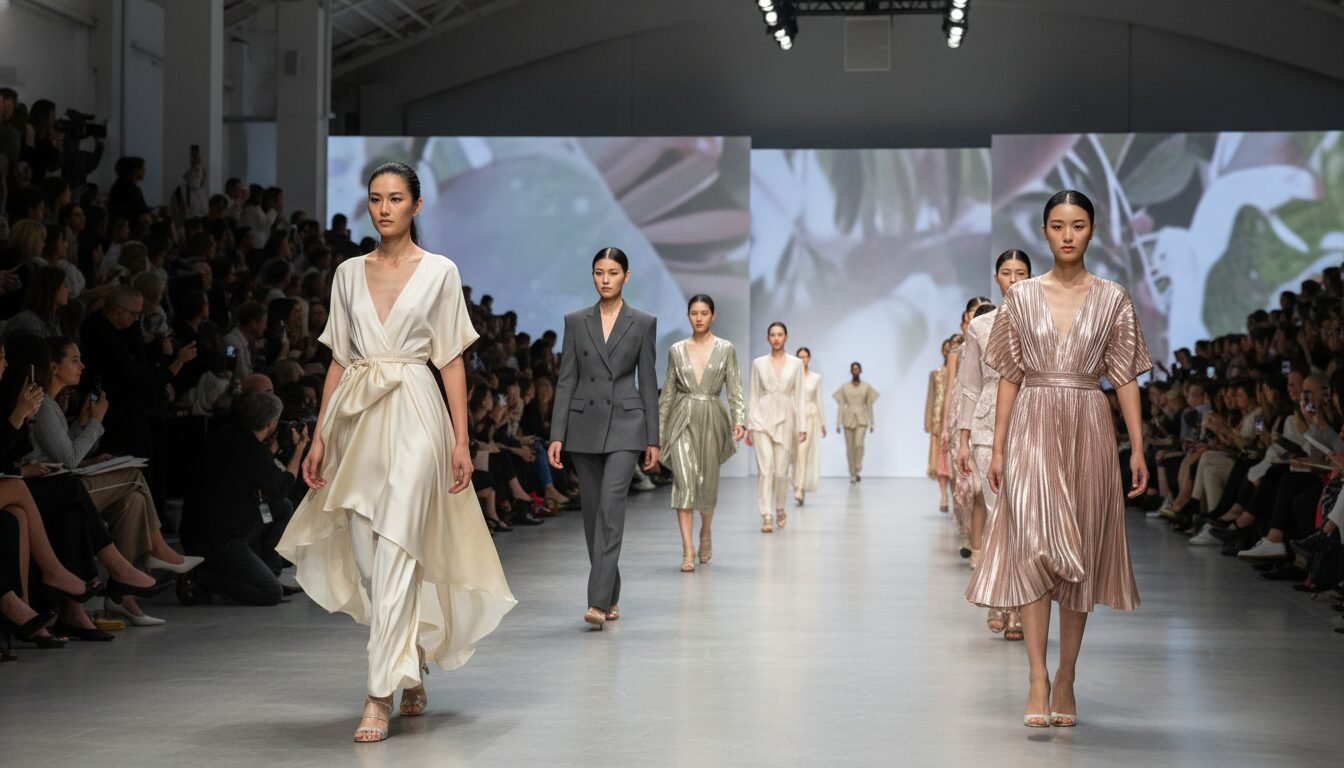
Fashion week is a concentrated industry event where designers and houses unveil seasonal collections to buyers, press, and consumers. It sets the global trend agenda twice a year and represents the highest tier of fashion culture.
What Is Fashion Week? History and Definition
What Is Fashion Week? History and Definition – fashion week | Pretty N Poison
“A fashion week is a week-long industry event where designers, brands, or houses display their latest collections in runway shows to buyers and the media, directly influencing upcoming trends for the current and approaching seasons.”
The Origins in Paris
The concept began in Paris in the late 19th century when marketers hired women to wear couture pieces at racetracks and salons. These parades, or “défilés de mode,” gradually evolved into exclusive client-only showings by houses like Charles Frederick Worth and Paul Poiret. The first official Paris edition was established in 1973 with the formation of the Fédération Française de la Couture, marking a centralized structure for what had long been an informal tradition.
Global Expansion
By the mid-20th century, the model had spread to New York, Milan, and London. New York’s “Press Week” launched in 1943 to spotlight American designers during wartime travel restrictions. Today, the “Big Four” form an annual circuit often called “fashion months,” with each city hosting two major editions: Fall/Winter (February-March) and Spring/Summer (September-October).
The Modern Definition
What separates a full fashion week from a single runway show is its concentrated schedule, multiple designers, and institutional backing. It serves as a B2B hub for wholesale buying and press coverage while increasingly opening to consumers via live streams and public tickets. The calendar now spans every inhabited continent, reflecting the industry’s growing democratization.
Major Fashion Weeks and Their 2026 Dates
Major Fashion Weeks and Their 2026 Dates – fashion week | Pretty N Poison
City / Event
Typical Season Months
Key 2026 Dates (Women’s RTW)
Notable Features
New York
February & September
Sept 10-15
Largest by designer count; first chronologically; strong commercial focus
London
February & September
Sept 17-21
Known for emerging talent and avant-garde creativity
Milan
February & September
Sept 22-28 (Women’s)
Heritage luxury houses; craftsmanship emphasis
Paris
February-March & Sept-Oct
Sept 28-Oct 6
Epicenter of haute couture; longest-established official week
Copenhagen
August
Aug 3-7
Leading sustainable event; sets early trend direction
Miami Swim
May
May 28-31 (22nd edition)
Largest swimwear showcase globally
Boston
Fall: October
Oct 4-10 (32nd annual)
One of the longest-running regional U.S. events
The Big Four: New York, London, Milan, Paris
These 4 cities represent the industry’s highest-profile showcases. New York alone hosts over 200 shows per edition, while Paris claims the largest media audience with its ready-to-wear and haute couture presentations. Together they generate billions in economic impact annually, drawing press, buyers, and cultural tastemakers from every corner of the globe.
Regional and Niche Events
Beyond the Big Four, events like Denver Fashion Week (which has drawn coverage from Forbes and ELLE) and Ukrainian Fashion Week (scheduled September 2-6, 2026) highlight the international reach of the circuit. Menswear-only editions in Milan (June 19-23) and Paris (June 23-28) add to the crowded calendar. Meanwhile, Los Angeles Fashion Week and Dallas Fashion Week, produced by The Bureau Fashion Week®, bring B2C accessibility to U.S. audiences.
Emerging Markets and Digital Extensions
Platforms like Fashion Week Online® stream shows globally, while the @fashionweek Instagram account amplifies reach to its 245,600 followers. The Fashion AI Expo, held during the Cannes Film Festival in 2026, explores AI’s role in design and retail, pointing to a tech-integrated future for the entire circuit.
How to Attend Fashion Week: A Step-by-Step Guide
How to Attend Fashion Week: A Step-by-Step Guide – fashion week | Pretty N Poison
“For over a decade, Fashion Week Online® has been your one-stop resource, championing inclusion and diversity and giving a voice to emerging designers.” — Fashion Week Online®
Step 1: Choose Your City and Season
Decide which event aligns with your interest: New York’s commercial energy, Paris’s couture heritage, or a local alternative closer to home. Most major editions occur in February/March for Fall/Winter and September/October for Spring/Summer. Check official sites like NYFW.com or FashionWeekOnline.com for exact dates as soon as they drop.
Step 2: Understand Access Levels
Admission varies from invitation-only runway shows to open-to-the-public talks and pop-ups. Press, buyers, and VIPs receive priority, but an increasing number of events offer consumer passes. Denver Fashion Week sells tickets directly to the public, while NYFW: The Shows provides a mix of exclusive and sponsored experiences.
Step 3: Secure Tickets or Credentials
For industry members, apply months in advance through designer press offices or official registration portals. Consumers can purchase tickets via platforms like Fashion Week Online® or event-specific sites. NYFW’s schedule is released approximately 6-8 weeks before opening day, and popular shows fill fast.
Step 4: Plan Travel and Accommodations
Book flights and hotels as soon as dates are confirmed. In cities like New York and Paris, demand spikes hotel prices by 25-50% during peak show weeks. Many official guides list partner hotels, and Fashion Week Online® provides venue and accommodation recommendations for each city on the circuit.
Step 5: Navigate During the Week
Download the official app (e.g., the NYFW app) for real-time schedule updates. Allow at least 2 hours between shows to account for transit and security. Pack a portable charger, comfortable shoes, and a statement look. Street style photography is a hallmark of the experience, and you will want to be ready.
The Economic Power of Fashion Week
The Economic Power of Fashion Week – fashion week | Pretty N Poison
Job Creation and Local Revenue
A single edition can inject hundreds of millions of dollars into a host city through tourism, hospitality, and event production. New York’s event supports over 180,000 jobs annually across the broader fashion industry, according to industry estimates. The Bureau Fashion Week®, which operates across 9 U.S. cities including New York, Los Angeles, and Dallas, shows how regional events stimulate local economies by drawing designers, media, and shoppers simultaneously.
Sponsorship and Brand Visibility
Sponsorships range from luxury automakers to beauty giants, with some events selling naming rights for multi-year deals. Denver Fashion Week’s partnership with ELLE and Forbes underscores the marketing value for brands seeking cultural relevance. Smaller events, like Boston’s 32nd annual edition, rely on community support and restaurant partners to fund operations and keep the ecosystem alive.
Retail and the “See-Now-Buy-Now” Model
The traditional calendar, showing collections 6 months before they hit stores, is collapsing under consumer demand for immediacy. Labels like Tommy Hilfiger and Burberry pioneered in-season shows, allowing shoppers to purchase runway looks within days of the presentation. According to fashion industry reporting on the 2023-2024 Paris season, this shift has boosted conversion rates by 10-15% for early-adopting brands.
Sustainability and Fashion Week: Challenges and Innovations
Environmental Footprint
Travel, production, and waste from a four-city Big Four tour can generate up to 241,000 tons of CO₂ when factoring in flights, shipping, and venue energy. This has prompted serious calls for reform. The Fédération de la Haute Couture’s decision to combine men’s and women’s collections into a single Paris event for Fall 2026 could cut travel-related emissions by an estimated 20-30%, according to sustainability analysts tracking the circuit.
Pioneering Green Events
Copenhagen’s edition now mandates strict environmental requirements for all participating designers, making it a global benchmark for responsible production. Denver Fashion Week’s mental health initiative with nonprofit Ardent Grove and The Bureau Fashion Week®’s ESG principles prove that sustainability extends well beyond carbon counting. As of 2026, more than 15 events worldwide have adopted some form of sustainability charter.
Digital Replacements and Hybrid Formats
During the pandemic, many scheduled events went fully digital, dramatically cutting emissions. Today, hybrid models like the Fashion AI Expo streaming during Cannes offer a middle ground: preserving the live experience while eliminating unnecessary travel. London’s edition has embraced this shift, with 40% of its 2026 presentations being digital-first, per reporting from fashion industry observers.
Pros and Cons of Fashion Week
Pros
Global trend-setting: The Big Four collectively define what the world wears for the next 6 months, giving brands and buyers unmatched directional clarity.
Economic impact: Host cities gain hundreds of millions in tourism and hospitality revenue, supporting over 180,000 jobs in New York alone.
Discovery platform: Emerging designers gain access to press, buyers, and competitions like the LVMH Prize that can launch careers overnight.
Cultural visibility: Street style, social media coverage, and live streams democratize access, turning runway moments into global conversations.
Business connections: Parallel showrooms and trade events connect designers directly with buyers from retailers like Saks Fifth Avenue.
Cons
Environmental cost: A full Big Four circuit can generate up to 241,000 tons of CO₂, making it one of the fashion industry’s most carbon-intensive periods.
Exclusivity barriers: Despite growing public access, the most influential shows remain invitation-only, limiting genuine democratization.
Financial pressure: Staging a runway show costs brands anywhere from tens of thousands to millions of dollars, creating steep barriers for independent designers.
Calendar fatigue: With over 100 distinct events annually across 30+ countries, buyers and press face exhausting schedules and diminishing attention per show.
Street Style: The Democratic Runway
The Rise of the Fashion Influencer
Outside every major venue, a parallel spectacle unfolds: street style. What began as incidental photos of editors and buyers has grown into a global phenomenon, spawning careers for influencers and photographers alike. According to Vogue’s fashion editors, street style coverage now rivals the runway itself in shaping seasonal trends and driving consumer purchase decisions.
How to Get Photographed
Style experts recommend: 1) bold silhouettes with unique details; 2) layering textures and unexpected color combinations; 3) investment in statement accessories; and 4) confident, natural posing. Location matters too. The Lincoln Center plaza in New York and the Carrousel du Louvre in Paris are iconic backdrops that photographers return to every season.
Regional Street Style Differences
From the sleek minimalism of Copenhagen to the exuberant maximalism of African events, street style reflects local culture with precision. Tokyo’s circuit merges avant-garde and tradition, while Sydney’s layered looks adapt to variable spring weather. Photographers like Phil Oh and Acielle of Style du Monde have documented these contrasts, turning street style into a visual archive of global identity.
Fashion Week as a Launchpad for Emerging Talent
Designer Discovery Programs
The circuit has long served as a discovery platform for new voices. Competitions like the LVMH Prize and CFDA/Vogue Fashion Fund select finalists who often debut in New York or Paris. Boston’s submission process for independent designers and Denver’s inclusive mission, which places no restrictions based on race, religion, or body type, demonstrate how regional events lower barriers to entry across the industry.
Model Opportunities
For models, the runway circuit remains the surest path to visibility. Agencies scout heavily during casting weeks, and an appearance in Paris or New York can lead to multi-year contracts. Platforms like Fashion Week Online® provide dedicated model guides and application portals, with some events hosting open calls that attract over 1,000 applicants for a single season.
Business and Retail Connections
Beyond the runway, the circuit facilitates real business deals. Showrooms and trade shows running parallel to main schedules connect designers with buyers from stores like Saks Fifth Avenue and Matches Fashion. The Bureau Fashion Week®’s in-house production model keeps logistics under one roof, simplifying the process for emerging brands navigating their first major season.
Virtual Fashion Week and the Metaverse Frontier
Virtual fashion week is no longer a pandemic workaround. It is a permanent fixture of the global calendar. Platforms like Fashion Week Online® now stream shows to audiences across more than 100 countries, removing geographic and financial barriers that once made the circuit inaccessible to most. The Fashion AI Expo at Cannes 2026 signals the next evolution: AI-generated looks, digital-only collections, and metaverse runway experiences that exist entirely outside physical space.
According to trend forecasting from ELLE and WWD, digital-first presentations are attracting younger audiences who engage primarily through TikTok and Instagram rather than attending in person. This shift is not replacing the live experience. It is expanding the total audience for every show on the calendar, creating new sponsorship categories and revenue streams that did not exist 5 years ago.
Frequently Asked Questions
What is fashion week?
Fashion week is a multi-day event where designers and houses present their latest collections through runway shows, exhibitions, and presentations to industry professionals and the public. The largest editions occur twice a year in the Big Four fashion capitals: New York, London, Milan, and Paris.
Who can attend fashion week?
Historically, only press, buyers, and VIPs could attend, but many events now sell public tickets. Access varies: some shows remain invitation-only, while others offer consumer passes through official websites and platforms like Fashion Week Online®.
How many fashion weeks are there in a year?
There are over 40 major fashion weeks annually worldwide, including the Big Four’s 2 editions each. When counting regional, menswear, and couture events, the total exceeds 100 distinct events across 30+ countries.
Which fashion week is the most important?
Paris is widely considered the most influential due to its couture heritage and the presence of top houses like Chanel and Louis Vuitton. New York drives extensive commercial coverage, and Milan is essential for leather goods and tailoring.
When are the 2026 fashion week dates for New York?
New York Fashion Week Spring/Summer 2026 runs September 10-15, 2026, with the Fall/Winter edition occurring in February 2026. Exact schedules are posted on NYFW.com approximately 6-8 weeks before opening day.
How has fashion week become more sustainable?
Initiatives include combining men’s and women’s shows to reduce travel, Copenhagen’s strict sustainability charter for participating designers, and increasing digital presentations. Some events have cut carbon emissions by an estimated 20-30% through these combined changes.