Key Takeaways
- Fashion icons are individuals whose personal style and influence introduce new trends that become part of fashion culture, transcending transient fads.
- Classic figures like Coco Chanel and Audrey Hepburn set timeless standards, while subculture and sustainable icons reshape modern style.
- The path to becoming a fashion icon requires a signature aesthetic, consistency, and an unwavering commitment to authenticity over trend-chasing.
- Icons differ from influencers by prioritizing long-term cultural impact rather than short-term social media metrics.
- Understanding the evolution of fashion icons helps you cultivate a personal style that is both distinctive and enduring.
- As of 2026, the secondhand luxury market and sustainable partywear are redefining what iconic dressing looks like on the dance floor.
What Defines a Fashion Icon?
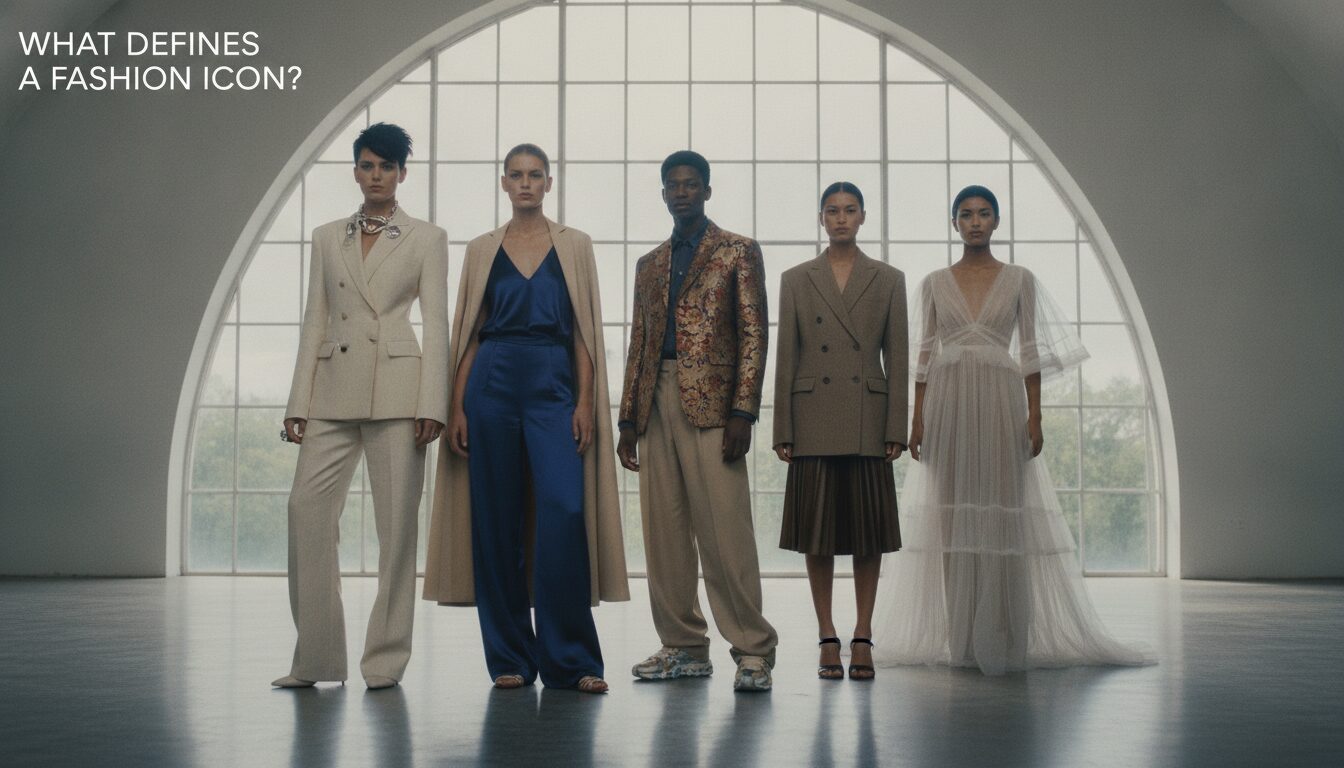
Fashion icons are influential individuals who introduce new styles that spread throughout culture and become part of fashion history. Unlike fleeting trendsetters, they create lasting impact through distinctive personal aesthetics and fearless self-expression.
The Definition of a Fashion Icon
A fashion icon is a person whose inherent style and cultural influence set new directions in clothing, accessories, and beauty. According to Wikipedia, a fashion icon or fashion leader is “an influential person who introduces new styles which spread throughout fashion culture and become part of fashion.” True icons initiate movements. They don’t merely follow them. The term evolved from the earlier concept of “fashion leaders”: historically royalty, aristocrats, and their consorts who dictated upper-class taste. Today, icons emerge from every corner of society, from Hollywood and music to politics and subcultures.
The Evolution of the Term
Historically, fashion leadership was reserved for queens like Marie Antoinette, whose extravagant 18th-century court style trickled down through European society. Empress Joséphine, wife of Napoleon I, popularized the Empire-line dress, while Beau Brummell, a friend of King George IV, set men’s fashion standards with immaculate tailoring and cravat innovations. In the 20th century, the meaning expanded to include movie stars, musicians, and avant-garde designers themselves, forever altering who qualifies as a fashion icon. The rise of mass media and later social platforms democratized the concept, allowing for a diverse array of figures that reflect shifting cultural values.
Qualities of a True Fashion Icon
Not every celebrity earns the title. A genuine fashion icon possesses an unmistakable signature style that stays consistent through decades, yet evolves gracefully. They often shock and challenge norms: David Bowie’s gender-bending glam rock looks, Madonna’s provocative cone bras. Icons rarely chase trends. Instead, they internalize inspiration and reinterpret it through their own lens. Longevity separates the true fashion icon from the momentarily famous: their influence persists on mood boards and runways generations later. The Editorialist notes that a fashion icon is “less about their job title and more about the inherent personal style and influence a person has,” emphasizing that star power alone is insufficient. It must be coupled with originality and conviction.
Pros and Cons of Dressing Like a Fashion Icon
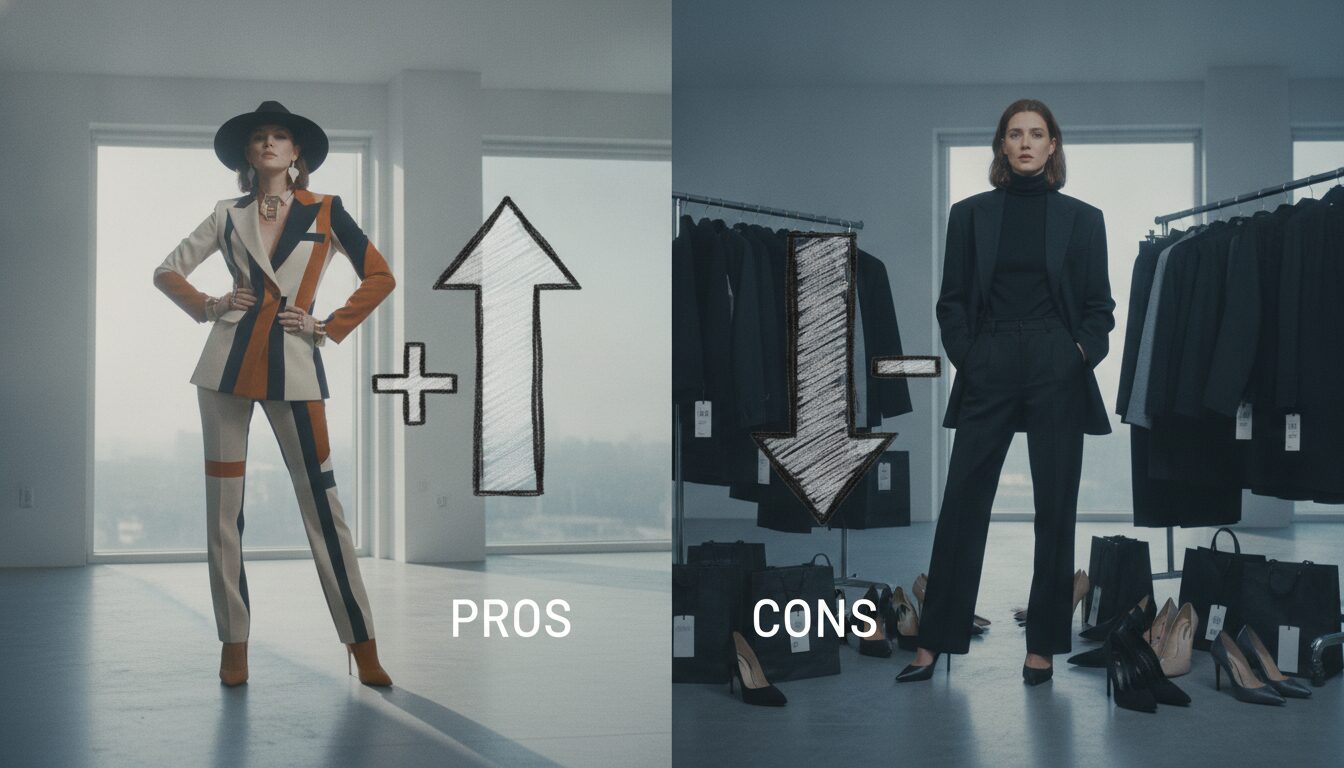
Channeling this type of icons is one of the most powerful moves you can make with your wardrobe. But it comes with trade-offs worth knowing before you commit.
Pros
- Instant visual identity: A signature aesthetic makes you unforgettable in any room, from a rooftop bar to a red-carpet event.
- Timeless investment: Iconic style pieces, think structured handbags, tailored blazers, and the Little Black Dress, hold their value and relevance across seasons.
- Confidence amplifier: Dressing with intention and conviction changes how you carry yourself. That’s not a style tip. That’s science.
- Cultural connection: Referencing a fashion icon links you to a lineage of bold self-expression that spans decades.
- Trend immunity: When your style is rooted in iconography, algorithm shifts and micro-trends can’t touch you.
Cons
- Risk of costume: Leaning too hard into one icon’s aesthetic can read as imitation rather than inspiration.
- Higher entry cost: Truly iconic pieces, whether vintage or designer, often carry a premium price tag.
- Misread by peers: Dressing boldly and distinctively can attract attention you’re not always ready for. That’s the price of being ahead.
- Requires commitment: A signature style only works if you wear it consistently. Dabbling defeats the purpose.
Classic Fashion Icons Through the Decades
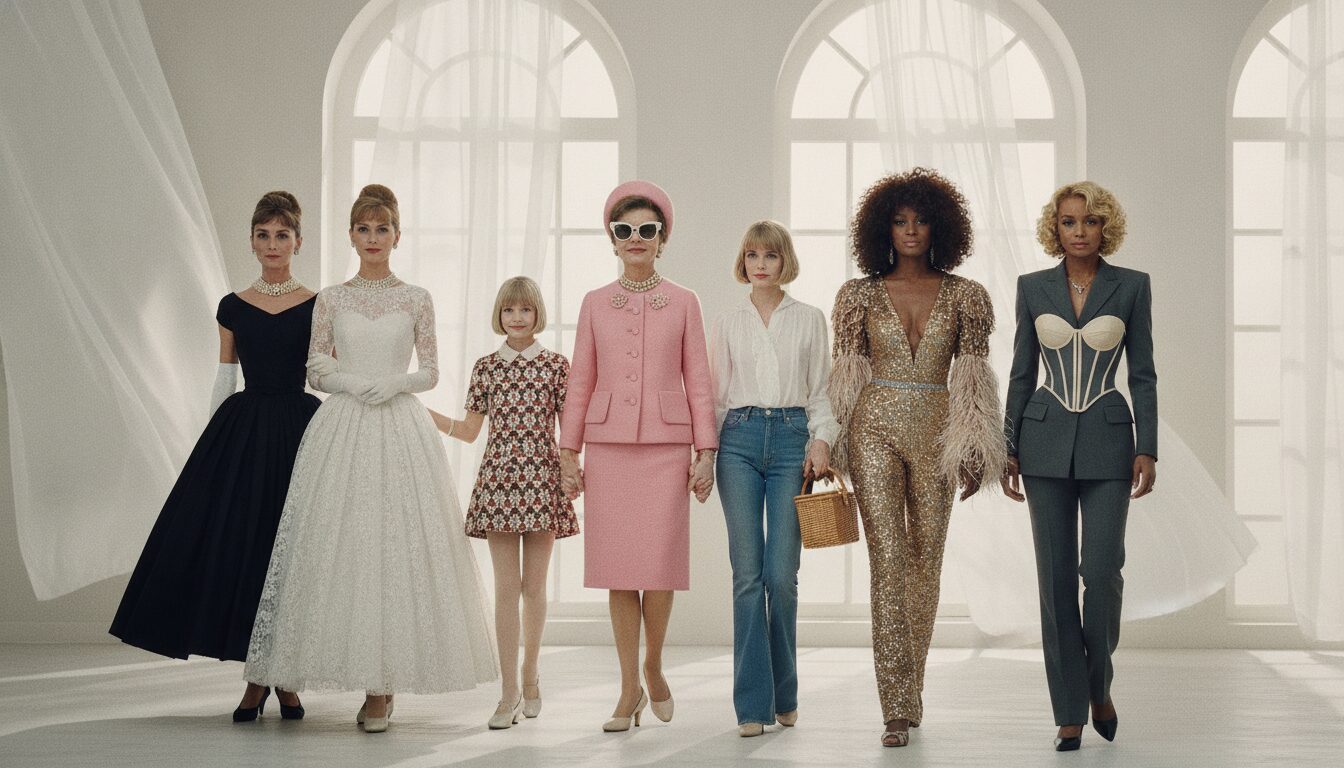
These enduring this kind of icons shaped entire eras with their revolutionary approach to dress, and their fingerprints are still all over the clothes you want to wear tonight.
The Roaring Twenties and Coco Chanel
Coco Chanel liberated women from corsets in the 1920s, introducing relaxed silhouettes, jersey fabrics, and the iconic Little Black Dress. Her designs built a new, modern femininity and laid the groundwork for contemporary fashion. Chanel’s aphorism, “Style is not fashion until it has reached the street,” captures exactly how true fashion operate. The LBD remains one of the most enduring garments ever created, repeatedly reinterpreted by designers and embraced by everyone from Princess Diana in her “revenge dress” to contemporary red-carpet statements. Mary Quant pushed the revolution further in the 1960s, introducing the miniskirt and making youth culture the engine of fashion for the first time.
The Golden Age of Hollywood
The 1940s and 1950s produced a pantheon of icons whose visibility through cinema shaped global style. Audrey Hepburn’s collaboration with Hubert de Givenchy gave the world the LBD in Breakfast at Tiffany’s, cigarette pants, and ballet flats: a masterclass in minimalist elegance that still lands on every “timeless style” list published today. Grace Kelly’s transition from film star to Princess of Monaco cemented her as a symbol of refined sophistication. Her structured handbags became so iconic that Hermès renamed their bag the “Kelly” in her honor. Marilyn Monroe’s bombshell glamour, including the famous white halter dress, defined Hollywood sensuality and continues to inspire designers from Miuccia Prada to Michael Kors.
Male Fashion Icons Beyond Bowie
Male this type of icons have been just as disruptive. James Dean’s white T-shirt, jeans, and leather jacket in the 1950s created a blueprint for American cool that still sells billions of dollars in denim annually. Michael Jackson’s red leather Thriller jacket, sequined glove, and military-inspired stage wear turned every performance into a fashion event, influencing streetwear and luxury alike. These figures prove that iconic dressing isn’t gendered. It’s about the courage to own a look so completely that it becomes cultural shorthand.
Royal and Political Icons
Royalty has a unique power to set trends through visibility and status. Princess Diana’s style evolution, from shy Sloane Ranger to confident global trendsetter, made her one of the most photographed this kind of icons of the 20th century. Her “Travolta dress” and “revenge dress” are historic moments in fashion commentary. On the political stage, Jackie Kennedy Onassis’ impeccable shift dresses, pillbox hats, and pink Chanel suit epitomized American elegance. Margaret Thatcher pioneered power dressing with strong-shouldered suits that conveyed authority and reshaped female political attire. Eva Perón brought a different kind of power dressing to Argentina: immaculate tailoring and jewels used as deliberate instruments of political image-making. These fashion showed how clothing communicates status, power, and identity on an international scale.
Subculture and Nightlife Icons That Redefined Style
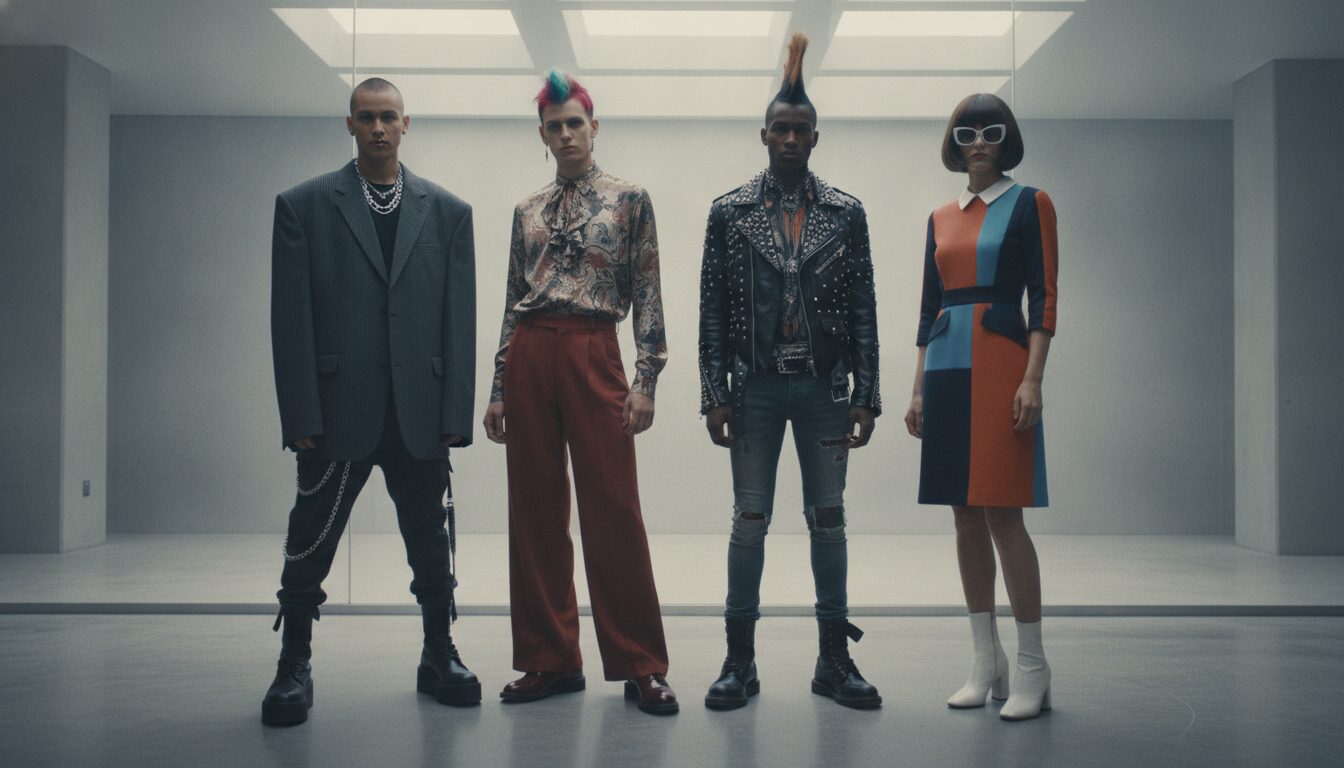
The most significant icons often emerge from underground scenes and nightlife, challenging conventions and birthing entirely new aesthetics that eventually take over the mainstream.
Punk and Rock Icons
Joan Jett’s leather jackets, chains, and unapologetic gender-blending defined a new archetype for female rock stars in the late 1970s. Her influence extended beyond music into fashion, inspiring designers like Saint Laurent and Balmain to incorporate punk elements into collections that sell for thousands per piece. David Bowie’s chameleon-like ability to shift personas, from Ziggy Stardust’s flamboyant jumpsuits to the Thin White Duke’s sharp tailoring, demonstrated that this type of icons are not bound by one identity. These figures created clothing vocabularies that continue to appear on runways and in street style, proving that subversion is a powerful wellspring of style.
Club Kids and Rave Culture
The 1980s and 1990s club kid phenomenon, epitomized by figures like Leigh Bowery and Michael Alig, turned the nightclub into a runway for extreme self-expression. Outlandish makeup, prosthetic body parts, and techno-inspired neon attire challenged every boundary of taste and identity. Rave culture later introduced fluo colors, bucket hats, and oversized silhouettes: aesthetic codes now absorbed into high fashion by brands like Louis Vuitton and Balenciaga at price points starting at $500 and climbing well beyond. These niche this kind of icons illustrate how the most daring creativity flourishes in the margins before being co-opted by the mainstream.
“The most powerful style statements don’t come from runways. They come from the people brave enough to dress for themselves in rooms where no one is watching.” – Fashion historian and cultural critic, reflecting on the legacy of club culture’s influence on contemporary luxury fashion.
Drag and Gender-Bending Icons
Drag queens have always been fashion in their own right, using exaggerated femininity and theatricality to redefine gender norms. RuPaul’s rise to multimedia stardom brought drag aesthetics to global visibility, influencing makeup trends, red carpet fashion, and even the Met Gala’s “Camp: Notes on Fashion” theme. Billy Porter’s black Christian Siriano tuxedo gown at the 2019 Academy Awards made history, cementing his role as a modern fashion icon pushing genderless fashion into the mainstream. These pioneers prove that fashion icons can dismantle rigid categories and expand the creative possibilities of personal style.
Sustainable Fashion Icons Leading the Eco-Conscious Movement
A new generation of fashion icons is proving that style and sustainability can coexist, especially in the partywear and nightlife space where single-use glamour has long been the norm.
Pioneers of Ethical Fashion
Stella McCartney has long been the torchbearer for high-end sustainable fashion, refusing to use leather, fur, or feathers in her collections. Her designs prove that luxurious, sophisticated clothing can be produced without animal cruelty, influencing brands like Gucci and Kering to adopt fur-free policies. Emma Watson used her red-carpet appearances to champion eco-friendly choices, wearing a Calvin Klein gown made from recycled plastic bottles to the 2016 Met Gala. These fashion icons use their influence to normalize ethical consumerism without sacrificing aesthetics.
How Sustainable Icons Influence Partywear
The party circuit, from Coachella to warehouse raves, has become a testing ground for sustainable fashion innovations. Biodegradable sequins, organic cotton bodysuits, and lab-grown diamanté pieces are replacing petrochemical-derived party staples. Fashion trend forecasting from McKinsey’s State of Fashion 2026 report suggests that consumer demand for sustainable materials has reached a tipping point, with major retailers now dedicating significant portions of their buying budgets to eco-certified lines. Fashion icons like Billie Eilish, who often wears oversized, upcycled designer sets, and musician Grimes, known for her futuristic eco-conscious looks, demonstrate that green glamour is not an oxymoron. Their choices encourage major brands to invest in circular design and rental platforms, reshaping party fashion toward a more responsible future.
Brands Championing Green Glamour
Collina Strada’s Hillary Taymour delivers whimsical, sustainably made pieces frequently spotted at festivals and openings, proving that ethical sourcing needn’t sacrifice personality. Cult brand GCDS has introduced a “See Now, Buy Now, Wear Forever” collection using recycled ocean plastics. According to a ThredUp resale report, vintage and pre-owned apparel will account for roughly 27% of the average closet by 2027, fueled by nostalgia for iconic looks. The secondhand luxury market, which ThredUp projects will grow into a multi-billion dollar category through the late 2020s, allows consumers to emulate fashion icons through vintage finds that carry zero new environmental cost. These developments illustrate how fashion icons are increasingly defined not only by their look, but by their alignment with progressive values.
“Sustainability is no longer a niche concern. It’s the new luxury signifier,” according to fashion editors at Vogue Business, who note that the most culturally resonant style figures of 2026 are those who make ethical choices look effortless and aspirational.
How to Become a Fashion Icon: 3 Steps
Becoming a fashion icon isn’t about fame. It’s an internal process of cultivating a unique, recognizable aesthetic that resonates beyond the moment.
Step 1: Define Your Signature Style
Audit your current wardrobe and identify recurring motifs: colors, silhouettes, fabrics, or eras that feel authentic. Fashion icons are immediately recognizable because they have a consistent visual language. Think of Anna Wintour’s blunt bob and sunglasses, or Karl Lagerfeld’s fingerless gloves and tailored suits. Select three to five key elements that represent you and build every outfit around them. This is your visual signature. Protect it.
Step 2: Master Consistency
True fashion icons don’t abandon their aesthetic when trends shift. They evolve within their framework. Diana Vreeland, legendary editor of Vogue, maintained her extreme elegance and exoticism through decades of editorial work. Train your eye to resist fleeting fads. Invest in pieces that align with your signature style and wear them repeatedly in creative combinations. Repetition isn’t laziness. It’s authority.
Step 3: Embrace Individuality Over Trends
As the Editorialist notes, icons “don’t follow trends, but set them, often without the intention of doing so.” Your goal is not to please the algorithm, but to express something genuine. Experiment with unconventional pairings, mix vintage with contemporary, and let your personality dictate your choices rather than the latest runway directive. Confidence is the ultimate accessory of every fashion icon. No price tag required.
Fashion Icons vs. Influencers: What’s the Difference?
| Aspect | Fashion Icon | Social Media Influencer |
|---|---|---|
| Primary Goal | Self-expression; cultural influence | Audience engagement; commerce |
| Timeframe | Decades-long impact | Often tied to platform algorithms |
| Originality | Sets trends; highly original | Often follows and amplifies trends |
| Relationship with Trends | Creates or ignores them | Reacts to them quickly |
| Monetization | Indirect (brand partnerships often secondary) | Direct (sponsored content, affiliate links) |
| Examples | Grace Kelly, David Bowie, Billy Porter | Chiara Ferragni, Camila Coelho, Aimee Song |
| Legacy | Endures beyond active career; inspires future generations | May fade as platform loses relevance |
The digital age has blurred some lines, but the core distinction remains: fashion icons prioritize authenticity over marketability, and their influence endures through cultural shifts. While an influencer might be forgotten when the algorithm changes, a true fashion icon leaves a permanent imprint on the collective style consciousness.
Their Lasting Impact on Modern Style
The legacy of fashion icons is visible everywhere, from boutique rails to fast fashion knockoffs, and it’s accelerating rather than fading.
How Runway Inspires Streetwear
Designers continuously mine the aesthetics of past fashion icons. Miu Miu’s Spring 2026 collection references Y2K club kid aesthetics, while Dior Men’s artistic director Kim Jones frequently channels punk-era energy directly from icons like Vivienne Westwood and Malcolm McLaren. This trickle-down effect means that without ever knowing Joan Jett’s name, a teenager wearing a leather jacket with safety pins is participating in a lineage traced directly to a fashion icon. According to fashion editors at ELLE, the cyclical nature of iconic style means no aesthetic ever truly dies. It just waits for its moment.
The Resurgence of Vintage and Iconic Pieces
The growing popularity of secondhand shopping, driven by environmental concerns and a desire for uniqueness, has revived interest in the signature pieces of historical fashion icons. Platforms like Vestiaire Collective and The RealReal report spikes in searches for items associated with specific stars: Princess Diana’s sweatshirt-and-bike-shorts combo, Kate Moss’s slip dresses, or John Travolta’s 1970s disco suits. According to a ThredUp resale report, vintage and pre-owned apparel will account for roughly 27% of the average closet by 2027, fueled by nostalgia for iconic looks. Owning a piece linked to a fashion icon, or an affordable interpretation, serves as a bridge between past inspiration and present identity.
How to Incorporate Iconic Style into Your Wardrobe
To channel the energy of fashion icons without direct imitation, adopt one signature element from a figure you admire: a structured handbag à la Grace Kelly, a crisp button-up shirt inspired by Carolyn Bessette-Kennedy, or a bold lip reminiscent of Taylor Swift’s classic red. Pair these with contemporary, sustainably made basics to keep the look fresh. The point isn’t costume. It’s a thoughtful dialogue between the past and your personal present. That’s exactly the duality we build into every collection at Pretty N Poison.
Discover your duality at prettynpoison.com. Whether you’re drawn to the ethereal romance of the Pretty Edit, the dark edge of the Poison Edit, or the contrast-driven pieces in our Duality and Night Ritual collections, your icon era starts now.
Frequently Asked Questions
Who are the most famous fashion icons?
Famous fashion icons include Coco Chanel, Audrey Hepburn, Grace Kelly, David Bowie, and Princess Diana. Each shaped global style through distinctive aesthetics that continue to inspire designers and consumers today.
Who are the current fashion icons?
Current fashion icons include Billy Porter for genderless red-carpet dressing, Billie Eilish for sustainable oversized fashion, and Zendaya for boundary-pushing elegance. Their influence is felt in both luxury and street-level trends as of 2026.
Who are 90s fashion icons?
1990s fashion icons include Kate Moss with her minimalist aesthetic, Carolyn Bessette-Kennedy’s streamlined sophistication, and Kurt Cobain’s grunge flannel look that upended traditional menswear. Each defined a distinct visual identity that still circulates on mood boards today.
What is the difference between a fashion icon and a fashion influencer?
A fashion icon creates lasting cultural impact through original personal style, while an influencer amplifies existing trends for commercial gain. Icons set trends; influencers follow them for engagement and sponsored reach.
Can anyone become a fashion icon?
Yes, if they develop a consistent, authentic signature style that resonates culturally. Fame helps, but many fashion icons emerge from subcultures and gain recognition over time through sustained, unapologetic influence.
How do sustainable fashion icons impact the industry?
Sustainable fashion icons like Stella McCartney and Emma Watson prove that high style can align with ethical practices. They drive demand for eco-friendly materials, circular production, and secondhand luxury, pushing brands toward greener strategies that are reshaping the entire industry as of 2026.