Luxury fashion retail is the sale of premium apparel, accessories, and footwear through exclusive channels that prioritize exceptional craft, scarcity, and personalized service. Read on to find out where to shop, what to look for, and how to build a wardrobe that lasts.
Key Takeaways
- fashion retail offers exclusive collections, personalized services, and immersive store experiences that go far beyond ordinary shopping.
- Quality indicators like material, craftsmanship, and brand heritage are non-negotiable when investing in high-end pieces.
- The secondary luxury market is growing at roughly 9% annually through 2028, giving shoppers ethical and cost-effective options.
- Proper care and maintenance can extend the life of luxury items for decades, protecting every dollar you spend.
- Sustainability certifications like GOTS and Leather Working Group ratings are now standard signals of a credible luxury brand.
What Is Luxury Fashion Retail?
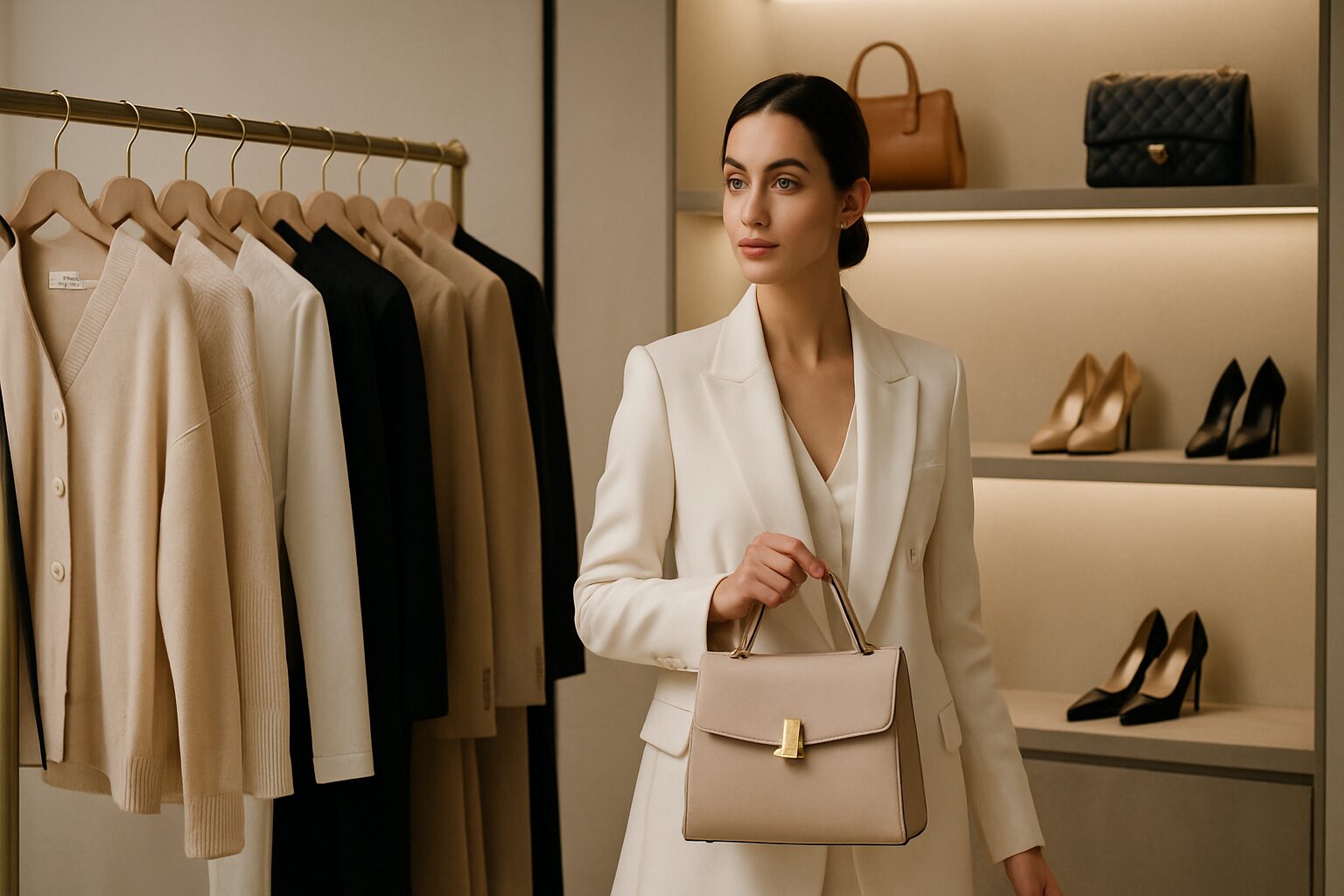
this type of retail is a distinct sector of the retail industry dedicated to premium clothing, footwear, handbags, jewelry, and personal goods that combine exceptional materials, expert craftsmanship, and powerful brand identities. Unlike mass-market fashion, this world emphasizes scarcity, white-glove customer service, and an elevated atmosphere that makes every visit feel like an event. According to Bain & Company, the personal luxury goods market is projected to grow 3-8% in 2026, fueled by consumers prioritizing quality over quantity. That shift is reshaping flagship stores worldwide, turning them into lifestyle destinations rather than simple points of sale.
“Many customers are now prioritizing quality over quantity, particularly in personal luxury goods, with Bain & Company predicting growth in the market of between 3-8%,” states a leading industry analysis, underscoring the resilience of high-end fashion commerce.
Top Luxury Fashion Retail Destinations in 2026
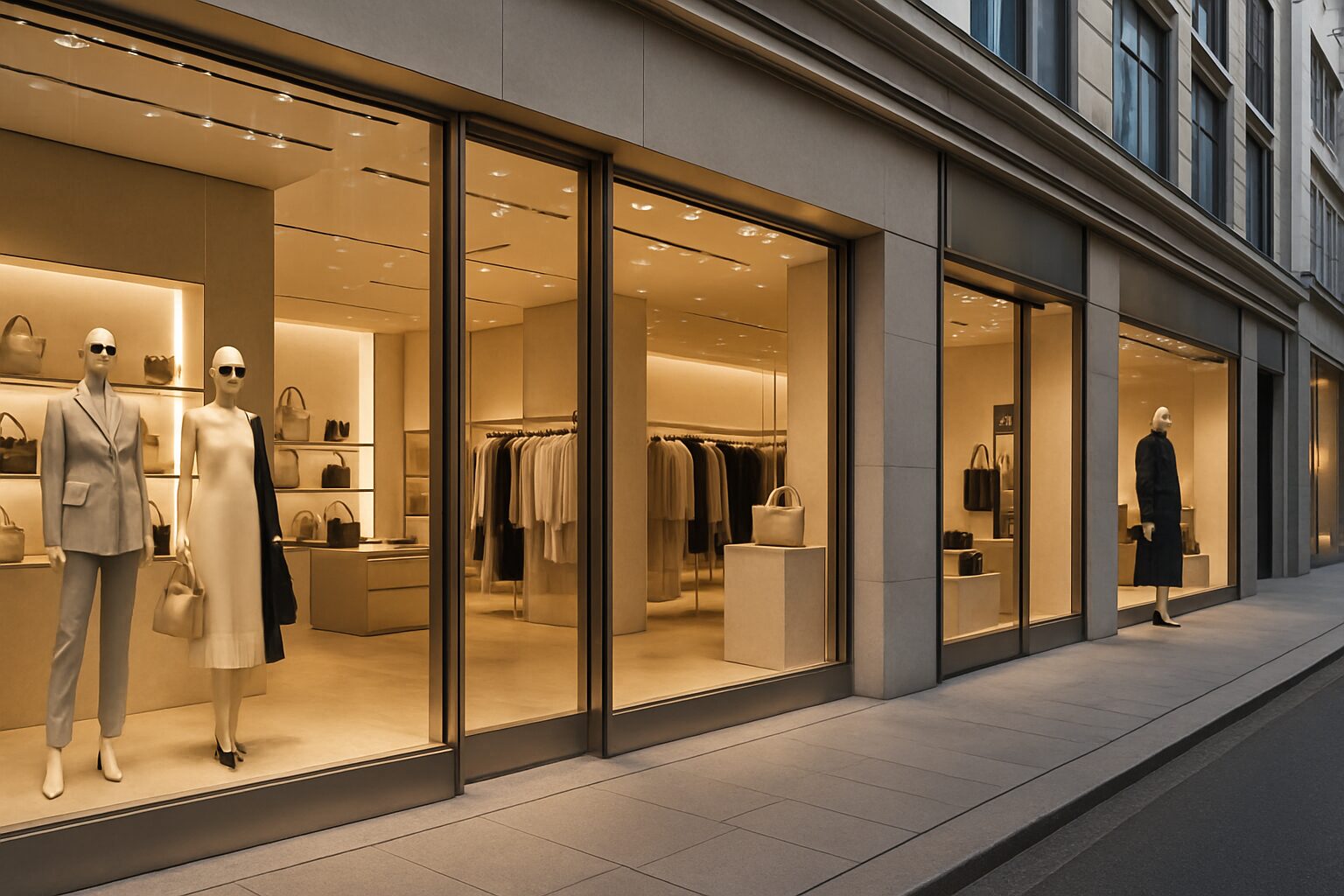
Physical stores remain the beating heart of high-end fashion commerce. The most innovative boutiques now blend art, technology, and hospitality to attract a new generation of shoppers. Below are five standout destinations that exemplify the current state of the industry, each highlighted in a recent industry roundup.
| Store | Location | Unique Feature | Experience Highlight |
|---|---|---|---|
| Bentley Cube | Seoul, South Korea | Lifestyle concept store with commissioned art | Batur Studio Suite for bespoke vehicle commissions; Sound Playground with Naim audio |
| Gucci Valigeria | Paris, France | Dedicated travel-goods boutique, vintage-train interior | Personal appointments for bespoke trunks; exclusive aluminium trolley by FPM Milano |
| Cartier | Paris, France | Marquetry panther motifs throughout the store | Cocktail bar; vintage watch department (1970s-2010s) verified by Cartier |
| Louis Vuitton Ginza Namiki | Tokyo, Japan | Glass-panelled façade mimicking rippling water | Aquarium-style interior with jellyfish installations; LV-monogrammed lattes at the café |
| Dolce & Gabbana | Seoul, South Korea | Transparent glass building between black pillars | Spiral staircase journey through all floors; rooftop terrace for private client conversations |
These locations prove that the best boutiques now compete on experience as much as product. Shoppers travel across cities to visit them, and every visit deepens brand loyalty in ways no online cart can replicate.
How the Luxury Fashion Industry Actually Works
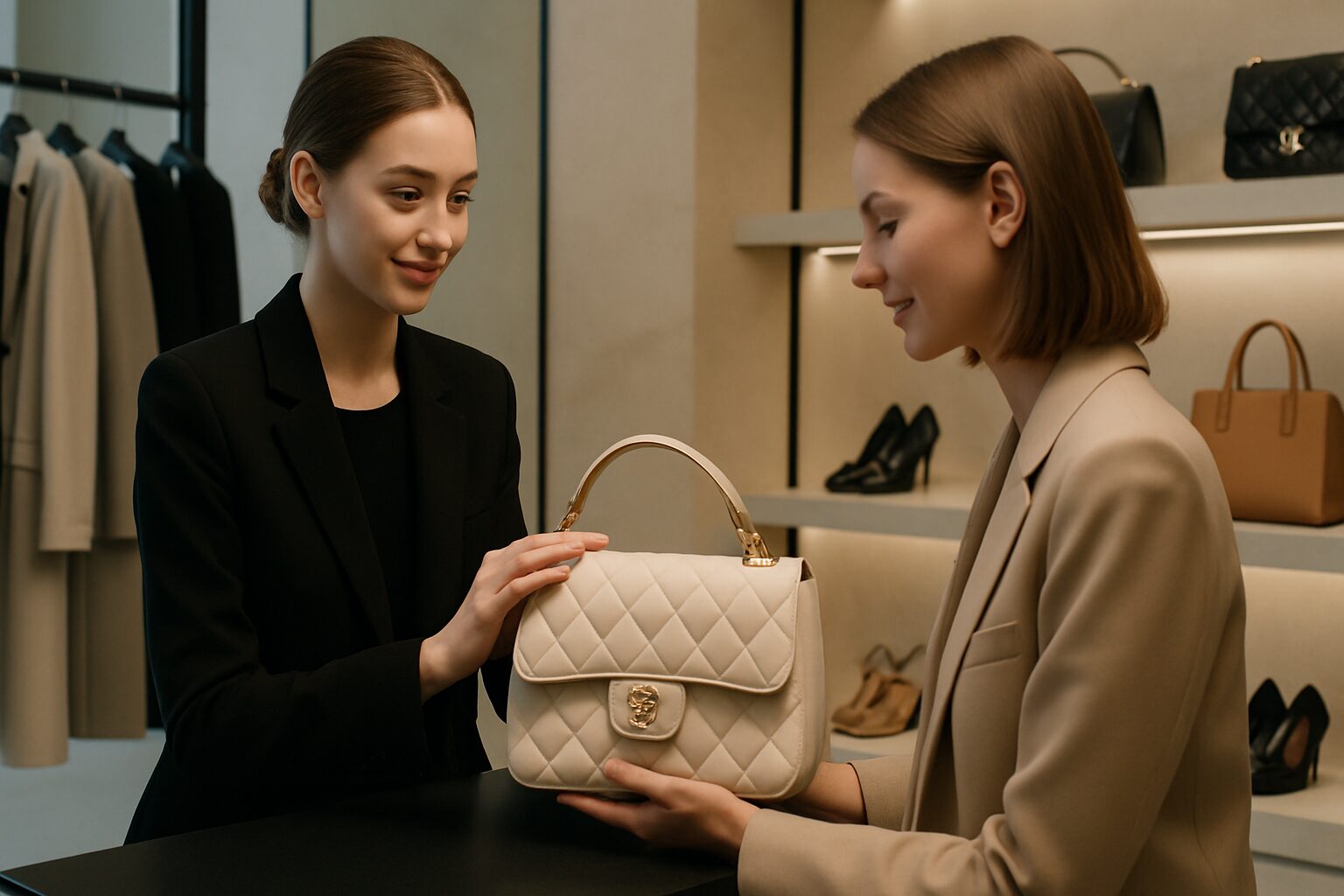
Understanding how this industry functions helps you shop with confidence and spend with intention. At its core, luxury fashion operates on three pillars: controlled distribution, brand equity, and aspirational pricing.
Controlled distribution means heritage houses like Hermès and Chanel deliberately limit where their products are sold. You won’t find a Birkin on a third-party marketplace with full authenticity guarantees. This scarcity is engineered, not accidental. It keeps demand consistently above supply, which is exactly why iconic pieces appreciate over time.
Brand equity is built over decades through design consistency, celebrity association, and cultural storytelling. According to McKinsey & Company’s fashion industry reporting, the top luxury groups, including LVMH, Kering, and Richemont, collectively generate hundreds of billions in annual revenue by investing as heavily in brand narrative as in product development.
Aspirational pricing signals quality and exclusivity simultaneously. A price point that feels out of reach for most consumers is, by design, part of the product’s appeal for those who can access it. As of 2026, this model remains the dominant structure across the sector.
What to Look For When Buying Luxury Fashion
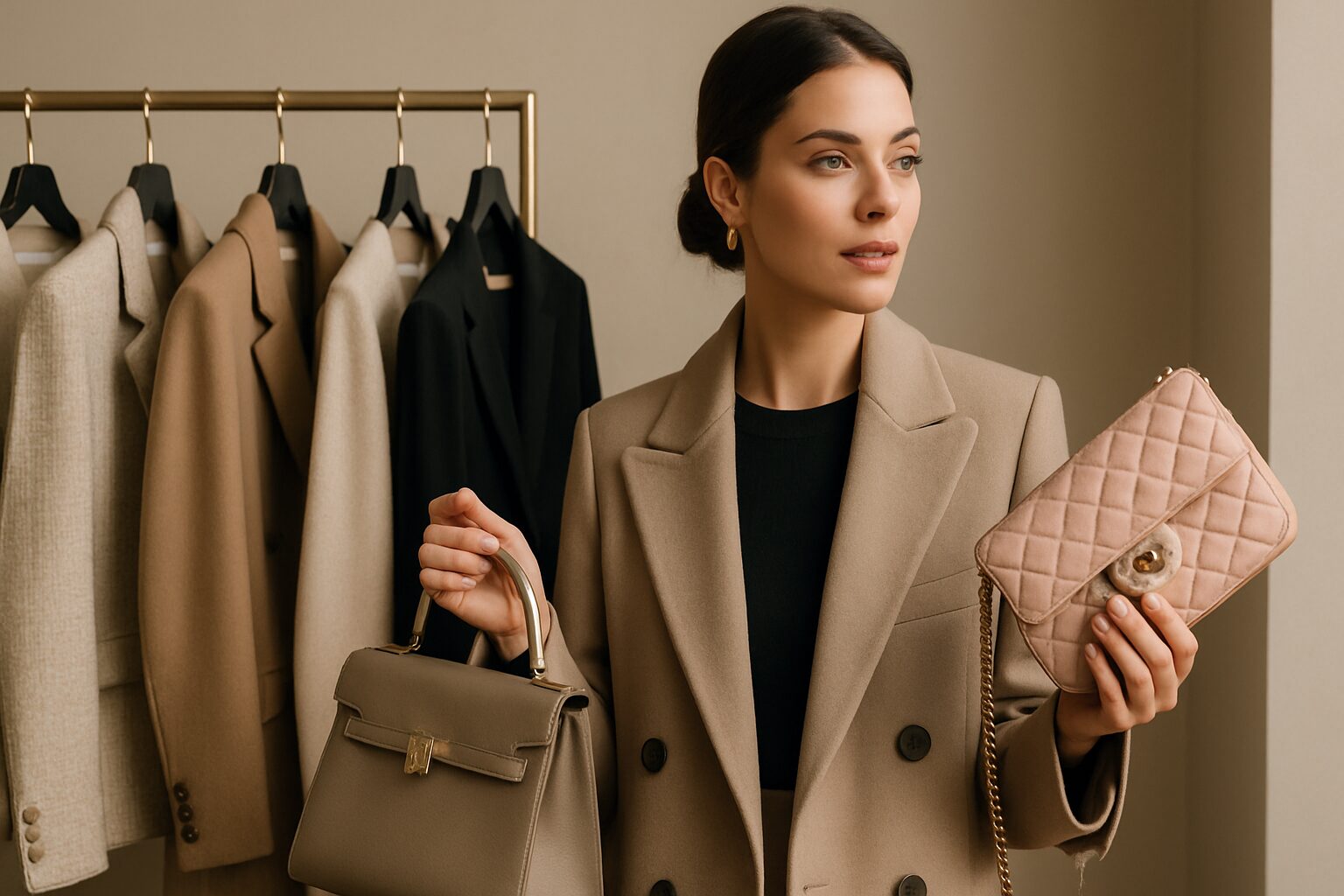
A sharp eye protects you from counterfeit goods and ensures you get genuine value from every purchase. Focus on these criteria before you commit.
Material & Craftsmanship
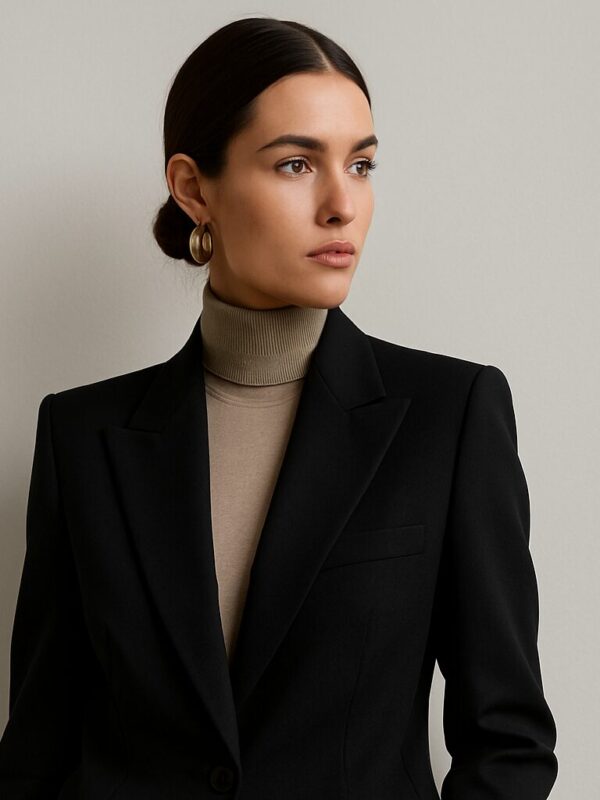
Examine fabric quality, stitching density, and hardware. Luxury garments typically use natural fibres like cashmere, silk, and fine leather, with double-stitched seams and precisely aligned patterns. Run your fingers along every seam. Check that buttons, zippers, and logos are robust, evenly finished, and impossible to dismiss as afterthoughts.
Fit & Comfort
High-end pieces are designed with precise sizing. Always try them on or consult detailed measurement charts before buying online. A well-cut jacket or a structured handbag should feel balanced and comfortable immediately, not after months of wear.
Brand Heritage & Exclusivity
Research the brand’s history and design philosophy before spending. Limited editions, artisan collaborations, and heritage houses often retain higher resale value. Exclusivity, in this context, can signal future collectability and long-term investment potential.
Price vs. Value
Premium price tags are a given. What matters is cost-per-wear and investment potential. An iconic handbag from Hermès or Chanel can appreciate over time, while trend-driven pieces may depreciate quickly. For context, IMARC Group forecasts the secondary luxury market growing at roughly 9% annually through 2028, reflecting strong demand for pre-owned value.
How to Style Luxury Pieces for Any Occasion
Integrating high-end fashion into everyday life is the hallmark of the modern luxury consumer. Use these outfit formulas to maximize versatility across every occasion on your calendar.
Daytime Chic
Pair a structured blazer from a premium brand with relaxed denim and ballet flats. Add a silk scarf or a quiet-logo tote for understated elegance. This mix signals confidence without appearing overdressed, which is exactly the point.
Evening Glamour
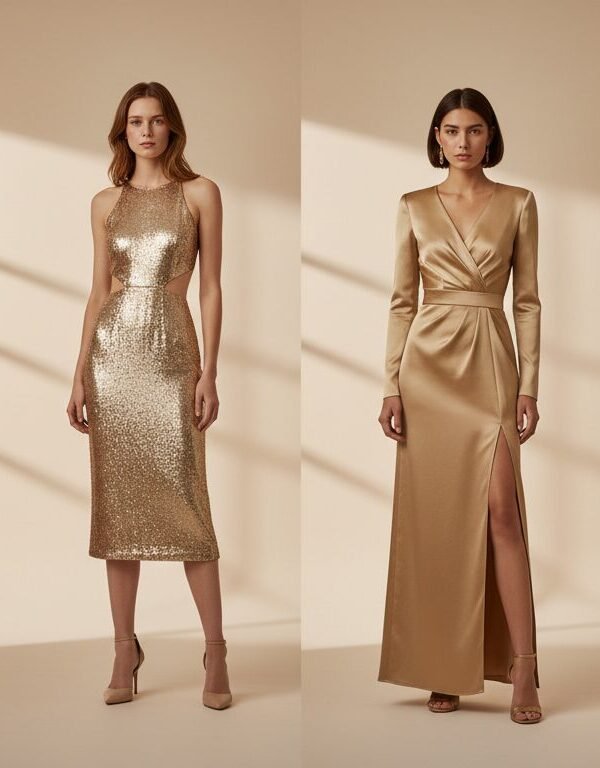
Let one statement piece dominate. A sequined skirt, an embellished clutch, or a floor-length coat. Keep everything else monochromatic and minimal. This approach, often showcased in high-fashion editorials, highlights the craftsmanship of the key item without visual noise competing for attention.
Sustainable Styling
Rent or buy pre-loved pieces for events, then mix them into your permanent collection. The rise of circular platforms is a direct response to shoppers demanding both ethics and style. Pre-owned luxury platforms like The RealReal and Vestiaire Collective now authenticate every item, making second-hand shopping as credible as buying new from a boutique.
Pros and Cons of Luxury Fashion Retail
this kind of retail delivers exceptional experiences and lasting value, but it comes with real trade-offs worth knowing before you invest.
Pros
- Exceptional quality: Premium materials and expert craftsmanship mean pieces that last years, not seasons.
- Investment potential: Iconic pieces from heritage houses like Hermès and Cartier frequently appreciate in value over time.
- Personalized service: White-glove experiences, personal stylists, and after-sales care are standard at top boutiques.
- Cultural cachet: Wearing a recognized luxury label carries social and professional weight in many circles.
- Resale value: With the secondary market growing at roughly 9% annually through 2028, your investment holds its worth.
Cons
- High entry cost: Premium pricing excludes most consumers and requires significant upfront investment.
- Counterfeit risk: The more desirable the brand, the more sophisticated the fakes. Authentication is a constant concern.
- Trend sensitivity: Not every luxury purchase holds value. Trend-driven pieces can depreciate as fast as fast fashion.
- Maintenance demands: Luxury items require specialist care, storage, and periodic repair to retain their condition and provenance.
Luxury Fashion Retail Care & Maintenance
Proper upkeep preserves your investment and is a core expectation of any serious high-end wardrobe. Follow these steps to protect every piece you own.
- Step 1: Read the care label carefully. Each luxury item comes with specific instructions. Follow them strictly, no exceptions.
- Step 2: Store correctly. Use padded hangers for coats, acid-free tissue for bags, and dust bags for shoes. Keep leather away from direct sunlight and humidity at all times.
- Step 3: Clean gently. Spot-treat stains immediately and take garments to a specialist cleaner that handles premium fabrics. Many top houses offer in-house cleaning services as part of their after-sales commitment.
- Step 4: Maintain regularly. Polish hardware, condition leather every six months, and have repairs done only by authorized artisans. This retains the item’s provenance and resale credibility.
“Proper storage and specialist cleaning are the two most overlooked factors in preserving the long-term value of luxury garments,” according to textile conservation experts cited by the Victoria & Albert Museum. Neglecting either can dramatically shorten a piece’s wearable life.
The Future of Luxury Fashion Retail: Sustainability and Experience
Two forces are reshaping this industry for 2026 and beyond: sustainability and experiential retail. Both are now critical differentiators, not optional extras.
Sustainability now permeates every level of high-end fashion commerce. Brands like Stella McCartney and Gabriela Hearst have built their entire identity around eco-conscious design, using organic cotton, recycled polyester, and traceable supply chains. Heritage houses such as Gucci and Prada are launching carbon-neutral collections and offering repair programs. When shopping for premium pieces, look for certifications like the Global Organic Textile Standard (GOTS) or Leather Working Group (LWG) ratings as reliable quality signals.
Experiential retail transforms stores into cultural hubs. The destinations listed above, from Bentley Cube to Louis Vuitton Tokyo, prove that top boutiques now compete with museums and restaurants for consumer attention. Virtual try-ons, augmented reality mirrors, and exclusive in-store events make the shopping journey memorable and shareable. For a shopper, this means more than a transaction. It’s an afternoon out, a story to tell, and a deeper connection with the brand.
Together, sustainability and experience mark the new benchmark for the sector. Shoppers who prioritize these elements consistently report higher satisfaction and longer-lasting relationships with their favorite labels, according to McKinsey & Company’s ongoing fashion industry research.
Frequently Asked Questions
What is luxury fashion retail?
Luxury fashion retail is the sale of high-end apparel and accessories through exclusive channels that emphasize quality, craftsmanship, and personalized service. It typically includes immersive store experiences, after-sales care, and controlled distribution designed to maintain brand prestige.
What is an example of a luxury retailer?
Hermès, Chanel, Louis Vuitton, Cartier, and Gucci are among the most recognized examples globally. Each operates flagship boutiques that function as brand experiences, not just points of sale, and maintains strict control over where and how their products are distributed.
How do I spot a counterfeit in luxury fashion retail?
Check stitching consistency, material feel, logo engraving, and packaging details. Authentic pieces have flawless finishing; fakes often misalign patterns or use cheaper hardware. When in doubt, buy only from authorized retailers or the brand’s own website.
Is online luxury fashion retail reliable?
Yes, if you buy from authorized retailers or directly from the brand. Avoid third-party marketplaces that don’t authenticate products. Many top houses now ship worldwide with secure, branded packaging and full return policies.
What is the best luxury fashion retail investment piece?
Classic handbags, tailored coats, and high-end watches typically hold value best. Iconic designs like the Hermès Birkin or Cartier Tank watch are perennial favorites precisely because their demand consistently outpaces supply, keeping resale prices strong year after year.
How can I save money in luxury fashion retail?
Shop sample sales, pre-owned platforms like The RealReal or Vestiaire Collective, or during seasonal promotions at department stores. Outlet villages and brand loyalty programs also offer discounts without compromising authenticity.