Ethical fashion labels are clothing brands that commit to fair labor, eco-friendly materials, and transparent supply chains. This guide covers every step: from reading certifications to building a wardrobe that actually works.
Key Takeaways
- fashion labels prioritize fair labor, eco-friendly materials, and supply-chain transparency.
- Use directories like Good On You and Baptist World Aid to check brand ratings before buying.
- Look for third-party certifications such as Fair Trade, GOTS, and B Corp to verify claims.
- Build a capsule wardrobe with versatile pieces from labels like ARMEDANGELS, Kotn, and Christy Dawn.
- Care for your garments properly to extend their lifespan and reduce environmental impact.
What Are Ethical Fashion Labels?
this type of labels are brands that hold themselves accountable on three fronts: the people who make the clothes, the planet those clothes come from, and the animals caught in the supply chain. Unlike fast fashion, they pay living wages, use sustainable materials like organic cotton or deadstock fabric, and trace every step of production. As Vogue UK’s 2025 round-up of sustainable brands puts it, “sustainable fashion means different things for different people” – but at minimum, a genuinely ethical label considers social impact, animal welfare, and longevity (Vogue UK).
Why Choosing Ethical Fashion Matters
Every dollar you spend is a vote for the industry you want to exist. The Baptist World Aid Ethical Fashion Guide makes it plain: millions of garment workers face low wages, unsafe conditions, and in some cases modern slavery, while the sector’s environmental footprint keeps growing. By supporting this kind of labels, you shift demand toward companies that invest in their workforce and take planetary harm seriously.
The Difference Between Ethical, Sustainable, and Fair Trade
These terms get used interchangeably, but they mean different things. “Ethical” focuses on human rights and labor conditions. “Sustainable” emphasizes environmental impact, including materials and waste. “Fair Trade” refers to a specific certification system that guarantees minimum prices and community-development premiums. The Fair Trade Certified clothing guide explains how factories earn premiums that workers vote on for projects like healthcare or education. Many ethical fashion pursue all three simultaneously.
Pros and Cons of Buying From Ethical Fashion Labels
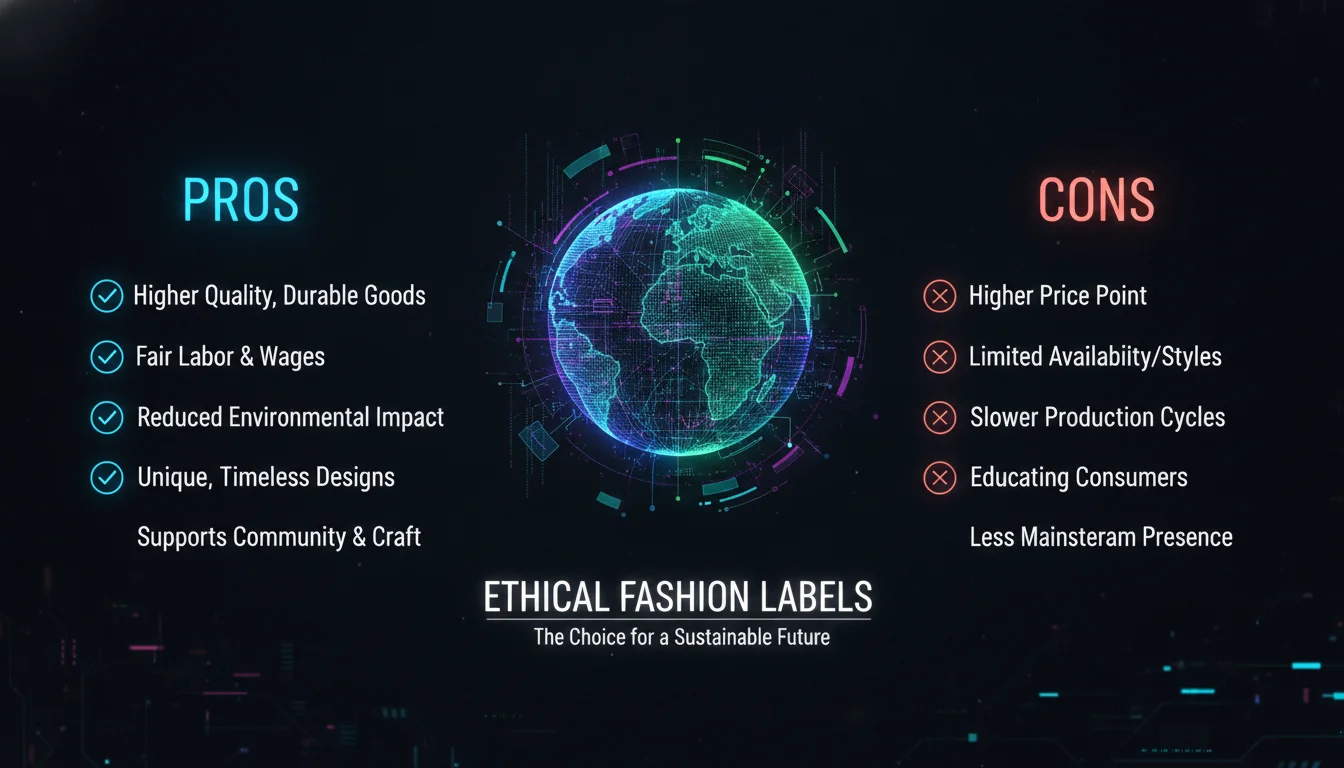
Pros
- Real accountability: Third-party certifications and transparency reports mean you can verify claims, not just trust marketing copy.
- Better construction: Ethical labels build to last. Better seams, natural materials, and classic cuts mean a lower cost-per-wear over time.
- Positive supply-chain impact: Your purchase directly supports fair wages and safer working conditions for garment workers worldwide.
- Lower environmental footprint: Organic, recycled, and regenerated fibers reduce water pollution, chemical use, and textile waste.
- Inclusive sizing: The ethical fashion space is broadening. Good On You lists 1,110 plus-size options among rated brands.
Cons
- Higher upfront cost: Ethical production costs more. Budget shoppers will need to prioritize and buy less, but buy better.
- Greenwashing risk: Not every brand that says “conscious” or “eco” has the receipts. Verification takes effort.
- Limited trend-driven options: Ethical labels tend toward timeless over trendy, which can feel restrictive if you live for the latest drop.
- Inconsistent sizing: Many ethical brands cut more generously than fast fashion, so always consult size charts before ordering.
How to Identify Truly Ethical Fashion Labels
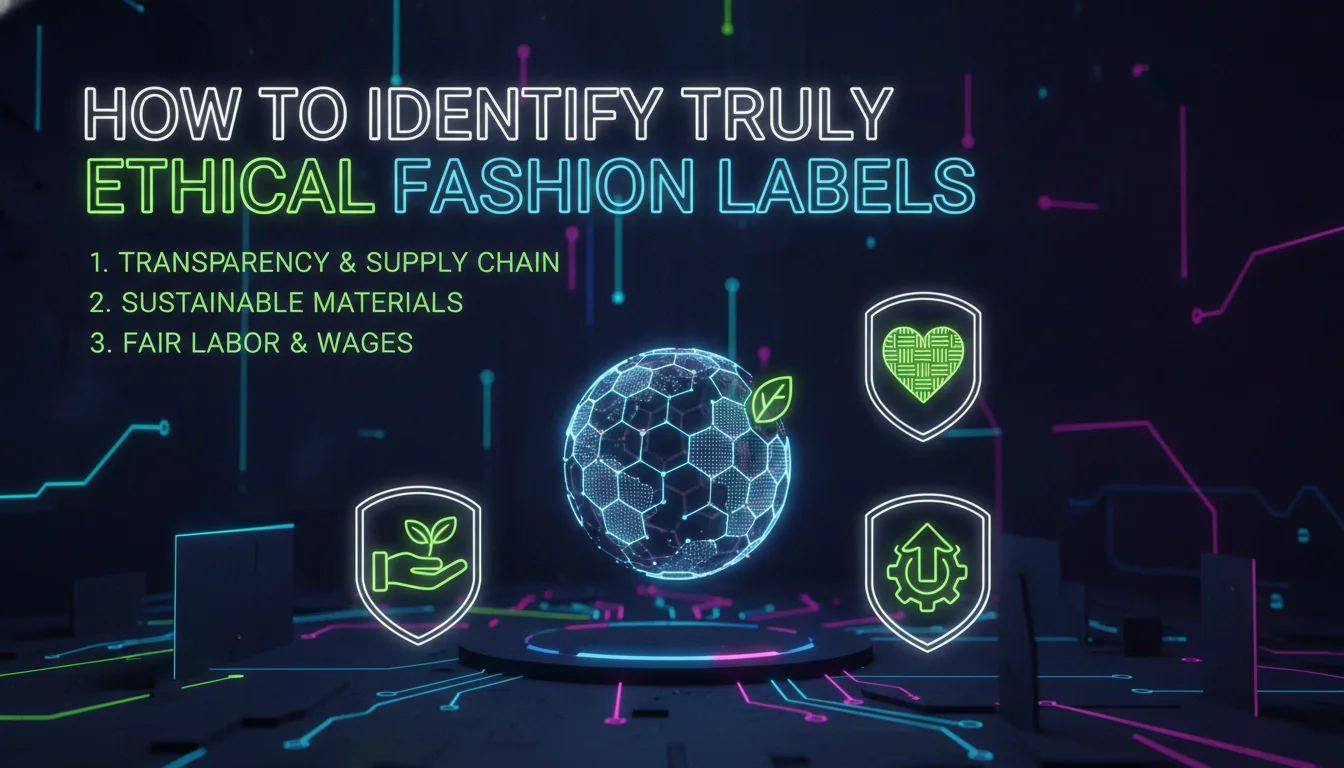
Not every brand that uses words like “conscious” or “eco” lives up to the promise. Greenwashing is rampant, so a structured approach helps you find fashion labels you can actually trust. Follow this step-by-step process.
Step 1: Check a Reliable Rating Directory
The fastest shortcut is a non-profit rating platform. The Good On You directory rates thousands of brands on a scale from “We avoid” to “Great,” evaluating impact on people, the planet, and animals. ARMEDANGELS earns “Great.” SHEIN receives “We avoid.” Eco-Stylist certifies brands based on transparency, fair labor, and sustainably-made criteria. According to Eco-Stylist, its featured labels pay clothing makers 15-30 times more in living wages than the industry norm (Eco-Stylist). Start every purchase by looking up the brand on at least one such directory.
Step 2: Read the Label’s Own Transparency Report
True this type of labels publish details about their factories, material sourcing, and social initiatives. Look for an “Impact” or “Sustainability” page that names specific facilities, shares audit results, and explains how they calculate a living wage. Brands like Outerknown and Patagonia set the benchmark here. If a brand is vague about where its garments are cut and sewn, treat that as a red flag.
Step 3: Match Certifications to Your Values
Third-party certifications add real verification. Common ones include:
- Fair Trade Certified: Ensures factory workers receive a premium on top of their wages and operate in safe conditions. Brands like Pact and Athleta carry this seal.
- GOTS (Global Organic Textile Standard): Certifies organic fibers and prohibits harmful chemicals throughout processing.
- OEKO-TEX: Tests finished garments for substances harmful to human health.
- B Corp: Verifies a company’s overall social and environmental performance. Christy Dawn is a recognized B Corp.
No single certification covers everything. A combination of several signals a robust commitment.
Step 4: Examine Material Choices
Ethical labels favor low-impact fibers. Organic cotton avoids the synthetic pesticides and heavy water use associated with conventional cotton. Tencel lyocell is made from wood pulp in a closed-loop process that reuses water and solvents. Deadstock fabric reduces waste by repurposing leftover material from other brands. If you need performance wear, choose recycled synthetics over virgin polyester, which sheds microplastics with every wash.
Step 5: Assess Price, Durability, and Timelessness
An ethical piece often costs more upfront. The cost-per-wear, though, can be significantly lower because of better construction and classic design. Think in terms of investment, not impulse. One well-made organic-cotton jean from a label like Kotn can outlast multiple pairs of fast-fashion denim.
Factors to Consider When Shopping Ethical Fashion Labels
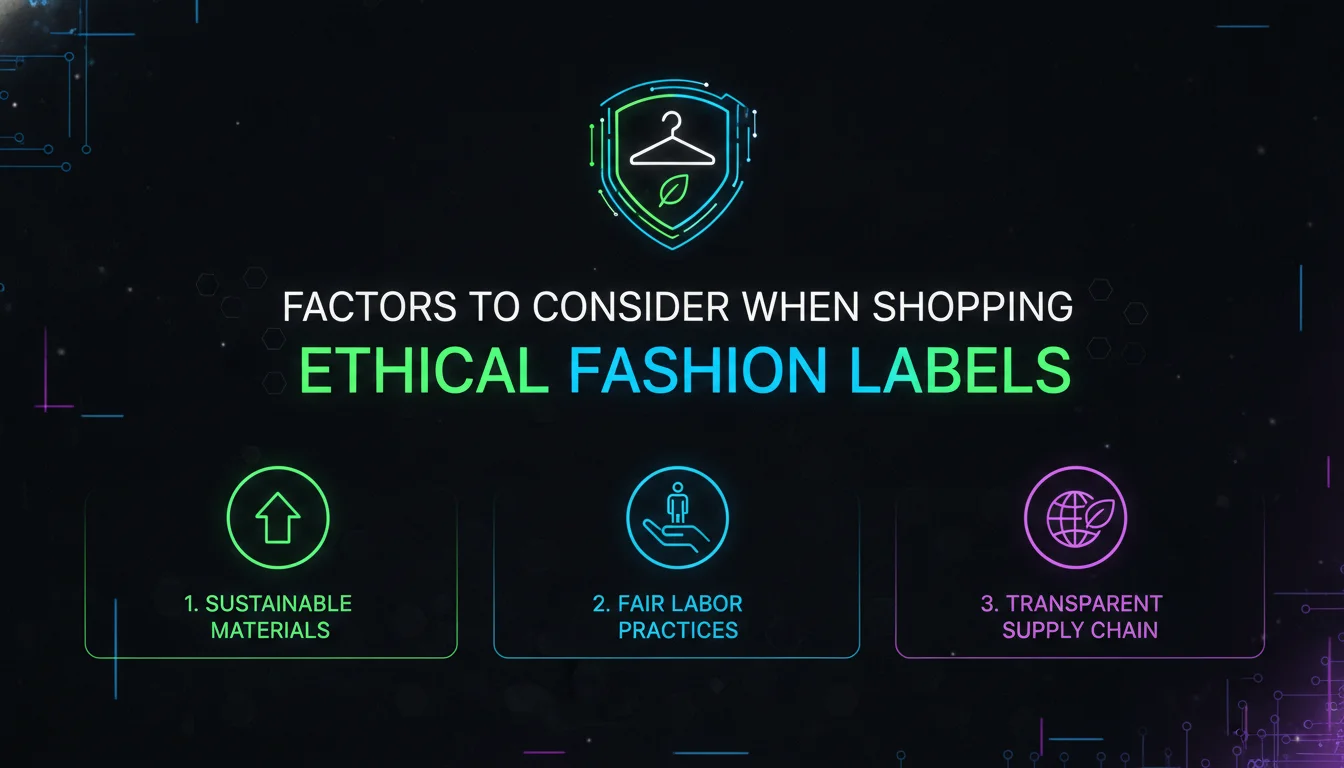
Once you have a shortlist, weigh these practical criteria to make sure the garment works for you and your conscience.
Material and Construction
Check the fabric composition tag. Prioritize organic, recycled, or regenerated fibers. Look at seam finishing: French seams or bound edges indicate care in construction. Double-stitched hems and natural buttons made from corozo, wood, or shell are small but revealing details. Ethical fashion labels often highlight these features because they want the garment to last years, not seasons.
Transparency and Labor
Does the brand disclose the factories where each product is made? Kotn publishes its supply-chain map, showing which farms provided the cotton and which workshops cut and sewed the garments. A brand that cannot or will not tell you where your clothes were made is probably hiding something worth knowing.
Fit, Comfort, and Inclusivity
An ethical purchase only works if you’ll actually wear it. Consult size charts carefully. Many ethical brands cut more generously than fast fashion. Good On You lists 1,110 plus-size options among rated brands, a sign the movement is broadening beyond its historically narrow size range.
Price-Range Expectations
Ethical fashion labels span three broad tiers:
- Budget ($30-$80 per item): Brands like Pact and Colorful Standard offer organic cotton basics under $80.
- Mid-range ($80-$200): Labels such as Kotn and ARMEDANGELS sell well-made staples, including jeans, sweaters, and dresses, in this bracket.
- Premium ($200+): Christy Dawn and Outerknown charge more for artisanal details, regeneratively farmed materials, and fully traceable supply chains.
A higher price does not automatically equal higher ethics. Always cross-check with a rating platform.
| Brand | Country | Price Tier | Good On You Rating | Key Ethical Features |
|---|---|---|---|---|
| ARMEDANGELS | Germany | Mid-range | Great | GOTS-certified organic cotton, Fair Trade, living-wage commitment |
| Kotn | Canada | Mid-range | Good | B Corp, directly sourced Egyptian cotton, supply-chain transparency |
| Christy Dawn | USA | Premium | Good | Deadstock fabrics, regenerative cotton, artisan-made in USA |
| Pact | USA | Budget | Good* | Fair Trade Certified, organic cotton basics, affordable price points |
| Colorful Standard | Denmark | Budget | Good | OEKO-TEX certified, organic cotton, anti-chemical dyeing |
*Pact’s Fair Trade certification and widespread recognition as an ethical brand justify its inclusion here.
How to Style Ethical Fashion Labels for Different Occasions
Building outfits from ethical fashion labels is easier when you treat your wardrobe as a curated capsule. Here are real outfit ideas using pieces from rated brands.
Elevated Office Wear
Pair Colorful Standard’s organic cotton Oxford shirt with Kotn’s pleated trousers and a pair of vegan leather loafers from NAE. Add a structured blazer from ARMEDANGELS for a boardroom-ready look that’s entirely traceable. Clean lines, verified ethics, zero compromise.
Weekend Casual
Wear a recycled-polyester bomber jacket over a Christy Dawn deadstock-cotton dress, finished with second-hand sneakers. The mix of textures keeps the outfit interesting while staying low-impact. This is what conscious dressing actually looks like: effortless, not performative.
Evening and Events
Opt for a jumpsuit from Reformation, rated Good on Good On You, in Tencel lyocell. Style it with ethical jewelry from SOKO and a clutch made from Pinatex, a pineapple-based leather alternative. The monochrome palette lets the fabric’s drape and sheen do the talking.
Loungewear and Athleisure
Pact’s organic-cotton joggers and matching hoodie provide comfort without compromise. Layer a long-sleeve tee from Kotn underneath for extra warmth on errand days. Basics done right: certified, comfortable, and built to last.
Is the Sustainable Fashion Market Actually Growing?
Yes, and the numbers from competitor evidence confirm it. According to a 2022 Statista study cited by Fair Trade Certified, 39% of respondents considered sustainability slightly important when buying clothing, while only 3% did not consider it important at all. The sustainable clothing market share is expected to reach over 6% by 2026, per the same source. That growth is creating real pressure on mainstream brands to clean up their supply chains, which is exactly why knowing how to identify genuine ethical fashion labels matters more now than it did five years ago.
“By wearing Fair Trade Certified factory-made clothing, we’re helping create sustainable livelihoods, safer working conditions, and desperately-needed transparency in the fashion industry.” – Fair Trade Certified, Sustainable Clothing Guide, 2025
“Given that sustainable fashion means different things for different people, it can be difficult to know where to start if you’re trying to be more conscious about your shopping habits.” – Emily Chan, Vogue UK, June 2025
Caring for Your Ethical Fashion Purchases
Extending the life of your clothes is the single most impactful action you can take after buying from ethical fashion labels. The garment is only as sustainable as the care it receives.
Washing and Drying
Wash in cold water using a gentle, biodegradable detergent. Turn garments inside-out to protect visible surfaces. Air-dry whenever possible. Tumble dryers cause micro-tear and consume significant energy. If you must machine-dry, use the lowest heat setting available.
Storage and Repairs
Fold knitwear. Hang woven items on padded hangers. Keep clothes out of direct sunlight to prevent fading. Learn basic mending: replacing a button or darning a small hole adds months, sometimes years, to a garment’s life. Patagonia’s Worn Wear program and Nudie Jeans’ free repair service are industry benchmarks for keeping clothes in circulation.
End-of-Life Options
When a piece is truly worn out, recycle it through brand take-back schemes or specialized recyclers. Avoid throwing clothes in the trash. Even damaged fabric can be downcycled into insulation or industrial wiping cloths, keeping it out of landfill entirely.
Frequently Asked Questions
What are the best online directories for finding ethical fashion labels?
Good On You and the Baptist World Aid Ethical Fashion Guide are the most comprehensive resources available. Good On You rates thousands of brands on people, planet, and animal welfare. Baptist World Aid assessed 13,000 data points covering 46 questions across three tiers of the supply chain to produce its scores. Eco-Stylist is another curated resource that certifies brands based on strict sustainability criteria.
How do I know if an ethical fashion label is genuinely ethical?
Look for third-party certifications such as Fair Trade, GOTS, and B Corp, alongside a transparent supply-chain map and a high rating on independent directories. Be skeptical of brands that use vague language like “conscious” or “eco” without concrete data or audited reports to back it up.
Are ethical fashion labels expensive?
They range from affordable to luxury. Brands like Pact and Colorful Standard offer basics under $80, while premium labels like Christy Dawn and Outerknown cost over $200. The higher upfront cost often reflects better materials and construction, so cost-per-wear is typically lower over time.
Can I find ethical fashion labels for plus sizes?
Yes. Good On You lists over 1,110 plus-size options from rated brands. Labels like Universal Standard, Girlfriend Collective, and Eileen Fisher are known for inclusive sizing combined with ethical production practices.
What is the easiest way to start building an ethical wardrobe?
Start by auditing your current closet to identify genuine gaps, then purchase second-hand or from a few trusted ethical labels. Focus on versatile, high-quality basics: organic cotton tees, a well-cut pair of jeans, a classic sweater that mixes and matches across seasons.
How can I spot greenwashing?
Red flags include no named factories or suppliers, heavy use of nature imagery without proof, “eco” collections that make up a tiny fraction of total output, and a complete absence of third-party certifications. Always verify claims on independent platforms like Good On You before you buy.
Discover your duality at prettynpoison.com.