Fashion Industry: Global Size, Impact & Trends 2026
The fashion industry is the global business of designing, producing, and selling clothing, accessories, and footwear. It generates trillions annually, employs millions worldwide, and sits at the center of culture, commerce, and controversy.
Key Takeaways
- The industry is a $1.7 trillion global sector spanning design, production, and retail.
- It employs millions worldwide but contributes 5-10% of global greenhouse gas emissions.
- Fast fashion produces over 100 billion garments yearly, with the average piece worn only seven times.
- Sustainable and secondhand fashion movements are actively reshaping consumer habits as of 2026.
- Careers range from design and marketing to sustainability strategy and digital technology.
- Alternative and nightlife fashion is proving that bold self-expression and ethical production can coexist.
From the runways of Paris to the factories of Dhaka, the this type of industry touches nearly every corner of the globe. According to FashionUnited and Euromonitor International, the industry generated an estimated $1.7 trillion in revenue in 2021. McKinsey’s State of Fashion 2017 report stated that if the global this kind of industry were a country, its GDP would rank seventh worldwide. This year, the conversation has shifted: sustainability, regulation, and the rise of alternative fashion are forcing the industry to reckon with its own reflection.
What Is the Fashion Industry?
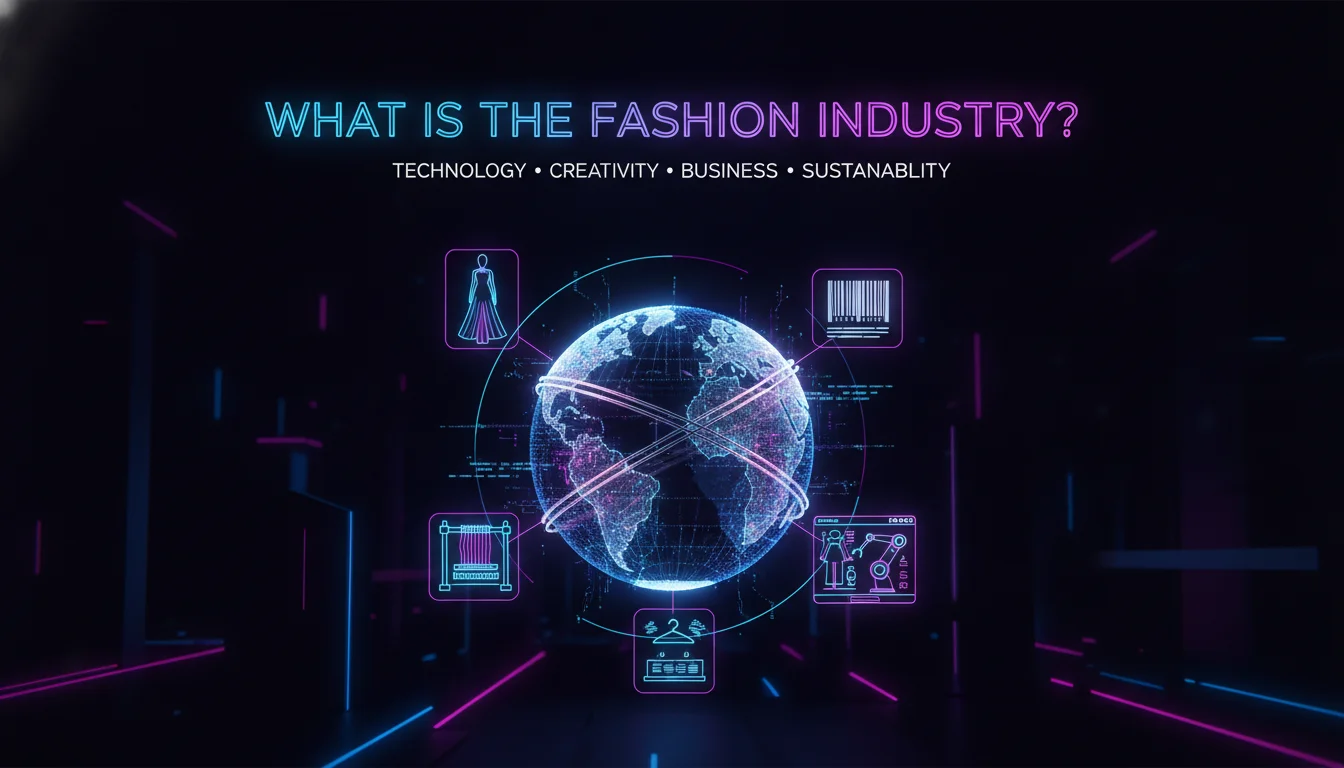
The fashion is a global sector that designs, manufactures, distributes, markets, and retails apparel and accessories. It covers everything from haute couture houses to streetwear labels, luxury boutiques to mass-market chains, and increasingly, digital-only fashion for virtual spaces.
Definition and Scope
According to Wikipedia, the word “fashion” derives from the Latin facere, meaning “to make,” underscoring its deep connection to craftsmanship and production. The industry operates at the intersection of art, commerce, and technology, constantly adapting to social and aesthetic shifts. It encompasses clothing, footwear, jewelry, and cosmetics, making it a major contributor to both cultural expression and economic output.
Two Main Sectors: Haute Couture vs. Ready-to-Wear
The industry divides into two primary sectors: haute couture and ready-to-wear (prêt-à-porter). Haute couture means custom-made garments crafted for individual clients, often using luxurious materials and hand-finishing techniques. These pieces are typically one-of-a-kind and can cost tens of thousands of dollars. Ready-to-wear collections are manufactured in standard sizes for mass distribution, making high-fashion aesthetics accessible to a broader audience. Many luxury brands, such as Chanel and Dior, produce both lines, while fast-fashion retailers like Zara and H&M focus exclusively on affordable, mass-produced styles.
As of 2026, according to EBSCO’s research starters, the boundary between these two sectors has blurred significantly, with luxury houses using ready-to-wear drops to stay culturally relevant while fast-fashion brands experiment with premium sub-lines.
The Cultural Role of Fashion
Fashion does more than produce clothing. It shapes identity. Fashion scholar Susan B. Kaiser notes that everyone is “forced to appear” before others, and our attire communicates messages about social status, profession, and personality. Major fashion weeks in New York, Paris, and Milan set the tone for global trends, while street style and subcultures, from punk to goth to rave, continuously refresh the industry with new aesthetics. The night is its own runway, and nobody knows that better than the women who dress for it.
A Brief History of Fashion
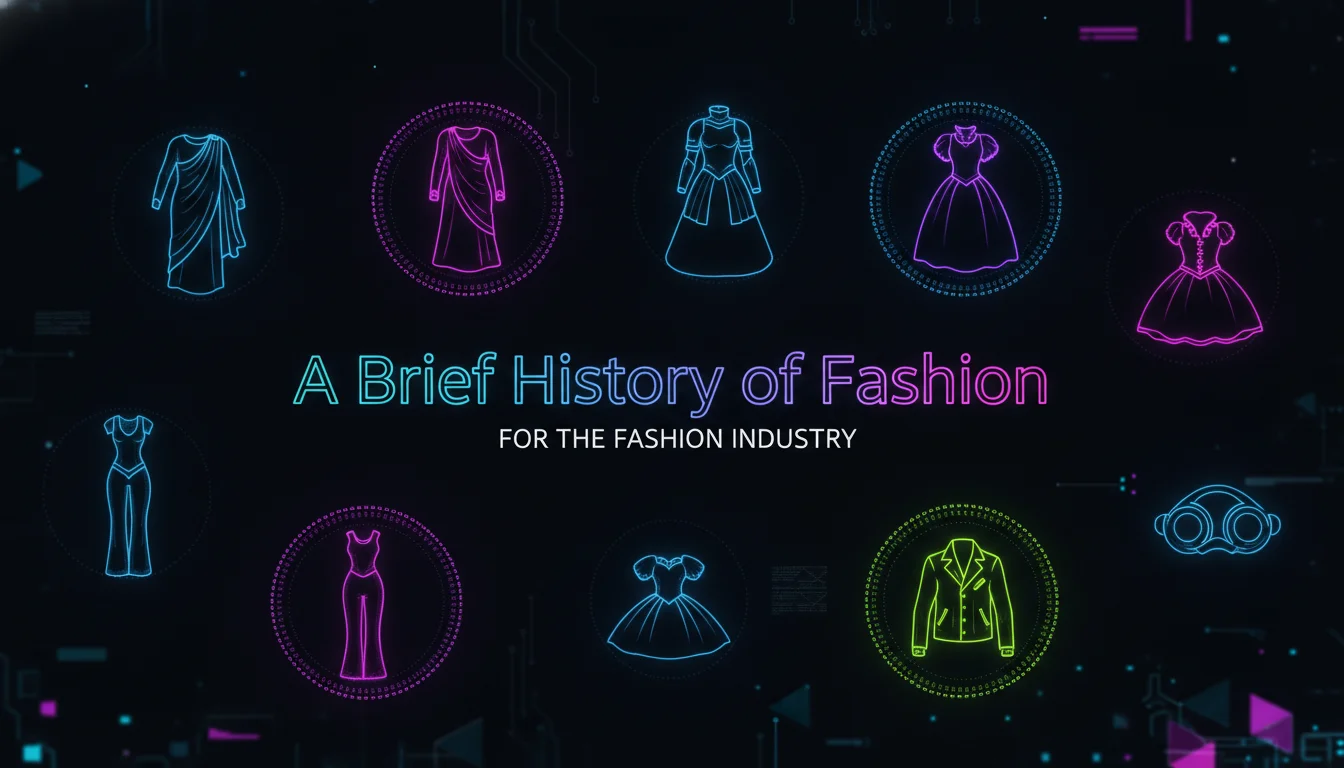
The this type of industry’s modern form emerged in the early 19th century, when technological advances began to democratize clothing production and reshape how people dressed.
From Handmade to Mass Production
Before the Industrial Revolution, clothing was largely handmade by tailors and seamstresses. The sewing machine changed everything. According to EBSCO, the roots of the modern this kind of industry trace back to the early 1800s, when factories began producing apparel faster and cheaper than ever before. By the 20th century, mass production enabled brands to offer seasonal collections at scale, giving rise to the department store and, eventually, global retail chains.
The Rise of Fashion Capitals
Certain cities became synonymous with style. Paris, New York, and Milan are widely regarded as the top three fashion capitals, hosting the world’s most prestigious fashion weeks and serving as headquarters for luxury conglomerates like LVMH and Kering. Tokyo, London, and Los Angeles are considered second-tier capitals that nurture innovative design scenes. The annual Met Gala in New York, widely considered fashion’s apex event, epitomizes the blend of celebrity, art, and commerce. As Wikipedia notes, proximity to Manhattan’s Garment District was historically critical for participating in the American fashion ecosystem, though digital tools are increasingly diluting geographic constraints.
The Digital Transformation
The internet and social media reshaped everything. Instagram, TikTok, and virtual fashion shows allow designers to reach global audiences instantly. Artificial intelligence now assists in trend forecasting, inventory management, and design itself. The digital shift has enabled emerging designers from any location to build a following and sell directly to consumers, challenging the old gatekeepers of this global business. TikTok trend reports consistently show that micro-communities, not fashion weeks, now drive the fastest-moving style cycles.
Global Fashion Industry Size and Market Data
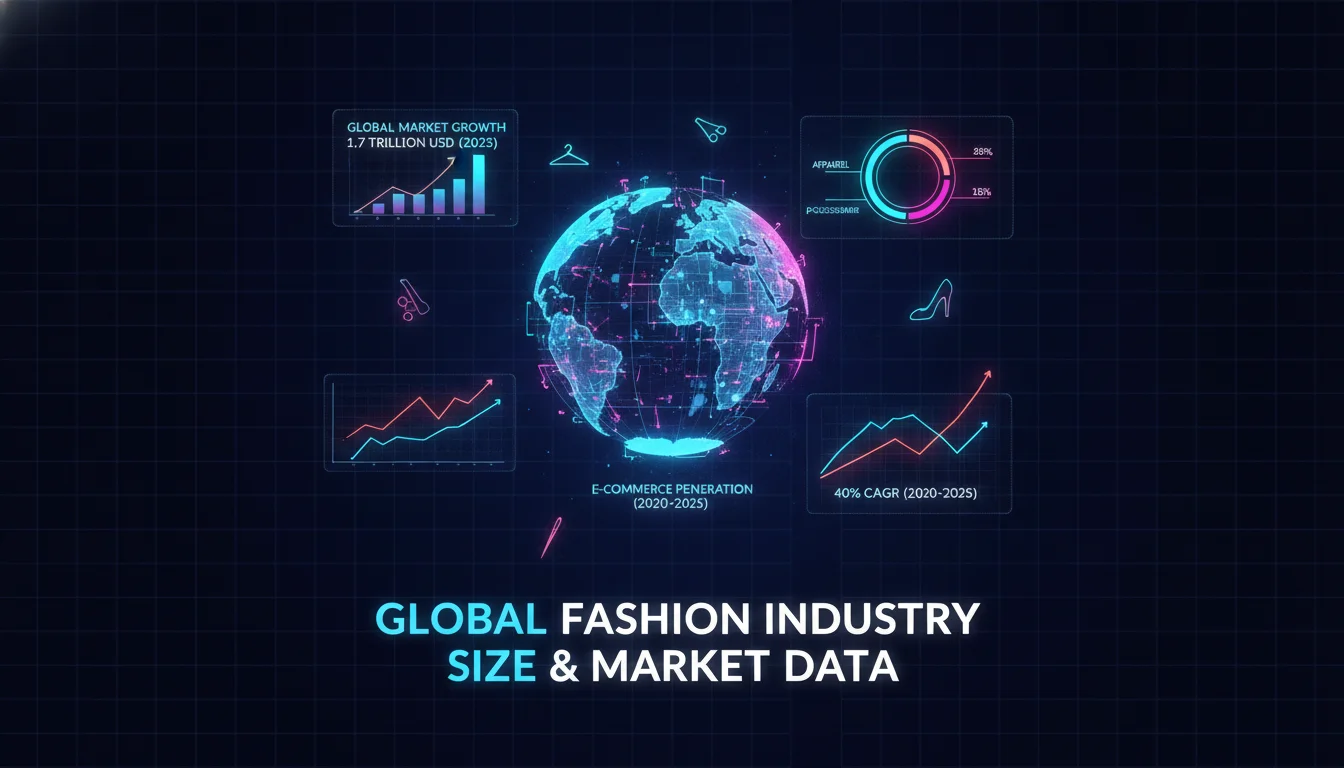
The fashion is one of the world’s largest economic forces, generating $1.7 trillion in revenue in 2021 and recovering sharply from pandemic-era losses.
Revenue and Economic Impact
According to FashionUnited and Euromonitor International, the total revenue of the global apparel and footwear market reached approximately $1.7 trillion in 2021. Before the COVID-19 pandemic, estimates ranged between $1.7 trillion and $2.5 trillion. In 2020, the industry contracted sharply, with revenues falling by roughly 20%, according to McKinsey’s State of Fashion 2022 report. It then rebounded with 18.1% growth in 2020-2021, returning to pre-pandemic levels. The market was forecast to reach $1.84 trillion in 2022 and $1.95 trillion in 2023, per Euromonitor International.
Key Apparel Markets by Country
China and the United States dominate global fashion retail. China’s apparel market benefits from a vast domestic manufacturing base and rising consumer spending. The US remains among the world’s largest importers of clothing, driven by high demand and a strong retail culture. Other major markets include the United Kingdom, Germany, and Japan. Together, these five countries account for the majority of global apparel sales, according to Euromonitor International’s 2021 data.
Consumer Spending Patterns
Womenswear consistently commands the largest share of fashion spending. In 2018, womenswear made up 53% of global fashion retail spending, menswear represented 31%, and childrenswear accounted for 16%, according to Euromonitor International data cited by Common Objective. The gap is narrowing as menswear and gender-neutral fashion gain traction. Spending is also shifting online, with e-commerce claiming a growing portion of all fashion sales and further transforming how the industry reaches its customers.
Pros and Cons of the Fashion Industry
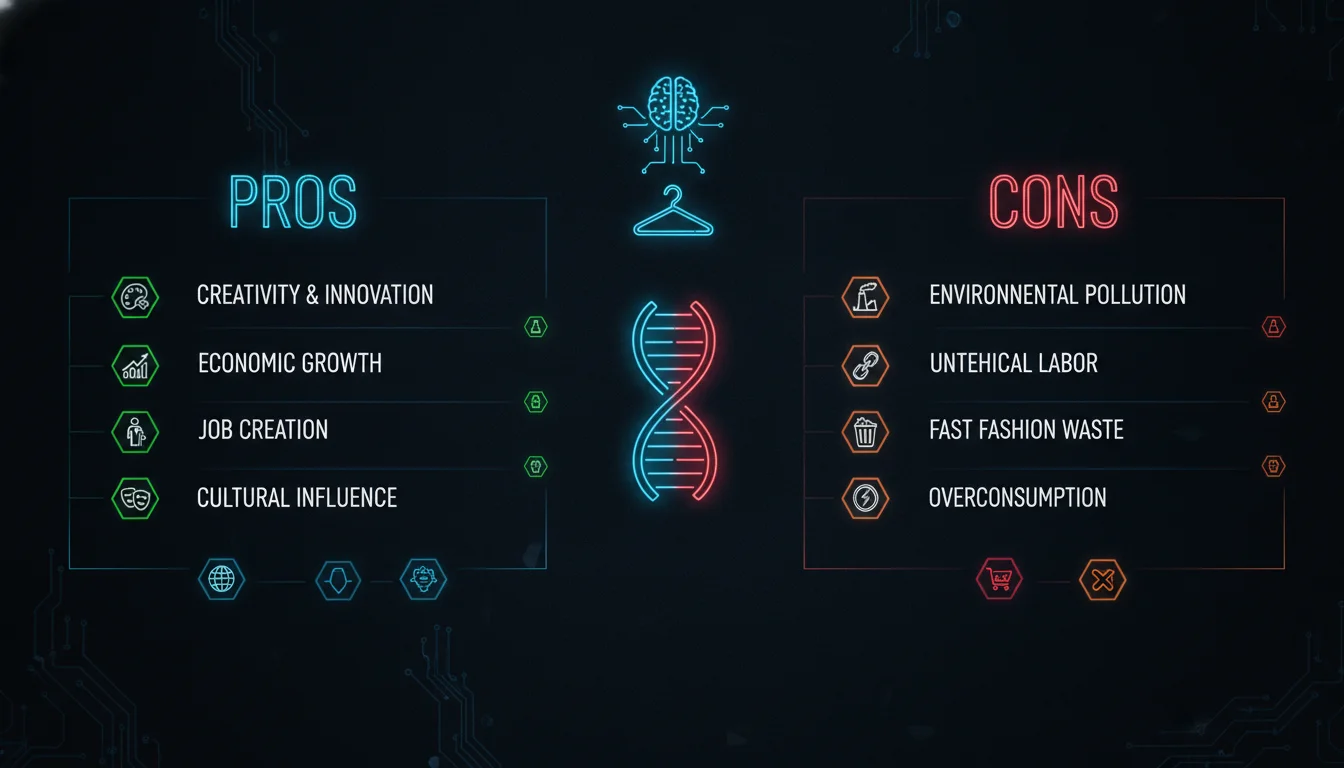
The this type of industry creates enormous cultural and economic value, but it carries real costs that are impossible to ignore.
Pros
- Massive economic engine: $1.7 trillion in global revenue, supporting millions of jobs across design, manufacturing, retail, and logistics.
- Cultural expression: Fashion gives people a language for identity, community, and self-expression, from haute couture to club-ready bodycon.
- Innovation driver: The industry pushes advances in materials science, AI-driven design, and sustainable production technology.
- Career diversity: Roles span creative, technical, business, and sustainability disciplines, offering entry points for a wide range of skill sets.
- Growing sustainability movement: Circular business models, secondhand platforms, and regulatory pressure are pushing the industry toward more responsible practices.
Cons
- Environmental damage: The fashion industry contributes 5-10% of global greenhouse gas emissions and is a major source of water pollution.
- Labor exploitation: Fast fashion’s low-cost model often depends on low-wage workers in unsafe conditions across global supply chains.
- Waste crisis: 100 billion garments produced annually, with the average piece worn only seven times before disposal.
- Overconsumption culture: Fast fashion brands releasing 52 micro-collections per year actively encourage impulse buying and rapid discard cycles.
- Intellectual property gaps: Fashion design receives weaker IP protection than other creative industries, making it difficult for independent designers to protect original work.
The Environmental Impact of Fashion
“A circular economy is based on the principles of designing out waste and pollution, keeping products and materials in use, and regenerating natural systems.” – Ellen MacArthur Foundation
The fashion industry’s environmental footprint is one of the most urgent issues facing the planet, with emissions, water pollution, and textile waste all reaching critical levels.
Carbon Emissions and Climate Change
The fashion industry accounts for between 5% and 10% of global greenhouse gas emissions, a figure cited by environmental groups and supported by industry research. The energy-intensive production of synthetic fibers like polyester, combined with the global transportation of goods, drives a significant portion of these emissions. If current trends continue, the industry’s carbon footprint could consume a substantial share of the world’s remaining carbon budget by mid-century.
Water Pollution and Waste
Textile production is brutally water-intensive. Producing a single cotton T-shirt can require up to 2,700 liters of water. In many manufacturing countries, untreated wastewater from dyeing and finishing processes is dumped directly into rivers, contaminating ecosystems with lead, mercury, and arsenic. SustainYourStyle reports that 100 billion garments are produced each year, and the average garment is worn only seven times before being discarded. In the EU alone, approximately 11 kilograms of textile waste per capita is generated annually, and at least half of all clothes in a typical wardrobe go unworn.
The Rise of Sustainable Fashion
In response to these pressures, sustainable fashion has emerged as a significant movement. Brands are adopting circular business models, using recycled materials, and offering repair services. Consumers are increasingly turning to secondhand clothing, with platforms like Depop and thredUP experiencing rapid growth. The United Nations’ Fashion Charter provides a framework for companies to commit to science-based emissions targets. These shifts signal a growing awareness that the fashion industry must align with planetary boundaries to survive long-term.
Fast Fashion vs. Sustainable Fashion
| Aspect | Fast Fashion | Sustainable Fashion |
|---|---|---|
| Production Speed | New collections weekly or monthly (52+ micro-seasons per year) | Two to four seasonal collections, emphasizing timeless design |
| Materials | Cheap synthetics (polyester, nylon) and conventional cotton | Organic cotton, recycled fibers, low-impact dyes |
| Labor Practices | Often relies on low-wage workers with poor conditions | Fair wages, safe conditions, certifications (e.g., Fair Trade) |
| Environmental Impact | High carbon footprint, wastewater pollution, microfiber shedding | Lower emissions, closed-loop water systems, biodegradable packaging |
| Price | Very cheap ($5-$50 per item) | Higher upfront cost but lower cost-per-wear |
| Longevity | Designed for short-term use; garments may last 5-10 wears | Built to last for years; often repairable and recyclable |
| Consumer Mindset | Impulse buying, trend-chasing | Intentional purchasing, wardrobe curation |
What Is Fast Fashion?
Fast fashion is a business model that prioritizes speed and low cost, bringing the latest runway trends to mass-market shoppers in a matter of weeks. Brands like Zara, H&M, and Shein release dozens of micro-collections each year, encouraging consumers to buy more and discard quickly. According to SustainYourStyle, some fast-fashion brands put out 52 micro-collections per year, far beyond the traditional two-season calendar. This model has made clothing cheaper, but it has also driven a 400% increase in production compared to just 20 years ago.
The Slow Fashion Movement
Slow fashion is the antithesis of fast. It champions quality over quantity, longer-lasting garments, transparent supply chains, and a deeper appreciation for the craft of making clothes. By investing in fewer, better-made pieces, consumers reduce their environmental footprint and develop a more personal style. The fashion industry is seeing a growing number of small, independent labels, including alternative and nightlife-focused brands like Pretty N Poison, that embody slow fashion principles through made-to-order production and deadstock fabrics.
Consumer Shifts Toward Sustainability
Awareness is driving real change. Among Gen Z and Millennials especially, fashion editors and trend forecasters report a growing willingness to pay more for sustainably made clothing. The secondhand market has flourished, with platforms like Vinted and The RealReal normalizing pre-owned fashion. France’s recent ban on advertising by certain fast-fashion companies, as documented by EBSCO, underscores rising regulatory pressure. These shifts confirm that the fashion industry’s environmental and social practices are no longer optional extras but central to its future.
Fashion and Political Activism
Fashion has always been political. What people wear signals allegiance, protest, and power. From suffragettes wearing white to designers sending political statements down the runway, clothing has served as a form of activism for centuries. As Wikipedia notes, fashion intersects with political activism in ways that are both deliberate and organic, with subcultures using dress to challenge dominant power structures. Today, brands are increasingly expected to take public positions on social issues, and consumers, particularly younger ones, hold them accountable when they don’t.
“There is no beauty in the finest cloth if it makes hunger and unhappiness.” – Mahatma Gandhi, as cited by SustainYourStyle
The 3-3-3 Rule in Fashion
The 3-3-3 rule in fashion is a wardrobe challenge where you select 3 items from your existing closet and style them into 3 different outfits for 3 weeks. It’s a practical tool for building a more intentional wardrobe, reducing overconsumption, and discovering how versatile your existing pieces actually are. Fashion editors and slow fashion advocates use it to push back against the constant pressure to buy new. For nightlife dressing, the rule works differently: three statement pieces, three occasions, infinite attitude.
Careers in the Fashion Industry
The fashion industry offers a wide spectrum of career opportunities, from creative roles to tech-driven positions. Here’s how to start building yours.
Step 1: Identify Your Niche
Decide whether you want to work in design, merchandising, marketing, journalism, sustainability, or technology. The fashion industry is diverse, so clarifying your interest early helps you target relevant education and experience.
Step 2: Gain Relevant Skills and Education
While not always required, a degree from a fashion school like FIT or Central Saint Martins can open doors. Many roles also benefit from skills in digital marketing, data analytics, or CAD software. Internships are critical for building a network and portfolio.
Step 3: Build a Portfolio or Resume
Creatives need a strong portfolio showcasing original designs. Business roles require proven marketing or sales results. Online portfolios and LinkedIn profiles are non-negotiable in a digital-first fashion industry.
Step 4: Network and Apply
Attend fashion events, join industry groups like the US Fashion Industry Association (USFIA), and use platforms like BoF Careers. Competition is fierce. Persistence is not optional.
Design and Creative Roles
Designers, patternmakers, and textile artists form the creative core of the fashion industry. They conceptualize collections, choose fabrics, and oversee production. Digital fashion designers creating virtual garments for the metaverse have also emerged as a distinct and growing career path.
Business and Marketing
Behind every successful label is a team of merchandisers, buyers, supply chain managers, and marketers. The fashion industry relies on data-driven decisions to forecast trends, price products, and drive sales. Roles in public relations and influencer marketing have grown sharply with the rise of social media.
Sustainability and Ethical Roles
As the fashion industry faces increasing scrutiny, roles like sustainability manager, circular economy strategist, and CSR director are in high demand. These professionals work to reduce environmental impact, ensure fair labor practices, and guide brands toward more ethical models.
The Future of Fashion
Technological Innovations
Technology is set to transform the fashion industry further. AI-driven design tools, 3D knitting, and blockchain for supply chain transparency are gaining traction. Digital fashion, clothing that exists only in virtual spaces, could become a major market as the metaverse expands. These innovations promise to make the industry more efficient and significantly less wasteful.
Regulatory Changes
Governments are beginning to hold the fashion industry accountable. The European Union is developing extended producer responsibility (EPR) schemes that require brands to pay for textile waste management. The New York Fashion Act, if passed, would mandate that large fashion companies disclose their environmental and social due diligence. Such regulations could reshape global supply chains and force a reckoning with decades of unchecked production.
The Role of Alternative and Nightlife Fashion
While mainstream fashion chases mass trends, alternative fashion, rooted in subcultures like punk, goth, rave, and club scenes, is gaining real visibility. Brands that cater to bold self-expression and nightlife are proving that sustainability and edgy design can coexist. Labels offering festival wear or party-ready corsets and bodycon dresses increasingly use eco-friendly materials and small-batch production. This niche doesn’t just challenge the homogeneity of the fashion industry. It champions individuality and ethical consumption at the same time. As consumers seek uniqueness and meaning in their clothing, alternative fashion may well steer the broader industry toward more authentic and responsible practices.
At Pretty N Poison, we live in that space. The Pretty Edit brings soft, romantic energy. The Poison Edit goes darker, sharper, more dangerous. The Duality collection holds both truths at once. And the Night Ritual is exactly what it sounds like: going-out essentials built for women who dress with intention. Explore the full range at prettynpoison.com and discover your duality.
Frequently Asked Questions
What is the fashion industry?
The fashion industry is the global business of designing, manufacturing, and selling clothing and accessories. It spans haute couture, ready-to-wear, and mass-market apparel, and generates trillions of dollars annually across design, production, retail, and digital channels.
How big is the fashion industry?
In 2021, the global fashion industry generated approximately $1.7 trillion in revenue, according to FashionUnited and Euromonitor International. McKinsey’s State of Fashion 2017 report noted that if the fashion industry were a country, its GDP would rank seventh worldwide.
What are the main environmental impacts of the fashion industry?
The fashion industry contributes 5-10% of global greenhouse gas emissions, pollutes waterways with toxic chemicals from dyeing processes, and produces over 100 billion garments per year, most of which end up in landfills or incinerators. The EU alone generates approximately 11 kilograms of textile waste per capita annually.
What is the difference between fast fashion and sustainable fashion?
Fast fashion emphasizes cheap, trend-driven clothing produced rapidly, often with poor labor and environmental records. Sustainable fashion prioritizes ethical production, durable materials, and circular models designed to minimize harm and extend garment life.
What is the 3-3-3 rule in fashion?
The 3-3-3 rule is a wardrobe challenge where you choose 3 existing pieces and create 3 different outfits to wear over 3 weeks. It encourages intentional dressing, reduces overconsumption, and helps you get more out of what you already own.
What are five careers in the fashion industry?
Five key careers in the fashion industry include fashion designer, merchandiser, sustainability manager, fashion marketer, and digital fashion designer. Each requires a different skill set, but all benefit from a strong understanding of trends, consumer behavior, and the industry’s evolving landscape.
What are fashion capitals?
Fashion capitals like Paris, New York, and Milan are cities that exert major influence over global trends and house leading design houses, fashion weeks, and industry headquarters. Tokyo, London, and Los Angeles are recognized as second-tier fashion centers with strong independent design scenes.
American fashion brands are clothing and accessory companies headquartered in the United States, spanning century-old heritage houses, luxury design empires, and bold direct-to-consumer labels that collectively shape global style.
Key Takeaways
- fashion brands range from heritage workwear giants like Carhartt to luxury powerhouses like Ralph Lauren and modern DTC labels such as American Giant.
- U.S. firms dominate the global apparel market: TJX Companies ($174B market cap), Nike ($61.5B), mix Inc. ($31.5B), and Polo Ralph Lauren ($23.1B) all rank in the FashionUnited Top 100 Index.
- Labels like All American Clothing Co. and American Giant maintain full U.S. production, using domestically grown cotton and American factory workers.
- The direct-to-consumer model has let smaller labels thrive online, offering supply-chain transparency and quality that mass retail rarely matches.
- GQ organizes American menswear brands into three tiers: heritage (100+ years old), fashion (designer-led), and new-school (21st-century innovators).
- Athleisure, fast fashion, and the made-in-USA movement are the three forces reshaping the American fashion landscape right now.
What Are American Fashion Brands?
this type of brands are apparel and accessory companies headquartered in the United States, drawing on the nation’s diverse cultural influences, innovative manufacturing, and a distinctive style ethos that blends practicality with aspiration. From rugged workwear to polished luxury, these labels encapsulate a broad spectrum of design philosophies and market segments. According to Wikipedia’s category page, there are approximately 363 American clothing brands documented, and the landscape keeps growing.
The Cultural Roots of American Style
American fashion has always been tangled up with the country’s history of rebellion, reinvention, and self-expression. Early brands like Levi’s, founded in 1853, democratized denim for miners and laborers. Brooks Brothers, established in 1818, defined the Ivy League aesthetic. These roots created a foundation where practicality met aspiration, producing brands that are simultaneously functional and deeply symbolic. That tension, between utility and desire, is still the engine driving the most compelling American labels today.
Types of American Fashion Brands
The term this kind of brands covers several distinct categories, each with its own identity and consumer base:
- Heritage and Workwear: Long-standing brands rooted in durability and utility, such as Carhartt, Filson, and L.L.Bean.
- Luxury and Designer: High-end labels commanding global recognition, including Ralph Lauren, Calvin Klein, and Coach.
- Mass Market and Fast Fashion: Accessible names like Gap, Old Navy, and Forever 21 that define everyday American casual.
- Contemporary and DTC: Digitally native brands like American Giant, Buck Mason, and Alex Mill, often focused on sustainability and domestic manufacturing.
- Active and Outdoor: Performance-driven labels such as Nike, Columbia Sportswear, and Cotopaxi.
Heritage American Fashion Brands: The Icons That Built an Industry
Heritage american fashion are those with deep historical roots, often over a century old, that have shaped not just American style but global fashion. As GQ’s guide to 50 essential American brands notes, these labels fall into three clear tiers: heritage (100+ years old), fashion (designer-led), and new-school (21st-century innovators). Their influence remains undeniable across both menswear and womenswear.
Workwear and Outdoor Heritage
Brands like Carhartt, founded in 1889, and Filson, established in 1897, are the definition of rugged American durability. They began by outfitting railroad workers, miners, and outdoorsmen. Today, their sturdy canvas jackets and wool garments are worn by everyone from construction crews to streetwear obsessives. L.L.Bean, founded in 1912, popularized the iconic Bean Boot and remains a staple for outdoor recreation. These companies built their reputations on quality that outlasts trends, and that commitment still holds.
Classic Americana: Denim and Prep
Jeans are the quintessential American garment, and Levi Strauss and Co., founded in 1853, remains the gold standard. The brand’s 501 jeans have been a cultural symbol for over 150 years. Brooks Brothers pioneered ready-to-wear suiting and the preppy aesthetic that defined East Coast style. J.Crew and Ralph Lauren later repackaged Americana for a mass audience. Together, these brands represent a timeless, aspirational vision of American life that never fully goes out of style.
“There are so many great American clothing brands these days, in fact, that to list them all would be virtually impossible.” – GQ, July 2026
Luxury American Fashion Brands: High-End Designers Leading Global Style
American luxury brands have carved out a significant niche in the global fashion hierarchy, blending sophistication with a uniquely relaxed sensibility. Unlike the more formal European houses, american fashion brands in the luxury segment often emphasize sportswear influence, clean lines, and an effortless elegance that feels lived-in rather than stiff.
The Ralph Lauren Empire
Ralph Lauren stands as one of the most influential American designers. The corporation is valued at $23.1 billion as of mid-2026, according to the FashionUnited Top 100 Index. His vision of upper-class American leisure, polo players, Hamptons summers, Western ranches, has become a global language of style. The brand spans multiple lines from Polo to Purple Label, cementing its place in luxury fashion history.
Modern Luxury Houses
Coach, Kate Spade, and Stuart Weitzman all sit under the mix Inc. umbrella, a U.S. luxury group valued at $31.5 billion per the FashionUnited Top 100. Coach, in particular, has revitalized itself by blending heritage leather goods with contemporary design. Calvin Klein, a PVH company, remains a powerhouse in minimalist ready-to-wear and underwear. These brands collectively prove that American luxury is a driving force in global fashion, not an afterthought.
Pros and Cons of Shopping American Fashion Brands
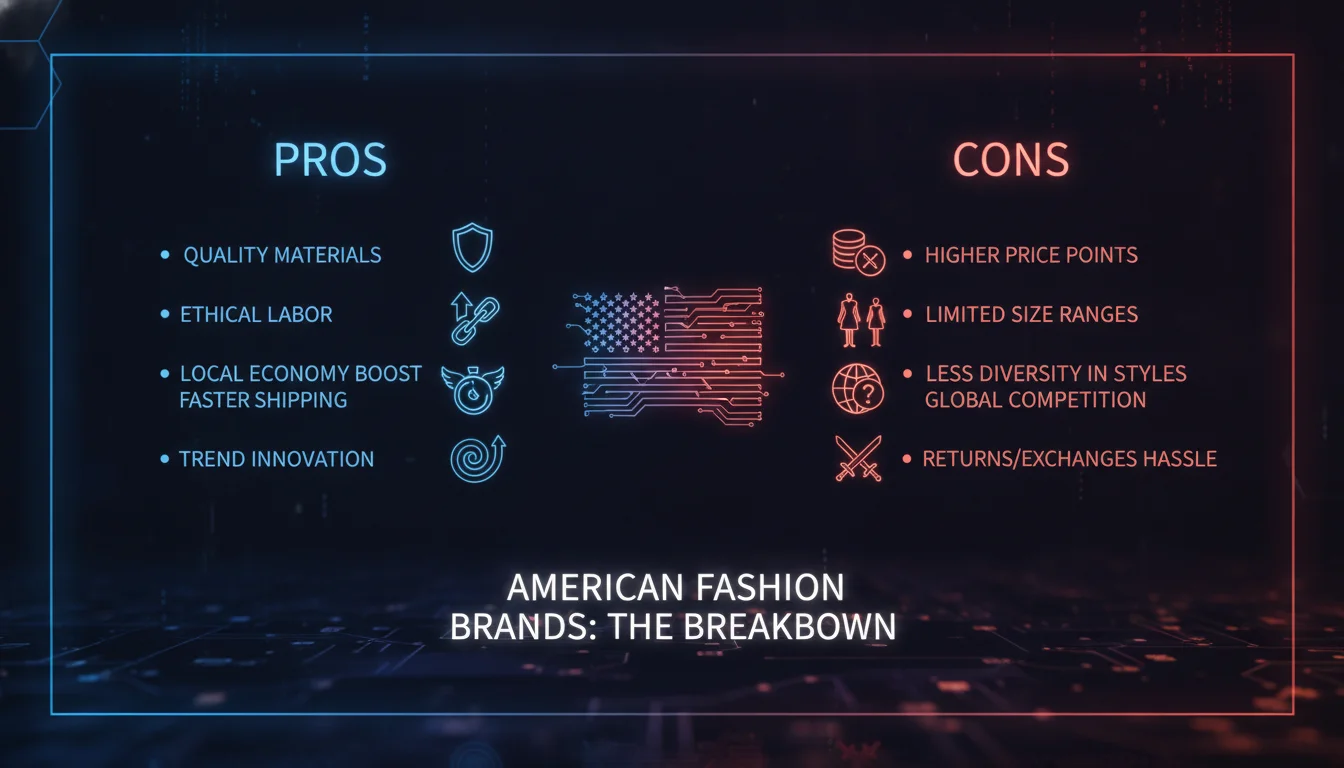
Pros
- Cultural authenticity: Many labels carry genuine heritage and storytelling that connects to American history and identity.
- Domestic manufacturing options: Brands like American Giant and All American Clothing Co. offer verifiable U.S. production, supporting local jobs and reducing shipping emissions.
- Range of price points: From $14.95 tees at All American Clothing Co. to $2,000-plus luxury pieces at Ralph Lauren, there is a genuine option for every budget.
- Strong DTC transparency: Digitally native brands openly share factory locations, material sourcing, and supply chain details.
- Global prestige: American luxury labels like Coach and Ralph Lauren carry international recognition that holds resale value.
Cons
- Ownership complexity: Many brands with American heritage are now owned by foreign conglomerates, blurring what “American” actually means.
- Fast fashion dominance: Mass-market labels like Forever 21 have faced serious financial and ethical challenges, including bankruptcy filings, tied to overseas production and rapid trend cycles.
- Price premium for domestic production: Made-in-USA labels often cost significantly more than comparable imported alternatives, which limits accessibility.
- Greenwashing risk: Sustainability claims vary wildly in credibility; not every brand that markets itself as ethical has the supply chain to back it up.
Redefining the Market: Direct-to-Consumer and Indie American Labels
The past two decades have seen a surge in smaller, often digitally native american fashion brands that challenge traditional retail models. These companies focus on transparency, sustainability, and a direct relationship with consumers, often manufacturing domestically.
The Direct-to-Consumer Revolution
American Giant, founded in 2011, and Buck Mason, founded in 2013, exemplify the DTC model at its best. American Giant has built its reputation on heavyweight fleece hoodies and sweats manufactured in North Carolina, using cotton grown in the Carolinas. As the brand states directly: “We’re still making things here. We never stopped. We’re not going to.” Alex Mill, founded in 2012, offers effortless everyday staples with a focus on easy fits and relaxed silhouettes. These brands sell predominantly online, cutting out middlemen and delivering higher quality at a fair price.
The Made-in-USA Movement
A subset of indie labels doubles down on domestic production. All American Clothing Co., based in Arcanum, Ohio, produces jeans, shirts, and workwear using U.S.-grown cotton, with a mission to support American families and domestic manufacturing jobs. Todd Shelton, a New Jersey-based brand, manufactures all-cotton jeans, shirts, and t-shirts at its own factory in Paterson, New Jersey, since 2012. As documented in Todd Shelton’s list of American-made brands, dozens of small labels cut and sew entirely in the U.S., from denim specialists like 3sixteen (which crafts its jeans in San Francisco using denim developed at Kuroki Mills in Okayama) to knitwear makers like Goodwear, which has made t-shirts and sweatshirts in Essex, Massachusetts for over 40 years. This movement reflects a growing consumer desire for ethical production and local craftsmanship.
“Twenty-five years at this machine, and I still get a kick out of seeing our tags say Made in USA. We don’t just stitch clothes here. We build things to last, and we do it right at home in North Carolina.” – American Giant factory worker, Todd, Middlesex, NC
Fast Fashion, Athleisure, and the Brands Shaping Everyday American Style
Not every chapter of American fashion is about heritage or luxury. The mass market tells a messier, more complicated story, and it’s one worth understanding.
Fast Fashion’s American Footprint
Brands like Forever 21 and Charlotte Russe built empires on affordable, trend-driven pieces aimed at younger shoppers. Forever 21, founded in Los Angeles in 1984, became a global fast-fashion force before filing for bankruptcy in 2019, a cautionary tale about the limits of the volume-over-quality model. Gap and Old Navy occupy a middle ground: accessible, recognizable, and deeply embedded in American casual culture, though both have faced pressure to address overseas labor practices and environmental impact.
Athleisure’s Takeover
Athleisure didn’t just change what Americans wear to the gym. It rewrote the rules of everyday dressing entirely. Nike, ranked 10th globally with a $61.5 billion market cap per the FashionUnited Top 100, leads the charge. Lululemon, now classified as a U.S. company in major indexes and valued at $14 billion, turned yoga pants into a lifestyle statement. Beyond these giants, brands like Alo Yoga, Fabletics, and Beyond Yoga have carved out loyal followings by blending performance with fashion-forward design. According to fashion editors at publications like Who What Wear, athleisure remains one of the most commercially powerful categories in American fashion as of 2026.
International Brands Often Mistaken for American
Not every brand that feels American actually is. Aritzia is Canadian. Zara is Spanish. H&M is Swedish. Even Canada Goose, a staple of American urban winters, is headquartered in Toronto. Knowing the difference matters if supporting domestic brands is a priority for you. Always check the corporate headquarters and parent company before assuming a label is American-owned.
How to Discover and Shop American Fashion Brands
Navigating the world of american fashion brands, whether you’re seeking heritage quality, luxury status, or indie cool, can be streamlined with a focused approach. Follow these steps to find and support the right labels for you.
Step 1: Define Your Style and Values
Are you drawn to rugged workwear, clean minimalism, or preppy classics? Decide whether sustainability, domestic manufacturing, or luxury appeal matters most. That clarity will narrow your search fast.
Step 2: Research Brand Origins
Look for official “About Us” pages or manufacturing disclosures. Brands like All American Clothing Co. and American Giant openly share their U.S. factory locations. The Todd Shelton American-made list is an excellent resource for verified domestic production across men’s and women’s categories.
Step 3: Verify Authenticity and Ownership
Many brands with American heritage are now owned by foreign conglomerates. Check parent companies carefully. Coach and Kate Spade are under mix (U.S.-headquartered). GQ’s 2026 guide notes that brands like Tom Ford and Thom Browne are no longer American-owned, though their design DNA remains U.S.-centric. Ownership matters if you’re making a values-based purchasing decision.
Step 4: Shop Directly or Through Curated Retailers
DTC brands often offer the best value and transparency on their own websites. For luxury pieces, department stores like Nordstrom or Saks Fifth Avenue carry many American designers. Online marketplaces specializing in independent labels are worth exploring for emerging names.
Step 5: Explore Local Boutiques and Small-Batch Makers
Discovering regional brands, such as Richter Goods in San Antonio or Vermont Flannel in Woodstock, VT, adds a unique dimension to your wardrobe. Many small labels now sell via Instagram and pop-up shops, providing a personal connection that mass retail simply cannot replicate.
The Business of American Fashion: Financial Giants and Market Trends
The financial backbone of american fashion brands reveals a multi-trillion-dollar industry with complex dynamics. The FashionUnited Top 100 Index tracks the 100 largest publicly traded apparel companies by market capitalization, and U.S. firms occupy prominent positions throughout.
Market Leaders by Valuation
As of 2026, U.S.-headquartered companies dominating the index include TJX Companies ($174B) as the off-price retail giant, Nike ($61.5B) leading athletic wear globally, Ross Stores ($80.5B) as another American off-price powerhouse, mix Inc. ($31.5B) housing Coach, Kate Spade, and Stuart Weitzman, and Polo Ralph Lauren ($23.1B). These figures reflect not just brand power but the sheer scale of American fashion’s global reach. Lululemon ($14B) and Deckers Outdoor ($13.6B) round out a strong American presence in the top 25.
Sustainability and Ethical Shifts
Consumers and investors are demanding more. Brands like American Giant highlight their use of U.S.-grown cotton and local factories to reduce carbon footprint. The made-in-USA movement, championed by labels on the Todd Shelton list, is partly a response to ethical concerns about overseas labor. Even mass-market giants like Gap Inc. have set public goals around water reduction and circular design. Fast fashion still dominates by volume, but the growth of conscious american fashion brands signals a meaningful shift in where the industry is heading.
Comparison Table: American Fashion Brands by Category
| Category | Representative Brands | Key Characteristics | Price Range |
|---|---|---|---|
| Heritage Workwear | Carhartt, Filson, L.L.Bean | Durable, functional, often USA-made, timeless appeal | $50 – $300 |
| Classic Americana | Levi’s, Brooks Brothers, J.Crew | Denim-driven, preppy, iconic staples | $40 – $500 |
| Luxury Designers | Ralph Lauren, Coach, Calvin Klein | High-end materials, global prestige, aspirational branding | $100 – $2,000+ |
| Contemporary DTC | American Giant, Buck Mason, Alex Mill | Online-first, transparent, emphasis on quality basics | $30 – $200 |
| Active and Outdoor | Nike, Columbia, Cotopaxi | Performance technology, athletic lifestyle, inclusive sizing | $25 – $350 |
| Fast Fashion | Forever 21, Gap, Old Navy | Trend-driven, accessible pricing, high volume | $10 – $100 |
| Athleisure | Lululemon, Alo Yoga, Fabletics | Performance meets lifestyle, fashion-forward, loyal communities | $30 – $200 |
Frequently Asked Questions
What are the top 10 clothing brands in America?
Rankings shift depending on criteria, but consistently top-rated american fashion brands include Ralph Lauren, Calvin Klein, Nike, Coach, Tommy Hilfiger, Levi’s, Michael Kors, Gap, Carhartt, and Brooks Brothers. These names balance brand recognition, financial strength, and lasting cultural impact.
Which clothing brands are actually from the USA?
Many globally recognized labels are American-founded, but ownership may have changed. Brands currently headquartered in the U.S. and considered American include Ralph Lauren, Nike, Calvin Klein (owned by PVH), Coach (under mix), and Tommy Hilfiger (also PVH). Checking corporate headquarters and the latest filings is the most reliable way to confirm.
What are some good American clothing brands for everyday wear?
For dependable everyday style, consider J.Crew, Levi’s, Madewell, and American Giant for quality basics. For workwear that bridges function and fashion, Carhartt and Dickies deliver. Small indie labels like Buck Mason also offer elevated essentials without the luxury price tag.
Are American fashion brands more sustainable than others?
Not inherently, but the made-in-USA segment often prioritizes ethical labor and reduced shipping emissions. Brands like American Giant and All American Clothing Co. maintain transparent domestic supply chains. Many mass-market American brands still rely on global sourcing, so sustainability claims should always be verified individually.
How can I support American fashion brands that manufacture locally?
Look for labels that explicitly state “Made in USA” or “cut and sewn in the United States.” Resources such as the Todd Shelton list and the American Giant website provide genuine transparency. Search for brands with factory locations in North Carolina, Los Angeles, New Jersey, and the Northeast.
Why do some American fashion brands no longer produce in the USA?
Cost pressures, global competition, and the erosion of domestic textile infrastructure have pushed many brands to manufacture abroad. While some, like American Giant, have maintained or revived U.S. production, others find it economically difficult to justify. The tension between consumer price expectations and ethical labor standards is real, and it isn’t going away.
The world of american fashion brands is vast, contradictory, and endlessly compelling. From the durable canvas of Carhartt to the polished runways of Ralph Lauren, from American Giant’s Carolina fleece to the avant-garde tailoring of New York’s design scene, these labels tell a story of constant reinvention while honoring tradition. As the industry navigates sustainability pressures, digital transformation, and shifting global markets, the most compelling brands will be those that stay true to their roots while building for the future. Whether you seek investment-level luxury or honest everyday wear, there’s something here that’s uniquely, unapologetically American. Discover your duality at prettynpoison.com.