Australian fashion brands are a global force in 2026, known for bold design, ethical production, and a sun-drenched aesthetic that translates from beach to runway. This guide covers the top labels, styling tips, and how to shop them.
Key Takeaways
- Australian fashion brands lead on sustainability, with labels like Bassike and St. Agni using organic cotton and Tencel as standard.
- Price points range from budget-friendly (Cotton On, Dissh) to premium luxury (Camilla and Marc, Aje).
- Australian Fashion Week, held annually in Sydney, is now a fixture on the global fashion calendar.
- Online retailers like The Iconic and ASOS make these labels accessible to international shoppers worldwide.
- The aesthetic spans minimalist basics, romantic prints, and dark-edged eveningwear, so there is a label for every night-out mood.
- Founder-led brands dominate the scene, with strong creative visions that translate into consistent, covetable collections.
Why Australian Fashion Brands Are Having a Moment
Australian fashion brands are having a genuine cultural moment because they combine relaxed confidence with serious craft. This is not accidental. According to Vogue Australia, the local industry has spent two decades building infrastructure, from ethical supply chains to world-class pattern-making schools, that now supports export-ready collections. The result is a roster of labels that feel both globally fluent and distinctly themselves.
As of 2026, Australian designers are stocked in over 40 countries. The shift happened fast. A decade ago, most labels sold exclusively at home. Today, international press covers Australian Fashion Week with the same intensity as Copenhagen or Milan. That visibility has created a feedback loop: global demand funds better production, which attracts more international buyers, which raises the profile further.
For women who dress for the night, for the room, for themselves, this matters. Australian labels understand that dressing boldly is not vanity. It is identity. That philosophy sits at the core of what makes these brands worth knowing.
The Evolution of Australian Fashion
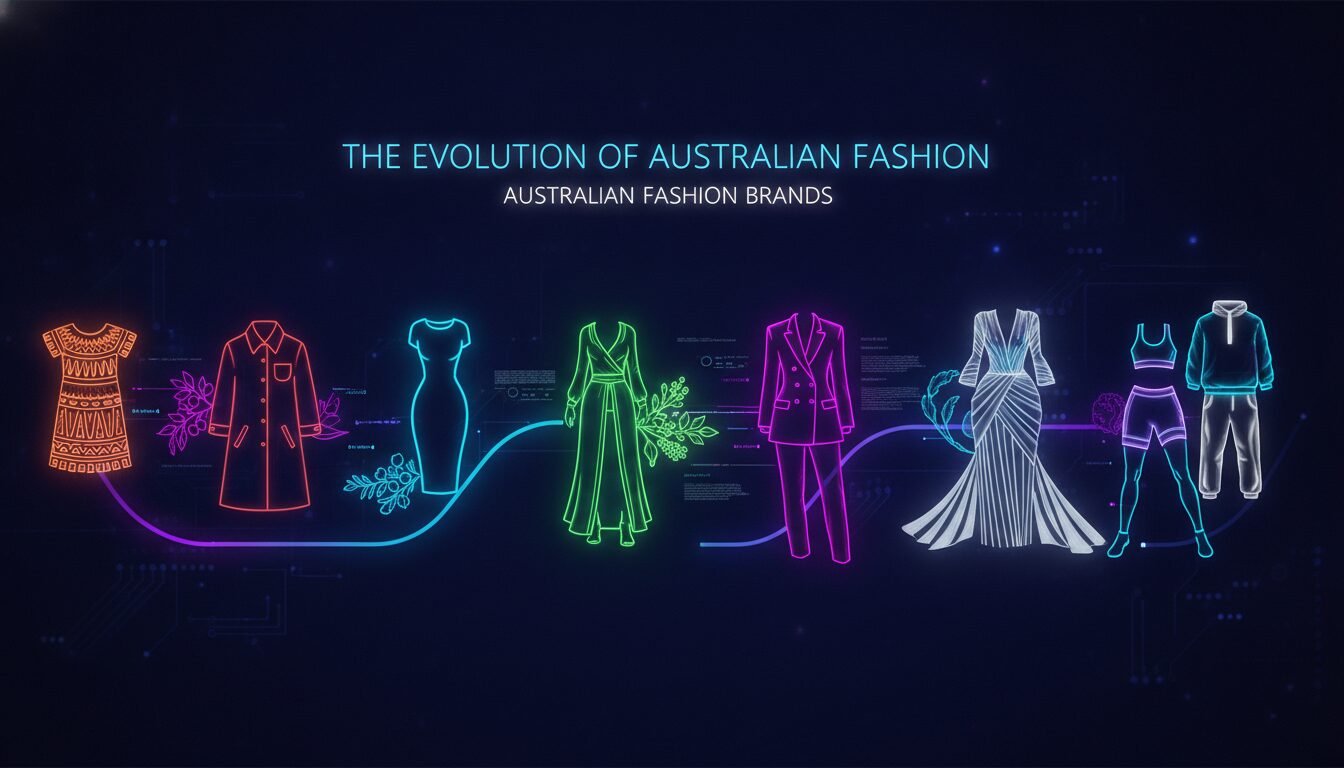
Australian fashion evolved from a surf-and-sand uniform into one of the most respected design cultures in the Southern Hemisphere, and the transformation took less than 30 years.
Historical Context
Australia’s fashion scene began to flourish in the late 20th century, shaped by its unique geography and a culture that prizes outdoor living, practicality, and irreverence. Early designers drew on the landscape: the red dust of the outback, the electric blue of the Pacific, the lush greens of Queensland rainforests. These visual references gave Australian fashion a palette and a mood that no European house could replicate. By the early 2000s, designers were gaining international attention, and a genuine industry infrastructure started to form around them.
Current Trends in 2026
Today, the labels that define Australian fashion share three qualities: restraint in silhouette, boldness in fabric choice, and an almost obsessive commitment to wearability. Minimalist aesthetics remain dominant, but 2026 has introduced a harder edge. According to trend forecasting from WGSN, sheer layering, sculptural shoulders, and dark botanical prints are all surging across Australian resort and eveningwear collections this year. Social media, particularly TikTok and Instagram, has accelerated the global reach of these trends, with Australian labels regularly going viral through organic creator content rather than paid campaigns.
Top Australian Fashion Brands to Watch
Here are the most notable labels making waves right now, spanning luxury, mid-range, and emerging categories.
1. Camilla and Marc
Founded by siblings Camilla Freeman-Topper and Marc Freeman, this brand is synonymous with luxury and sophistication. Known for their tailored pieces and chic designs, Camilla and Marc is a first choice for formal occasions, cocktail parties, and any event where showing up underdressed is simply not an option. Their suiting is architectural. Their eveningwear is precise. Price points sit in the premium tier, with dresses typically ranging from AU$400 to AU$900, reflecting the quality of construction and fabric sourcing.
2. Bassike
Established in 2006, Bassike built its reputation on a deceptively simple idea: make the basics so well that they become the most-reached-for pieces in your wardrobe. Their commitment to organic cotton and sustainable production is not a marketing add-on. It is the foundation of every collection. Pieces are designed for longevity, not trend cycles. Mid-range pricing, with core pieces typically between AU$150 and AU$350, makes Bassike accessible without feeling mass-market.
3. Aje
Aje is the brand you reach for when you want to feel both powerful and feminine. Celebrated for bold prints, textural fabrics, and silhouettes that move, Aje focuses on ethical production methods across its supply chain. The brand has expanded internationally, with stockists across the US, UK, and Europe. Their eveningwear translates effortlessly from a Sydney rooftop to a London cocktail party. Expect to invest AU$300 to AU$700 for a signature Aje piece.
4. Zimmermann
No list of Australian fashion brands is complete without Zimmermann. Founded in Sydney in 1991 by sisters Nicky and Simone Zimmermann, the brand has become one of Australia’s most successful luxury exports. Their signature: intricate lacework, romantic ruffles, and prints that feel like wearable art. Zimmermann now operates boutiques in New York, London, Paris, and Los Angeles, with pieces ranging from AU$500 into the thousands. According to WWD, Zimmermann is consistently among the top-performing Australian labels in international wholesale.
5. Ksubi
For the woman who dresses with an edge, Ksubi is the answer. Born in Sydney in 1999, Ksubi built its identity around denim, rebellion, and a refusal to play it safe. Their jeans have cult status globally, worn by everyone from off-duty models to musicians. The brand sits in the mid-to-premium tier, with denim typically priced between AU$250 and AU$450. Ksubi is the label that proves Australian fashion is not just about sun and ease. It has teeth.
Affordable Australian Fashion Brands
Stylish does not have to mean expensive. Several labels deliver trend-forward pieces at prices that do not require a second mortgage.
1. Dissh
Dissh is known for its relaxed, resort-inspired clothing that captures the Australian lifestyle without trying too hard. Their minimalist designs work for casual outings, beach days, and low-key date nights. Most pieces fall between AU$60 and AU$150, making Dissh one of the most accessible labels on this list.
2. Assembly Label
Assembly Label focuses on timeless essentials that are both stylish and functional. Think elevated basics: linen trousers, clean-cut shirts, and dresses that work across multiple occasions. Their commitment to sustainable fabrics keeps the quality high without inflating the price. Core pieces typically range from AU$80 to AU$200.
3. Cotton On
Cotton On is a well-known retail chain offering a wide range of affordable clothing options. Their trend-responsive pieces cater to a younger audience, making them a popular choice among students and young professionals. With items often priced under AU$60, Cotton On is the entry point for anyone building a wardrobe on a budget.
4. Princess Polly
Princess Polly has become a TikTok favourite, and for good reason. The Gold Coast-based brand drops new styles constantly, keeping pace with fast-moving social trends. Their party dresses, co-ords, and going-out tops sit in the AU$50 to AU$120 range. If you want to look like you just stepped off an Australian influencer’s feed, this is where you start.
5. Peppermayo
Peppermayo occupies the sweet spot between affordable and aspirational. Known for feminine silhouettes, floral prints, and occasion-ready dresses, the brand has built a loyal following among women who want to dress up without spending a fortune. Prices typically fall between AU$70 and AU$180.
What to Look For: A Buying Guide for Australian Fashion Brands
Choosing the right label comes down to understanding what you actually need from your wardrobe, not just what looks good on a screen.
Fabric Quality
The best Australian labels are transparent about their materials. Look for organic cotton certifications (GOTS-certified is the gold standard), Tencel or lyocell for drape and breathability, and deadstock or recycled fabrics as a sign of genuine sustainability commitment. Avoid labels that list “polyester blend” without further detail. That is usually a sign that longevity was not a priority.
Sizing and Fit
Australian sizing can differ from US and UK standards. Most labels run true to Australian sizing, which typically runs one size smaller than US sizing. Always check the brand’s specific size guide before ordering internationally. Labels like Bassike and Aje provide detailed measurements, which makes online shopping significantly less stressful.
Sustainability Credentials
Look beyond the marketing language. Genuine sustainability credentials include named certifications (GOTS, OEKO-TEX, B Corp), published supplier lists, and clear information about production locations. According to fashion editors at ELLE Australia, the most credible brands are those that acknowledge they are still improving rather than claiming perfection.
Price vs. Cost-Per-Wear
A AU$400 Camilla and Marc blazer worn 50 times costs AU$8 per wear. A AU$60 fast-fashion equivalent worn 5 times costs AU$12 per wear. The math is not complicated. Invest in pieces from mid-range and premium labels for anything you plan to wear repeatedly. Reserve budget options for trend-driven pieces you know will cycle out of your rotation within a season.
Return and Exchange Policies
International shoppers should check return windows carefully. Most Australian labels offer 14 to 30-day return periods, but some exclude sale items. The Iconic offers free returns within Australia and competitive international return rates, making it a lower-risk entry point for first-time buyers.
How to Style Australian Fashion Brands: Outfit Ideas by Occasion
Knowing the label is only half the equation. Here is how to actually wear these pieces for the nights that matter.
Club Night: Ksubi Denim + Aje Corset Top
Pair Ksubi’s Van Winkle jeans in a dark wash with an Aje structured corset top in a bold print. Add a barely-there heel and a micro bag. The contrast between the raw denim and the feminine top is exactly the kind of duality that makes an outfit memorable. This is the Pretty N Poison approach: soft and dangerous in the same breath.
Rooftop Party: Zimmermann Mini Dress
A Zimmermann lace or printed mini dress needs almost nothing added. Let the dress do the work. Keep accessories minimal: a thin gold chain, small hoops, a strappy sandal. The dress is already the statement. Fighting it with too much jewellery kills the effect.
Date Night: Peppermayo Slip Dress + Assembly Label Blazer
Layer a Peppermayo satin slip dress under an Assembly Label oversized blazer for a look that reads effortless but took thought. The slip dress brings the softness. The blazer brings the structure. Together, they hit the tension between dressed-up and dressed-down that makes date-night dressing interesting.
Cocktail Party: Camilla and Marc Tailored Set
A Camilla and Marc wide-leg trouser and matching blazer in a neutral or deep jewel tone is the cocktail party outfit for women who are done with dresses. It signals confidence, taste, and a refusal to follow the obvious path. Wear it with a pointed-toe heel and a bold lip. Nothing else required.
Festival or Outdoor Event: Dissh Co-ord + Princess Polly Accessories
Dissh’s linen co-ords are built for heat and movement. Pair with Princess Polly’s trend-driven accessories: a crochet bag, layered necklaces, platform sandals. The combination keeps the base relaxed while the accessories do the personality work.
Sustainable Practices in Australian Fashion
Australian fashion brands are among the most sustainability-focused in the world, and the commitment runs deeper than most markets.
Eco-Friendly Materials
Brands like St. Agni and Deiji Studios are known for using sustainable fabrics including organic cotton, Tencel, and recycled materials. St. Agni, in particular, has built its entire identity around slow fashion principles: small-batch production, natural dyes, and supply chains short enough to audit properly. These choices reduce environmental impact and signal a longer-term view of what fashion should be.
Ethical Production
Several labels are committed to ethical labor practices, ensuring fair wages and safe working conditions throughout their supply chains. Brands like Outland Denim go further, actively employing women from vulnerable communities in Cambodia and paying above living-wage rates. This is fashion as a force for something beyond aesthetics, and it is a distinctly Australian approach to the question of what a brand owes the world.
Circular Fashion Initiatives
As of 2026, a growing number of Australian labels have introduced take-back or resale programs. Bassike and several other mid-range brands now partner with resale platforms to extend the life of their garments. According to Who What Wear, circular fashion initiatives are among the fastest-growing segments of the Australian fashion market this year, driven by consumer demand rather than regulatory pressure.
The Impact of Australian Fashion Week
Australian Fashion Week, held annually in Sydney, is now a genuine fixture on the global fashion calendar, drawing international press, buyers, and influencers from across the industry.
Emerging Designers
The event provides a platform for new talent to present collections to an audience that can actually move the needle. Many designers use Australian Fashion Week as their international launch pad, and the results are visible: labels that debuted at the event in recent years now stock in boutiques across Europe and North America. The 2025 edition featured over 60 designers across 5 days of shows, a scale that reflects the industry’s growth.
Global Influence
As Australian Fashion Week gains prominence, it attracts international buyers and media, further enhancing the visibility of local labels on a global scale. Coverage from Vogue, Harper’s Bazaar, and WWD has become standard, not exceptional. That shift in media attention has been one of the most significant drivers of export growth for Australian designers over the past 5 years.
“Australian designers have a confidence now that was not there a decade ago. They are not trying to be European. They are not trying to be American. They are entirely themselves, and that is exactly why the world is paying attention.” – Fashion editor, Vogue Australia
Shopping for Australian Fashion Brands Online
Shopping for these labels online has never been more straightforward, with multiple platforms offering curated access to the full range of Australian design.
Popular Online Retailers
The Iconic is Australia’s largest fashion e-commerce platform, stocking over 1,000 brands including the majority of labels on this list. ASOS features a curated selection of Australian brands for international shoppers, with competitive shipping rates to the US, UK, and Europe. Many brands also operate their own direct-to-consumer stores, which often offer exclusive colourways and early access to new drops.
Shipping and Returns
Most online retailers provide international shipping options, and many offer free returns, ensuring a low-friction shopping experience. Delivery times from Australian brands to the US and UK typically range from 5 to 14 business days, depending on the retailer and shipping tier selected. Express options are available from most major labels for an additional fee, usually between AU$15 and AU$35.
“The growth of Australian fashion e-commerce over the past 5 years has fundamentally changed who can access these labels. Geography is no longer a barrier.” – Industry analyst, Australian Fashion Council
Comparison of Notable Australian Fashion Brands
| Brand | Price Range (AUD) | Sustainability Focus | Style | Best For |
|---|---|---|---|---|
| Camilla and Marc | AU$400–AU$900 | Recycled materials | Luxury, tailored | Cocktail parties, formal events |
| Zimmermann | AU$500–AU$1,500+ | Ethical sourcing | Romantic, luxe | Special occasions, rooftop events |
| Aje | AU$300–AU$700 | Ethical production | Feminine, bold prints | Date nights, evening events |
| Ksubi | AU$250–AU$450 | Responsible denim | Edgy, denim-forward | Club nights, casual-cool looks |
| Bassike | AU$150–AU$350 | Organic cotton, GOTS | Minimalist basics | Everyday wear, layering |
| Assembly Label | AU$80–AU$200 | Sustainable fabrics | Timeless essentials | Work-to-weekend dressing |
| Peppermayo | AU$70–AU$180 | Moderate focus | Feminine, occasion-ready | Parties, going-out looks |
| Princess Polly | AU$50–AU$120 | Some sustainable lines | Trend-driven, youthful | Festival, casual nights out |
| Dissh | AU$60–AU$150 | Minimalist approach | Resort, relaxed | Beach days, casual outings |
| Cotton On | Under AU$60 | Some eco lines | Casual, trend-responsive | Budget basics, everyday wear |
Pros and Cons of Shopping Australian Fashion Brands
Pros
- Strong sustainability credentials across most mid-range and premium labels, with certifications like GOTS and OEKO-TEX backing up the claims.
- Distinctive aesthetic that stands apart from European and American design, offering something genuinely different in your wardrobe.
- Wide price range from under AU$60 to over AU$1,500, meaning there is a label at every budget tier.
- Increasing international accessibility through platforms like The Iconic, ASOS, and brand-direct e-commerce stores.
- Strong founder-led creative vision at most labels, resulting in consistent and covetable collections season after season.
Cons
- International shipping times can stretch to 14 business days, which is a real consideration for time-sensitive purchases.
- Sizing can differ from US and UK standards, requiring careful attention to size guides before ordering.
- Premium labels like Zimmermann and Camilla and Marc sit at price points that require genuine investment, which is not accessible for every budget.
- Some budget-tier labels prioritise trend speed over sustainability, so not every Australian brand lives up to the industry’s ethical reputation.
Care and Maintenance: Making Your Investment Last
Buying quality Australian fashion brands is only half the equation. How you care for those pieces determines whether they last 2 seasons or 20 years.
Organic Cotton and Natural Fibres
Wash in cold water on a gentle cycle. Avoid tumble drying where possible. Natural fibres like organic cotton and linen respond well to air drying and actually improve in texture over multiple washes. Store folded rather than hung to prevent stretching at the shoulders.
Silk and Satin Pieces
Hand wash or use a delicate machine cycle with a mesh laundry bag. Use a silk-specific detergent and never wring the fabric. Lay flat to dry. Steam rather than iron directly. A well-cared-for silk slip dress from Peppermayo or a satin piece from Aje can last years beyond what the price tag might suggest.
Denim
Ksubi and similar denim-forward labels recommend washing jeans as infrequently as possible to preserve the dye and structure of the fabric. When you do wash, turn inside out, use cold water, and air dry. Spot-clean between washes where practical. Quality denim, properly maintained, improves with age.
Structured Tailoring
Camilla and Marc blazers and tailored sets should be dry-cleaned or professionally steamed rather than machine washed. Store on wide-shouldered hangers to maintain shape. Brush the fabric lightly after each wear to remove surface dust before it settles into the fibres.
General Storage Tips
Keep garments away from direct sunlight to prevent fading. Use cedar blocks rather than mothballs in storage. For delicate pieces, breathable garment bags protect without trapping moisture. Rotate your wardrobe seasonally so pieces are not compressed under the weight of other clothing for extended periods.
Frequently Asked Questions
What clothing brands are popular in Australia?
The most popular Australian fashion brands include Zimmermann, Camilla and Marc, Aje, Ksubi, Bassike, Princess Polly, and Cotton On. These labels span luxury, mid-range, and budget tiers, covering everything from eveningwear to everyday basics. Each has a distinct identity that reflects a different facet of Australian design culture.
What fashion brand is from Australia?
Many globally recognised brands are Australian in origin. Zimmermann was founded in Sydney in 1991. Ksubi launched in Sydney in 1999. Camilla and Marc, Aje, Bassike, Princess Polly, and Peppermayo are all Australian-founded labels with international reach. The Australian fashion industry is significantly larger and more export-oriented than most people outside the country realise.
What are the best Australian luxury clothing brands?
The leading luxury labels from Australia are Zimmermann, Camilla and Marc, and Aje. Zimmermann is the most internationally recognised, with boutiques in New York, London, and Paris. Camilla and Marc is the go-to for precision tailoring and sophisticated eveningwear. Aje sits at the intersection of luxury and wearability, with bold prints and ethical production credentials.
Are there affordable Australian clothing brands?
Yes. Dissh, Assembly Label, Princess Polly, Peppermayo, and Cotton On all offer stylish pieces at accessible prices, with most items falling between AU$50 and AU$180. These labels make Australian design accessible without requiring a premium budget. Princess Polly and Cotton On in particular have strong international shipping programs that make them easy to shop from outside Australia.
What makes Australian fashion brands unique?
Australian fashion brands combine a relaxed, sun-influenced aesthetic with serious craft and a genuine commitment to sustainability. The design culture values wearability and longevity over disposability, which produces pieces that feel considered rather than reactive. According to fashion editors at Vogue Australia, the distinctiveness of Australian design comes from its refusal to simply follow European or American trends.
How can I shop for Australian fashion brands online?
The easiest entry points are The Iconic, ASOS, and individual brand websites. The Iconic stocks over 1,000 brands and ships internationally. ASOS curates a strong selection of Australian labels for US and UK shoppers. Most premium labels like Zimmermann and Camilla and Marc also operate their own e-commerce stores with international shipping and clear size guides for non-Australian customers.
Discover your duality at prettynpoison.com and find the pieces that make your nights unforgettable.
Silk dresses for women are garments woven from mulberry silk fiber, prized for their drape, sheen, and versatility across slip, midi, maxi, and mini silhouettes. The best pieces balance fabric quality, fit, and occasion.
Key Takeaways
- 100% mulberry silk with a momme weight between 19 and 40 delivers the best drape and longevity for for women.
- Price tiers range from affordable options starting at $59.95 at SilkSilky to premium designer pieces up to $2,500 at Natori.
- Sustainable silk dresses from brands like Reformation include a carbon savings metric on each style, priced between $248 and $448.
- Machine-washable silk innovations, like Lilysilk’s silk jersey, make caring for silk dresses easier than ever.
- Versatile silhouettes, slip, midi, maxi, mini, and wrap, suit everything from a rooftop night out to a formal wedding.
- DaisySilk stocks both 22 momme and 40 momme options, with prices ranging from $149.99 to $375 and discounts up to 27% off during sales.
What to Look for When Buying Silk Dresses for Women
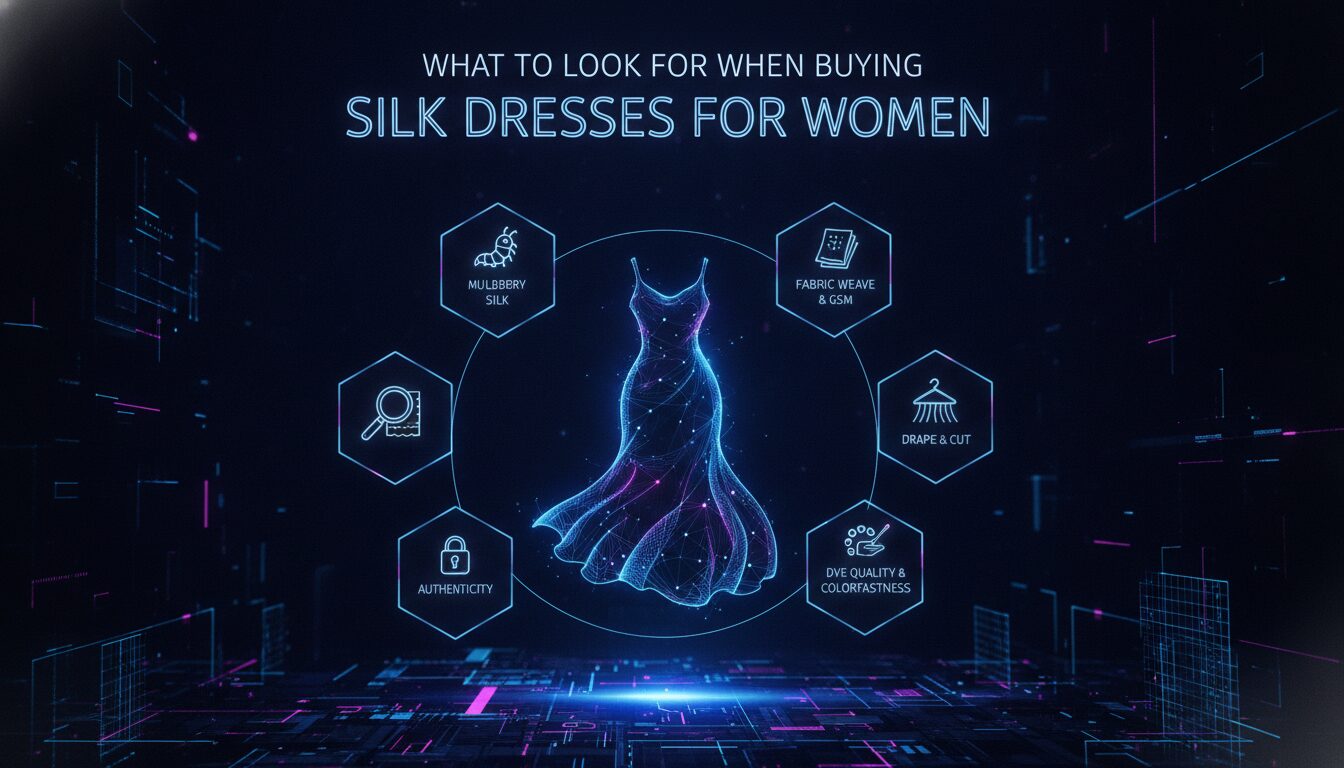
The best this type of women combine verified mulberry silk content, an appropriate momme weight, and a silhouette built for your body and your night. Not every silk dress on the market earns its price tag. Understanding fabric quality, construction, and fit turns a purchase into an investment piece that outlasts a season of going out.
- Determine Your Occasion. Identify whether you need a sleek slip for the club, a flowing maxi for a wedding, or a polished midi for the office before happy hour.
- Check the Momme Weight. Look for 19 to 22 momme for everyday durability, or 40 momme for a heavier, more luxurious feel.
- Verify 100% Mulberry Silk. The tag should say 100% mulberry silk, not a blend, unless you specifically want cotton-silk for breathability.
- Consult Size Charts and Reviews. Silk has almost no stretch. Compare your measurements to the brand’s size guide and scan reviews for fit notes.
- Evaluate Care Requirements. Choose hand-wash or dry-clean-only if you’re ready to invest in upkeep, or opt for machine-washable silk like Lilysilk’s Silk Breeze Jersey.
Fabric Weight and Quality
Silk quality is measured in momme, and higher numbers mean denser, more durable fabric. Most luxury this kind of for women use 19 to 22 momme, while heavier 40 momme versions, available at DaisySilk, deliver extra structure and opacity. Always confirm 100% mulberry silk, known for its smoothness and strength, over cheaper silk blends that tend to pill or lose their sheen fast.
“Mulberry silk remains the gold standard in eveningwear because of its natural sheen and strength relative to its weight,” fashion editors at Who What Wear have noted when comparing luxury fabric options.
Fit and Silhouette
Silk drapes differently than cotton or polyester, and that difference is the entire point. Bias-cut gowns hug curves with zero effort, while A-line shifts offer a more forgiving fit for a bigger night of dancing. Check size guides carefully: a Reformation slip dress tends to fit true to size, while a Natori silk twill sheath runs tailored. Read reviews that mention fit specifically. DaisySilk’s Slit Cowl Neck Midi Cami Silk Dress carries 34 reviews detailing sizing nuances worth a scroll before you buy.
Price Ranges
the dresses for women span a wide price spectrum, and knowing the tiers helps you shop smarter. Budget-conscious shoppers find 100% silk slip dresses starting at $59.95 at SilkSilky. Mid-range options from DaisySilk run from $149.99 to $375, with sales knocking off up to 27%. At the premium tier, expect to spend $595 to $2,500 for Natori’s artisanal craftsmanship, or $248 to $448 for Reformation’s sustainable luxury.
Top Styles of Silk Dresses for Women
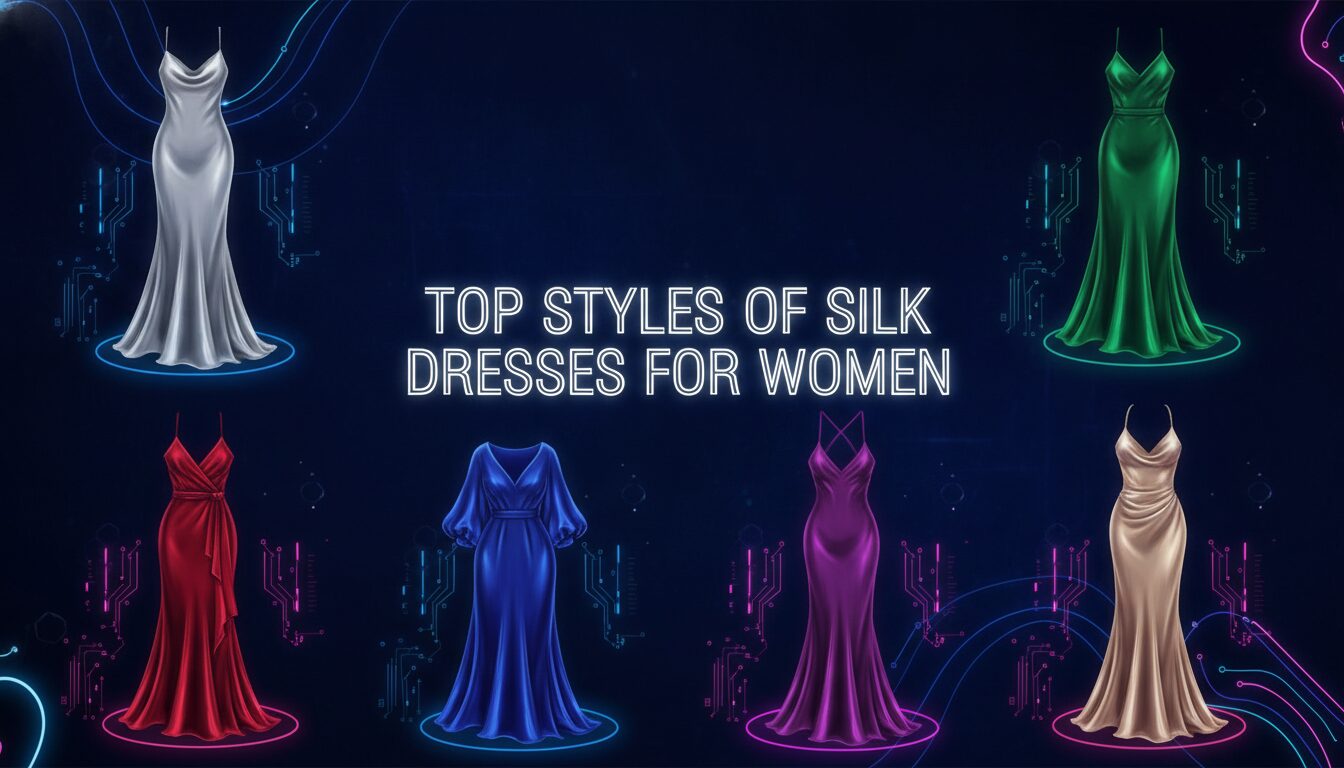
The top styles of women include slip, midi, maxi, mini, and shirt dress silhouettes, each suited to a different mood and moment. From minimalist slips to statement maxis, silk adapts to any aesthetic you’re chasing this year. Here’s how to navigate the most popular cuts.
| Style | Best For | Typical Price Range | Key Features | Care Level |
|---|---|---|---|---|
| Slip Dress | Evening events, layering | $60 to $300 | Bias cut, cowl neck, adjustable straps | Hand wash or dry clean |
| Midi Dress | Work, weddings, cocktail | $100 to $500 | A-line, wrap, or sheath silhouettes | Varies |
| Maxi Dress | Formal, beach weddings | $150 to $2,500+ | Flowing, elegant, often backless | Dry clean recommended |
| Mini Dress | Nightlife, parties | $60 to $250 | Short, playful, skater or bodycon | Hand wash |
| Shirt Dress | Casual to business casual | $200 to $400 | Collared, button-down, belted | Dry clean or machine wash (silk blend) |
Slip Dresses
The slip dress is the foundation of effortless elegance, and it’s the closest thing our Pretty Edit has to a signature move. Look for 19 momme silk bias cuts from SilkSilky starting around $75, or splurge on Reformation’s $248 Opaline style. Wear yours solo with strappy heels, or layer it under a leather jacket for a Poison Edit edge that says you came to be seen.
Style Tip: A slip dress in liquid champagne silk is the closest thing to wearing moonlight. Add gold hoops and you’re done.
Midi and Maxi Hemlines
Midi silk dresses strike the balance between office-ready and after-dark ready, which is exactly why they dominate our Duality collection philosophy. DaisySilk’s 22 Momme Belted Midi Dress at $209.99 features an adjustable waist, while Lilysilk‘s Nova Dress at $289 offers a modern square neckline. For grand entrances, a flowing maxi like Natori’s couture silk crepe column dress commands a room the second you walk in.
Mini Dresses for Nightlife
Short silk dresses deliver sultry energy built for the dance floor, not the boardroom. DaisySilk’s Silk Open-Back Long Sleeve Mini Dress at $159.99 pairs drama with coverage, while SilkSilky’s $59.95 cherry print option adds a whimsical edge. Style yours with ankle boots or platform heels for a look updated for 2026.
Shirt and Wrap Dresses
These crossover silhouettes blend polish with comfort for the days you need both. Banana Republic’s cotton-silk halter maxi marries breathability with structure, originally $380 but frequently marked down. A silk wrap dress, like DaisySilk’s polka dot version, flatters a wide range of body types and moves easily from desk to dinner.
Bridesmaid and Wedding Guest Silk Dresses
Bridesmaid-specific silk dress curation matters because coordinating silhouettes across different body types is genuinely hard. Brands increasingly offer dedicated bridesmaid collections in silk, letting each guest choose a slip, wrap, or midi cut in a shared colorway while keeping proportions flattering for their frame. As of 2026, more retailers are building these curated capsules specifically around wedding parties, following demand highlighted in searches like “for women wedding.” If you’re dressing a bridal party, look for brands offering multiple silhouettes in one fabric and dye lot so everything reads cohesive in photos.
How to Style Silk Dresses
Styling silk dresses for women well comes down to layering strategically and choosing accessories that match the fabric’s natural shine. Silk moves through seasons with the right additions, and it rewards a little creative thinking.
Layering for Transitional Weather
Extend a summer slip into fall by adding a fine-knit turtleneck underneath with knee-high boots. A tailored blazer over a midi silk dress converts it instantly for the office. For winter events, a draped silk maxi beneath a long wool coat brings Old Hollywood glamour to a rooftop in December.
Accessories That Elevate
Choose metallic accents strategically: gold against champagne silk, silver against cool-toned jewel hues. Delicate chain belts define the waist on shift silhouettes, while bold statement earrings balance a simple cowl neck. For daytime, keep it minimal with sandals; at night, go for strappy stilettos or chunky platforms that mean business.
Caring for Your Silk Dresses
Caring for silk dresses for women properly means hand washing or dry cleaning traditional pieces, while newer machine-washable silks offer a lower-maintenance alternative. Proper care can roughly double the lifespan of a silk garment.
Traditional Silk Care
Hand wash in cold water with a pH-neutral detergent, or dry clean for structured pieces. Never wring the fabric; instead, roll it in a towel to remove excess moisture. Store flat or on padded hangers, away from direct sunlight to prevent fading over time.
The Rise of Easy-Care Silks
Innovations in silk technology mean you no longer need to fear the laundry basket. SilkSilky’s SilkFlex 19 momme fabric and Lilysilk’s machine-washable silk jersey, including a $159 asymmetric dress, stay soft after repeated washes. Always use a mesh bag on the delicate cycle, then air dry for the best result. This shift toward low-maintenance silk means silk dresses for women are viable for daily wear, not just special occasions anymore.
According to WWD’s coverage of textile innovation, machine-washable silk treatments have expanded significantly in recent years as brands respond to demand for lower-maintenance luxury fabrics.
Where to Buy Silk Dresses for Women
The best places to buy silk dresses for women include direct-to-consumer specialists, sustainable fashion labels, and luxury designers, each serving a different budget and value set. Runway data and retail trend reports from outlets like Vogue Business consistently show silk holding steady as a going-out fabric of choice year over year.
- Direct-to-Consumer Specialists: DaisySilk and SilkSilky offer extensive collections at mid-level prices, with frequent sales up to 27% off. SilkSilky’s 365-day return policy and free shipping over $59 make the decision low-risk.
- Sustainable Fashion: Reformation leads with carbon-measured silk dresses priced between $248 and $448, backed by a published sustainability report and a carbon savings metric on each style.
- Luxury Designers: Natori handcrafts silk twill and silk blend dresses in the Philippines, blending East-meets-West design influences into every seam, with prices from $595 to $2,500.
- Modern Essentials: Lilysilk merges classic cuts with washable silk innovations, and Banana Republic sells matte silk maxi dresses often marked down to under $170.
Cultural Fusion in Silk Design
Cultural fusion matters in silk dressmaking because the fabric’s history stretches across continents, from Chinese sericulture traditions to Filipino terno silhouettes to European couture draping. Natori’s East-meets-West aesthetic is a direct product of founder Josie Natori’s Filipino heritage combined with New York design training, and it shows in details like capiz shell buttons, embroidered necklines, and structured silk twill bodices. If you’re drawn to silk dresses for women with a global design story, look for brands that credit their cultural references rather than treating them as generic “exotic” trim.
Pros and Cons
Pros
- Silk’s natural sheen and drape flatter nearly every body type without heavy tailoring.
- Mulberry silk is breathable and temperature-regulating, wearable in summer heat or under a coat in winter.
- A well-cared-for silk dress can realistically last a decade or longer, making the higher price per wear a smart trade.
- The range of silhouettes, from mini to maxi, means one fabric covers nearly every occasion on your calendar.
Cons
- Traditional silk often requires hand washing or dry cleaning, which adds cost and time.
- Silk has minimal stretch, so sizing mistakes are less forgiving than with knits.
- Premium silk dresses, especially from designer labels like Natori, carry a price tag that puts them out of casual reach.
- Silk is prone to static cling and can snag on rough jewelry or rings if you’re not careful.
Frequently Asked Questions
What momme weight is best for silk dresses?
A momme weight of 19 to 22 is ideal for most silk dresses for women, balancing durability with fluid drape. Lighter 16 momme works well for lingerie-adjacent pieces, while 40 momme delivers a heavier, more structured feel suited to statement gowns.
Are 100% mulberry silk dresses worth the investment?
Yes, mulberry silk is stronger and smoother than wild silk varieties, resisting pilling and holding its luster over repeated wears. A well-cared-for silk dress can realistically last a decade, which makes the upfront cost worth it for most closets.
Can I machine wash my silk dress?
Only if it’s explicitly labeled machine-washable, like Lilysilk’s Silk Breeze Jersey or SilkSilky’s SilkFlex fabric. Otherwise, hand wash or dry clean to protect the fiber’s integrity and prevent damage.
How do I style a silk dress for a wedding?
Choose a midi or maxi silk dress in a solid jewel tone or a soft floral print for wedding guest dressing. Pair it with heeled sandals, a small clutch, and delicate jewelry, then add a pashmina or bolero for warmth during evening ceremonies.
What is the return policy for silk dresses bought online?
Policies vary by retailer: SilkSilky offers a 365-day return window, DaisySilk provides returns and exchanges backed by a detailed size guide, and Reformation allows returns within 21 days. Always confirm the policy before you buy, especially for special-occasion pieces.
How do I prevent static cling in silk dresses?
Lightly mist the dress with water or apply an anti-static spray before wearing it out. Storing your silk dress with a dryer sheet nearby, or pinning a small metal safety pin inside the hem, also cuts down on cling.
Silk dresses for women aren’t seasonal anymore. They’re not just for the one wedding invite sitting on your counter or the one gala you circled on your calendar months ago. Between machine-washable innovations, a full spectrum of price points, and silhouettes built for everything from a Tuesday dinner to a 2am dance floor, silk earns a permanent spot in your closet. Whether you gravitate toward the soft romance of our Pretty Edit or the sharp, dangerous lines of our Poison Edit, the right silk dress becomes your armor and your invitation, both at once. Discover your duality at prettynpoison.com.