Key Takeaways
- Luxury fashion is defined by craftsmanship, exclusivity, and cultural influence, not just high prices.
- Sustainability and ethical production are reshaping the industry, with many brands adopting circular models and eco-materials.
- Subcultural aesthetics, punk, fetish, club, are increasingly influencing haute couture and red-carpet looks.
- Iconic houses like Chanel, Dior, and Gucci coexist with avant-garde labels that push boundaries.
- The future of high-end style blends bold self-expression with responsible innovation.
Luxury fashion is the pinnacle of sartorial rebellion, where exceptional craftsmanship meets cultural disruption. It’s not just clothing, it’s armor for the fearless.
What Defines Luxury Fashion?
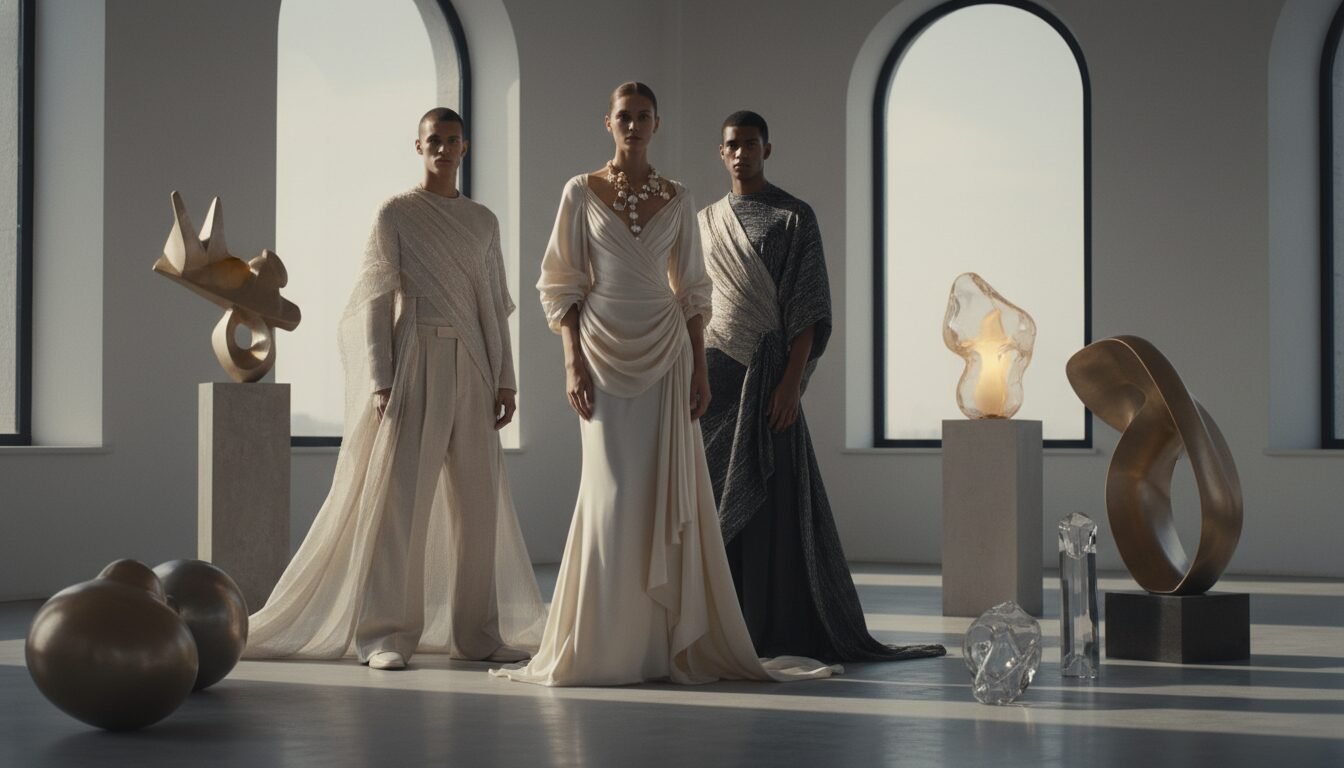
True luxury fashion rests on five pillars that separate the extraordinary from the merely expensive: heritage, quality, rarity, design vision, and cultural resonance. Heritage creates narratives money can’t buy, Chanel launched in 1910, Gucci in 1921, Burberry in 1856. Quality manifests in hand-stitched leather, custom-milled fabrics, mother-of-pearl buttons that catch light like secrets. Rarity maintains desire through limited production and exclusive distribution.
The Anatomy of a Luxury Brand
Not every four-figure price tag earns the title. Real luxury fashion demands obsessive attention to details others overlook. The weight of a zipper. The drape of silk cut on the bias. The way a seam disappears into shadow. These brands understand that true luxury whispers while everything else screams.
“Luxury fashion is a cultural laboratory where craftsmanship meets desire,” says fashion historian Valerie Steele of The Museum at FIT. “It’s not about utility; it’s about dreams.”
The Evolution from Couture to Streetwear
The revolution started in the streets. Luxury fashion no longer lives only in ateliers, it thrives in the underground. Labels like Off-White, Balenciaga under Demna, and Gucci under Alessandro Michele blurred every line between haute couture and club wear. A hoodie became as covetable as a bespoke gown, provided it carried the right attitude and a four-figure price tag. According to Business of Fashion, this democratization of cool attracts younger consumers who view high-end clothing as cultural capital, not just status symbols.
Sustainability: The New Luxury Ethos
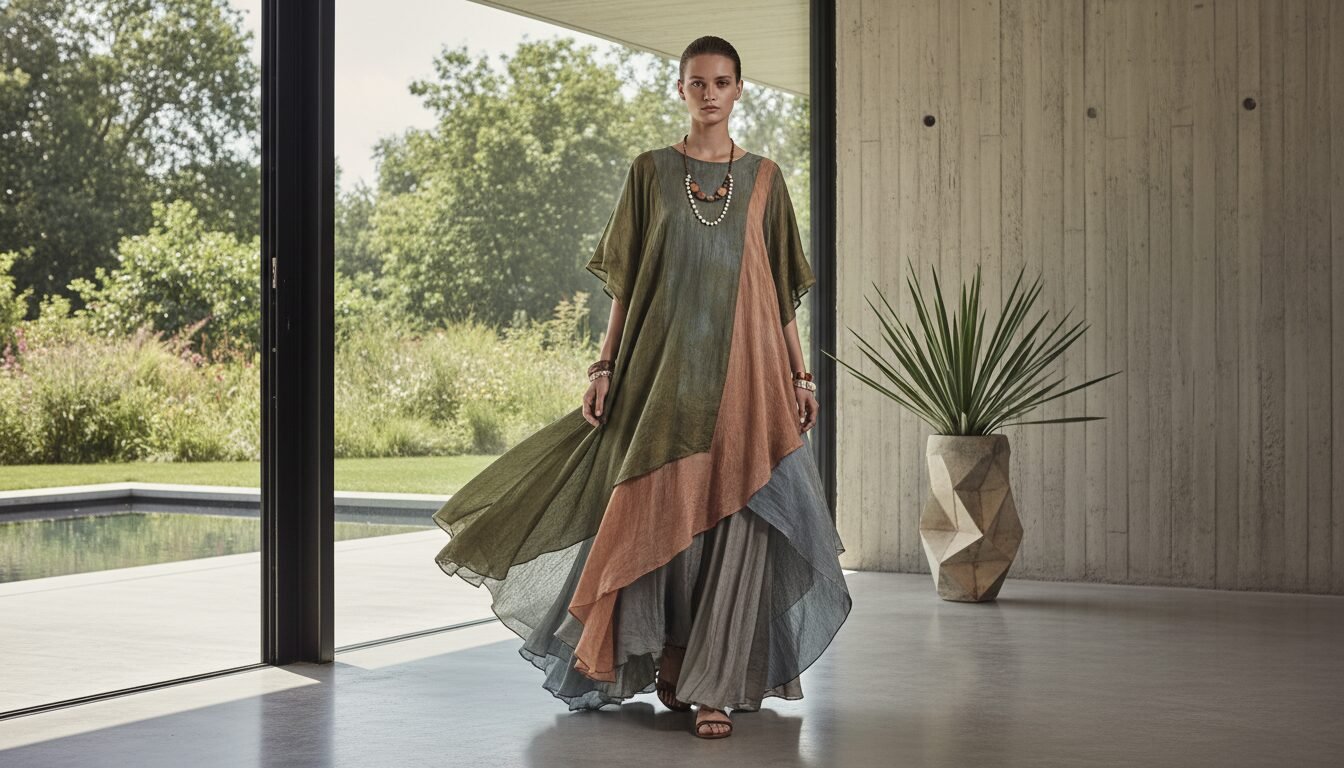
The green revolution isn’t coming, it’s here, and it’s wearing leather made from mushrooms. Brands are swapping virgin polyester for recycled fibers, chrome-tanned leather for vegetable alternatives, virgin cashmere for regenerative wool. This isn’t compromise; it’s evolution.
Ethical Materials and Circular Fashion
Stella McCartney pioneered cruelty-free luxury with materials like Mylo mushroom leather and recycled nylon. Circular fashion models, repair services by Hermès, resale platforms like Vestiaire Collective, extend product lifecycles while maintaining exclusivity. The conscious consumer isn’t asking for permission anymore; they’re demanding transformation.
“The future of luxury fashion is indistinguishable from sustainability,” a spokesperson for the Copenhagen Fashion Summit stated. “Brands that do not adapt risk losing relevance with the conscious consumer.”
Carbon-Neutral and Zero-Waste Initiatives
Kering committed to carbon neutrality across operations and supply chain by 2050. Burberry achieved carbon-neutral operations in 2021. Smaller designers prove sustainable evening wear can be both daring and ethical, using deadstock fabrics and non-toxic dyes to create club-ready statements without environmental compromise. The future belongs to brands that understand responsibility is the ultimate luxury.
The Rise of Vegan and Cruelty-Free Luxury
From cactus leather handbags to mushroom-based dresses, vegan luxury transcended niche status. Brands like Nanushka and Desserto prove high-end fashion doesn’t need animal skins to make you feel dangerous. Traditional houses introducing fur-free policies and leather alternatives recognize that modern opulence includes ethical stewardship.
Subculture Meets High Fashion
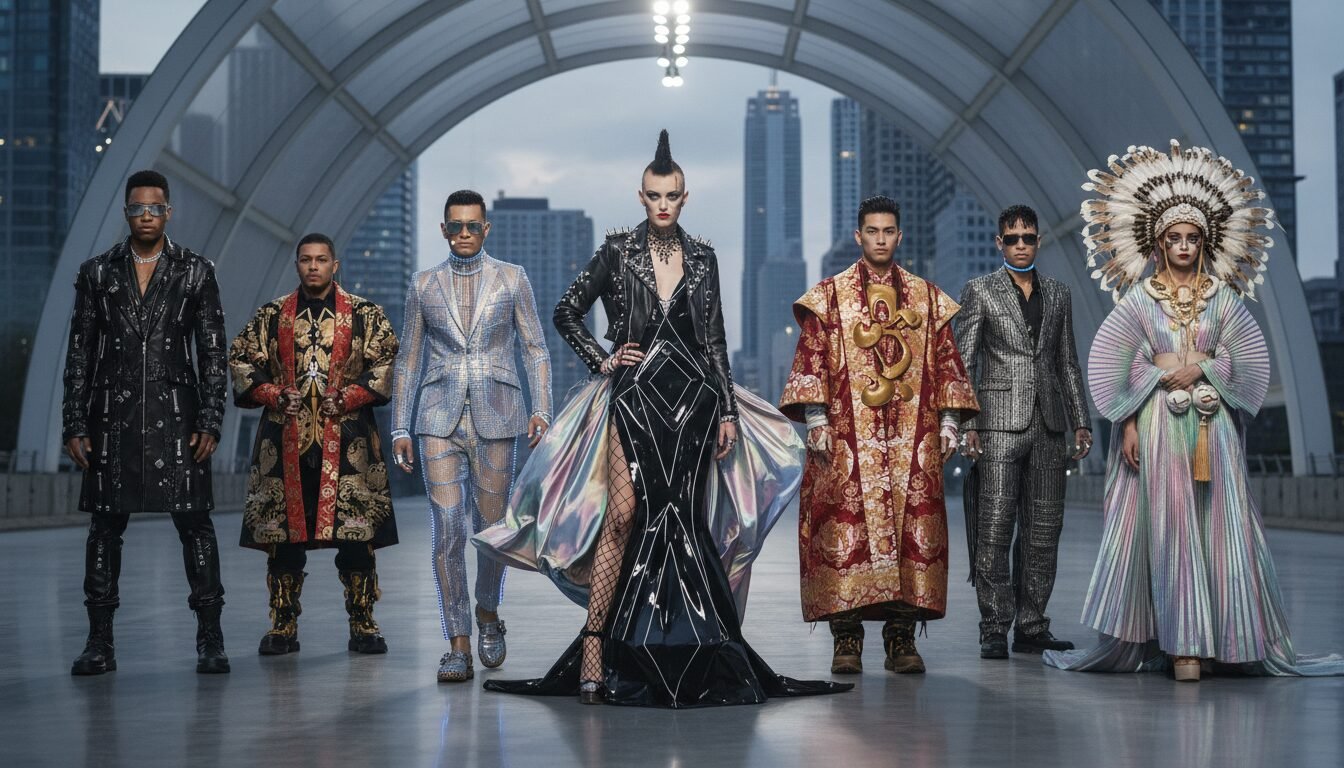
The underground always wins eventually. Today’s luxury fashion borrows heavily from scenes the establishment once ignored: punk safety-pin dresses, Berlin fetish club latex, 1990s rave kaleidoscopes. This cross-pollination legitimizes subversive aesthetics while injecting high-end design with raw, unfiltered energy.
Punk, Fetish, and Club Culture on the Runway
Riccardo Tisci’s Burberry introduced harnesses and chokers to the mainstream. Balenciaga’s recent collections feature BDSM-inspired padding and straps. These aren’t costumes, they’re statements. The runway became a place where rebellion meets refinement, where the night’s darkest fantasies transform into daylight power moves.
How Designers Like Vivienne Westwood and Rick Owens Redefined Luxury
Vivienne Westwood, punk’s godmother, transformed rebellion into high art, blending historical references with anarchy. Rick Owens created a cult following around brutalist silhouettes and apocalyptic shows, proving luxury doesn’t have to be polished, it can be provocative, challenging, deeply personal. These visionaries understand that true luxury makes you feel something, not just look expensive.
Dressing for the Nightlife: Luxury with an Edge
For club circuits and festival grounds, luxury fashion means transformation pieces: chainmail halter tops from Paco Rabanne, floor-length feathered coats from Valentino, gender-fluid corsets from emerging brands. The nightlife aesthetic rewards pieces that come alive under strobe lights, that demand closer inspection. This is luxury fashion for people who understand that the night belongs to the bold.
The Business of Luxury: Pricing, Exclusivity, and Resale
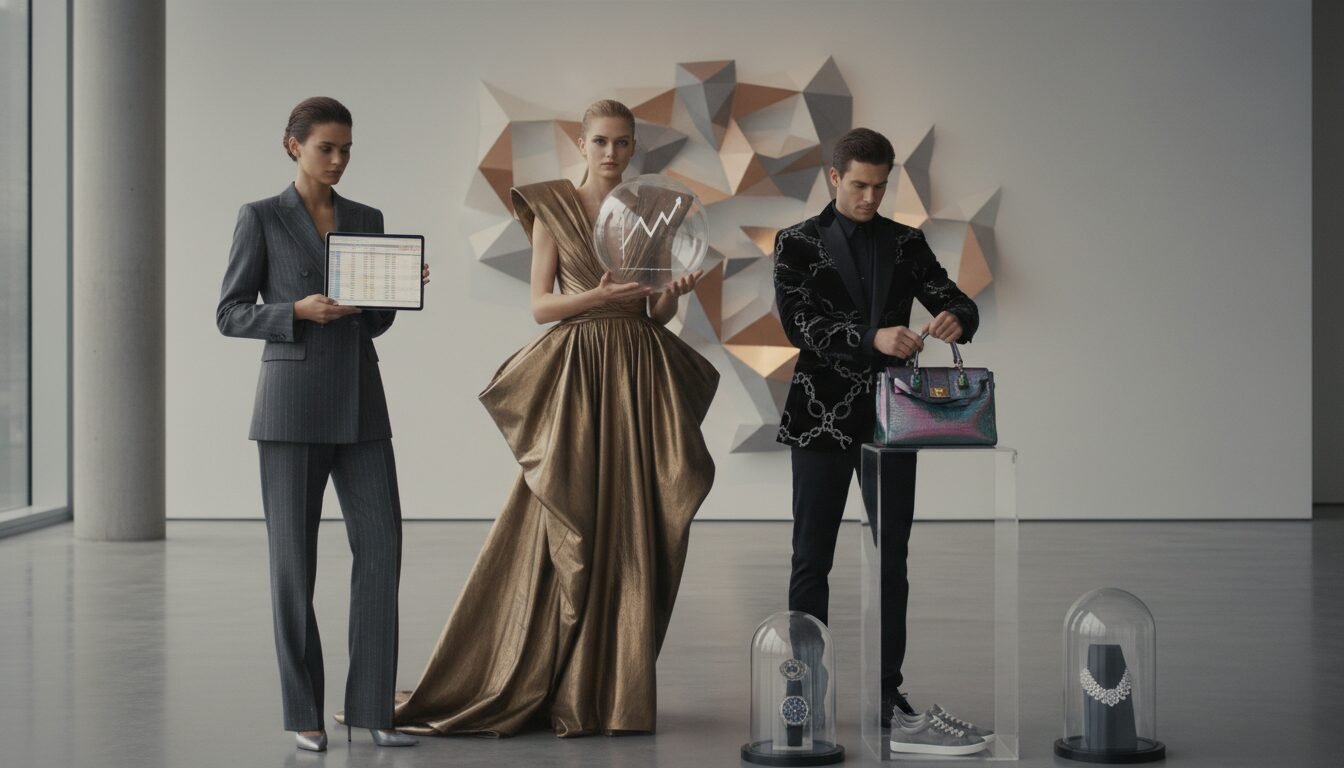
Luxury fashion thrives on tension between desire and availability. Brands deliberately limit production to maintain scarcity, employing waitlists for iconic items like the Hermès Birkin or Chanel Classic Flap. This isn’t just business strategy, it’s psychological warfare disguised as retail.
The Economics of Exclusivity
Pricing reflects intangible value more than materials. Handbag prices rise through multiple annual increases, yet demand remains resilient. High-end fashion houses continue posting strong revenue growth because they understand a fundamental truth: people don’t just buy products, they buy into dreams of who they could become.
The Rise of Pre-Owned Luxury
The resale market exploded with platforms like The RealReal and Vestiaire Collective reporting double-digit growth. Younger consumers view pre-owned luxury fashion as both value proposition and sustainability win. This democratization of access reshapes how brands manage scarcity, exclusivity becomes more complex when yesterday’s impossible becomes today’s accessible.
Direct-to-Consumer Strategies
Brands like Gucci and Dior reclaim control through DTC channels, capturing higher margins while gathering customer data. This shift enables personalized experiences, made-to-order services, virtual styling appointments, that enhance exclusivity’s aura. The future belongs to brands that make customers feel chosen, not just served.
High-End Fashion and Technology
The pandemic accelerated digital transformation, with fashion weeks streamed globally and virtual showrooms becoming standard. NFTs emerged as a new category, with Dolce & Gabbana selling a nine-piece collection for $5.7 million in 2021. While hype cooled, digital ownership and augmented reality try-ons became fixtures of modern retail strategy.
Digital Runways and NFTs
Virtual fashion shows democratized access while maintaining mystique. Brands discovered they could reach global audiences without physical limitations, creating intimate experiences that felt both exclusive and inclusive. The technology serves the story, not the other way around.
Augmented Retail Experiences
Chanel partnered with Farfetch in 2018 to develop augmented retail experiences blending physical boutiques with digital enhancements. Customers virtually try on garments, access exclusive content, receive personalized recommendations. This convergence heightens the sensory exclusivity that defines luxury shopping, making the impossible feel inevitable.
Building a Luxury Wardrobe: A Subversive Approach
Smart luxury fashion investment requires strategy, not just desire. The goal isn’t to look expensive, it’s to look intentional, confident, unforgettable. Build a wardrobe that tells your story, not someone else’s.
How to Spot Authentic Luxury: A Step-by-Step Guide
Not all that glitters deserves your money. Follow these steps:
- Step 1: Research the brand’s heritage and values. Check official websites, hallmark craftsmanship details, transparency about sourcing.
- Step 2: Examine materials and construction. Look for weighty zippers, even stitching, fabric content labels revealing silk, cashmere, leather.
- Step 3: Assess resale value. Search pre-owned marketplaces to see if items retain value over time.
- Step 4: Beware of too-good-to-be-true deals. Counterfeit goods flood the market, if the price seems unreal, the product likely is too.
Investment Pieces vs. Trend-Driven Items
A savvy wardrobe balances timeless investment pieces, like a Burberry trench or Cartier Tank watch, with trend-forward statements. Investment pieces should be versatile, durable, classic. Trend items allow experimentation. Buy what you’ll wear repeatedly, ensuring cost-per-wear justifies the splurge. The best luxury fashion makes you feel like yourself, only more so.
Mixing High and Low: How to Subvert Traditional Luxury
The most memorable looks juxtapose high-end pieces with streetwear, vintage, or DIY elements. Pair a Chanel tweed jacket with ripped jeans and combat boots. Layer a sustainable mesh top under a Dior bustier. This irreverent styling captures modern luxury’s spirit: confident, individualistic, unashamedly eclectic. Rules exist to be broken by people who understand them first.
The Future of Luxury Fashion: Inclusion, Innovation, and Impact
The industry expands its definition of exclusivity. Brands like Gucci and Thom Browne feature gender-neutral runway shows and unisex collections. Labels like 11 Honoré offer high-end plus-size options. This shift is both ethical and financially savvy, broadening the addressable market while staying true to luxury’s core promise: making people feel extraordinary.
Gender-Fluid and Size-Inclusive Collections
The future belongs to brands that understand bodies are diverse, desires are complex, and identity transcends traditional categories. Representation isn’t charity, it’s smart business that recognizes luxury should make everyone feel powerful, regardless of size, gender, or background.
The Role of AI in Design and Personalization
Artificial intelligence revolutionizes everything from sketch to sale. AI-driven trend forecasting helps designers anticipate demand. Virtual assistants offer personalized shopping experiences. Brands use AI to recommend items based on past purchases, even generate custom designs. These innovations promise to make high-end fashion more responsive and bespoke than ever before.
Pros and Cons
Pros
- Exceptional craftsmanship and materials ensure longevity and timeless appeal
- Investment pieces often retain or appreciate in resale value over time
- Sustainable luxury options allow conscious consumption without compromising style
- Subversive designs enable bold self-expression and cultural statement-making
- Exclusive access to limited collections and personalized services
Cons
- High price points create significant barriers to entry for many consumers
- Exclusivity can perpetuate elitist attitudes and social divisions
- Trend-driven pieces may quickly become outdated despite premium pricing
- Counterfeit markets make authentication challenging for buyers
- Some traditional practices still lag behind sustainability and ethical standards
Comparison Table: Traditional vs. Contemporary Luxury
| Feature | Traditional Luxury (Chanel, Hermès) | Contemporary Luxury (Stella McCartney, Off-White) |
|---|---|---|
| Materials | Classic leathers, tweed, silks | Recycled fibers, vegan leather, deadstock |
| Aesthetic | Timeless, logo-centric, polished | Avant-garde, logo-free, subversive |
| Price Range | Handbags: $3,000–$50,000+ | Ready-to-wear: $420 (TOTEME T-shirt) to $3,600 (Valentino lace top) |
| Exclusivity | Waitlists, limited editions | Drops, collaborations, direct-to-consumer |
| Sustainability | Emerging (repair services) | Core to brand identity (certified B-Corp, carbon-neutral) |
Frequently Asked Questions
What is luxury fashion?
Luxury fashion represents the highest tier of clothing and accessories, defined by exceptional craftsmanship, exclusive materials, limited availability, and significant cultural prestige. It transcends mere utility to become wearable art that expresses identity, status, and personal values through design innovation and heritage storytelling.
Which iconic luxury brands define the industry?
Iconic brands include French houses like Chanel, Dior, and Hermès; Italian powerhouses such as Gucci, Prada, and Versace; and innovative labels like The Row and Stella McCartney. These names earned recognition through decades of design excellence, cultural influence, and unwavering commitment to craftsmanship that sets industry standards.
How is sustainability reshaping high-end fashion?
Sustainability drives brands to adopt eco-friendly materials, reduce carbon footprints, and embrace circular models like resale and repair services. Consumer demand for environmental responsibility pushes even heritage houses to innovate with vegan leather alternatives, recycled fabrics, and transparent supply chains without compromising luxury standards.
Can subcultural styles be considered luxury?
Absolutely. Subcultural aesthetics, punk, goth, fetish, clubwear, have been elevated by designers for decades, appearing on runways and in high-end boutiques. Styles once considered underground, like harnesses and platform boots, now command premium prices when executed with luxury materials and craftsmanship, legitimizing rebellion as high fashion.
Are designer items worth the investment?
Investment value depends on the specific item and brand heritage. Classic pieces like Chanel flap bags often appreciate or retain strong resale value, while trend-driven items may depreciate quickly despite premium pricing. Prioritize personal joy, quality construction, and versatility over financial speculation when building a luxury wardrobe.
Ready to discover your duality? Discover your duality at prettynpoison.com