Key Takeaways
- Black tie is a formal evening dress code originating from 19th-century British aristocracy, first worn at private clubs in the 1860s.
- Men must wear a dinner jacket with satin lapels, a hand-tied black bow tie, a white dress shirt with French cuffs, and polished black shoes.
- Women can choose floor-length gowns, elegant cocktail dresses, or tailored jumpsuits in luxurious fabrics like silk, satin, or velvet.
- Business suits, casual shoes, brown footwear, and clip-on bow ties are immediate disqualifiers at any dress code black tie event.
- Modern interpretations in 2026 allow personal expression through velvet jackets, asymmetric hemlines, and sustainable vintage pieces.
- Black tie sits one tier below white tie and one tier above black tie optional on the formal dress code spectrum.
A dress code black tie event is the standard for formal evening occasions: men wear a tuxedo with a black bow tie, women choose a floor-length gown or elegant cocktail dress. These rules apply to galas, formal weddings, and award ceremonies worldwide.
“Black tie is ultimately about honoring tradition while making a statement of personal style.” – Hockerty
“The dinner suit remains the definitive expression of evening elegance for men – it signals occasion, intention, and respect for the room.” – Charles Tyrwhitt Style Editors
What Does a Dress Code Black Tie Event Actually Require?
The Definition of Black Tie
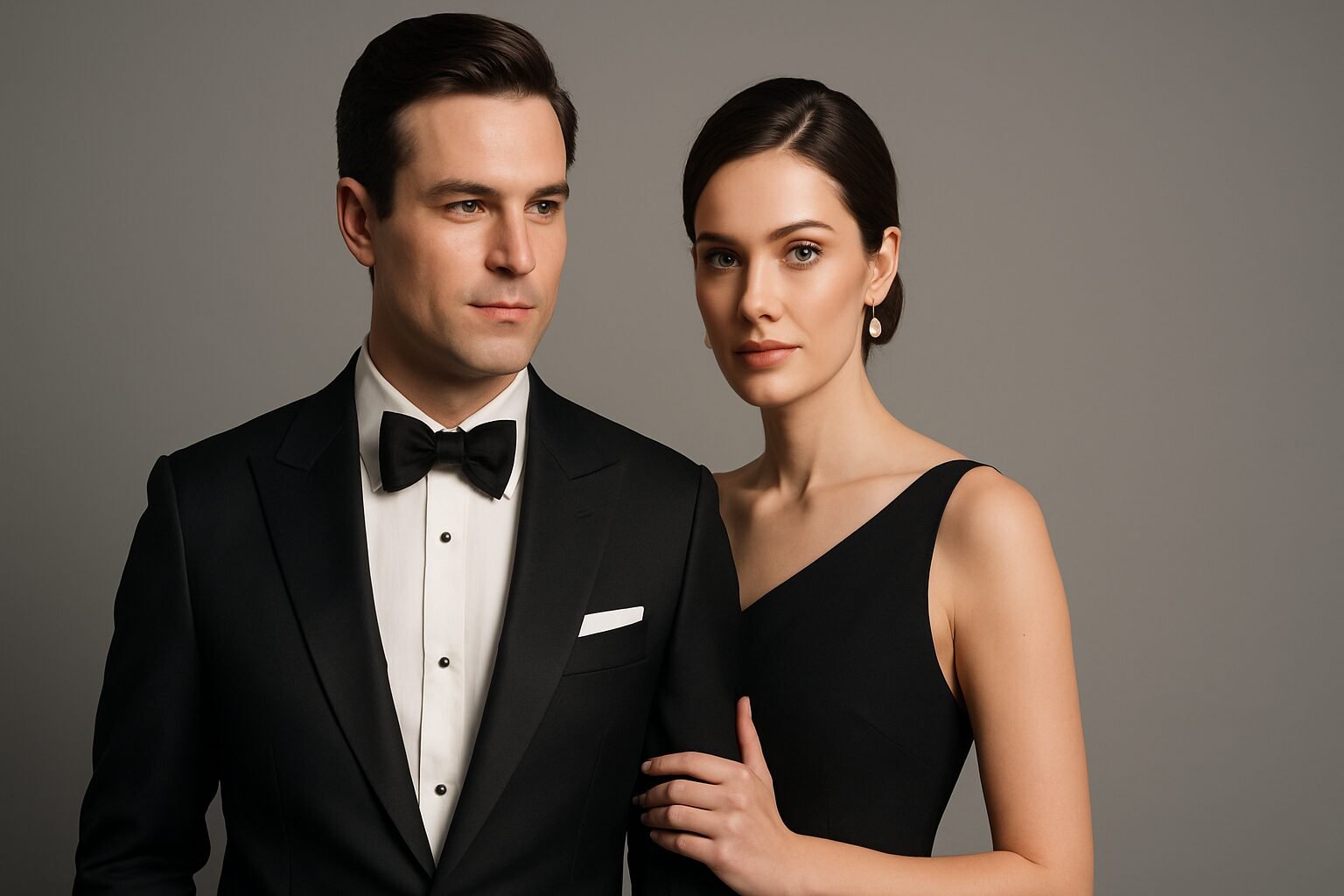
A tie event is a semi-formal Western evening dress code rooted in 19th-century British and North American tradition. It demands a precise combination of refined garments that goes far beyond everyday suits. For men, that means a dinner jacket with satin lapels, a white dress shirt, a hand-tied black bow tie, and polished black shoes. Women traditionally wear floor-length evening gowns or luxurious cocktail dresses. The entire point is a cohesive, polished aesthetic that elevates the occasion itself.
According to Wikipedia, the dress code is “often referred to synecdochically by its principal element for men, the dinner suit or dinner jacket.” That terminological shorthand tells you everything: the tuxedo is not optional, it is the code. The first dinner jacket is traced to 1865, when the Prince of Wales, later King Edward VII, sought a less rigid alternative to white tie for private dinners.
Why Following the Dress Code Matters
Respecting a this type of event is not blind conformity. It is a signal of awareness. Hosts invest significant resources into creating a formal atmosphere, and guests who arrive correctly dressed honor that effort. A unified dress code also creates visual harmony across the entire event, making photographs and the overall experience more memorable. As of 2026, many high-profile galas and award ceremonies explicitly reserve the right to deny entry to guests who ignore the code entirely.
The Rich History of Black Tie
Origins in British Aristocracy
Black tie emerged as a relaxed counterpart to white tie in the late 19th century. Full evening dress at the time included a tailcoat, white bow tie, and high-waisted trousers. The innovation was the dinner jacket: a short coat without tails, initially worn only in private clubs. The Tuxedo Park Club in New York gave rise to the American term “tuxedo,” a name that stuck on one side of the Atlantic while “dinner jacket” remained standard on the other. This evolution is documented in fashion history texts and the Wikipedia entry on black tie, which notes it “originates from the late 19th century” as a less formal evening option.
20th-Century Transformations
By the mid-20th century, black tie had become the default for formal evening events across Europe and North America. Waist coverings like the cummerbund and waistcoat became optional rather than mandatory. Single-breasted jackets overtook double-breasted styles in everyday popularity. The color palette held firm: black or midnight blue, with lapels always faced in satin or grosgrain. These subtle shifts allowed for more comfort while preserving the code’s core elegance. This year, designers are reintroducing vintage details like shawl-collar velvet jackets, bridging tradition and contemporary style without breaking the rules.
British vs. American Black Tie Traditions
Regional differences matter more than most guests realize. In Britain, “black tie” strictly means a dinner jacket with a black bow tie, and deviations are frowned upon at traditional venues like the Royal Opera House or private members’ clubs. American black tie culture, shaped by Hollywood and New York’s social scene, has always been slightly more permissive: colored bow ties, velvet jackets, and even formal sneakers have appeared on red carpets without causing scandal. Understanding which tradition your host follows helps you calibrate exactly how experimental you can afford to be at any this kind of tie event.
Black Tie Attire for Men: The Essential Components
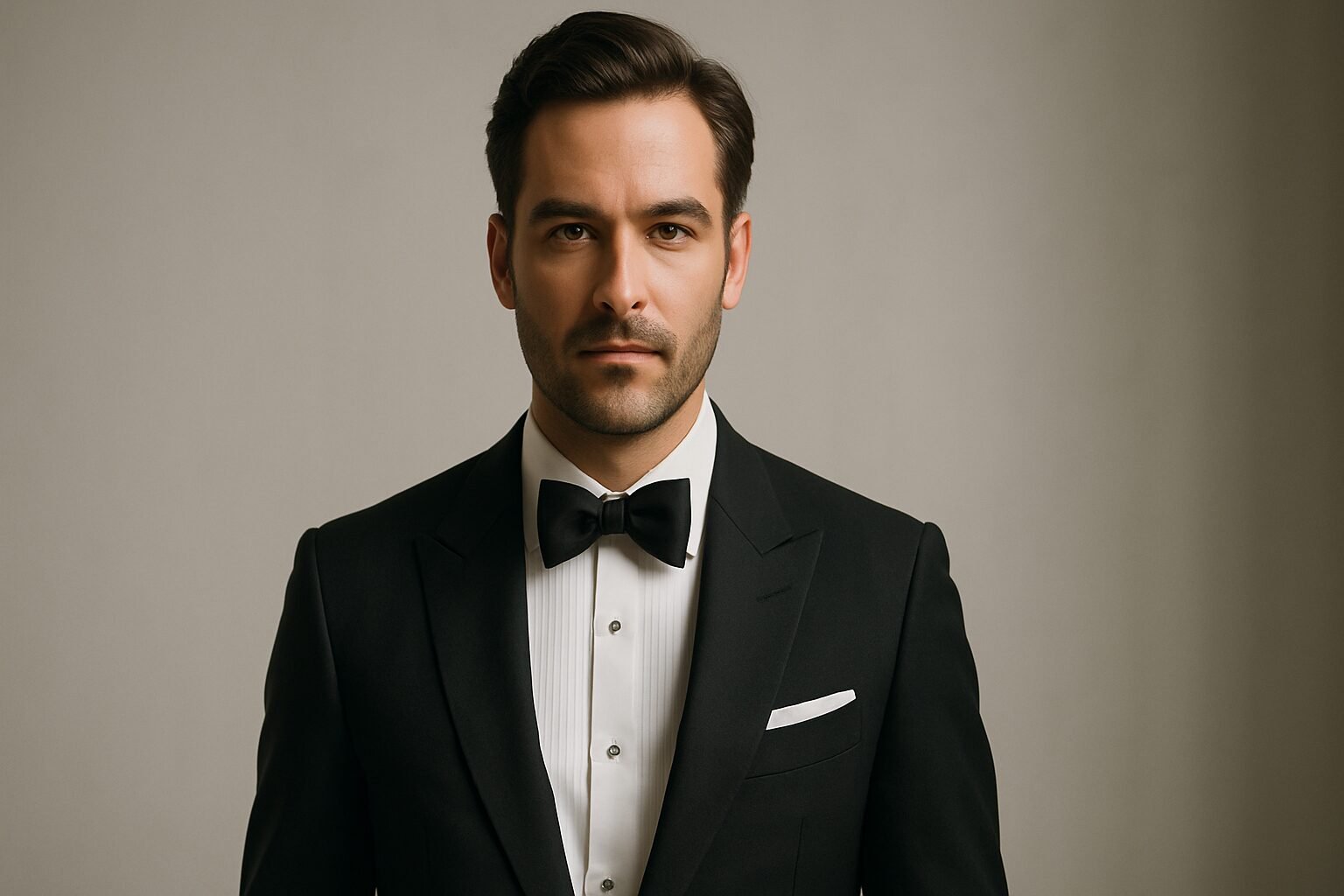
The Tuxedo Jacket and Trousers
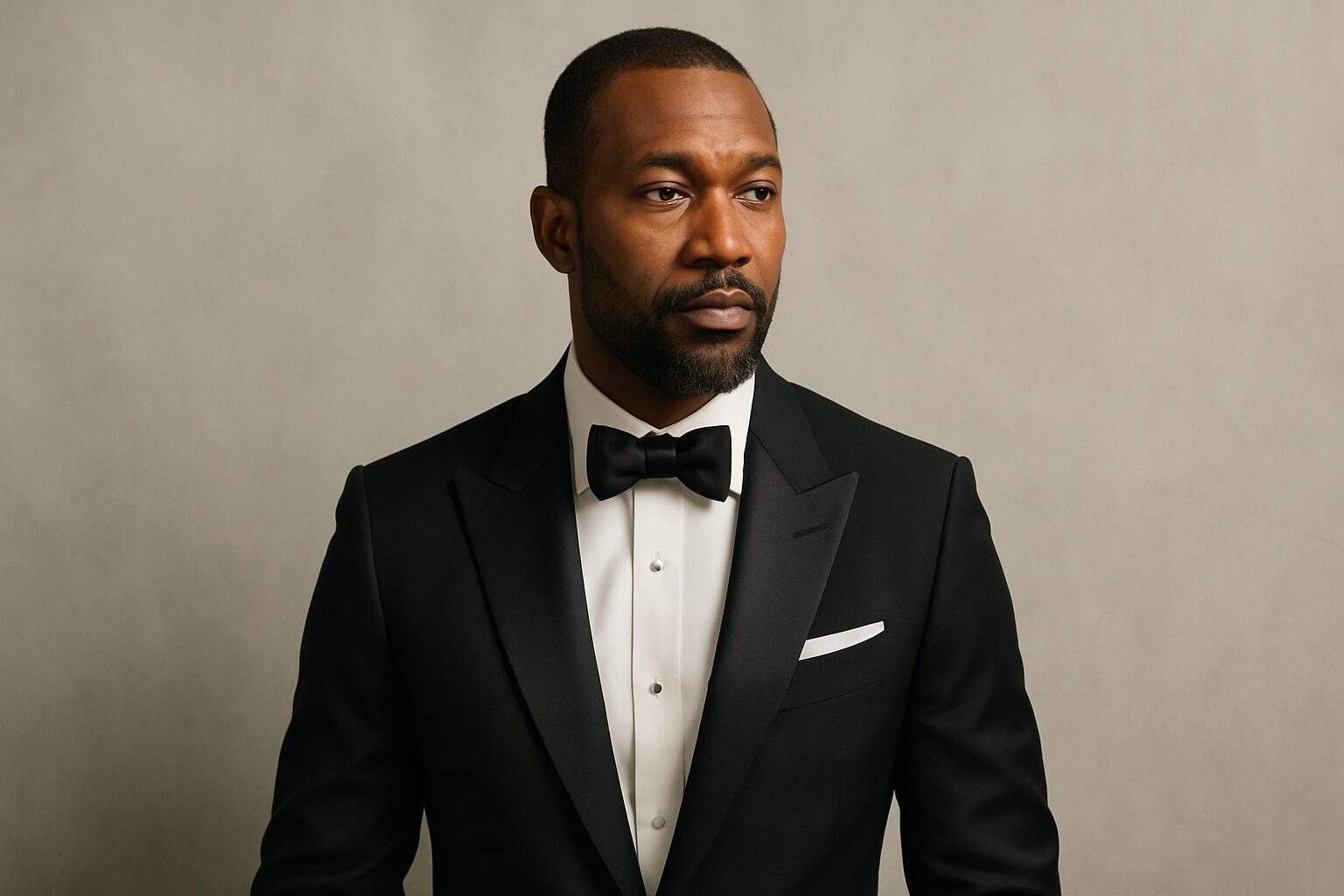
The heart of any the code black tie event look is the dinner jacket. Its defining feature is satin-faced lapels, which catch the light and create a formal silhouette that no business suit can replicate. Lapels come in three styles: peaked (most traditional and flattering), shawl (smooth and understated), and notch (less formal but occasionally seen at relaxed events). The jacket color should be black or midnight blue. Both are equally correct. According to style editors at Charles Tyrwhitt, a velvet dinner jacket is an acceptable modern alternative for semi-formal black tie occasions.
Trousers must match the jacket fabric and carry a satin or grosgrain stripe down the side seam. They are typically high-waisted and cut slim but not skinny, with no cuffs. Braces are preferred over belts because a belt breaks the clean vertical line of the ensemble. If you are renting, budget at least 3 to 4 weeks of lead time to ensure proper tailoring adjustments.
The Shirt, Bow Tie, and Footwear
A proper black tie shirt is white, features a wing or turndown collar, and has a Marcella (piqué) bib front or vertical pleats. French cuffs with cufflinks are non-negotiable. The bow tie must be black, hand-tied, and proportional to your face. Pre-tied clip-ons are a common faux pas that reads immediately as an afterthought. Shoes are equally critical: patent leather Oxfords or highly polished calfskin Derby shoes are the standard. Velvet slippers are a stylish, comfortable alternative for indoor events. Shoe color is always black. Brown or oxblood are strictly off the table.
Accessories: Less Is More
Accessories for a event should be kept to a maximum of 3 items. A white linen pocket square in a simple fold, a pair of understated cufflinks, and a slim dress watch with a black leather strap form the ideal trio. Waist coverings, either a cummerbund or a waistcoat, are optional but traditional. If you wear a waistcoat, ensure it matches the jacket fabric and has a low-cut front that reveals the shirt bib. Cummerbunds, which trace their origins to British colonial India, are worn with the pleats facing up. If you choose to add a subtle personal touch, a very fine black-on-black micro-pattern bow tie or a colored pocket square in a muted jewel tone keeps things interesting without breaking the code.
Black Tie Attire for Women: Elegance and Options
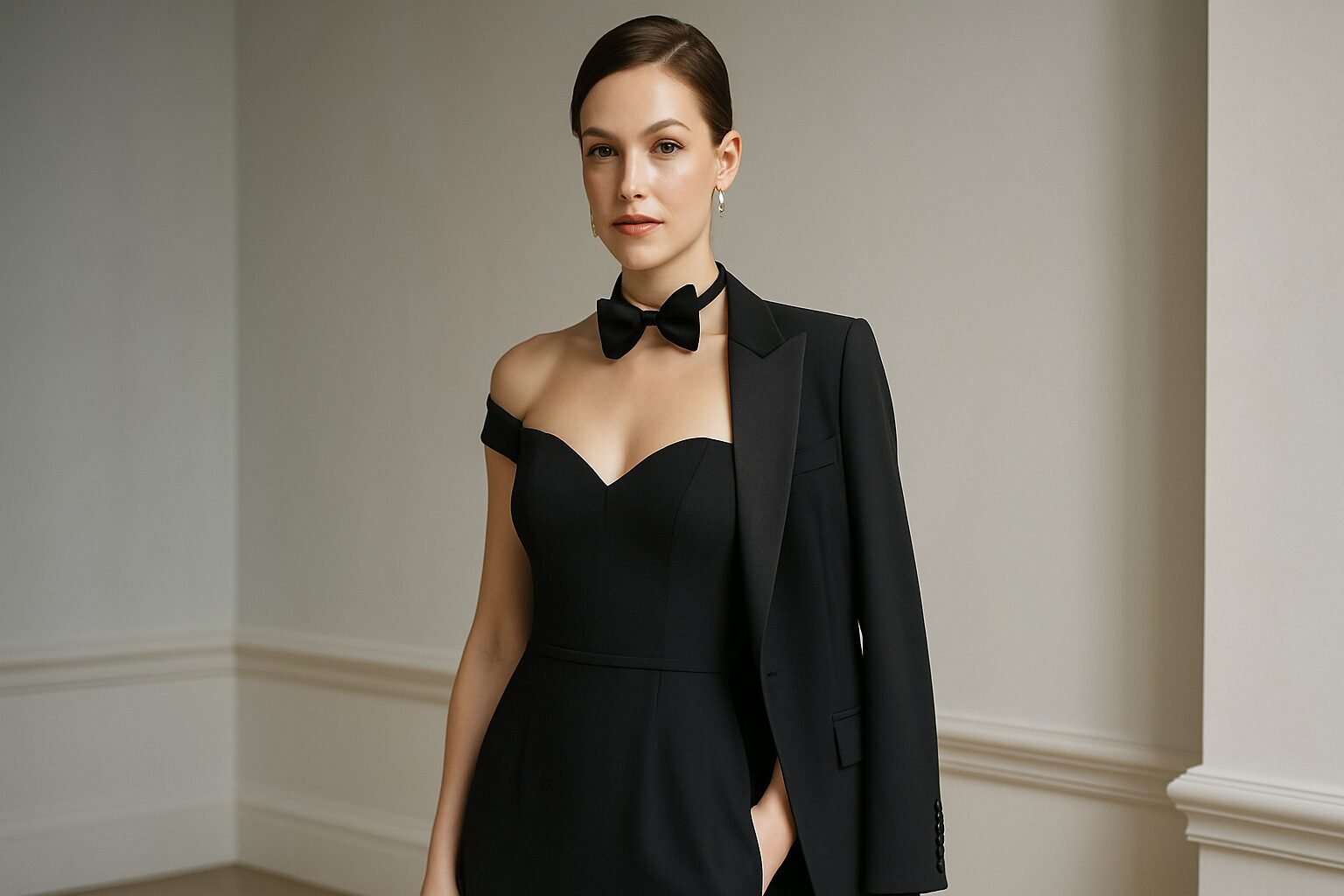
Floor-Length Gowns and Cocktail Dresses
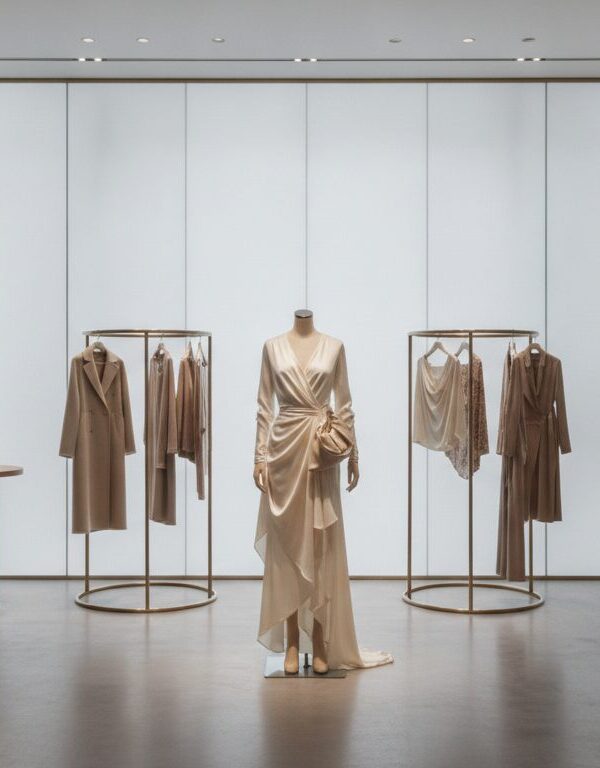
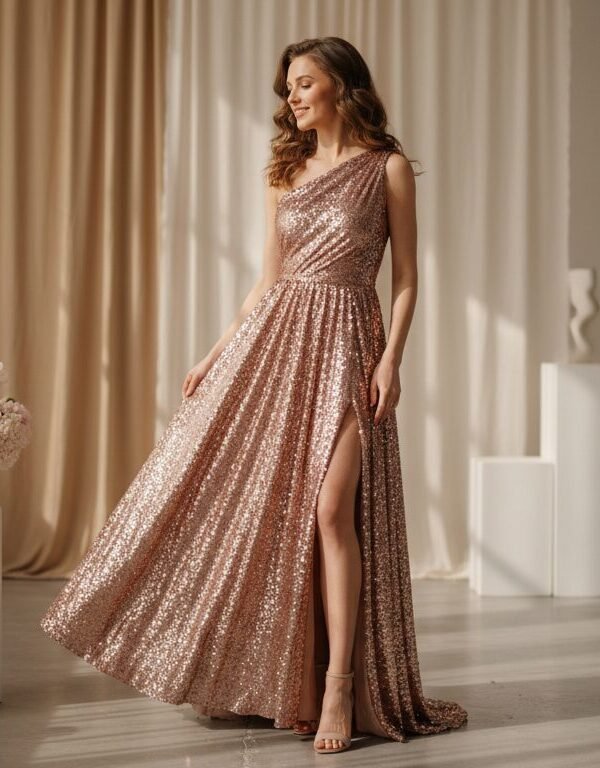
For women, a dress code allows more flexibility than men’s attire, but elegance is non-negotiable. The gold standard is a floor-length evening gown in a luxurious fabric: silk, satin, velvet, or chiffon. According to Cristallini, a full-length gown “embodies the level of formality and sophistication expected at such occasions.” The silhouette should flatter your shape while maintaining a refined, non-revealing cut. Dark jewel tones like emerald, sapphire, and burgundy are perennial favorites. Metallics work for any season. Pastels can land beautifully at spring events.
A formal cocktail dress is also acceptable, especially when the invitation reads “black tie optional.” If you go shorter, choose midi or knee-length styles with elevated details: beading, lace, or a structured fit. Fabric quality and overall polish matter more than exact hemline rules. Tailored jumpsuits and two-piece sets, such as a silk blouse with a long skirt, have gained real acceptance as of 2026, provided they read as luxury from across the room.
Footwear, Accessories, and Beauty
Heels are preferred. Classic pumps or strappy sandals in a neutral or metallic tone are the safest choices. Embellished flats can work if they are clearly intentional and formal. Casual sandals or sneakers are a hard no. Jewelry should be minimal: a pair of drop earrings, a bracelet, and a clutch-sized bag. Limiting accessories to 3 key pieces prevents visual clutter and keeps the look sharp. Hair and makeup complete the picture. An elegant updo or sleek waves paired with a bold lip or smoky eye strikes exactly the right balance between polished and alive.
Black Tie at Special Venues: Opera, Ballet, and Cruise Events
Certain venues carry their own dress code expectations layered on top of the standard black tie rules. At the Royal Opera House in London or the Metropolitan Opera in New York, black tie is the expected minimum for gala evenings, and guests often push toward white tie territory. Ballet galas follow similar conventions. Cruise ship formal nights, which typically occur 2 to 3 times per voyage on luxury lines, use black tie as the benchmark but tend to be slightly more relaxed in practice. At all three, the tie event rules apply in full. The difference is the audience: these venues attract guests who notice every detail.
Black Tie vs. Other Formal Dress Codes
Comparison at a Glance
Understanding how a this type of event differs from similar codes prevents embarrassing missteps. The table below breaks down the key distinctions between black tie, white tie, black tie optional, and cocktail attire.
| Feature | White Tie | Black Tie | Black Tie Optional | Cocktail |
|---|---|---|---|---|
| Jacket | Tailcoat (black) | Dinner jacket with satin lapels | Tuxedo preferred, dark suit acceptable | Dark suit or blazer |
| Neckwear | White bow tie only | Black bow tie | Bow tie or conservative necktie | Necktie or bow tie (any color) |
| Shirt | Marcella wing-collar, stud fastening | Pleated or Marcella, wing or turndown collar | Crisp white dress shirt | Dress shirt |
| Waist Covering | White waistcoat (mandatory) | Cummerbund or waistcoat optional | Optional | Optional |
| Women’s Attire | Full-length ball gown | Floor-length gown or elegant cocktail dress | Formal dress or dressy separates | Cocktail dress or chic separates |
| Formality Level | Highest (state dinners, royal events) | High (galas, formal weddings) | Flexible formal (upscale parties) | Semi-formal (evening parties) |
| Shoes | Patent leather pumps or court shoes | Patent leather Oxfords or highly polished calfskin | Polished dress shoes | Dress shoes, heels, or polished flats |
White Tie vs. Black Tie: The Highest Level
White tie is the most formal dress code in existence, reserved for state dinners, royal ceremonies, and diplomatic events. It mandates a black tailcoat, a white Marcella shirt with a wing collar, a white piqué waistcoat, and a white bow tie. A this kind of tie event, by contrast, is the de facto standard for most formal evenings and allows for more personal flair while still honoring the tuxedo-and-bow-tie core. Black tie optional gives the most leeway: a tuxedo is preferred, but a dark, well-fitted suit with a tie is accepted. Cocktail attire is decidedly less formal and never appropriate for a true black tie evening.
What Not to Wear to a Dress Code Black Tie Event
Men’s Pitfalls
Several common mistakes can ruin an otherwise polished outfit. Never wear a business suit, no matter how dark or expensive. It lacks satin lapels and the tailored elegance of a tuxedo, and experienced hosts will notice immediately. Casual fabrics like linen or cotton blends are off-limits. Even in summer, opt for lightweight wool. Patterned or colored shirts, novelty ties, and loafers or sneakers are immediate fails. Brown shoes are a cardinal sin at any the code black tie event: always black, always patent leather or high-gloss polish. If you wear a timepiece, keep it slim. A sport watch with a rubber strap belongs at the gym, not the gala.
Women’s Faux Pas
Women should avoid casual separates, sundresses, or overly revealing styles that undercut the event’s sophistication. Large structured handbags or totes are out of place entirely. A clutch is the only appropriate bag. While pantsuits are now accepted at a event, they must be tailored and made of formal fabric. A business pantsuit is not a substitute. Shoe choices matter: avoid flats unless they are embellished and clearly intentional. Over-accessorizing with chunky jewelry or heavy-handed makeup tips the look from elegant to garish. The 3-accessory rule exists for a reason. Trust it.
Modern Twists and Sustainable Options
Personalizing the Dress Code
The rigid boundaries of black tie have softened enough in 2026 to allow real personal expression. Men can experiment with velvet jackets in deep jewel tones, subtly patterned bow ties, or vintage cummerbunds with a story behind them. Women are embracing tailored jumpsuits, asymmetric hemlines, and separates that blend masculine and feminine codes with confidence. The key is to retain the formal core: any deviation should feel intentional and still read as evening elegance from across the room. Subculture influences like goth or punk can be channeled through details, such as black lace overlays, silver studs on a clutch, or a choker necklace in place of diamonds, as long as the overall effect stays polished.
Sustainable and Ethical Black Tie
Eco-consciousness is reshaping formal fashion at every level. A dress code no longer demands brand-new, single-use garments. Vintage tuxedos and gowns from high-end consignment stores are gaining real traction, reducing waste while offering genuinely unique pieces you will not see on anyone else at the table. Rental services provide a practical, sustainable alternative for one-time wear at a fraction of the purchase cost. When buying new, look for GOTS-certified organic cotton shirts or ethically sourced silk. Bespoke tailors, like those profiled at Narry Tailor, create heirloom-quality suits using fair-trade materials, combining luxury with longevity. One well-made tuxedo worn 10 or more times beats 10 disposable suits on every metric.
Step-by-Step: How to Prepare for a Dress Code Black Tie Event
Step 1: Four Weeks Out: Assess Your Wardrobe
Check your closet for a tuxedo that still fits. The jacket should close comfortably without pulling, and trousers should break cleanly over the shoes. If you do not own one, decide between buying (better value across multiple events) and renting (cost-effective for a single occasion). For women, try on the gown you plan to wear. Confirm it needs no alterations, and that undergarments and shoes work together without visible issues.
Step 2: One Week Out: Finalize Details
Dry-clean and press your tuxedo or gown. Polish shoes until they genuinely gleam. Check every accessory: are your cufflinks clean, your pocket square pristine, your bow tie ready? For women, do a trial run of hair and makeup if you are attempting a complex style. Pack your clutch with essentials only: phone, lipstick, cardholder. Men should practice tying a bow tie at least 3 times before the night. It takes a few attempts, but the authentic result is worth every minute.
Step 3: The Day Of: Execute with Confidence
Dress slowly and check each element as you go. Ensure shirt studs are aligned, trousers are properly hitched, and the bow tie is symmetrical. Step back and adjust in a full-length mirror before you leave. When you arrive at the tie event, walk in knowing you have honored the tradition and your own personal style. That combination is unbeatable.
Pros and Cons
Pros
- Clear expectations: The this type of event rules are well-documented, so you always know exactly what is required.
- Elevated atmosphere: Uniform formal attire raises the visual quality of the entire event for every guest in the room.
- Timeless investment: A well-made tuxedo or evening gown can serve you across dozens of events over many years.
- Personal expression within structure: Subtle details like velvet jackets, jewel-toned gowns, and vintage accessories let your personality show without breaking the code.
- Sustainable options available: Vintage, rental, and GOTS-certified pieces make dressing for a this kind of tie event more ethical than ever in 2026.
Cons
- Cost barrier: Quality tuxedos and evening gowns represent a significant upfront investment, often ranging from several hundred to several thousand dollars.
- Limited flexibility: True black tie leaves little room for casual or creative interpretation, which can feel restrictive for guests who prefer expressive dressing.
- Fit and tailoring demands: Off-the-rack tuxedos rarely fit perfectly, and alterations add both time and cost to the preparation process.
- Regional ambiguity: British and American black tie traditions differ enough to create genuine confusion for international guests attending a the code black tie event abroad.
Frequently Asked Questions
Can I wear a black suit instead of a tuxedo to a black tie event?
No. A business suit lacks the satin lapels, trouser stripe, and formal cut that define a tuxedo. For a black tie optional event, a dark suit with a tie may be acceptable, but a true dress code black tie event demands a dinner jacket. Arriving in a suit signals that you did not take the occasion seriously.
Is midnight blue really acceptable for black tie?
Yes, midnight blue is a perfectly traditional alternative to black for a dress code black tie event. It often appears darker than black under artificial evening light, making it a popular and sophisticated choice. Both colors are equally correct according to formal dress authorities.
Can women wear a pantsuit to a black tie event?
Yes, if it is tailored in a luxurious fabric like silk, satin, or velvet and styled with elegant footwear, a formal pantsuit or jumpsuit is a modern, chic option at a dress code black tie event. Avoid business-like cuts or corporate fabrics entirely. The silhouette should read evening, not boardroom.
Do I have to wear a bow tie with a tuxedo?
Yes. A black bow tie is a core component of the dress code black tie event standard. A long necktie is not correct for this level of formality, regardless of how conservative or dark it is. Hand-tied is always preferred over pre-tied.
Are open-toed shoes appropriate for women at a black tie event?
Strappy, open-heeled sandals are acceptable at a dress code black tie event if they are elegant and clearly formal. Avoid casual flip-flops, espadrilles, or anything with a platform sole. The shoe should complement the gown’s sophistication, not compete with it.
Can I wear a colored pocket square or patterned bow tie?
A subtly colored or patterned pocket square can add personality if it remains understated and does not clash with the overall look. Bow ties should be black for a strict dress code black tie event, though a very fine black-on-black micro-pattern is a minimalistic nod to individuality that most hosts will appreciate rather than question.
A dress code black tie event is not a restriction. It is an invitation to step into timeless elegance with intention. Understand the rules from tuxedo lapels to gown lengths, and you can move through any formal evening with complete confidence. Whether you embrace classic tradition or inject sustainable, alternative touches, the goal is always the same: honor the occasion, and make it yours.
Ready to own your next formal night? Discover your duality at prettynpoison.com and explore evening looks that are pretty on the surface and poison underneath.