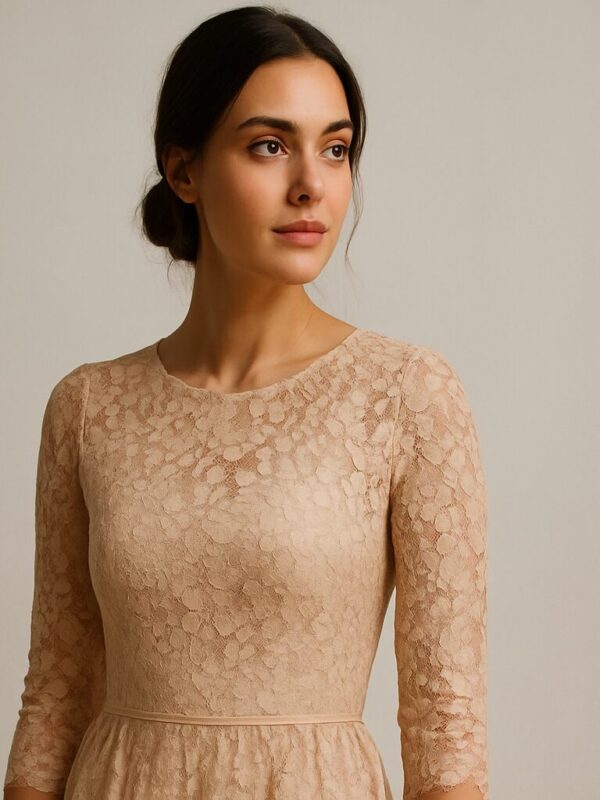
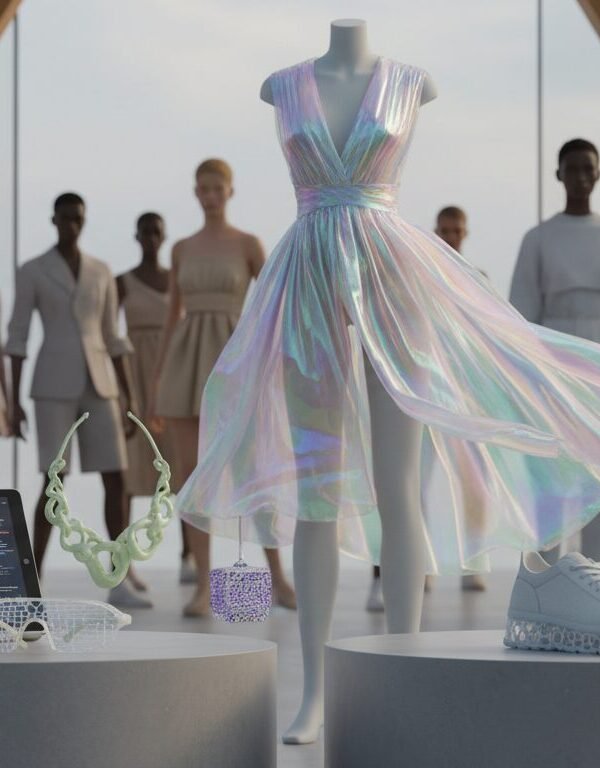
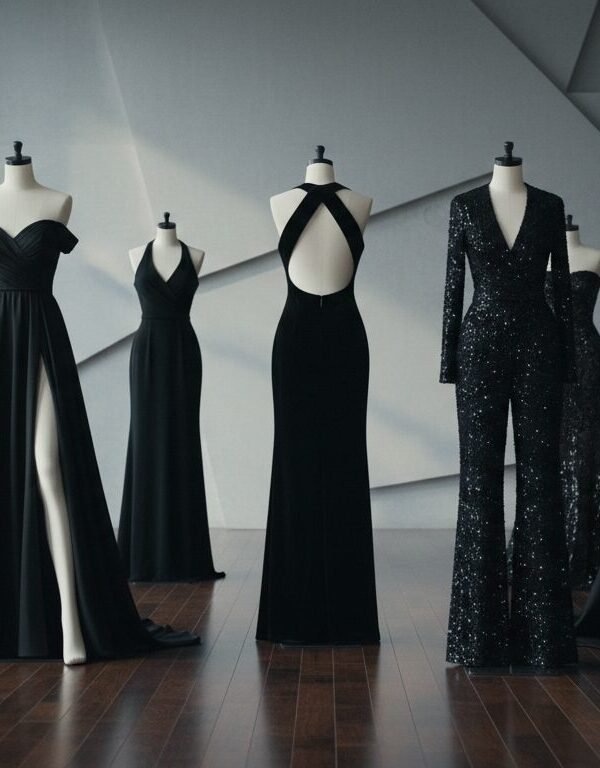
Current black fashion trends are bold, culturally rooted style movements, including sneaker culture, logomania, hoop earrings, nail art, streetwear, and natural hair accessories, that trace directly back to Black communities and continue to define global fashion as of 2026.
Key Takeaways
- Six defining trends rooted in Black culture dominate right now: sneaker culture, logomania, hoop earrings, nail art, streetwear essentials, and natural hair accessories.
- Every trend has a story. From the Harlem Renaissance to the 1988 Olympics, these looks carry real history worth knowing.
- Quality and authenticity matter. Check materials, support Black-owned brands, and buy with intention.
- Styling is everything. Mix high and low, layer with purpose, and let one bold piece lead the look.
- Care extends the life of your investments, from sneaker conditioning to silk headwrap hand-washing.
- Updated for 2026: athleisure, African prints, and the Zoot Suit legacy are shaping the next wave.
The Cultural Roots of Current Black Fashion Trends
fashion trends did not appear on a runway by accident. They were born in communities, worn with intention, and carried into the mainstream long after the culture that created them was overlooked. Understanding where these styles come from is not optional context. It is the whole point.
A Legacy of Innovation
Black culture has produced some of the most enduring fashion movements in modern history. The Harlem Renaissance of the 1920s and 1930s was a defining moment, encouraging vibrant colors, bold silhouettes, and daring self-expression as a form of cultural pride. According to Scrappy Apparel’s history of Black fashion, this era rejected drab, conventional clothing and laid the groundwork for the streetwear we obsess over today. Later, hip-hop culture in the 1970s and 1980s pushed logomania, sneaker culture, and nail art into the global spotlight. Recognizing this lineage is essential for anyone engaging with this type of trends with any real depth.
From Subculture to Global Force
Many looks that now dominate high fashion originated in Black neighborhoods. Hoop earrings, worn by everyone today, were brought back into the modern era by prominent activist figures like Angela Davis in the 1960s and 1970s, according to Crossroads Trading’s exploration of iconic trends. Nail art found its global moment through Florence Griffith-Joyner, whose flamboyant acrylics at the 1988 Olympics redefined what a performance statement could look like. Streetwear evolved from the streets of Harlem and Brooklyn into a force that luxury houses now chase. That context adds weight to every purchase you make.
“Black culture has been a major driving force behind what we wear, how we style it, and why it matters. Long before many trends hit runways or racks, they were being worn with intention and confidence in Black communities.” – Crossroads Trading, February 2026
6 Key Current Black Fashion Trends to Shop Now
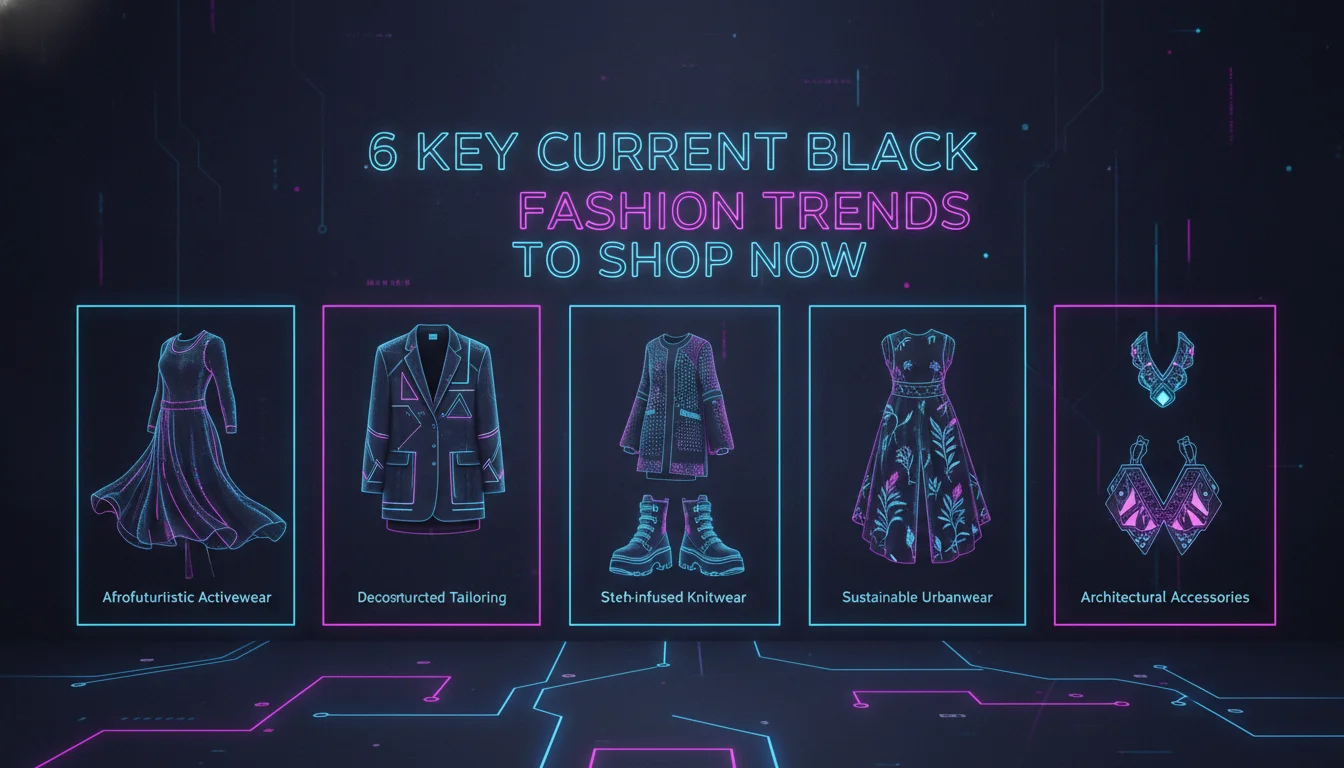
These are the six this kind of fashion trends defining 2026, each with deep cultural roots and serious style power.
1. Sneaker Culture
Sneaker culture was born from necessity. Black basketball players in the late 1960s needed footwear that actually performed, and the traditional canvas tennis shoe was not it. By the 1970s, brands like Nike recognized the public demand, and a cultural obsession was officially launched. Today, sneakers are both a style statement and a flex. From classic Air Force 1s to limited-edition collabs, the rules are simple: prioritize fit, buy from authentic sources, and check for proper cushioning, durable soles, and breathable uppers. Prices range from under $100 for entry-level throwbacks to over $200 for premium releases.
2. Logomania
Logomania has one origin story worth knowing. Harlem-based designer Dapper Dan changed everything in the 1980s by printing luxury logos across clothing and even car interiors, a move that led to legal battles with designer houses before those same houses came back to collaborate with him. To wear the black fashion trends through logomania, look for both vintage finds and modern reinterpretations. Verify authenticity by examining stitching, tags, and material quality. Budget-friendly logo tees start around $30, mid-range track jackets run $100 to $250, and authentic designer pieces climb well above $500.
3. Hoop Earrings
Hoop earrings carry centuries of history. Visit any museum of Nubian and Egyptian artifacts and you will find them. In the modern era, Black movements in the U.S. during the 1960s and 1970s brought hoops back into cultural consciousness, worn by figures like Angela Davis as a symbol of identity and resistance. Today’s iterations range from tiny 10mm huggies to oversized 70mm statement hoops. Opt for hypoallergenic metals like sterling silver or 14k gold plating. Expect to pay $15 to $50 for quality plated styles, $100 to $300 for solid gold, and over $500 for designer versions.
4. Nail Art
Nail art is one of the oldest beauty practices on record. Egyptian royals painted their nails as symbols of status. Acrylic nails emerged in the U.S. in the 1950s, then became associated with Black disco stars like Diana Ross and Donna Summer in the 1970s, who wore colorful square-tipped designs that defined an era. Florence Griffith-Joyner then cemented nail art as a performance statement at the 1988 Olympics, sporting iconic long acrylics while breaking world records. Today’s current black fashion trends in nail art range from minimalist line work to full 3D embellishments. Press-on kits offer an affordable entry point at $10 to $30. Professional gel or acrylic sets run $50 to $150.
5. Streetwear Essentials
Streetwear was born in the urban landscapes of Harlem and Brooklyn, rooted in hip-hop and skate culture. Bucket hats, oversized graphic tees, and baggy jeans are the classics, but the category has expanded to include everything luxury houses now produce under their own streetwear lines. Quality matters here: look for heavyweight cotton in tees, reinforced seams in denim, and structured brims in hats. Black-owned brands like Pyer Moss and Telfar offer ethically made, culturally resonant pieces. Budget around $30 to $60 for basics, $80 to $200 for statement outerwear, and $250 and up for luxury streetwear.
6. Natural Hair Accessories
Headwraps, turbans, and silk scarves are rooted in African traditions as symbols of beauty, spirituality, and cultural pride, according to D’IYANU’s exploration of Black fashion influence. They protect natural hair while adding serious visual impact. These current black fashion trends come in vibrant Ankara prints, solid silks, and stretchy jersey fabrics. Prioritize silk or satin-lined interiors to prevent breakage. Price points run $10 to $25 for affordable options, $30 to $60 for handcrafted or designer prints, and $80 and up for luxury silk headwraps.
| Trend | Key Pieces | Budget (USD) | Mid-Range (USD) | Premium (USD) |
|---|---|---|---|---|
| Sneaker Culture | Air Force 1, Jordan 1, Adidas Superstar | Under $100 | $100–$200 | $200+ |
| Logomania | Logo tees, monogram hoodies, branded bags | $30–$60 | $100–$250 | $500+ |
| Hoop Earrings | Gold-plated, sterling silver, bamboo | $15–$50 | $100–$300 | $500+ |
| Nail Art | Press-ons, gel kits, acrylic designs | $10–$30 | $50–$150 | $150+ |
| Streetwear | Bucket hats, oversized tees, baggy jeans | $30–$60 | $80–$200 | $250+ |
| Natural Hair Accessories | Silk scarves, turbans, headwraps | $10–$25 | $30–$60 | $80+ |
The Trends Rising in 2026: What Competitors Are Sleeping On
Beyond the six core trends, three additional movements are shaping current black fashion trends this year and deserve serious attention.
Athleisure: Sport Meets Street
Athleisure is a direct product of Black culture’s celebration of sport, fitness, and self-expression. Leggings, sweatpants, and sports bras that move from the gym to the street without missing a beat have become wardrobe staples, driven by Black athletes, musicians, and influencers who made comfort look like power. This year, the category is evolving fast, with elevated fabrics and sharper silhouettes replacing the purely casual read of early athleisure.
African Prints and Dashikis: Ancestry as Aesthetic
The late 1960s and 1970s saw African Americans turn toward their heritage for style inspiration. Dashikis, kente cloth, and Ankara fabrics became everyday wear: bright, unapologetic, and rooted in history. That energy is back in 2026, showing up in everything from runway collections to custom tailoring. Wearing these prints is not a costume. It is a celebration, and the distinction matters.
The Zoot Suit Legacy: Bold Silhouettes as Resistance
Wide shoulders, billowing pants, razor-sharp tailoring. The Zoot Suit of the 1940s was worn by Black and Latinx youth as a form of protest, defying wartime fabric restrictions and embracing self-definition. Its influence lives in every oversized blazer, exaggerated shoulder, and statement silhouette you see on a runway today. Bold proportions are not just a trend. They are a lineage.
“Clothing has long been a silent, or sometimes very loud, form of resistance, empowerment, and pride in the Black community.” – ATL Tailor
Pros and Cons of Shopping Current Black Fashion Trends
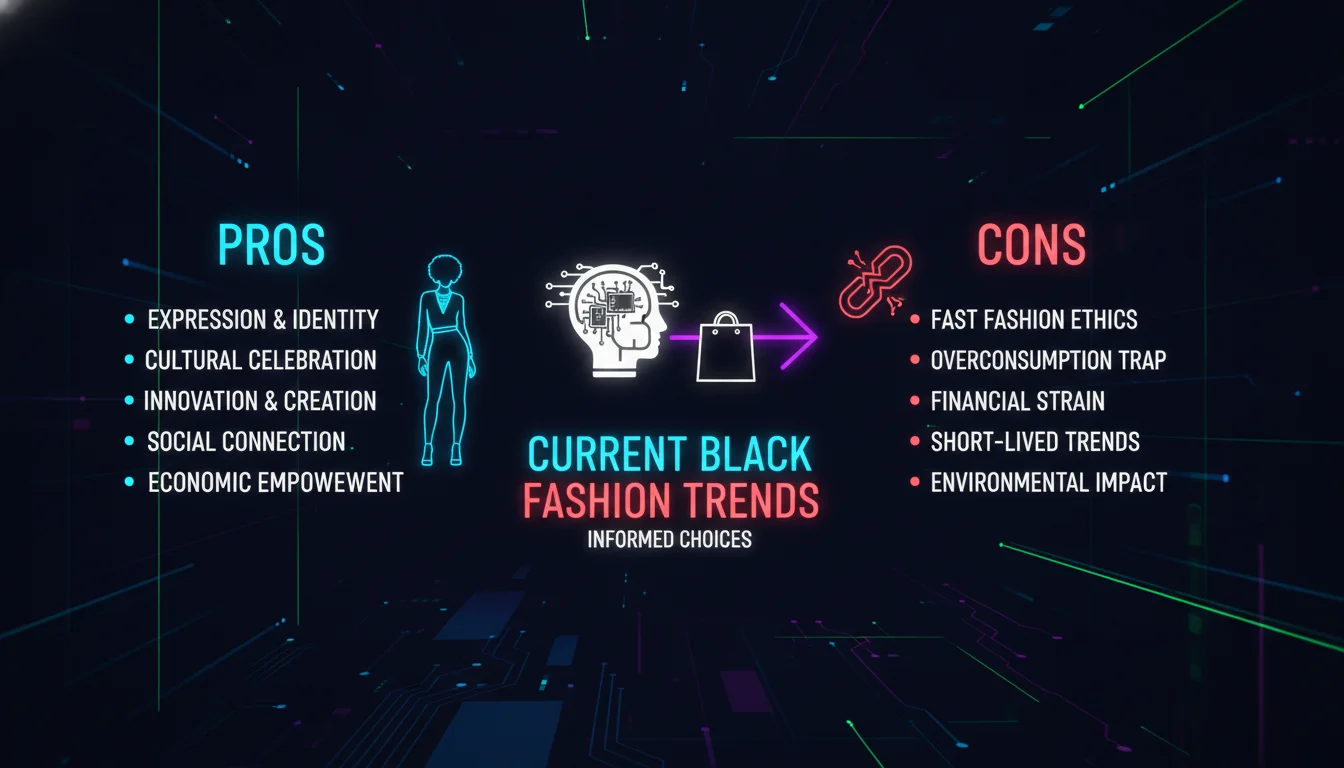
Shopping these trends thoughtfully means knowing both the rewards and the real challenges involved.
Pros
- Deep cultural richness: Every piece carries a story that goes far beyond aesthetics.
- Versatility across occasions: Streetwear, hoops, and nail art translate from a club night to a rooftop to a cocktail party with the right styling.
- Wide price range: Entry points exist at every budget tier, from $10 press-on nails to $500-plus designer logomania.
- Supporting Black-owned businesses: Brands like Telfar, Pyer Moss, and Hanifa put money directly back into the communities that created these trends.
- Timeless investment pieces: Quality sneakers, solid gold hoops, and silk headwraps hold their value and outlast fast fashion cycles.
Cons
- Counterfeit risk is real: Sneakers and logomania pieces attract fakes. Buying from unverified sources is a costly mistake.
- Cultural context requires effort: Wearing these trends without understanding their origins risks appropriation rather than appreciation.
- Premium pieces carry premium prices: Authentic designer logomania and solid gold jewelry require serious budget planning.
- Fast fashion versions dilute the story: Mass-market knockoffs of Ankara prints or streetwear essentials often strip the cultural meaning entirely.
How to Style Current Black Fashion Trends
Styling these looks is about intention, not just assembly. Here is how to build outfits that actually land.
Step 1: Start with a Foundation Piece
Choose one bold item, like a logo-heavy hoodie or chunky hoop earrings, and build the entire look around it. Let that piece dictate the color palette and the vibe. An oversized streetwear tee paired with straight-leg jeans and fresh sneakers creates a relaxed silhouette that reads effortless without trying too hard.
Step 2: Mix High and Low
Combine premium logomania accessories with budget-friendly basics. A Dapper Dan-inspired belt can elevate a simple tank top and cargo pants into something that looks considered. Mixing price tiers stretches your budget and creates visual tension that makes an outfit interesting.
Step 3: Layer Thoughtfully
In cooler months, layer a graphic tee under a flannel or a bomber jacket. Add a silk headwrap as the final touch. Balance proportions carefully: wide-leg jeans call for a fitted top. Oversized everything reads sloppy. One relaxed piece, one structured piece. That is the formula.
What to Look for When Buying: Quality, Authenticity, and Support
Buying into current black fashion trends well means knowing exactly what to check before you spend.
Material and Build Quality
Always check fabric composition, stitching, and hardware. For sneakers, confirm the sole is firmly attached and any leather is supple. Jewelry should have smooth clasps and consistent plating. Streetwear pieces made from 100% cotton or heavy fleece will last longer and feel better than cheaper blends.
Ethical Production and Black-Owned Brands
Supporting Black creatives is a direct way to honor the origins of these trends. Look for Fair Trade certifications or clear brand statements about ethical labor. Black-owned labels like Telfar, Pyer Moss, and Hanifa offer high-design pieces that put money back into the community. Online platforms like WeBuyBlack.com and curated marketplaces such as The Folklore Connect make discovery easier.
Fit and Comfort
Sneakers need enough toe room. Hoop earrings should not pull on your lobes. Streetwear should allow real movement. Consult size charts carefully when ordering online, and read user reviews for honest feedback on fit before committing.
Price vs. Value
Set a realistic budget and define what value means to you: longevity, brand story, or cultural resonance. Spending more upfront on sneakers and jewelry you will wear daily almost always saves money over time compared to replacing cheap versions every season.
Care and Maintenance to Preserve Your Investments
The right care routine keeps your pieces looking sharp and extends the life of everything you invest in.
Sneaker Care
Clean sneakers with a soft brush and mild soap after each wear. Use shoe trees to maintain shape and store in a cool, dry place. For leather styles, apply conditioner every few months to prevent cracking.
Jewelry and Nail Art
Store hoop earrings in a lined box to prevent scratches. Remove them before showering or swimming to protect the plating. Press-on nails can be removed gently with warm water and soap. Skip harsh acetone on delicate designs.
Streetwear and Accessories
Wash graphic tees inside out in cold water and air dry to preserve the print. Spot-clean bucket hats rather than machine washing. Silk headwraps deserve hand-washing with mild detergent, then laying flat to dry.
Is Black in Fashion for 2026?
Yes, and it never left. Black as a color and Black culture as a creative force are both dominant in 2026. Fashion editors and trend forecasting from sources like Vogue and Who What Wear consistently point to the staying power of streetwear, logomania, and statement accessories rooted in Black cultural history. The difference this year is that the conversation around credit and attribution has grown louder. Wearing these trends with awareness of their origins is not just respectful. It is the only way to wear them with real style.
Frequently Asked Questions
What are the biggest current black fashion trends in 2026?
The six defining current black fashion trends are sneaker culture, logomania, hoop earrings, nail art, streetwear essentials, and natural hair accessories like silk scarves and headwraps. Each carries deep roots in Black cultural history, from the Harlem Renaissance to the 1988 Olympics. Athleisure, African prints, and bold Zoot Suit-inspired silhouettes are also rising fast this year.
How can I incorporate these trends without appropriation?
Educate yourself on the origins, support Black-owned businesses directly, and wear the styles with genuine respect rather than as a costume or aesthetic shortcut. Avoid attaching negative labels to these looks, since many of those labels carry a long history of being used to dismiss Black women specifically.
Where can I buy authentic Black-owned fashion brands?
Online platforms like WeBuyBlack.com, the direct websites of brands like Telfar and Pyer Moss, and curated marketplaces such as The Folklore Connect offer strong selections. Shopping directly from brand websites ensures your money reaches the creators.
Are these trends suitable for professional settings?
Absolutely. Subtle logomania through a small logo bag or pin, refined hoop earrings in smaller sizes, and tailored streetwear pieces like structured jackets or neat headwraps all translate cleanly into professional environments. The key is proportion and intentionality, not avoidance.
What is the 3-3-3 rule for clothes, and does it apply to these trends?
The 3-3-3 rule suggests building three outfits from three pieces across three occasions. Applied to current black fashion trends, it means choosing versatile anchors: a quality pair of sneakers, a statement hoop earring, and a graphic tee that work across a club night, a rooftop event, and a casual day out. Versatility is the whole point of a well-built wardrobe.
How do I care for nail art to make it last longer?
Wear gloves for chores, avoid using your nails as tools, and apply cuticle oil daily to keep the surrounding skin healthy. For gel or acrylic sets, schedule fill-ins every two to three weeks to maintain the integrity of the design.