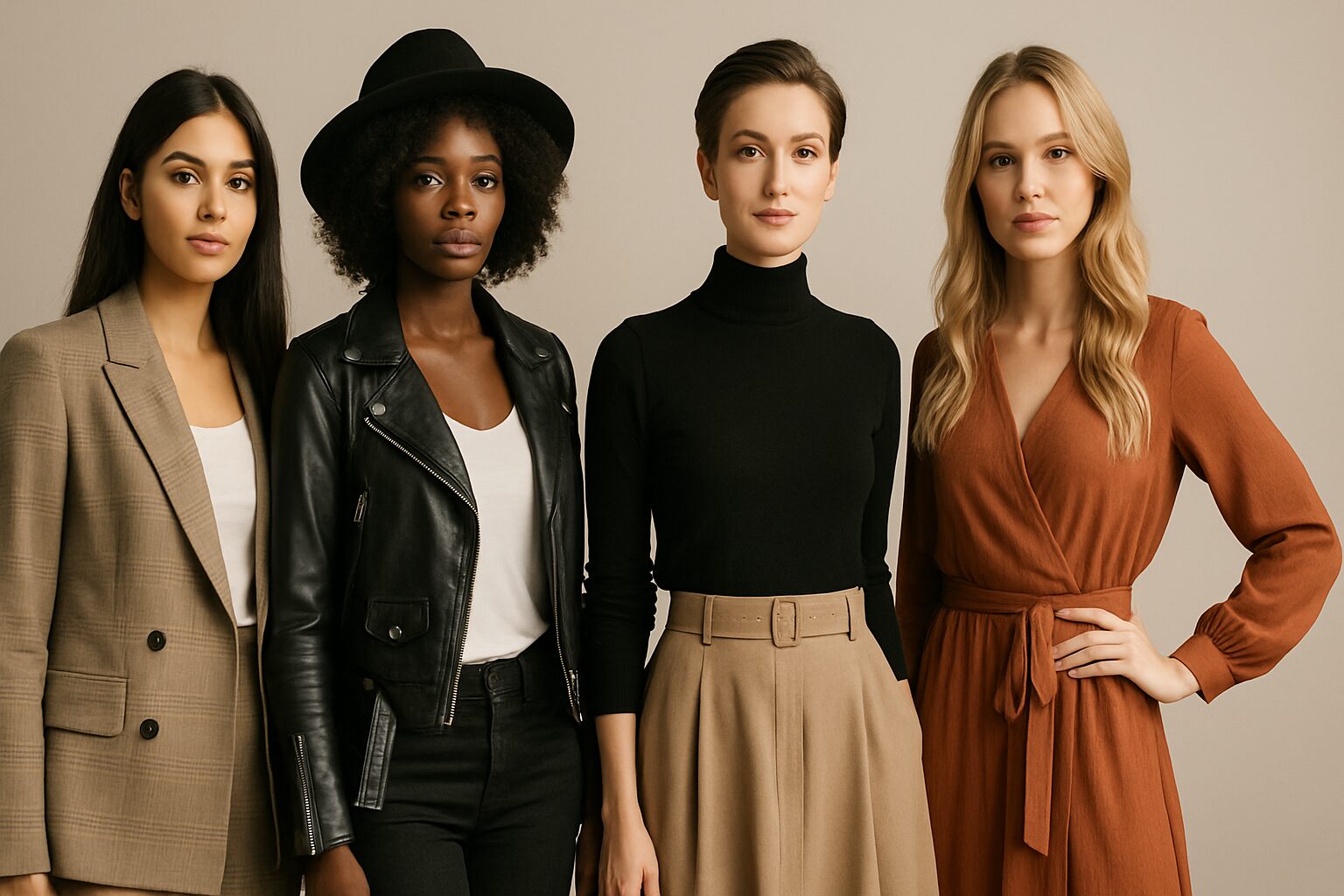
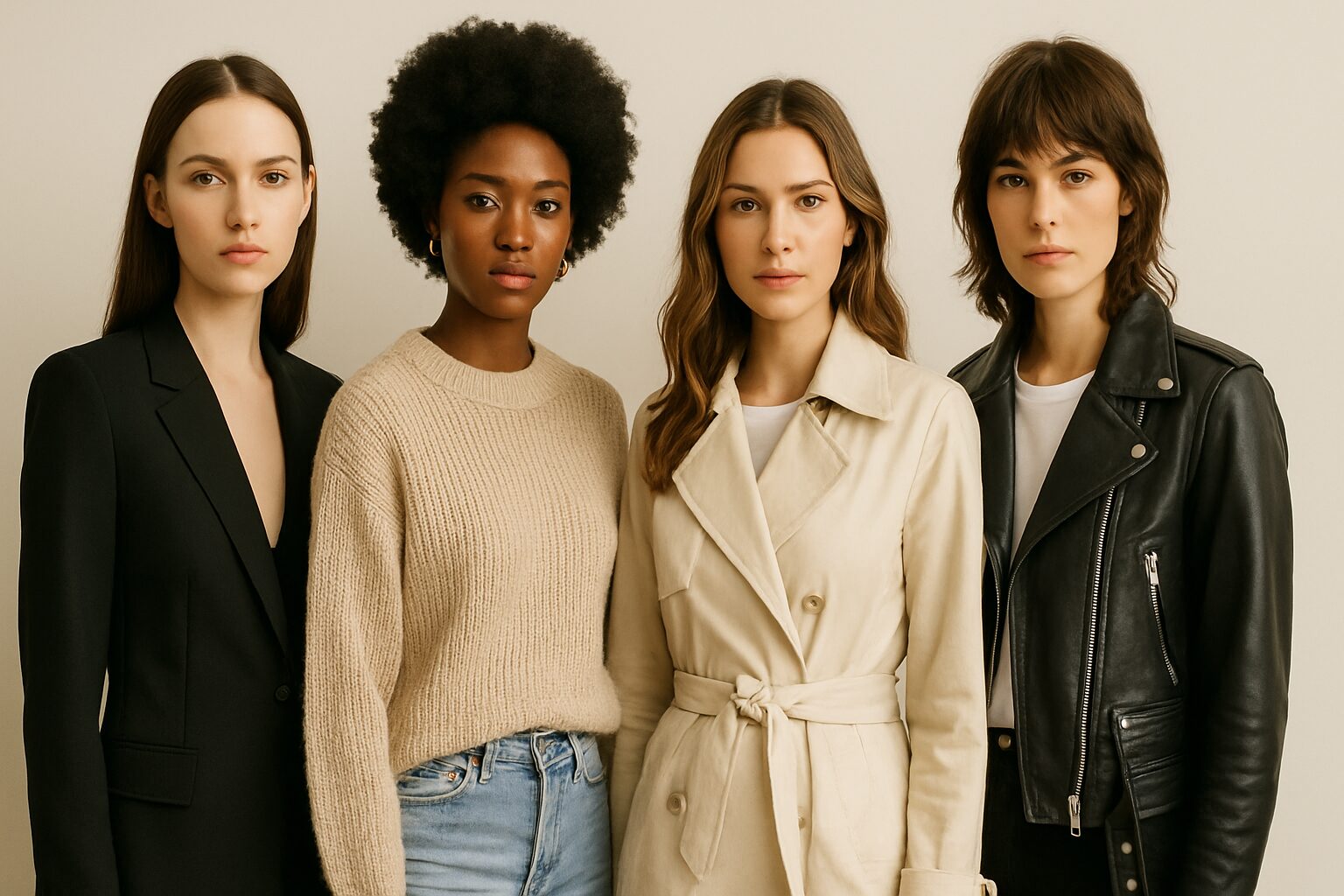
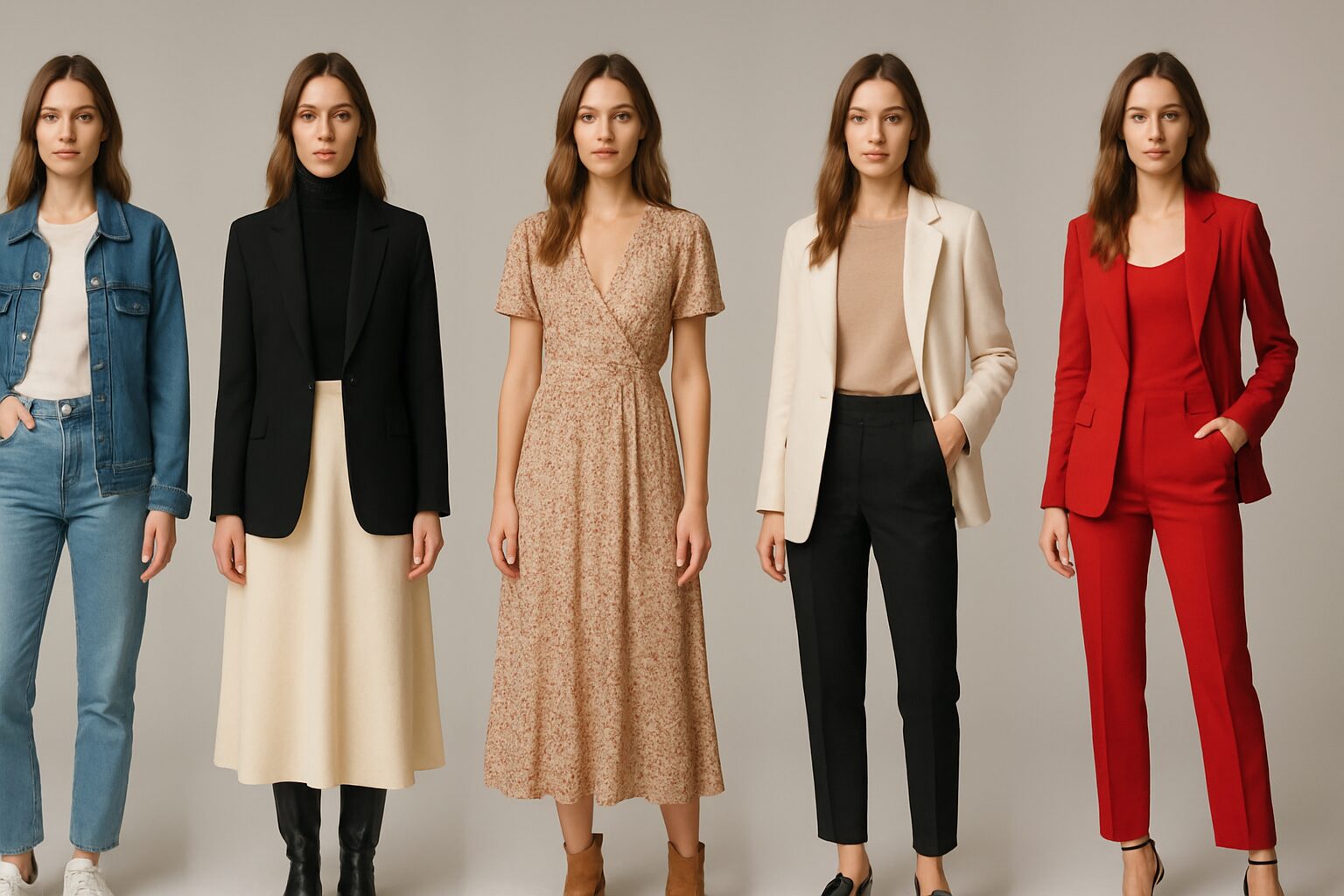
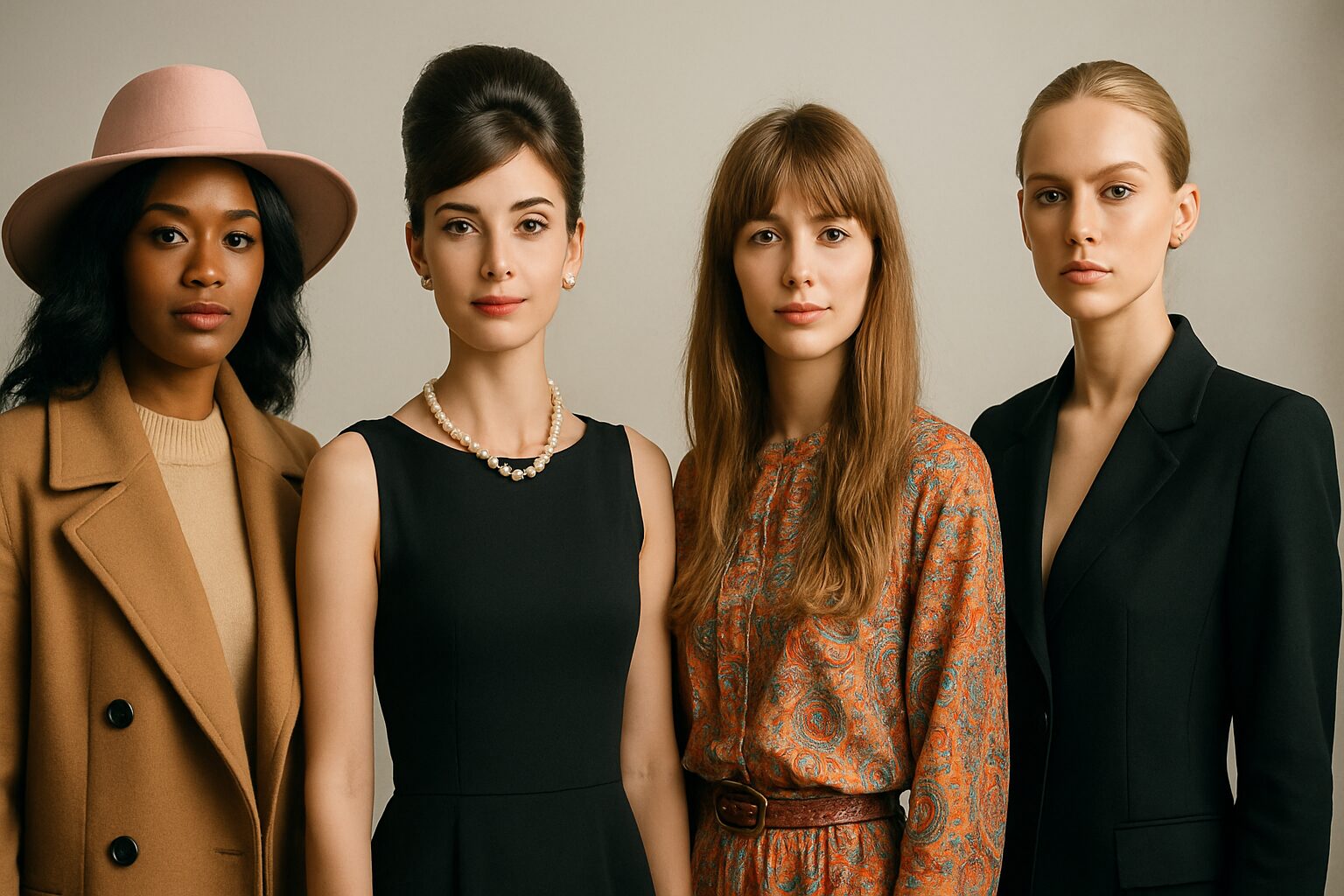
Fashion styles are distinct aesthetic categories defined by specific clothing pieces, colors, and cultural roots.
Over 85 distinct aesthetics are cataloged on Wikipedia, with hundreds more recognized by fashion communities worldwide.
Popular looks include casual, classic, bohemian, streetwear, and minimalist, each with unique key pieces and cultural origins.
Understanding different aesthetics helps you refine your personal identity and build an intentional wardrobe.
2026 trends merge sustainability, wearable tech, and gender-fluid design, reshaping how we dress for the modern era.
Fashion styles are distinct aesthetic categories defined by specific garments, colors, and cultural influences, ranging from casual to avant-garde. These categories help you craft a personal look that aligns with your identity.
Expert Insight: According to The Style Thesaurus by Hannah Kane, “Fashion styles are not static; they evolve with cultural shifts and personal narratives, offering a vocabulary for self-expression.”
Industry Perspective: According to fashion editors at Vogue, personal style is less about following trends and more about building a visual language that speaks before you say a word. The most memorable looks are the ones that feel inevitable.
What Are Fashion Styles and Why Do They Matter?
What Are Fashion Styles and Why Do They Matter? – fashion styles | Pretty N Poison
Defining Fashion Styles in Today’s World
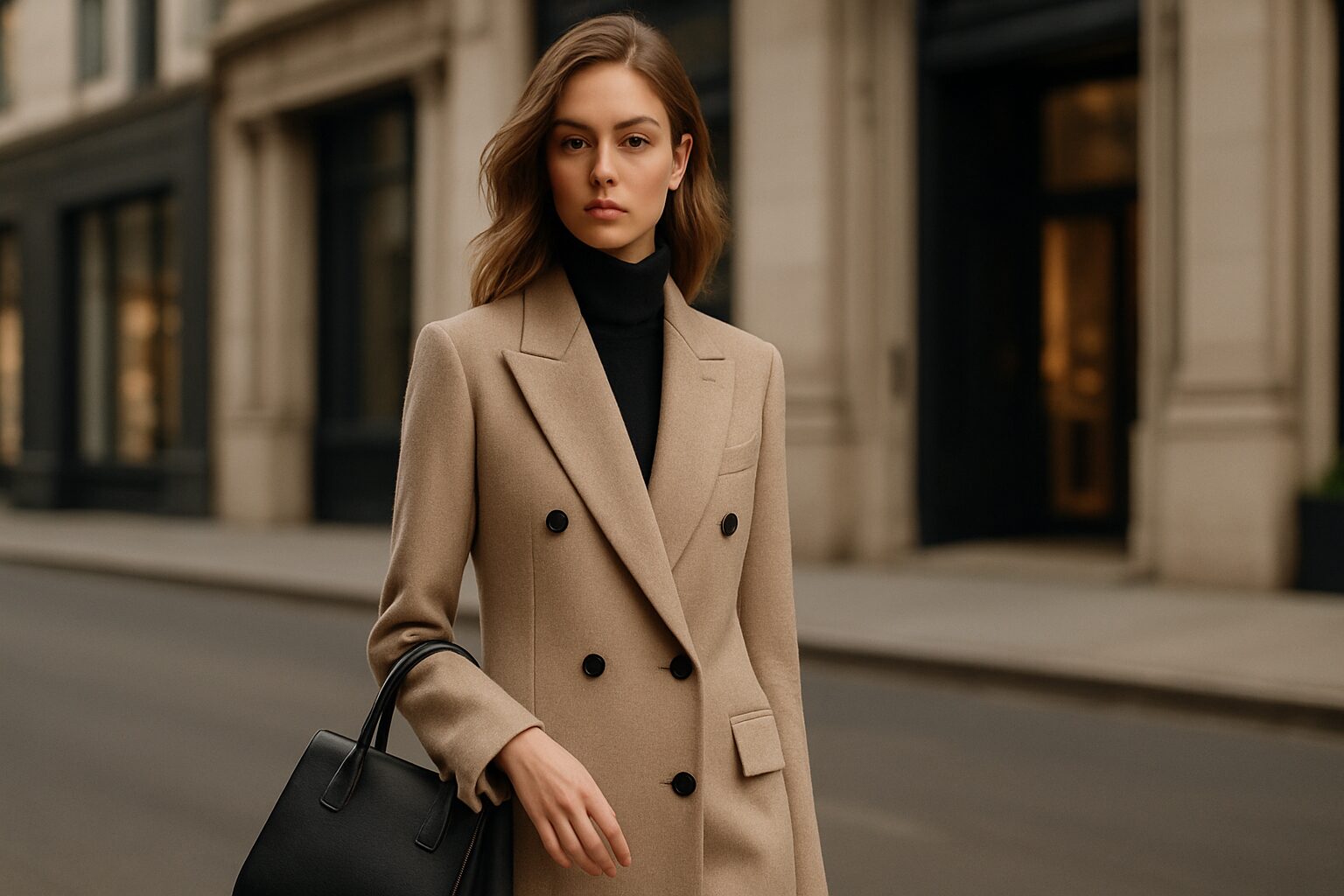
A fashion style is a cohesive set of clothing, accessories, colors, and silhouettes that express a particular aesthetic or cultural identity. The classic style, for instance, relies on timeless tailored garments in neutral tones, while bohemian style embraces flowing fabrics and earthy prints. These categories serve as shorthand to communicate personality, status, or belonging to a subculture. They’re not just clothes. They’re a declaration.
The Psychological and Social Role of Dressing with Intention
Adopting a defined aesthetic goes beyond trends. It shapes first impressions and builds confidence from the inside out. Research in social psychology shows that clothing choices influence how others perceive competence and approachability. By intentionally selecting a look, you take control of your public persona, whether you’re going for the authority of a business casual outfit or the creative energy of an artsy ensemble. You decide what the room thinks before you open your mouth.
How Fashion Styles Are Classified by Experts
Fashion professionals group styles by era, utility, or subculture. The ARLIS/NA Fashion Styles List identifies over 200 categories, while Hannah Kane’s The Style Thesaurus divides them into seven dimensions: time, utility, music and dance, play, conformists, subcultures and countercultures, statement, and sex and gender. This systematic approach helps both designers and consumers navigate the vast world of aesthetics with clarity.
The Most Popular Fashion Styles You Need to Know
The Most Popular Fashion Styles You Need to Know – fashion styles | Pretty N Poison
Below is a curated look at several core aesthetics, each with defining pieces, origins, and modern interpretations. These looks have stood the test of time and remain influential in 2026.
Structured blazer, straight-leg trousers, white sneakers
2010s (revival of 1960s)
Monochrome, gray, cream
Work, modern living
Casual and Classic: The Foundations of Everyday Dressing
Casual style emphasizes comfort without sacrificing personality. Born out of the post-war shift toward relaxed dress codes in the 1940s and 1950s, it now dominates weekend wardrobes globally. Key elements like denim, soft knits, and low-profile sneakers make it one of the most accessible looks around. Classic style, by contrast, is built around investment pieces: crisp shirts, trench coats, and quality leather goods that never go out of fashion. These are the pieces you buy once and wear for a decade.
Bohemian and Streetwear: Free Spirit Meets Urban Edge
Bohemian style, rooted in 1960s and 1970s counterculture, continues to allure with its mix of crochet, tie-dye, and layered jewelry. Streetwear emerged from 1980s hip-hop and skate scenes, then evolved into a luxury phenomenon. Brands like Supreme and Off-White helped push the category into a global market now worth well over $100 billion. Both aesthetics prioritize self-expression and draw heavily from music and art subcultures. They’re not just clothing categories. They’re cultural movements you wear.
Minimalist and Preppy: Polished Alternatives
Minimalism champions the “less is more” philosophy, using clean lines and neutral palettes to create an effortlessly chic look. Preppy, influenced by 1950s Ivy League campuses, layers polo shirts, cable-knit sweaters, and loafers for a collegiate air. Both of these aesthetics are especially favored in professional settings where a sharp, uncluttered appearance signals authority. As of 2026, minimalism has expanded beyond monochrome to include textural contrast, think ribbed knits against smooth leather.
How to Find Your Personal Fashion Style in 5 Steps
How to Find Your Personal Fashion Style in 5 Steps – fashion styles | Pretty N Poison
Discovering your signature look is a journey, not a destination. Follow this step-by-step process to identify which aesthetics resonate with who you actually are.
Step 1: Audit Your Current Wardrobe. Pull out your 10 most-worn items. Note repeating colors, fits, and fabrics. This reveals your unconscious preferences, and they’re usually more honest than your Pinterest board.
Step 2: Create a Style Inspiration Board. Save images from magazines, Pinterest, or street style blogs. Look for patterns. You might find yourself drawn to edgy hardware details or romantic draped silhouettes.
Step 3: Define Your Lifestyle Needs. List your weekly activities. A student may prioritize casual comfort, while someone in a corporate role needs polished business attire. The best looks serve your real life, not a fantasy version of it.
Step 4: Experiment with a Capsule Trial. Choose 15 to 20 pieces from one aesthetic and wear only those for two weeks. Note how you feel: confident or constrained. That reaction tells you everything.
Step 5: Refine and Blend. Most people aren’t pure to one aesthetic. Mix elements from two or three compatible styles to create a unique hybrid, like “minimalist streetwear” or “bohemian classic.” A 30-piece capsule built this way can generate well over 100 distinct outfit combinations.
Common Obstacles and How to Overcome Them
Fear of judgment and budget constraints often block style exploration. Start with thrifted pieces to test a look without financial commitment. Vintage shops and resale platforms like Depop and ThredUp carry pieces from every decade, making it easy to experiment with 1970s boho or 1990s grunge for under $30 per piece. Style is a tool for self-expression, not a set of rules you can break wrong.
The Role of Body Type and Confidence in Style Selection
Contrary to outdated beliefs, any body shape or age can wear any aesthetic. The key is fit and proportion. A waist-defining silhouette highlights a romantic style, while relaxed layering makes streetwear work on every frame. As of 2026, the conversation has shifted decisively from “dressing for your shape” to “dressing for your confidence.” That’s the only rule worth following.
The History and Cultural Roots of Iconic Fashion Styles
The History and Cultural Roots of Iconic Fashion Styles – fashion styles | Pretty N Poison
The Evolution of Streetwear: From Skate Parks to Runways
Streetwear’s journey from niche subculture to high-fashion staple is a testament to the power of community. Originating in 1980s New York and Los Angeles, it was shaped by graffiti artists, skateboarders, and hip-hop pioneers. By 2026, limited-edition pieces from Nike and Adidas collaborations regularly resell for 3 to 5 times their retail price on platforms like StockX, proving that streetwear has become one of the most financially significant aesthetics in fashion history.
Music’s Influence on Grunge, Punk, and Rockabilly
The 1990s grunge movement, fueled by bands like Nirvana, popularized distressed flannel, ripped jeans, and combat boots. The 1970s punk scene, with its leather, spikes, and safety pins, was a direct visual manifesto against the establishment. These aesthetics demonstrate how music genres can birth entire visual languages that still influence designers today. Vivienne Westwood built an entire luxury house on the back of punk’s raw energy.
The Global Fashion Capitals and Their Signature Styles
Paris is synonymous with chic elegance. Tokyo owns avant-garde street fashion, from Harajuku to Lolita substyles. Milan defines luxurious tailoring. Each city’s cultural landscape gives rise to distinct aesthetics that are then exported worldwide, fueling a global fashion industry valued at roughly $2.5 trillion. According to trend forecasting from WGSN, the cross-pollination between these cities is accelerating, with Tokyo’s micro-trends reaching European runways within a single season.
Fashion Styles for Every Body Type and Age
Dressing for Your Shape Without Limits
While any aesthetic is open to anyone, understanding proportions can sharpen your look. Pear-shaped bodies might favor A-line skirts in retro styles, while apple shapes shine in tailored classic cuts. The mantra for 2026 is “fit over size.” Well-tailored garments make every aesthetic work for your silhouette, regardless of the number on the tag.
Ageless Style: Defying Age Norms
Long gone are the days when certain aesthetics were reserved for the young. Women over 50 are rocking edgy leather trousers, and men in their 60s are embracing athleisure with premium sneakers. The rise of “grandmillennial” style, a blend of classic and nostalgic elements, proves that personal aesthetics evolve with us rather than expire. Age is not a dress code.
Breaking Stereotypes with Unconventional Pairings
Mixing stereotypically “masculine” and “feminine” pieces, like a tailored blazer over a lace dress, creates a modern look that transcends traditional categories. This fluidity reflects a broader cultural shift toward gender-neutral dressing that labels like Gucci and Palomo Spain have been championing on runways for several seasons now.
The Secret Influence of Subcultures on Fashion Styles
From Underground Movements to Mainstream Trends
Subcultures have always been the laboratories of new aesthetics. The 1970s punk scene birthed a look that still inspires luxury brands like Vivienne Westwood. Heavy metal fashion, with its band tees and leather, has been adopted by fast-fashion retailers worldwide. The pattern is consistent: a subculture creates something raw and real, and the mainstream eventually catches up, usually about 10 to 15 years later.
Japanese Street Fashion: A Universe of Creativity
Tokyo’s Harajuku district gave rise to iconic substyles like Lolita (Victorian-inspired silhouettes), Gyaru (glamorous and tanned), and Decora (colorful, accessory-heavy layering). According to Wikipedia’s fashion aesthetics category, over 85 distinct aesthetics are documented, many originating from Japanese youth culture. Beyond Harajuku, styles like Mori Girl (forest-inspired layering) and Techwear-influenced Cyberpunk variants continue to push the boundaries of what clothing can communicate.
Internet-Born Aesthetics: Cottagecore, Gorpcore, and Beyond
The 2020s saw online communities spawn new looks at lightning speed. Cottagecore romanticizes rural life with prairie dresses and puff sleeves. Gorpcore (from “good ol’ raisins and peanuts”) turns functional hiking gear into urban streetwear. Steampunk blends Victorian engineering aesthetics with industrial hardware for a look that’s equal parts history and fantasy. These micro-trends, amplified by TikTok, demonstrate how digital platforms have compressed the lifecycle of modern aesthetics from decades to months.
How to Mix Fashion Styles Like a Pro
Combining Contrasting Aesthetics
The most memorable outfits marry opposing looks. Pair a structured classic blazer with distressed grunge jeans, or layer a romantic lace top under a tough leather jacket. The trick is to let one aesthetic dominate: roughly 70% of one style, 30% of another. That ratio keeps the look intentional rather than chaotic. Contrast is the point. Contradiction is the art.
Building a Capsule Wardrobe Across Multiple Styles
A capsule wardrobe isn’t limited to one aesthetic. Start with a base of minimalist neutrals, then inject pieces from other categories: a bohemian printed scarf, a pair of sporty high-tops, a sharp blazer that works for both office and nightlife. This approach reduces waste and expands outfit options significantly. Fashion editors at Who What Wear consistently recommend the 30-piece capsule as a starting point for building a versatile, style-fluid wardrobe.
Accessories as the Unifier
Accessories bridge different aesthetics with precision. A classic watch elevates a casual ensemble. A bold chain belt infuses an otherwise preppy outfit with streetwear edge. Invest in versatile accessories to anchor your hybrid look. They’re the punctuation marks of an outfit, and the right ones change the entire sentence.
2026 Fashion Styles: Emerging Trends to Watch
Sustainability and Slow Fashion Enter the Mainstream
Eco-conscious design is no longer niche. According to trend forecasting from WGSN and reporting by ELLE, Gen Z shoppers are increasingly prioritizing brands with transparent supply chains, pushing aesthetics like “biomimicry-inspired” and “regenerative” into the mainstream conversation. Organic cotton, recycled polyester, and plant-based leathers are becoming standard materials across every aesthetic category, not just the ones that market themselves as sustainable.
Tech-Integrated Apparel: The Rise of Smart Fashion
From LED-embedded streetwear to temperature-regulating business attire, technology is merging with how we dress. In 2026, brands like Acronym and The North Face have released outerwear with built-in solar-powered charging capabilities, blending utility with futuristic design. This category, sometimes called “techwear,” is one of the fastest-growing aesthetics among the 18 to 35 demographic, according to fashion industry reporting from WWD.
Gender-Fluid and Unisex Collections
Blurred lines define the latest runway shows. Labels like Gucci and Palomo Spain champion unisex collections that dismantle the binary of “men’s” and “women’s” clothing. This inclusive approach is giving rise to entirely new aesthetics that celebrate individuality beyond gender. As of 2026, major retailers including ASOS and Zara have expanded their gender-neutral lines to include over 200 pieces each, a significant jump from just a few years ago.
Pros and Cons
Pros
Self-expression: Defining your aesthetic gives you a powerful, immediate way to communicate identity before you say a word.
Intentional shopping: Knowing your style categories reduces impulse purchases and builds a wardrobe that actually works together.
Confidence: Dressing with intention, rather than default, has documented psychological benefits, including increased perceived competence and social confidence.
Creative freedom: With over 200 documented categories and new micro-trends emerging constantly, there’s no ceiling on how you can express yourself.
Cons
Trend pressure: The speed of micro-trend cycles, accelerated by TikTok, can make it feel like your aesthetic is outdated within months.
Cost of entry: Some aesthetics, particularly classic tailoring or luxury streetwear, require significant upfront investment to execute well.
Overcategorization: With hundreds of named aesthetics, it’s easy to feel boxed in or pressured to label yourself rather than simply dressing how you feel.
Conclusion: Embrace Your Unique Fashion Style
Navigating the full spectrum of fashion styles can feel overwhelming. But the rules are meant to be bent. Whether you’re drawn to the timeless allure of classic tailoring, the rebellious spirit of grunge, or the innovative edge of techwear, your look should reflect who you actually are. The 2026 landscape offers more freedom than ever. Experiment, blend, and redefine what these categories mean to you. The only aesthetic that matters is the one that makes you feel dangerous in the best possible way.
Fashion styles are cohesive categories of dress defined by specific garments, colors, silhouettes, and cultural influences that express a particular aesthetic or identity. They function as a visual language, communicating personality and belonging before a single word is spoken. The ARLIS/NA list alone documents over 200 distinct categories.
How many fashion styles exist?
There is no fixed number. The ARLIS/NA list cites over 200 categories, Wikipedia’s fashion aesthetics category documents more than 85 distinct aesthetics, and new styles emerge constantly through subcultures and digital communities. The real number is likely in the hundreds and growing.
Can I wear multiple fashion styles at once?
Absolutely. Mixing aesthetics is one of the most creative ways to build a signature look. A practical starting point is combining roughly 70% of one style with 30% of another for a balanced, intentional hybrid rather than a chaotic clash.
Do fashion styles depend on body type?
No. Any aesthetic can work on any body shape by focusing on fit and proportion rather than size. The 2026 conversation in fashion has shifted firmly toward dressing for confidence, not conforming to prescriptive body-type rules.
What are the biggest fashion style trends for 2026?
Key movements include sustainable and regenerative materials, tech-integrated apparel like techwear and solar-charged outerwear, and gender-fluid collections from labels like Gucci and Palomo Spain. Internet-born aesthetics like gorpcore and cottagecore also continue to influence mainstream fashion significantly.
Luxury fashion brands are high-end labels defined by exceptional craftsmanship, exclusivity, and rich heritage. Louis Vuitton leads all valuations at $40.7 billion, setting the standard every other house chases.
Key Takeaways
Luxury fashion brands are defined by exclusivity, superior materials, and timeless design – not just a high price tag.
Louis Vuitton ($40.7B), Chanel ($34.2B), and Hermès ($30.4B) top the 2025 FashionUnited brand value index.
The FashionUnited index ranks 101 fashion labels, from Louis Vuitton down to Ted Baker at $100 million.
Authenticating a luxury purchase means scrutinizing stitching, hardware, serial numbers, and sourcing from authorized retailers.
Sustainability is reshaping the sector, with houses like Stella McCartney and Gucci leading the charge on ethical production.
Independent niche labels are diversifying the landscape, winning over consumers who want individuality over logo status.
What Are Luxury Fashion Brands?
What Are Luxury Fashion Brands? – luxury fashion brands | Pretty N Poison
Luxury fashion brands are labels that occupy the absolute top tier of the fashion hierarchy, distinguished by heritage, superior materials, and meticulous artisanal production. According to Wikipedia, high fashion labels are those that show at one of the world’s four major fashion weeks: Paris, Milan, London, and New York. True luxury goes further still, adding a storied history, dream-level pricing, and a cultural weight that no fast-fashion label can manufacture.
Defining Characteristics of Luxury
Several attributes separate these houses from everything else on the market. Exclusivity is non-negotiable: limited production runs and deliberately high price points keep the pieces aspirational. Craftsmanship is the other pillar – many ateliers still employ traditional techniques passed down through generations, with every stitch placed by hand. Materials are sourced at the highest grade, from ethically harvested exotic leathers to rare cashmere. And then there is storytelling: the logo, the monogram, the signature silhouette that instantly signals a legacy of elegance without a single word.
Luxury vs. Premium: The Fine Line
Not every expensive label qualifies. Premium brands offer elevated quality but lack the exclusivity and cultural cachet that define true luxury. The difference is intangible – call it the “dream factor.” It is the gap between a well-constructed handbag and an Hermès Birkin that appreciates in value year after year. One is a product. The other is a statement.
Regional Capitals of Luxury
Paris remains the undisputed heart of the industry, home to couture giants like Chanel and Dior. Milan is synonymous with artisanal leather goods and precision tailoring from Prada and Armani. London’s Savile Row tradition and New York’s modern minimalism each add their own chapter to the global story. As of 2026, emerging hubs like Seoul and Copenhagen are producing influential labels that are rewriting what luxury can look like.
The History and Heritage of These Houses
The History and Heritage of These Houses – luxury fashion brands | Pretty N Poison
The lineage of the great fashion houses traces back to the 19th and early 20th centuries, when Parisian couture ateliers set the standard for bespoke elegance. These brands began as small workshops catering to aristocracy and royalty, then evolved into global powerhouses worth tens of billions. The concept of luxury fashion as a cultural institution – not just a commercial one – was born in those early Parisian salons.
Pioneers of Opulence
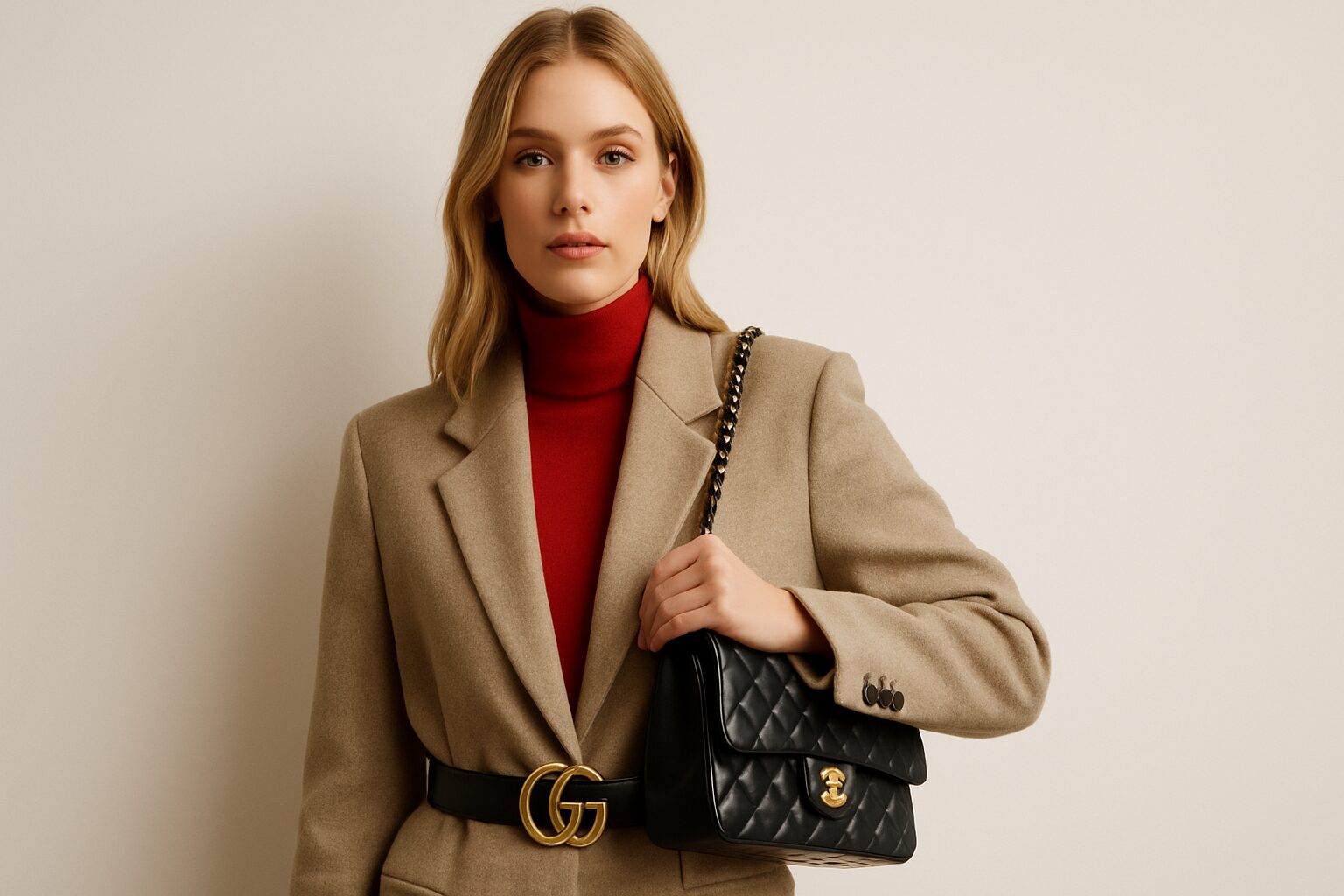
Gabrielle “Coco” Chanel revolutionized women’s fashion by introducing relaxed silhouettes and the iconic little black dress. Christian Dior’s “New Look” in 1947 redefined femininity with voluminous skirts and nipped waists. Louis Vuitton began as a trunk maker in 1854, and its monogram canvas became one of the most recognized symbols in fashion history. Gucci, founded in Florence in 1921, built its reputation on leather goods and the distinctive double-G logo. These founders established the blend of artistry and commerce that still drives the industry today.
Heritage as a Marketing Tool
Many of these houses actively mine their archives to reinforce exclusivity. Limited-edition reissues, museum exhibitions, and founder retrospectives keep the legacy alive and commercially potent. Gucci and Burberry have both successfully revived archival codes to stay culturally relevant while honoring their roots. A 2025 exhibit at the Victoria and Albert Museum dedicated to haute couture drew record crowds, confirming the public’s enduring fascination with fashion history.
Most Valuable Luxury Fashion Brands
Most Valuable Luxury Fashion Brands – luxury fashion brands | Pretty N Poison
Brand valuations offer the clearest measure of influence and market power in this sector. According to FashionUnited‘s 2025 Most Valuable Fashion Brands index, the top players command staggering brand equities that dwarf most industries. The ranking confirms the dominance of heritage houses while revealing how sportswear giants have muscled into the luxury conversation.
“Louis Vuitton tops the 2025 FashionUnited Most Valuable Fashion Brands list with a brand value of $40.7 billion, underscoring the enduring dominance of heritage luxury fashion brands.”
Top 10 by Brand Value
Rank
Brand
2025 Brand Value (USD)
1
Louis Vuitton
$40.7 billion
2
Chanel
$34.2 billion
3
Nike
$31.6 billion
4
Hermès
$30.4 billion
5
Zara
$18.7 billion
6
Adidas
$17.9 billion
7
Rolex
$14.5 billion
8
Uniqlo
$13.9 billion
9
Cartier
$13.5 billion
10
Dior
$13.3 billion
The full FashionUnited index ranks 101 fashion labels, from Louis Vuitton’s $40.7 billion peak down to Ted Baker’s $100 million floor, with cumulative value exceeding $300 billion across the full list. The inclusion of Nike, Zara, and Adidas in the top 10 tells a story: the boundaries between luxury, sportswear, and accessible fashion are blurring fast. Traditional heritage houses still dominate the top four spots, but the competition is intensifying.
Factors Driving Brand Value
What keeps these valuations so high? Consistent global demand, strategic scarcity, and premium pricing discipline all play a role. Waitlists for Hermès Birkins are not accidental – they are engineered desire. Licensing deals, high-margin beauty lines, and accessories categories further diversify revenue. Despite economic headwinds, the top houses reported steady growth through 2025, proving that true luxury is largely recession-resistant.
Pros and Cons of Investing in Luxury Fashion
Pros and Cons of Investing in Luxury Fashion – luxury fashion brands | Pretty N Poison
Pros
Investment value: Pieces like the Hermès Birkin and Chanel Classic Flap have historically appreciated in value, outperforming many traditional asset classes over 10-year periods.
Superior longevity: Craftsmanship at this level means a single piece can last decades, making the cost-per-wear calculation far more favorable than it first appears.
Cultural cachet: Wearing a heritage house signals taste, knowledge, and access – a social currency that mass-market labels simply cannot replicate.
Resale market depth: Platforms like The RealReal and Vestiaire Collective have created liquid secondary markets, meaning you can recoup significant value if your tastes change.
Sustainability alignment: Buying fewer, better pieces is inherently more sustainable than cycling through fast fashion every season.
Cons
Entry price: Even entry-level pieces from top houses start in the hundreds of dollars, with iconic bags running $5,000 to $10,000 or more.
Counterfeit risk: The more desirable the label, the more sophisticated the fakes. Authentication requires real expertise or trusted platforms.
Trend sensitivity: Not every luxury purchase holds value. Seasonal or trend-driven pieces depreciate just like any other fashion item.
Exclusivity gatekeeping: Some houses deliberately restrict access, requiring purchase history or relationships with sales associates before you can buy the most coveted pieces.
How to Identify Authentic Luxury Fashion Brands
Counterfeit goods flood the market at every price point, so knowing how to authenticate a genuine luxury purchase is non-negotiable. Follow these steps before handing over your money.
Step 1: Examine the Craftsmanship
Authentic pieces feature flawless stitching, even seam allowances, and zero loose threads. Materials should feel substantial and premium. Genuine leather smells natural, not chemical. If something feels off, trust that instinct.
Step 2: Check Logos and Hardware
On genuine pieces, logos are perfectly aligned, never smudged or uneven. Metal hardware is heavy and engraved, not hollow or printed. Lightweight hardware is one of the fastest tells on a fake.
Step 3: Verify Serial Numbers and Date Codes
Most houses include serial numbers, authenticity cards, or hologram stickers. Cross-reference these with the brand’s official database where possible. Chanel handbags, for example, carry a serial number sticker that matches a corresponding authenticity card – both must be present and consistent.
Step 4: Source from Authorized Retailers
Purchase only from brand boutiques, department stores like Neiman Marcus or Nordstrom, or trusted online platforms such as 24S and Farfetch. These retailers guarantee authenticity and provide recourse if something is wrong.
Sustainability in Luxury Fashion
A profound shift is underway as the industry’s biggest names embrace sustainability, driven by consumer pressure and genuine ethical reckoning. Unlike fast fashion, luxury’s inherent focus on quality and longevity already aligns with sustainable values. A garment built to last 20 years is, by definition, less wasteful than one designed to survive two seasons.
Eco-Friendly Materials and Practices
Many houses now source organic cotton, recycled polyester, and ethically harvested leather. Stella McCartney has been a pioneer since her label’s founding, avoiding leather and fur entirely. Gucci’s “Off the Grid” collection uses recycled nylon, and Burberry has committed to carbon neutrality by 2040. These moves prove that bold style and responsible production are not mutually exclusive.
Transparency and Traceability
Consumers increasingly expect the brands they invest in to reveal their supply chains. Blockchain technology is being tested across the industry to provide immutable records of a product’s journey from raw material to finished piece. This level of transparency was once unimaginable in a sector built on mystique – now it is becoming a competitive advantage.
The Pre-Loved Market
The pre-owned luxury market is booming, fueled by platforms like The RealReal and Vestiaire Collective. This circular economy extends the life of investment pieces and makes the category accessible to a wider audience. Vintage finds from decades past often demonstrate superior durability compared to modern counterparts, making them both a style and a sustainability win.
The Rise of Independent and Niche Labels
While legacy houses dominate headlines, a new wave of independent labels is capturing the attention of fashion insiders and serious collectors. Labels like Ann Demeulemeester, Alanui, and Thom Browne offer distinct aesthetics that challenge the traditional luxury mold. These niche players often emphasize artisanal production and a strong creative point of view, appealing to consumers who want individuality over logo recognition.
Breaking the Conventional Mold
Designers like Jacquemus have built cult followings by rejecting flashy logos in favor of intellectual, concept-driven design. Their success proves that in this industry, creativity can still triumph over sheer scale. You do not need a 170-year history to command desire – you need a vision sharp enough to cut through the noise.
Digital-First Strategies
Many emerging labels build their communities through social media and direct-to-consumer models. Without the overhead of global retail networks, they can maintain exclusivity through limited drops while keeping pricing more accessible than the heritage giants. This approach is forcing established houses to rethink their own digital strategies – fast.
The Digital Evolution of Luxury Fashion
Technology is reshaping how the industry’s top names connect with consumers. From immersive online experiences to blockchain authentication, digital tools are no longer optional for any house that wants to stay relevant in a hyperconnected world.
E-Commerce and Personalization
Online sales have surged across the sector, with platforms like 24S (part of LVMH) offering curated selections and same-day delivery in select cities. Personalization algorithms now help customers discover pieces aligned with their taste, replicating the intimacy of an in-store experience at scale.
Virtual Reality and Try-Ons
Some houses are experimenting with augmented reality to let customers virtually try on watches, sunglasses, and shoes before buying. Gucci’s app includes an AR shoe try-on feature that has reduced return rates and deepened customer engagement. Expect this technology to become standard across the sector within the next 2-3 years.
NFTs and Digital Collectibles
A handful of forward-thinking labels have ventured into non-fungible tokens, offering digital versions of iconic pieces. While still early-stage, this trend signals a future where digital ownership carries genuine cultural and financial value alongside physical garments.
How to Shop for Luxury Fashion Smartly
Investing in these labels requires strategy to maximize both enjoyment and long-term value. Whether you are a seasoned collector or buying your first serious piece, these principles apply.
Prioritize Timeless Pieces
Opt for classics: a trench coat, a little black dress, a quality leather bag in a neutral colorway. These pieces from heritage houses retain value and remain stylish across seasons and decades. Trend-driven luxury purchases depreciate. Timeless ones appreciate.
Explore Pre-Owned and Vintage
Platforms like The RealReal and Vestiaire Collective authenticate pre-owned pieces and offer significant savings over retail. Vintage finds often carry superior craftsmanship and unique details no longer in production – and they come with a story built in.
Wait for Sales and Outlets
Full-price boutiques preserve the aura of exclusivity, but seasonal sales do exist. Outlet villages like La Vallée Village near Paris offer year-round discounts on past-season collections from over 120 designer fashion brands. Signing up for brand newsletters can unlock private sale access and early notification windows before the general public.
“The most sophisticated luxury consumers are not necessarily the ones spending the most – they are the ones spending the most strategically. Knowing when to buy full price, when to wait, and when to go vintage is the real flex.” – Fashion industry insight, as reported by Vogue Business
Men’s vs. Women’s Luxury Fashion: Key Differences
The luxury market serves both men and women, but the two segments operate with distinct dynamics. Women’s luxury fashion commands the larger share of revenue, driven by ready-to-wear, handbags, and shoes. Men’s luxury has grown significantly in recent years, with tailoring, sneakers, and accessories leading the charge. Houses like Brioni and Kiton have built entire identities around men’s suiting at the highest level, while labels like Loewe and Bottega Veneta now compete fiercely for male consumers across both ready-to-wear and leather goods. As of 2026, menswear is one of the fastest-growing segments within the broader luxury category, according to trend reporting from Business of Fashion.
Conclusion
These labels represent far more than expensive clothing. They embody art, history, and identity – a way of moving through the world that signals exactly who you are and what you value. From the heritage houses of Paris to emerging niche labels rewriting the rules, the landscape is rich and constantly shifting. Understanding brand value, authenticating purchases, and embracing sustainability are now integral to engaging with this world seriously. As the industry moves toward greater transparency and digital innovation, the most iconic names will continue to captivate and inspire. True luxury, as always, is timeless.
Discover your duality at prettynpoison.com – where bold style meets the kind of quality that lasts.
Frequently Asked Questions
What makes a brand a luxury fashion brand?
A luxury fashion brand is defined by superior craftsmanship, exclusivity, heritage, and high-quality materials. It typically shows at one of the four major fashion weeks and commands premium pricing that reflects genuine artisanal value, not just marketing spend.
Which are the most valuable luxury fashion brands?
As of 2025, Louis Vuitton ($40.7B), Chanel ($34.2B), and Hermès ($30.4B) top the FashionUnited Most Valuable Fashion Brands index. The full list ranks 101 labels with a cumulative value exceeding $300 billion.
How can I tell if a luxury item is authentic?
Examine stitching quality, hardware weight, logo alignment, and serial numbers carefully. Purchase only from authorized retailers or trusted resale platforms like The RealReal or Vestiaire Collective, which provide authentication guarantees.
Are luxury fashion brands becoming more sustainable?
Yes. Houses like Stella McCartney, Gucci, and Burberry are leading on eco-friendly materials and supply chain transparency. The pre-owned luxury market, driven by platforms like The RealReal, is also expanding rapidly and promoting circular fashion at scale.
Why are some luxury fashion brands so expensive?
High prices reflect meticulous handcraftsmanship, rare materials, decades of brand-building, and deliberately limited production. The cost is not just for the object – it is for the heritage, the story, and the cultural weight behind it.
What is the difference between luxury and premium brands?
Luxury brands offer exclusivity, deep storytelling, and often genuine investment value, while premium brands provide higher quality than mass-market but lack the same cultural cachet and engineered scarcity that define true luxury.