High end fashion brands are luxury labels defined by exceptional craftsmanship, premium materials, and enduring design. Louis Vuitton leads the pack at $40.7 billion in brand value, per FashionUnited’s 2025 index. These aren’t just clothes. They’re statements.
Key Takeaways
fashion brands are defined by participation in the four major fashion weeks and a commitment to artisanal quality.
Louis Vuitton ($40.7B), Chanel ($34.2B), and Hermès ($30.4B) top the 2025 brand value rankings, per FashionUnited.
True luxury is identified through premium natural fibers, hand-finished construction, and consistent design language.
Sustainable leaders like Stella McCartney and Gabriela Hearst are redefining what luxury responsibility looks like.
For nightlife, brands like Saint Laurent, Balenciaga, and Mugler deliver the edge and drama the night demands.
Luxury items often retain significant resale value, especially when properly maintained, making them smart long-term investments.
What Are High End Fashion Brands?
What Are High End Fashion Brands? – high end fashion brands | Pretty N Poison
this type of brands are luxury labels renowned for exceptional craftsmanship, premium materials, and enduring style. They include powerhouses like Louis Vuitton, valued at $40.7B, and Chanel at $34.2B, according to FashionUnited. These names don’t just sell clothes. They sell a world.
Definition and Core Characteristics
According to Wikipedia, high fashion clothing brands are those “currently showing at one of the world’s four major fashion weeks, in Paris, Milan, London, and New York.” That’s the industry gold standard. this kind of fashion brands are synonymous with prestige: they use the finest materials, employ expert artisans, and set the trends that eventually filter down to mass markets. A garment from a luxury house isn’t just clothing. It’s a document of artistry and heritage.
Core characteristics include limited production runs, meticulous attention to stitching and finishing, and a design philosophy that puts creativity before commercial convenience. These brands maintain strong ties to their founding ateliers, ensuring generations of knowledge inform every single collection.
The Role of Fashion Weeks and Heritage
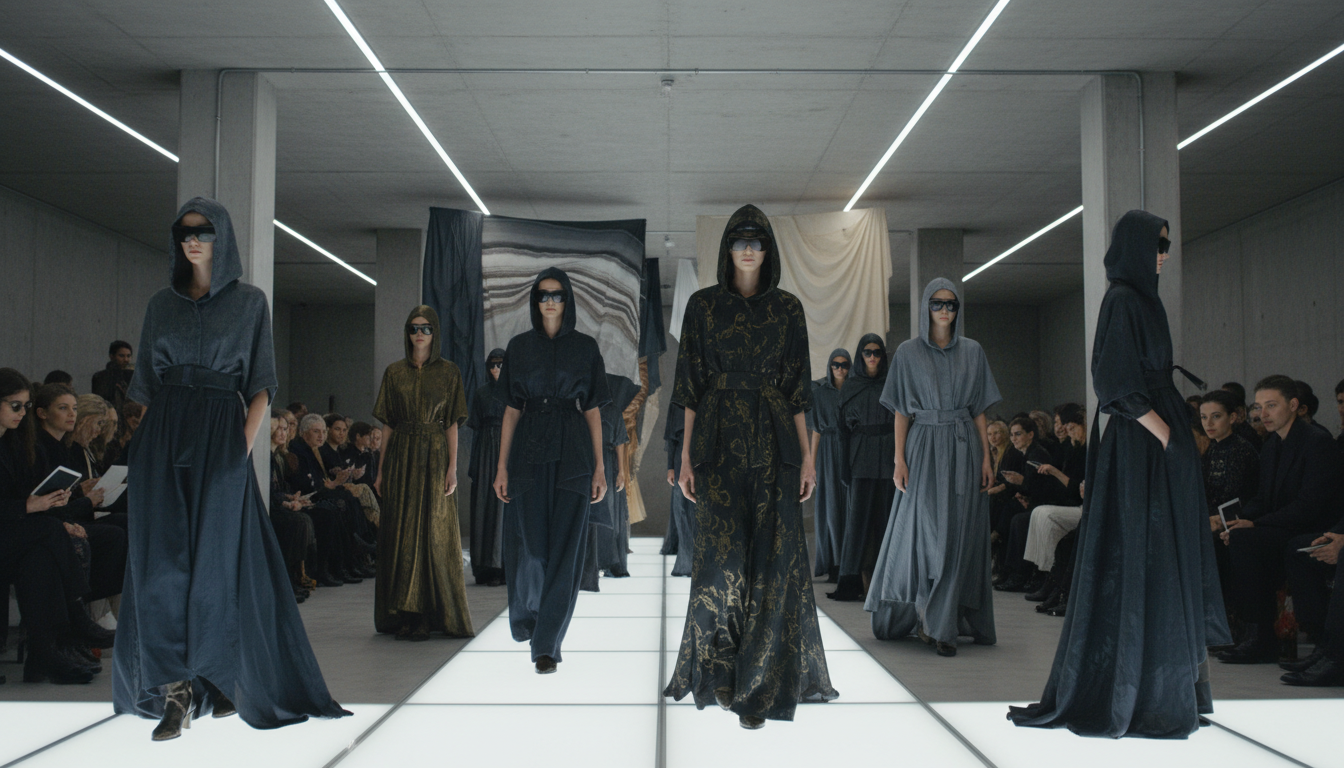
Fashion weeks are the proving ground for luxury. Showing at Paris, Milan, London, or New York Fashion Week signals that a brand has earned its place at the top. Heritage compounds that authority: Hermès was founded in 1837, Burberry in 1856. That kind of legacy builds an intangible value fast fashion simply cannot manufacture. Consumers don’t just buy a product. They buy into a narrative of excellence polished over decades.
Examples of Top High End Fashion Brands
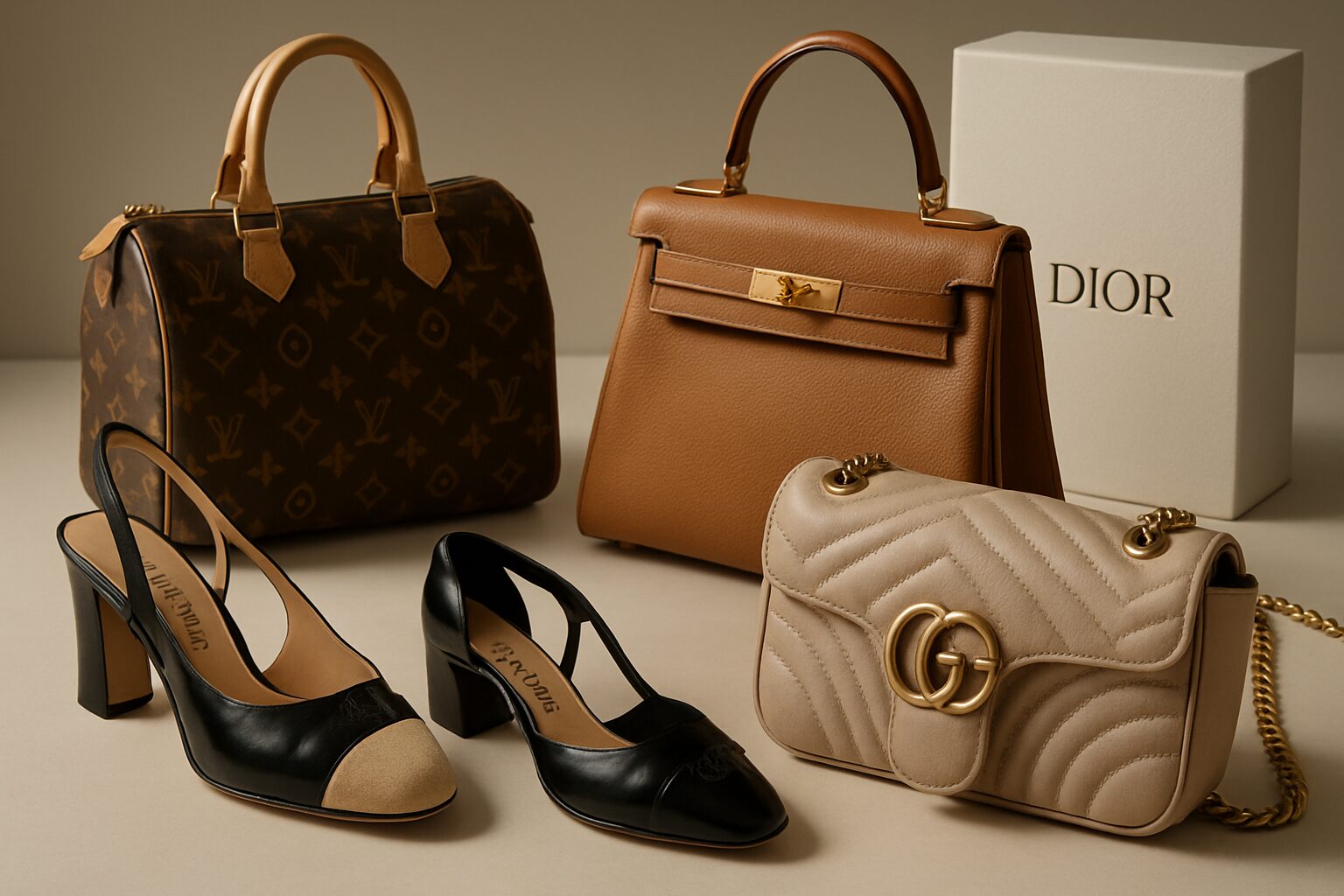
Some names consistently sit at the apex. Louis Vuitton and Chanel dominate the luxury landscape, while Hermès is revered for its handcrafted Birkin and Kelly bags. Gucci brings bold Italian glamour, Dior exemplifies French femininity, and Prada delivers intellectual cool. Other notables include Bottega Veneta for its intrecciato leather, Balenciaga for avant-garde silhouettes, and Tom Ford for razor-sharp tailoring. These labels consistently push creative boundaries while maintaining the quality their clientele demands.
The Most Valuable High End Fashion Brands in 2026
The Most Valuable High End Fashion Brands in 2026 – high end fashion brands | Pretty N Poison
Brand value reflects a label’s financial performance, consumer perception, and cultural pull. According to the FashionUnited Index, the most valuable fashion brands in 2025, projected into 2026, include some familiar titans and a few surprises.
Brand Value Rankings and What They Mean
FashionUnited’s 2025 data places Louis Vuitton at the top with a staggering $40.7 billion brand value, followed by Chanel at $34.2 billion and Nike at $31.6 billion. Hermès holds $30.4 billion, with Zara at $18.7 billion rounding out the top five. These numbers signal a brand’s ability to command premium pricing, maintain desirability, and weather economic shifts. Labels that rank highly have typically diversified into accessories, beauty, and fragrances, creating multiple revenue streams that protect them in downturns.
Other notable names include Rolex ($14.5B), Cartier ($13.5B), and Gucci ($11.5B). The strength of accessory-focused brands highlights how leather goods and fine jewelry can be more recession-resistant than ready-to-wear.
How Brand Value Reflects Quality and Status
High brand value isn’t just a marketing trophy. It correlates directly with product excellence. Hermès artisans train for years before crafting a single bag. Louis Vuitton subjects its leather goods to rigorous quality testing before anything reaches a boutique floor. That financial muscle allows these labels to invest in the best materials and after-sales service, reinforcing their status season after season. As of 2026, brand value is increasingly tied to sustainability and transparency, two areas where the smartest luxury houses are doubling down.
“The most enduring luxury brands are those that treat quality not as a marketing message but as an operational standard baked into every process, from sourcing to finishing.” – Fashion industry analysis, WWD
How to Spot True Luxury: Key Features of High End Fashion
How to Spot True Luxury: Key Features of High End Fashion – high end fashion brands | Pretty N Poison
Identifying genuine luxury requires a trained eye. Logos are the most obvious signal, but true quality lives in the details most people never notice until they’re holding the piece.
Premium Materials and Construction
The first tell is fabric. High end garments use natural fibers: cashmere, silk, merino wool, and organic cotton of the highest grade. Synthetics are rare unless they’re innovative technical fabrics with a specific performance purpose. Construction is precise: seams are straight, patterns are matched at the joins, and linings are often cupro or silk. The weight of the fabric, the smoothness of the zipper, and the quality of buttons, often natural materials like horn or mother-of-pearl, all signal that something real is happening here.
Design and Aesthetic Hallmarks
Aesthetic cohesion separates luxury from imitation. A high end brand has a distinct design language that evolves slowly, never chasing every trend cycle. For Bottega Veneta, it’s the woven leather. For Balmain, it’s sharp shoulders and metallics. The silhouette stays consistent, and the fit is engineered to flatter. Even labels that push boundaries, like Comme des Garçons with its deconstruction, make every choice with intention. You feel the thought behind the piece.
The Importance of Craftsmanship
Hand-finishing is a hallmark of real luxury. Many high end garments feature hand-stitched hems, hand-sewn buttons, and hand-painted edges. In a world of mass production, these labels preserve artisanal techniques that would otherwise disappear. Chanel employs over 30 specialized ateliers, including Lesage for embroidery and Lemarié for feathers, to create its haute couture and ready-to-wear collections. That level of labor doesn’t just ensure durability. It makes each piece a work of art you can actually wear.
Pros and Cons of Investing in High End Fashion Brands
Pros and Cons of Investing in High End Fashion Brands – high end fashion brands | Pretty N Poison
Luxury fashion is a serious commitment. Before you spend, know exactly what you’re getting into and what you’re giving up.
Pros
Exceptional longevity: Well-made luxury pieces can last decades, far outlasting fast fashion alternatives that fall apart after a season.
Resale value: Luxury items often retain significant value, especially iconic pieces from Hermès, Chanel, and Louis Vuitton.
Superior materials: Natural fibers, hand-finishing, and precision construction deliver a wearing experience that mass-market clothing simply cannot match.
Cultural and artistic value: Owning a piece from a storied house means owning a fragment of fashion history.
Sustainability potential: Buying fewer, better pieces reduces overall consumption and textile waste over time.
Cons
High entry cost: Entry-level luxury accessories typically start at $500 to $1,500, which is a significant barrier for most budgets.
Counterfeit risk: The luxury market is flooded with fakes. Buying from unauthorized resellers carries real financial risk.
Trend vulnerability: Even luxury labels can fall out of cultural favor, which can affect resale value for trend-driven pieces.
Maintenance demands: Premium materials require careful storage, professional cleaning, and ongoing attention to stay in top condition.
Sustainable High End Fashion Brands Redefining Luxury
The fashion industry faces real pressure to reduce its environmental footprint, and luxury labels are uniquely positioned to lead. With greater resources and slower production cycles, they can embrace sustainability without sacrificing quality.
Why Sustainability Matters in High End Fashion
Today’s luxury consumer wants more than a logo. They want a conscience. As He Spoke Style notes in their luxury menswear guide, “luxury clothing is associated with higher levels of prestige, authority, and wealth,” and that prestige now extends to ethical production. Labels that ignore sustainability risk alienating the next generation of buyers entirely. Beyond optics, long-lasting, well-made pieces are inherently more sustainable than disposable fashion by design.
Top Sustainable High End Fashion Brands to Know
Several labels are at the forefront of eco-conscious luxury. Stella McCartney has been a pioneer since 2001, using vegetarian leather and recycled fabrics across her collections. The Row focuses on timelessness and ethical sourcing. Patagonia, valued at $769 million by FashionUnited, proves sustainability and profitability can absolutely coexist. Gabriela Hearst became the first designer to stage a carbon-neutral runway show. Even heritage houses like Hermès are investing in mushroom leather and other bio-materials, signaling that the future of luxury is green.
“Sustainability in luxury is no longer a differentiator. It’s becoming the baseline expectation for any brand that wants to remain relevant with the next generation of high-spending consumers.” – ELLE, sustainability in fashion reporting
How to Verify a Brand’s Eco-Credentials
Look for third-party certifications like GOTS (Global Organic Textile Standard), B Corp status, or adherence to ISO 14001 environmental management standards. Transparent supply chains, published sustainability reports, and use of recycled or regenerative materials are all positive signals. Watch for greenwashing: a single “conscious” capsule collection doesn’t make a brand sustainable. True leaders integrate ethics into every part of their operation, not just the press release.
High End Fashion Brands for Nightlife and Edgy Style
When the sun goes down, luxury fashion becomes your most powerful weapon. Whether you’re hitting a warehouse rave or a VIP rooftop, the right pieces add an edge that no fast fashion label can fake.
Statement Pieces That Rule the Dance Floor
For nightlife, go bold or go home. Balenciaga boots with a chunky sole, a Saint Laurent leather jacket with a raw hem, a Versace printed silk shirt that catches every light in the room. These labels excel at pieces that move, shimmer, and command attention without trying. Sequins and metallics from Paco Rabanne or body-con dresses from Mugler are literally built for dancing. The goal is to choose items that feel both luxurious and slightly dangerous. That’s the duality. Pretty on the surface, poison underneath.
Style Tip: A Mugler body-con dress paired with Bottega Veneta’s Jodie bag is the nightlife formula that fashion editors reach for when they need to look effortless and devastating at the same time.
Mixing High End with Alternative Fashion
Alternative fashion thrives on contrast. Pair a Rick Owens asymmetrical tunic with combat boots. Layer a Comme des Garçons deconstructed blazer over a band tee. The best looks mix luxury pieces with vintage or indie finds, creating a nonchalant, deeply personal style that no stylist could replicate. Don’t fear clashing textures: a Prada nylon bag with ripped denim, or Maison Margiela Tabis with fishnets. The contrast is the point.
Accessories That Elevate Night Out Looks
Accessories are the easiest entry point into luxury. A Gucci GG Marmont belt, a Celine gold chain necklace, or a Bottega Veneta pouch bag instantly lifts an entire outfit. For footwear, Jimmy Choo stilettos or Alexander McQueen oversized sneakers strike exactly the right note. Statement eyewear from Gentle Monster or Chanel frames adds mystery. These pieces demonstrate that you understand quality without screaming for attention. That’s the real flex.
High End Fashion vs Fast Fashion: A Comparison
Understanding the divide between luxury and fast fashion helps you make choices you won’t regret. Fast fashion offers low prices and trend replication. Luxury offers longevity, ethics, and design that actually ages well.
Often lower due to slower cycles; many brands pushing sustainability
High water consumption, chemical use, textile waste
Longevity
Decades, can become heirloom
One season, often falls apart after a few washes
The initial cost of luxury is higher. The cost-per-wear, over years of use, often makes it more economical. Fast fashion’s real price is paid in environmental degradation and worker exploitation. Choosing luxury means investing in pieces that tell a story and respect the planet. That’s not just fashion. That’s a value system.
Step-by-Step Guide to Investing in High End Pieces
Entering the world of luxury fashion can feel overwhelming, but a strategic approach ensures satisfaction and real long-term value.
Step 1: Research and Set Your Budget
Start by exploring luxury labels through reputable retailers like 24S, Net-a-Porter, or brand boutiques directly. Read reviews, follow fashion forums, and understand what makes each brand distinct. Set a realistic budget: entry-level luxury accessories in the $500–$1,500 range are a smart starting point. High price doesn’t always equal high quality, so experience the product in person whenever possible before committing.
Step 2: Prioritize Timeless Over Trends
Invest in classic silhouettes that transcend seasons. A Burberry trench coat, a Prada nylon backpack, or a pair of Gucci loafers will never go out of style. Avoid logos that date quickly. Focus on labels known for permanence: Hermès, The Row, Brunello Cucinelli. A 2025 valuation from FashionUnited placed Brunello Cucinelli at $2.2 billion, proof that quiet luxury has serious staying power in the market.
Step 3: Care and Maintenance Tips
Extend the life of your investment by following care labels religiously. Store leather goods in dust bags, use shoe trees for boots, and dry-clean sparingly. Many luxury labels offer repair and restoration services. Take advantage of them. Proper maintenance ensures your pieces can be passed down or resold. Luxury items, especially iconic styles from Hermès and Chanel, often retain significant resale value when kept in excellent condition.
Frequently Asked Questions
What defines a high end fashion brand?
According to Wikipedia, high fashion brands are those showing at Paris, Milan, London, or New York Fashion Weeks. They combine exceptional materials, expert craftsmanship, and a powerful heritage that fast fashion cannot replicate.
Which are the most valuable high end fashion brands?
As of 2025, the top five by brand value are Louis Vuitton ($40.7B), Chanel ($34.2B), Nike ($31.6B), Hermès ($30.4B), and Zara ($18.7B), per FashionUnited. These rankings reflect financial performance, cultural influence, and consumer desirability combined.
How can I identify high quality in high end fashion?
Examine the fabric, seams, and hardware closely. Premium garments use natural fibers, have neat and consistent stitching, and feature solid metal or natural-material trims. The weight and drape of the fabric alone will tell you a great deal.
Are there sustainable high end fashion brands?
Yes. Stella McCartney, The Row, and Gabriela Hearst lead in eco-conscious luxury. Even legacy houses like Hermès are innovating with bio-materials like mushroom leather, signaling a broader industry shift toward responsible production.
Where can I find high end fashion brands for nightlife?
Look to Saint Laurent, Balenciaga, and Mugler for edgy statement pieces built for the night. Pair with accessories from Gucci or Celine to complete a look that’s luxurious and dangerous in equal measure.
Is it worth investing in high end fashion brands?
Yes, if you prioritize quality and longevity over impulse buying. Luxury items outlast fast fashion by years and can retain significant resale value, particularly iconic styles that remain culturally relevant across decades.
Luxury fashion retail is the sale of premium apparel, accessories, and footwear through exclusive channels that prioritize exceptional craft, scarcity, and personalized service. Read on to find out where to shop, what to look for, and how to build a wardrobe that lasts.
Key Takeaways
fashion retail offers exclusive collections, personalized services, and immersive store experiences that go far beyond ordinary shopping.
Quality indicators like material, craftsmanship, and brand heritage are non-negotiable when investing in high-end pieces.
The secondary luxury market is growing at roughly 9% annually through 2028, giving shoppers ethical and cost-effective options.
Proper care and maintenance can extend the life of luxury items for decades, protecting every dollar you spend.
Sustainability certifications like GOTS and Leather Working Group ratings are now standard signals of a credible luxury brand.
What Is Luxury Fashion Retail?
What Is Luxury Fashion Retail? – luxury fashion retail | Pretty N Poison
this type of retail is a distinct sector of the retail industry dedicated to premium clothing, footwear, handbags, jewelry, and personal goods that combine exceptional materials, expert craftsmanship, and powerful brand identities. Unlike mass-market fashion, this world emphasizes scarcity, white-glove customer service, and an elevated atmosphere that makes every visit feel like an event. According to Bain & Company, the personal luxury goods market is projected to grow 3-8% in 2026, fueled by consumers prioritizing quality over quantity. That shift is reshaping flagship stores worldwide, turning them into lifestyle destinations rather than simple points of sale.
“Many customers are now prioritizing quality over quantity, particularly in personal luxury goods, with Bain & Company predicting growth in the market of between 3-8%,” states a leading industry analysis, underscoring the resilience of high-end fashion commerce.
Top Luxury Fashion Retail Destinations in 2026
Top Luxury Fashion Retail Destinations in 2026 – luxury fashion retail | Pretty N Poison
Physical stores remain the beating heart of high-end fashion commerce. The most innovative boutiques now blend art, technology, and hospitality to attract a new generation of shoppers. Below are five standout destinations that exemplify the current state of the industry, each highlighted in a recent industry roundup.
Store
Location
Unique Feature
Experience Highlight
Bentley Cube
Seoul, South Korea
Lifestyle concept store with commissioned art
Batur Studio Suite for bespoke vehicle commissions; Sound Playground with Naim audio
Personal appointments for bespoke trunks; exclusive aluminium trolley by FPM Milano
Cartier
Paris, France
Marquetry panther motifs throughout the store
Cocktail bar; vintage watch department (1970s-2010s) verified by Cartier
Louis Vuitton Ginza Namiki
Tokyo, Japan
Glass-panelled façade mimicking rippling water
Aquarium-style interior with jellyfish installations; LV-monogrammed lattes at the café
Dolce & Gabbana
Seoul, South Korea
Transparent glass building between black pillars
Spiral staircase journey through all floors; rooftop terrace for private client conversations
These locations prove that the best boutiques now compete on experience as much as product. Shoppers travel across cities to visit them, and every visit deepens brand loyalty in ways no online cart can replicate.
How the Luxury Fashion Industry Actually Works
How the Luxury Fashion Industry Actually Works – luxury fashion retail | Pretty N Poison
Understanding how this industry functions helps you shop with confidence and spend with intention. At its core, luxury fashion operates on three pillars: controlled distribution, brand equity, and aspirational pricing.
Controlled distribution means heritage houses like Hermès and Chanel deliberately limit where their products are sold. You won’t find a Birkin on a third-party marketplace with full authenticity guarantees. This scarcity is engineered, not accidental. It keeps demand consistently above supply, which is exactly why iconic pieces appreciate over time.
Brand equity is built over decades through design consistency, celebrity association, and cultural storytelling. According to McKinsey & Company’s fashion industry reporting, the top luxury groups, including LVMH, Kering, and Richemont, collectively generate hundreds of billions in annual revenue by investing as heavily in brand narrative as in product development.
Aspirational pricing signals quality and exclusivity simultaneously. A price point that feels out of reach for most consumers is, by design, part of the product’s appeal for those who can access it. As of 2026, this model remains the dominant structure across the sector.
What to Look For When Buying Luxury Fashion
What to Look For When Buying Luxury Fashion – luxury fashion retail | Pretty N Poison
A sharp eye protects you from counterfeit goods and ensures you get genuine value from every purchase. Focus on these criteria before you commit.
Material & Craftsmanship
Examine fabric quality, stitching density, and hardware. Luxury garments typically use natural fibres like cashmere, silk, and fine leather, with double-stitched seams and precisely aligned patterns. Run your fingers along every seam. Check that buttons, zippers, and logos are robust, evenly finished, and impossible to dismiss as afterthoughts.
Fit & Comfort
High-end pieces are designed with precise sizing. Always try them on or consult detailed measurement charts before buying online. A well-cut jacket or a structured handbag should feel balanced and comfortable immediately, not after months of wear.
Brand Heritage & Exclusivity
Research the brand’s history and design philosophy before spending. Limited editions, artisan collaborations, and heritage houses often retain higher resale value. Exclusivity, in this context, can signal future collectability and long-term investment potential.
Price vs. Value
Premium price tags are a given. What matters is cost-per-wear and investment potential. An iconic handbag from Hermès or Chanel can appreciate over time, while trend-driven pieces may depreciate quickly. For context, IMARC Group forecasts the secondary luxury market growing at roughly 9% annually through 2028, reflecting strong demand for pre-owned value.
How to Style Luxury Pieces for Any Occasion
Integrating high-end fashion into everyday life is the hallmark of the modern luxury consumer. Use these outfit formulas to maximize versatility across every occasion on your calendar.
Daytime Chic
Pair a structured blazer from a premium brand with relaxed denim and ballet flats. Add a silk scarf or a quiet-logo tote for understated elegance. This mix signals confidence without appearing overdressed, which is exactly the point.
Evening Glamour
Let one statement piece dominate. A sequined skirt, an embellished clutch, or a floor-length coat. Keep everything else monochromatic and minimal. This approach, often showcased in high-fashion editorials, highlights the craftsmanship of the key item without visual noise competing for attention.
Sustainable Styling
Rent or buy pre-loved pieces for events, then mix them into your permanent collection. The rise of circular platforms is a direct response to shoppers demanding both ethics and style. Pre-owned luxury platforms like The RealReal and Vestiaire Collective now authenticate every item, making second-hand shopping as credible as buying new from a boutique.
Pros and Cons of Luxury Fashion Retail
this kind of retail delivers exceptional experiences and lasting value, but it comes with real trade-offs worth knowing before you invest.
Pros
Exceptional quality: Premium materials and expert craftsmanship mean pieces that last years, not seasons.
Investment potential: Iconic pieces from heritage houses like Hermès and Cartier frequently appreciate in value over time.
Personalized service: White-glove experiences, personal stylists, and after-sales care are standard at top boutiques.
Cultural cachet: Wearing a recognized luxury label carries social and professional weight in many circles.
Resale value: With the secondary market growing at roughly 9% annually through 2028, your investment holds its worth.
Cons
High entry cost: Premium pricing excludes most consumers and requires significant upfront investment.
Counterfeit risk: The more desirable the brand, the more sophisticated the fakes. Authentication is a constant concern.
Trend sensitivity: Not every luxury purchase holds value. Trend-driven pieces can depreciate as fast as fast fashion.
Maintenance demands: Luxury items require specialist care, storage, and periodic repair to retain their condition and provenance.
Luxury Fashion Retail Care & Maintenance
Proper upkeep preserves your investment and is a core expectation of any serious high-end wardrobe. Follow these steps to protect every piece you own.
Step 1: Read the care label carefully. Each luxury item comes with specific instructions. Follow them strictly, no exceptions.
Step 2: Store correctly. Use padded hangers for coats, acid-free tissue for bags, and dust bags for shoes. Keep leather away from direct sunlight and humidity at all times.
Step 3: Clean gently. Spot-treat stains immediately and take garments to a specialist cleaner that handles premium fabrics. Many top houses offer in-house cleaning services as part of their after-sales commitment.
Step 4: Maintain regularly. Polish hardware, condition leather every six months, and have repairs done only by authorized artisans. This retains the item’s provenance and resale credibility.
“Proper storage and specialist cleaning are the two most overlooked factors in preserving the long-term value of luxury garments,” according to textile conservation experts cited by the Victoria & Albert Museum. Neglecting either can dramatically shorten a piece’s wearable life.
The Future of Luxury Fashion Retail: Sustainability and Experience
Two forces are reshaping this industry for 2026 and beyond: sustainability and experiential retail. Both are now critical differentiators, not optional extras.
Sustainability now permeates every level of high-end fashion commerce. Brands like Stella McCartney and Gabriela Hearst have built their entire identity around eco-conscious design, using organic cotton, recycled polyester, and traceable supply chains. Heritage houses such as Gucci and Prada are launching carbon-neutral collections and offering repair programs. When shopping for premium pieces, look for certifications like the Global Organic Textile Standard (GOTS) or Leather Working Group (LWG) ratings as reliable quality signals.
Experiential retail transforms stores into cultural hubs. The destinations listed above, from Bentley Cube to Louis Vuitton Tokyo, prove that top boutiques now compete with museums and restaurants for consumer attention. Virtual try-ons, augmented reality mirrors, and exclusive in-store events make the shopping journey memorable and shareable. For a shopper, this means more than a transaction. It’s an afternoon out, a story to tell, and a deeper connection with the brand.
Together, sustainability and experience mark the new benchmark for the sector. Shoppers who prioritize these elements consistently report higher satisfaction and longer-lasting relationships with their favorite labels, according to McKinsey & Company’s ongoing fashion industry research.
Frequently Asked Questions
What is luxury fashion retail?
Luxury fashion retail is the sale of high-end apparel and accessories through exclusive channels that emphasize quality, craftsmanship, and personalized service. It typically includes immersive store experiences, after-sales care, and controlled distribution designed to maintain brand prestige.
What is an example of a luxury retailer?
Hermès, Chanel, Louis Vuitton, Cartier, and Gucci are among the most recognized examples globally. Each operates flagship boutiques that function as brand experiences, not just points of sale, and maintains strict control over where and how their products are distributed.
How do I spot a counterfeit in luxury fashion retail?
Check stitching consistency, material feel, logo engraving, and packaging details. Authentic pieces have flawless finishing; fakes often misalign patterns or use cheaper hardware. When in doubt, buy only from authorized retailers or the brand’s own website.
Is online luxury fashion retail reliable?
Yes, if you buy from authorized retailers or directly from the brand. Avoid third-party marketplaces that don’t authenticate products. Many top houses now ship worldwide with secure, branded packaging and full return policies.
What is the best luxury fashion retail investment piece?
Classic handbags, tailored coats, and high-end watches typically hold value best. Iconic designs like the Hermès Birkin or Cartier Tank watch are perennial favorites precisely because their demand consistently outpaces supply, keeping resale prices strong year after year.
How can I save money in luxury fashion retail?
Shop sample sales, pre-owned platforms like The RealReal or Vestiaire Collective, or during seasonal promotions at department stores. Outlet villages and brand loyalty programs also offer discounts without compromising authenticity.
Luxury fashion brands are high-end labels defined by exceptional craftsmanship, exclusivity, and rich heritage. Louis Vuitton leads all valuations at $40.7 billion, setting the standard every other house chases.
Key Takeaways
Luxury fashion brands are defined by exclusivity, superior materials, and timeless design – not just a high price tag.
Louis Vuitton ($40.7B), Chanel ($34.2B), and Hermès ($30.4B) top the 2025 FashionUnited brand value index.
The FashionUnited index ranks 101 fashion labels, from Louis Vuitton down to Ted Baker at $100 million.
Authenticating a luxury purchase means scrutinizing stitching, hardware, serial numbers, and sourcing from authorized retailers.
Sustainability is reshaping the sector, with houses like Stella McCartney and Gucci leading the charge on ethical production.
Independent niche labels are diversifying the landscape, winning over consumers who want individuality over logo status.
What Are Luxury Fashion Brands?
What Are Luxury Fashion Brands? – luxury fashion brands | Pretty N Poison
Luxury fashion brands are labels that occupy the absolute top tier of the fashion hierarchy, distinguished by heritage, superior materials, and meticulous artisanal production. According to Wikipedia, high fashion labels are those that show at one of the world’s four major fashion weeks: Paris, Milan, London, and New York. True luxury goes further still, adding a storied history, dream-level pricing, and a cultural weight that no fast-fashion label can manufacture.
Defining Characteristics of Luxury
Several attributes separate these houses from everything else on the market. Exclusivity is non-negotiable: limited production runs and deliberately high price points keep the pieces aspirational. Craftsmanship is the other pillar – many ateliers still employ traditional techniques passed down through generations, with every stitch placed by hand. Materials are sourced at the highest grade, from ethically harvested exotic leathers to rare cashmere. And then there is storytelling: the logo, the monogram, the signature silhouette that instantly signals a legacy of elegance without a single word.
Luxury vs. Premium: The Fine Line
Not every expensive label qualifies. Premium brands offer elevated quality but lack the exclusivity and cultural cachet that define true luxury. The difference is intangible – call it the “dream factor.” It is the gap between a well-constructed handbag and an Hermès Birkin that appreciates in value year after year. One is a product. The other is a statement.
Regional Capitals of Luxury
Paris remains the undisputed heart of the industry, home to couture giants like Chanel and Dior. Milan is synonymous with artisanal leather goods and precision tailoring from Prada and Armani. London’s Savile Row tradition and New York’s modern minimalism each add their own chapter to the global story. As of 2026, emerging hubs like Seoul and Copenhagen are producing influential labels that are rewriting what luxury can look like.
The History and Heritage of These Houses
The History and Heritage of These Houses – luxury fashion brands | Pretty N Poison
The lineage of the great fashion houses traces back to the 19th and early 20th centuries, when Parisian couture ateliers set the standard for bespoke elegance. These brands began as small workshops catering to aristocracy and royalty, then evolved into global powerhouses worth tens of billions. The concept of luxury fashion as a cultural institution – not just a commercial one – was born in those early Parisian salons.
Pioneers of Opulence
Gabrielle “Coco” Chanel revolutionized women’s fashion by introducing relaxed silhouettes and the iconic little black dress. Christian Dior’s “New Look” in 1947 redefined femininity with voluminous skirts and nipped waists. Louis Vuitton began as a trunk maker in 1854, and its monogram canvas became one of the most recognized symbols in fashion history. Gucci, founded in Florence in 1921, built its reputation on leather goods and the distinctive double-G logo. These founders established the blend of artistry and commerce that still drives the industry today.
Heritage as a Marketing Tool
Many of these houses actively mine their archives to reinforce exclusivity. Limited-edition reissues, museum exhibitions, and founder retrospectives keep the legacy alive and commercially potent. Gucci and Burberry have both successfully revived archival codes to stay culturally relevant while honoring their roots. A 2025 exhibit at the Victoria and Albert Museum dedicated to haute couture drew record crowds, confirming the public’s enduring fascination with fashion history.
Most Valuable Luxury Fashion Brands
Most Valuable Luxury Fashion Brands – luxury fashion brands | Pretty N Poison
Brand valuations offer the clearest measure of influence and market power in this sector. According to FashionUnited‘s 2025 Most Valuable Fashion Brands index, the top players command staggering brand equities that dwarf most industries. The ranking confirms the dominance of heritage houses while revealing how sportswear giants have muscled into the luxury conversation.
“Louis Vuitton tops the 2025 FashionUnited Most Valuable Fashion Brands list with a brand value of $40.7 billion, underscoring the enduring dominance of heritage luxury fashion brands.”
Top 10 by Brand Value
Rank
Brand
2025 Brand Value (USD)
1
Louis Vuitton
$40.7 billion
2
Chanel
$34.2 billion
3
Nike
$31.6 billion
4
Hermès
$30.4 billion
5
Zara
$18.7 billion
6
Adidas
$17.9 billion
7
Rolex
$14.5 billion
8
Uniqlo
$13.9 billion
9
Cartier
$13.5 billion
10
Dior
$13.3 billion
The full FashionUnited index ranks 101 fashion labels, from Louis Vuitton’s $40.7 billion peak down to Ted Baker’s $100 million floor, with cumulative value exceeding $300 billion across the full list. The inclusion of Nike, Zara, and Adidas in the top 10 tells a story: the boundaries between luxury, sportswear, and accessible fashion are blurring fast. Traditional heritage houses still dominate the top four spots, but the competition is intensifying.
Factors Driving Brand Value
What keeps these valuations so high? Consistent global demand, strategic scarcity, and premium pricing discipline all play a role. Waitlists for Hermès Birkins are not accidental – they are engineered desire. Licensing deals, high-margin beauty lines, and accessories categories further diversify revenue. Despite economic headwinds, the top houses reported steady growth through 2025, proving that true luxury is largely recession-resistant.
Pros and Cons of Investing in Luxury Fashion
Pros and Cons of Investing in Luxury Fashion – luxury fashion brands | Pretty N Poison
Pros
Investment value: Pieces like the Hermès Birkin and Chanel Classic Flap have historically appreciated in value, outperforming many traditional asset classes over 10-year periods.
Superior longevity: Craftsmanship at this level means a single piece can last decades, making the cost-per-wear calculation far more favorable than it first appears.
Cultural cachet: Wearing a heritage house signals taste, knowledge, and access – a social currency that mass-market labels simply cannot replicate.
Resale market depth: Platforms like The RealReal and Vestiaire Collective have created liquid secondary markets, meaning you can recoup significant value if your tastes change.
Sustainability alignment: Buying fewer, better pieces is inherently more sustainable than cycling through fast fashion every season.
Cons
Entry price: Even entry-level pieces from top houses start in the hundreds of dollars, with iconic bags running $5,000 to $10,000 or more.
Counterfeit risk: The more desirable the label, the more sophisticated the fakes. Authentication requires real expertise or trusted platforms.
Trend sensitivity: Not every luxury purchase holds value. Seasonal or trend-driven pieces depreciate just like any other fashion item.
Exclusivity gatekeeping: Some houses deliberately restrict access, requiring purchase history or relationships with sales associates before you can buy the most coveted pieces.
How to Identify Authentic Luxury Fashion Brands
Counterfeit goods flood the market at every price point, so knowing how to authenticate a genuine luxury purchase is non-negotiable. Follow these steps before handing over your money.
Step 1: Examine the Craftsmanship
Authentic pieces feature flawless stitching, even seam allowances, and zero loose threads. Materials should feel substantial and premium. Genuine leather smells natural, not chemical. If something feels off, trust that instinct.
Step 2: Check Logos and Hardware
On genuine pieces, logos are perfectly aligned, never smudged or uneven. Metal hardware is heavy and engraved, not hollow or printed. Lightweight hardware is one of the fastest tells on a fake.
Step 3: Verify Serial Numbers and Date Codes
Most houses include serial numbers, authenticity cards, or hologram stickers. Cross-reference these with the brand’s official database where possible. Chanel handbags, for example, carry a serial number sticker that matches a corresponding authenticity card – both must be present and consistent.
Step 4: Source from Authorized Retailers
Purchase only from brand boutiques, department stores like Neiman Marcus or Nordstrom, or trusted online platforms such as 24S and Farfetch. These retailers guarantee authenticity and provide recourse if something is wrong.
Sustainability in Luxury Fashion
A profound shift is underway as the industry’s biggest names embrace sustainability, driven by consumer pressure and genuine ethical reckoning. Unlike fast fashion, luxury’s inherent focus on quality and longevity already aligns with sustainable values. A garment built to last 20 years is, by definition, less wasteful than one designed to survive two seasons.
Eco-Friendly Materials and Practices
Many houses now source organic cotton, recycled polyester, and ethically harvested leather. Stella McCartney has been a pioneer since her label’s founding, avoiding leather and fur entirely. Gucci’s “Off the Grid” collection uses recycled nylon, and Burberry has committed to carbon neutrality by 2040. These moves prove that bold style and responsible production are not mutually exclusive.
Transparency and Traceability
Consumers increasingly expect the brands they invest in to reveal their supply chains. Blockchain technology is being tested across the industry to provide immutable records of a product’s journey from raw material to finished piece. This level of transparency was once unimaginable in a sector built on mystique – now it is becoming a competitive advantage.
The Pre-Loved Market
The pre-owned luxury market is booming, fueled by platforms like The RealReal and Vestiaire Collective. This circular economy extends the life of investment pieces and makes the category accessible to a wider audience. Vintage finds from decades past often demonstrate superior durability compared to modern counterparts, making them both a style and a sustainability win.
The Rise of Independent and Niche Labels
While legacy houses dominate headlines, a new wave of independent labels is capturing the attention of fashion insiders and serious collectors. Labels like Ann Demeulemeester, Alanui, and Thom Browne offer distinct aesthetics that challenge the traditional luxury mold. These niche players often emphasize artisanal production and a strong creative point of view, appealing to consumers who want individuality over logo recognition.
Breaking the Conventional Mold
Designers like Jacquemus have built cult followings by rejecting flashy logos in favor of intellectual, concept-driven design. Their success proves that in this industry, creativity can still triumph over sheer scale. You do not need a 170-year history to command desire – you need a vision sharp enough to cut through the noise.
Digital-First Strategies
Many emerging labels build their communities through social media and direct-to-consumer models. Without the overhead of global retail networks, they can maintain exclusivity through limited drops while keeping pricing more accessible than the heritage giants. This approach is forcing established houses to rethink their own digital strategies – fast.
The Digital Evolution of Luxury Fashion
Technology is reshaping how the industry’s top names connect with consumers. From immersive online experiences to blockchain authentication, digital tools are no longer optional for any house that wants to stay relevant in a hyperconnected world.
E-Commerce and Personalization
Online sales have surged across the sector, with platforms like 24S (part of LVMH) offering curated selections and same-day delivery in select cities. Personalization algorithms now help customers discover pieces aligned with their taste, replicating the intimacy of an in-store experience at scale.
Virtual Reality and Try-Ons
Some houses are experimenting with augmented reality to let customers virtually try on watches, sunglasses, and shoes before buying. Gucci’s app includes an AR shoe try-on feature that has reduced return rates and deepened customer engagement. Expect this technology to become standard across the sector within the next 2-3 years.
NFTs and Digital Collectibles
A handful of forward-thinking labels have ventured into non-fungible tokens, offering digital versions of iconic pieces. While still early-stage, this trend signals a future where digital ownership carries genuine cultural and financial value alongside physical garments.
How to Shop for Luxury Fashion Smartly
Investing in these labels requires strategy to maximize both enjoyment and long-term value. Whether you are a seasoned collector or buying your first serious piece, these principles apply.
Prioritize Timeless Pieces
Opt for classics: a trench coat, a little black dress, a quality leather bag in a neutral colorway. These pieces from heritage houses retain value and remain stylish across seasons and decades. Trend-driven luxury purchases depreciate. Timeless ones appreciate.
Explore Pre-Owned and Vintage
Platforms like The RealReal and Vestiaire Collective authenticate pre-owned pieces and offer significant savings over retail. Vintage finds often carry superior craftsmanship and unique details no longer in production – and they come with a story built in.
Wait for Sales and Outlets
Full-price boutiques preserve the aura of exclusivity, but seasonal sales do exist. Outlet villages like La Vallée Village near Paris offer year-round discounts on past-season collections from over 120 designer fashion brands. Signing up for brand newsletters can unlock private sale access and early notification windows before the general public.
“The most sophisticated luxury consumers are not necessarily the ones spending the most – they are the ones spending the most strategically. Knowing when to buy full price, when to wait, and when to go vintage is the real flex.” – Fashion industry insight, as reported by Vogue Business
Men’s vs. Women’s Luxury Fashion: Key Differences
The luxury market serves both men and women, but the two segments operate with distinct dynamics. Women’s luxury fashion commands the larger share of revenue, driven by ready-to-wear, handbags, and shoes. Men’s luxury has grown significantly in recent years, with tailoring, sneakers, and accessories leading the charge. Houses like Brioni and Kiton have built entire identities around men’s suiting at the highest level, while labels like Loewe and Bottega Veneta now compete fiercely for male consumers across both ready-to-wear and leather goods. As of 2026, menswear is one of the fastest-growing segments within the broader luxury category, according to trend reporting from Business of Fashion.
Conclusion
These labels represent far more than expensive clothing. They embody art, history, and identity – a way of moving through the world that signals exactly who you are and what you value. From the heritage houses of Paris to emerging niche labels rewriting the rules, the landscape is rich and constantly shifting. Understanding brand value, authenticating purchases, and embracing sustainability are now integral to engaging with this world seriously. As the industry moves toward greater transparency and digital innovation, the most iconic names will continue to captivate and inspire. True luxury, as always, is timeless.
Discover your duality at prettynpoison.com – where bold style meets the kind of quality that lasts.
Frequently Asked Questions
What makes a brand a luxury fashion brand?
A luxury fashion brand is defined by superior craftsmanship, exclusivity, heritage, and high-quality materials. It typically shows at one of the four major fashion weeks and commands premium pricing that reflects genuine artisanal value, not just marketing spend.
Which are the most valuable luxury fashion brands?
As of 2025, Louis Vuitton ($40.7B), Chanel ($34.2B), and Hermès ($30.4B) top the FashionUnited Most Valuable Fashion Brands index. The full list ranks 101 labels with a cumulative value exceeding $300 billion.
How can I tell if a luxury item is authentic?
Examine stitching quality, hardware weight, logo alignment, and serial numbers carefully. Purchase only from authorized retailers or trusted resale platforms like The RealReal or Vestiaire Collective, which provide authentication guarantees.
Are luxury fashion brands becoming more sustainable?
Yes. Houses like Stella McCartney, Gucci, and Burberry are leading on eco-friendly materials and supply chain transparency. The pre-owned luxury market, driven by platforms like The RealReal, is also expanding rapidly and promoting circular fashion at scale.
Why are some luxury fashion brands so expensive?
High prices reflect meticulous handcraftsmanship, rare materials, decades of brand-building, and deliberately limited production. The cost is not just for the object – it is for the heritage, the story, and the cultural weight behind it.
What is the difference between luxury and premium brands?
Luxury brands offer exclusivity, deep storytelling, and often genuine investment value, while premium brands provide higher quality than mass-market but lack the same cultural cachet and engineered scarcity that define true luxury.
Key Takeaways
Luxury fashion is defined by craftsmanship, exclusivity, and cultural influence, not just high prices.
Sustainability and ethical production are reshaping the industry, with many brands adopting circular models and eco-materials.
Subcultural aesthetics, punk, fetish, club, are increasingly influencing haute couture and red-carpet looks.
Iconic houses like Chanel, Dior, and Gucci coexist with avant-garde labels that push boundaries.
The future of high-end style blends bold self-expression with responsible innovation.
Luxury fashion is the pinnacle of sartorial rebellion, where exceptional craftsmanship meets cultural disruption. It’s not just clothing, it’s armor for the fearless.
What Defines Luxury Fashion?
What Defines Luxury Fashion? – luxury fashion | Pretty N Poison
True luxury fashion rests on five pillars that separate the extraordinary from the merely expensive: heritage, quality, rarity, design vision, and cultural resonance. Heritage creates narratives money can’t buy, Chanel launched in 1910, Gucci in 1921, Burberry in 1856. Quality manifests in hand-stitched leather, custom-milled fabrics, mother-of-pearl buttons that catch light like secrets. Rarity maintains desire through limited production and exclusive distribution.
The Anatomy of a Luxury Brand
Not every four-figure price tag earns the title. Real luxury fashion demands obsessive attention to details others overlook. The weight of a zipper. The drape of silk cut on the bias. The way a seam disappears into shadow. These brands understand that true luxury whispers while everything else screams.
“Luxury fashion is a cultural laboratory where craftsmanship meets desire,” says fashion historian Valerie Steele of The Museum at FIT. “It’s not about utility; it’s about dreams.”
The Evolution from Couture to Streetwear
The revolution started in the streets. Luxury fashion no longer lives only in ateliers, it thrives in the underground. Labels like Off-White, Balenciaga under Demna, and Gucci under Alessandro Michele blurred every line between haute couture and club wear. A hoodie became as covetable as a bespoke gown, provided it carried the right attitude and a four-figure price tag. According to Business of Fashion, this democratization of cool attracts younger consumers who view high-end clothing as cultural capital, not just status symbols.
Sustainability: The New Luxury Ethos
Sustainability: The New Luxury Ethos – luxury fashion | Pretty N Poison
The green revolution isn’t coming, it’s here, and it’s wearing leather made from mushrooms. Brands are swapping virgin polyester for recycled fibers, chrome-tanned leather for vegetable alternatives, virgin cashmere for regenerative wool. This isn’t compromise; it’s evolution.
Ethical Materials and Circular Fashion
Stella McCartney pioneered cruelty-free luxury with materials like Mylo mushroom leather and recycled nylon. Circular fashion models, repair services by Hermès, resale platforms like Vestiaire Collective, extend product lifecycles while maintaining exclusivity. The conscious consumer isn’t asking for permission anymore; they’re demanding transformation.
“The future of luxury fashion is indistinguishable from sustainability,” a spokesperson for the Copenhagen Fashion Summit stated. “Brands that do not adapt risk losing relevance with the conscious consumer.”
Carbon-Neutral and Zero-Waste Initiatives
Kering committed to carbon neutrality across operations and supply chain by 2050. Burberry achieved carbon-neutral operations in 2021. Smaller designers prove sustainable evening wear can be both daring and ethical, using deadstock fabrics and non-toxic dyes to create club-ready statements without environmental compromise. The future belongs to brands that understand responsibility is the ultimate luxury.
The Rise of Vegan and Cruelty-Free Luxury
From cactus leather handbags to mushroom-based dresses, vegan luxury transcended niche status. Brands like Nanushka and Desserto prove high-end fashion doesn’t need animal skins to make you feel dangerous. Traditional houses introducing fur-free policies and leather alternatives recognize that modern opulence includes ethical stewardship.
Subculture Meets High Fashion
Subculture Meets High Fashion – luxury fashion | Pretty N Poison
The underground always wins eventually. Today’s luxury fashion borrows heavily from scenes the establishment once ignored: punk safety-pin dresses, Berlin fetish club latex, 1990s rave kaleidoscopes. This cross-pollination legitimizes subversive aesthetics while injecting high-end design with raw, unfiltered energy.
Punk, Fetish, and Club Culture on the Runway
Riccardo Tisci’s Burberry introduced harnesses and chokers to the mainstream. Balenciaga’s recent collections feature BDSM-inspired padding and straps. These aren’t costumes, they’re statements. The runway became a place where rebellion meets refinement, where the night’s darkest fantasies transform into daylight power moves.
How Designers Like Vivienne Westwood and Rick Owens Redefined Luxury
Vivienne Westwood, punk’s godmother, transformed rebellion into high art, blending historical references with anarchy. Rick Owens created a cult following around brutalist silhouettes and apocalyptic shows, proving luxury doesn’t have to be polished, it can be provocative, challenging, deeply personal. These visionaries understand that true luxury makes you feel something, not just look expensive.
Dressing for the Nightlife: Luxury with an Edge
For club circuits and festival grounds, luxury fashion means transformation pieces: chainmail halter tops from Paco Rabanne, floor-length feathered coats from Valentino, gender-fluid corsets from emerging brands. The nightlife aesthetic rewards pieces that come alive under strobe lights, that demand closer inspection. This is luxury fashion for people who understand that the night belongs to the bold.
The Business of Luxury: Pricing, Exclusivity, and Resale
The Business of Luxury: Pricing, Exclusivity, and Resale – luxury fashion | Pretty N Poison
Luxury fashion thrives on tension between desire and availability. Brands deliberately limit production to maintain scarcity, employing waitlists for iconic items like the Hermès Birkin or Chanel Classic Flap. This isn’t just business strategy, it’s psychological warfare disguised as retail.
The Economics of Exclusivity
Pricing reflects intangible value more than materials. Handbag prices rise through multiple annual increases, yet demand remains resilient. High-end fashion houses continue posting strong revenue growth because they understand a fundamental truth: people don’t just buy products, they buy into dreams of who they could become.
The Rise of Pre-Owned Luxury
The resale market exploded with platforms like The RealReal and Vestiaire Collective reporting double-digit growth. Younger consumers view pre-owned luxury fashion as both value proposition and sustainability win. This democratization of access reshapes how brands manage scarcity, exclusivity becomes more complex when yesterday’s impossible becomes today’s accessible.
Direct-to-Consumer Strategies
Brands like Gucci and Dior reclaim control through DTC channels, capturing higher margins while gathering customer data. This shift enables personalized experiences, made-to-order services, virtual styling appointments, that enhance exclusivity’s aura. The future belongs to brands that make customers feel chosen, not just served.
High-End Fashion and Technology
The pandemic accelerated digital transformation, with fashion weeks streamed globally and virtual showrooms becoming standard. NFTs emerged as a new category, with Dolce & Gabbana selling a nine-piece collection for $5.7 million in 2021. While hype cooled, digital ownership and augmented reality try-ons became fixtures of modern retail strategy.
Digital Runways and NFTs
Virtual fashion shows democratized access while maintaining mystique. Brands discovered they could reach global audiences without physical limitations, creating intimate experiences that felt both exclusive and inclusive. The technology serves the story, not the other way around.
Augmented Retail Experiences
Chanel partnered with Farfetch in 2018 to develop augmented retail experiences blending physical boutiques with digital enhancements. Customers virtually try on garments, access exclusive content, receive personalized recommendations. This convergence heightens the sensory exclusivity that defines luxury shopping, making the impossible feel inevitable.
Building a Luxury Wardrobe: A Subversive Approach
Smart luxury fashion investment requires strategy, not just desire. The goal isn’t to look expensive, it’s to look intentional, confident, unforgettable. Build a wardrobe that tells your story, not someone else’s.
How to Spot Authentic Luxury: A Step-by-Step Guide
Not all that glitters deserves your money. Follow these steps:
Step 1: Research the brand’s heritage and values. Check official websites, hallmark craftsmanship details, transparency about sourcing.
Step 2: Examine materials and construction. Look for weighty zippers, even stitching, fabric content labels revealing silk, cashmere, leather.
Step 3: Assess resale value. Search pre-owned marketplaces to see if items retain value over time.
Step 4: Beware of too-good-to-be-true deals. Counterfeit goods flood the market, if the price seems unreal, the product likely is too.
Investment Pieces vs. Trend-Driven Items
A savvy wardrobe balances timeless investment pieces, like a Burberry trench or Cartier Tank watch, with trend-forward statements. Investment pieces should be versatile, durable, classic. Trend items allow experimentation. Buy what you’ll wear repeatedly, ensuring cost-per-wear justifies the splurge. The best luxury fashion makes you feel like yourself, only more so.
Mixing High and Low: How to Subvert Traditional Luxury
The most memorable looks juxtapose high-end pieces with streetwear, vintage, or DIY elements. Pair a Chanel tweed jacket with ripped jeans and combat boots. Layer a sustainable mesh top under a Dior bustier. This irreverent styling captures modern luxury’s spirit: confident, individualistic, unashamedly eclectic. Rules exist to be broken by people who understand them first.
The Future of Luxury Fashion: Inclusion, Innovation, and Impact
The industry expands its definition of exclusivity. Brands like Gucci and Thom Browne feature gender-neutral runway shows and unisex collections. Labels like 11 Honoré offer high-end plus-size options. This shift is both ethical and financially savvy, broadening the addressable market while staying true to luxury’s core promise: making people feel extraordinary.
Gender-Fluid and Size-Inclusive Collections
The future belongs to brands that understand bodies are diverse, desires are complex, and identity transcends traditional categories. Representation isn’t charity, it’s smart business that recognizes luxury should make everyone feel powerful, regardless of size, gender, or background.
The Role of AI in Design and Personalization
Artificial intelligence revolutionizes everything from sketch to sale. AI-driven trend forecasting helps designers anticipate demand. Virtual assistants offer personalized shopping experiences. Brands use AI to recommend items based on past purchases, even generate custom designs. These innovations promise to make high-end fashion more responsive and bespoke than ever before.
Pros and Cons
Pros
Exceptional craftsmanship and materials ensure longevity and timeless appeal
Investment pieces often retain or appreciate in resale value over time
Sustainable luxury options allow conscious consumption without compromising style
Subversive designs enable bold self-expression and cultural statement-making
Exclusive access to limited collections and personalized services
Cons
High price points create significant barriers to entry for many consumers
Exclusivity can perpetuate elitist attitudes and social divisions
Trend-driven pieces may quickly become outdated despite premium pricing
Counterfeit markets make authentication challenging for buyers
Some traditional practices still lag behind sustainability and ethical standards
Comparison Table: Traditional vs. Contemporary Luxury
Feature
Traditional Luxury (Chanel, Hermès)
Contemporary Luxury (Stella McCartney, Off-White)
Materials
Classic leathers, tweed, silks
Recycled fibers, vegan leather, deadstock
Aesthetic
Timeless, logo-centric, polished
Avant-garde, logo-free, subversive
Price Range
Handbags: $3,000–$50,000+
Ready-to-wear: $420 (TOTEME T-shirt) to $3,600 (Valentino lace top)
Exclusivity
Waitlists, limited editions
Drops, collaborations, direct-to-consumer
Sustainability
Emerging (repair services)
Core to brand identity (certified B-Corp, carbon-neutral)
Frequently Asked Questions
What is luxury fashion?
Luxury fashion represents the highest tier of clothing and accessories, defined by exceptional craftsmanship, exclusive materials, limited availability, and significant cultural prestige. It transcends mere utility to become wearable art that expresses identity, status, and personal values through design innovation and heritage storytelling.
Which iconic luxury brands define the industry?
Iconic brands include French houses like Chanel, Dior, and Hermès; Italian powerhouses such as Gucci, Prada, and Versace; and innovative labels like The Row and Stella McCartney. These names earned recognition through decades of design excellence, cultural influence, and unwavering commitment to craftsmanship that sets industry standards.
How is sustainability reshaping high-end fashion?
Sustainability drives brands to adopt eco-friendly materials, reduce carbon footprints, and embrace circular models like resale and repair services. Consumer demand for environmental responsibility pushes even heritage houses to innovate with vegan leather alternatives, recycled fabrics, and transparent supply chains without compromising luxury standards.
Can subcultural styles be considered luxury?
Absolutely. Subcultural aesthetics, punk, goth, fetish, clubwear, have been elevated by designers for decades, appearing on runways and in high-end boutiques. Styles once considered underground, like harnesses and platform boots, now command premium prices when executed with luxury materials and craftsmanship, legitimizing rebellion as high fashion.
Are designer items worth the investment?
Investment value depends on the specific item and brand heritage. Classic pieces like Chanel flap bags often appreciate or retain strong resale value, while trend-driven items may depreciate quickly despite premium pricing. Prioritize personal joy, quality construction, and versatility over financial speculation when building a luxury wardrobe.
The luxury fashion news today isn’t just about pretty dresses and sparkly campaigns. It’s about power, politics, and the poison beneath the surface. While everyone else reports the press releases, we’re here to decode what’s actually happening behind those velvet ropes.
The industry is fracturing. Traditional powerhouses are bleeding market share to insurgent brands who understand something the old guard doesn’t: today’s luxury consumer wants authenticity, not just aspiration. They want brands that speak their language, not boardroom speak.
The Price War Nobody’s Talking About
The Price War Nobody’s Talking About – luxury fashion news today | Pretty N Poison
Luxury fashion news today is dominated by one uncomfortable truth: the pricing bubble is bursting, and brands are scrambling to save face.
The Hermès Reality Check
Hermès just posted a 5.6% rise in quarterly sales, but here’s what the luxury fashion news today won’t tell you: their Birkin resale market is softening. When your most coveted piece starts losing its investment appeal, that’s not growth, that’s a warning sign.
The brand built its empire on scarcity and exclusivity. Now they’re watching younger consumers walk away from $15,000 handbags in favor of brands that offer luxury without the attitude. The waitlists that once drove desire are starting to drive customers elsewhere.
Chanel’s Panic Shopping Phenomenon
During Paris Fashion Week, Chanel stores experienced what insiders are calling “panic shopping.” Customers rushed to buy before another inevitable price increase. This isn’t luxury, this is desperation marketing.
When your customers are buying out of fear rather than desire, you’ve lost the plot. Chanel has raised prices so aggressively that they’ve created a psychological barrier between their brand and their audience. The luxury fashion news today celebrates their revenue, but revenue built on panic isn’t sustainable.
The American Disruption
While European luxury houses struggle with pricing problems, American brands are eating their lunch. They understand something fundamental: luxury today is about experience and authenticity, not just heritage and price tags.
These American disruptors are creating luxury that feels accessible while maintaining exclusivity through design and storytelling rather than artificial scarcity. They’re building communities, not just customer bases.
The Underground Luxury Movement
The Underground Luxury Movement – luxury fashion news today | Pretty N Poison
The most interesting luxury fashion news today isn’t happening in boardrooms, it’s happening in the underground scenes that traditional media ignores.
Nightlife as the New Runway
Forget Fashion Week. The real luxury fashion innovation is happening in clubs, underground parties, and after-hours scenes. Brands that understand nightlife culture are creating pieces that translate from Instagram to the dance floor.
This isn’t about red carpet glamour, it’s about pieces that photograph beautifully under neon lights and move with your body when you’re living your best life. The luxury fashion news today focuses on runway shows, but the real influence is happening at 2 AM in Brooklyn warehouses and Miami rooftops.
The Poison Edit Philosophy
There’s a new luxury aesthetic emerging: beautiful on the surface, dangerous underneath. It’s luxury with an edge, pieces that make people look twice. This duality concept is reshaping how we think about evening wear and party fashion.
Traditional luxury was about fitting in with the elite. New luxury is about standing out from everyone. It’s about pieces that tell a story, that have attitude, that make a statement without saying a word.
Digital-First Luxury Brands
The luxury fashion news today still treats digital as secondary to traditional retail, but insurgent brands are proving them wrong. These brands are building luxury experiences that exist primarily online and in exclusive events.
They’re creating scarcity through drops, building community through social media, and delivering luxury experiences that feel personal and immediate. While traditional brands struggle with e-commerce, these digital natives are redefining what luxury means to a generation that lives online.
The Sustainability Paradox
The Sustainability Paradox – luxury fashion news today | Pretty N Poison
Every piece of luxury fashion news today mentions sustainability, but nobody’s addressing the fundamental contradiction at the heart of luxury fashion.
The Greenwashing Problem
Luxury brands are spending millions on sustainability campaigns while their business models remain fundamentally unsustainable. They’re talking about circular fashion while encouraging customers to buy new pieces every season.
The real sustainability story isn’t about organic cotton or recycled materials, it’s about creating pieces so beautiful and well-made that people want to keep them forever. It’s about building emotional sustainability, not just environmental sustainability.
The Rental Revolution
Luxury rental platforms are quietly revolutionizing how people access high-end fashion. The luxury fashion news today treats this as a side story, but it’s actually the future of luxury consumption.
Why own a $3,000 dress you’ll wear once when you can rent it for $300? This model makes luxury accessible while reducing waste. It’s particularly powerful for occasion wear and statement pieces that photograph well but don’t need to live in your closet.
The Vintage Luxury Boom
Vintage luxury is experiencing unprecedented demand, and it’s not just about sustainability, it’s about authenticity and uniqueness. Young luxury consumers want pieces with history, with stories, with soul.
This trend is forcing contemporary luxury brands to think differently about their designs. How do you create pieces that will be coveted in 20 years? How do you build that kind of lasting appeal?
The Power Players Behind the Scenes
The Power Players Behind the Scenes – luxury fashion news today | Pretty N Poison
The luxury fashion news today focuses on CEOs and creative directors, but the real power is shifting to a new generation of influencers and tastemakers.
The New Luxury Gatekeepers
Social media has democratized luxury influence. The people deciding what’s cool aren’t sitting in magazine offices, they’re creating content from their bedrooms, their parties, their lives.
These new gatekeepers understand something traditional luxury media doesn’t: authenticity beats aspiration every time. They’re showing luxury as it’s actually lived, not as it’s marketed.
The Celebrity Collaboration Explosion
Celebrity collaborations have moved beyond simple endorsements to creative partnerships that reshape brands. The luxury fashion news today covers these launches, but misses the deeper story about how celebrity influence is changing luxury design itself.
The most successful collaborations aren’t just putting a famous name on existing products, they’re creating entirely new aesthetics that blend celebrity personal style with brand heritage.
The Insider Economy
There’s a growing economy of luxury insiders, stylists, buyers, influencers, who have more impact on luxury trends than traditional fashion editors. They’re the ones deciding what gets worn, what gets photographed, what gets talked about.
These insiders understand luxury as a lived experience, not just a marketing concept. They know which pieces actually work in real life, which brands deliver on their promises, which trends have staying power.
The Technology Revolution
While the luxury fashion news today treats technology as a separate story, it’s actually reshaping every aspect of how luxury brands operate and connect with customers.
The Virtual Luxury Experience
Luxury brands are experimenting with virtual showrooms, AR try-ons, and digital-first experiences. The pandemic accelerated these trends, but they’re here to stay because they solve real problems for luxury consumers.
Virtual experiences allow brands to create intimate, personalized shopping experiences at scale. They can show customers how pieces look in different lighting, how they move, how they fit into their existing wardrobe.
The Data-Driven Luxury Paradox
Luxury brands are using data to personalize experiences and predict trends, but they’re struggling with the tension between data-driven efficiency and luxury’s traditional emphasis on intuition and craftsmanship.
The most successful luxury brands are finding ways to use data to enhance rather than replace human creativity and intuition. They’re using technology to create more meaningful connections, not just more efficient transactions.
The Blockchain Authenticity Solution
Counterfeiting has always been luxury’s shadow economy, but blockchain technology is offering new solutions for proving authenticity and tracking provenance.
This technology is particularly important for luxury resale and rental markets, where authenticity verification is important. It’s also opening up new possibilities for limited editions and exclusive releases.
The Global Luxury Space
The luxury fashion news today often focuses on European and American markets, but the real growth and innovation is happening in emerging markets with different luxury expectations.
The Asian Luxury Consumer
Asian luxury consumers, particularly in China and Southeast Asia, are driving global luxury growth, but they want different things than traditional Western luxury consumers.
They value craftsmanship and heritage, but they also want innovation and digital integration. They’re willing to pay premium prices, but they expect premium experiences in return.
The Middle Eastern Luxury Market
Despite geopolitical challenges, the Middle Eastern luxury market remains important for high-end brands. These consumers understand luxury as a form of self-expression and cultural identity.
The most successful luxury brands in this market are those that respect cultural values while offering global sophistication. They understand that luxury here is about family, tradition, and celebration.
The Latin American Luxury Opportunity
Latin American luxury markets are often overlooked in luxury fashion news today, but they represent significant opportunities for brands that understand the region’s unique luxury culture.
These markets value celebration, family, and personal expression. Luxury here is about joy and connection, not just status and exclusivity.
The Future of Luxury Fashion
Looking beyond today’s luxury fashion news, several trends are reshaping what luxury will mean in the coming years.
The Experience Economy
Luxury is shifting from products to experiences. The most successful luxury brands are creating immersive experiences that go beyond shopping to include entertainment, education, and community building.
This shift is particularly important for younger luxury consumers who value experiences over possessions. They want brands that offer access to exclusive events, unique experiences, and meaningful connections.
The Personalization Revolution
Mass personalization is becoming the new luxury standard. Customers expect brands to know their preferences, anticipate their needs, and offer customized solutions.
This goes beyond monogramming or color choices to include personalized styling, custom fit, and individualized shopping experiences. The brands that master this will own the future of luxury.
The Community-Driven Luxury
The future of luxury is community-driven. Brands that build genuine communities around shared values and interests will thrive, while those that rely solely on aspiration and exclusivity will struggle.
This means creating spaces, both physical and digital, where customers can connect with each other and with the brand. It means building relationships, not just transactions.
The luxury fashion news today tells you what happened. We tell you what it means and where it’s going. The industry is transforming, and the brands that understand these deeper currents will be the ones still standing when the dust settles.
Ready to be part of the revolution? Discover your duality at prettynpoison.com
Key Takeaways
Luxury fashion’s power dynamics are shifting as traditional houses face internal upheaval and external pressure
Consumer behavior is evolving beyond logo worship toward authentic brand storytelling and sustainable practices
Digital transformation and AI integration are forcing heritage brands to choose between tradition and innovation
The resale market boom is challenging luxury’s exclusivity model and pricing strategies
Gen Z’s values-driven purchasing is forcing luxury brands to take real stands on social and environmental issues
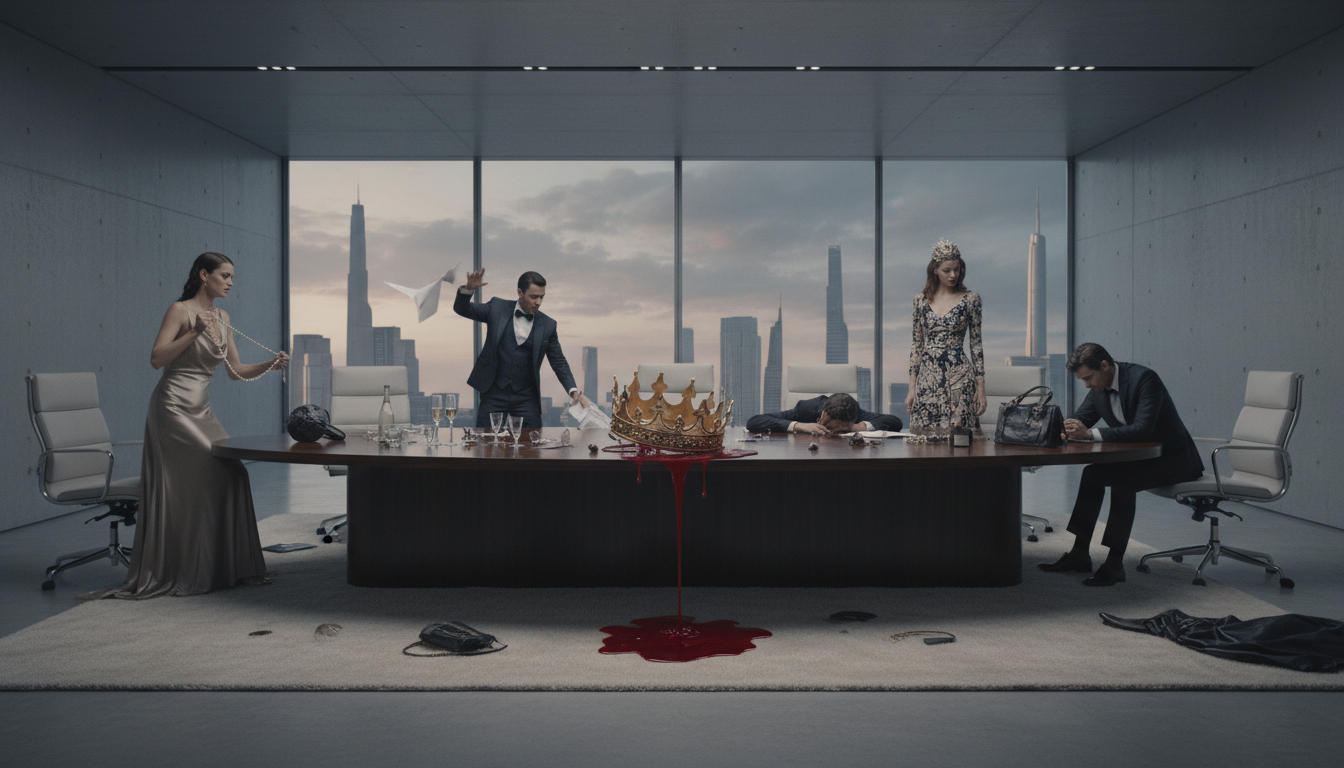
The Boardroom Bloodbath: When Luxury Dynasties Crumble
The Boardroom Bloodbath: When Luxury Dynasties Crumble – luxury fashion news | Pretty N Poison
Let’s be honest about what’s really happening behind those gilded doors. The luxury fashion news cycle has become a soap opera of epic proportions, and we’re here for every scandalous detail.
Creative Director Musical Chairs
The revolving door of creative directors has reached fever pitch. We’ve witnessed more creative departures in the past year than in the previous decade combined. These aren’t just career moves, they’re seismic shifts that reshape entire brand identities overnight.
Take the recent upheaval at major fashion houses. When a creative director leaves, they don’t just take their vision, they take their entire network, their aesthetic DNA, and often their most talented team members. The ripple effects can take years to resolve, leaving brands scrambling to maintain relevance while searching for their next creative savior.
The Economics of Creative Chaos
Here’s what the industry publications won’t tell you: these constant changes are bleeding money. Each creative director transition costs luxury houses millions in severance packages, recruitment fees, and the inevitable rebranding that follows. Add in the lost revenue from confused consumers who no longer recognize their favorite brands, and you’re looking at a financial nightmare wrapped in glossy PR statements.
The pressure on new appointees is suffocating. They’re expected to honor brand heritage while revolutionizing the aesthetic, increase sales while maintaining exclusivity, and please both longtime customers and new demographics. It’s an impossible balance, which explains why so many tenures end in spectacular fashion.
Power Plays Behind Closed Doors
The real luxury fashion news happens in private boardrooms, not on runways. We’re seeing unprecedented power struggles between creative vision and commercial demands. CEOs want quarterly growth. Creative directors want artistic freedom. Shareholders want both, immediately.
This tension is creating a new breed of luxury leader, part artist, part business strategist, part social media influencer. The days of pure creative vision are over. Today’s luxury fashion requires a different kind of genius, one that can navigate Instagram algorithms as skillfully as they handle silk chiffon.
The Authenticity Arms Race: Why Luxury Brands Are Panicking
The Authenticity Arms Race: Why Luxury Brands Are Panicking – luxury fashion news | Pretty N Poison
The luxury fashion space is experiencing an identity crisis of unprecedented proportions. Consumers are demanding authenticity, but what does that even mean when your brand’s “heritage” includes decades of manufactured exclusivity?
The Death of Logo Worship
Gen Z has officially killed logo culture, and luxury brands are scrambling to adapt. The oversized monograms and obvious branding that defined luxury for decades now scream “trying too hard” to a generation that values subtlety and substance over status symbols.
This shift is forcing brands to completely reimagine their design language. How do you maintain brand recognition without obvious logos? How do you signal luxury without screaming it? The answer lies in craftsmanship details, new materials, and storytelling that goes beyond surface-level glamour.
Smart brands are pivoting toward what we call “stealth luxury”, pieces that whisper rather than shout. Think impeccable tailoring, unexpected fabric combinations, and design elements that only true fashion insiders would recognize. It’s luxury for people who don’t need to prove they can afford luxury.
Sustainability as the New Status Symbol
Environmental consciousness has become the ultimate luxury accessory. Consumers are increasingly choosing brands based on their sustainability practices, not just their aesthetic appeal. This isn’t just about using organic cotton, it’s about complete supply chain transparency, ethical labor practices, and genuine environmental impact.
The challenge for luxury brands is maintaining their premium positioning while embracing sustainable practices that often increase costs and complexity. Some are rising to the challenge with new materials and transparent manufacturing processes. Others are engaging in greenwashing that savvy consumers can spot from miles away.
The Influence Economy Disruption
Traditional fashion gatekeepers, editors, stylists, celebrities, are losing their monopoly on taste-making. Social media influencers, particularly micro-influencers with highly engaged niche audiences, are driving luxury fashion conversations in ways that feel more authentic than traditional advertising.
This democratization of influence is both terrifying and liberating for luxury brands. They can no longer control their narrative through a handful of powerful media relationships. Instead, they must engage with hundreds of smaller voices, each with their own aesthetic and audience expectations.
Digital Transformation: When Heritage Meets Algorithm
Digital Transformation: When Heritage Meets Algorithm – luxury fashion news | Pretty N Poison
The collision between centuries-old luxury traditions and modern technology is creating some of the most fascinating luxury fashion news stories of our time.
AI and the Future of Design
Artificial intelligence is infiltrating every aspect of luxury fashion, from trend forecasting to personalized shopping experiences. Some brands are using AI to analyze consumer behavior and predict future trends with unprecedented accuracy. Others are experimenting with AI-generated designs that challenge traditional notions of human creativity.
The question isn’t whether AI will transform luxury fashion, it’s how quickly brands can adapt without losing their human touch. The most successful luxury brands are finding ways to use technology to enhance, not replace, human creativity and craftsmanship.
Virtual try-on technology, personalized styling algorithms, and predictive inventory management are becoming standard tools in the luxury fashion arsenal. Brands that resist this digital evolution risk becoming irrelevant to a generation that expects smooth online experiences.
The Metaverse Luxury Experiment
Virtual fashion is no longer a novelty, it’s a legitimate revenue stream. Luxury brands are creating digital-only collections, hosting virtual fashion shows, and selling NFT accessories that exist purely in digital spaces. The profit margins on virtual goods are astronomical, with no material costs or manufacturing limitations.
This digital expansion is forcing luxury brands to reconsider fundamental questions about value, ownership, and exclusivity. If anyone can own a digital Hermès bag, what makes it special? The answer lies in creating new forms of digital scarcity and social signaling that translate across virtual platforms.
Data Privacy and Luxury Personalization
Luxury consumers want personalized experiences, but they’re increasingly protective of their data. This creates a delicate balance for brands trying to offer bespoke services while respecting privacy concerns. The most sophisticated luxury brands are finding ways to deliver personalization without feeling invasive or manipulative.
The future of luxury retail lies in creating intimate, personalized experiences that feel exclusive and special. This requires sophisticated data analysis combined with human intuition and emotional intelligence, a combination that few brands have mastered.
The Resale Revolution: How Secondary Markets Are Rewriting Luxury Rules
The Resale Revolution: How Secondary Markets Are Rewriting Luxury Rules – luxury fashion news | Pretty N Poison
The explosive growth of luxury resale platforms is fundamentally challenging how we think about luxury ownership, value, and exclusivity.
Circular Luxury Economics
Luxury resale has evolved from a niche market to a multi-billion dollar industry that’s reshaping consumer behavior. Platforms like The RealReal, Vestiaire Collective, and Rebag have made it easier than ever to buy, sell, and trade luxury goods, creating a circular economy that extends product lifecycles and challenges traditional retail models.
This shift is forcing luxury brands to reconsider their pricing strategies and product development cycles. When consumers can easily resell items, they become more conscious of resale value when making purchases. Brands that maintain strong resale values are rewarded with increased customer loyalty and higher initial sales prices.
The resale boom is also democratizing access to luxury goods. Consumers who couldn’t afford full retail prices can now access authentic luxury pieces at more accessible price points, expanding the customer base while potentially cannibalizing new sales.
Authentication Technology and Trust
The rise of sophisticated counterfeiting has made authentication technology important to the resale market’s credibility. Advanced authentication methods, including blockchain verification and AI-powered authenticity checks, are becoming standard features on resale platforms.
This technology arms race between counterfeiters and authenticators is driving innovation across the luxury industry. Brands are incorporating new security features into their products, from embedded chips to unique serial numbers, making it easier to verify authenticity throughout the product lifecycle.
Brand Control vs. Market Freedom
Some luxury brands are embracing the resale market by launching their own certified pre-owned programs, while others are fighting to maintain control over their brand image and pricing. This tension is creating interesting legal and ethical questions about brand ownership and consumer rights.
The brands that are thriving in this new space are those that view resale as an opportunity rather than a threat. They’re using resale data to inform design decisions, partnering with platforms to ensure quality control, and creating programs that reward customers for participating in circular luxury consumption.
“The resale market isn’t just changing how we buy luxury, it’s changing how we think about ownership itself. We’re moving from a possession-based model to an access-based model, and smart brands are adapting their strategies accordingly.” – Industry Expert
Cultural Appropriation and the Accountability Era
Luxury fashion’s relationship with cultural inspiration has never been more scrutinized, and brands are learning that good intentions aren’t enough to avoid controversy.
The Fine Line Between Inspiration and Appropriation
Social media has made it impossible for luxury brands to quietly “borrow” from other cultures without facing immediate backlash. What was once considered creative inspiration is now subject to intense scrutiny from global audiences who demand respect and recognition for cultural contributions.
The most successful luxury brands are proactively addressing these concerns by collaborating with artisans from the cultures that inspire their work, ensuring fair compensation, and providing proper attribution. This approach not only avoids controversy but often results in more authentic and meaningful collections.
The challenge lies in navigating the complex space of cultural sensitivity while maintaining creative freedom. Brands must balance respect for cultural traditions with the need for innovation and commercial appeal.
Diversity and Representation in Luxury
The luxury fashion industry’s diversity problem extends far beyond runway casting. From boardroom representation to design team composition, luxury brands are facing pressure to create more inclusive environments at every level of their organizations.
This isn’t just about social responsibility, it’s about business survival. Diverse teams create more new products, understand broader consumer bases, and avoid cultural missteps that can damage brand reputation. The luxury brands that are thriving are those that have embraced diversity as a competitive advantage rather than a compliance requirement.
The Global Luxury Consumer
Luxury fashion is increasingly global, with significant growth in Asian, African, and Latin American markets. This expansion requires brands to understand and respect diverse cultural values, aesthetic preferences, and shopping behaviors.
The one-size-fits-all approach to luxury marketing is dead. Successful brands are creating region-specific strategies that honor local cultures while maintaining global brand consistency. This requires sophisticated cultural intelligence and local partnerships that go beyond surface-level market research.
The Economics of Exclusivity: Pricing Strategies in Crisis
Luxury fashion’s pricing strategies are under unprecedented pressure as brands struggle to balance exclusivity with accessibility, profitability with sustainability.
The Price Inflation Dilemma
Luxury prices have increased dramatically over the past decade, often outpacing inflation and wage growth. This strategy worked when luxury was primarily about status signaling, but today’s consumers are more value-conscious and less impressed by high prices alone.
Brands are discovering that endless price increases aren’t sustainable. Consumer resistance is growing, and the resale market provides price-conscious alternatives that undermine traditional pricing power. The smartest luxury brands are finding ways to justify their prices through superior quality, exceptional service, and unique experiences.
Pros and Cons of Current Luxury Pricing Strategies
Pros:
Higher margins support investment in quality materials and craftsmanship
Premium pricing maintains exclusivity and brand prestige
Price increases can signal desirability and create urgency among consumers
Luxury pricing allows for significant investment in marketing and brand building
Cons:
Pricing out younger consumers who represent future brand growth
Creating opportunities for competitors and resale platforms
Increasing consumer skepticism about value proposition
Potential backlash during economic downturns or social consciousness movements
Alternative Value Propositions
Forward-thinking luxury brands are exploring new ways to create value beyond traditional product offerings. This includes exclusive experiences, personalization services, and membership programs that provide ongoing value rather than one-time purchases.
The subscription model is gaining traction in luxury fashion, allowing consumers to access rotating selections of high-end pieces without the commitment of full ownership. This approach appeals to environmentally conscious consumers while providing brands with predictable revenue streams and deeper customer relationships.
Technology Meets Tradition: The Craft Renaissance
The luxury fashion industry is experiencing a fascinating paradox: as technology advances, there’s a growing appreciation for traditional craftsmanship and artisanal techniques.
The New Luxury Craftspeople
Young artisans are entering luxury fashion with fresh perspectives on traditional techniques. They’re combining centuries-old methods with contemporary aesthetics and sustainable practices, creating a new generation of luxury craftsmanship that appeals to modern consumers.
These craftspeople are often more transparent about their processes, sharing their work on social media and connecting directly with consumers. This transparency creates emotional connections that traditional luxury marketing struggles to achieve.
Luxury brands are recognizing the value of these artisanal partnerships, not just for the quality of work but for the authentic stories and cultural connections they provide. The most successful collaborations honor traditional techniques while allowing for creative innovation.
Technology-Enhanced Craftsmanship
Rather than replacing human skill, technology is enhancing traditional craftsmanship in luxury fashion. 3D printing allows for complex structural elements that would be impossible to create by hand. Laser cutting enables precise details that enhance rather than replace hand-finishing techniques.
Smart textiles and embedded technology are creating new possibilities for luxury fashion that responds to environmental conditions or user preferences. These innovations require new skills and techniques that blend traditional craftsmanship with technological expertise.
The Apprenticeship Revival
Luxury brands are investing heavily in apprenticeship programs to preserve traditional skills while training the next generation of craftspeople. These programs are becoming competitive advantages, allowing brands to maintain quality standards while developing exclusive techniques and capabilities.
The apprenticeship model also provides compelling marketing narratives about heritage, skill, and dedication that resonate with consumers seeking authenticity in an increasingly digital world.
Future Forecast: What’s Next for Luxury Fashion
The luxury fashion industry stands at a crossroads, with traditional models being challenged by new technologies, changing consumer values, and global economic uncertainties.
The Rise of Luxury Wellness
Wellness is becoming the new luxury frontier, with fashion brands expanding into lifestyle categories that promote physical and mental well-being. This includes everything from aromatherapy accessories to clothing designed for meditation and mindfulness practices.
This expansion reflects a broader shift in luxury consumption from material accumulation to experiential and wellness-focused spending. Consumers are increasingly viewing luxury purchases as investments in their overall well-being rather than just status symbols.
The integration of wellness into luxury fashion requires new expertise in areas like ergonomics, aromatherapy, and mindfulness practices. Brands that successfully navigate this expansion will create deeper emotional connections with consumers while opening new revenue streams.
Personalization at Scale
The future of luxury fashion lies in mass personalization, the ability to offer customized products and experiences to individual consumers without sacrificing efficiency or profitability. This requires sophisticated technology platforms combined with flexible manufacturing processes.
Advanced body scanning technology, AI-powered design tools, and on-demand manufacturing are making it possible to offer truly personalized luxury goods at scale. The brands that master this capability will have significant competitive advantages in customer satisfaction and loyalty.
The Subscription Luxury Model
Subscription-based luxury services are gaining traction as consumers seek access over ownership. These models allow customers to experience a variety of luxury goods without the commitment and storage requirements of traditional ownership.
The subscription model also provides brands with valuable data about customer preferences and usage patterns, enabling more targeted product development and marketing strategies. This data advantage could become a significant competitive moat for early adopters.
As we navigate this rapidly evolving space, one thing is certain: the luxury fashion brands that survive and thrive will be those that can balance respect for tradition with embrace of innovation, exclusivity with accessibility, and profit with purpose.
The luxury fashion news cycle will continue to surprise us with unexpected partnerships, shocking departures, and revolutionary innovations. But beneath the headlines, the real story is about an industry learning to serve a new generation of consumers who demand more than just beautiful clothes, they want brands that reflect their values, respect their intelligence, and contribute to a better world.
Ready to discover your own duality? Discover your duality at prettynpoison.com