Key Takeaways
- Luxury fashion’s power dynamics are shifting as traditional houses face internal upheaval and external pressure
- Consumer behavior is evolving beyond logo worship toward authentic brand storytelling and sustainable practices
- Digital transformation and AI integration are forcing heritage brands to choose between tradition and innovation
- The resale market boom is challenging luxury’s exclusivity model and pricing strategies
- Gen Z’s values-driven purchasing is forcing luxury brands to take real stands on social and environmental issues
The Boardroom Bloodbath: When Luxury Dynasties Crumble

Let’s be honest about what’s really happening behind those gilded doors. The luxury fashion news cycle has become a soap opera of epic proportions, and we’re here for every scandalous detail.
Creative Director Musical Chairs
The revolving door of creative directors has reached fever pitch. We’ve witnessed more creative departures in the past year than in the previous decade combined. These aren’t just career moves, they’re seismic shifts that reshape entire brand identities overnight.
Take the recent upheaval at major fashion houses. When a creative director leaves, they don’t just take their vision, they take their entire network, their aesthetic DNA, and often their most talented team members. The ripple effects can take years to resolve, leaving brands scrambling to maintain relevance while searching for their next creative savior.
The Economics of Creative Chaos
Here’s what the industry publications won’t tell you: these constant changes are bleeding money. Each creative director transition costs luxury houses millions in severance packages, recruitment fees, and the inevitable rebranding that follows. Add in the lost revenue from confused consumers who no longer recognize their favorite brands, and you’re looking at a financial nightmare wrapped in glossy PR statements.
The pressure on new appointees is suffocating. They’re expected to honor brand heritage while revolutionizing the aesthetic, increase sales while maintaining exclusivity, and please both longtime customers and new demographics. It’s an impossible balance, which explains why so many tenures end in spectacular fashion.
Power Plays Behind Closed Doors
The real luxury fashion news happens in private boardrooms, not on runways. We’re seeing unprecedented power struggles between creative vision and commercial demands. CEOs want quarterly growth. Creative directors want artistic freedom. Shareholders want both, immediately.
This tension is creating a new breed of luxury leader, part artist, part business strategist, part social media influencer. The days of pure creative vision are over. Today’s luxury fashion requires a different kind of genius, one that can navigate Instagram algorithms as skillfully as they handle silk chiffon.
The Authenticity Arms Race: Why Luxury Brands Are Panicking
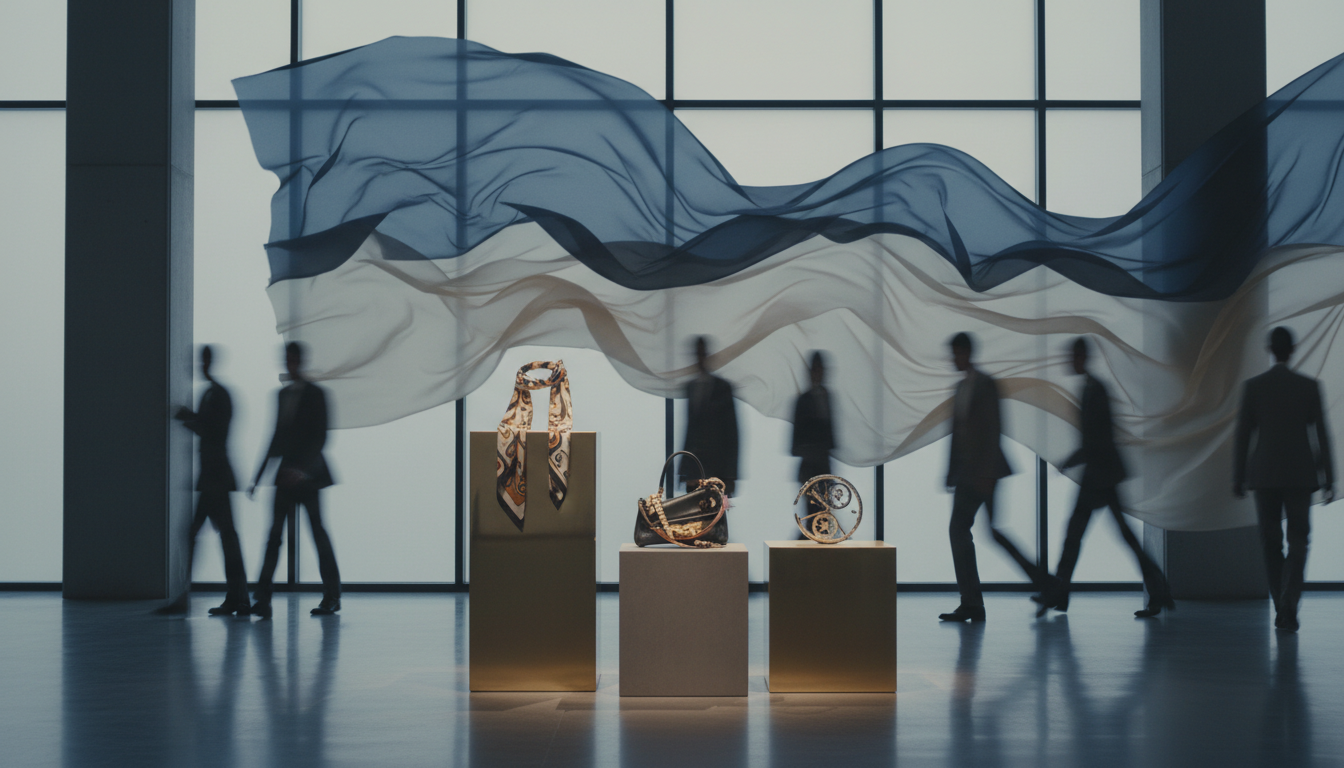
The luxury fashion space is experiencing an identity crisis of unprecedented proportions. Consumers are demanding authenticity, but what does that even mean when your brand’s “heritage” includes decades of manufactured exclusivity?
The Death of Logo Worship
Gen Z has officially killed logo culture, and luxury brands are scrambling to adapt. The oversized monograms and obvious branding that defined luxury for decades now scream “trying too hard” to a generation that values subtlety and substance over status symbols.
This shift is forcing brands to completely reimagine their design language. How do you maintain brand recognition without obvious logos? How do you signal luxury without screaming it? The answer lies in craftsmanship details, new materials, and storytelling that goes beyond surface-level glamour.
Smart brands are pivoting toward what we call “stealth luxury”, pieces that whisper rather than shout. Think impeccable tailoring, unexpected fabric combinations, and design elements that only true fashion insiders would recognize. It’s luxury for people who don’t need to prove they can afford luxury.
Sustainability as the New Status Symbol
Environmental consciousness has become the ultimate luxury accessory. Consumers are increasingly choosing brands based on their sustainability practices, not just their aesthetic appeal. This isn’t just about using organic cotton, it’s about complete supply chain transparency, ethical labor practices, and genuine environmental impact.
The challenge for luxury brands is maintaining their premium positioning while embracing sustainable practices that often increase costs and complexity. Some are rising to the challenge with new materials and transparent manufacturing processes. Others are engaging in greenwashing that savvy consumers can spot from miles away.
The Influence Economy Disruption
Traditional fashion gatekeepers, editors, stylists, celebrities, are losing their monopoly on taste-making. Social media influencers, particularly micro-influencers with highly engaged niche audiences, are driving luxury fashion conversations in ways that feel more authentic than traditional advertising.
This democratization of influence is both terrifying and liberating for luxury brands. They can no longer control their narrative through a handful of powerful media relationships. Instead, they must engage with hundreds of smaller voices, each with their own aesthetic and audience expectations.
Digital Transformation: When Heritage Meets Algorithm

The collision between centuries-old luxury traditions and modern technology is creating some of the most fascinating luxury fashion news stories of our time.
AI and the Future of Design
Artificial intelligence is infiltrating every aspect of luxury fashion, from trend forecasting to personalized shopping experiences. Some brands are using AI to analyze consumer behavior and predict future trends with unprecedented accuracy. Others are experimenting with AI-generated designs that challenge traditional notions of human creativity.
The question isn’t whether AI will transform luxury fashion, it’s how quickly brands can adapt without losing their human touch. The most successful luxury brands are finding ways to use technology to enhance, not replace, human creativity and craftsmanship.
Virtual try-on technology, personalized styling algorithms, and predictive inventory management are becoming standard tools in the luxury fashion arsenal. Brands that resist this digital evolution risk becoming irrelevant to a generation that expects smooth online experiences.
The Metaverse Luxury Experiment
Virtual fashion is no longer a novelty, it’s a legitimate revenue stream. Luxury brands are creating digital-only collections, hosting virtual fashion shows, and selling NFT accessories that exist purely in digital spaces. The profit margins on virtual goods are astronomical, with no material costs or manufacturing limitations.
This digital expansion is forcing luxury brands to reconsider fundamental questions about value, ownership, and exclusivity. If anyone can own a digital Hermès bag, what makes it special? The answer lies in creating new forms of digital scarcity and social signaling that translate across virtual platforms.
Data Privacy and Luxury Personalization
Luxury consumers want personalized experiences, but they’re increasingly protective of their data. This creates a delicate balance for brands trying to offer bespoke services while respecting privacy concerns. The most sophisticated luxury brands are finding ways to deliver personalization without feeling invasive or manipulative.
The future of luxury retail lies in creating intimate, personalized experiences that feel exclusive and special. This requires sophisticated data analysis combined with human intuition and emotional intelligence, a combination that few brands have mastered.
The Resale Revolution: How Secondary Markets Are Rewriting Luxury Rules
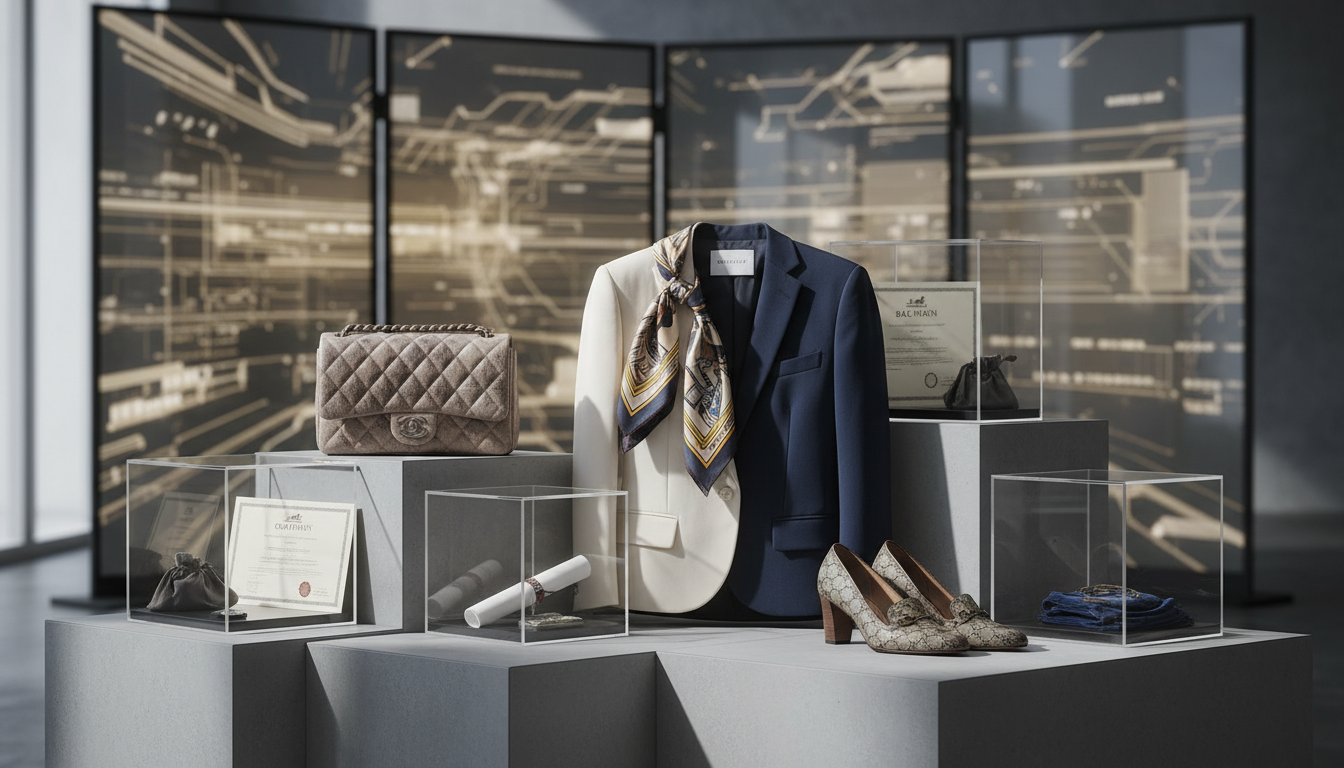
The explosive growth of luxury resale platforms is fundamentally challenging how we think about luxury ownership, value, and exclusivity.
Circular Luxury Economics
Luxury resale has evolved from a niche market to a multi-billion dollar industry that’s reshaping consumer behavior. Platforms like The RealReal, Vestiaire Collective, and Rebag have made it easier than ever to buy, sell, and trade luxury goods, creating a circular economy that extends product lifecycles and challenges traditional retail models.
This shift is forcing luxury brands to reconsider their pricing strategies and product development cycles. When consumers can easily resell items, they become more conscious of resale value when making purchases. Brands that maintain strong resale values are rewarded with increased customer loyalty and higher initial sales prices.
The resale boom is also democratizing access to luxury goods. Consumers who couldn’t afford full retail prices can now access authentic luxury pieces at more accessible price points, expanding the customer base while potentially cannibalizing new sales.
Authentication Technology and Trust
The rise of sophisticated counterfeiting has made authentication technology important to the resale market’s credibility. Advanced authentication methods, including blockchain verification and AI-powered authenticity checks, are becoming standard features on resale platforms.
This technology arms race between counterfeiters and authenticators is driving innovation across the luxury industry. Brands are incorporating new security features into their products, from embedded chips to unique serial numbers, making it easier to verify authenticity throughout the product lifecycle.
Brand Control vs. Market Freedom
Some luxury brands are embracing the resale market by launching their own certified pre-owned programs, while others are fighting to maintain control over their brand image and pricing. This tension is creating interesting legal and ethical questions about brand ownership and consumer rights.
The brands that are thriving in this new space are those that view resale as an opportunity rather than a threat. They’re using resale data to inform design decisions, partnering with platforms to ensure quality control, and creating programs that reward customers for participating in circular luxury consumption.
“The resale market isn’t just changing how we buy luxury, it’s changing how we think about ownership itself. We’re moving from a possession-based model to an access-based model, and smart brands are adapting their strategies accordingly.” – Industry Expert
Cultural Appropriation and the Accountability Era
Luxury fashion’s relationship with cultural inspiration has never been more scrutinized, and brands are learning that good intentions aren’t enough to avoid controversy.
The Fine Line Between Inspiration and Appropriation
Social media has made it impossible for luxury brands to quietly “borrow” from other cultures without facing immediate backlash. What was once considered creative inspiration is now subject to intense scrutiny from global audiences who demand respect and recognition for cultural contributions.
The most successful luxury brands are proactively addressing these concerns by collaborating with artisans from the cultures that inspire their work, ensuring fair compensation, and providing proper attribution. This approach not only avoids controversy but often results in more authentic and meaningful collections.
The challenge lies in navigating the complex space of cultural sensitivity while maintaining creative freedom. Brands must balance respect for cultural traditions with the need for innovation and commercial appeal.
Diversity and Representation in Luxury
The luxury fashion industry’s diversity problem extends far beyond runway casting. From boardroom representation to design team composition, luxury brands are facing pressure to create more inclusive environments at every level of their organizations.
This isn’t just about social responsibility, it’s about business survival. Diverse teams create more new products, understand broader consumer bases, and avoid cultural missteps that can damage brand reputation. The luxury brands that are thriving are those that have embraced diversity as a competitive advantage rather than a compliance requirement.
The Global Luxury Consumer
Luxury fashion is increasingly global, with significant growth in Asian, African, and Latin American markets. This expansion requires brands to understand and respect diverse cultural values, aesthetic preferences, and shopping behaviors.
The one-size-fits-all approach to luxury marketing is dead. Successful brands are creating region-specific strategies that honor local cultures while maintaining global brand consistency. This requires sophisticated cultural intelligence and local partnerships that go beyond surface-level market research.
The Economics of Exclusivity: Pricing Strategies in Crisis
Luxury fashion’s pricing strategies are under unprecedented pressure as brands struggle to balance exclusivity with accessibility, profitability with sustainability.
The Price Inflation Dilemma
Luxury prices have increased dramatically over the past decade, often outpacing inflation and wage growth. This strategy worked when luxury was primarily about status signaling, but today’s consumers are more value-conscious and less impressed by high prices alone.
Brands are discovering that endless price increases aren’t sustainable. Consumer resistance is growing, and the resale market provides price-conscious alternatives that undermine traditional pricing power. The smartest luxury brands are finding ways to justify their prices through superior quality, exceptional service, and unique experiences.
Pros and Cons of Current Luxury Pricing Strategies
Pros:
- Higher margins support investment in quality materials and craftsmanship
- Premium pricing maintains exclusivity and brand prestige
- Price increases can signal desirability and create urgency among consumers
- Luxury pricing allows for significant investment in marketing and brand building
Cons:
- Pricing out younger consumers who represent future brand growth
- Creating opportunities for competitors and resale platforms
- Increasing consumer skepticism about value proposition
- Potential backlash during economic downturns or social consciousness movements
Alternative Value Propositions
Forward-thinking luxury brands are exploring new ways to create value beyond traditional product offerings. This includes exclusive experiences, personalization services, and membership programs that provide ongoing value rather than one-time purchases.
The subscription model is gaining traction in luxury fashion, allowing consumers to access rotating selections of high-end pieces without the commitment of full ownership. This approach appeals to environmentally conscious consumers while providing brands with predictable revenue streams and deeper customer relationships.
Technology Meets Tradition: The Craft Renaissance
The luxury fashion industry is experiencing a fascinating paradox: as technology advances, there’s a growing appreciation for traditional craftsmanship and artisanal techniques.
The New Luxury Craftspeople
Young artisans are entering luxury fashion with fresh perspectives on traditional techniques. They’re combining centuries-old methods with contemporary aesthetics and sustainable practices, creating a new generation of luxury craftsmanship that appeals to modern consumers.
These craftspeople are often more transparent about their processes, sharing their work on social media and connecting directly with consumers. This transparency creates emotional connections that traditional luxury marketing struggles to achieve.
Luxury brands are recognizing the value of these artisanal partnerships, not just for the quality of work but for the authentic stories and cultural connections they provide. The most successful collaborations honor traditional techniques while allowing for creative innovation.
Technology-Enhanced Craftsmanship
Rather than replacing human skill, technology is enhancing traditional craftsmanship in luxury fashion. 3D printing allows for complex structural elements that would be impossible to create by hand. Laser cutting enables precise details that enhance rather than replace hand-finishing techniques.
Smart textiles and embedded technology are creating new possibilities for luxury fashion that responds to environmental conditions or user preferences. These innovations require new skills and techniques that blend traditional craftsmanship with technological expertise.
The Apprenticeship Revival
Luxury brands are investing heavily in apprenticeship programs to preserve traditional skills while training the next generation of craftspeople. These programs are becoming competitive advantages, allowing brands to maintain quality standards while developing exclusive techniques and capabilities.
The apprenticeship model also provides compelling marketing narratives about heritage, skill, and dedication that resonate with consumers seeking authenticity in an increasingly digital world.
Future Forecast: What’s Next for Luxury Fashion
The luxury fashion industry stands at a crossroads, with traditional models being challenged by new technologies, changing consumer values, and global economic uncertainties.
The Rise of Luxury Wellness
Wellness is becoming the new luxury frontier, with fashion brands expanding into lifestyle categories that promote physical and mental well-being. This includes everything from aromatherapy accessories to clothing designed for meditation and mindfulness practices.
This expansion reflects a broader shift in luxury consumption from material accumulation to experiential and wellness-focused spending. Consumers are increasingly viewing luxury purchases as investments in their overall well-being rather than just status symbols.
The integration of wellness into luxury fashion requires new expertise in areas like ergonomics, aromatherapy, and mindfulness practices. Brands that successfully navigate this expansion will create deeper emotional connections with consumers while opening new revenue streams.
Personalization at Scale
The future of luxury fashion lies in mass personalization, the ability to offer customized products and experiences to individual consumers without sacrificing efficiency or profitability. This requires sophisticated technology platforms combined with flexible manufacturing processes.
Advanced body scanning technology, AI-powered design tools, and on-demand manufacturing are making it possible to offer truly personalized luxury goods at scale. The brands that master this capability will have significant competitive advantages in customer satisfaction and loyalty.
The Subscription Luxury Model
Subscription-based luxury services are gaining traction as consumers seek access over ownership. These models allow customers to experience a variety of luxury goods without the commitment and storage requirements of traditional ownership.
The subscription model also provides brands with valuable data about customer preferences and usage patterns, enabling more targeted product development and marketing strategies. This data advantage could become a significant competitive moat for early adopters.
As we navigate this rapidly evolving space, one thing is certain: the luxury fashion brands that survive and thrive will be those that can balance respect for tradition with embrace of innovation, exclusivity with accessibility, and profit with purpose.
The luxury fashion news cycle will continue to surprise us with unexpected partnerships, shocking departures, and revolutionary innovations. But beneath the headlines, the real story is about an industry learning to serve a new generation of consumers who demand more than just beautiful clothes, they want brands that reflect their values, respect their intelligence, and contribute to a better world.
Ready to discover your own duality? Discover your duality at prettynpoison.com