Organic fashion brands are clothing labels that design garments from fibers grown without synthetic pesticides, herbicides, or GMOs. As of 2026, the market spans everything from $39 basics to handcrafted premium pieces, with certifications like GOTS and OEKO-TEX separating the real from the performative.
Key Takeaways
- fashion brands use materials like organic cotton, hemp, and plant dyes to reduce environmental harm.
- Certifications such as GOTS or OEKO-TEX signal rigorous standards, but third-party verification is the only proof that matters.
- Top brands include MATE the Label, Fair Indigo, Harvest and Mill, Danu Organic, and Patagonia.
- Price points range from $30 to $150, with longevity making organic clothing a smart long-term investment.
- Conventional cotton accounts for 16% of insecticides used worldwide, making the switch to organic far more than a trend.
- Always check care labels: cold washing and air drying preserve fabric integrity and keep pieces out of landfills.
What Are Organic Fashion Brands?
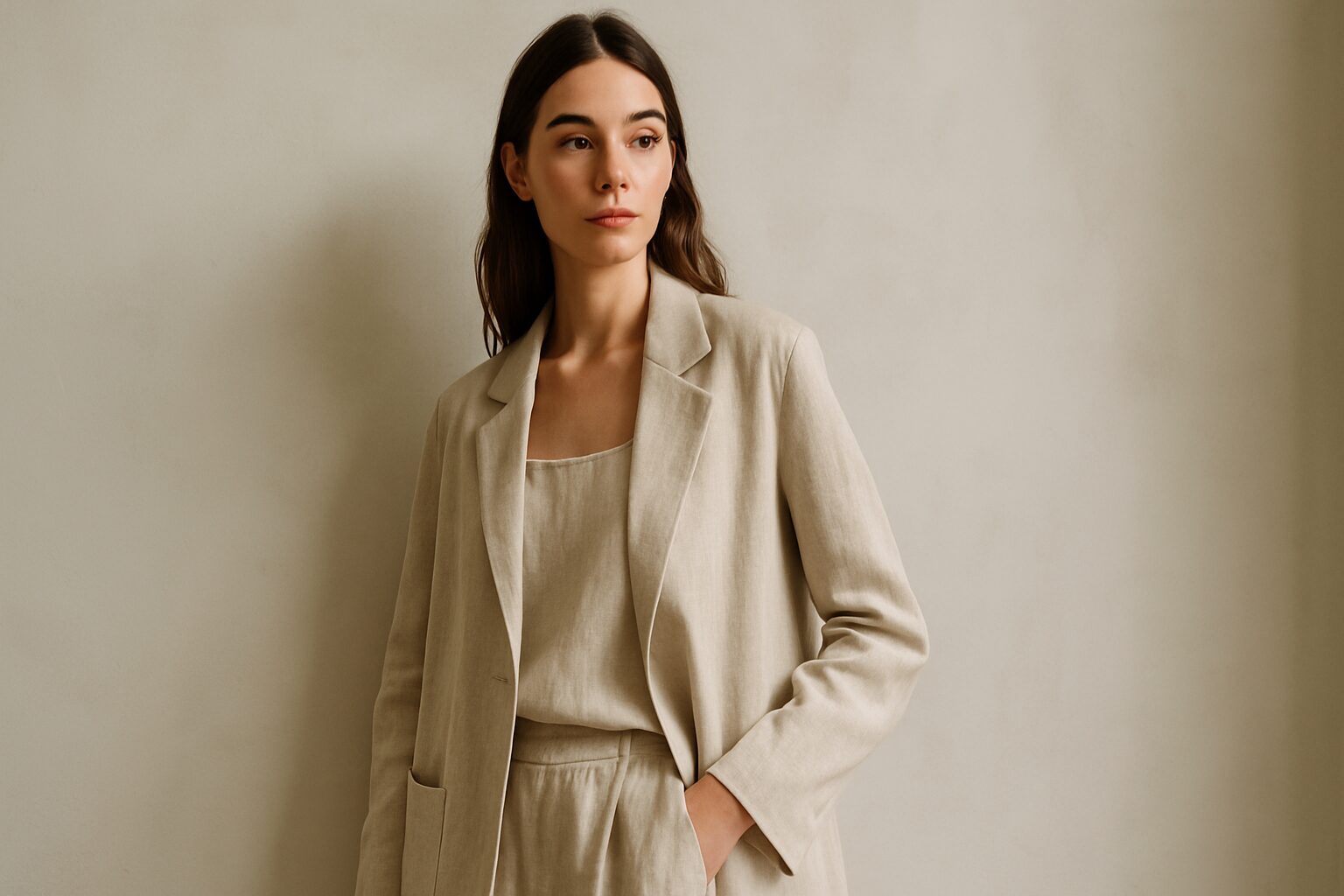
this type of brands are labels that design and sell garments made from fibers cultivated without synthetic pesticides, herbicides, or genetically modified organisms. These brands often extend their commitment beyond the field: eco-friendly processing, non-toxic dyes, and ethical labor are part of the package. The global market for organic apparel keeps growing, driven by a generation that understands the real cost of cheap clothes.
According to Nori.co, conventional cotton production accounts for 16% of insecticides used worldwide. That single number makes a compelling case for switching. Leading this kind of brands like MATE the Label and Harvest and Mill answer that call with 100% organic cotton and fully traceable supply chains.
Why Choose Organic Fashion Brands?
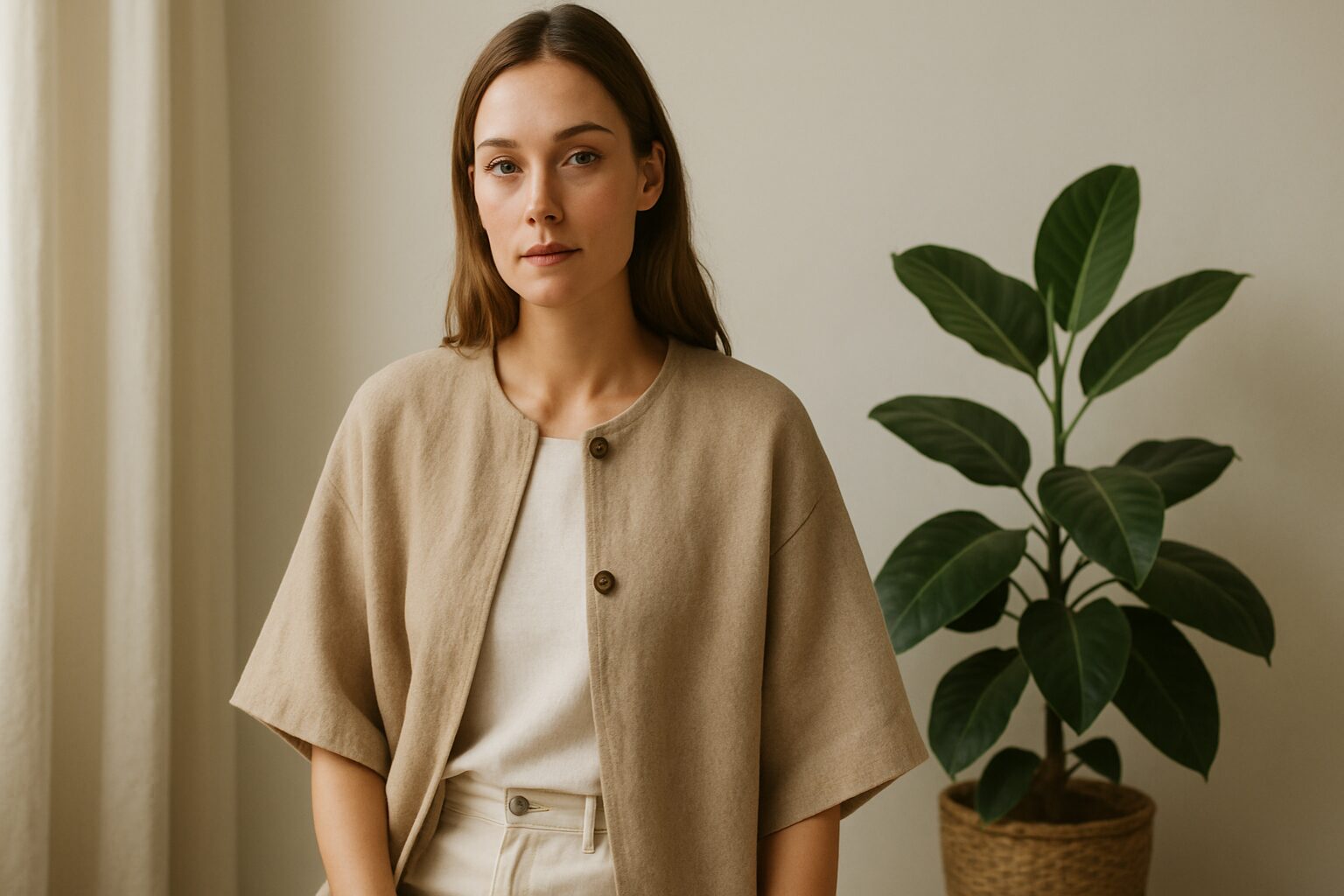
Choosing organic fashion means choosing clothes that work for your body and the planet at the same time. Conventional textile production is chemical-heavy by design. Polyester sheds microplastics with every wash cycle. According to research cited by Nori.co, roughly 70% of clothing contains synthetic fibers derived from fossil fuels. Organic cotton, by contrast, is hypoallergenic and safer for sensitive skin.
The environmental math is stark. That 16% insecticide figure translates to toxic runoff, damaged ecosystems, and farmworker health risks. Supporting fashion brands helps cut that chain. Fair Indigo pairs organic sourcing with fair trade labor, proving that ethical production and wearable style are not mutually exclusive. MATE the Label has built a community of over 500,000 conscious shoppers, according to their website, which signals real cultural momentum behind this shift.
Pros and Cons of Organic Fashion Brands
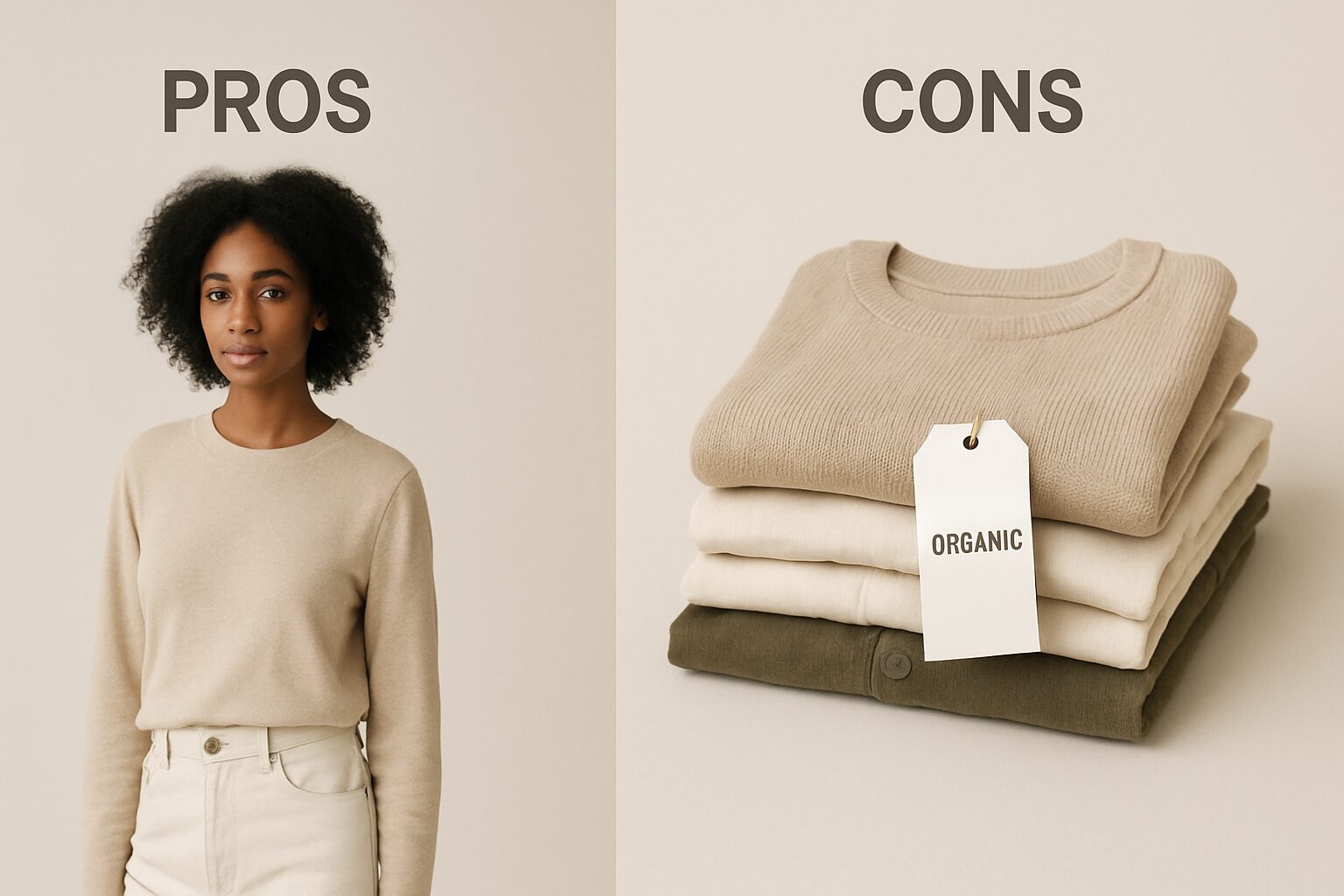
Pros
- Safer for skin: Organic cotton is hypoallergenic and free from the toxic residues left by conventional pesticide use.
- Better for the planet: Organic farming avoids synthetic chemicals, protecting water sources, soil health, and biodiversity.
- Ethical labor standards: Many this type of brands pair their material commitments with Fair Trade or living-wage certifications.
- Longer garment life: Quality organic fabrics hold their shape and softness through repeated washes, lowering cost per wear over time.
- Circular programs: Brands like MATE the Label offer take-back initiatives, keeping textiles in use and out of landfills.
Cons
- Higher upfront cost: Organic tees typically start around $40 to $50, which is a real gap compared to fast fashion pricing.
- Limited going-out options: Most this kind of brands skew toward basics and loungewear, with fewer bold or nightlife-ready silhouettes.
- Greenwashing risk: Without verified certifications, “natural” and “eco-friendly” claims are marketing language, not guarantees.
- Neutral palette dominance: Earth tones and muted colors are the default, which can feel limiting for shoppers who want more visual impact.
What to Look for When Buying Organic Fashion Brands
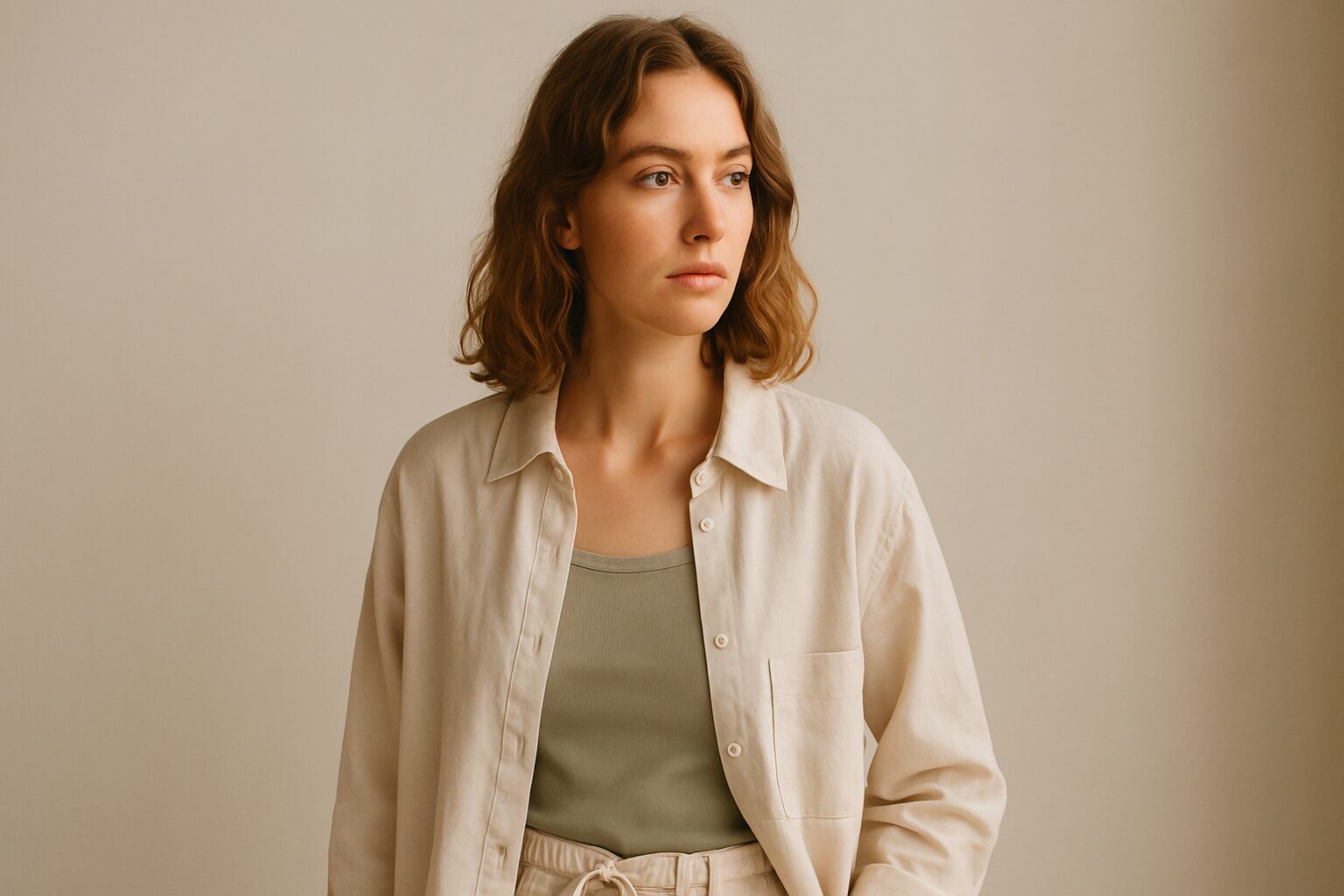
Not all organic fashion are created equal. To make a purchase you can actually stand behind, evaluate these criteria before you click buy.
Step-by-Step Guide to Choosing Organic Clothing
- Verify Material Content: Look for clear labeling of organic cotton, hemp, or linen. Avoid vague terms like “natural” without certification to back them up.
- Check for Third-Party Certifications: Seek logos from GOTS, OEKO-TEX, or Fair Trade. These confirm rigorous standards for organic integrity and social responsibility.
- Research the Brand’s Supply Chain: Visit their website for transparency reports. Harvest and Mill, for example, maps their entire process from USA farms to San Francisco sewing communities.
- Read Customer Reviews on Durability: Organic clothing should retain shape and softness after multiple washes. Fair Indigo customers report tees lasting years with minimal fading.
- Compare Price per Wear: A $48 tee that lasts three years is a smarter buy than a $20 fast-fashion alternative that pills after three months. Do the math before you dismiss the price tag.
Certifications and What They Mean
When browsing fashion brands, certifications are your first filter. GOTS (Global Organic Textile Standard) mandates organic fiber content and restricts hazardous chemicals throughout the production chain. OEKO-TEX Standard 100 ensures finished textiles are free from harmful substances. Fair Trade certification verifies ethical labor practices and fair wages. Many top brands display these logos prominently. If they don’t, contact customer service directly and treat vague answers as a red flag.
Fabric Types Worth Knowing
Fair Indigo offers four distinct fabric constructions: Eterna (95% organic Pima cotton, 5% spandex for stretch), Pura, Ultra Pura, and Luxe. Each is engineered for a different weight and drape, so knowing which you prefer before ordering saves you a return. Harvest and Mill works exclusively with 100% USA-grown organic cotton, then finishes select pieces with natural indigo and plant-based dyes for a look that carries genuine artisanal character. These fabric details matter more than most shoppers realize.
Price Ranges Explained
Organic fashion brands generally fall into three pricing tiers:
- Budget-Friendly ($30 to $60): Basic tees and intimates from brands like Fair Indigo (starting at $39.90) or MATE the Label crop tanks ($44).
- Mid-Range ($60 to $120): Dresses, joggers, and activewear. Harvest and Mill’s joggers sell for $76, and MATE’s leggings cost $98.
- Premium ($120+): Indigo-dyed or handcrafted items. Harvest and Mill’s indigo tees reach $95 to $125, and Danu Organic’s made-to-order pieces command higher prices.
Top Organic Fashion Brands to Know in 2026
Here is a curated list of organic fashion brands that deliver on quality, ethics, and style. Use this comparison table to find the one that fits your values and your wardrobe.
| Brand | Materials Used | Price Range (USD) | Standout Features | Sustainability Credentials |
|---|---|---|---|---|
| MATE the Label | Organic cotton, stretch blends, non-toxic dyes | $44 to $98 | 15,000+ 5-star reviews; Detox Your Closet™ take-back program; free shipping over $200 | Toxin-free, no BPA or PFAS; 500K community |
| Fair Indigo | Organic Pima cotton (Eterna, Pura, Ultra Pura, Luxe fabrics) | $39.90 to $45.90 (tees) | Free shipping every day; buy 2+ tees save 10%; pre-washed for minimal shrinkage | Fair Trade, ethically made |
| Harvest and Mill | 100% USA-grown organic cotton, natural indigo and plant dyes | $48 to $124 | Carbon neutral; full US supply chain transparency; natural dye collections | Carbon Neutral, US-made from seed to stitch |
| Danu Organic | Colorgrown and plant-dyed organic cotton from US farms | Mid-range to premium | Handmade-to-order in San Francisco; women’s, men’s, and kids’ lines | Partners with organic farmers; plant-dyed |
| Patagonia | Organic cotton, recycled polyester, hemp | $45 to $150 (basics) | Long-standing environmental activism; fair labor practices; lifetime repair program | 1% for the Planet, Fair Trade Certified |
Prices reflect 2026 estimates and may vary by style. Always check the brand’s website for current inventory and sales.
Beyond these five, other noteworthy organic fashion brands include plant-dyed collections at Wild Harvest Studio and Hemp Temple, as highlighted by Green Dreamer. These small-batch makers represent the artisanal end of the organic spectrum, where every garment carries a story from field to finished piece.
Plant-Dyed Clothing: The Niche Worth Knowing
Plant-dyed clothing is the most artisanal corner of the organic fashion world, where color comes from roots, bark, flowers, and leaves rather than synthetic chemistry. Brands like Danu Organic and Harvest and Mill use natural indigo, madder root, and other botanical sources to achieve tones that shift subtly with each wash, developing character over time rather than fading into nothing. According to Green Dreamer, the plant-dyed niche has expanded significantly in recent years, with small-batch makers across the US and Europe building loyal followings around the craft.
The appeal goes beyond aesthetics. Synthetic dyes are among the most polluting elements of conventional textile production, responsible for significant water contamination in manufacturing regions. Plant dyes eliminate that chemical load entirely. Harvest and Mill’s indigo-dyed tees, priced from $95, are a direct example of how this approach translates into a finished product you can actually wear. The color is richer, the story is real, and the environmental footprint is a fraction of the conventional alternative.
“The future of fashion is not just about what clothes are made of, but how every step of production affects the people and ecosystems involved. Organic certification is the floor, not the ceiling.” – Fashion sustainability editor, Vogue
How to Style Organic Fashion Pieces
Organic fashion brands now offer everything from activewear to loungewear, making it possible to build a full wardrobe without compromising on ethics or edge. Here are outfit ideas using pieces from top brands.
Casual Day Out
Pair Fair Indigo’s Organic Cotton Scoop Neck Tee ($39.90) with high-waisted denim and white sneakers. The midweight Eterna fabric drapes cleanly and resists wrinkling, which means you look put-together without trying too hard.
Activewear Sets
MATE the Label’s Organic Stretch Sports Bra ($58) and matching Biker Shorts ($68) come in earthy tones that work as hard as you do. Layer with an oversized organic cotton button-down for a post-workout coffee run that still looks intentional.
Weekend Lounging
Harvest and Mill’s Athletic Shorts ($58) paired with a roomy organic cotton tee deliver the ultimate relaxed vibe. Their natural dye collections add artisanal character that elevates even the most casual outfit.
Elevated Basics
Danu Organic’s colorgrown tank dresses move from day to night with a simple accessory swap. Add a chunky necklace and slide sandals and you have a dinner-ready look that required zero effort and zero compromise.
Pieces from organic fashion brands tend toward neutral palettes, which makes them natural mixers with existing wardrobe items. Investing in quality staples reduces overall consumption while keeping your look consistently polished.
“Consumers are increasingly demanding proof, not promises. Brands that publish full supply chain transparency reports are the ones building lasting trust with the next generation of shoppers.” – WWD, reporting on sustainable fashion adoption trends in 2025
Caring for Your Organic Clothing
Proper care extends the life of your organic garments and keeps them out of landfills. Follow these practices and your pieces will last years, not seasons.
- Wash in cold water using a mild, eco-friendly detergent to preserve fibers and colors.
- Air dry whenever possible. Organic cotton can shrink in high heat. If you use a dryer, choose the lowest heat setting.
- Steam instead of iron to remove wrinkles without direct heat damage. The Nori Press is a popular tool for quick, gentle steaming that works well on organic fabrics.
- Store folded in a cool, dry place. Wire hangers stretch shoulders over time and are worth replacing.
- Address stains immediately with baking soda or white vinegar before they set into the fiber.
Many organic fashion brands also encourage circular behavior. MATE the Label’s Detox Your Closet™ program gives a $20 credit for sending in old garments, keeping textiles in use and out of the waste stream.
Frequently Asked Questions
Are organic fashion brands more expensive?
Yes, on average, organic brands price tees between $40 and $50, which is higher than fast fashion. The durability and ethical sourcing behind each piece make them a better long-term value, especially when you calculate cost per wear over two to three years of use.
How do I know if a brand is truly organic?
Look for third-party certifications like GOTS or OEKO-TEX listed directly on product pages. Brands with transparent supply chains, such as Harvest and Mill, often publish detailed reports mapping every step from farm to finished garment.
Do organic clothes shrink more than regular clothes?
Organic cotton can shrink slightly on first wash, but most brands pre-wash fabrics to minimize this. Fair Indigo pre-washes all their garments, and customers consistently report minimal shrinkage across their Eterna and Pura fabric lines.
Can I return organic clothing if it doesn’t fit?
Return policies vary by brand. MATE the Label accepts returns within 30 days, while Harvest and Mill accepts returns within 45 days. Always check the individual brand’s policy before purchasing, especially for made-to-order pieces like those from Danu Organic.
What’s the best organic brand for activewear?
MATE the Label leads the organic activewear category with pieces like the Organic Stretch Sports Bra ($58) and matching Biker Shorts ($68), all machine-washable and moisture-wicking. Their 15,000+ five-star reviews reflect consistent performance across their active range.
Is organic cotton truly better for the environment?
Yes. Organic cotton farming avoids synthetic pesticides, which protects water sources and farmworker health. It also typically uses less water than conventional methods, though specific savings vary by region and farming practice.
The shift toward organic fashion brands reflects a real demand for transparency, health, and accountability in clothing. With options ranging from MATE the Label’s activewear to Fair Indigo’s everyday tees, building a conscious wardrobe is more accessible than ever. Prioritize certified materials, ethical labor, and timeless design, and you end up with style that feels as good as it looks. Explore the table above, test a few pieces, and start detoxing your closet one organic garment at a time.
Discover your duality at prettynpoison.com