Key Takeaways
- Black tie dress etiquette for women calls for floor-length evening gowns, tailored jumpsuits, or formal pantsuits in luxurious fabrics like silk, satin, or velvet.
- Fit is everything. An impeccably tailored piece at any price point will outshine a poorly fitted designer gown every single time.
- Skip the minidresses, casual sandals, and over-the-top accessories. Refined jewelry, a clutch, and a polished silhouette are your weapons.
- Sustainable and secondhand options are fully accepted in 2026, with rental platforms offering designer pieces starting around $50.
- Invest in quality staples you can re-style across multiple events. Cost-per-wear is the real luxury metric.
- Seasonal fabric choices and body-specific tailoring tips can make or break your look, especially for summer galas or winter award ceremonies.
Black tie dress etiquette for women is the formal standard requiring floor-length gowns, tailored jumpsuits, or elegant pantsuits in luxurious fabrics, worn to evening events after 6 p.m. Master the rules, then make them yours.
What Does Black Tie Dress Etiquette for Women Actually Mean?
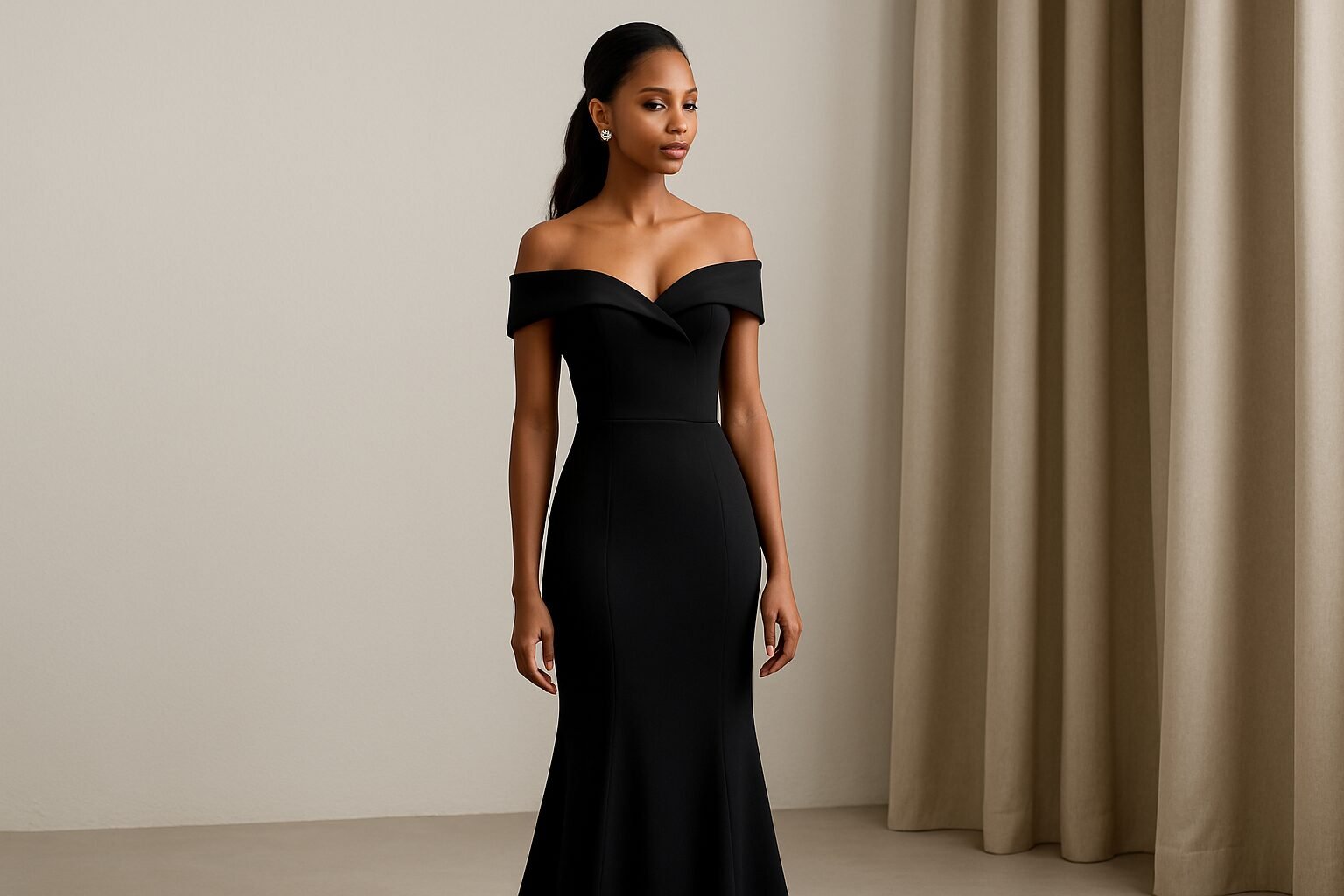
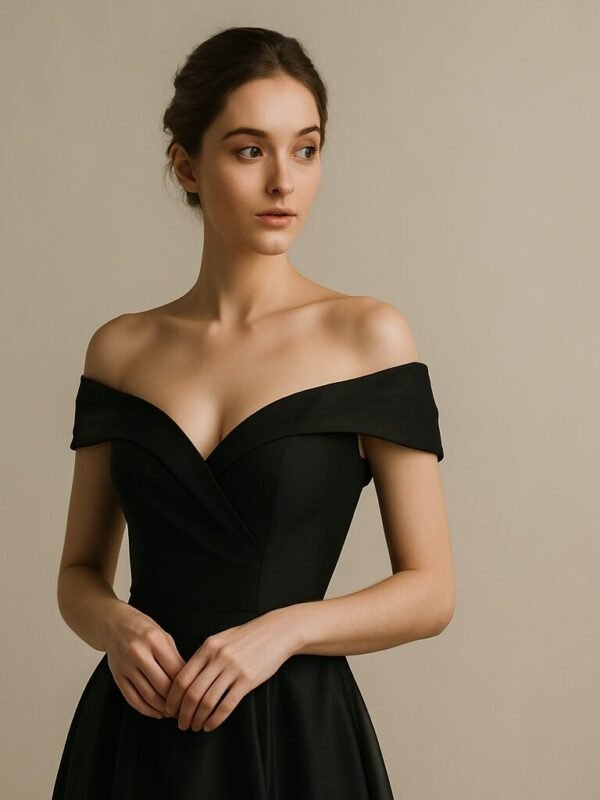
for women means dressing to a level of sophistication that commands a room, not just complements a tuxedo. This is a formal evening dress code traditionally reserved for events starting after 6 p.m., including galas, weddings, and award ceremonies. According to Debrett’s, the British etiquette authority, women should wear a full-length evening dress or ball gown. Modern interpretations have expanded that definition, as celebrity stylist Sarah Nearis noted on Who What Wear, to include formal jumpsuits and pantsuits that hit the floor with equal authority.
The foundation is timeless elegance. Think floor-sweeping lengths, fabrics that move like a second skin, and a color palette that owns the dark. Black remains the safest choice, but deep jewel tones like emerald, sapphire, and burgundy carry the same weight. Navy is always appropriate. What you avoid is just as defining: cotton, linen, denim, anything overly revealing, and anything that reads as casual. The dress code’s power is in its restraint.
“Women should wear a full-length evening dress or ball gown.” – Debrett’s, the definitive British etiquette authority
What to Look for When Buying Black Tie Attire
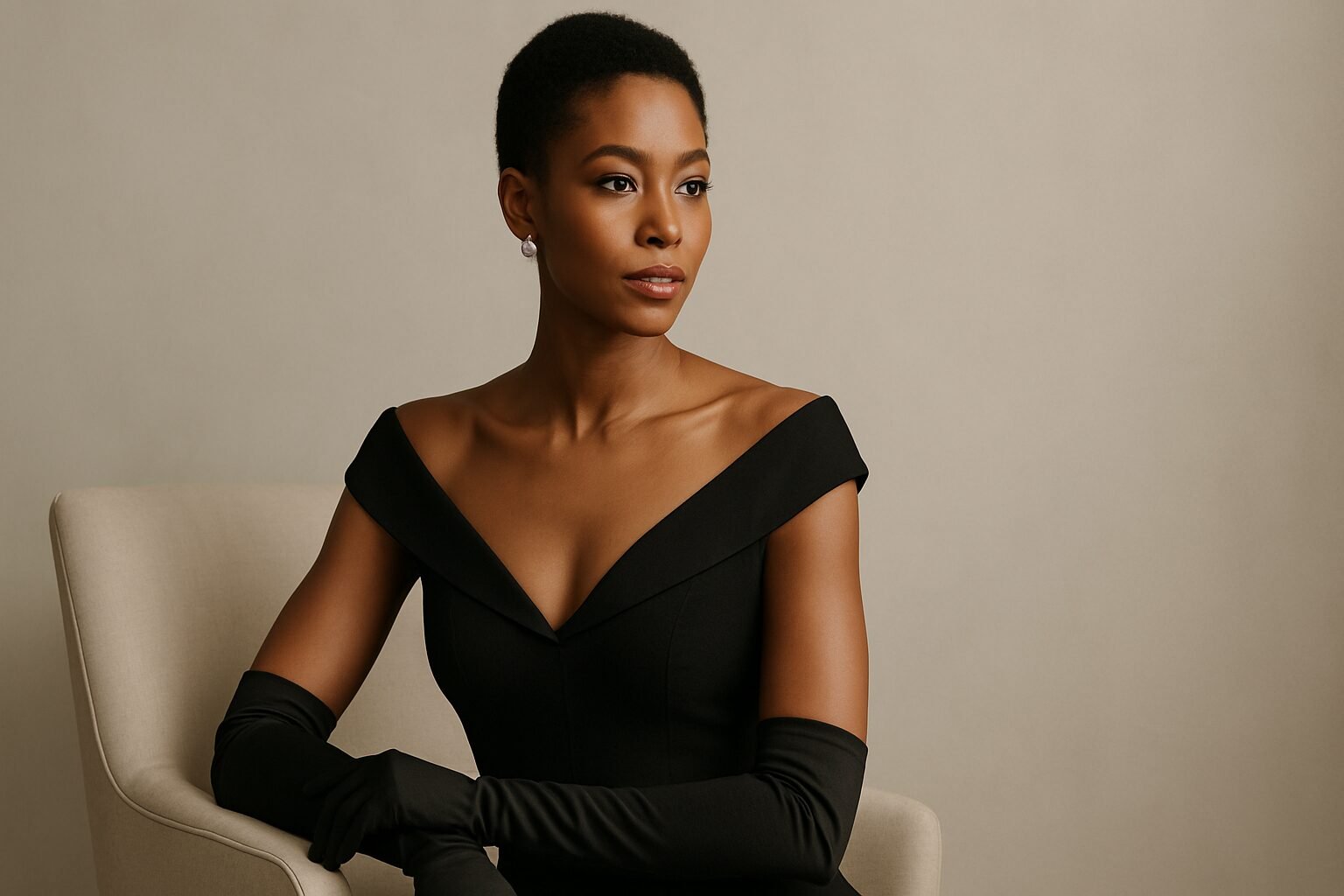
Shopping for this type of women comes down to four non-negotiables: fabric, fit, length, and color. Get these right and everything else follows.
Fabric & Material
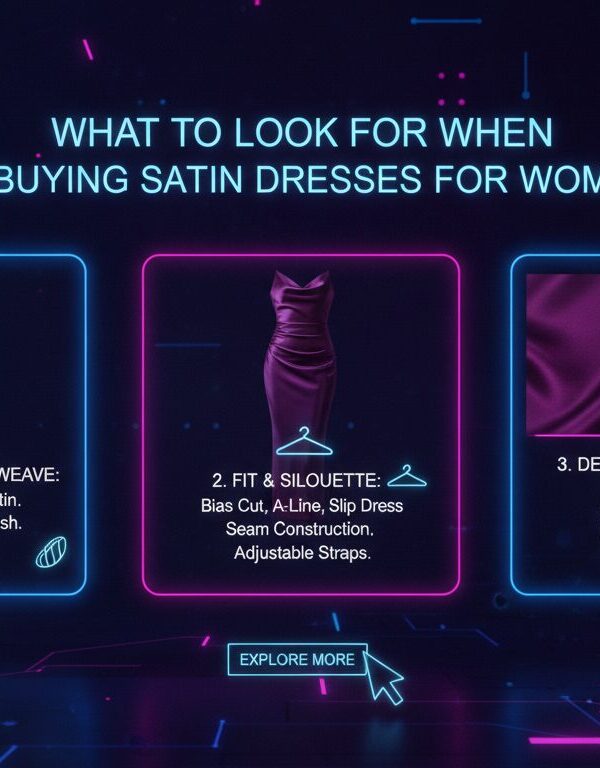
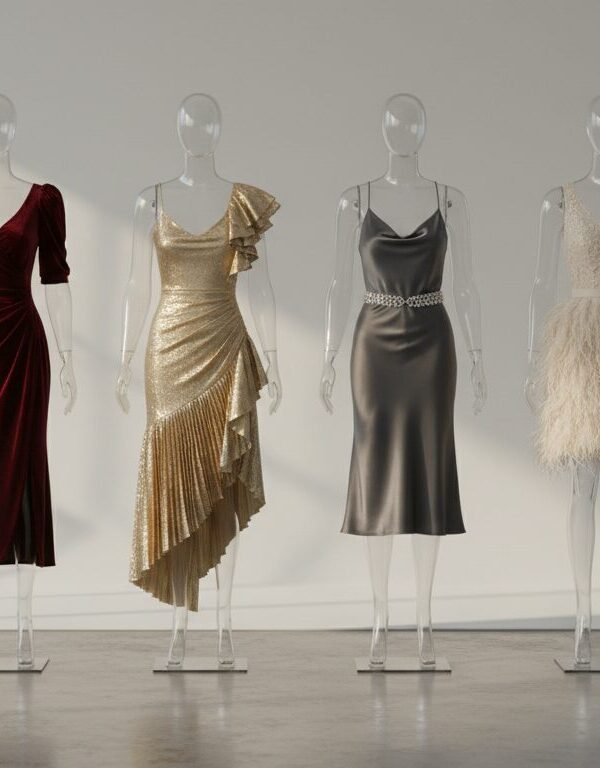
Luxurious textiles are the price of entry. Silk, satin, velvet, brocade, jacquard, and high-quality chiffon drape with intention and photograph like a dream. These aren’t just aesthetic choices. They signal that you understand the room. Sustainable alternatives have earned their place at the table too. Tencel blends and peace silk are legitimate options, with brands like Reformation and Stella McCartney offering eco-conscious eveningwear that doesn’t compromise on impact. Avoid polyester-heavy pieces that collapse under event lighting. Look for structure, lining, and weight.
For summer black tie events, lighter fabrics like silk chiffon and georgette keep you cool without sacrificing formality. For winter galas, velvet and brocade add warmth and visual depth. Seasonal fabric awareness is part of mastering this kind of for women at every level.
Silhouette & Fit
A tailored fit is the single most powerful upgrade you can make. Whether you choose an A-line, sheath, or mermaid gown, alterations are worth every dollar. A dress should skim the body without pulling, and hemming it to the exact length for your chosen heel height is non-negotiable. For jumpsuits and pantsuits, precise tailoring at the waist and inseam creates the sharp, formal line that makes the look work. As stylist Holly White noted in Harper’s Bazaar, confidence in fit is the ultimate goal. Budget 2 to 3 weeks for alterations so you’re not rushing before the event.
Petite women should look for styles with a defined waist and avoid overwhelming volume at the hem. A column or sheath silhouette in floor-length creates a long, unbroken line. For plus-size dressing, brands like Eloquii and Adrianna Papell consistently deliver structured eveningwear in sizes 14 to 28, with the kind of boning and support that makes floor-length gowns work beautifully.
Length Rules
Floor-length hemlines are the gold standard for the tie dress etiquette for women, full stop. If you must deviate, a gown hitting just below the knee is acceptable only at more relaxed black tie optional events, as noted by Who What Wear. Midi dresses, tea-length, or anything above the knee reads as cocktail attire, not black tie. Full-length pants on a jumpsuit or tuxedo carry the same formal weight as a gown when the tailoring is sharp.
Color Palette
Black, navy, and jewel tones dominate women. Black is timeless. Rich hues like emerald green or deep burgundy add personality without breaking the code. According to The Knot, dark colors are preferred for evening formality, but moody florals and subtle patterns can work in small doses. Avoid neon brights, pastels, and white at weddings. White risks upstaging the bride and signals a misread of the room.
Black Tie Dress Etiquette for Women: A Step-by-Step Shopping Guide
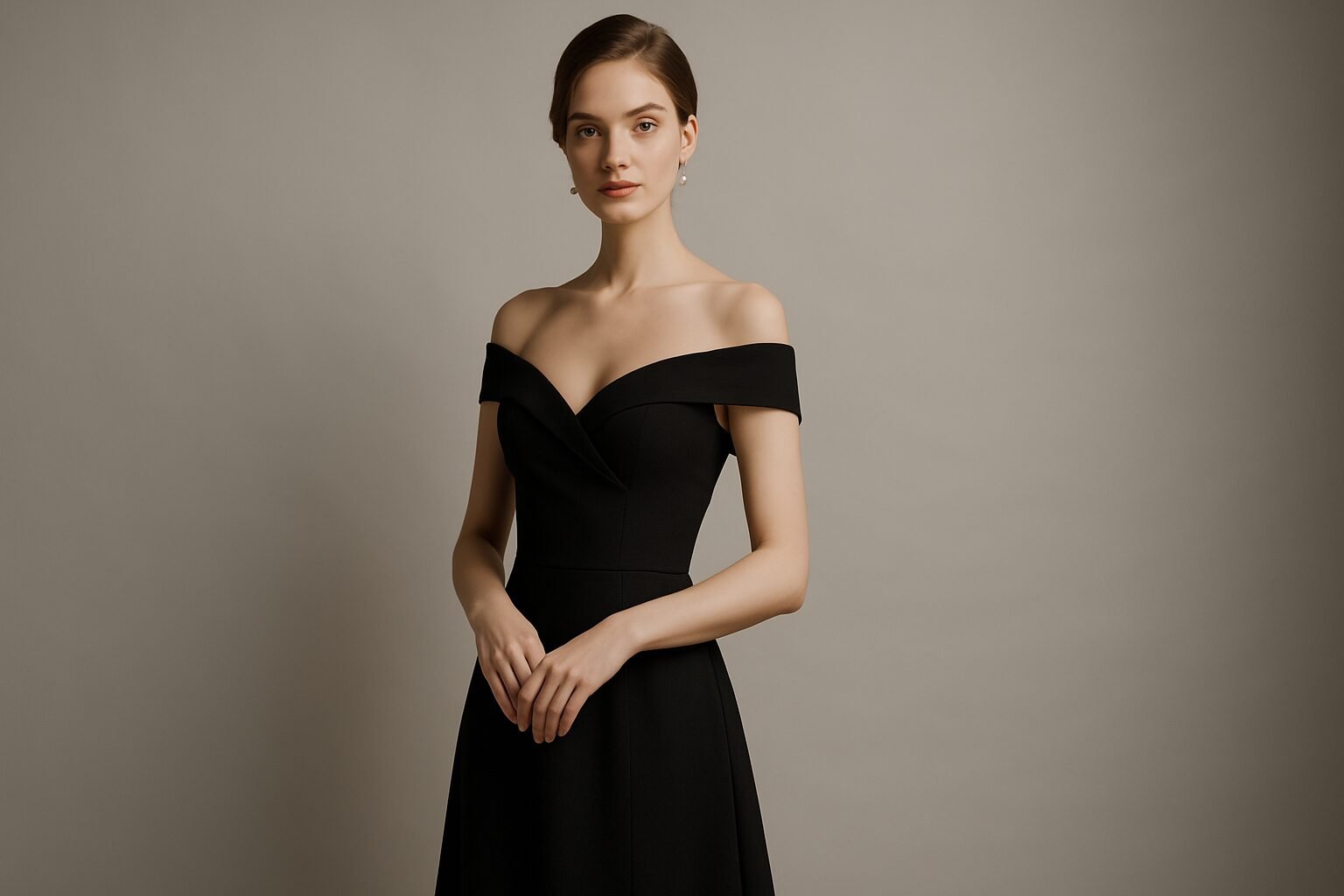
Mastering black tie starts with a strategic approach before you ever open a browser tab. Follow these steps and you’ll arrive dressed like you belong there.
- Confirm the formality level. Check the invitation for “black tie” vs. “black tie optional.” The latter allows for shorter dresses and more creative choices. True black tie demands full rigor. Creative black tie, a newer variation, invites personality while keeping the formal length requirement intact.
- Set a real budget. Formalwear ranges from under $100 to over $3,500. Consider renting if you attend rare events. Platforms like Rent the Runway offer designer pieces starting around $50, making a $700+ gown accessible for a single night.
- Research sustainable options. Look for brands using deadstock fabrics or circular fashion models. ThredUp and The RealReal stock pre-owned gowns at significantly reduced prices. Secondhand luxury is not a compromise. It’s a power move.
- Schedule alterations early. Budget 2 to 3 weeks for tailoring. A perfect fit transforms an off-the-rack dress into something that looks custom.
- Accessorize with intention. Choose one statement piece, a vintage necklace or jeweled clutch, and keep everything else minimal. The gown should lead. The accessories should follow.
Comparing Popular Black Tie Silhouettes for Women
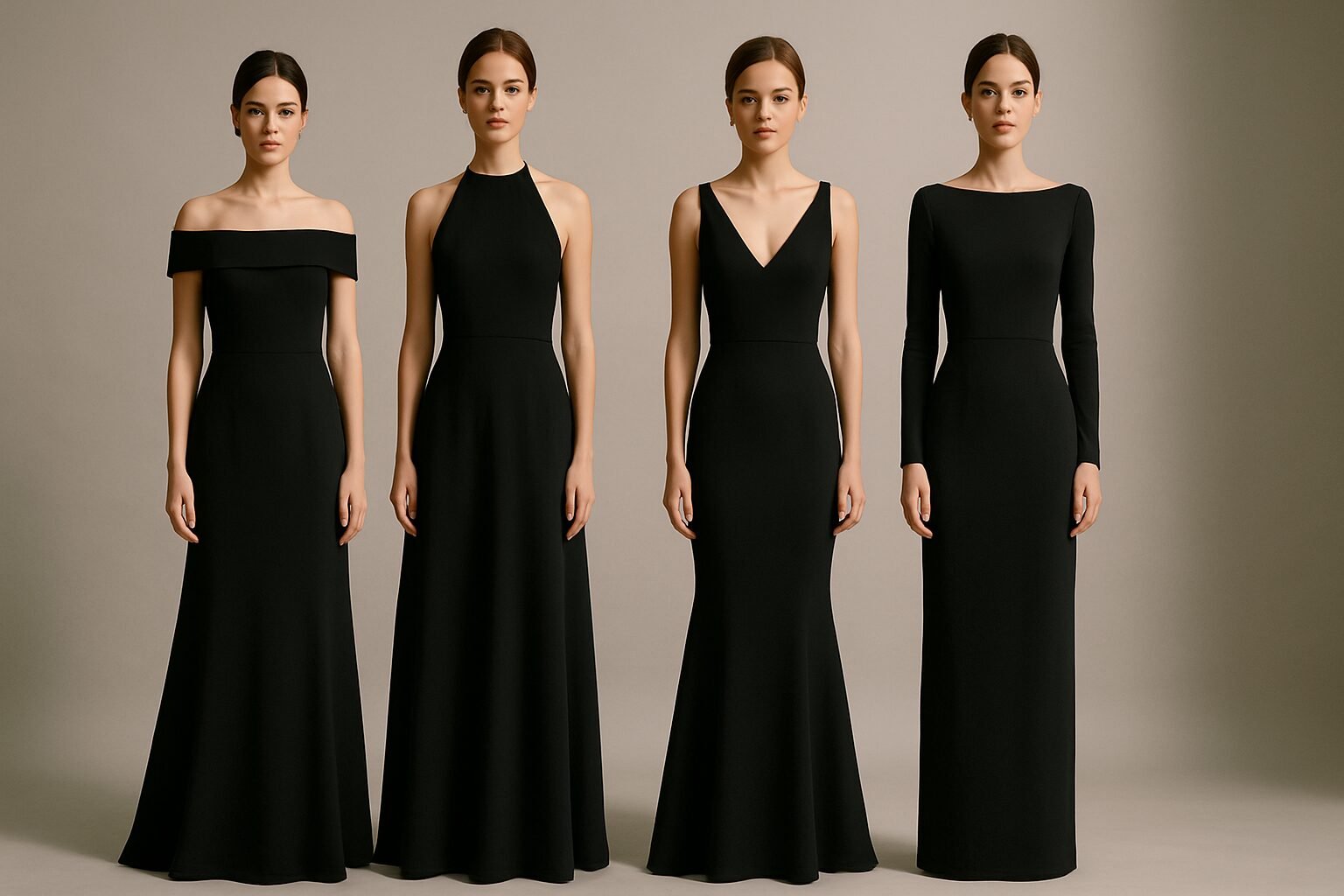
The right silhouette depends on the event, your body, and how much you want to push the dress code. Here’s how the most common options stack up.
| Style | Formality Level | Typical Price Range (USD) | Best For | Sustainable Note |
|---|---|---|---|---|
| Floor-Length Gown | Highest | $60 – $3,500+ | Galas, traditional weddings | High resale value; look for recycled polyester or peace silk options. |
| Formal Jumpsuit | High (when tailored) | $100 – $800 | Modern weddings, awards dinners | Choose Tencel or modal blends for lower environmental impact. |
| Tailored Pantsuit | High (with luxurious fabrics) | $150 – $1,200 | Fashion-forward events, creative black tie | Invest in a timeless piece for repeated wear; reduces cost-per-wear significantly. |
How to Style Your Black Tie Look without Overdoing It
Accessories and grooming are where for women either comes together or falls apart. Here’s the breakdown.
- Shoes: Heels are traditional. Strappy stilettos, classic pumps, or dressy flats for comfort all work. According to Sarah Nearis, avoid platform pumps and knee-high lace-ups. Black, metallic, or nude shades keep the look cohesive.
- Bags: A small clutch or evening bag is essential. Satin, beaded, or metallic finishes read as formal. An oversized tote is a hard no.
- Jewelry: Fine jewelry or high-quality costume pieces both work. A statement necklace or chandelier earrings can elevate a simple gown. As The Knot notes, an embellished bag can double as your statement piece, so you don’t need to stack both.
- Outerwear: For cooler months, a faux fur stole, tailored cape, or elegant wrap in wool or cashmere maintains the formality. A puffer coat over a gown is the one thing that will undo everything you’ve built.
- Hair & Makeup: Polished hair, whether an updo or a sleek blowout, and event-appropriate makeup complete the picture. The goal is enhancement, not transformation. Your look should feel like you, elevated.
“Confidence in fit is the ultimate goal. A dress that moves with you reads as intentional. A dress you’re fighting reads as an afterthought.” – Holly White, Harper’s Bazaar
Budgeting for Black Tie: Price Ranges and Value Tips
this type of women doesn’t require a designer budget. It requires smart choices at every price point.
- Budget ($50–$150): Brands like Lulus, ASOS, and Zara offer simple gowns and jumpsuits that photograph well. A $60 Zara halter dress elevated with the right accessories can hold its own in any room.
- Mid-Range ($200–$600): Reformation, BHLDN, and Solace London deliver quality fabrics and trend-conscious designs with better linings and real tailoring.
- Premium ($700+): Designer labels like Sachin & Babi and Taller Marmo, or custom bespoke gowns. At this tier, you’re paying for craftsmanship, exclusivity, and the kind of construction that lasts decades.
Rental is the smartest move if you attend fewer than 2 formal events per year. Rent the Runway offers designer pieces starting around $50, making a $700+ gown accessible for a single night without the storage headache. Secondhand platforms like ThredUp and The RealReal stock pre-owned gowns at a fraction of retail, and the environmental case for buying secondhand is well-documented by fashion sustainability researchers.
Pros and Cons of Black Tie Dressing for Women
this kind of for women comes with real advantages and real challenges. Know both before you shop.
Pros
- A clear dress code removes decision fatigue. You know exactly what’s expected.
- Floor-length silhouettes are universally flattering across body types when tailored correctly.
- Investment pieces in classic silhouettes hold resale value and can be re-worn across multiple events.
- The formality of the dress code creates an occasion. Getting dressed for black tie is part of the experience.
Cons
- Entry-level costs can be high, especially if alterations are needed on top of the purchase price.
- Floor-length gowns are impractical for dancing, outdoor venues, or events with uneven terrain.
- The dress code offers less creative freedom than cocktail or semi-formal events.
- Sustainable options in formal lengths remain harder to find than in everyday categories, though the gap is closing.
Black Tie vs. Other Dress Codes: Know the Difference
Black tie dress etiquette for women sits in a specific tier of formality, and confusing it with adjacent dress codes is one of the most common mistakes guests make.
- White Tie: The most formal dress code in existence. Women wear full ball gowns, often with long gloves. Think state dinners and royal events. Black tie is one full step below this.
- Black Tie Optional: The same spirit as black tie, but with permission to wear a shorter formal dress or a sophisticated cocktail-length gown. Floor-length is still preferred.
- Creative Black Tie: A newer variation that invites personality. Bold colors, interesting textures, and fashion-forward silhouettes are welcome, but the floor-length rule generally still applies.
- Cocktail Attire: Knee-length to midi dresses, dressy separates, and formal jumpsuits. This is two steps below black tie in formality.
- Semi-Formal: The most flexible tier. Midi dresses, dressy blouses with tailored trousers, and a wider range of fabrics are all acceptable.
As of 2026, fashion editors at Vogue and ELLE consistently note that the lines between black tie optional and creative black tie are blurring, particularly at younger-skewing events. When in doubt, dress up rather than down.
Caring for Your Formalwear: Maintenance & Longevity
Proper care extends the life of your investment and supports a more sustainable approach to formal dressing.
- Dry Cleaning: Always dry clean formalwear, especially silk and embellished pieces. Spot-clean minor stains immediately after the event to prevent setting.
- Storage: Hang gowns in breathable garment bags and avoid wire hangers that distort shoulder shape. Fold heavy beaded dresses to prevent fabric stretching over time.
- Steaming: Use a handheld steamer rather than an iron to remove wrinkles from delicate fabrics safely. Ironing silk directly is a fast way to ruin a $400 gown.
- Shoe Care: Polish leather heels and re-sole when necessary. Store with shoe trees to maintain shape between events.
Frequently Asked Questions
Can I wear a short dress to a black tie event?
No. Black tie dress etiquette for women requires floor-length hemlines as the standard. A below-the-knee gown might pass at a black tie optional affair, but true black tie demands full length. Anything above the knee reads as cocktail attire and signals a misread of the dress code.
Is black tie the same as wearing all black?
Not at all. Black tie refers to a formality level, not a color requirement. Jewel tones, navy, and even deep florals are equally appropriate. The name comes from the black bow tie worn by men, not a color mandate for women.
What shoes should I avoid with a black tie gown?
Avoid flat sandals, espadrilles, sneakers, and chunky platforms. Stick to elegant heels or dressy flats in black, metallic, or nude finishes. The shoe should support the formality of the gown, not undercut it.
Are jumpsuits really appropriate for black tie events?
Yes, when tailored impeccably and made from luxurious fabrics like silk or satin. Full-length pants, a structured silhouette, and minimal embellishments are the criteria. Casual fabrics like cotton or linen disqualify a jumpsuit regardless of how well it fits.
What’s the difference between black tie and white tie?
White tie is the most formal dress code, requiring women to wear full ball gowns, often with long gloves. Black tie dress etiquette for women allows for modern interpretations like tailored jumpsuits and pantsuits, but still demands floor-length elegance and luxurious fabrics.
How can I find sustainable black tie options?
Shop secondhand on The RealReal or ThredUp, rent from Rent the Runway starting around $50, or choose brands like Reformation that use deadstock materials. Even mainstream retailers are introducing recycled polyester gowns at accessible price points, making sustainable black tie dressing easier than ever in 2026.