Key Takeaways
- Organic fashion brands use GOTS-certified materials grown without synthetic pesticides, GMOs, or toxic fertilizers.
- Certifications like GOTS, OEKO-TEX Standard 100, and Fair Trade are your clearest indicators of genuine organic practices.
- Top picks span from affordable basics under $50 to elevated statement pieces reaching $360.
- Proper cold-wash care extends organic garment life well beyond fast-fashion alternatives.
- Layering organic cotton with leather, hardware, and vintage finds creates a nightlife look that’s anything but crunchy.
- Brands like Komodo, Beaumont Organic, and MATE the Label prove sustainability and dark glamour are not mutually exclusive.
Organic fashion brands are clothing labels that prioritize materials grown without synthetic pesticides, GMOs, or toxic fertilizers. From Pact to Beaumont Organic, these labels prove sustainability and after-dark style can absolutely coexist.
What Are Organic Fashion Brands?
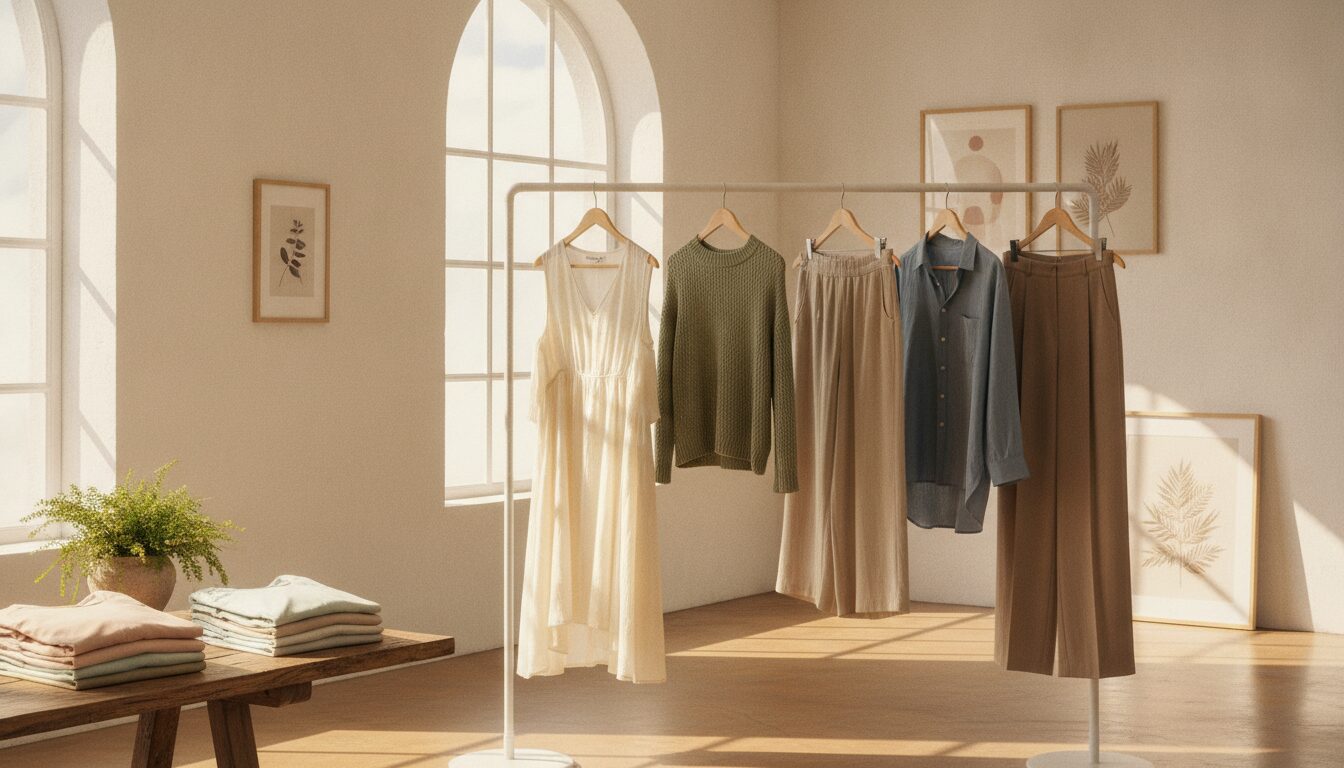
fashion brands are clothing labels built on materials grown and processed without synthetic pesticides, herbicides, or genetically modified organisms. The core fabric is most often organic cotton, certified by the Global Organic Textile Standard (GOTS), which audits the entire supply chain for both environmental and social compliance. Unlike conventional fashion, these brands focus on reducing chemical runoff, protecting farmworker health, and supporting biodiversity. Many also incorporate hemp, Tencel, or recycled polyester, but their foundation is certified organic agriculture from field to finished garment.
“Organic cotton clothing feels like the healthiest, most eco-conscious, and still fashionable option to wear daily,” according to editors at The Good Trade, who tested 10 organic cotton clothing brands in 2026.
Why Choose Organic Fashion Brands?
Choosing this type of brands cuts your direct exposure to toxic residues that linger in conventionally processed garments. Conventional cotton farming relies heavily on synthetic pesticides and genetically modified seeds, which certified organic methods eliminate entirely. Certifications like GOTS also require safe working conditions and living wages, so your purchase carries social weight beyond the fabric itself. Organic fibers tend to feel softer and more breathable because they skip the harsh chemical processing that weakens conventional cotton. And for the style-conscious? A growing number of this kind of brands are shedding the earth-toned, farmer’s-market image entirely, arriving in silhouettes that range from minimalist to darkly romantic.
“Sustainability is no longer a niche concern. Fashion editors across Vogue and ELLE have noted that the most forward-thinking designers are integrating certified organic materials into collections that speak directly to nightlife and event dressing,” per fashion industry reporting from WWD.
What to Look For When Buying Organic Fashion
Certifications That Matter
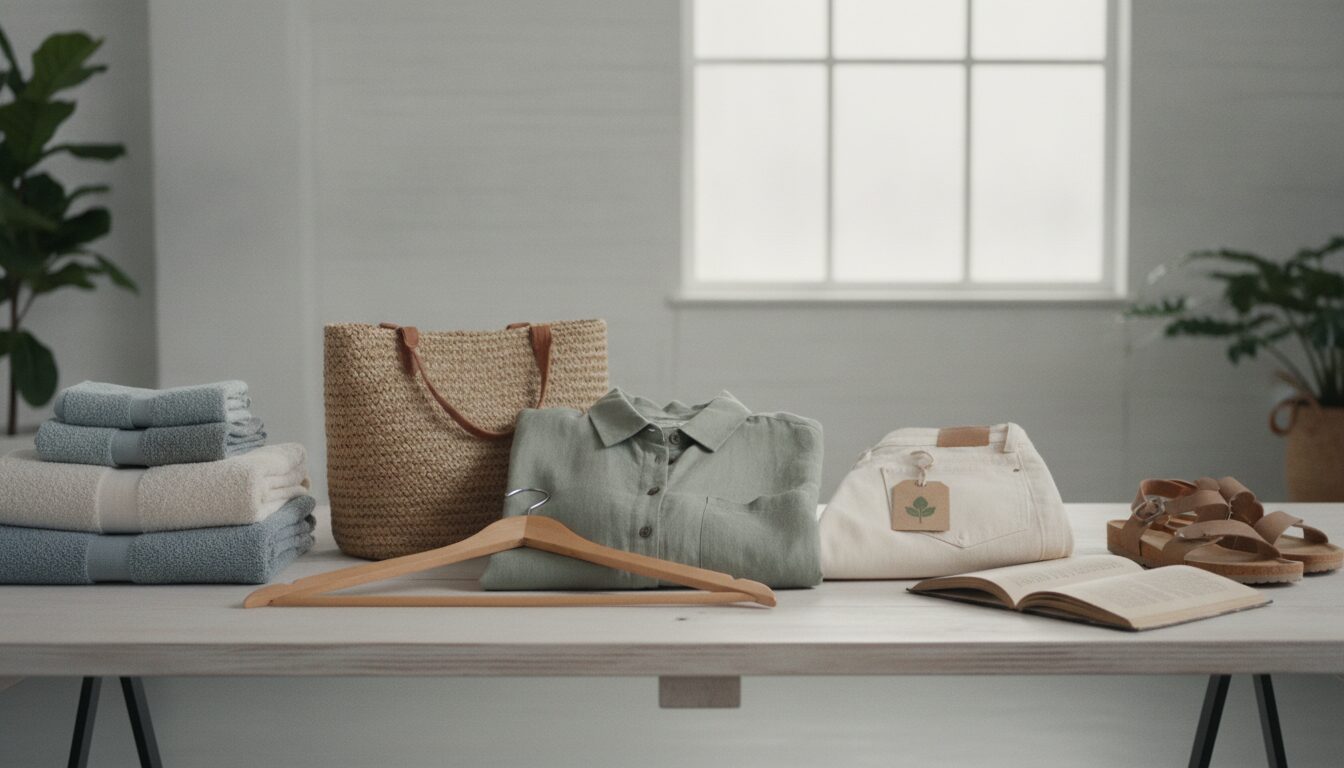
GOTS (Global Organic Textile Standard) is the gold standard. It guarantees at least 70% organic fiber content for a “made with organic” label, or 95% for a full “organic” designation. The certification also covers social criteria including no child labor and fair pay. OEKO-TEX Standard 100 tests finished garments for harmful substances but is not an organic certification on its own. Use it as a complementary check. Fair Trade Certified ensures workers receive community development premiums on top of fair wages. Brands like Beaumont Organic display their GOTS certification prominently, while Fair Indigo pairs organic Pima cotton with ethical manufacturing standards. For independent brand ratings, the Good On You directory scores thousands of labels across planet, people, and animal impact categories, making it a fast way to vet any brand before you buy.
Fabric Quality and Composition
Not all organic cotton performs the same. Fair Indigo’s four signature fabrics illustrate how fiber type and knit construction shape the final garment: Eterna (95% organic Pima cotton, 5% spandex for shape retention), Pura (100% organic Pima, lightweight and airy), Ultra Pura (100% organic, midweight, exceptionally soft), and Luxe (100% organic, silky interlock knit for a polished drape). When shopping, consider the garment’s purpose. A 5-10% spandex blend adds stretch for movement-heavy nights, while 100% cotton offers breathability for layering under structured outerwear.
Price Ranges Across Tiers
organic fashion cover a wide budget spectrum, and the gap between entry-level and premium is significant. Budget-friendly ($-$$): Pact delivers GOTS-certified basics without financial sacrifice, with many pieces under $40. Mid-range ($$-$$$): MATE the Label and Outerknown offer durable, style-forward pieces that justify the step up in price. Premium ($$$$): Beaumont Organic’s Spring 26 line ranges from $113 for the Bay top to $211 for the Cedar trouser and $360 for the Kyra-Cay dress, reflecting European sourcing and small-batch production. Organic Basics has offered up to 50% off during seasonal sales, making premium-quality organic pieces accessible without waiting for a full budget overhaul.
Top Organic Fashion Brands for Alternative Style
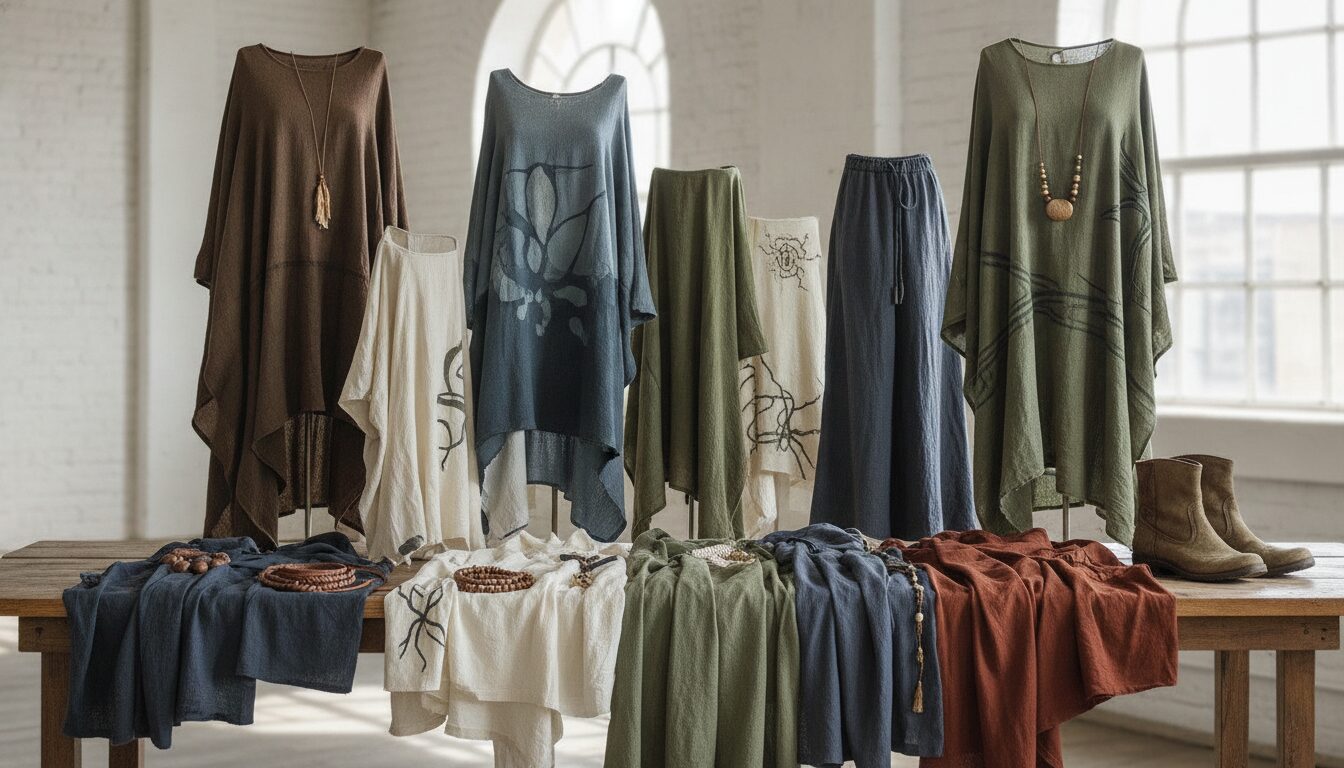
Look past the beige. These fashion brands bring edge, structure, and dark palettes to your wardrobe. We’ve curated picks that work for everything from weekly gigs to gallery openings.
| Brand | Price Range | Vibe | Key Certifications | Best For |
|---|---|---|---|---|
| MATE the Label | $$ | L.A. minimalism with a relaxed, street-ready edge | GOTS, OEKO-TEX | Elevated everyday tees, sweats, and loungewear that layer under leather jackets |
| Pact | $-$$ | Affordable, ultra-soft basics with deep blacks and rich hues | GOTS, Fair Trade | Essential tanks, leggings, and underwear for a moody, monochromatic base |
| Outerknown | $$-$$$ | Surf-meets-rock denim and jackets with a worn-in, rebel feel | GOTS, Fair Trade, Bluesign | S.E.A. JEANS and chore coats that pair perfectly with band tees |
| Komodo | $$-$$$ | Urban utilitarian with a touch of 80s punk revival | GOTS, Ethical Trading Initiative | Joggers, pleated trousers, and oversized shirts for an androgynous night-out look |
| Beaumont Organic | $$$$ | Romantic minimalism with architectural cuts and ghostly ginghams | GOTS, OEKO-TEX | Statement dresses and poplin trousers for darkly poetic occasions |
MATE the Label: Effortless Streetwear
Founded in Los Angeles, MATE the Label crafts GOTS-certified staples with a clean, unisex appeal. Their Thermal Henley in jet black and oversized crewnecks slide into a grunge-lite uniform the moment you pair them with ripped fishnets and combat boots. Sizes run up to 3X, so the dark minimalism is genuinely accessible.
Pact: Affordable Basics with a Dark Edge
Don’t let the soft marketing fool you. Pact’s deep, saturated blacks on organic cotton tees and leggings are ideal for building a sleek, shadowy base layer. With basics frequently under $40 and sizing up to 3X in many styles, it’s the lowest-risk entry point into this type of brands that actually look intentional.
Outerknown: Lived-In Denim for Rocker Looks
Founded by surfer Kelly Slater, Outerknown might sound mellow. The denim is anything but. The S.E.A. JEANS, made from organic cotton and recycled polyester, come in cuts ranging from slim straight to relaxed taper. Cuff them over leather boots and you’ve got a look that belongs in a venue, not a surf shack. Denim sizing extends to size 38.
Komodo: Ethical Since 1988 with Urban Flair
London-based Komodo has been championing ethical fashion since 1988, long before sustainability became a marketing strategy. Their collections fuse workwear details with a subtle punk sensibility: triple-pleated trousers in organic cotton twill, oversized shirting, and lightweight joggers built for layered, androgynous silhouettes. This is the brand for nights when you want to look considered, not costumed.
Beaumont Organic: Elevated Pieces for Statement Nights
For those ready to invest, Beaumont Organic’s Spring 26 line delivers double-gauze dresses and sculptural poplin separates that feel simultaneously ethereal and commanding. Style the Kyra-Cay gingham dress, priced at $360, with a wide leather belt and platform boots for a Victorian-goth mood that reads as fashion, not costume. This is Pretty N Poison territory: pretty on the surface, with serious poison underneath.
Pros and Cons of Shopping Organic Fashion Brands
this kind of brands offer real advantages, but they come with trade-offs worth knowing before you commit your wardrobe budget.
Pros
- Cleaner materials: No synthetic pesticide residues, GMOs, or toxic processing chemicals touching your skin.
- Social accountability: GOTS and Fair Trade certifications require living wages and safe working conditions throughout the supply chain.
- Superior feel: Organic cotton fibers, unweakened by harsh chemical treatments, tend to be softer and more breathable than conventional alternatives.
- Longevity: With proper care, quality organic garments outlast fast-fashion pieces by a significant margin.
- Style range: As of 2026, organic fashion span everything from $40 basics to $360 statement pieces, covering minimalist, streetwear, and darkly romantic aesthetics.
Cons
- Higher entry price: Premium organic labels like Beaumont Organic start at $113 per piece, which requires a deliberate budget shift.
- Limited nightlife-specific options: Most organic fashion brands still skew toward basics and daywear, requiring creative styling for after-dark looks.
- Care demands: Organic cotton stains more easily without synthetic finish coatings and requires cold-wash, air-dry routines to maintain its integrity.
- Greenwashing risk: Not every brand claiming “organic” carries third-party certification. Verification through Good On You or GOTS databases is essential.
How to Style Organic Pieces for Nightlife
Organic fashion brands get pigeonholed as yoga-studio staples, but with the right accessories and layering, they become the backbone of a killer after-dark look. Three steps. That’s all it takes.
- Monochromatic layering: Start with a black organic cotton tank or long-sleeve from Pact or MATE. Add a semi-sheer mesh top and high-waisted Outerknown denim. The tonal stack reads intentional, not accidental.
- Hardware injection: Clip on a chain wallet, add a studded belt, or layer silver necklaces over a basic Henley. The contrast between soft organic cotton and cold metal is exactly where the look gets its edge.
- Footwear and outerwear: Chunky platform boots or combat boots, plus a vegan leather moto jacket. The textures clash on purpose. That intentional friction is what separates a curated outfit from a crunchy one.
Vintage Meets Organic
Hit your local thrift store for one-of-a-kind blazers, distressed leather jackets, or patinaed denim vests. Pair them with brand-new, deep-dyed organic tees to achieve a balanced silhouette. Old and new. Rough and smooth. The duality is the whole point.
DIY Customization
Sustainably minded fashion aligns naturally with DIY culture. Bleach dip-dye an organic cotton hoodie, add safety pins to the hem, or embroider band logos onto a basic dress. Because the base garment is chemical-free, dyes and fabric paints absorb beautifully with fewer toxic byproducts involved.
Care and Maintenance: Keeping Your Organic Threads Alive
Organic fashion brands produce garments that reward proper care with exceptional longevity. Follow these four rules and your investment lasts.
- Wash cold and gentle: Use a pH-neutral detergent and cold water to preserve fiber strength and prevent shrinkage. Turn garments inside out to protect the surface dye.
- Air dry whenever possible: High heat breaks down cotton fibers faster than almost anything else. Lay flat or hang dry. If you must machine dry, use the lowest heat setting available.
- Spot treat stains immediately: Organic cotton lacks synthetic finish coatings, so it absorbs spills faster. Treat immediately with a stain stick or a paste of baking soda and water.
- Store folded, not hung: Heavy knits and stretch garments lose their shape on hangers over time. Fold and store in a drawer or on a shelf.
Frequently Asked Questions
What certifications should I look for in organic fashion brands?
Look for GOTS (Global Organic Textile Standard) on the label. It’s the most rigorous certification available, covering both environmental and social criteria across the full supply chain. OEKO-TEX Standard 100 and Fair Trade Certified are strong complementary marks that add further accountability.
Are organic fashion brands more expensive?
They can be, due to higher farming and labor costs built into certified production. Affordable options do exist: Pact and MATE the Label offer basics under $50, while premium labels like Beaumont Organic reach $360 per piece. Seasonal sales and second-hand platforms help close the gap significantly.
How do I know if a brand is truly organic?
Check for third-party certifications like GOTS and verify the brand’s transparency through the Good On You directory, which rates thousands of fashion labels across planet, people, and animal impact categories. If a brand claims organic without third-party verification, treat it as unverified marketing.
Can organic fashion brands work for nightlife?
Absolutely. Black organic cotton pieces serve as a perfect canvas for edgy accessories. Layer with mesh, leather, and heavy silver jewelry to shift the vibe entirely. Brands like Outerknown and Komodo offer structured denim and urban silhouettes that thrive in dimly lit venues.
What are the best organic fashion brands for plus sizes?
Pact carries sizes up to 3X in many styles, and MATE the Label offers extended sizing up to 3X as well. Outerknown’s denim extends to size 38. Always check individual size charts, as fit varies by fabric type and knit construction.
How do I care for organic cotton clothing?
Wash in cold water with gentle detergent, air dry, and avoid high heat at every stage. Organic cotton is more absorbent than conventionally treated fabric, so treat stains quickly before they set. With consistent care, a quality organic garment outlasts synthetic fast-fashion pieces by a wide margin.
As you build a wardrobe that reflects both your values and your aesthetic, organic fashion brands offer a way to experiment with texture, silhouette, and dark romance without compromise. Sustainability isn’t a trend. It’s the ultimate rebellion against disposable culture.
Discover your duality at prettynpoison.com.