Key Takeaways
- Fashion week is a global event series where designers reveal seasonal collections to buyers, media, and the public.
- The “Big Four” cities: New York, London, Milan, and Paris set worldwide trends every February and September.
- Over 30 major cities now host their own editions, from Copenhagen to Miami Swim Week.
- Attendance options range from exclusive industry invitations to public tickets and live streams.
- Sustainability efforts are reshaping the circuit, with combined shows and reduced carbon footprints.
- The “see-now-buy-now” model has boosted conversion rates by 10-15% for early-adopting brands.
Fashion week is a concentrated industry event where designers and houses unveil seasonal collections to buyers, press, and consumers. It sets the global trend agenda twice a year and represents the highest tier of fashion culture.
What Is Fashion Week? History and Definition
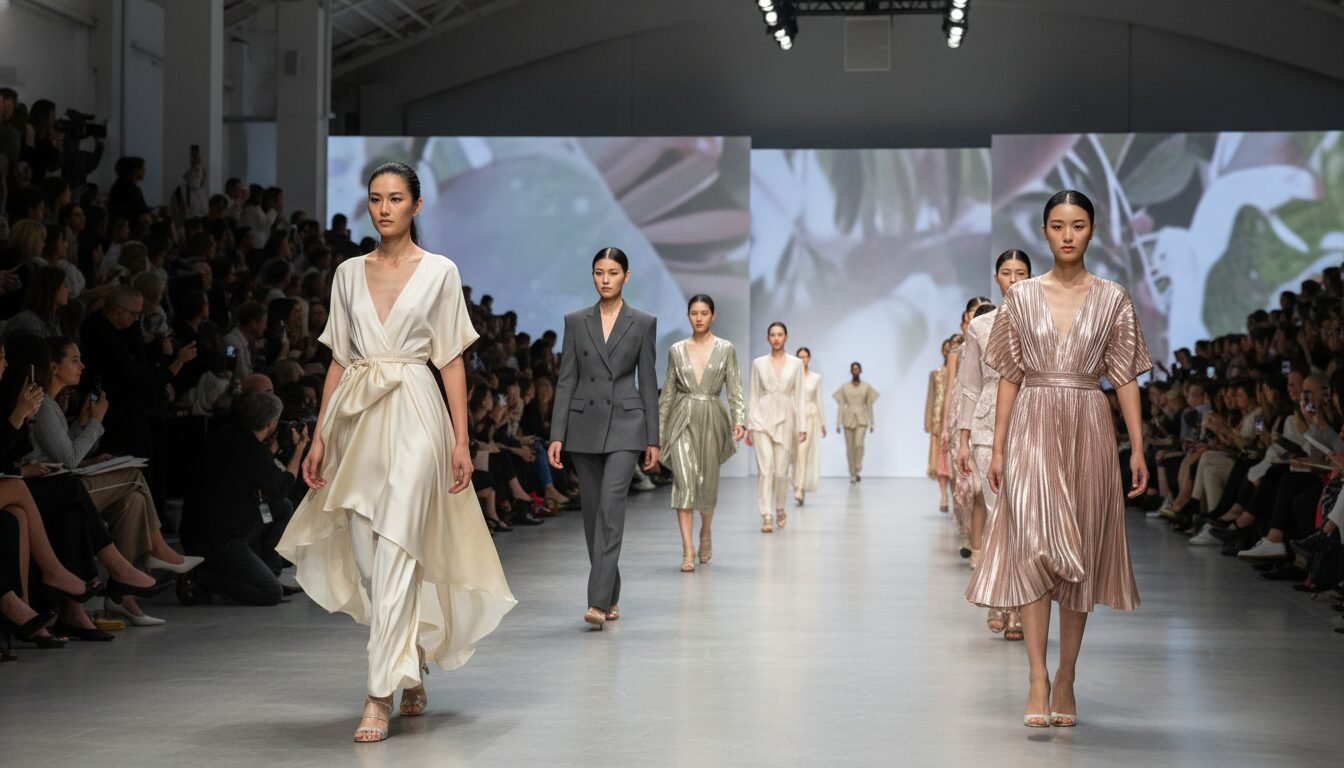
“A fashion week is a week-long industry event where designers, brands, or houses display their latest collections in runway shows to buyers and the media, directly influencing upcoming trends for the current and approaching seasons.”
The Origins in Paris
The concept began in Paris in the late 19th century when marketers hired women to wear couture pieces at racetracks and salons. These parades, or “défilés de mode,” gradually evolved into exclusive client-only showings by houses like Charles Frederick Worth and Paul Poiret. The first official Paris edition was established in 1973 with the formation of the Fédération Française de la Couture, marking a centralized structure for what had long been an informal tradition.
Global Expansion
By the mid-20th century, the model had spread to New York, Milan, and London. New York’s “Press Week” launched in 1943 to spotlight American designers during wartime travel restrictions. Today, the “Big Four” form an annual circuit often called “fashion months,” with each city hosting two major editions: Fall/Winter (February-March) and Spring/Summer (September-October).
The Modern Definition
What separates a full fashion week from a single runway show is its concentrated schedule, multiple designers, and institutional backing. It serves as a B2B hub for wholesale buying and press coverage while increasingly opening to consumers via live streams and public tickets. The calendar now spans every inhabited continent, reflecting the industry’s growing democratization.
Major Fashion Weeks and Their 2026 Dates

| City / Event | Typical Season Months | Key 2026 Dates (Women’s RTW) | Notable Features |
|---|---|---|---|
| New York | February & September | Sept 10-15 | Largest by designer count; first chronologically; strong commercial focus |
| London | February & September | Sept 17-21 | Known for emerging talent and avant-garde creativity |
| Milan | February & September | Sept 22-28 (Women’s) | Heritage luxury houses; craftsmanship emphasis |
| Paris | February-March & Sept-Oct | Sept 28-Oct 6 | Epicenter of haute couture; longest-established official week |
| Copenhagen | August | Aug 3-7 | Leading sustainable event; sets early trend direction |
| Miami Swim | May | May 28-31 (22nd edition) | Largest swimwear showcase globally |
| Boston | Fall: October | Oct 4-10 (32nd annual) | One of the longest-running regional U.S. events |
The Big Four: New York, London, Milan, Paris
These 4 cities represent the industry’s highest-profile showcases. New York alone hosts over 200 shows per edition, while Paris claims the largest media audience with its ready-to-wear and haute couture presentations. Together they generate billions in economic impact annually, drawing press, buyers, and cultural tastemakers from every corner of the globe.
Regional and Niche Events
Beyond the Big Four, events like Denver Fashion Week (which has drawn coverage from Forbes and ELLE) and Ukrainian Fashion Week (scheduled September 2-6, 2026) highlight the international reach of the circuit. Menswear-only editions in Milan (June 19-23) and Paris (June 23-28) add to the crowded calendar. Meanwhile, Los Angeles Fashion Week and Dallas Fashion Week, produced by The Bureau Fashion Week®, bring B2C accessibility to U.S. audiences.
Emerging Markets and Digital Extensions
Platforms like Fashion Week Online® stream shows globally, while the @fashionweek Instagram account amplifies reach to its 245,600 followers. The Fashion AI Expo, held during the Cannes Film Festival in 2026, explores AI’s role in design and retail, pointing to a tech-integrated future for the entire circuit.
How to Attend Fashion Week: A Step-by-Step Guide
“For over a decade, Fashion Week Online® has been your one-stop resource, championing inclusion and diversity and giving a voice to emerging designers.” — Fashion Week Online®
Step 1: Choose Your City and Season
Decide which event aligns with your interest: New York’s commercial energy, Paris’s couture heritage, or a local alternative closer to home. Most major editions occur in February/March for Fall/Winter and September/October for Spring/Summer. Check official sites like NYFW.com or FashionWeekOnline.com for exact dates as soon as they drop.
Step 2: Understand Access Levels
Admission varies from invitation-only runway shows to open-to-the-public talks and pop-ups. Press, buyers, and VIPs receive priority, but an increasing number of events offer consumer passes. Denver Fashion Week sells tickets directly to the public, while NYFW: The Shows provides a mix of exclusive and sponsored experiences.
Step 3: Secure Tickets or Credentials
For industry members, apply months in advance through designer press offices or official registration portals. Consumers can purchase tickets via platforms like Fashion Week Online® or event-specific sites. NYFW’s schedule is released approximately 6-8 weeks before opening day, and popular shows fill fast.
Step 4: Plan Travel and Accommodations
Book flights and hotels as soon as dates are confirmed. In cities like New York and Paris, demand spikes hotel prices by 25-50% during peak show weeks. Many official guides list partner hotels, and Fashion Week Online® provides venue and accommodation recommendations for each city on the circuit.
Step 5: Navigate During the Week
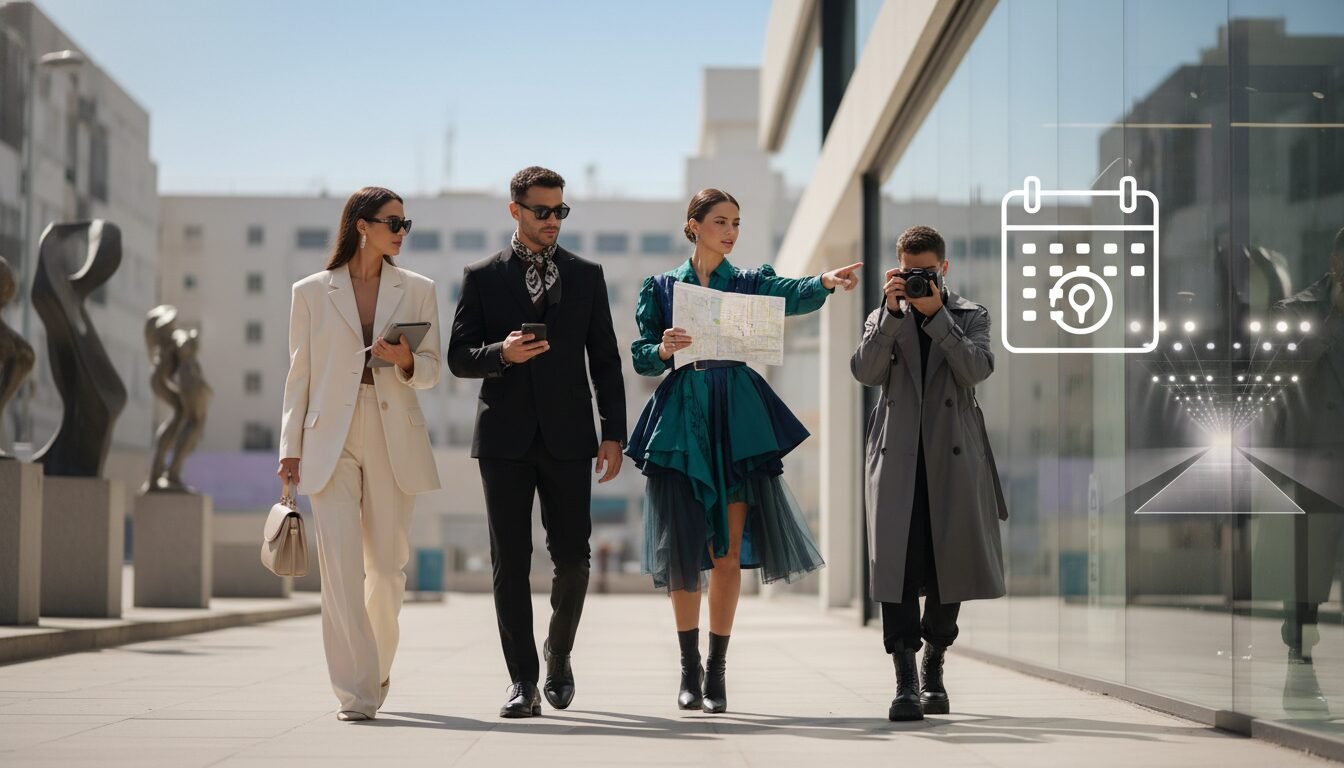
Download the official app (e.g., the NYFW app) for real-time schedule updates. Allow at least 2 hours between shows to account for transit and security. Pack a portable charger, comfortable shoes, and a statement look. Street style photography is a hallmark of the experience, and you will want to be ready.
The Economic Power of Fashion Week
Job Creation and Local Revenue
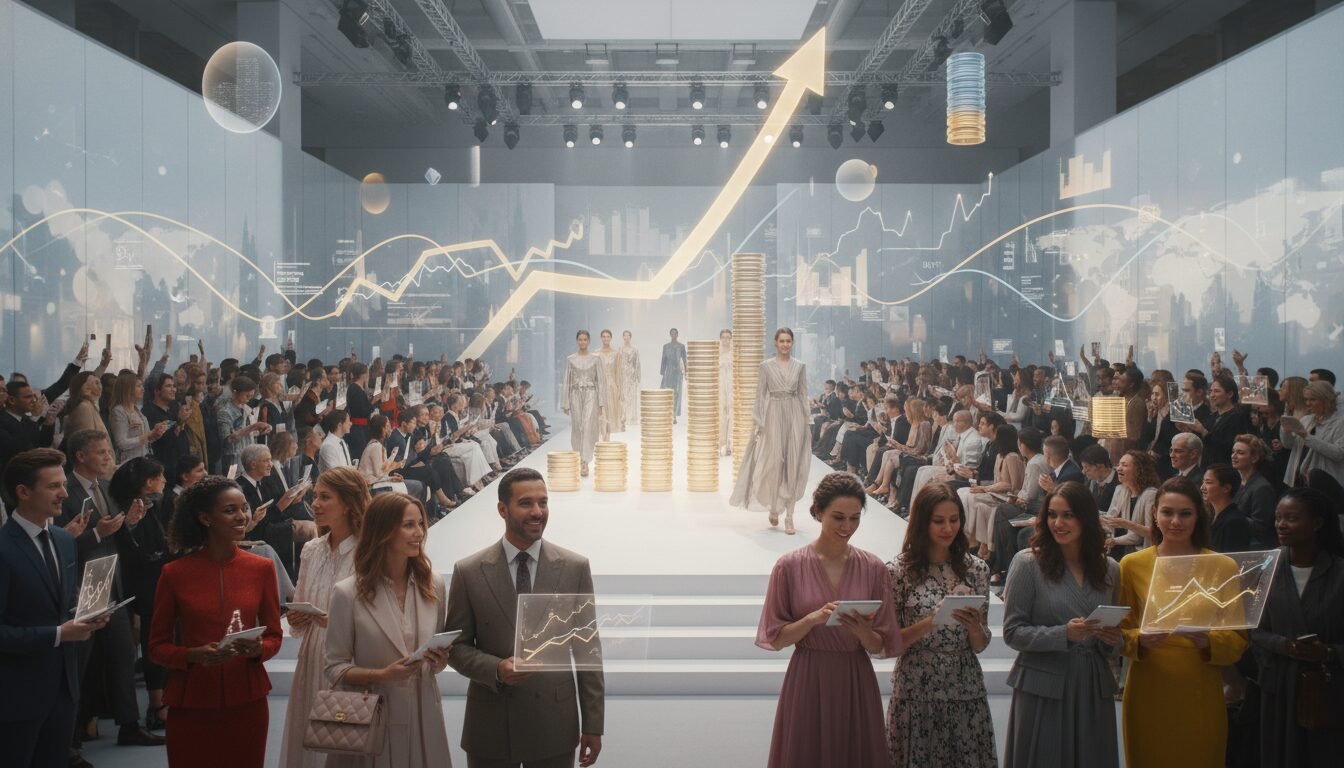
A single edition can inject hundreds of millions of dollars into a host city through tourism, hospitality, and event production. New York’s event supports over 180,000 jobs annually across the broader fashion industry, according to industry estimates. The Bureau Fashion Week®, which operates across 9 U.S. cities including New York, Los Angeles, and Dallas, shows how regional events stimulate local economies by drawing designers, media, and shoppers simultaneously.
Sponsorship and Brand Visibility
Sponsorships range from luxury automakers to beauty giants, with some events selling naming rights for multi-year deals. Denver Fashion Week’s partnership with ELLE and Forbes underscores the marketing value for brands seeking cultural relevance. Smaller events, like Boston’s 32nd annual edition, rely on community support and restaurant partners to fund operations and keep the ecosystem alive.
Retail and the “See-Now-Buy-Now” Model
The traditional calendar, showing collections 6 months before they hit stores, is collapsing under consumer demand for immediacy. Labels like Tommy Hilfiger and Burberry pioneered in-season shows, allowing shoppers to purchase runway looks within days of the presentation. According to fashion industry reporting on the 2023-2024 Paris season, this shift has boosted conversion rates by 10-15% for early-adopting brands.
Sustainability and Fashion Week: Challenges and Innovations
Environmental Footprint
Travel, production, and waste from a four-city Big Four tour can generate up to 241,000 tons of CO₂ when factoring in flights, shipping, and venue energy. This has prompted serious calls for reform. The Fédération de la Haute Couture’s decision to combine men’s and women’s collections into a single Paris event for Fall 2026 could cut travel-related emissions by an estimated 20-30%, according to sustainability analysts tracking the circuit.
Pioneering Green Events
Copenhagen’s edition now mandates strict environmental requirements for all participating designers, making it a global benchmark for responsible production. Denver Fashion Week’s mental health initiative with nonprofit Ardent Grove and The Bureau Fashion Week®’s ESG principles prove that sustainability extends well beyond carbon counting. As of 2026, more than 15 events worldwide have adopted some form of sustainability charter.
Digital Replacements and Hybrid Formats
During the pandemic, many scheduled events went fully digital, dramatically cutting emissions. Today, hybrid models like the Fashion AI Expo streaming during Cannes offer a middle ground: preserving the live experience while eliminating unnecessary travel. London’s edition has embraced this shift, with 40% of its 2026 presentations being digital-first, per reporting from fashion industry observers.
Pros and Cons of Fashion Week
Pros
- Global trend-setting: The Big Four collectively define what the world wears for the next 6 months, giving brands and buyers unmatched directional clarity.
- Economic impact: Host cities gain hundreds of millions in tourism and hospitality revenue, supporting over 180,000 jobs in New York alone.
- Discovery platform: Emerging designers gain access to press, buyers, and competitions like the LVMH Prize that can launch careers overnight.
- Cultural visibility: Street style, social media coverage, and live streams democratize access, turning runway moments into global conversations.
- Business connections: Parallel showrooms and trade events connect designers directly with buyers from retailers like Saks Fifth Avenue.
Cons
- Environmental cost: A full Big Four circuit can generate up to 241,000 tons of CO₂, making it one of the fashion industry’s most carbon-intensive periods.
- Exclusivity barriers: Despite growing public access, the most influential shows remain invitation-only, limiting genuine democratization.
- Financial pressure: Staging a runway show costs brands anywhere from tens of thousands to millions of dollars, creating steep barriers for independent designers.
- Calendar fatigue: With over 100 distinct events annually across 30+ countries, buyers and press face exhausting schedules and diminishing attention per show.
Street Style: The Democratic Runway
The Rise of the Fashion Influencer
Outside every major venue, a parallel spectacle unfolds: street style. What began as incidental photos of editors and buyers has grown into a global phenomenon, spawning careers for influencers and photographers alike. According to Vogue’s fashion editors, street style coverage now rivals the runway itself in shaping seasonal trends and driving consumer purchase decisions.
How to Get Photographed
Style experts recommend: 1) bold silhouettes with unique details; 2) layering textures and unexpected color combinations; 3) investment in statement accessories; and 4) confident, natural posing. Location matters too. The Lincoln Center plaza in New York and the Carrousel du Louvre in Paris are iconic backdrops that photographers return to every season.
Regional Street Style Differences
From the sleek minimalism of Copenhagen to the exuberant maximalism of African events, street style reflects local culture with precision. Tokyo’s circuit merges avant-garde and tradition, while Sydney’s layered looks adapt to variable spring weather. Photographers like Phil Oh and Acielle of Style du Monde have documented these contrasts, turning street style into a visual archive of global identity.
Fashion Week as a Launchpad for Emerging Talent
Designer Discovery Programs
The circuit has long served as a discovery platform for new voices. Competitions like the LVMH Prize and CFDA/Vogue Fashion Fund select finalists who often debut in New York or Paris. Boston’s submission process for independent designers and Denver’s inclusive mission, which places no restrictions based on race, religion, or body type, demonstrate how regional events lower barriers to entry across the industry.
Model Opportunities
For models, the runway circuit remains the surest path to visibility. Agencies scout heavily during casting weeks, and an appearance in Paris or New York can lead to multi-year contracts. Platforms like Fashion Week Online® provide dedicated model guides and application portals, with some events hosting open calls that attract over 1,000 applicants for a single season.
Business and Retail Connections
Beyond the runway, the circuit facilitates real business deals. Showrooms and trade shows running parallel to main schedules connect designers with buyers from stores like Saks Fifth Avenue and Matches Fashion. The Bureau Fashion Week®’s in-house production model keeps logistics under one roof, simplifying the process for emerging brands navigating their first major season.
Virtual Fashion Week and the Metaverse Frontier
Virtual fashion week is no longer a pandemic workaround. It is a permanent fixture of the global calendar. Platforms like Fashion Week Online® now stream shows to audiences across more than 100 countries, removing geographic and financial barriers that once made the circuit inaccessible to most. The Fashion AI Expo at Cannes 2026 signals the next evolution: AI-generated looks, digital-only collections, and metaverse runway experiences that exist entirely outside physical space.
According to trend forecasting from ELLE and WWD, digital-first presentations are attracting younger audiences who engage primarily through TikTok and Instagram rather than attending in person. This shift is not replacing the live experience. It is expanding the total audience for every show on the calendar, creating new sponsorship categories and revenue streams that did not exist 5 years ago.
Frequently Asked Questions
What is fashion week?
Fashion week is a multi-day event where designers and houses present their latest collections through runway shows, exhibitions, and presentations to industry professionals and the public. The largest editions occur twice a year in the Big Four fashion capitals: New York, London, Milan, and Paris.
Who can attend fashion week?
Historically, only press, buyers, and VIPs could attend, but many events now sell public tickets. Access varies: some shows remain invitation-only, while others offer consumer passes through official websites and platforms like Fashion Week Online®.
How many fashion weeks are there in a year?
There are over 40 major fashion weeks annually worldwide, including the Big Four’s 2 editions each. When counting regional, menswear, and couture events, the total exceeds 100 distinct events across 30+ countries.
Which fashion week is the most important?
Paris is widely considered the most influential due to its couture heritage and the presence of top houses like Chanel and Louis Vuitton. New York drives extensive commercial coverage, and Milan is essential for leather goods and tailoring.
When are the 2026 fashion week dates for New York?
New York Fashion Week Spring/Summer 2026 runs September 10-15, 2026, with the Fall/Winter edition occurring in February 2026. Exact schedules are posted on NYFW.com approximately 6-8 weeks before opening day.
How has fashion week become more sustainable?
Initiatives include combining men’s and women’s shows to reduce travel, Copenhagen’s strict sustainability charter for participating designers, and increasing digital presentations. Some events have cut carbon emissions by an estimated 20-30% through these combined changes.