Fashion brands are commercial entities that design, produce, and market clothing and accessories under a distinct identity. They range from $40.7 billion luxury titans to cult streetwear labels with zero retail presence.
Key Takeaways
- Fashion brands span every tier: haute couture, mass market, streetwear, and direct-to-consumer startups.
- Louis Vuitton tops FashionUnited’s 2025 brand value list at $40.7 billion, while Levi’s leads YouGov’s U.S. popularity rankings at 74%.
- The four fashion capitals Paris, Milan, London, New York are where high fashion brands debut collections twice a year.
- Wikipedia’s high fashion category lists over 446 brands, making curated directories essential for discovery.
- Sustainability certifications like GOTS are reshaping how fashion brands build long-term equity, with Patagonia valued at $769 million as proof.
- The top 10 fashion brands alone account for over $220 billion in combined brand value as of 2025.
What Defines a Fashion Brand?

A fashion brand is a cohesive identity built on design philosophy, quality, and market positioning not just a logo on a label. High fashion brands typically showcase at one of the four major fashion weeks: Paris, Milan, London, and New York, according to Wikipedia’s high fashion category. These events run twice a year and set the tone for global trends. The distinction between a real brand and a generic clothing line comes down to brand equity: the commercial value derived from consumer perception of the name, not just the product.
The Core Elements of a Label
Every serious fashion brand carries three non-negotiables: a clear aesthetic point of view, consistent quality signals, and a story worth telling. Chanel sells Coco’s rebellion. Patagonia sells the planet. Pretty N Poison sells the duality of being soft and dangerous at once. Without that story, you’re just selling fabric.
The Role of Fashion Capitals
Paris, Milan, London, and New York are more than cities. They’re the four stages where fashion brands earn their credibility. Paris houses Chanel and Dior. Milan is Armani and Prada territory. According to Wikipedia’s high fashion category, a brand must show at one of these four weeks to be considered truly high fashion. That standard filters over 446 brands into a single, elite category and the competition to stay in it is relentless.
The Spectrum from Luxury to Everyday Wear
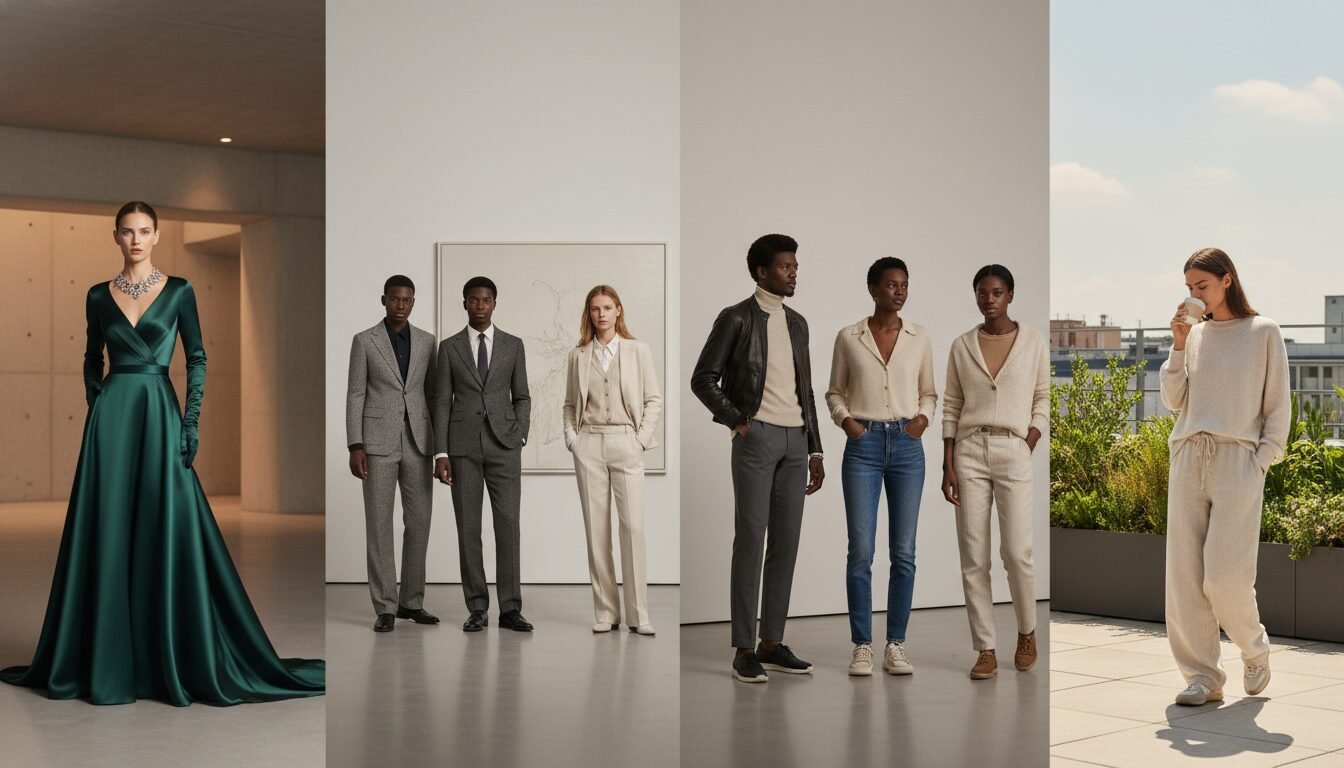
Fashion brands exist across a vast spectrum, from $10,000 couture gowns to $30 fast-fashion finds and every tier has its own rules.
Haute Couture and Luxury Titans
Luxury fashion brands like Hermès, valued at $30.4 billion, and Chanel at $34.2 billion, sell exclusivity as much as they sell clothing. Prices can exceed €10,000 for a single garment. The FashionUnited Index places six luxury brands in the top 10 by value, confirming that economic power in fashion is concentrated at the top. Craftsmanship, limited distribution, and heritage storytelling are the currency here.
Mass-Market and Fast Fashion
Mass-market fashion brands play a completely different game. H&M ($10.2 billion) and Zara ($18.7 billion) dominate through affordability and rapid trend cycles, often retailing pieces under $50. YouGov Q1 2026 data shows that accessible labels like Levi’s and Skechers score higher in consumer popularity than many luxury competitors, reflecting broader reach over exclusivity.
Streetwear and Niche Cult Labels
Streetwear dissolved the boundary between fashion and culture. Supreme and Off-White built cult followings that luxury houses spent billions trying to replicate. Limited-edition pieces from niche labels regularly fetch €590 or more, as noted in consumer discussions around underrated brands. These fashion brands bypass traditional retail entirely, building empires through social media and influencer culture. No runway required.
Pros and Cons of Today’s Fashion Brand Landscape
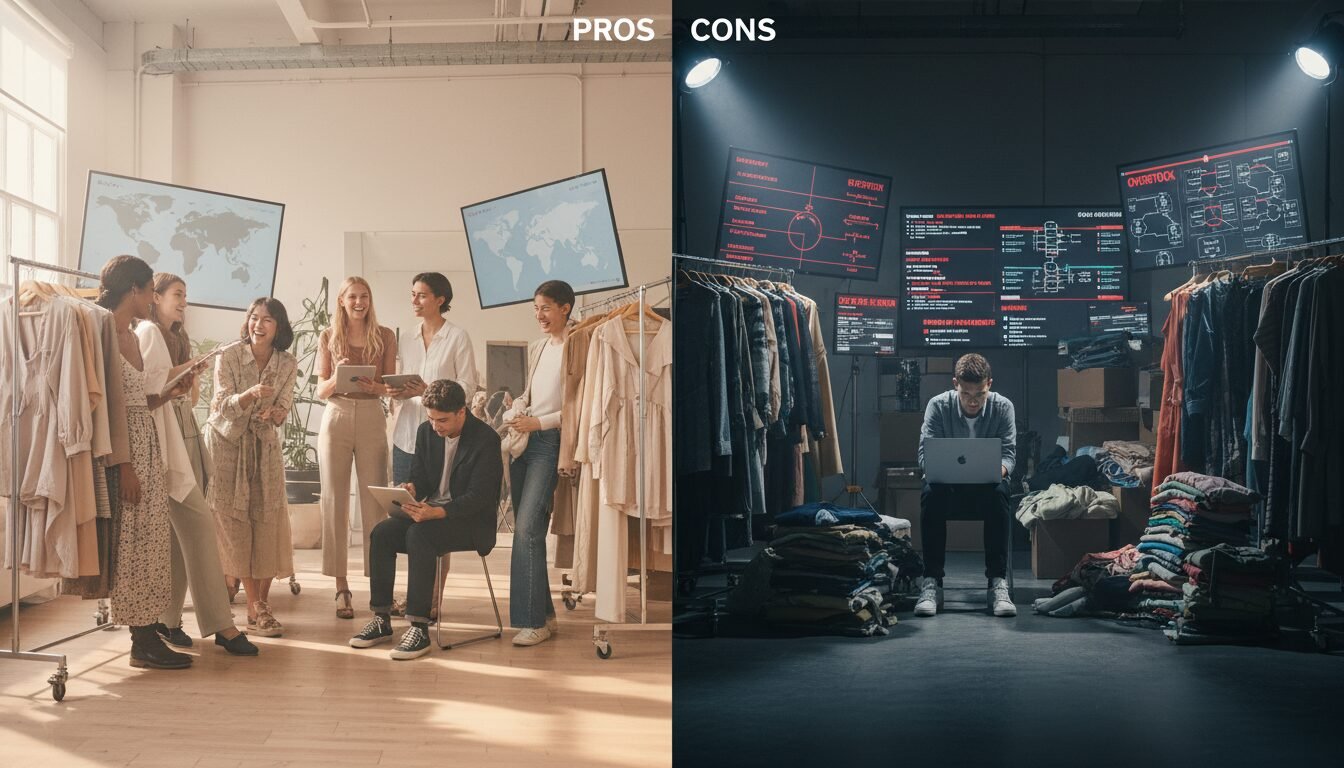
The fashion brand world offers extraordinary range but that range comes with real trade-offs worth understanding before you spend a cent.
Pros
- Unmatched variety: From $40.7 billion luxury houses to independent DTC labels, there’s a fashion brand for every aesthetic and budget.
- Cultural storytelling: The best fashion brands sell an identity, not just clothing giving wearers a way to express who they are.
- Sustainability options: Certifications like GOTS and OEKO-TEX mean ethical shoppers have real, verifiable choices.
- Discovery tools: Directories like Stylight, Neiman Marcus designer listings, and Amazon’s Premium Brands Shop make finding new labels faster than ever.
- DTC access: Direct-to-consumer fashion brands cut out the middleman, often delivering better pricing and tighter brand experiences.
Cons
- Greenwashing risk: Not every brand claiming sustainability holds a legitimate certification GOTS adoption is growing but far from universal.
- Value vs. popularity disconnect: A $40 billion brand value doesn’t mean consumers actually love the label luxury brands consistently score lower in mass popularity polls.
- Fast fashion’s true cost: Brands retailing under $50 often externalize environmental and labor costs that don’t appear on the price tag.
- Oversaturation: With over 446 brands in Wikipedia’s high fashion category alone, cutting through the noise to find labels worth your money takes real effort.
The Most Valuable Fashion Brands
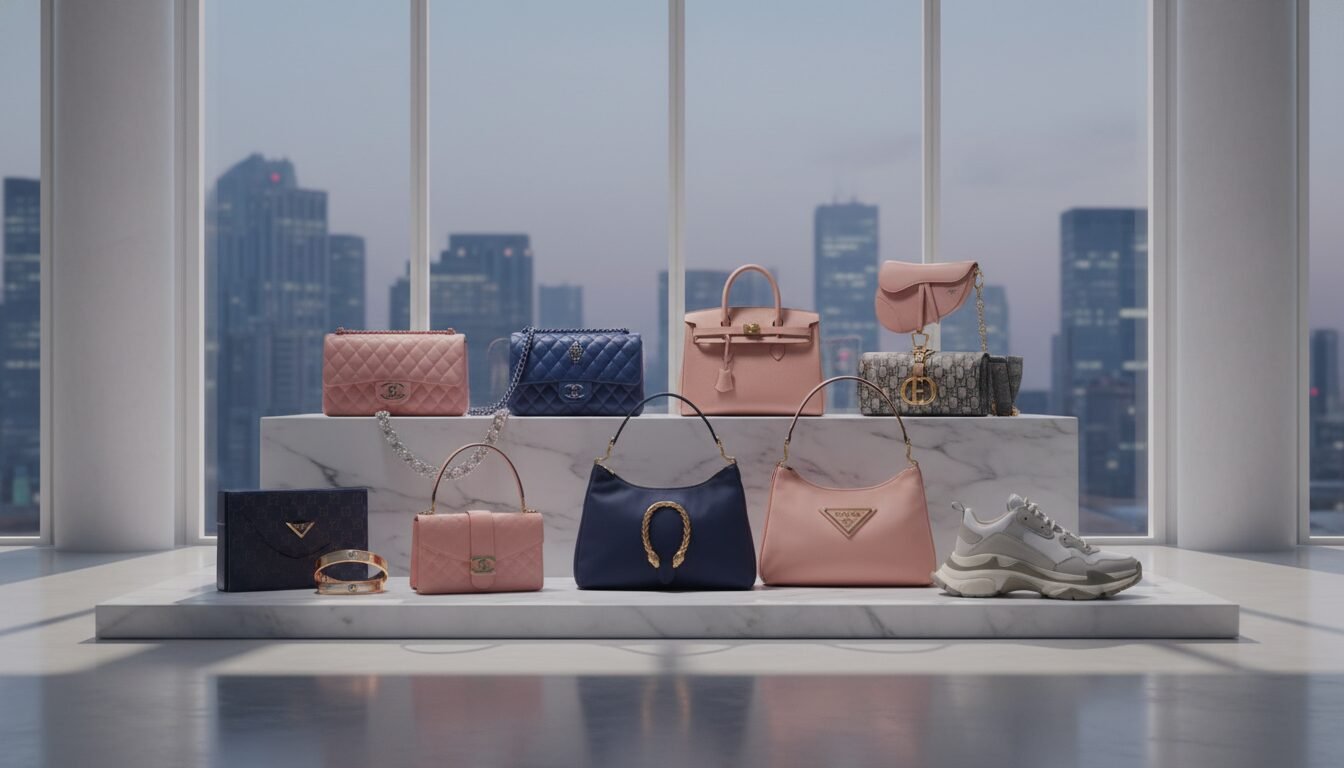
Brand value measures a company’s financial worth based on earnings, market position, and intangible assets and the numbers reveal exactly who controls the industry.
Rankings and Valuation Methods
The FashionUnited Index calculates brand values annually. The 2025 edition places Louis Vuitton at $40.7 billion, followed by Chanel ($34.2 billion) and Nike ($31.6 billion). These three alone represent over $106 billion in combined brand equity. Heritage and sportswear dominate the top tier a pattern that’s held for years and shows no sign of breaking.
“Louis Vuitton, Chanel, and Nike lead the fashion industry with brand values of $40.7 billion, $34.2 billion, and $31.6 billion respectively, according to the FashionUnited Index 2025.”
| Brand | Category | 2025 Brand Value (USD) | U.S. Popularity (YouGov Q1 2026) |
|---|---|---|---|
| Louis Vuitton | Luxury | $40.7 billion | N/A |
| Chanel | Luxury | $34.2 billion | N/A |
| Nike | Sportswear | $31.6 billion | 60% |
| Hermès | Luxury | $30.4 billion | N/A |
| Zara | Fast Fashion | $18.7 billion | N/A |
| Adidas | Sportswear | $17.9 billion | 67% |
| H&M | Fast Fashion | $10.2 billion | N/A |
| Zalando | E-Commerce | $5 billion | N/A |
| New Balance | Sportswear | $4.3 billion | N/A |
| Levi’s | Denim | $4.6 billion | 74% |
Sources: FashionUnited Index 2025; YouGov Q1 2026 Consumer Rankings.
Value by Segment
Luxury fashion brands command the highest valuations, with the top 10 alone exceeding $220 billion in combined value. Sportswear giants Nike and Adidas combine for nearly $50 billion. Fast-fashion retailers Zara and H&M contribute over $28 billion between them. Each segment monetizes its identity differently: exclusivity, athletic performance, or sheer volume. Three completely different business models, all operating under the same umbrella of fashion brands.
What Consumers Actually Prefer
Popularity and brand value tell two very different stories and the gap between them is where the most interesting fashion brands live.
Measuring Brand Sentiment
YouGov tracks popularity as the percentage of consumers holding a positive opinion of a brand. The Q1 2026 report reveals that Levi’s tops the U.S. list at 74%, tied with Hanes. Adidas follows at 67%, with Skechers matching that figure. Nike sits at 60%. Luxury brands, despite their financial dominance, score lower in mass popularity their narrower target demographics make that inevitable. High value doesn’t equal broad love.
“Levi’s holds the highest consumer popularity at 74% among U.S. adults, according to YouGov’s Q1 2026 Clothing and Footwear Rankings outscoring luxury giants with a fraction of their brand value.”
Regional Favorites
Geographic preferences shift the picture further. In the U.S., Levi’s and Skechers dominate consumer sentiment. In Europe, Zara and H&M carry stronger recognition. Six of the top ten most valuable fashion brands are headquartered in Europe, reflecting the continent’s deep-rooted fashion infrastructure and centuries of craft tradition.
How to Discover New Fashion Brands
Finding fashion brands worth your attention is a skill and with over 446 high fashion labels catalogued on Wikipedia alone, a systematic approach beats endless scrolling.
A 5-Step Discovery Process
- Define Your Aesthetic Preferences. Decide whether you lean toward classic tailoring, avant-garde silhouettes, or dark streetwear. Knowing your taste narrows the search from hundreds to dozens.
- Consult Curated Brand Directories. Resources like Wikipedia’s high fashion category list over 446 brands alphabetically. Stylight and Neiman Marcus designer listings offer curated A-Z directories across styles and price points, making comparison fast.
- Follow Fashion Week Calendars. Paris, Milan, London, and New York run twice a year. Emerging shows in Tokyo and Copenhagen introduce labels before they hit mainstream radar. This is where tomorrow’s fashion brands announce themselves today.
- Use Social Media and Community Discovery. Instagram and TikTok surface real-time finds through influencer content and hashtags. YouTube channels focused on underrated fashion brands regularly spotlight labels like Frugal Aesthetic and House of Errors names that don’t appear in any value index but carry serious cultural weight.
- Analyze Brand Value and Consumer Data. Cross-reference FashionUnited’s financial rankings with YouGov’s sentiment data. A brand climbing in popularity while holding a modest valuation like Levi’s at $4.6 billion with a 74% approval rating signals momentum worth paying attention to.
Sustainability in Fashion Brands
Sustainability has shifted from a marketing angle to a genuine differentiator and the fashion brands that treat it as core identity are building equity that outlasts trend cycles.
Certifications and Standards
Certifications like GOTS (Global Organic Textile Standard) and OEKO-TEX verify ethical and ecological production at the supply chain level. While exact adoption rates aren’t captured in major brand value indices, Patagonia’s presence in the FashionUnited list at $769 million proves that eco-conscious positioning can build serious financial equity. That’s not a small number for a brand that once ran an ad telling customers not to buy its jacket.
Brands Leading the Eco-Movement
Patagonia’s “Don’t Buy This Jacket” campaign and Stella McCartney’s animal-free luxury model show two different paths to the same destination. Both fashion brands built their identity around values, not just aesthetics. According to trend forecasting from WGSN and reporting by Vogue Business, Gen Z shoppers increasingly prioritize ethical production when choosing where to spend. Brand value rankings don’t yet weight sustainability heavily but that’s changing faster than most legacy houses are prepared for.
The Rise of Direct-to-Consumer Fashion Brands
Direct-to-consumer fashion brands are rewriting the rules of retail cutting out middlemen, owning customer data, and building tighter brand experiences than traditional wholesale ever allowed.
Cutting Out the Middleman
DTC fashion brands bypass traditional retail channels entirely, offering sharper pricing and direct customer relationships. Zalando, an online platform valued at $5 billion, exemplifies the e-commerce shift. DTC brands use data analytics to personalize marketing at scale, resulting in higher margins compared to wholesale models. The trade-off: they carry full responsibility for brand perception with no retail partner to share the weight.
Examples and Market Impact
New Balance reached a $4.3 billion valuation partly by controlling its own retail narrative. By selling directly, these fashion brands maintain full authority over branding and customer experience a critical advantage with younger demographics who expect consistency across every touchpoint. The DTC model isn’t just a distribution strategy. It’s a brand philosophy.
Where Pretty N Poison Fits
Most fashion brands ask you to pick a lane: pretty or powerful, soft or sharp, romantic or dangerous. We reject that entirely. Pretty N Poison was built on the duality the idea that you can be both at once, and that the tension between the two is exactly where style lives.
Our collections reflect that refusal to choose. The Pretty Edit brings ethereal, romantic silhouettes built for the kind of night that starts soft and ends electric. The Poison Edit goes darker: structured, edgy, dangerous in the best possible way. The Duality collection puts both energies in the same look. And Night Ritual covers the going-out essentials that every wardrobe needs but most fashion brands are too cautious to make bold enough.
As of 2026, we’re one of the few fashion brands designing specifically for women who live for nightlife and refuse to dress down for it. That’s not a niche. That’s a movement.
Frequently Asked Questions
What is a fashion brand?
A fashion brand is a company that designs, produces, and markets clothing and accessories under a distinct identity and aesthetic point of view. It can range from a global luxury house valued at tens of billions to a small independent label with a cult following built entirely on social media.
Which fashion brands are the most valuable?
Louis Vuitton leads with a brand value of $40.7 billion, followed by Chanel at $34.2 billion and Nike at $31.6 billion, according to the 2025 FashionUnited Index. The top 10 fashion brands collectively exceed $220 billion in combined value.
How can I discover new fashion brands?
Start with curated directories like Stylight and Neiman Marcus designer listings, then follow fashion week calendars in Paris, Milan, London, and New York. Social media platforms and YouTube channels focused on underrated labels surface emerging fashion brands before they hit mainstream recognition.
What makes a fashion brand sustainable?
A sustainable fashion brand prioritizes ethical labor, eco-friendly materials, and transparent supply chains. Certifications like GOTS and OEKO-TEX verify these practices independently, and brands like Patagonia valued at $769 million show that sustainability can anchor serious financial equity.
Are luxury fashion brands more popular than mass-market brands?
Not in consumer sentiment polls. While luxury brands hold higher financial valuations, mass-market fashion brands like Levi’s score higher in popularity 74% positive opinion among U.S. adults per YouGov Q1 2026 because wider accessibility drives broader affection.
Do fashion brands rely on fashion weeks?
High fashion brands do. The four major fashion weeks in Paris, Milan, London, and New York are the primary platforms for unveiling collections and earning industry credibility. Emerging fashion brands increasingly use digital shows and social media drops as alternative debut strategies.