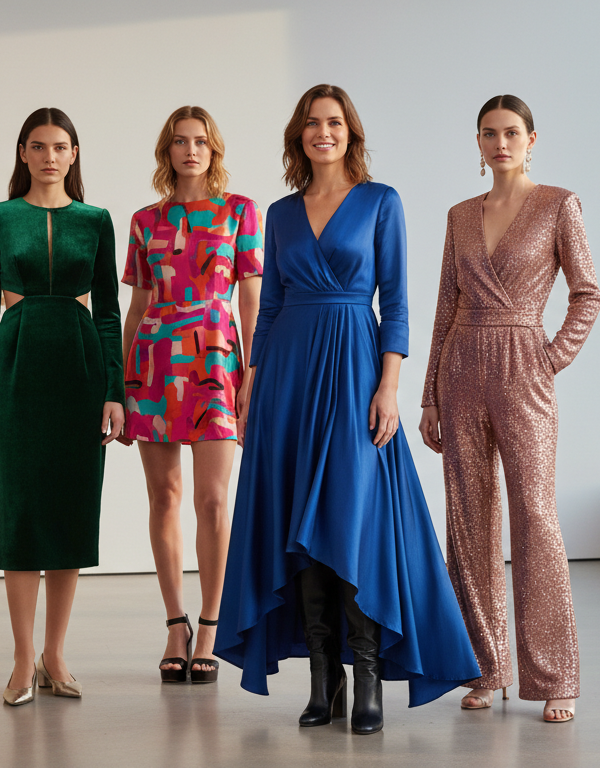
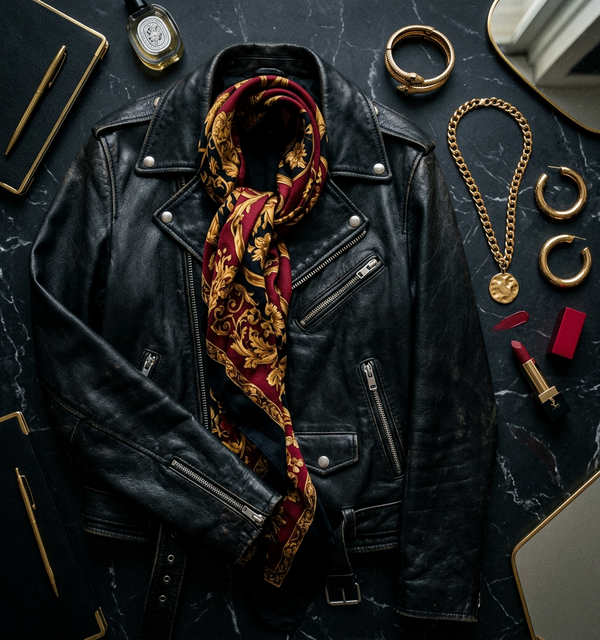
Most upmarket fashion brands have a nightlife problem. They’ll charge you $3,000 for a blazer but can’t figure out how to make a dress that works past 9 PM.
I’ve spent years watching women navigate this disconnect. You want quality, craftsmanship, and that unmistakable luxury feel. But you also want to look incredible at rooftop parties, club openings, and late-night dinners. The fashion industry keeps pretending these desires are mutually exclusive.
Here’s what we’ve learned from working with women who refuse to compromise: the best upmarket fashion brands understand that luxury isn’t just about heritage and craftsmanship. It’s about designing for how you actually live.
Why Most Luxury Brands Miss the Mark on Evening Wear
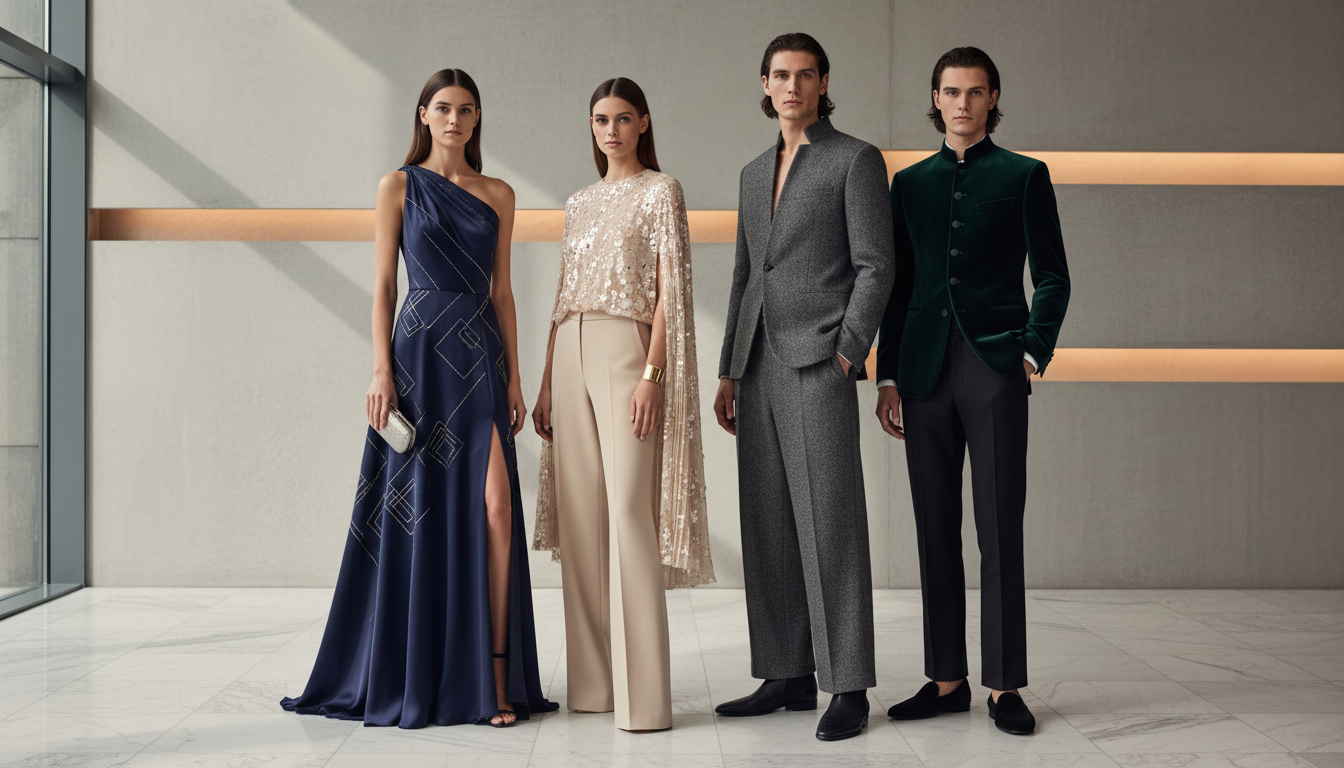
Walk into any Chanel boutique and count the pieces you’d actually wear to a club. I’ll save you the trip: maybe three, if you’re generous.
The problem isn’t quality or price point. Luxury brands excel at creating beautiful, well-made pieces. The issue is vision. Most heritage houses design for a customer who exists primarily in their imagination: someone whose social calendar revolves around charity galas and business lunches.
Real women need versatility. You want a piece that transitions from dinner to dancing without looking like you’re wearing your mother’s cocktail dress. You want edge without sacrificing elegance. You want to feel powerful, not precious.
This disconnect explains why so many women end up mixing high and low. They’ll invest in a luxury handbag or shoes, then hit Zara for anything they plan to wear after midnight. It’s not ideal, but it’s practical.
The Brands That Actually Understand Modern Luxury
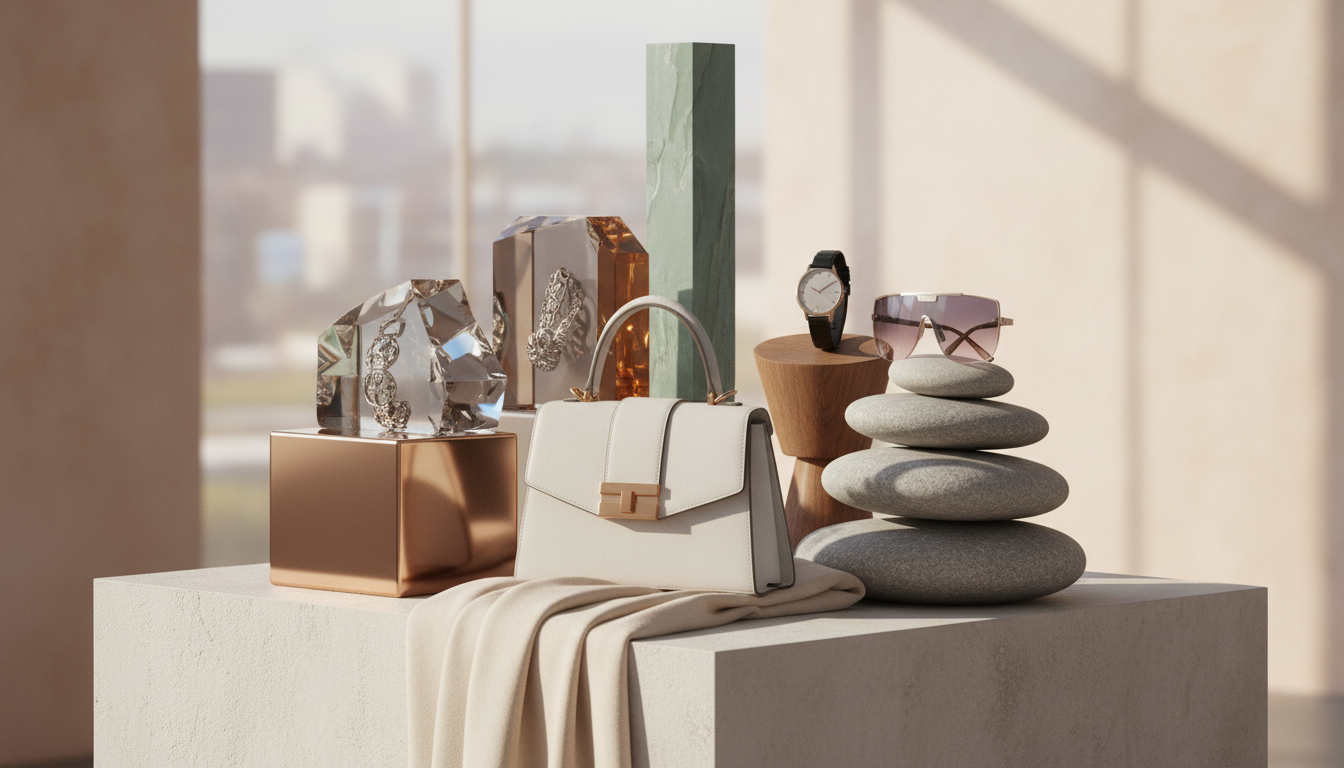
Some labels get it. They understand that today’s luxury consumer wants pieces that work across multiple contexts.
Saint Laurent remains the gold standard for this approach. Anthony Vaccarello consistently delivers pieces that feel equally at home in a boardroom or a basement club. The brand’s mini dresses, leather jackets, and statement accessories understand that power dressing doesn’t end at 6 PM.
Bottega Veneta under Daniel Lee revolutionized quiet luxury by making it feel current and relevant. Their pieces photograph beautifully under both natural light and neon. That’s not an accident.
Newer players like Jacquemus and Ganni have built their entire identities around this concept. They create pieces that feel luxurious without being stuffy, elevated without being untouchable.
The common thread? These brands design for women who live full, complex lives. They understand that luxury should enhance your lifestyle, not limit it.
What Separates Premium from Pretentious
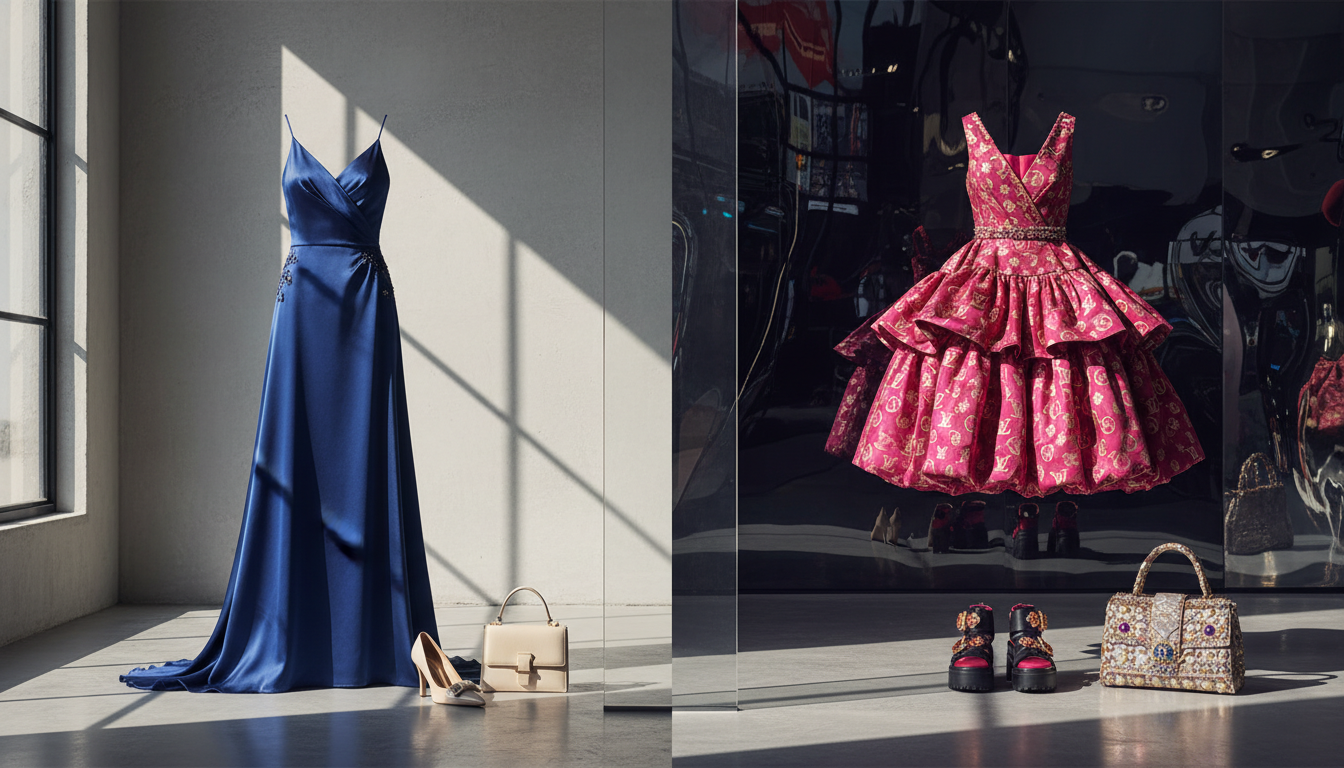
Not all expensive fashion qualifies as truly upmarket. Price alone doesn’t determine whether a brand belongs in the luxury conversation.
Real luxury brands invest in construction, materials, and design innovation. They create pieces that improve with age rather than falling apart after a season. The stitching is invisible, the hardware feels substantial, and the fit is consistently excellent across sizes.
Pretentious brands rely on logos and brand recognition to justify their prices. They’ll slap a monogram on a basic t-shirt and charge $400. The construction might be decent, but you’re primarily paying for the privilege of advertising their brand.
Here’s a simple test: remove all branding from a piece. Would you still pay the asking price based purely on design, materials, and construction? If the answer is no, you’re dealing with a brand that’s coasting on reputation rather than delivering value.
The best upmarket fashion brands create pieces you’d choose even without the label. The brand name becomes a bonus, not the primary selling point.
The Rise of Night-Ready Luxury
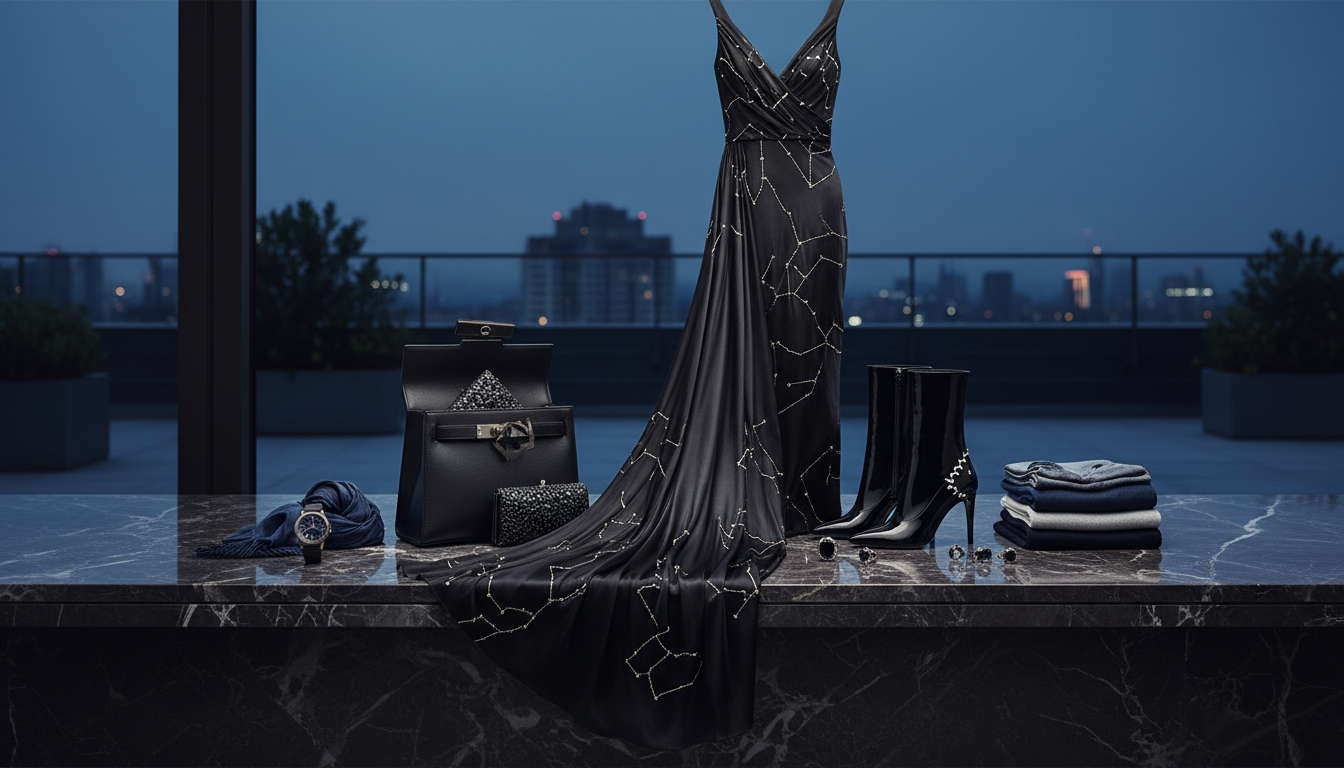
Something shifted in luxury fashion around 2020. Brands started acknowledging that their customers have social lives that extend beyond traditional “appropriate” occasions.
This change partly reflects generational differences. Millennial and Gen Z luxury consumers grew up with social media. They understand that every outfit is potentially photographed and shared. They want pieces that look incredible under various lighting conditions and photograph well from multiple angles.
Brands like Versace and Mugler have always understood this, but they were considered outliers. Now, even traditionally conservative houses are experimenting with more evening-appropriate pieces.
The pandemic accelerated this trend. When people finally started going out again, they wanted to make statements. Subtle luxury felt insufficient after months of isolation.
We’re seeing this influence across categories. Handbags are getting more structured and statement-making. Shoes are getting higher and more architectural. Even traditionally daytime brands are introducing pieces designed specifically for evening wear.
Investment Pieces vs. Statement Makers
Smart luxury shopping requires understanding the difference between investment pieces and statement makers. Both have their place, but they serve different functions.
Investment pieces are the foundation of a luxury wardrobe. Think well-cut blazers, quality leather goods, and perfectly fitted basics. These pieces should work across multiple contexts and remain relevant for years. They’re expensive upfront but cost less per wear over time.
Statement makers are the pieces that define specific moments. A dramatic mini dress, an architectural bag, or shoes that stop conversations. These pieces might have shorter lifespans in your wardrobe, but they create memorable looks.
The best approach combines both strategies. Build your foundation with investment pieces from established luxury brands, then add statement makers from newer or more experimental labels.
This strategy also allows you to take risks without breaking your budget. You can experiment with trends through statement pieces while keeping your core wardrobe timeless and versatile.
How to Spot Emerging Luxury Brands
The most exciting developments in upmarket fashion often come from newer brands that haven’t been constrained by decades of tradition.
Look for brands with strong creative direction and consistent aesthetic vision. The best emerging luxury labels have a clear point of view that differentiates them from established players. They’re not trying to copy what already exists; they’re creating something new.
Pay attention to construction and materials. Emerging brands that will last invest heavily in quality from the beginning. They understand that their reputation depends on delivering products that justify their price points.
Consider the brand’s approach to sizing and fit. The best new luxury brands understand that their customers come in various shapes and sizes. They invest in fit models and pattern-making that works across a range of bodies.
Finally, look at how they present themselves. Emerging luxury brands that understand their market create imagery and messaging that feels current and relevant. They’re not trying to recreate the aesthetic of established houses; they’re building their own visual language.
The Future of Upmarket Fashion
The luxury fashion landscape is changing rapidly. Traditional hierarchies are being challenged by brands that prioritize relevance over heritage.
Sustainability is becoming a major differentiator. The best upmarket fashion brands are investing in responsible production methods and transparent supply chains. Consumers are increasingly willing to pay premium prices for brands that align with their values.
Technology is also playing a larger role. From 3D knitting to innovative materials, the brands that will define the next decade of luxury are those embracing technological advancement while maintaining craftsmanship standards.
The most significant change, however, is cultural. Luxury fashion is becoming more inclusive and representative of how people actually live. The brands that succeed will be those that understand their customers as complex, multifaceted individuals rather than one-dimensional archetypes.
This evolution creates opportunities for both established and emerging brands. The houses that adapt will thrive. Those that don’t will become museum pieces.
Ready to find pieces that match your actual lifestyle? Discover your duality at prettynpoison.com